
 Hailey Watson
12 Reasons Why First Loves are So Hard to Forget

There is something truly unforgettable about a first love. Whether it ended in happiness or heartbreak, the memory of that special person has a way of lingering long after the relationship is over.
First loves tend to leave a deep emotional imprint, quietly shaping who we become and influencing how we approach relationships later in life. The feelings, the intensity, and the sense of discovery are often unlike anything that follows. So what is it about first love that makes it so difficult to let go of, even as time moves on?
1. They Introduce You to Feelings You Never Knew Existed

Before your first love, emotions like butterflies in your stomach or a racing heartbeat were just things you read about in books.
Then suddenly, one person changed everything.
Those brand-new feelings hit hard because your brain had never processed anything like them before.
Scientists actually say that when we experience something for the first time, our brains pay extra close attention and store the memory more strongly.
That is why the excitement of a first love feels so vivid, even years later.
You never forget the first time your heart truly woke up.
2. Your Brain Literally Lights Up Differently

Love is not just a feeling — it is actually a chemical reaction happening inside your brain.
When you fall in love for the first time, your brain releases dopamine, oxytocin, and adrenaline all at once.
That powerful cocktail creates an almost addictive sense of happiness.
Research shows that early romantic experiences trigger the same brain regions as reward and pleasure.
Because your brain was still developing during your first love, those neural pathways formed extra deeply.
Years later, even a familiar song or smell can trigger those same brain circuits and bring the memory flooding back.
3. It Happened During a Time of Big Personal Changes

Think about everything happening during your early teen years — your body is changing, your identity is forming, and you are figuring out who you really are.
A first love lands right in the middle of all that emotional chaos.
It becomes tangled up with your whole sense of self.
Psychologists call this period a critical window for identity development.
Whatever happens to us emotionally during this time tends to leave a lasting impression.
Your first love did not just happen to you — it happened while you were becoming you.
That connection makes it nearly impossible to separate the memory from who you are today.
4. Every Experience Felt Like It Was Happening for the First Time

Your first real date, your first hand-hold, your first slow dance — all of these moments were brand new to you.
Firsts are powerful because they have no competition in your memory.
There is nothing to compare them to, so they stand completely alone.
Neuroscientists refer to this as the “novelty effect” — our brains give extra attention and memory storage to experiences that are completely new.
Every little moment with your first love felt electric because it genuinely was something you had never felt before.
That freshness gets locked into your memory like a photograph that never fades.
5. They Shaped How You Think About Love Forever

Long after a first love ends, it quietly continues to influence every relationship that follows.
The way they made you laugh, the things they said, or even how they hurt you — all of it becomes a sort of invisible measuring stick.
Whether you realize it or not, you compare future partners to that first person.
Relationship experts call this a “love blueprint” — the emotional template your first love builds inside you.
It sets your expectations, your fears, and your hopes for every romance after.
That is a huge amount of influence for one person to carry, and it explains why they are so hard to truly move past.
6. The Pain of Losing Them Was Unlike Anything Before

Heartbreak from a first love is not just emotionally painful — studies show it can actually feel physically painful too.
Your brain processes social rejection in the same region that handles physical pain.
So when your first love ended, your body genuinely hurt.
Because it was your first experience of that kind of loss, you had no coping skills yet and no past breakups to remind you that you would survive.
The shock of that pain made the whole experience unforgettable.
Oddly, the deeper the hurt, the stronger the memory becomes — which means even painful first loves leave a lasting mark that is hard to shake.
7. Music, Smells, and Places Become Tied to Them

Ever heard a song and suddenly felt like you were transported back in time?
That is the power of sensory memory, and first loves are full of it.
A specific perfume, a favorite song, or even a particular street corner can instantly bring their face to mind.
Our brains attach strong emotions to sensory experiences, and since first love is so emotionally charged, those triggers get wired in deeply.
Even decades later, catching a familiar scent or melody can make your chest tighten with nostalgia.
First loves basically leave sensory bookmarks scattered throughout your life, waiting to remind you of them when you least expect it.
8. You Were Completely Vulnerable and Open With Them

Before the world taught you to guard your heart, you loved your first love with everything you had.
No walls, no past heartbreaks to protect you, just pure and total openness.
That level of emotional vulnerability is rare and becomes harder to reach as you get older.
Sharing your truest self with someone creates a bond that is extremely difficult to forget.
They saw a version of you that very few people ever get to see — the unguarded, unfiltered version.
Even if the relationship did not last, that intimacy leaves a lasting impression.
Being truly seen by someone for the first time is something the heart never quite forgets.
9. Time Spent With Them Felt Magical and Endless

Remember how summer felt like it lasted forever when you were young?
First love has that same quality — time seemed to stretch out, and every moment together felt like its own little world.
There were no major responsibilities pulling your attention away, so you were fully present.
That kind of pure, undistracted joy is hard to recreate as an adult.
Life gets busier, and the simple pleasure of just being with someone becomes harder to hold onto.
Because those moments felt so magical and unhurried, they get preserved in memory almost like scenes from a favorite movie you want to watch again and again.
10. They Were Part of Your Most Defining Memories
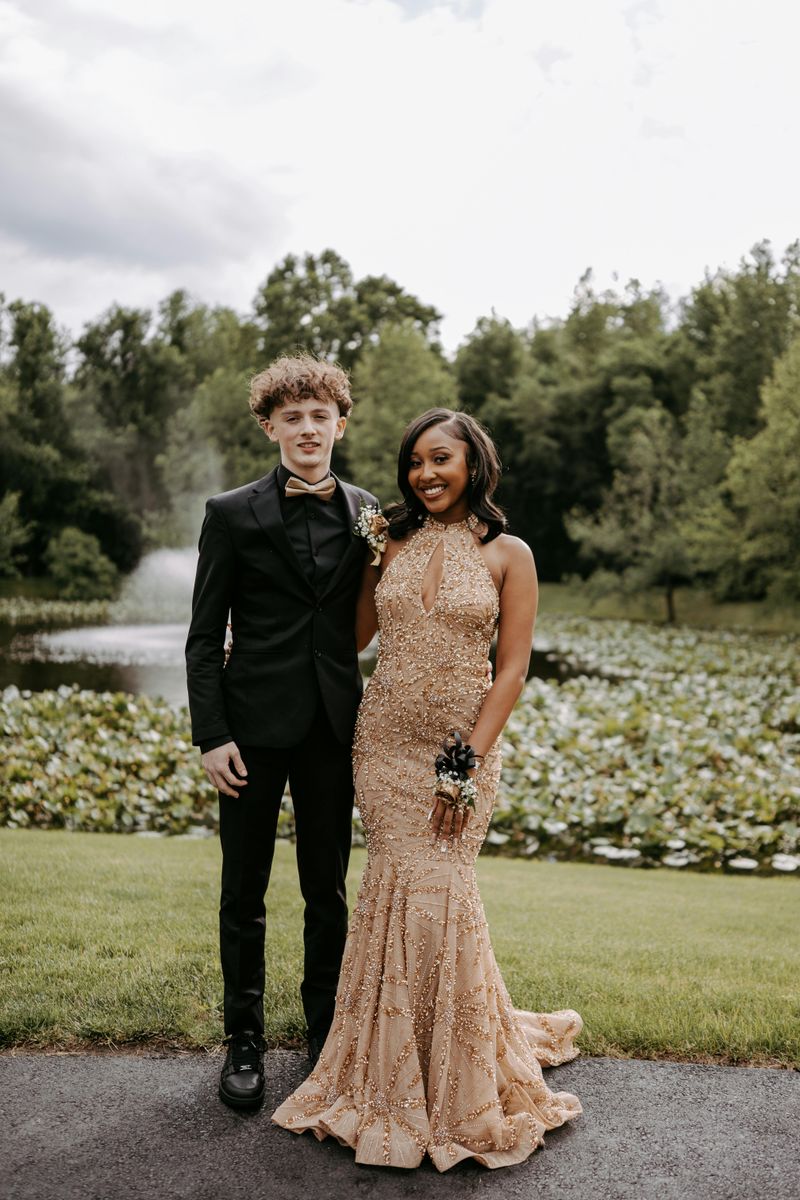
School dances, summer nights, graduation moments — first loves tend to show up right alongside the biggest milestones of your early life.
That overlap makes them almost impossible to untangle from your personal history.
When you look back on those defining moments, they are often right there beside you in the memory.
Psychologists call these “flashbulb memories” — vivid, detailed snapshots of emotionally significant events.
When a first love is present during these moments, they become permanently woven into the story of your life.
Years later, remembering prom or a special summer automatically brings them back too, whether you want it to or not.
11. The Relationship Had a Pure, Uncomplicated Quality
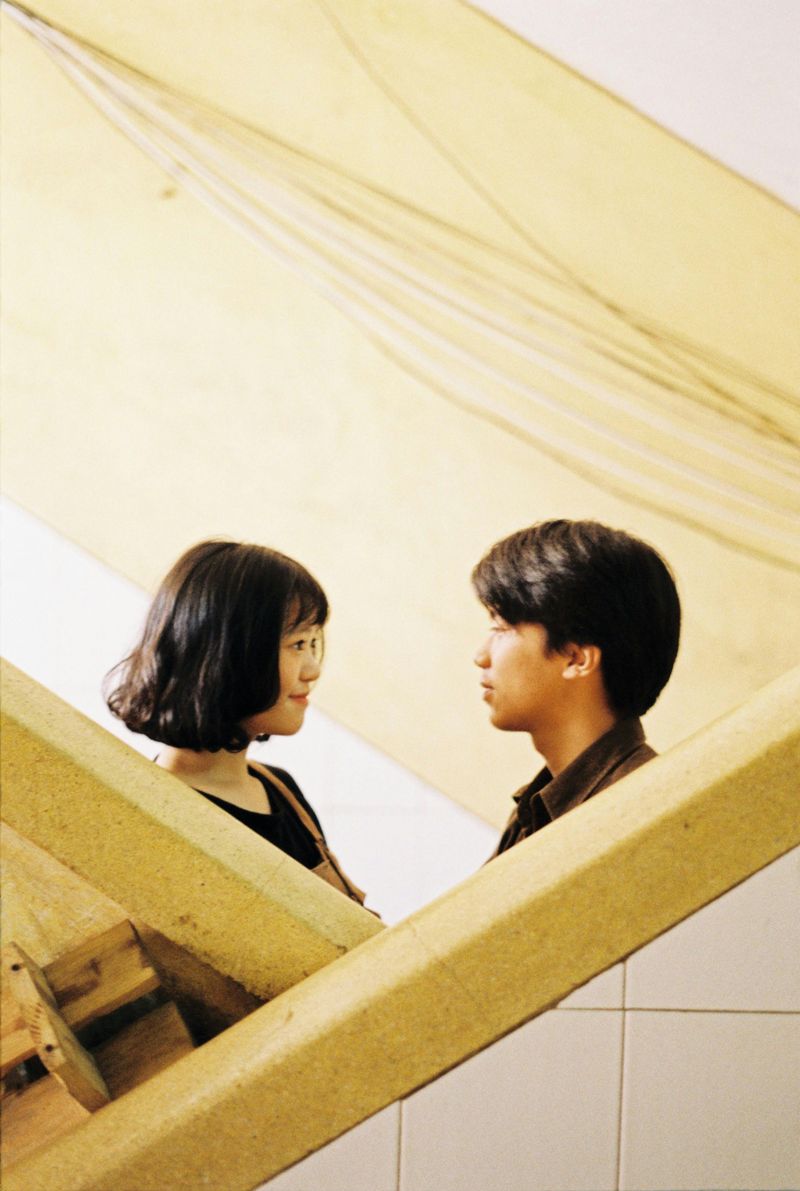
Before adult worries like finances, careers, or family pressures entered the picture, love was simple.
You liked each other — that was enough.
There was something beautifully uncomplicated about those early feelings that is almost impossible to recreate later in life.
As people grow older, relationships naturally come with more layers of complexity.
Looking back, a first love can feel like a kind of emotional paradise — pure, sweet, and untouched by the messiness of adult life.
That innocence makes it stand out in your memory as something uniquely precious.
You are not just missing the person; you are also missing that simpler, lighter version of yourself.
12. Unfinished Stories Are Harder to Let Go Of

Many first loves end before they feel truly finished — someone moved away, parents disapproved, or the timing was simply wrong.
When a story does not get a proper ending, our minds tend to keep searching for one.
That unresolved feeling keeps the memory alive and active.
Psychologists call this the Zeigarnik effect — the idea that unfinished tasks stay in our minds longer than completed ones.
A first love that ended abruptly or without real closure leaves an open loop in your brain.
Part of you keeps wondering “what if,” and that question has a way of making the memory feel permanent, no matter how much time passes.
Comments
Loading…