
 Chloe Peterson
Men Raised by Good Fathers Share These 13 Emotional Traits
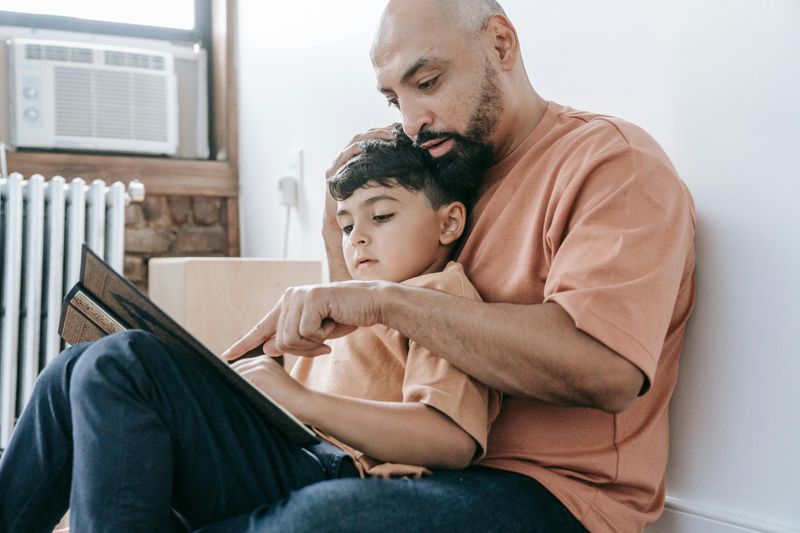
A good father does more than provide food and shelter — he shapes how his son thinks, feels, and connects with the world. The lessons a dad teaches, often without even realizing it, leave a lasting mark on a boy’s emotional development.
Research shows that men who grew up with caring, involved fathers tend to handle life’s challenges with more confidence and compassion. Here are 13 emotional traits commonly found in men who were lucky enough to have a great dad in their corner.
1. They Know How to Regulate Their Emotions

Picture a guy who stays cool when everything around him is falling apart.
That kind of emotional steadiness rarely happens by accident — it usually starts at home.
Boys who watched their fathers handle frustration without exploding learned that feelings don’t have to control behavior.
Good dads model emotional regulation by pausing before reacting and talking through problems calmly.
Those habits become second nature for their sons.
Instead of bottling things up or blowing up, these men have learned to pause, process, and respond thoughtfully — a quiet superpower that strengthens every relationship they build.
2. Empathy Comes Naturally to Them

Some people just seem to “get” others — they notice when someone is hurting before a single word is spoken.
Men raised by good fathers often develop this kind of deep empathy because their dads took the time to ask, “How are you feeling?” and actually meant it.
When a father validates his child’s emotions rather than dismissing them, he teaches his son that feelings matter.
That lesson sticks.
These men grow up to be the friends, partners, and coworkers who truly listen, offer comfort without judgment, and make the people around them feel genuinely understood and valued.
3. Healthy Boundaries Feel Normal to Them

Here is something not everyone talks about: setting boundaries is actually a skill, and someone has to teach it.
Men who had good fathers watched their dads say no without guilt, protect their time, and treat their own needs as valid — not selfish.
That modeling matters more than most people realize.
Growing up in a home where boundaries were respected taught these men that it is okay to protect their energy and speak up for themselves.
They do not feel the need to people-please their way through life.
Healthy limits feel natural because they saw them practiced every single day.
4. They Are Comfortable Being Vulnerable

Vulnerability gets a bad reputation, especially among men.
But the sons of good fathers know something others might not — showing your real feelings takes courage, not weakness.
Dads who cried at movies, admitted mistakes, or said “I love you” without hesitation gave their boys permission to do the same.
That freedom is genuinely powerful.
Men raised this way do not hide behind walls or pretend everything is fine when it clearly is not.
They share their struggles, ask for help when needed, and build deeper, more authentic connections because they are not afraid of being truly seen by others.
5. Self-Worth Is Built Into Who They Are

A father who consistently tells his son “I am proud of you” and “You matter” plants seeds of self-worth that grow for a lifetime.
Men raised with that kind of affirmation do not spend their adult years chasing approval from everyone around them — they already have it from within.
This inner confidence shows up in small but meaningful ways.
They do not crumble at criticism or spiral into self-doubt when things go wrong.
Challenges become learning experiences rather than proof of failure.
Their foundation was built solid, and it holds them steady even when life gets genuinely tough and unpredictable.
6. Conflict Does Not Terrify Them
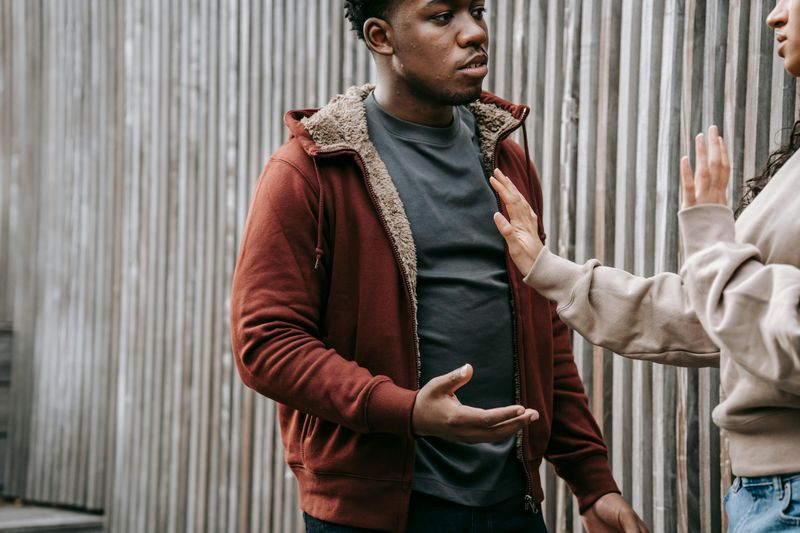
Disagreements are a normal part of every relationship — but not everyone handles them well.
Men raised by good fathers learned early on that conflict does not have to mean chaos.
Watching a dad navigate disagreements with respect and patience showed them that problems can be solved without screaming matches or silent treatment.
As adults, these men approach conflict with a problem-solving mindset rather than a defensive one.
They stay at the table, listen to the other side, and look for solutions that work for everyone.
That skill keeps their friendships strong, their workplaces productive, and their romantic relationships genuinely healthy over time.
7. They Trust Others Without Losing Themselves

Trust is tricky.
Give too little and relationships stay shallow; give too much and you get hurt.
Men who grew up with dependable fathers learned the sweet spot — how to open up to others while still maintaining their own sense of identity and judgment.
A reliable dad demonstrates that trust is earned and worth giving to the right people.
His son carries that lesson forward.
These men form close, loyal friendships and partnerships without losing themselves in the process.
They know the difference between healthy trust and blind loyalty, and that wisdom guides every meaningful relationship they build throughout life.
8. Expressing Love Feels Natural, Not Awkward
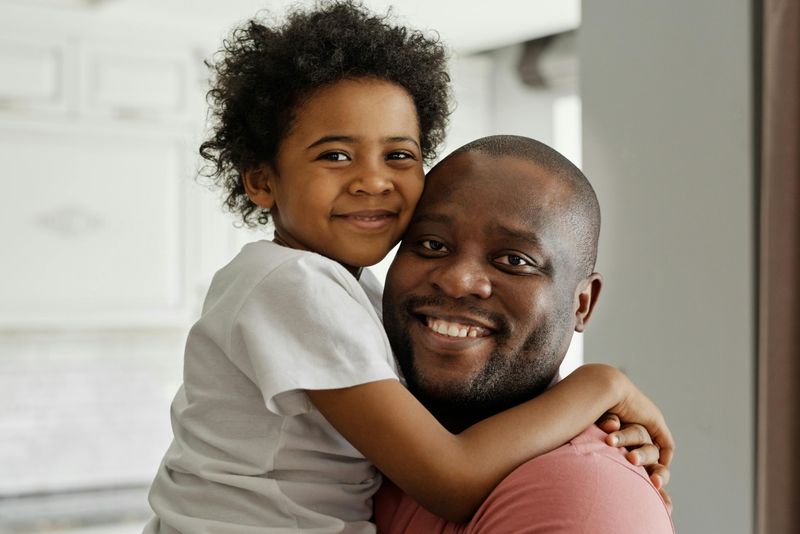
Not every man grew up in a home where “I love you” was said out loud.
But the ones who did?
They carry that warmth with them everywhere.
When a father freely expresses affection — hugs, kind words, genuine praise — his son learns that love is something you show, not just something you feel silently inside.
These men grow up to be the partners who say “I love you” first, the dads who cheer loudly at school plays, and the friends who show up without being asked.
Affection is not uncomfortable for them — it is simply who they are, shaped by years of being loved well.
9. Responsibility Does Not Feel Like a Burden
Accountability is one of the greatest gifts a father can pass down to his son.
When boys watch their dads own their mistakes, follow through on promises, and show up when things get hard, they absorb a powerful message: being responsible is a sign of strength, not a punishment.
Men raised this way do not dodge blame or make excuses when things go sideways.
They step up, fix what they can, and keep their word — not because someone is watching, but because that is simply who they are.
Their reliability makes them trustworthy in friendships, workplaces, and family life alike.
10. They Handle Failure With Grace

Failure stings for everyone — but not everyone falls apart because of it.
Men raised by good fathers tend to bounce back faster because they watched their dads fail, dust themselves off, and try again without shame.
That kind of resilience gets passed down through example, not lectures.
When a father says, “I messed up, but here is what I learned,” he teaches his son that failure is part of growth.
These men do not let setbacks define them or crush their confidence.
They treat mistakes as data, adjust their approach, and keep moving forward with a quiet, steady determination that others genuinely admire.
11. They Have a Secure Sense of Identity

Knowing who you are — really knowing — is rarer than it sounds.
Men who had fathers that encouraged curiosity, celebrated individuality, and supported personal growth tend to develop a rock-solid sense of self.
They do not need outside validation to feel complete or worthy.
That internal security shows up in how they make decisions, handle peer pressure, and respond to criticism.
They are open to feedback but not destroyed by it.
They can change their minds without feeling lost and stand their ground without becoming rigid.
A stable identity, quietly built during childhood, becomes the compass that guides them through every stage of adult life.
12. Patience Is One of Their Strongest Tools
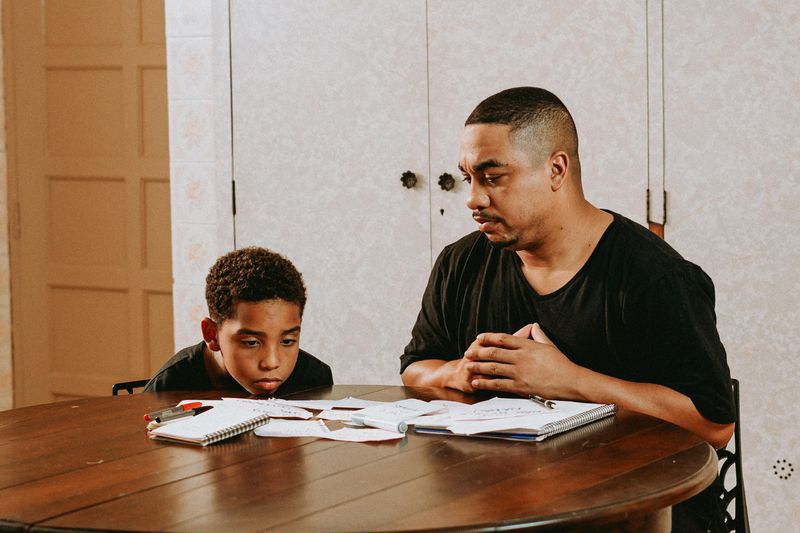
Patience is not something people are simply born with — it is practiced, modeled, and passed down.
A father who takes a breath before snapping, who sits through homework struggles without frustration, and who gives his kids time to figure things out teaches an incredibly valuable lesson without saying a word.
Sons raised in that environment grow into men who do not rush people or explode when things move slowly.
They understand that good things — strong relationships, meaningful goals, real growth — take time.
Their patience makes them better mentors, better partners, and better friends to everyone fortunate enough to know them well.
13. They Genuinely Want Others to Succeed

Jealousy and insecurity can quietly poison a person’s relationships.
But men raised by good fathers tend to root for others without hesitation, because they grew up in homes where success was celebrated, not competed over.
A dad who cheered for his kids — and for other people — showed his son that someone else winning does not mean you are losing.
That mindset is surprisingly rare and incredibly refreshing.
These men celebrate their friends’ promotions, support their partners’ dreams, and mentor younger people without feeling threatened.
Their generosity of spirit comes directly from watching a father live that way first, making it feel completely natural and right.
Comments
Loading…