
 Jade Reed
Pop culture debates often spark passionate arguments, and few topics ignite more heated discussions than questioning a superstar’s legendary status.
Beyoncé has dominated the music industry for decades, earning countless awards and millions of devoted fans worldwide.
However, some critics argue that her reputation exceeds her actual contributions to music, pointing to specific concerns about her artistry and influence that deserve closer examination.
1. Extensive Songwriting Credits Don’t Equal Solo Creativity
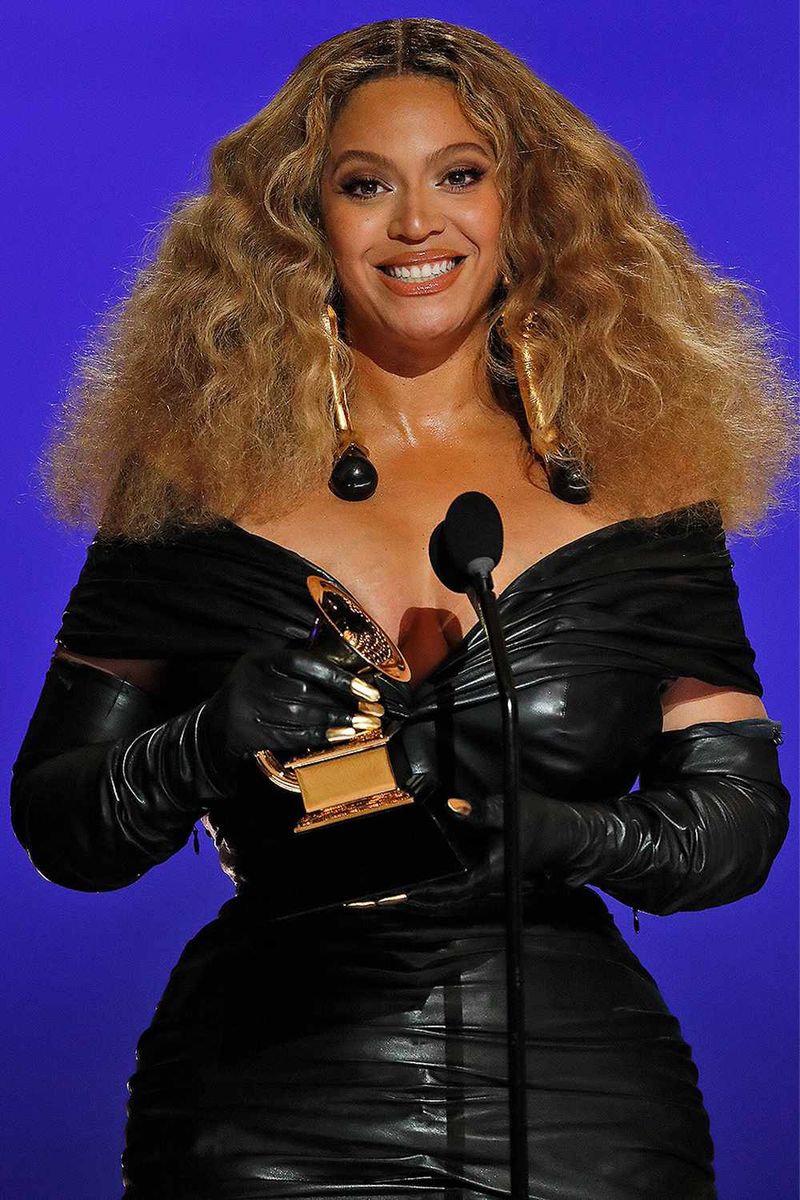
When you look at Beyoncé’s song credits, you’ll notice something interesting: dozens of names appear alongside hers.
Many tracks feature ten or more writers and producers contributing to a single song.
Critics like Exodus guitarist Gary Holt have questioned whether having so many collaborators truly makes someone a songwriter.
Compare this to artists who write alone or with just one partner, crafting lyrics and melodies from scratch.
The massive teams behind Beyoncé’s music raise questions about her individual creative input.
While collaboration is common in modern pop music, the sheer number of contributors makes it hard to identify her unique artistic voice.
2. Borrowed Ideas and Familiar Sounds

Musical originality becomes murky when songs sound suspiciously similar to earlier works by other artists.
Beyoncé’s “Green Light” features a chorus that closely resembles Amerie’s “1 Thing,” sparking debates about creative borrowing versus inspiration.
These aren’t isolated incidents—fans and critics have pointed out multiple examples throughout her catalog.
True innovators typically bring fresh sounds and groundbreaking approaches to their genre.
When an artist consistently releases material that echoes existing songs, it challenges their reputation as a pioneering force.
Original artists create trends rather than following them, and repetitive patterns suggest a reliance on proven formulas instead of genuine innovation.
3. Genre-Hopping Doesn’t Guarantee Mastery

Beyoncé has dabbled in R&B, pop, country, and rock throughout her career, performing at venues like the Country Music Awards.
Versatility sounds impressive on paper, but trying multiple genres doesn’t automatically mean excelling at all of them.
Jack of all trades, master of none—this old saying applies when artists spread themselves too thin.
Genre specialists often create deeper, more authentic work within their chosen style.
Jumping between musical categories can appear opportunistic, capitalizing on trends rather than demonstrating genuine artistic evolution.
Real mastery requires years of dedication to perfecting a craft, not just surface-level experimentation across various sounds.
4. Spectacle Over Substance in Live Shows

“Beychella” and similar performances earned praise for their visual grandeur, featuring hundreds of dancers, costume changes, and elaborate sets.
Yet flashy production values sometimes mask weaknesses in raw vocal ability or emotional connection.
Strip away the pyrotechnics, and what remains?
Legendary performers like Aretha Franklin or Whitney Houston could captivate audiences with just a microphone and their voice.
When an artist relies heavily on spectacle—coordinated dancers, special effects, and theatrical elements—it raises questions about whether the music itself can stand alone.
Genuine talent shines through even in the simplest settings, without requiring millions of dollars in production to make an impact.
5. Cultural Impact Confused With Musical Excellence

“Lemonade” addressed important themes about Black womanhood, relationships, and resilience, generating significant cultural conversations.
However, sparking discussions about social issues doesn’t automatically translate to superior musicianship or songwriting quality.
The two achievements, while both valuable, represent different accomplishments entirely.
An artist can create culturally significant work without producing the best music of their generation.
Confusing social impact with artistic excellence inflates an artist’s musical reputation beyond what their actual songs deserve.
Many performers deliver powerful messages through their platform while others focus purely on musical craftsmanship—both matter, but they shouldn’t be conflated when evaluating pure artistic merit.
Comments
Loading…