
 Chloe Peterson
15 Movies Critics Say Are Overrated—Do You Agree?
Some movies get so much hype that it feels like everyone loves them.
But what happens when critics and viewers start to wonder if all that praise was really deserved?
From big-budget blockbusters to award-winning dramas, certain films spark debate about whether they truly earned their legendary status.
Let’s explore 15 movies that divided opinions and see if you think the critics have a point.
1. The English Patient (1996)
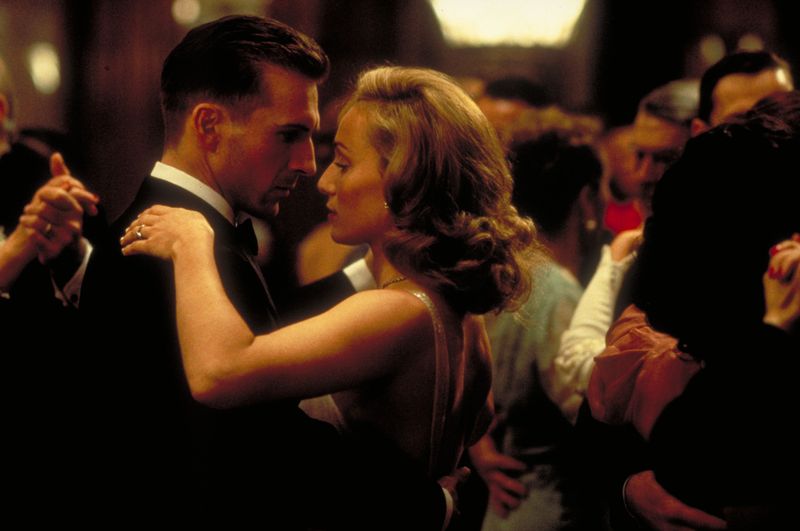
This sweeping romantic epic took home nine Academy Awards, including Best Picture.
Set during World War II, it told a complicated love story through flashbacks and desert landscapes that looked absolutely gorgeous on screen.
Despite its awards success, many reviewers later admitted they found it painfully slow and emotionally distant.
The film’s lengthy runtime tested patience, and some viewers struggled to connect with characters who seemed more like beautiful statues than real people.
Even today, it remains a divisive winner that makes people question what the Academy was thinking.
The gorgeous cinematography couldn’t quite make up for storytelling that felt cold and overly complicated.
2. Inception (2010)
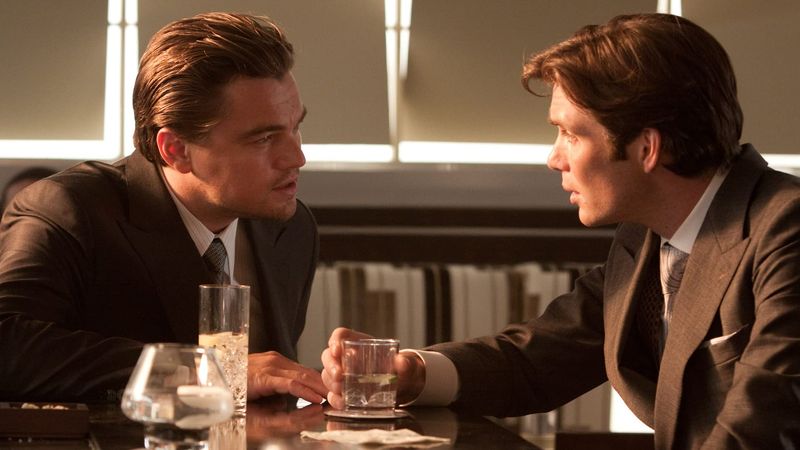
Christopher Nolan crafted a mind-bending thriller about dreams within dreams that had audiences talking for months.
The inventive action sequences, especially that rotating hallway fight, became instantly iconic and showcased groundbreaking filmmaking techniques.
Still, some critics felt the movie cared more about being clever than making you actually care about the characters.
All those rules about dream levels and kicks made for interesting puzzles, but emotional moments often felt secondary to explaining the complex plot.
Leonardo DiCaprio delivered a solid performance, yet his character’s grief sometimes got lost in all the intellectual gymnastics.
For every viewer who loved decoding its mysteries, another wished it had a stronger heart.
3. Love Actually (2003)
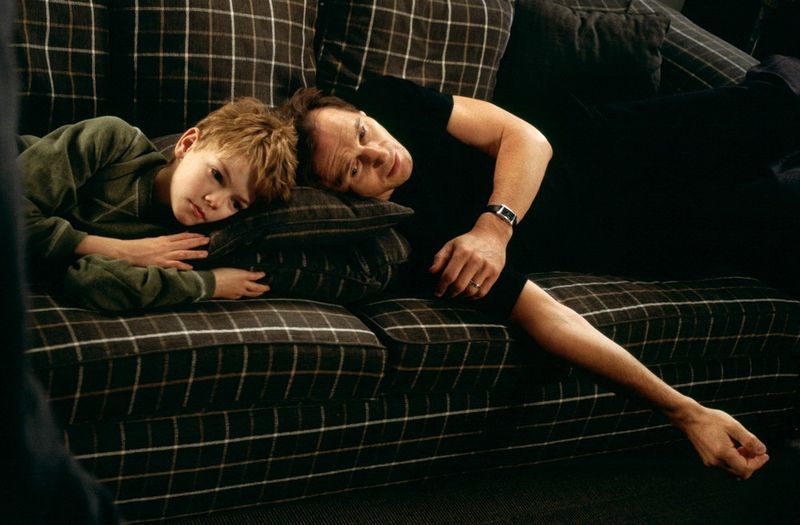
This British holiday rom-com became a Christmas tradition for millions of viewers worldwide.
With its star-studded ensemble cast and multiple interweaving love stories, it promised something for everyone during the festive season.
Critics frequently complain that juggling so many storylines meant none of them got proper development.
Some plots feel rushed or underdeveloped, while others veer into uncomfortable territory that hasn’t aged particularly well over the years.
The charm that works for some viewers feels shallow and manipulative to others.
What one person sees as heartwarming holiday magic, another views as a collection of half-baked romantic clichés wrapped in twinkling Christmas lights and forced sentimentality.
4. The Blair Witch Project (1999)
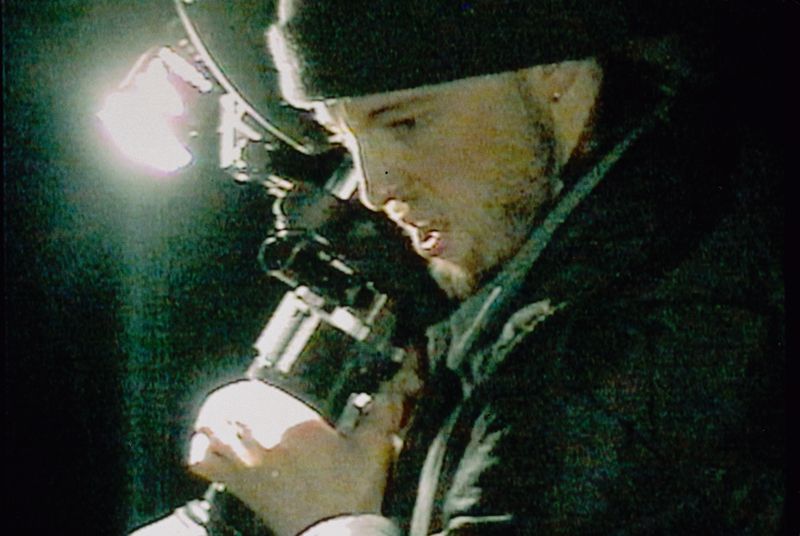
This low-budget horror film revolutionized movie marketing by making audiences believe it might be real found footage.
The shaky camera work and improvised dialogue created an unsettling atmosphere that felt genuinely different from polished Hollywood productions.
Many critics argue the hype machine worked better than the actual movie.
Once you knew it was fiction, the slow pacing and lack of clear scares left some viewers feeling cheated rather than terrified by what they’d seen.
The brilliant marketing campaign may have been the real star here.
While it deserves credit for influencing countless found-footage films that followed, watching it today often feels more tedious than truly frightening or innovative.
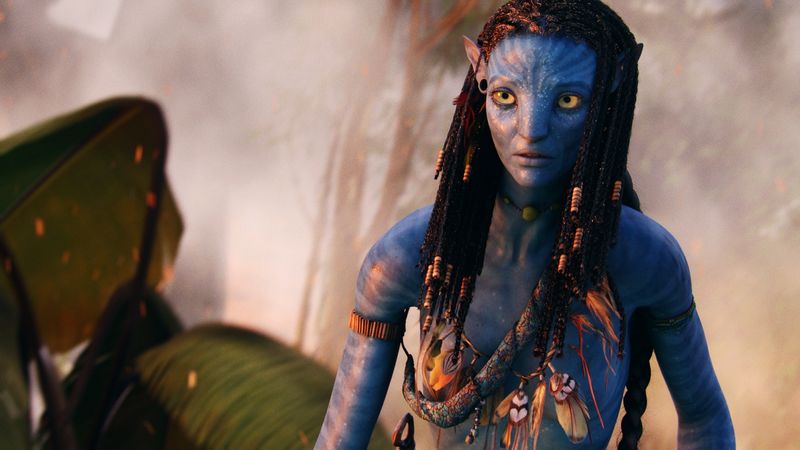
5. Avatar (2009)
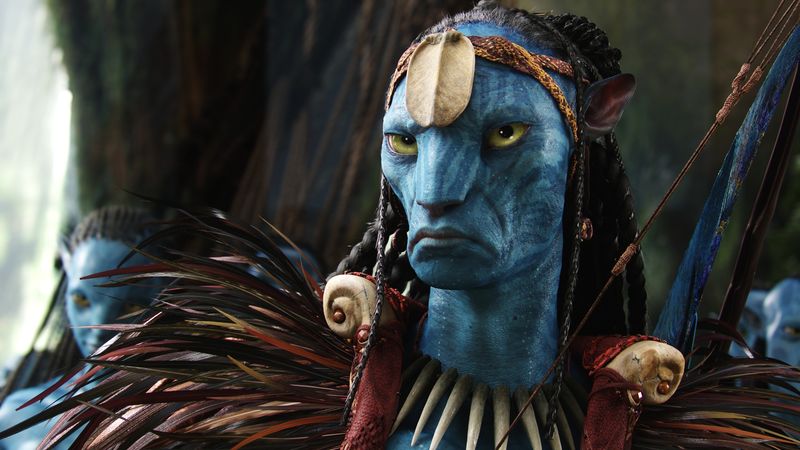
James Cameron’s sci-fi epic broke box office records and wowed audiences with its stunning 3D visuals.
The lush alien world of Pandora felt incredibly real, making it a must-see theater experience.
However, many critics pointed out that beneath all the visual magic, the story felt awfully familiar.
The plot borrowed heavily from movies like Pocahontas and Dances with Wolves, offering little originality in its narrative.
While the technical achievement was undeniable, some viewers left theaters wondering if they had just watched the most expensive retelling of an old story.
The characters lacked depth, and emotional moments felt predictable rather than genuinely moving.
6. Knocked Up (2007)
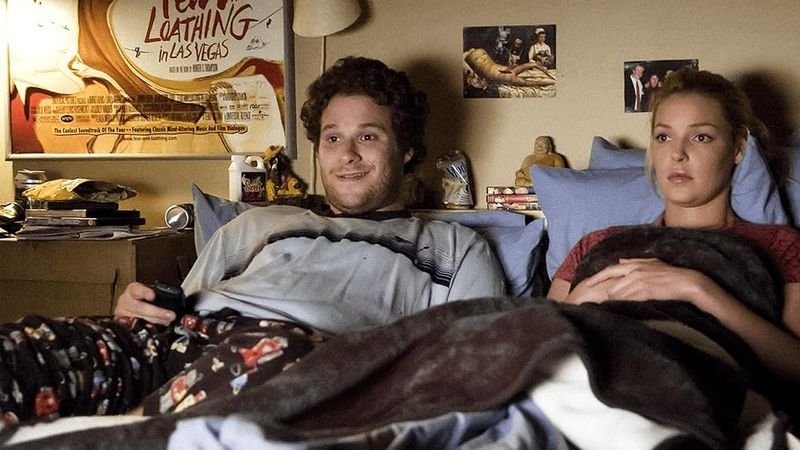
Judd Apatow’s comedy about an unexpected pregnancy became one of the biggest hits of the late 2000s.
Seth Rogen’s lovable slacker character provided plenty of laughs, and the supporting cast delivered memorable comedic moments throughout.
Looking back, many critics point out how the gender dynamics feel uncomfortably dated and one-sided.
The female lead often comes across as uptight and judgmental, while the male characters get away with immature behavior that’s played for laughs.
The humor that seemed fresh and edgy back then now feels uneven and sometimes problematic.
What worked as comedy gold in 2007 can make modern audiences cringe at its treatment of women and relationships.
7. Braveheart (1995)
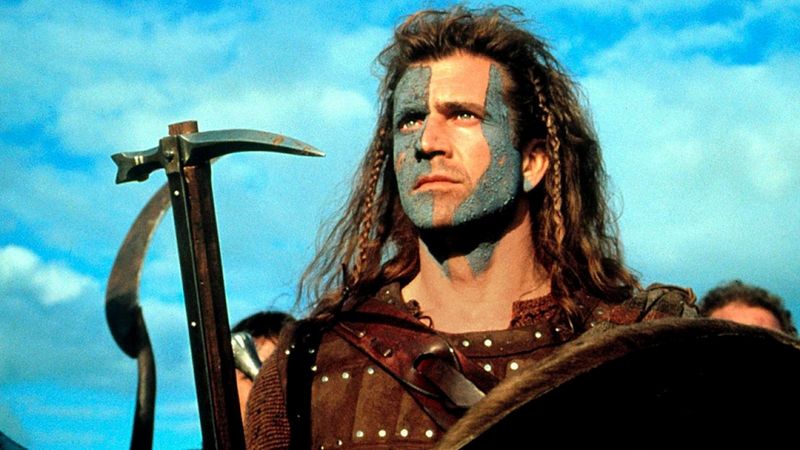
Mel Gibson’s epic tale of Scottish hero William Wallace won Best Picture and became a cultural phenomenon.
The massive battle scenes and stirring speeches about freedom created powerful cinematic moments that audiences still quote today.
Historians and critics alike have criticized its wild historical inaccuracies that border on complete fiction.
From incorrect timelines to invented plot points, the film plays fast and loose with actual Scottish history in ways that can’t be ignored.
Beyond the factual problems, some find the storytelling heavy-handed and overly simplistic.
The emotional manipulation feels obvious, and the three-hour runtime tests patience with its self-important tone and predictable hero-worship narrative structure.
8. Boyhood (2014)
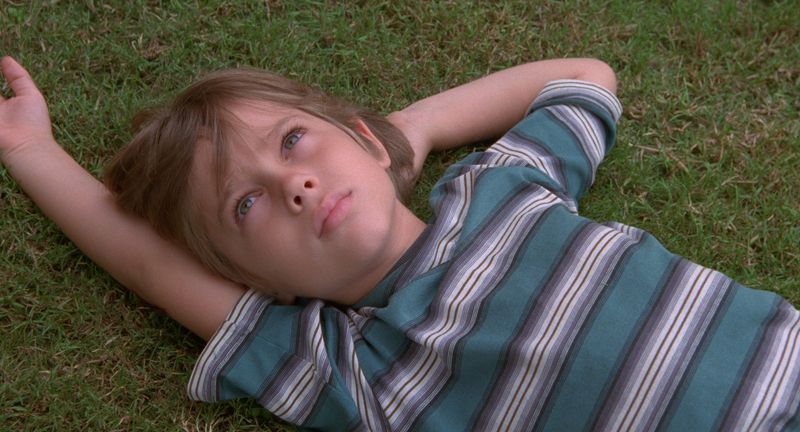
Richard Linklater filmed this coming-of-age drama over twelve actual years, watching his young star grow up on camera.
That unprecedented commitment to the project earned widespread admiration and made it a unique experiment in filmmaking history.
Despite the innovative production method, some critics felt the actual story didn’t justify all the praise heaped upon it.
The narrative meanders without much dramatic tension, and the characters sometimes feel ordinary rather than particularly compelling or insightful.
The gimmick might have overshadowed whether the movie itself was actually great.
Watching someone age on screen is fascinating, but that doesn’t automatically make every moment of their fictional life worth our attention or emotional investment.
9. Hidden Figures (2016)
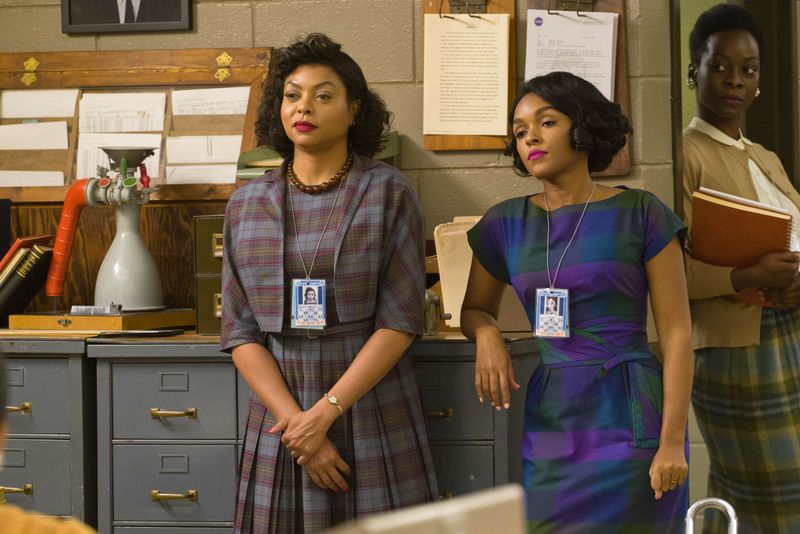
This inspiring true story brought important historical figures to mainstream attention, celebrating the African American women mathematicians who helped NASA succeed.
The performances were strong, and the message about overcoming discrimination resonated powerfully with audiences everywhere.
Some critics felt the film simplified complex history into a safe, formulaic package designed for maximum crowd-pleasing.
Real struggles got smoothed over for feel-good moments, and uncomfortable truths were softened to make the story more palatable and commercially appealing.
While the women’s achievements absolutely deserved recognition, the Hollywood treatment may have done them a disservice.
The paint-by-numbers approach to serious historical injustice felt like it prioritized awards potential over authentic storytelling and genuine complexity.
10. The Departed (2006)
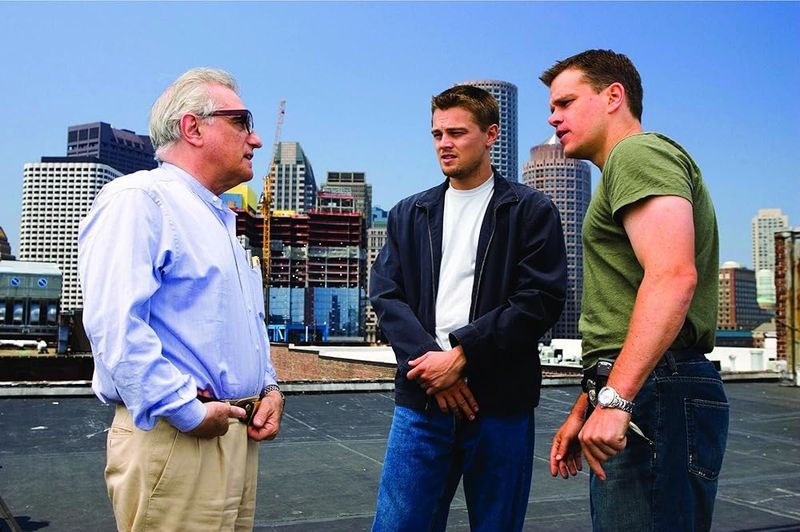
Martin Scorsese finally won his long-overdue Best Director Oscar for this Boston crime thriller.
The all-star cast delivered intense performances, and the cat-and-mouse plot between undercover cops and criminals kept audiences on edge throughout.
However, some critics view this as Scorsese-lite rather than top-tier work from the legendary director.
Compared to masterpieces like Goodfellas or Taxi Driver, this remake of a Hong Kong film feels less personal and groundbreaking than his earlier achievements.
The Oscar win might have been more about correcting past oversights than rewarding his absolute best work.
While entertaining and well-crafted, it doesn’t quite reach the heights of Scorsese’s most influential and innovative films from decades past.
11. Whiplash (2014)
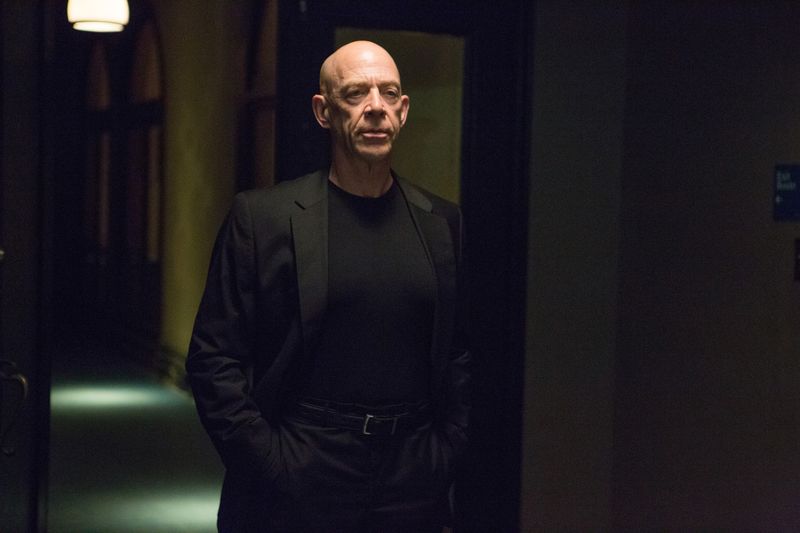
J.K. Simmons delivered an unforgettable performance as a terrifying music instructor who pushes his students to their breaking points.
The intense drum sequences created genuine tension, making you feel every beat and every drop of sweat during practice sessions.
Critics who found it overrated argue it lacks emotional nuance and relies too heavily on extreme behavior for impact.
The teacher-student relationship borders on abusive in ways the film doesn’t fully examine, treating cruelty as a necessary path to greatness without deeper exploration.
The black-and-white portrayal of artistic ambition feels simplistic to some viewers.
Real mentorship and musical excellence involve more complexity than screaming matches and psychological torture presented as motivational techniques.
12. Harry Potter and the Deathly Hallows: Part 2 (2011)
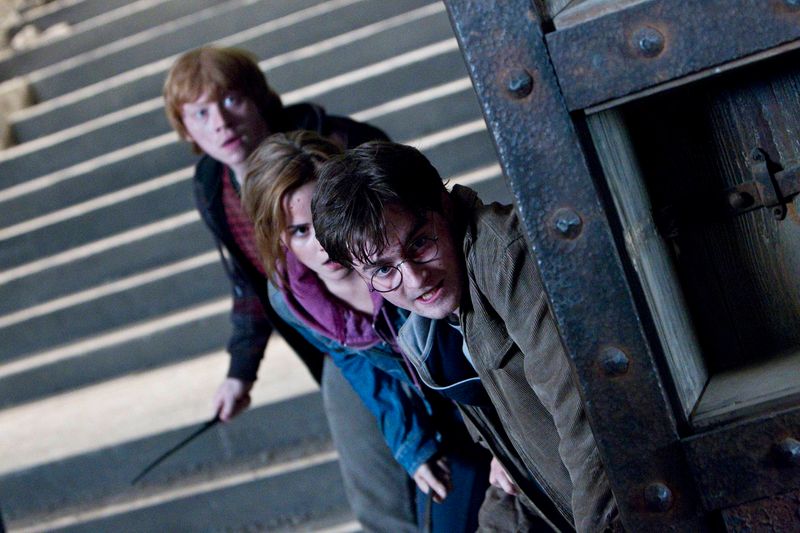
The final chapter in the beloved Harry Potter series brought the decade-long film franchise to an epic conclusion.
Fans packed theaters to see how the battle against Voldemort would play out, creating a massive cultural event that broke box office records.
Some reviewers felt it prioritized spectacle over the storytelling that made the series special in the first place.
Important character moments got rushed or cut entirely to make room for extended action sequences and visual effects showcases that looked impressive but felt somewhat hollow.
Pacing issues plagued the finale, with odd slow stretches followed by rushed resolutions.
For a series built on rich character development, reducing the ending to mostly battle scenes disappointed those hoping for more emotional depth.
13. La La Land (2016)
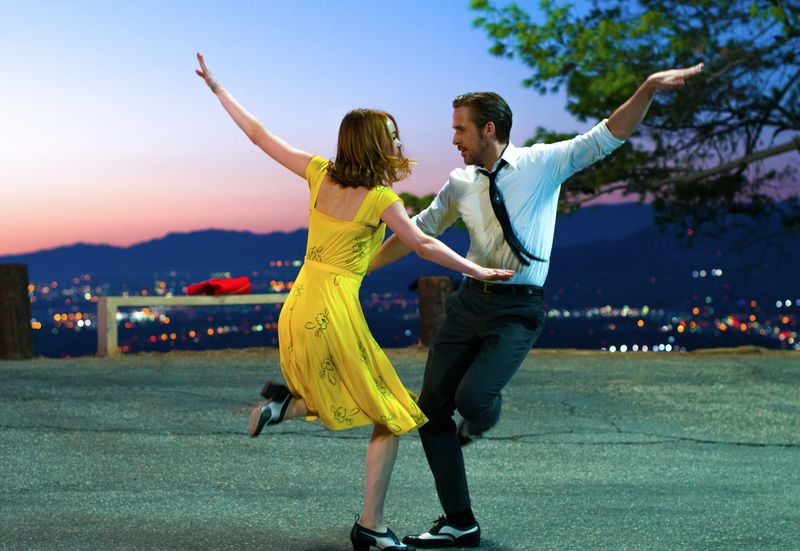
This modern musical love letter to Hollywood dazzled with gorgeous cinematography and memorable song-and-dance numbers.
The opening freeway sequence and planetarium dance became instant classics, showcasing director Damien Chazelle’s ambitious vision and technical skill.
Detractors argue the style completely overwhelms any real substance underneath all the pretty colors and swooping camera moves.
The romance feels superficial, and the characters lack depth beyond serving as beautiful figures in carefully choreographed scenes that prioritize aesthetics over authenticity.
Even the musical numbers drew criticism from those expecting stronger vocals and more complex choreography.
What some saw as charming imperfection, others viewed as inadequate talent propped up by excellent production design and nostalgic filmmaking tricks.
14. Joker (2019)
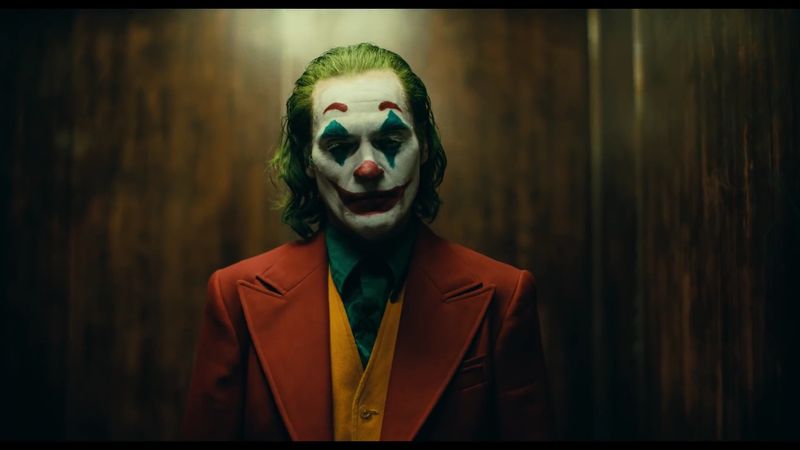
Joaquin Phoenix’s transformative performance as the troubled Arthur Fleck earned him an Oscar and created countless internet memes.
The gritty, realistic take on a comic book villain felt bold and different from typical superhero fare flooding theaters.
Many critics complained it borrowed too heavily from Scorsese classics like Taxi Driver and The King of Comedy without adding meaningful new insights.
The social commentary felt shallow and obvious, offering surface-level observations about mental health and society wrapped in borrowed cinematic style.
Despite the acclaim, some found it pretentious and thematically empty beneath Phoenix’s committed performance.
The film seemed to want credit for being deep and serious without actually earning it through original storytelling or genuine philosophical exploration.
15. Gravity (2013)
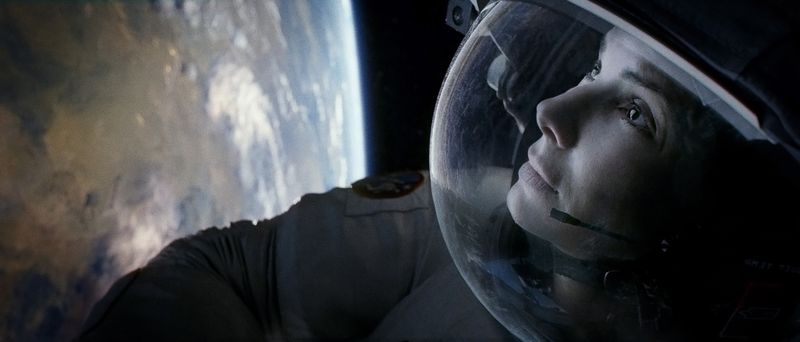
Alfonso Cuarón’s space survival thriller pushed visual effects technology to new heights, creating breathtakingly realistic sequences of astronauts tumbling through orbit.
The opening shot alone became a masterclass in technical filmmaking that left audiences genuinely awestruck by its ambition.
Beneath those stunning visuals, critics found a surprisingly thin emotional core and simplistic character development.
Sandra Bullock’s character arc felt predictable, and the spiritual themes came across as heavy-handed rather than profound or particularly thought-provoking.
The technical achievement may have blinded some to the basic story being told.
While nobody disputes it looks absolutely incredible, whether that spectacle makes up for shallow storytelling remains a point of serious debate among moviegoers and reviewers alike.
Comments
Loading…