
 Jade Reed
10 Underrated ’80s Westerns That Still Hold Up Today
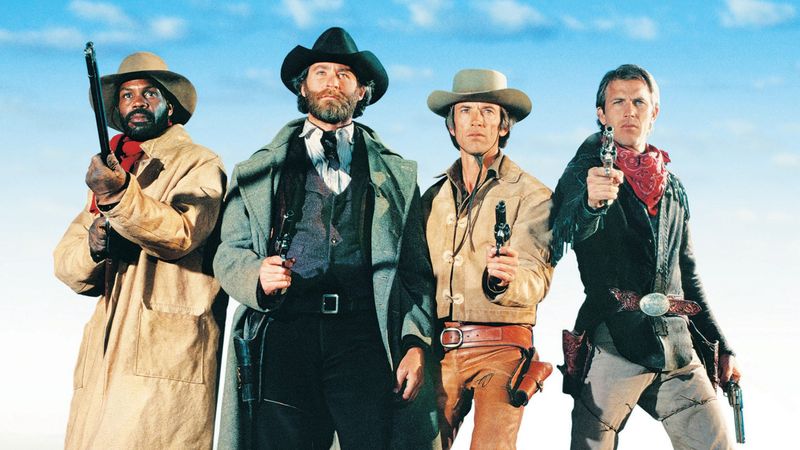
The 1980s gave us some wild, bold, and surprisingly thoughtful Westerns that most people have completely forgotten about.
While blockbusters grabbed all the attention, a handful of quieter, grittier films were telling stories about the frontier that felt raw and real.
These movies tackled themes like justice, survival, and identity in ways that still feel relevant today.
If you love a good Western, these 10 underrated picks are absolutely worth your time.
1. The Long Riders (1980)
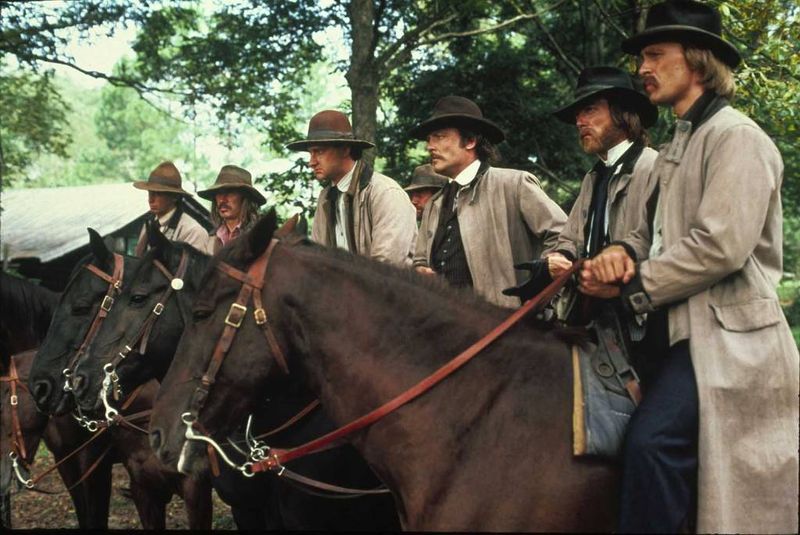
Few Westerns have ever pulled off a casting trick quite like this one.
The Long Riders brought in real-life brothers — the Keaches, Carradines, Quaids, and Guests — to play outlaw sibling pairs, giving the film an eerie, unscripted chemistry that no amount of rehearsal could fake.
Rather than painting the James-Younger gang as romantic rebels, the film shows their life for what it really was: dangerous, desperate, and doomed.
The famous Northfield Raid sequence, shot in moody slow motion, remains one of cinema’s most visually striking action moments.
If authenticity matters to you in a Western, this one delivers it in spades.
2. Heaven’s Gate (1980)
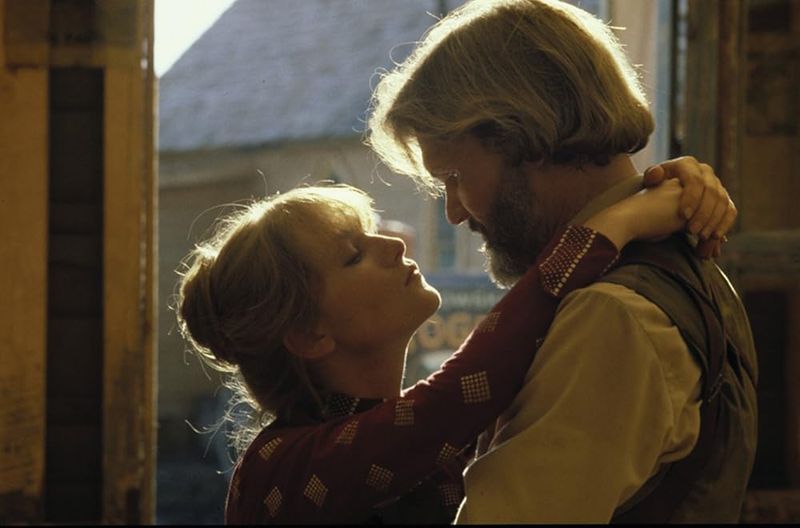
Hollywood called it a disaster.
History called it a masterpiece — eventually.
Heaven’s Gate famously tanked at the box office and nearly destroyed United Artists as a studio, yet decades later, film scholars have completely reversed that verdict.
Director Michael Cimino crafted something genuinely ambitious here, exploring class warfare and immigrant struggles on the American frontier with painterly visuals and a slow, deliberate rhythm.
It asks hard questions about power and justice that feel surprisingly modern.
Watch the restored version if you can — the full cut transforms what critics dismissed into something breathtaking and emotionally complex.
3. Barbarosa (1982)
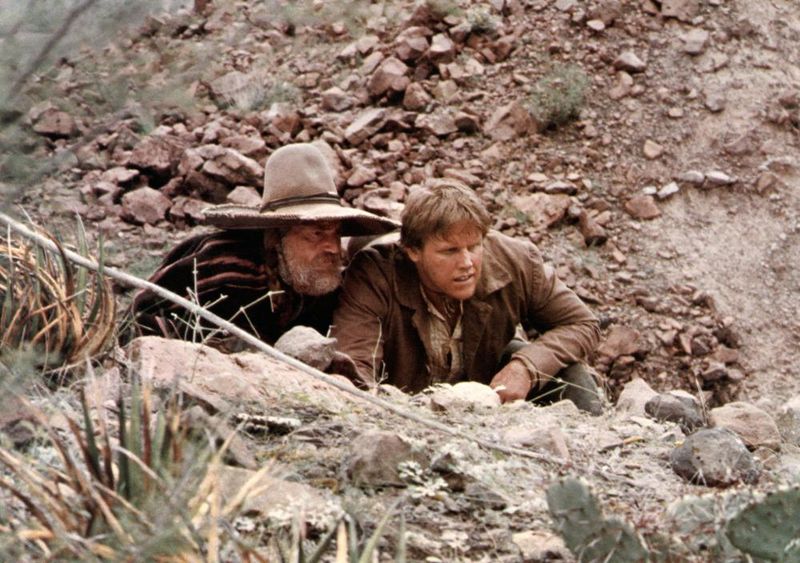
Willie Nelson playing a living legend of the frontier sounds almost too on-brand — and yet Barbarosa somehow exceeds every expectation.
Nelson brings warmth, humor, and surprising emotional weight to a role that could have easily been a caricature.
The story follows a young farm boy who stumbles into the orbit of a mythologized outlaw, and the unlikely friendship that forms between them carries the entire film.
There are gunfights, sure, but the real action happens in the conversations.
Quiet, funny, and genuinely moving, Barbarosa is the kind of hidden gem that rewards patient viewers who stick with its unhurried pace.
4. Silverado (1985)
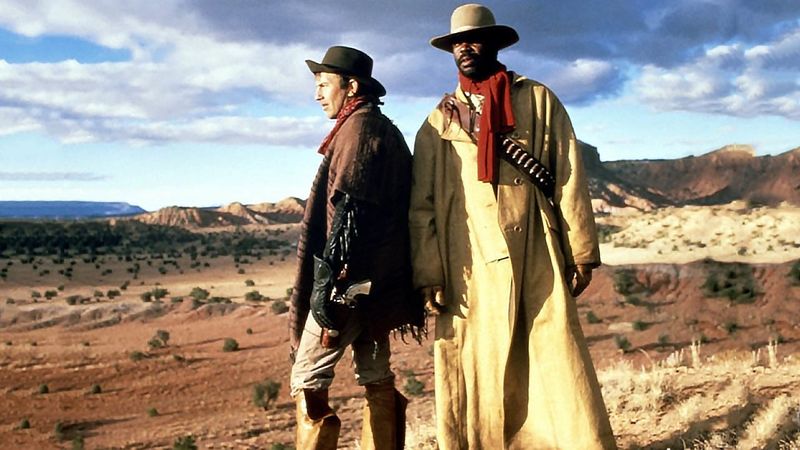
Back when Hollywood was convinced the Western was dead, Silverado rode in and proved everyone wrong.
Director Lawrence Kasdan assembled one of the most charismatic casts of the decade — Kevin Kline, Scott Glenn, Kevin Costner, and Danny Glover — and turned them loose on a classic frontier adventure.
The film wears its love for old-school Westerns proudly, leaning into every trope with a wink and a grin rather than trying to deconstruct them.
It is pure, unashamed fun from start to finish.
Somehow underappreciated in modern discussions, Silverado remains one of the most purely entertaining genre films of the entire decade.
5. Extreme Prejudice (1987)
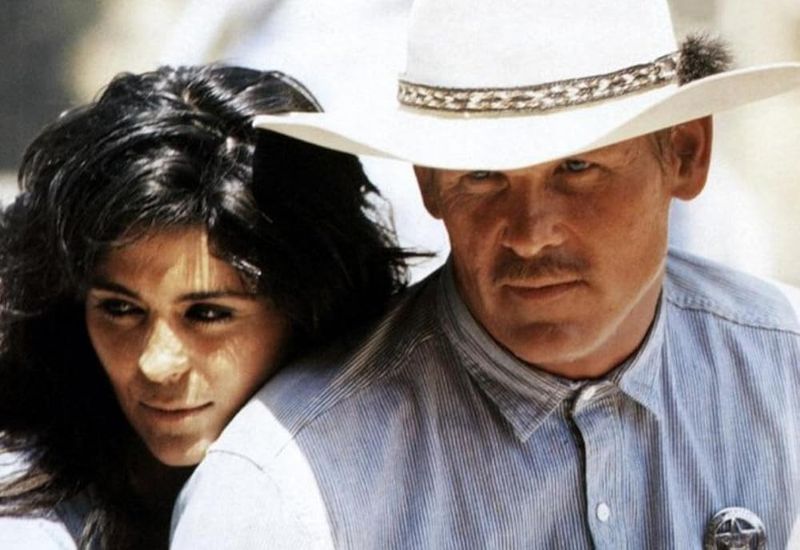
Long before neo-Westerns became a trend, Extreme Prejudice was already blending frontier justice with modern crime drama in ways that felt genuinely bold.
Director Walter Hill set his story along the Texas-Mexico border, where a straight-arrow Texas Ranger and his childhood friend — now a powerful drug lord — are locked in an inevitable collision.
Nick Nolte and Powers Boothe bring serious intensity to their roles, and the film’s explosive finale borrows its chaotic, blood-soaked energy straight from Sam Peckinpah.
Audiences were confused by its hybrid identity at the time, but today it looks like a clear ancestor of shows like Longmire and Yellowstone.
6. The Grey Fox (1982)
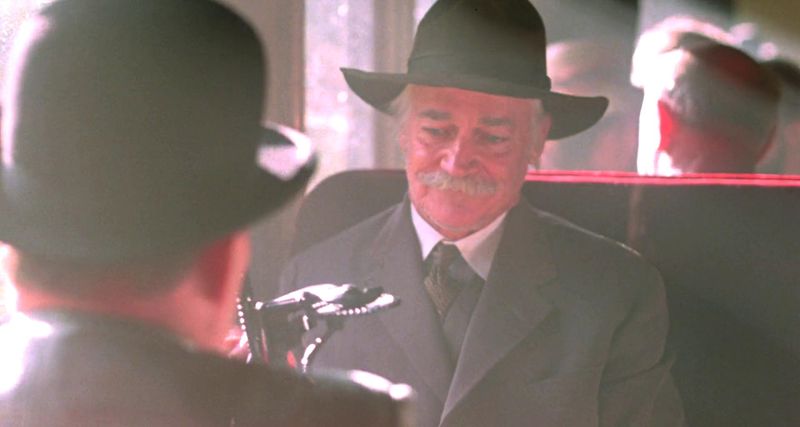
Richard Farnsworth was already in his 60s when he starred in The Grey Fox, and every line on his face tells a story the script barely needs to explain.
He plays Bill Miner, a stagecoach robber released from prison after 33 years, stepping into a world that has completely moved on without him.
The film never rushes.
It lets you sit with the loneliness of a man who no longer fits anywhere, which makes the quiet moments hit harder than any gunfight could.
Based on a true story and shot with gorgeous Canadian landscapes, this is reflective filmmaking at its most honest and unhurried.
7. Death Hunt (1981)
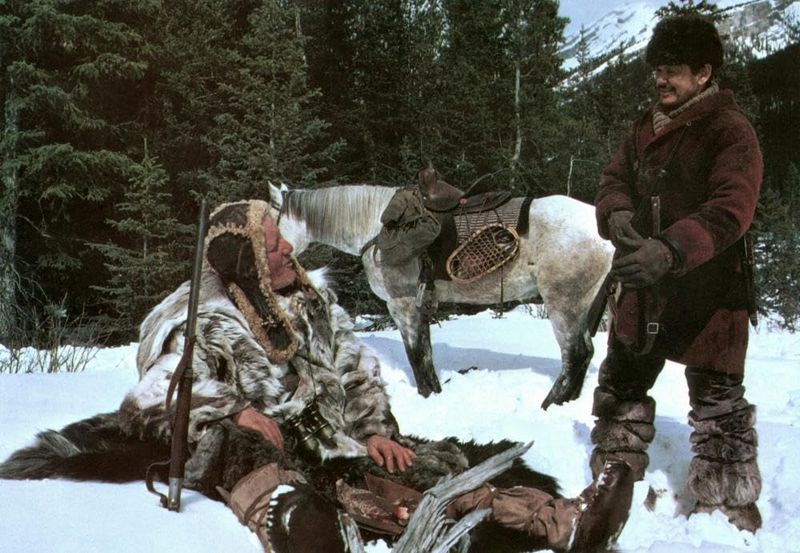
Forget dusty deserts and saloons — Death Hunt moves its Western showdown to the frozen Yukon, and the result is one of the most brutally atmospheric survival films of the decade.
Charles Bronson plays Albert Johnson, a trapper accused of a crime who refuses to surrender and vanishes into the wilderness.
Lee Marvin plays the mountie tasked with bringing him in, and the slow-burn cat-and-mouse tension between two legends sharing the screen is worth the price of admission alone.
Cold, relentless, and surprisingly tense, Death Hunt proves that a great Western is really about the landscape pushing back against the people in it.
8. The Ballad of Gregorio Cortez (1982)
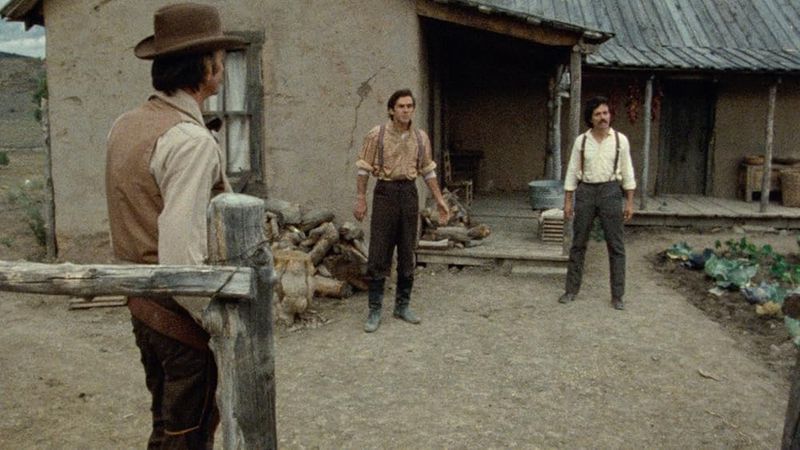
Most Westerns tell the frontier story from one very specific point of view.
The Ballad of Gregorio Cortez does something far more interesting — it tells the same story from multiple conflicting perspectives, showing how language barriers and cultural misunderstanding can spiral into tragedy.
Based on real events from 1901, the film follows a Mexican-American farmer who kills a sheriff in self-defense and then leads hundreds of lawmen on a massive manhunt across Texas for eleven days.
Edward James Olmos delivers a quietly powerful performance, and the film’s social commentary feels sharper and more necessary today than it ever did in 1982.
9. Tom Horn (1980)
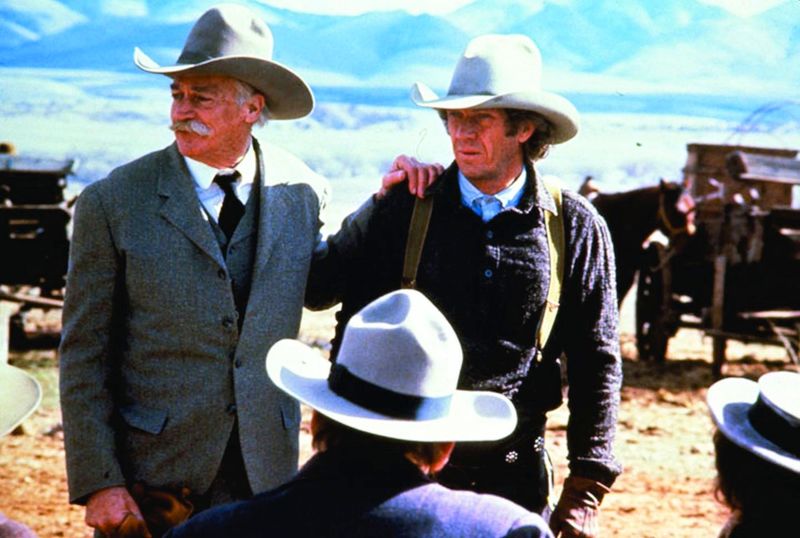
Steve McQueen made only two more films after Tom Horn, and watching it today carries an extra layer of weight knowing that.
He plays the real-life frontier scout and hired gun Tom Horn with a tired, world-weary restraint that no amount of acting coaching can manufacture — it comes from somewhere genuine.
The film refuses to make Horn a hero or a villain.
Instead, it shows a man who served a system that eventually decided he was no longer useful and discarded him.
Melancholy and beautifully underplayed, Tom Horn is a meditation on obsolescence that grows more poignant with every viewing.
10. Red Headed Stranger (1986)
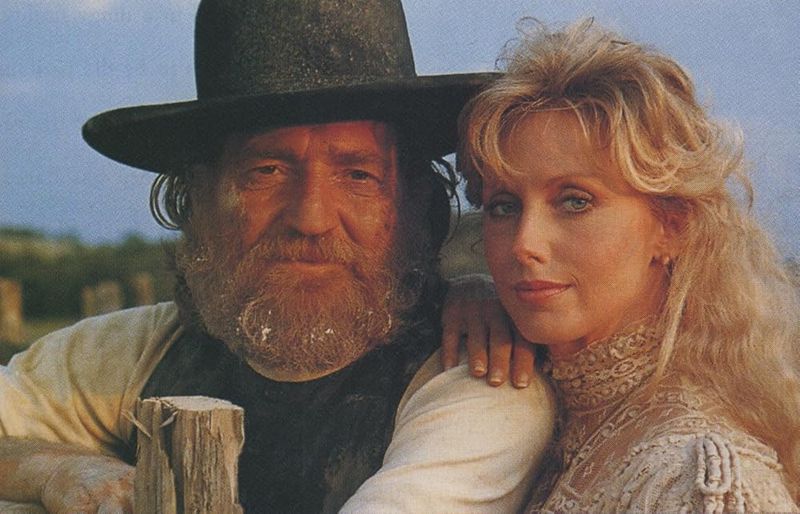
Willie Nelson shows up twice on this list, which should tell you something about how seriously he took the Western genre.
Red Headed Stranger is based on his landmark 1975 concept album of the same name, and the film carries that record’s stripped-down, ballad-like quality into every scene.
A preacher loses his wife to violence and rides across the frontier carrying grief and a loaded gun — it sounds simple, and it is, deliberately so.
The minimalism is the point.
Cult audiences have kept this one alive for decades, drawn to its poetic atmosphere and refusal to follow any conventional Western playbook.
Comments
Loading…