
 Hailey Watson
The 10 TV Shows That Defined the 2000s, Ranked
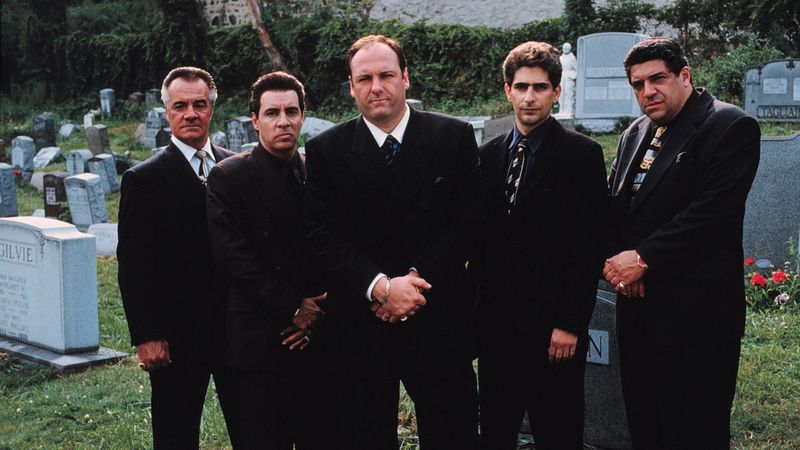
The 2000s were a golden age for television, bringing us stories so rich and complex that they changed what we expected from the small screen.
From crime dramas to political thrillers, these shows pushed boundaries and kept audiences glued to their seats.
Some of them even sparked national conversations about society, morality, and what it means to be human.
Here are the 10 TV shows that truly defined an era, ranked from great to absolutely unforgettable.
10. Curb Your Enthusiasm (2000– )
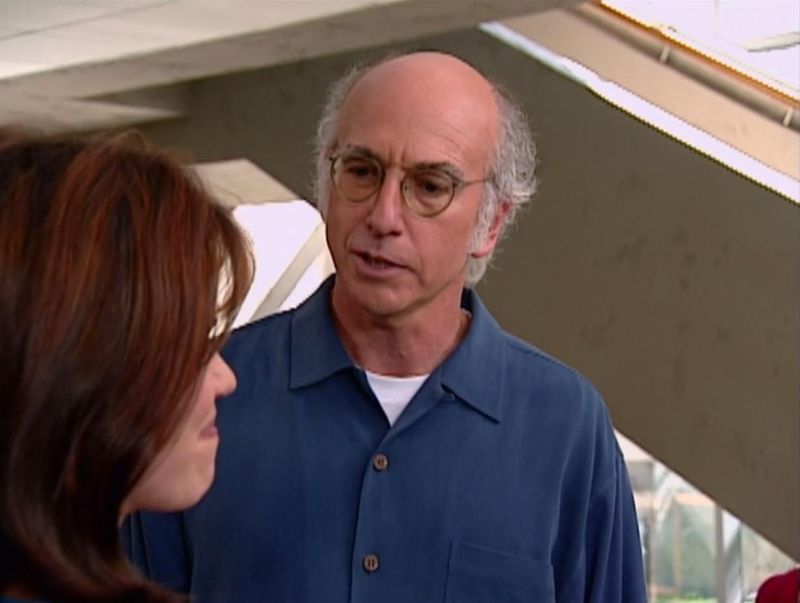
Few shows have made social discomfort this funny.
Larry David plays a fictionalized version of himself, stumbling into awkward situations that most people would quietly avoid.
His blunt, unapologetic honesty turns every dinner party, coffee shop, and casual conversation into comedic gold.
What makes the show special is its improvisational style.
Many scenes feel spontaneous, almost like you are watching a hidden camera catch real life falling apart in real time.
The humor is sharp, uncomfortable, and oddly relatable.
If you have ever said the wrong thing at the wrong moment, Larry David is basically your spirit animal.
9. Deadwood (2004–2006)
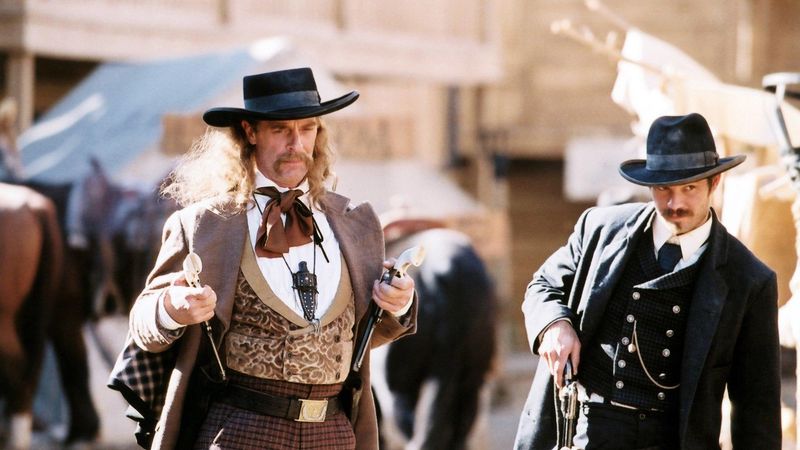
Deadwood arrived like a thunderstorm on the TV landscape, raw, loud, and impossible to ignore.
Set in a lawless South Dakota mining camp in the 1870s, it painted the Wild West not as a romantic adventure but as a brutal, grimy struggle for power and survival.
Creator David Milch wrote dialogue that felt almost Shakespearean, poetic yet laced with profanity that somehow made every line feel more authentic.
Characters were morally complex, shifting between villain and hero depending on the scene.
Cancelled too soon after just three seasons, Deadwood left behind a legacy that Western storytelling has never quite matched since.
8. Battlestar Galactica (2004–2009)
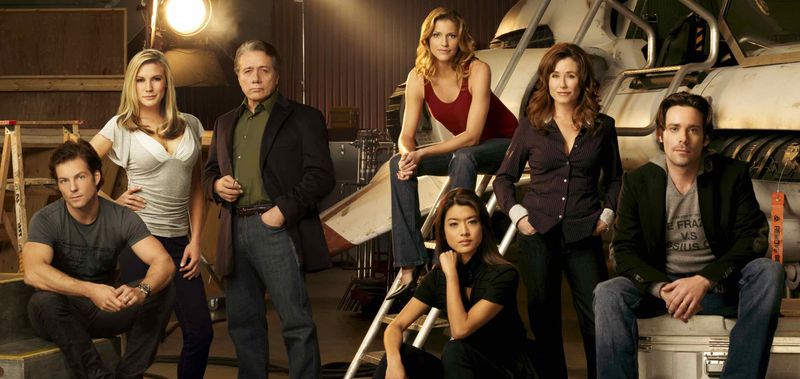
Before Battlestar Galactica, many people wrote off science fiction as shallow entertainment.
This reimagined series completely changed that perception.
Following the last survivors of humanity fleeing across the galaxy from robotic enemies called Cylons, the show turned space opera into a meditation on war, identity, and what makes us human.
What set it apart was its willingness to tackle real-world issues like terrorism, democracy, and religious extremism through a sci-fi lens.
Characters made desperate, morally questionable choices that felt painfully real.
Ron Moore built a universe that demanded serious attention, and audiences responded.
It remains one of the boldest genre shows ever produced.
7. Arrested Development (2003–2006)
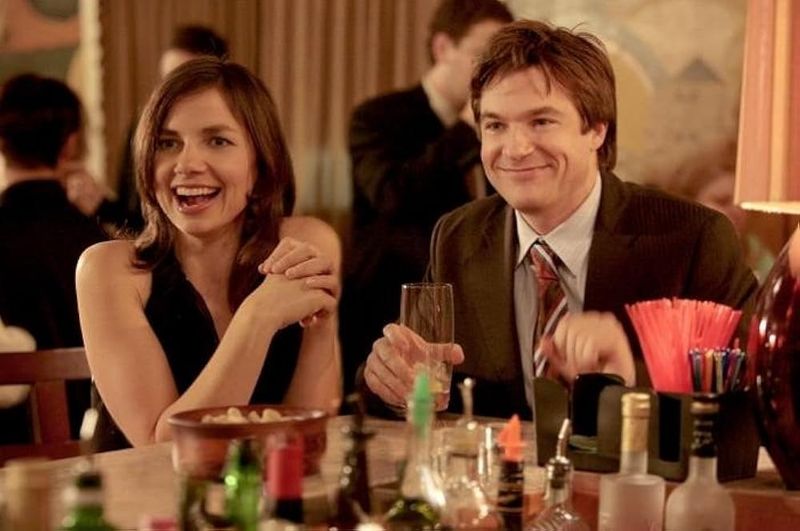
Arrested Development was ahead of its time in every possible way.
The show followed the Bluth family, a once-wealthy clan falling apart after the patriarch is arrested for fraud, and it packed more jokes per minute than almost any sitcom before or since.
Creator Mitchell Hurwitz built each episode with layers of callbacks, foreshadowing, and running gags that rewarded attentive viewers.
Casual watchers might catch the obvious jokes, but true fans discovered hidden gems on every rewatch.
Sadly, low ratings led to cancellation after three seasons, but the show found a massive cult following on DVD.
Comedy writers still study it like a textbook.
6. The Office (U.K. & U.S.)
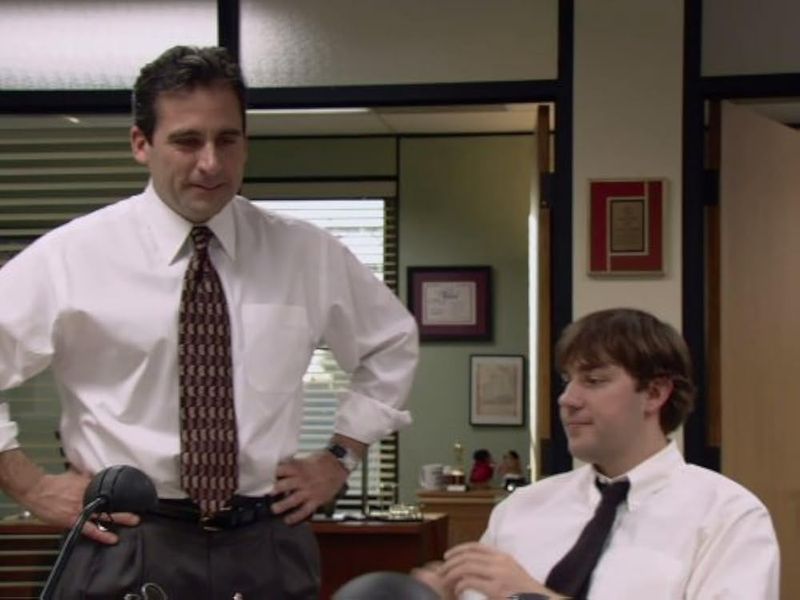
Ricky Gervais and Stephen Merchant launched the original UK version in 2001, and it quietly revolutionized the workplace sitcom.
The mockumentary format, with characters glancing nervously at the camera, made every cringeworthy moment feel painfully real.
Then the American adaptation arrived in 2005 and became a cultural institution of its own.
Steve Carell brought warmth to Michael Scott that made him lovable despite his constant blunders.
The US version ran nine seasons and introduced audiences to characters they genuinely cared about.
Together, both versions proved that ordinary office life, the boredom, the awkward small talk, could be extraordinary television when told with the right heart.
5. Lost (2004–2010)
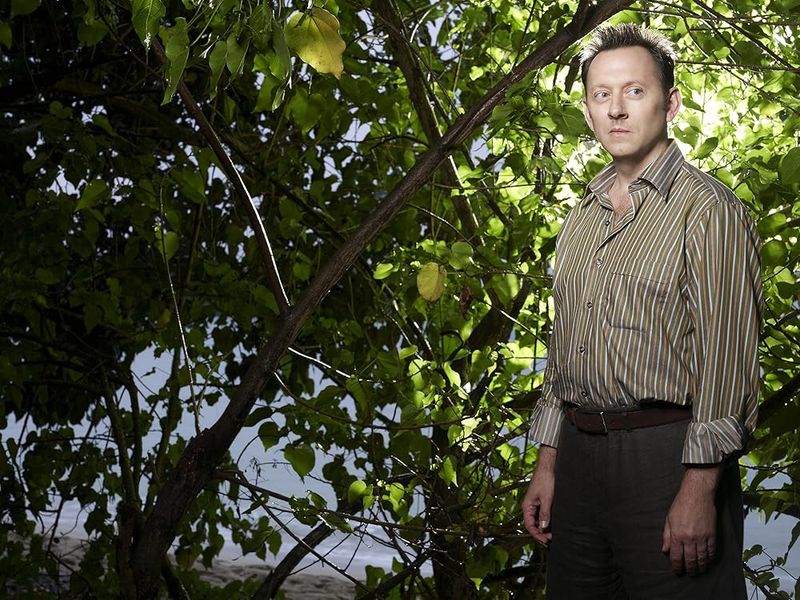
When Oceanic Flight 815 crashed on a mysterious island in September 2004, millions of viewers crashed along with it and never wanted to leave.
Lost was appointment television at its most addictive, blending survival drama with supernatural mystery and deep character backstories that unfolded across six seasons.
Creator J.J. Abrams and showrunners Damon Lindelof and Carlton Cuse kept audiences theorizing constantly.
Polar bears in the jungle, mysterious hatches, and time travel kept the internet buzzing for years.
The controversial finale divided fans sharply, but the journey was undeniably thrilling.
Lost proved that serialized, mythology-heavy storytelling could captivate a massive mainstream audience like nothing before it.
4. Six Feet Under (2001–2005)
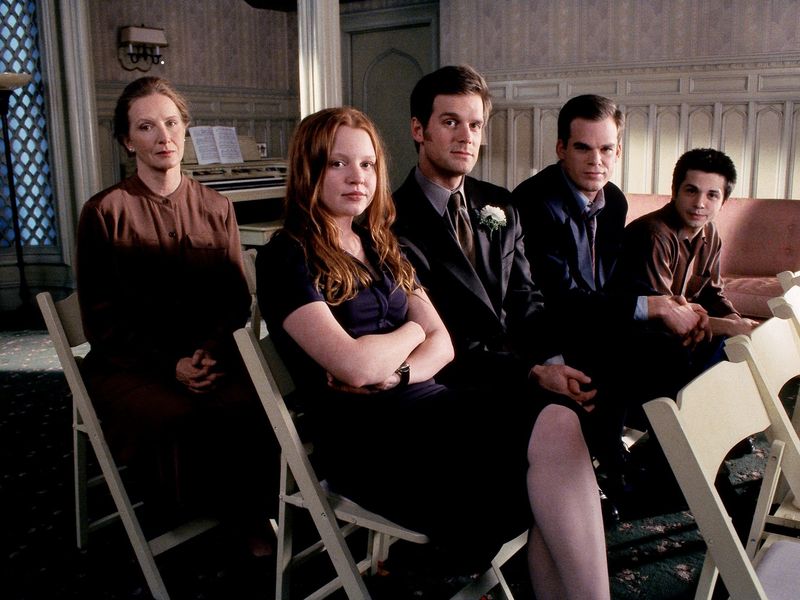
Every episode of Six Feet Under began with a death, but the show was really about how the living carry on.
Created by Alan Ball, it followed the Fisher family, who ran a funeral home in Los Angeles, navigating grief, love, addiction, and identity across five stunning seasons.
The series was unafraid to sit with uncomfortable emotions for long, quiet stretches.
Characters were messy, contradictory, and deeply human.
Its series finale is widely considered one of the greatest in television history, delivering an emotional gut punch that audiences still talk about decades later.
Six Feet Under reminded us that facing mortality honestly is an act of courage.
3. The West Wing (1999–2006)
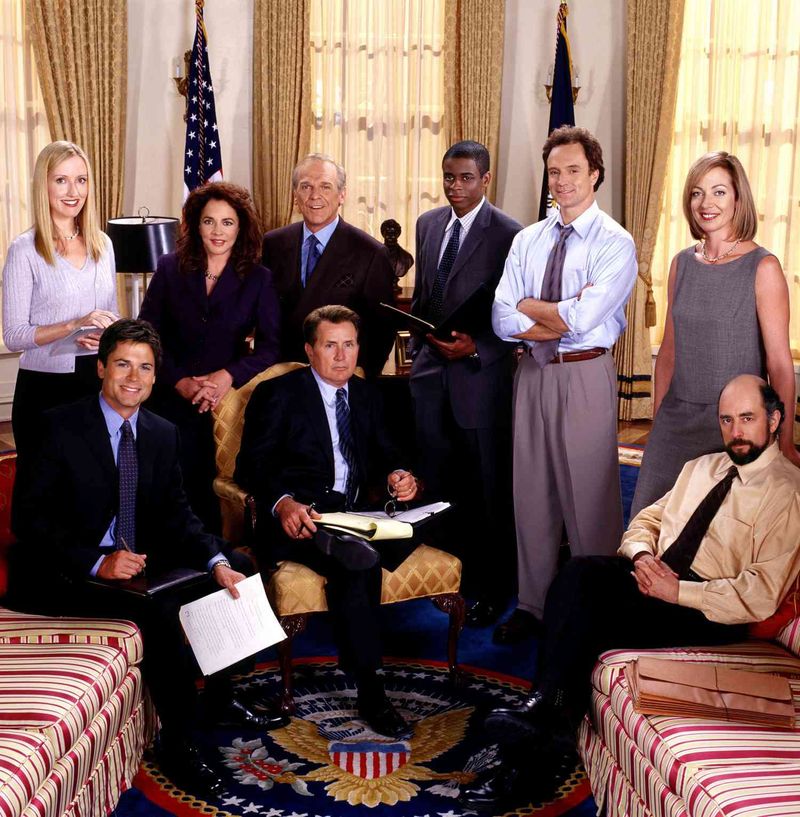
Aaron Sorkin wrote dialogue so fast and sharp that actors practically had to sprint to keep up, literally.
The West Wing introduced the world to the walk-and-talk, where characters debated policy and traded witty lines while moving through the corridors of power.
It made government feel exciting, urgent, and even heroic.
President Bartlet, played brilliantly by Martin Sheen, became the idealized leader many viewers wished existed in real life.
The show ran seven seasons and never lost its intellectual energy.
At a time when political cynicism was rising, The West Wing offered something rare: the hopeful idea that public service could be noble, thoughtful, and genuinely good.
2. The Sopranos (1999–2007)
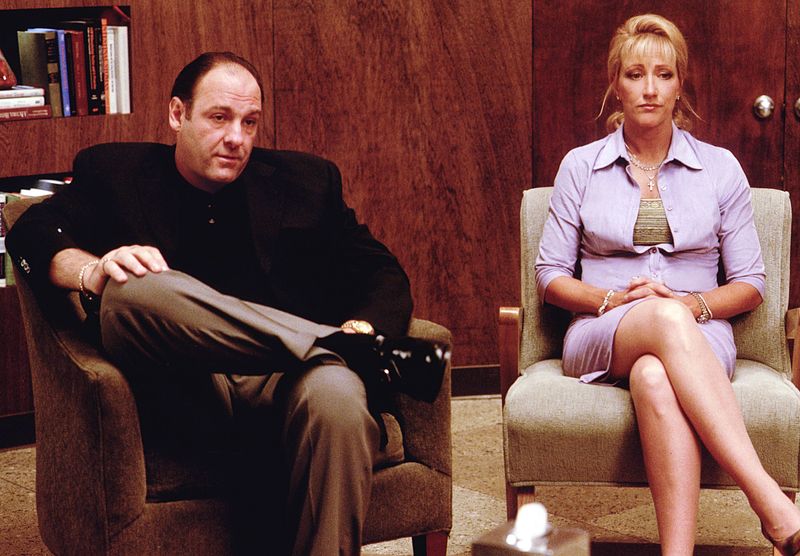
Tony Soprano sat across from his psychiatrist and changed television forever.
The Sopranos did not just tell a mob story; it cracked open the psychology of a violent, conflicted man and asked audiences to feel sympathy for someone they probably should not have rooted for at all.
Creator David Chase built a world of stunning moral ambiguity where every character operated in shades of gray.
The show tackled themes of masculinity, family loyalty, mental health, and the American Dream with a depth that no crime drama had attempted before.
Its infamous cut-to-black finale sparked arguments that still rage today.
The Sopranos proved television could be genuine art.
1. The Wire (2002–2008)
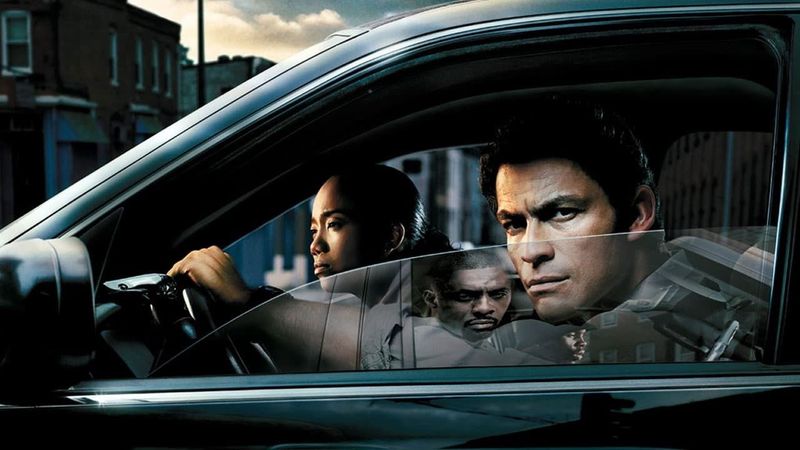
No other show on this list has been called the greatest television series ever made as consistently as The Wire.
David Simon built something that functioned less like a TV drama and more like a sprawling novel about an American city slowly being consumed by institutional failure.
Each season examined a different broken system: the drug trade, the docks, city politics, education, and journalism.
Characters on both sides of the law were portrayed with equal humanity and complexity.
There were no easy heroes or clean villains.
The Wire demanded patience and rewarded it with profound insight.
Watching it does not just entertain you, it genuinely changes how you see the world.
Comments
Loading…