
 Chloe Peterson
10 Iconic Musicians Who are Actually Overrated and Living Off Their Past Glory
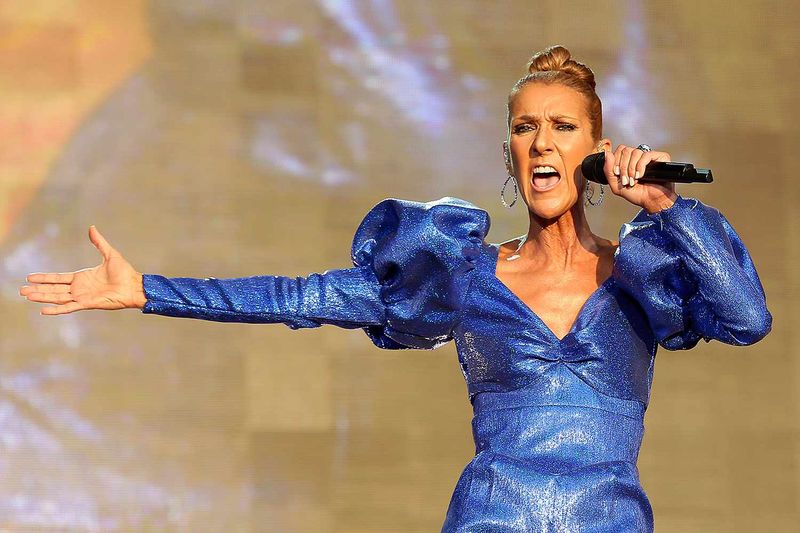
Music legends often become untouchable in the public eye, their names spoken with reverence that sometimes outweighs their actual contributions.
While many artists deserve their iconic status, some have coasted on reputation rather than continued excellence.
This list examines ten musicians whose legendary reputations may have grown larger than their musical output truly warrants, sparking a conversation about fame, nostalgia, and what really makes an artist great.
1. Stevie Nicks

Known for her mystical persona and flowing scarves, Stevie Nicks built a reputation that sometimes overshadows her actual songwriting abilities.
Her distinctive raspy voice became iconic during Fleetwood Mac’s heyday, yet many fans struggle to name more than a handful of her solo hits.
The constant recycling of “Edge of Seventeen” and “Landslide” at every performance suggests a creative well that ran dry decades ago.
Her recent tours lean heavily on nostalgia, with setlists unchanged for years.
Critics note that her mystical witch persona has become more about costume than substance.
While undeniably influential in shaping 1970s rock aesthetics, her musical innovation stopped evolving long before her career did.
2. Cat Stevens
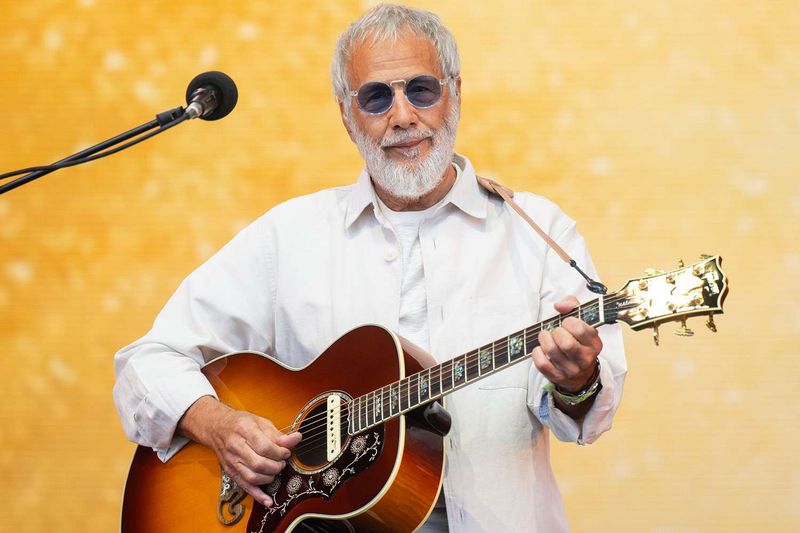
After converting to Islam and changing his name to Yusuf Islam, Cat Stevens essentially abandoned music for decades, yet somehow maintained legendary status.
His 1970s folk-pop hits like “Wild World” remain popular, but they’re simple, repetitive compositions that haven’t aged particularly well.
His eventual return to music felt more like a nostalgia cash-grab than genuine artistic revival.
New material lacks the emotional depth fans claim defined his earlier work.
Many contemporary folk artists create more complex, meaningful songs without receiving a fraction of his acclaim.
His reputation seems built more on timing and lucky hits than exceptional talent, with baby boomers elevating pleasant songs into masterpieces through rose-colored memory.
3. Buffy Sainte-Marie
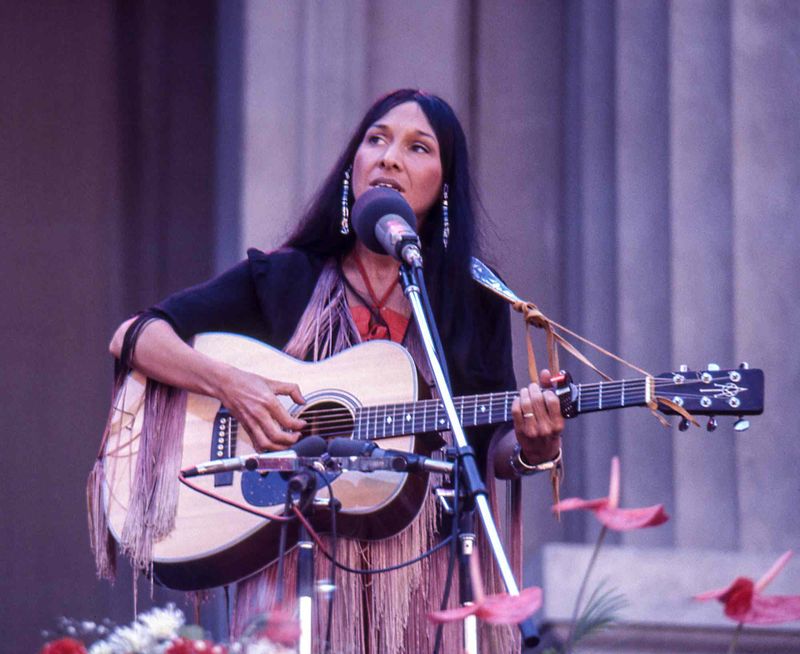
Celebrated more for activism than actual musical achievement, Buffy Sainte-Marie’s folk songs often feel dated and preachy by modern standards.
While her indigenous rights advocacy deserves respect, it shouldn’t automatically elevate mediocre songwriting to legendary status.
Her most famous composition, “Universal Soldier,” succeeded more because Donovan covered it than through her own performance abilities.
Original versions lack the polish and emotional impact of later interpretations by more talented vocalists.
Recent accolades seem awarded for longevity and political correctness rather than musical innovation.
Her thin, wavering voice and simple chord progressions don’t justify the reverence she receives from folk music historians who confuse social importance with artistic excellence.
4. Joan Baez
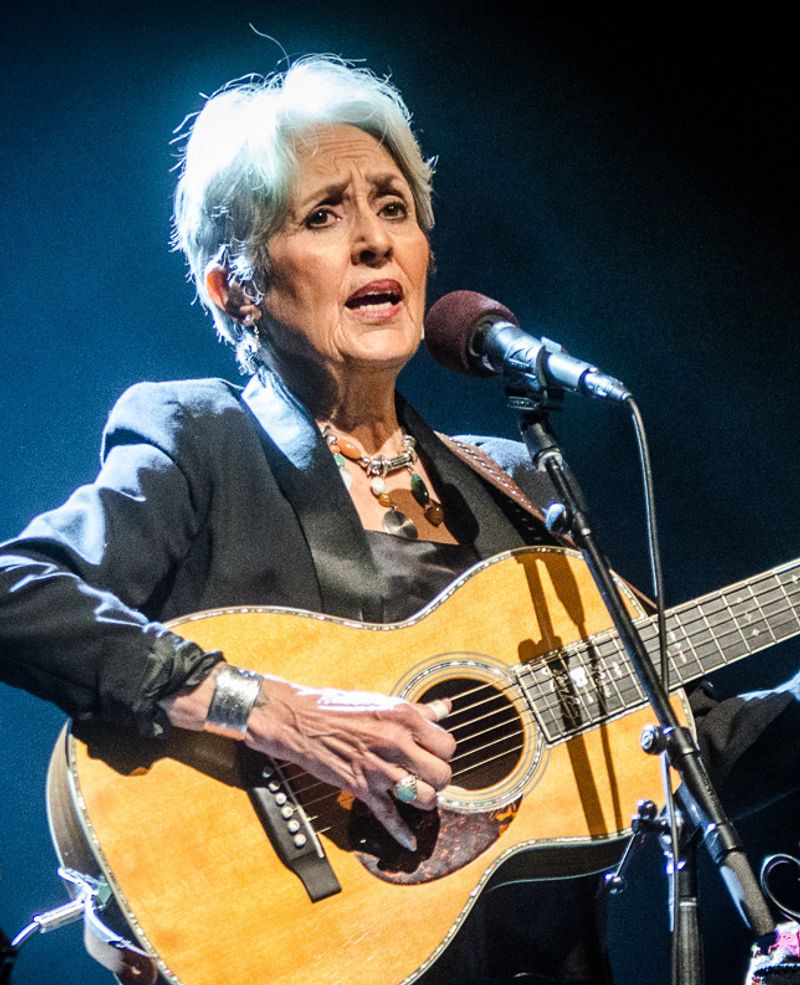
Bob Dylan’s former girlfriend became famous partly through association, with her crystal-clear soprano voice praised far beyond its actual versatility.
She built a career largely covering other people’s songs rather than writing memorable originals, suggesting limited creative talent.
Her political activism, while admirable, often overshadowed musical substance.
Fans applauded her causes more enthusiastically than her compositions.
Baez rarely experimented with different styles or pushed folk music forward, instead repeating the same acoustic guitar formula for six decades.
Her voice, though technically proficient, lacked the emotional rawness that makes truly great singers unforgettable.
Many contemporary folk artists demonstrate far more creativity without receiving comparable legendary status or hall of fame inductions.
5. Van Morrison
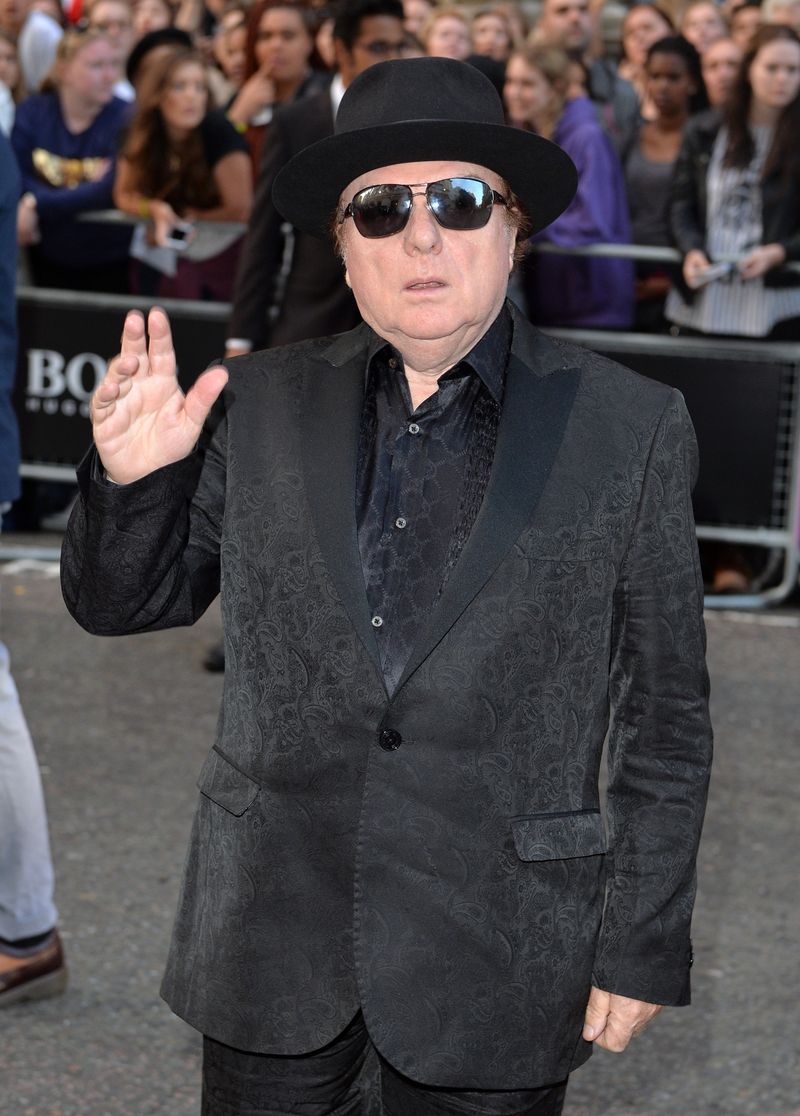
Famous for being difficult and grumpy, Van Morrison has spent fifty years trying to recapture the magic of “Moondance” without success.
His legendarily bad attitude toward fans and interviewers suggests someone who believes his own hype too strongly.
Most people can name maybe three Van Morrison songs, yet he’s treated like a musical genius.
His jazz-influenced rambling often sounds self-indulgent rather than profound, with twenty-minute live versions testing even devoted fans’ patience.
Recent albums receive critical praise that feels obligatory rather than earned, with reviewers afraid to criticize an established legend.
His influence on music is constantly overstated, with countless singer-songwriters producing more interesting work without the inflated reputation or cranky persona.
6. Robert Plant

Led Zeppelin’s golden-haired frontman possessed an undeniably powerful voice in his youth, but his solo career has been remarkably unremarkable.
Without Jimmy Page’s guitar genius behind him, Plant’s limitations as a songwriter became painfully obvious.
His constant reinventions feel more like desperate attempts to stay relevant than genuine artistic evolution.
Collaborations with Alison Krauss brought critical acclaim but felt like borrowing someone else’s credibility.
Most fans attend his concerts hoping to hear Zeppelin songs, not solo material, revealing where his true value lies.
His voice has deteriorated significantly with age, yet he continues touring on reputation alone.
Plant represents the classic case of a frontman whose individual talent never matched his band’s collective brilliance.
7. Madonna
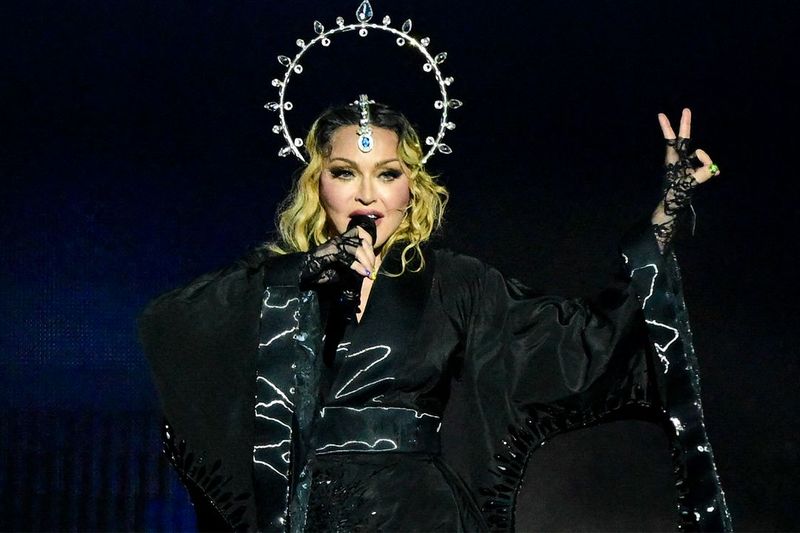
The self-proclaimed Queen of Pop built an empire more on controversy and image reinvention than actual musical talent.
Her thin, processed voice required heavy studio production to sound remotely acceptable, with live performances often exposing her vocal limitations.
Madonna succeeded through shrewd marketing and shocking visuals rather than songwriting genius.
Most hits were written by professional composers, not her.
Recent attempts to stay relevant through provocative behavior feel desperate and age-inappropriate, embarrassing rather than edgy.
Her influence on pop culture is undeniable, but confusing cultural impact with musical excellence inflates her artistic legacy.
Countless pop singers possess superior vocal abilities and songwriting skills without receiving comparable legendary status or media attention.
8. Celine Dion
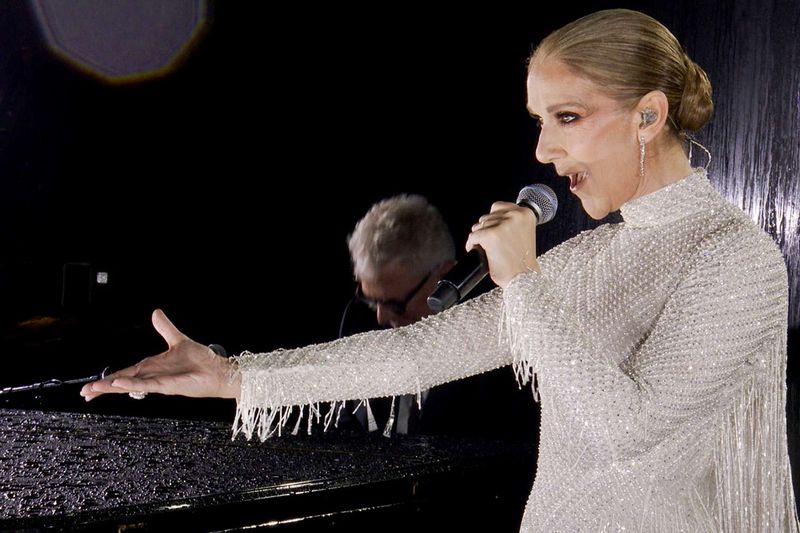
Possessing technically impressive vocal range doesn’t automatically create emotionally moving music, as Celine Dion’s career demonstrates.
Her over-sung power ballads feel manufactured and emotionally hollow, designed for maximum commercial appeal rather than artistic expression.
The “Titanic” song became unavoidable through movie association, not because it represented exceptional songwriting.
Her Las Vegas residency symbolized the transition from artist to entertainment product.
Dion’s music lacks personality or distinctive style beyond generic adult contemporary formulas.
She interprets other people’s songs competently but brings nothing unique or memorable to them.
Her legendary status stems from commercial success and vocal gymnastics rather than meaningful contributions to music, representing triumph of marketing over substance.
9. Eric Clapton
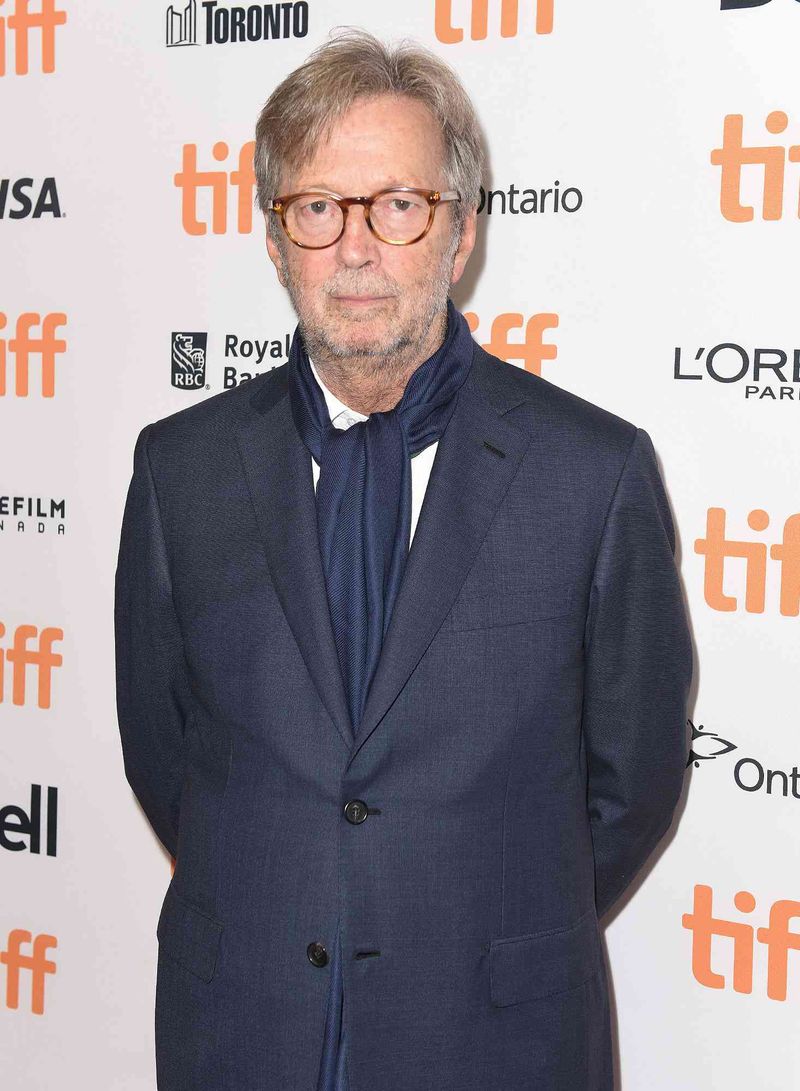
Decades of being called “God” have obscured the fact that Clapton’s actual guitar innovations are minimal compared to his inflated reputation.
He’s essentially recycled the same blues licks for fifty years while lesser-known contemporaries pushed boundaries he never approached.
His biggest hits were covers or collaborations where others did the heavy lifting. “Layla” owes its magic to Duane Allman’s slide work, not Clapton’s pedestrian rhythm playing.
Meanwhile, “Tears in Heaven” trades on personal tragedy rather than musical merit.
Today he coasts on nostalgia tours, playing watered-down versions of songs that weren’t particularly groundbreaking to begin with, all while his controversial opinions overshadow any remaining artistic relevance.
10. Billy Joel
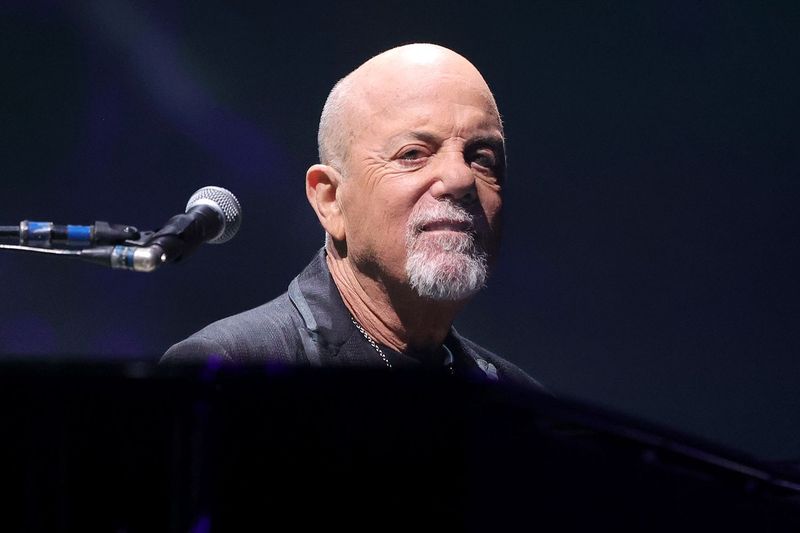
The self-proclaimed “Piano Man” built an empire on schmaltzy pop songs that masqueraded as serious artistry, fooling millions into believing he was some kind of working-class poet.
His lyrics rarely rise above greeting card sentimentality, yet he’s treated like a blue-collar Springsteen without earning it.
Joel hasn’t released new pop material since 1993, yet continues selling out stadiums by playing the same setlist he’s performed for three decades.
His creative well ran dry long ago, but the nostalgia machine keeps churning.
Critics have always seen through his act, recognizing the calculated commercialism behind his everyman facade, but casual fans remain convinced they’re experiencing something profound rather than competent but forgettable pop craftsmanship.
Comments
Loading…