
 Jade Reed
Ever noticed how hard it is to focus after scrolling through TikTok for an hour?
You’re not imagining things.
Recent studies suggest that our favorite short-video app might be doing more than just entertaining us—it could actually be affecting how our brains work.
From shrinking attention spans to changing the way we process information, the effects are showing up in surprising ways that researchers are only beginning to understand.
1. Shrinking Attention Spans Everywhere
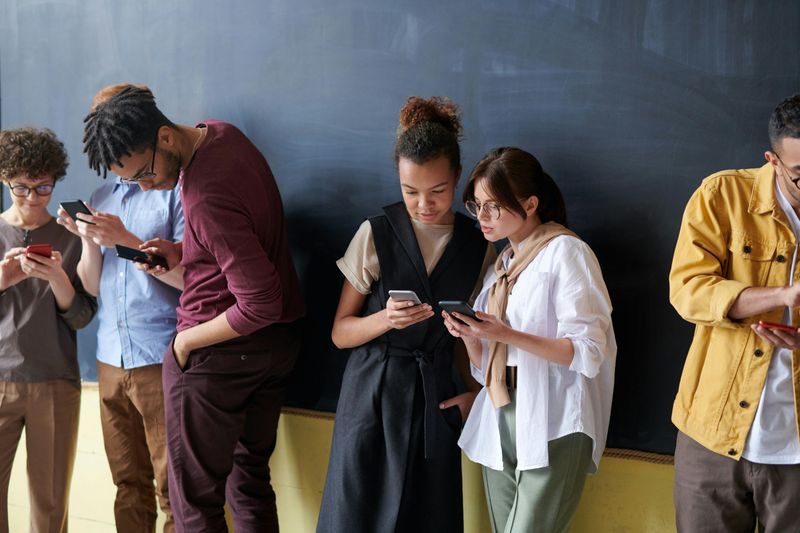
Your brain used to handle a two-hour movie without checking your phone.
Now?
Even a five-minute YouTube video feels too long.
TikTok’s rapid-fire content trains your mind to expect constant novelty every few seconds.
Studies show people who watch more than 90 minutes of short videos daily struggle with tasks requiring sustained attention.
Their prefrontal cortex—the brain’s control center—shows less activity during focus-demanding work.
This isn’t just about being distracted; it’s about your brain physically changing how it processes longer content.
The result?
Homework takes twice as long, reading feels impossible, and boredom hits faster than ever before.
2. Critical Thinking Takes a Backseat
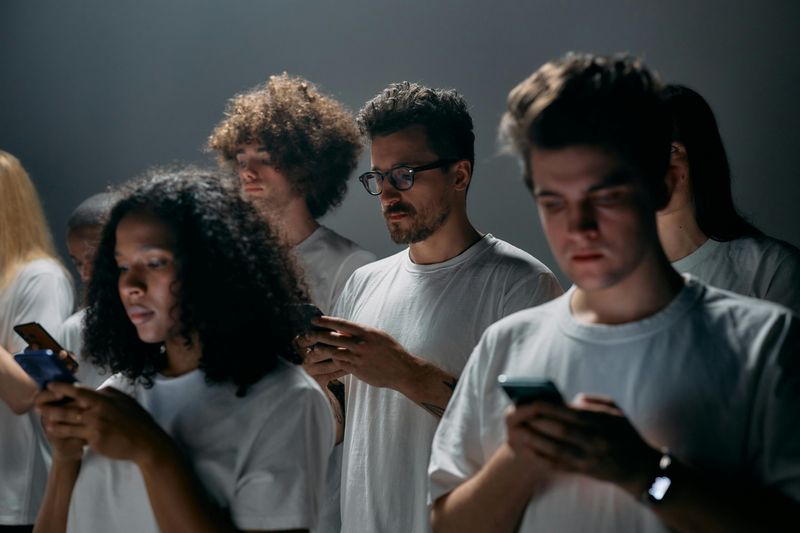
Remember when you actually thought about whether information was true before believing it?
TikTok’s algorithm doesn’t reward critical analysis—it rewards quick reactions and emotional responses.
Content flies by so fast that your brain switches to autopilot mode.
When you’re consuming hundreds of videos per session, there’s no time to question sources, verify facts, or consider alternative perspectives.
Your mind becomes a passive receiver rather than an active thinker.
Research from CerebrumIQ found frequent users scored measurably lower on problem-solving tasks.
Without practice questioning what you see, those skills fade like unused muscles.
3. Memory Formation Gets Disrupted

Can you remember what you watched on TikTok yesterday?
Probably not.
That’s because your brain needs time to transfer information from short-term to long-term memory, and constant content switching prevents this process.
Each video lasts just seconds before your thumb swipes to the next one.
Your hippocampus—the memory-forming region—never gets the repetition and reflection time it needs.
Information enters your mind and exits just as quickly, leaving almost no trace behind.
This creates a weird paradox: you spend hours consuming content but retain almost nothing of value from the experience.
4. Dopamine Dependency Develops Fast

Ever feel anxious when you can’t check TikTok?
That’s your brain craving its dopamine fix.
The platform’s algorithm is masterfully designed to deliver unpredictable rewards—sometimes funny, sometimes shocking, always different.
This unpredictability triggers massive dopamine releases, similar to gambling.
Your brain starts expecting these constant hits of pleasure, making normal activities feel boring by comparison.
Reading a book or having a conversation can’t compete with the neurochemical fireworks TikTok provides.
Over time, you need more stimulation to feel satisfied, making it harder to enjoy slower, deeper forms of learning and entertainment.
5. Reading Comprehension Plummets

Teachers everywhere report the same problem: students can’t finish reading assignments anymore.
After months of consuming information in 15-second bursts, tackling a full chapter feels overwhelming.
Your brain adapts to whatever you feed it most.
When that’s primarily visual, fast-moving content with minimal text, your reading muscles weaken.
Complex sentences become confusing.
Following multi-paragraph arguments feels exhausting.
Even reading this article might feel challenging if you’re a heavy TikTok user.
The scary part?
Reading is fundamental to learning almost everything else, so this decline creates a cascading effect on overall intelligence.
6. Analytical Skills Deteriorate Rapidly

Did you know frequent short-video consumers score an average of 5.8 IQ points lower than minimal users?
That’s not coincidence—it’s consequence.
Analytical thinking requires sustained mental effort, exactly what TikTok conditions you to avoid.
Breaking down complex problems, comparing multiple solutions, and thinking several steps ahead all demand the kind of prolonged focus that short-form content actively undermines.
Your brain learns to seek quick answers and surface-level understanding instead of deep analysis.
When faced with challenging schoolwork or real-world problems, your mind now defaults to giving up rather than pushing through difficulty.
7. Creativity Becomes Imitation Instead

TikTok calls itself creative, but most content is just copying trending formats.
Real creativity means generating original ideas, not mimicking what already went viral.
When your feed is 99% trends and challenges, your brain stops inventing and starts replicating.
Original thinking requires boredom—those empty moments when your mind wanders and makes unexpected connections.
TikTok eliminates boredom completely, filling every spare second with others’ ideas.
Your creative muscles never get the workout they need.
The platform rewards conformity over innovation, training millions to think inside the same box while believing they’re being unique.
8. Deep Conversation Skills Vanish

Notice how awkward long conversations feel now?
TikTok communication happens through comments, reactions, and shares—all brief and superficial.
Developing complex thoughts and expressing them coherently takes practice you’re not getting.
Meaningful dialogue requires listening carefully, formulating thoughtful responses, and engaging with ideas that might take minutes to fully explain.
These skills atrophy when your primary communication style becomes rapid-fire comments and emoji reactions.
Your vocabulary shrinks, your ability to articulate nuanced positions weakens.
Intelligence isn’t just about what you know—it’s about how effectively you can share and discuss ideas with others.
Comments
Loading…