
 Hailey Watson
10 Tourist Destinations That Have Been Completely Ruined by Instagram Selfies
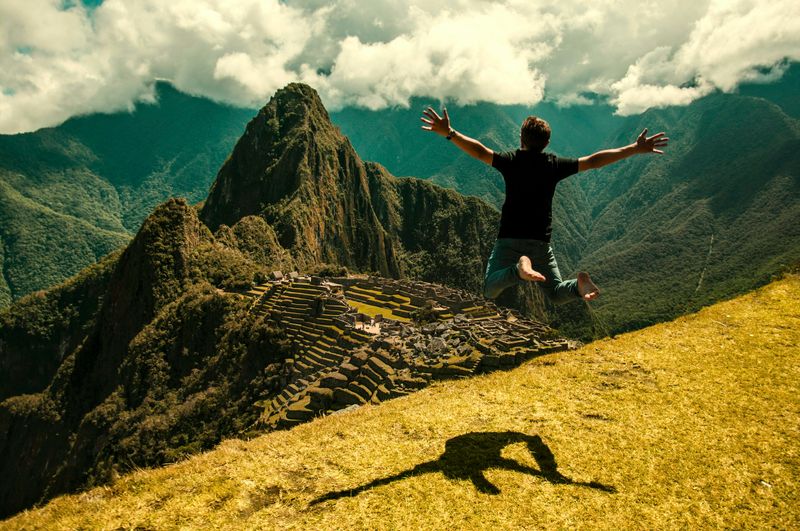
Social media has changed the way we travel, and not always for the better.
Millions of people now visit the same spots just to snap the perfect photo, flooding once-peaceful places with crowds.
What used to be hidden gems or quiet wonders have turned into chaotic photo ops.
Here are ten stunning destinations that Instagram culture has pushed to the breaking point.
1. Santorini, Greece
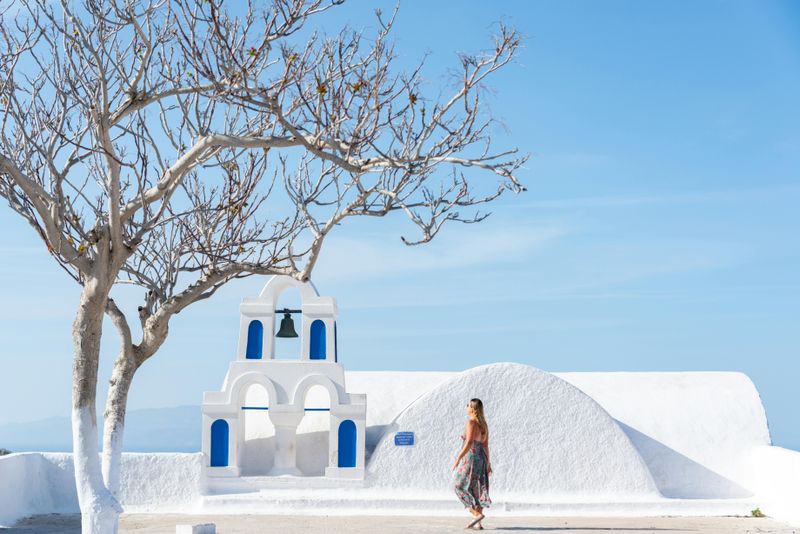
Every summer, Oia transforms from a dreamy Greek village into a selfie-crazed traffic jam.
The blue-domed churches and white-washed walls that make Santorini famous are now buried under a wave of tourists all chasing the same shot.
Residents have watched their quiet home turn into an open-air photo studio.
Streets become nearly impossible to walk through at sunset, with lines forming just to stand at popular viewpoints.
The island’s authentic charm is slipping away fast.
If you visit, go early in the morning to avoid the worst of the crowds and actually enjoy the beauty around you.
2. Machu Picchu, Peru
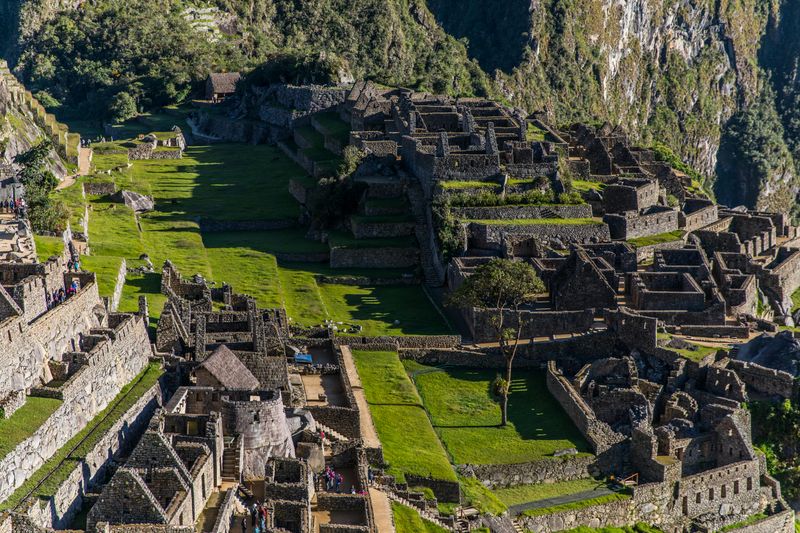
Built by the Inca Empire over 600 years ago, Machu Picchu was never designed for thousands of daily visitors snapping photos.
Yet that is exactly what has happened, and the ancient stones are paying the price.
Foot traffic has caused erosion, and some areas have been roped off to stop further damage.
Authorities now require timed entry tickets and limit how many people can enter each day.
Visiting responsibly means sticking to marked paths and skipping the urge to climb on ruins for a better angle.
The citadel deserves respect, not just a spot on your Instagram feed.
3. Venice, Italy
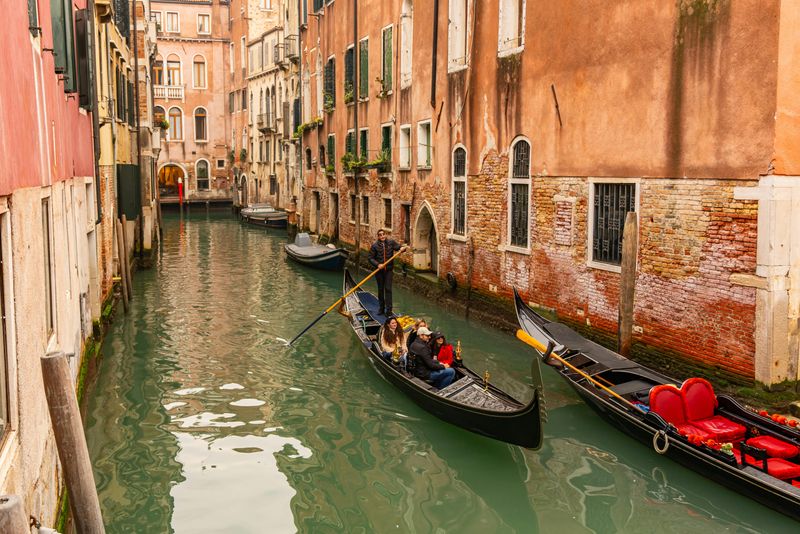
Venice is sinking, and the flood of tourists is not helping.
Around 30 million visitors arrive each year, many of them there purely to photograph the canals and historic bridges they have already seen a hundred times on social media.
The city’s narrow alleyways were built for locals, not for tour groups stopping every few feet to take photos.
Residents have been pushed out of their own neighborhoods as short-term rentals replace family homes.
Venice now charges a day-trip entry fee during peak season to manage the crowds.
Exploring lesser-visited neighborhoods like Cannaregio can still offer a glimpse of the real city.
4. Maya Bay, Thailand
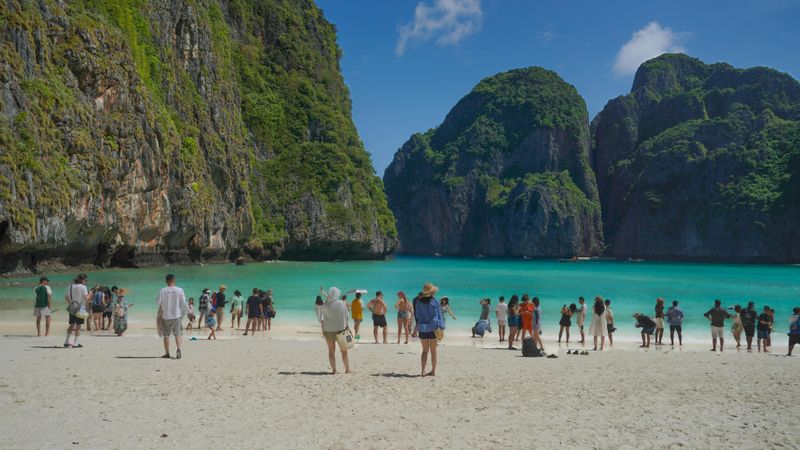
Before the 2000 film “The Beach” made it world-famous, Maya Bay was a quiet stretch of paradise tucked between towering limestone cliffs.
After Instagram got hold of it, the bay was swamped with up to 5,000 visitors a day.
The coral reefs were crushed by boat anchors, and marine life nearly disappeared entirely.
Thailand made the tough call to close the bay completely in 2018 to give nature a chance to breathe.
It reopened in 2022 with strict limits on visitor numbers and no boats allowed to anchor inside.
The comeback is real, but fragile, so tread lightly if you go.
5. Tulum, Mexico
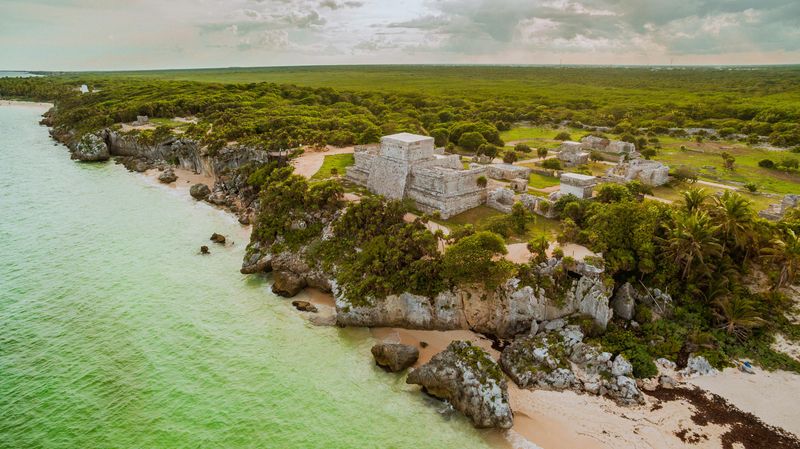
Not long ago, Tulum was a sleepy town where backpackers came for cheap tacos and unspoiled beaches.
Then lifestyle influencers discovered it, and everything changed almost overnight.
Luxury eco-resorts replaced budget hostels, prices skyrocketed, and the once-crystal-clear cenotes started showing signs of pollution from sunscreen and waste.
The jungle backdrop that made Tulum so photogenic is under pressure from rapid overdevelopment.
Local communities have raised alarms about the environmental cost of chasing the perfect boho-chic aesthetic.
Visiting during the off-season and choosing locally owned businesses can make a small but meaningful difference for this fragile coastal gem.
6. Antelope Canyon, Arizona, USA
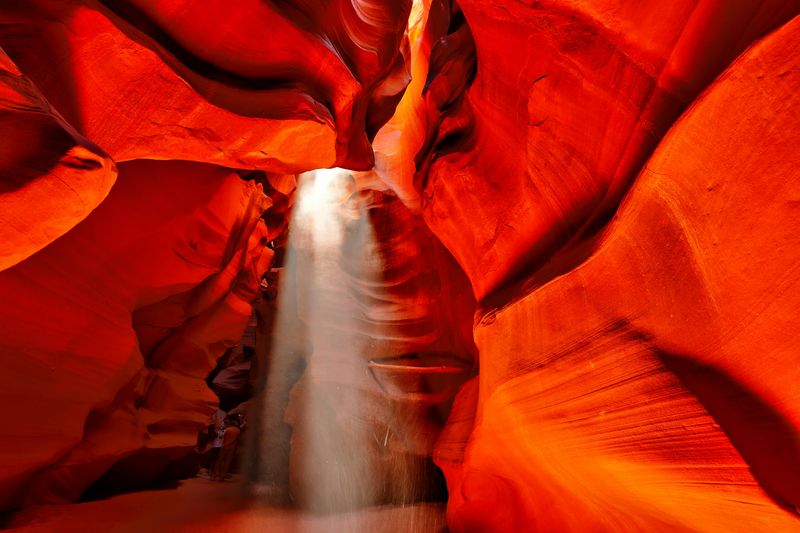
Antelope Canyon looks like something out of a fantasy novel, with swirling orange and red sandstone walls carved by centuries of water and wind.
That otherworldly beauty has made it one of the most photographed places on Earth.
The Navajo Nation, which manages the site, has had to limit group sizes and require guided tours after overcrowding threatened the canyon’s delicate formations.
Even so, the wait times can stretch for hours during peak season.
Photography tours book up months in advance, with visitors elbowing for the perfect light beam shot.
The canyon is worth seeing, but patience and planning are absolutely essential.
7. Hallstatt, Austria
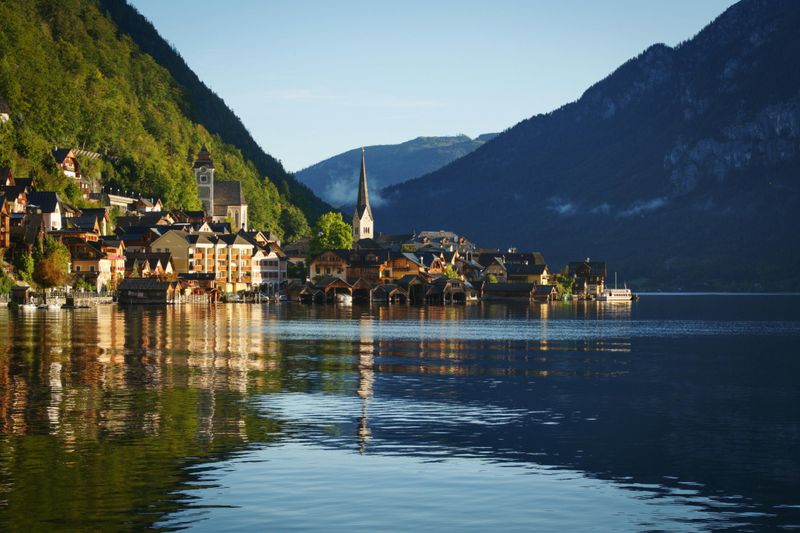
Hallstatt looks like it was pulled straight from a storybook, with colorful houses stacked along a glassy mountain lake.
That fairy-tale look went viral, and now the village of fewer than 800 residents receives over a million visitors a year.
Tour buses from China began arriving in huge numbers after the village was reportedly replicated in China as a themed tourist attraction.
Locals have grown so frustrated that they once considered blocking the most popular photo spots.
The village has introduced visitor limits and caps on tour buses to protect daily life.
Arriving by boat across the lake in the early morning hours still feels like a quiet miracle.
8. Bali, Indonesia
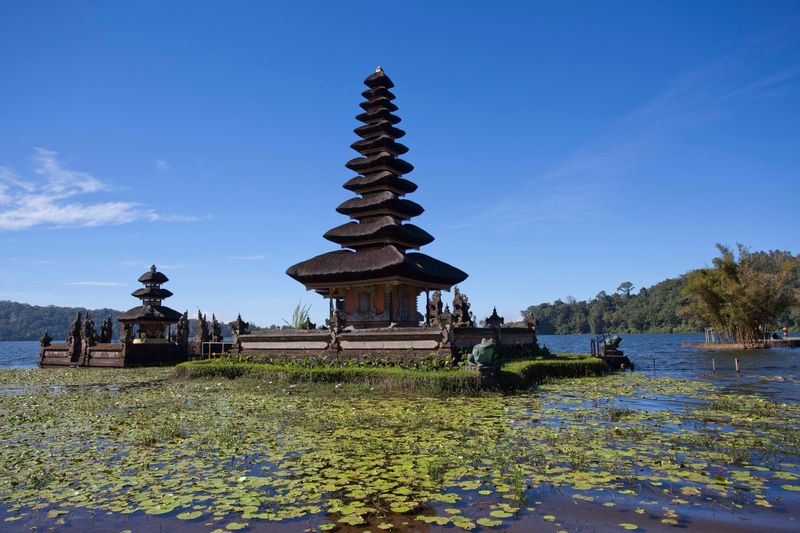
Bali has long been a spiritual and cultural treasure for the Balinese people, but Instagram turned it into a backdrop for infinity pool shots and flower bath photos.
Tourism numbers exploded, bringing both economic opportunity and serious environmental strain.
Plastic waste on beaches became a crisis, sacred temples were overrun by visitors dressed inappropriately for selfies, and groundwater supplies were depleted by hotel development.
The island’s identity started to feel like a commodity.
Bali now requires tourists to sign a behavior pledge before entering certain sacred sites.
Traveling with genuine curiosity and cultural respect can help shift the balance back toward something meaningful.
9. Cliffs of Moher, Ireland
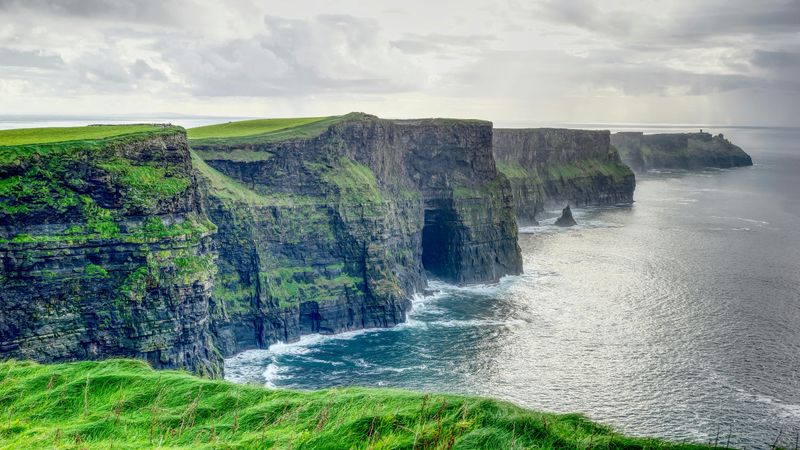
Standing at the edge of the Cliffs of Moher, with the Atlantic crashing hundreds of feet below, should feel humbling and wild.
Instead, many visitors now spend most of their time angling for the perfect cliff-edge selfie, sometimes ignoring safety barriers entirely.
Several serious accidents have occurred because people climbed past warning signs chasing a dramatic shot.
Erosion from foot traffic off the designated paths has also damaged the landscape over time.
Ireland has invested in better visitor management and reinforced pathways to keep people safe.
The cliffs are jaw-dropping, but no photo is worth risking your life or damaging one of nature’s most dramatic stages.
10. Great Wall of China
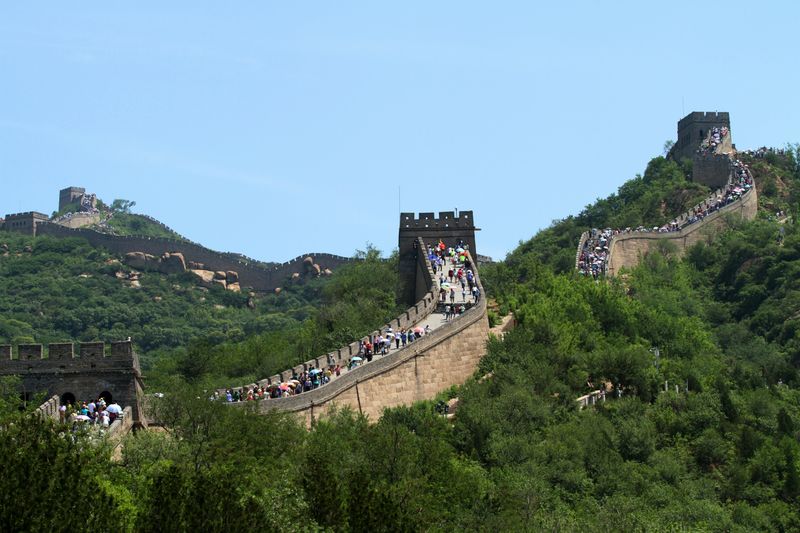
Stretching over 13,000 miles across China, the Great Wall is one of history’s most remarkable achievements.
The Badaling section near Beijing became the go-to Instagram spot, and now it regularly hosts tens of thousands of visitors on a single day.
The sheer number of footsteps has worn down ancient stones, and graffiti carved by tourists has scarred sections that survived centuries of history.
Preservation teams work constantly to undo the damage that selfie culture has accelerated.
Visiting less popular sections like Jinshanling or Simatai offers a far more rewarding and peaceful experience.
The wall deserves more than a quick selfie stop before heading back to the tour bus.
Comments
Loading…