
 Harper Hall
Have you ever noticed that older women tend to say exactly what they mean, without sugarcoating a single word? Many people chalk it up to personality, but psychology tells a much richer story.
As women grow older, a fascinating mix of life experience, brain changes, and shifting priorities reshapes how they communicate. Understanding these reasons can help us appreciate — and even celebrate — the refreshing honesty that often comes with age.
1. Letting Go of People-Pleasing
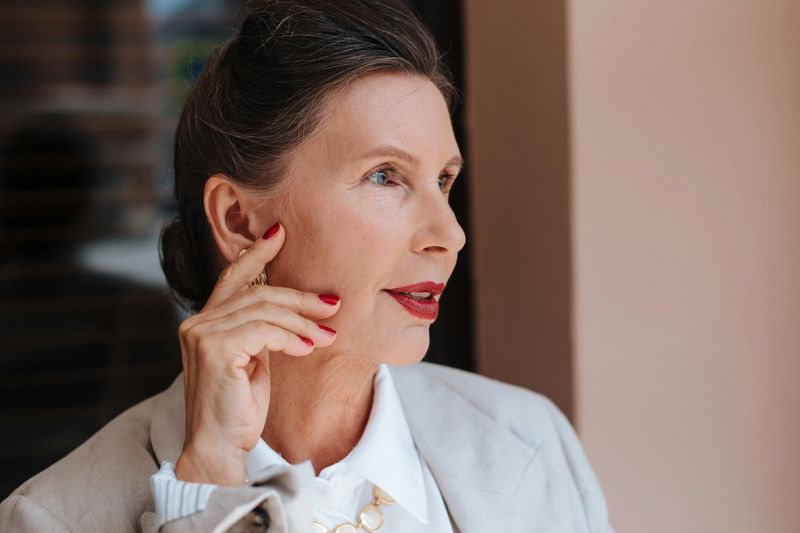
Somewhere around midlife, something quietly shifts.
Many women spend their younger years bending over backward to keep everyone happy — softening their words, swallowing opinions, and smiling through disagreement.
But research in psychology consistently shows that the need to please others decreases significantly as women age.
They begin to realize that constantly managing other people’s feelings is exhausting — and often thankless.
When that realization hits, honesty becomes the easier, healthier path.
Bluntness, in this case, is not rudeness.
It is the natural result of finally valuing your own voice as much as you value everyone else’s comfort.
2. Growing Self-Confidence Over Time
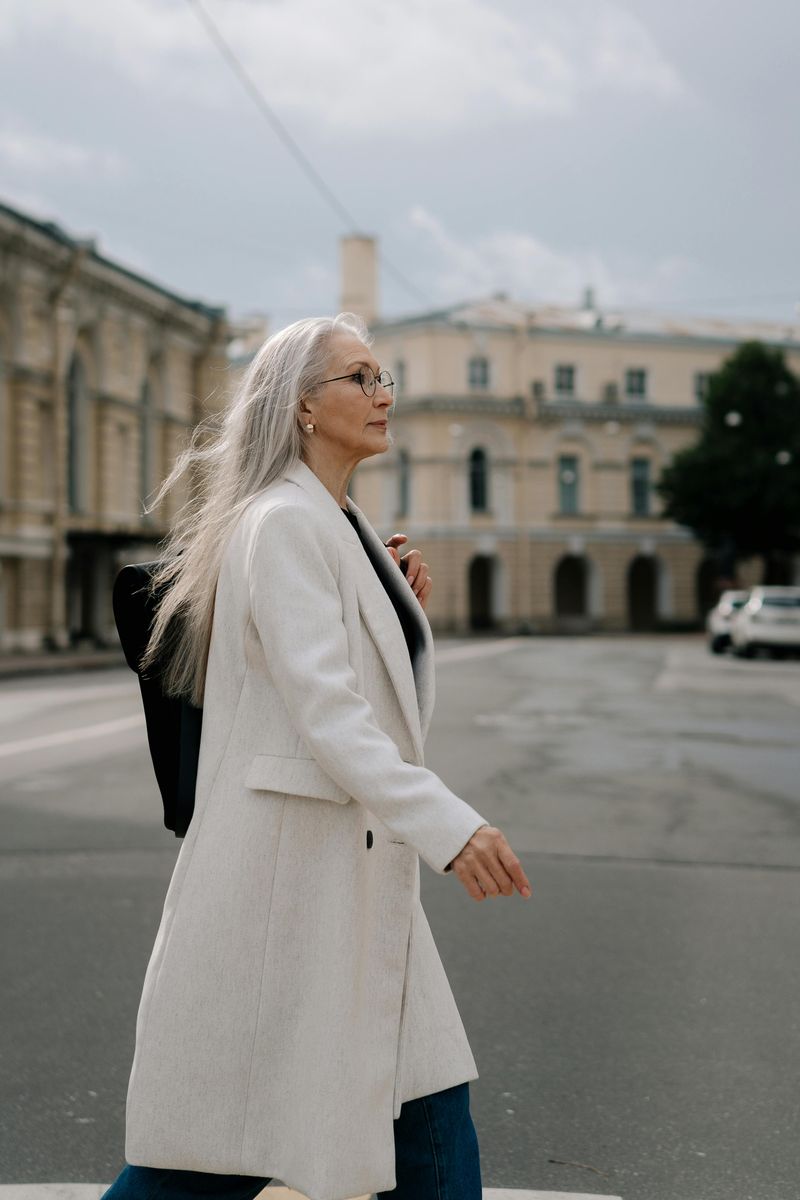
Confidence is not something most people are born with — it is built, slowly, through decades of hard-won experience.
By the time many women reach their 40s and 50s, they have faced enough challenges, failures, and triumphs to trust their own judgment deeply.
That earned confidence changes how they communicate.
When you truly believe in what you are saying, there is less reason to wrap it in layers of apology or hesitation.
Psychologists call this “self-efficacy,” and studies show it tends to peak in midlife for women.
The result?
Clearer, more direct communication — no fluff attached.
3. Hormonal Changes Affect Emotional Filtering
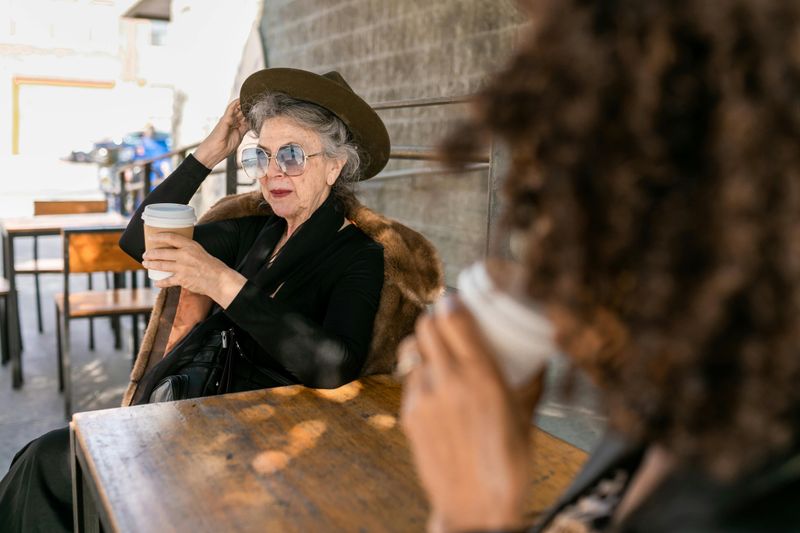
Here is a biological twist most people do not consider: hormones play a surprising role in how filtered our words are.
During the childbearing years, higher estrogen levels are linked to stronger social bonding behaviors, including a tendency to soften communication to preserve relationships.
As estrogen levels drop during perimenopause and menopause, some of that social smoothing effect fades.
Women may feel less compelled to cushion every statement for the sake of harmony.
This is not a flaw — it is a hormonal recalibration.
The brain is simply operating with a different chemical balance, and that shows up in conversation.
4. Shorter Time Horizon Sharpens Priorities

Time has a funny way of clarifying what actually matters.
Psychologists have studied a concept called “socioemotional selectivity theory,” developed by researcher Laura Carstensen.
It suggests that as people sense their time horizon shortening, they naturally focus on what is meaningful and cut out what is not.
For women, this often means less small talk and more straight talk.
Why waste precious time dancing around a subject when you could just say the thing?
That shift is not impatience — it is wisdom.
Age brings a kind of urgency that quietly rewires communication habits, making honesty feel not just easier, but essential.
5. Decades of Experience Build Emotional Resilience

Life throws a lot at people over the years — loss, betrayal, failure, reinvention.
Women who have weathered those storms develop a kind of emotional toughness that changes how they handle conflict and conversation.
They have already survived the worst outcomes of speaking up, so the risk feels much smaller.
That resilience means they are less rattled by awkward silence or someone else’s discomfort.
Psychologists describe this as “emotional regulation,” and it improves with age for most people.
When you are no longer afraid of the fallout from honesty, the words come out a whole lot more directly — and with far less anxiety.
6. Shifting Social Roles Free Up Expression

Think about all the roles younger women are expected to play: the agreeable daughter, the supportive partner, the likable colleague, the non-threatening friend.
Each of those roles comes with unwritten rules about how to speak — and how not to.
As women age and transition out of some of those roles, those invisible scripts lose their grip.
An empty nest, retirement, or simply caring less about social approval can all loosen the constraints on self-expression.
Freed from the pressure to perform a certain kind of femininity, many women find their authentic voice for the first time.
And that voice?
It tends to be refreshingly direct.
7. Accumulated Frustration With Being Misunderstood

Decades of being talked over, dismissed, or misread can quietly build into something powerful.
Many women spend years softening their words to be taken seriously, only to find that the gentle approach still does not get the message across.
At some point, the calculation changes.
When indirect communication has repeatedly failed, bluntness becomes a practical solution rather than a personality trait.
Psychology research on gender and communication confirms that women are often interrupted more and credited less, especially in professional settings.
After enough of that experience, many women decide that clarity is the only strategy worth trying.
And honestly?
It works.
8. Stronger Sense of Personal Identity

Psychologist Erik Erikson described midlife as a stage where people wrestle with questions of meaning and identity.
For many women, that wrestling match ends with a clearer, more solid sense of who they are and what they stand for.
And when you know who you are, you stop apologizing for it.
A stronger identity means less second-guessing before speaking.
You know your values, your limits, and your perspective — and you no longer feel the need to hide them behind polite hedging.
That kind of self-knowledge is genuinely freeing.
Bluntness, in this light, is not harshness.
It is the voice of someone who has finally come home to herself.
9. Less Fear of Social Rejection

Fear of rejection is one of the biggest reasons people hold back what they really think.
Younger women, in particular, often face sharper social penalties for being too direct — labels like “bossy” or “difficult” can follow them for years.
That fear keeps a lot of honest words locked away.
But something quietly loosens with age.
Research shows that older adults generally report less concern about social disapproval than younger ones.
Women who have already faced rejection — and survived it — realize the threat was never as catastrophic as it seemed.
Once that fear shrinks, the words flow more freely, more honestly, and with a whole lot more courage.
Comments
Loading…