
 Mila Ross
14 Horror Films That Use Atmosphere Better Than Jump Scares
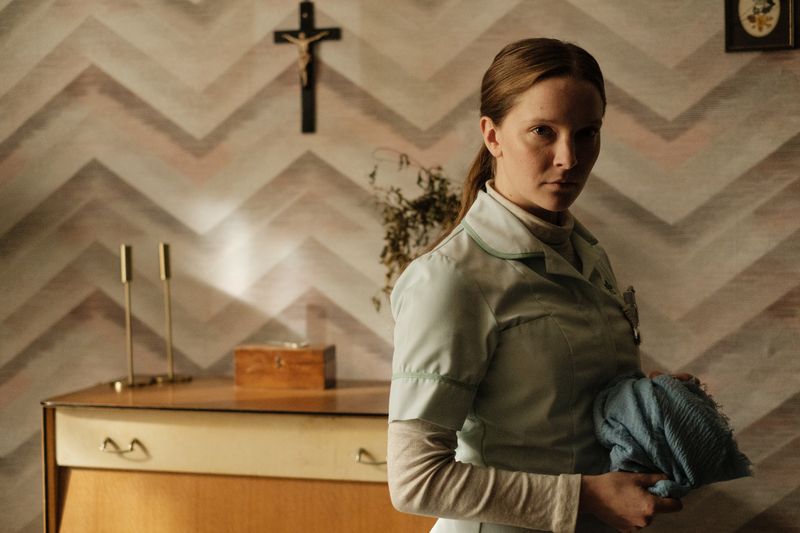
Some horror movies don’t rely on sudden, jarring noises to scare you. The truly unforgettable ones create a slow, creeping sense of dread that lingers long after the credits roll, seeping into your thoughts and leaving you unsettled.
These films rely on atmosphere, setting, and storytelling, carefully building tension in ways that feel far more disturbing than any cheap jump scare. If you’re ready to experience horror that truly gets under your skin and messes with your mind, this list is exactly what you need.
1. The Witch (2015)
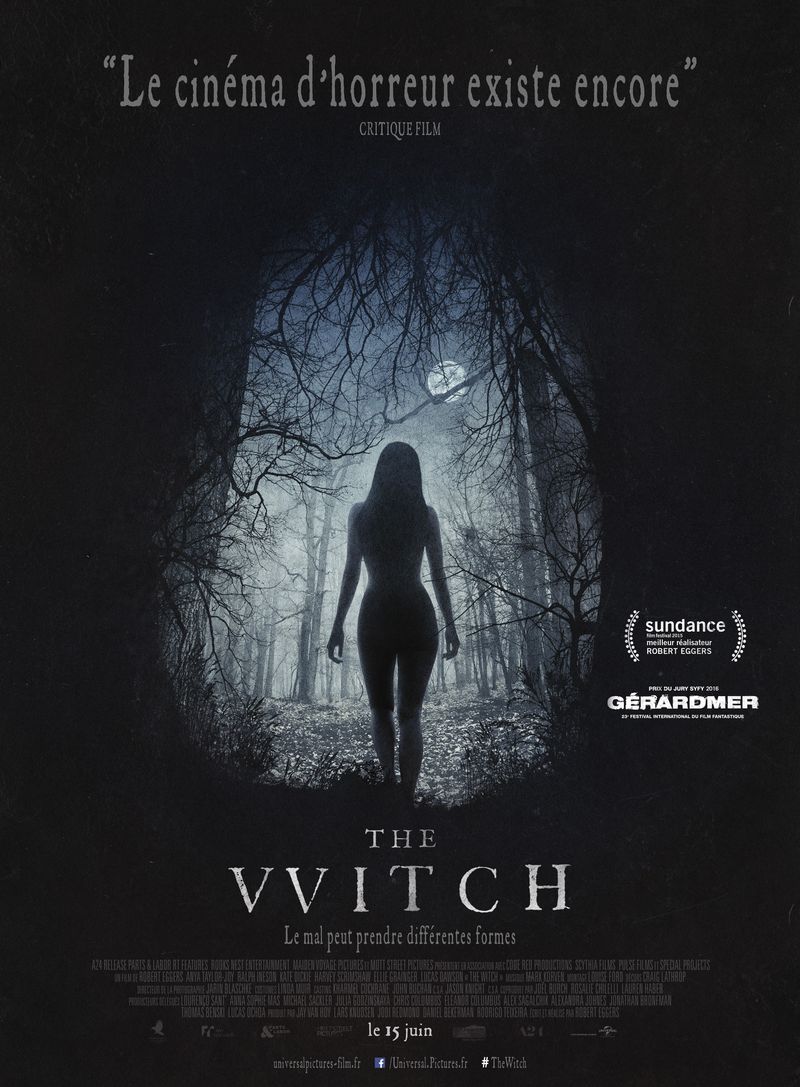
Forget everything you think you know about witch movies.
Robert Eggers set this film in 1630s New England, and every frame drips with paranoia and religious dread.
The family at its center slowly tears itself apart, convinced evil is lurking just beyond the trees.
What makes it so effective is the silence.
There are no musical stings warning you something bad is coming.
The tension just keeps building and building like a held breath.
The old English dialogue feels authentic and strange, pulling you deeper into the world.
By the final scene, your skin will be crawling.
2. Hereditary (2018)
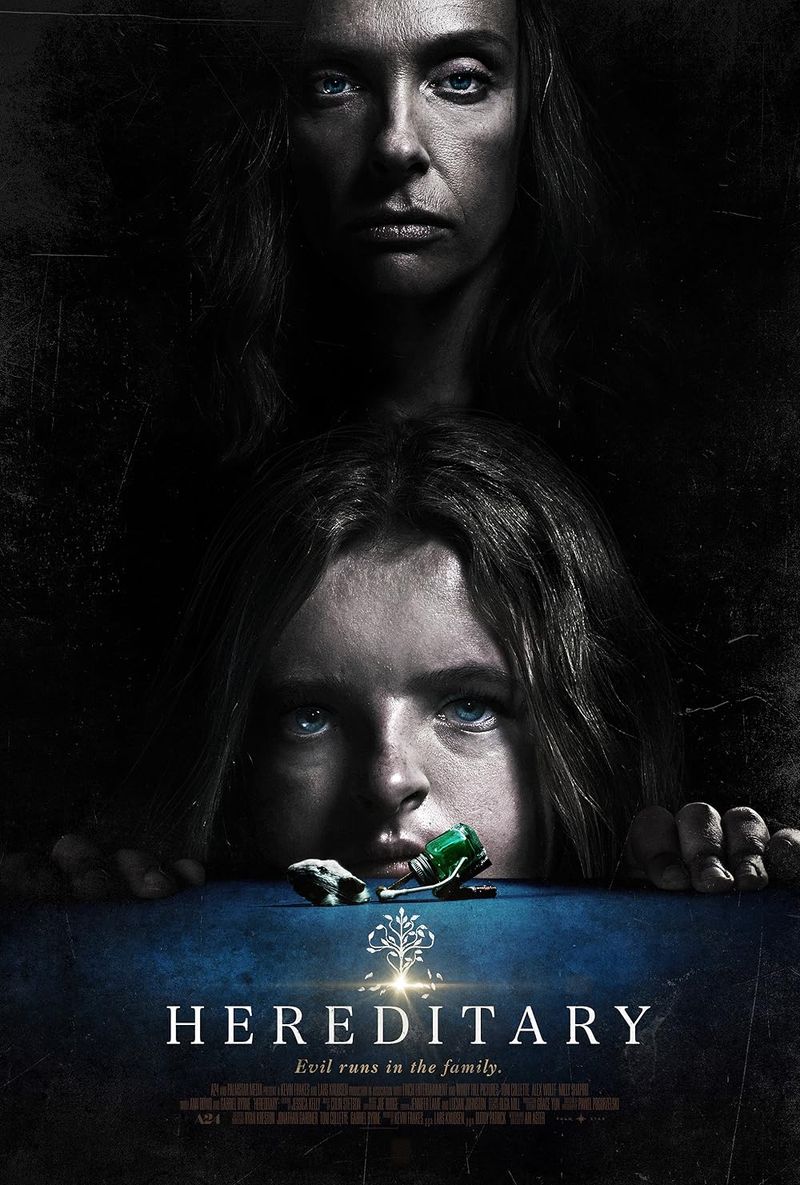
Ari Aster’s debut feature hit audiences like a freight train.
What begins as a grief drama about a family coping with loss transforms into something deeply, disturbingly wrong.
The horror sneaks up on you quietly before it overwhelms you completely.
Toni Collette gives one of the most raw, painful performances ever put on screen.
Her grief feels so real that the supernatural elements become almost secondary to the emotional devastation.
You feel trapped inside this family’s pain alongside them.
Hereditary earns its scares honestly, making every terrifying moment feel earned and genuinely heartbreaking at the same time.
3. The Lighthouse (2019)
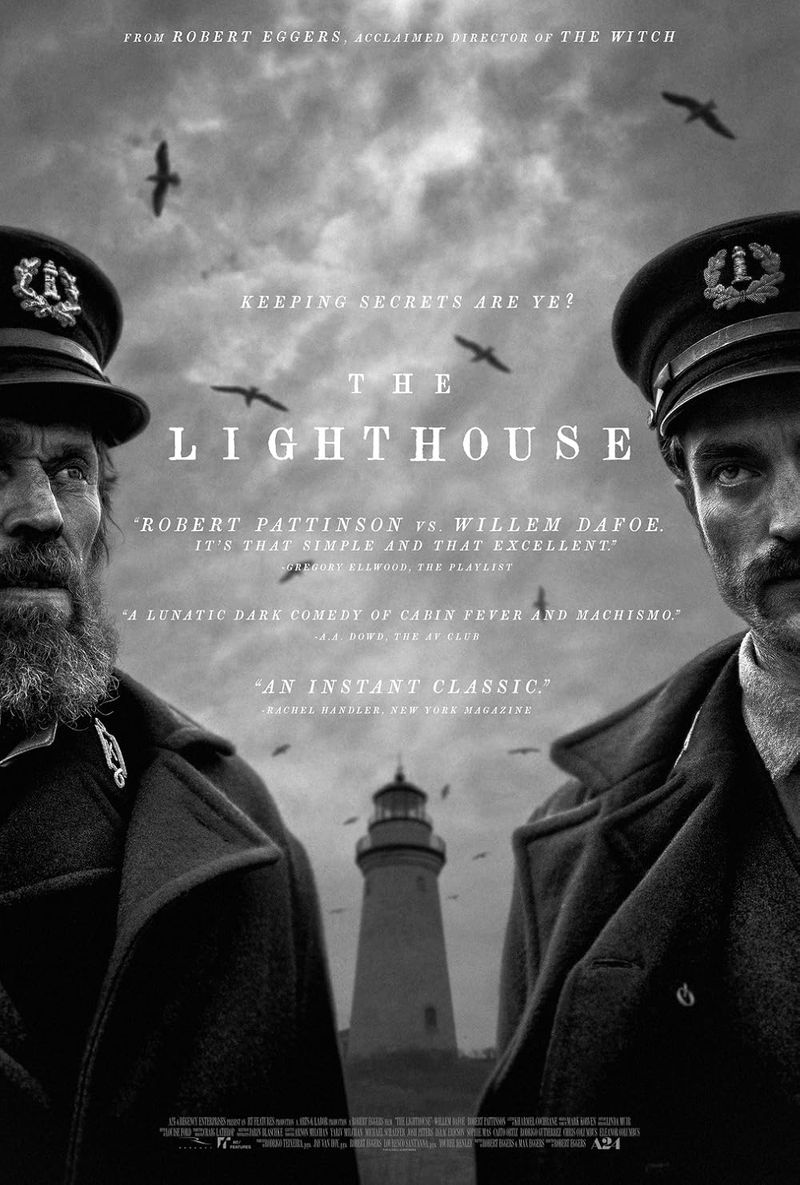
Shot entirely in black and white with a nearly square aspect ratio, this film feels like a nightmare trapped inside an old photograph.
Two lighthouse keepers slowly lose their minds on a remote island, and the audience loses their footing right along with them.
Robert Eggers used actual 1890s maritime folklore to craft the dialogue, giving every line a weird, hypnotic rhythm.
The howling wind and crashing waves never let up, creating a constant sense of pressure and madness.
Willem Dafoe and Robert Pattinson are absolutely magnetic together, and the film rewards patient viewers with something truly unforgettable.
4. It Follows (2014)
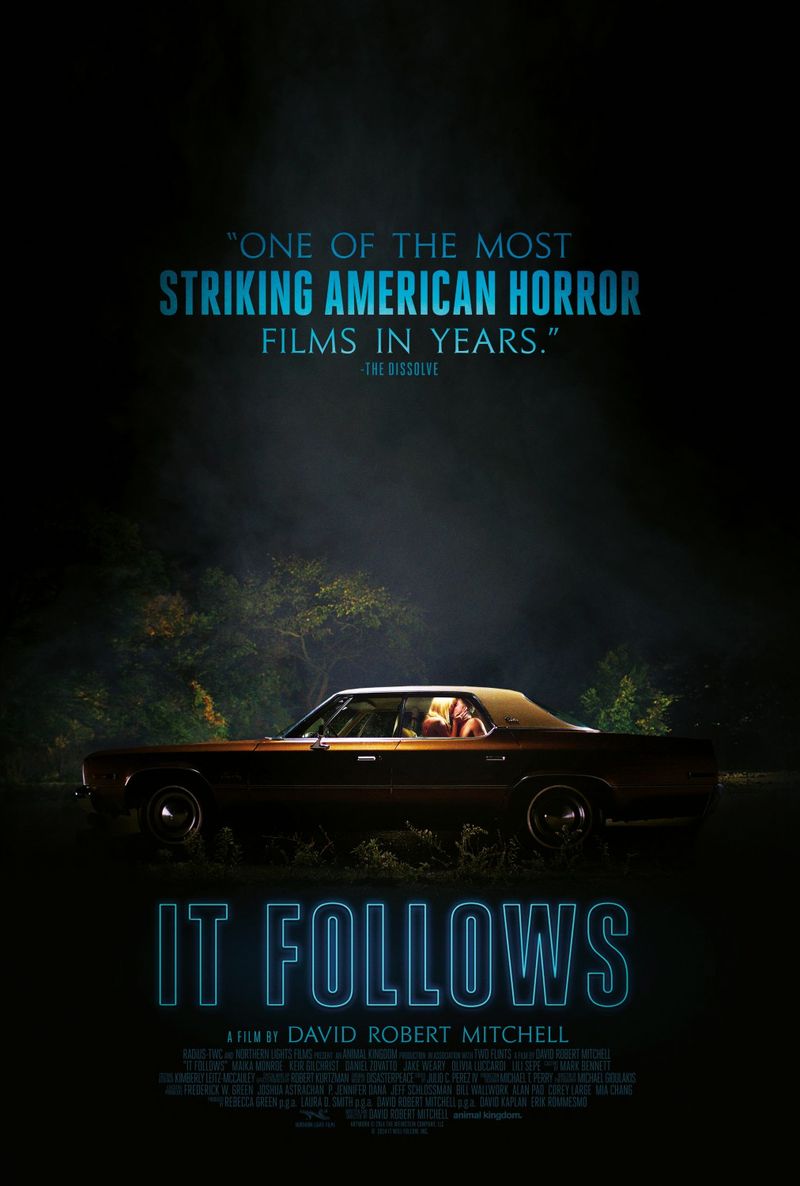
The premise sounds almost silly at first: a supernatural entity that walks slowly toward you until it catches you.
But director David Robert Mitchell turns that simple idea into one of the most nerve-shredding viewing experiences of the decade.
Because the threat never runs, you spend the entire film scanning the background of every shot, searching for something approaching.
That constant vigilance is exhausting in the best possible way.
The dreamy suburban setting makes everything feel oddly familiar yet deeply wrong.
Rich Vreeland’s synth-heavy score is the perfect companion, throbbing underneath every scene like an anxious heartbeat that never slows.
5. The Babadook (2014)
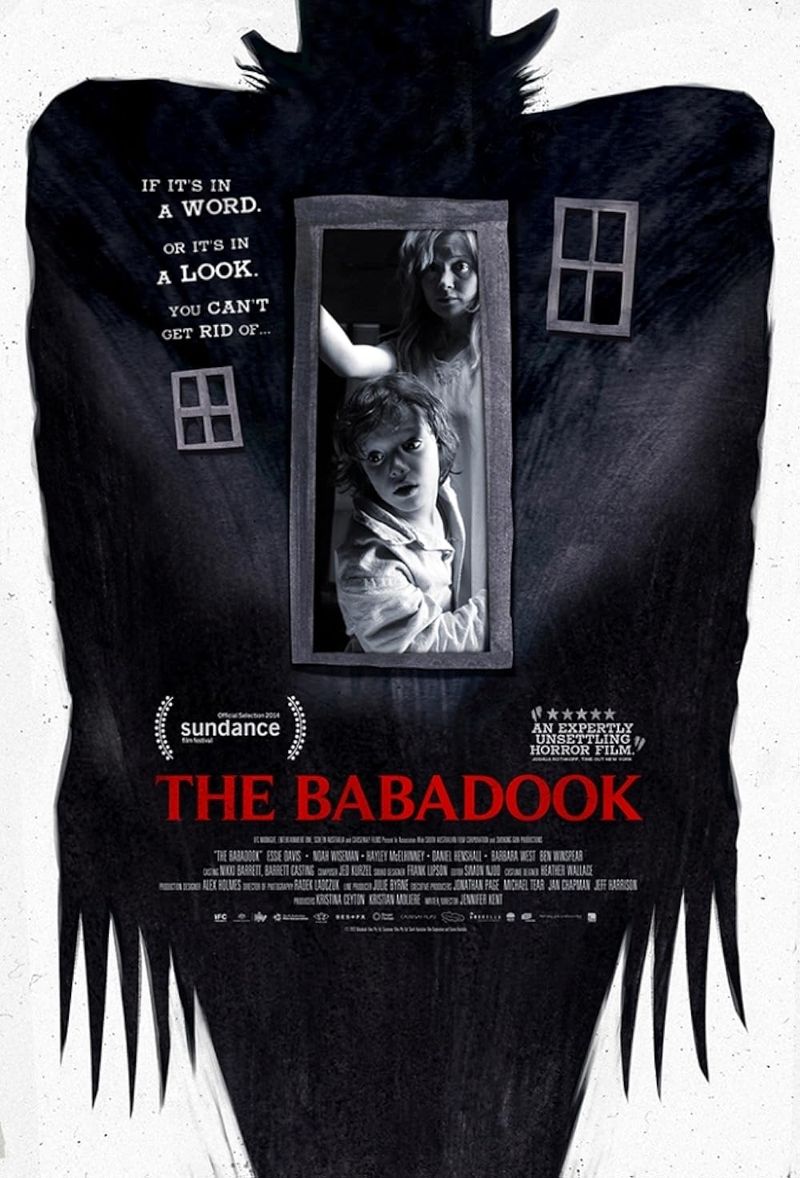
Australian filmmaker Jennifer Kent created something rare here: a horror film that works simultaneously as a terrifying monster story and an honest portrait of grief and depression.
The Babadook himself is genuinely creepy, but the real horror is watching a mother struggle to stay present for her son.
The house feels suffocating throughout the film, its muted grays and blues draining any warmth from the screen.
Sound design plays a massive role, with every creak and whisper adding to the dread.
Kent never lets you feel safe or comfortable.
This one lingers in your chest long after watching.
6. Midsommar (2019)
Most horror films hide their monsters in the dark.
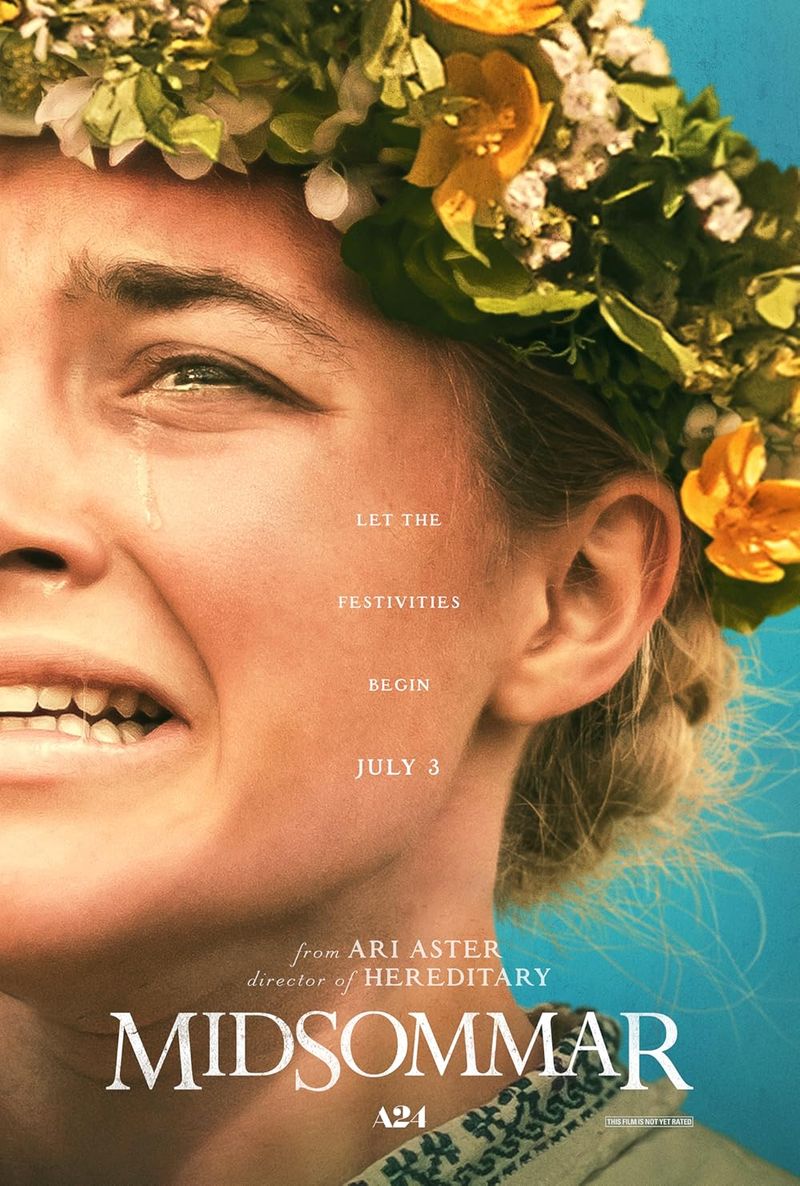
Ari Aster pulled off something remarkable by setting almost all of Midsommar in blazing, cheerful sunlight.
A group of American students travel to a Swedish village for a midsummer festival that turns increasingly sinister.
The brightness makes everything worse somehow, stripping away the comfort of shadows and forcing you to see every disturbing detail clearly.
Florence Pugh is heartbreaking as a young woman processing trauma while surrounded by beautiful, terrifying strangeness.
The film uses folk horror traditions and striking visuals to build a sense of wrongness that feels almost ceremonial in its slow, deliberate pacing.
7. Under the Skin (2013)
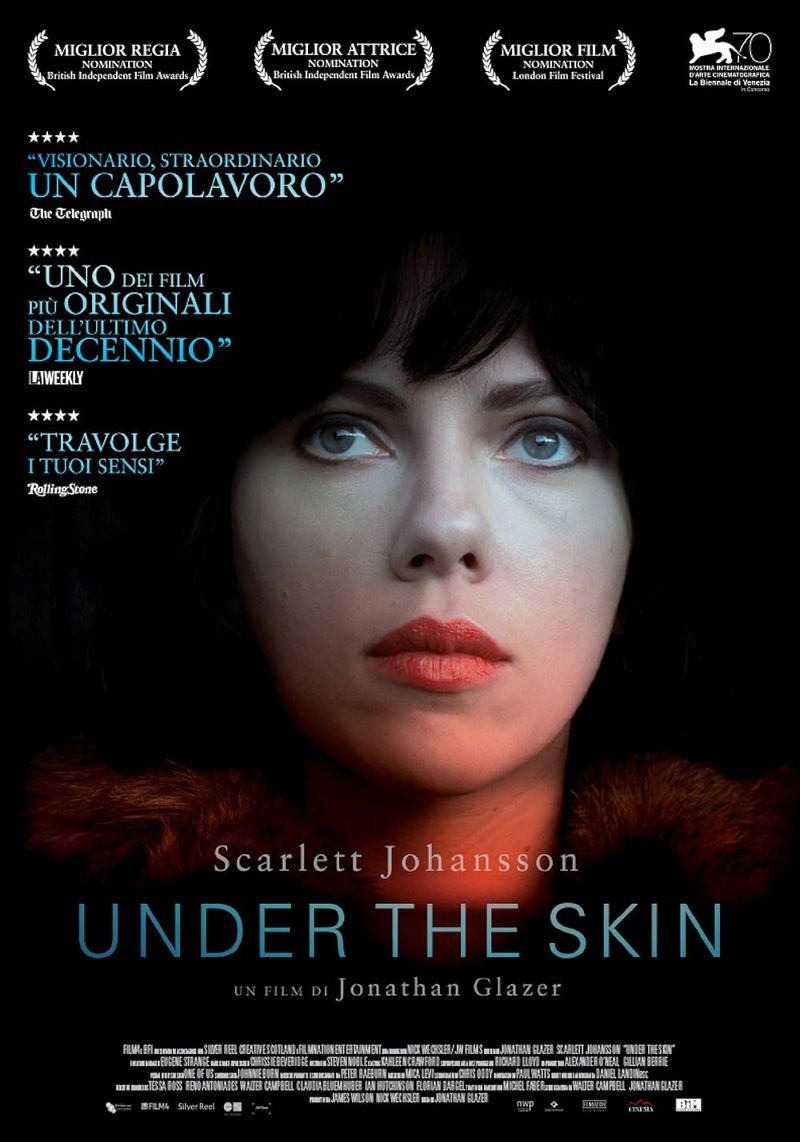
Scarlett Johansson plays an alien entity who drives through Scotland luring men to their doom, and the film barely explains any of it.
Director Jonathan Glazer trusts the audience to sit inside the discomfort without a roadmap, and that choice creates something genuinely hypnotic.
Much of the footage was shot with hidden cameras, capturing real interactions that blur the line between film and reality.
The electronic score by Mica Levi feels like music from another dimension entirely, cold and beautiful and deeply alien.
Under the Skin is less a traditional horror film and more an unsettling experience you absorb rather than simply watch.
8. The Others (2001)
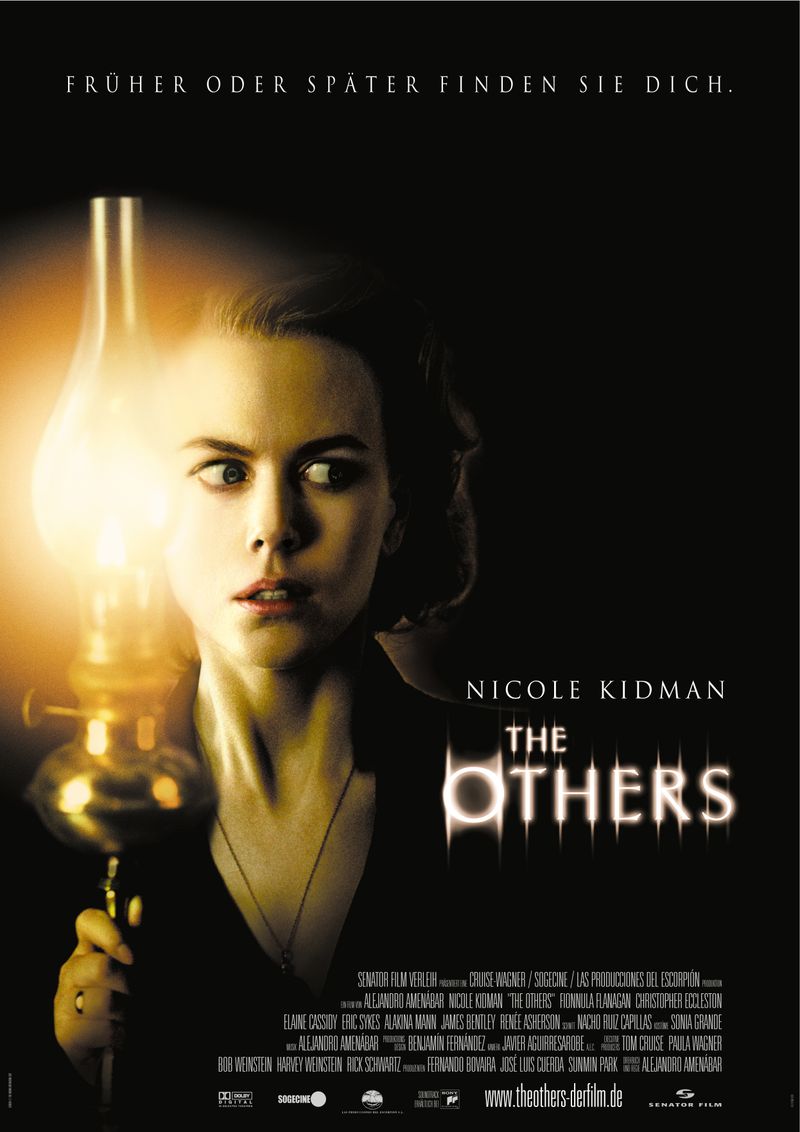
Nicole Kidman stars as a deeply religious woman living in a fog-shrouded mansion with her two light-sensitive children after World War II.
Strange things start happening, and the mystery builds with old-fashioned gothic patience that feels genuinely rare today.
Alejandro Amenabar wrote, directed, and composed the score himself, giving the film a singular, tightly controlled vision.
Every shadow in that house feels intentional.
The fog outside the windows never lifts, sealing the characters inside their own private nightmare.
The twist ending remains one of horror cinema’s most satisfying surprises, recontextualizing everything you watched in a way that rewards rewatching immediately.
9. The Wailing (2016)
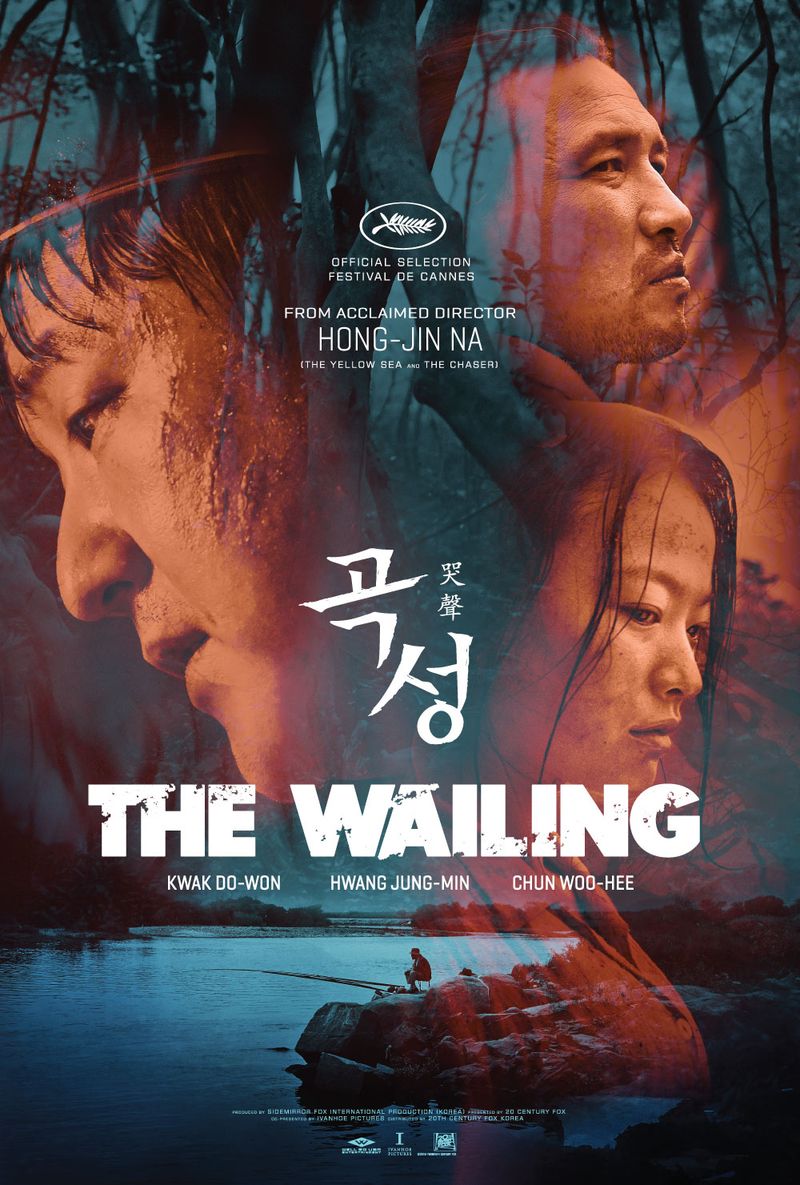
Na Hong-jin’s Korean horror epic runs nearly two and a half hours, and not a single minute feels wasted.
A bumbling police officer investigates a mysterious illness spreading through his mountain village, and the film keeps pulling the rug out from under your expectations.
What starts as a crime mystery becomes something involving shamanism, demonic possession, and profound moral uncertainty.
The film deliberately refuses to give you a clean answer, leaving you to wrestle with what you witnessed.
The ritual sequences are among the most intensely staged scenes in modern horror, filled with sound, fury, and a creeping sense that something ancient and terrible is at work.
10. Saint Maud (2019)
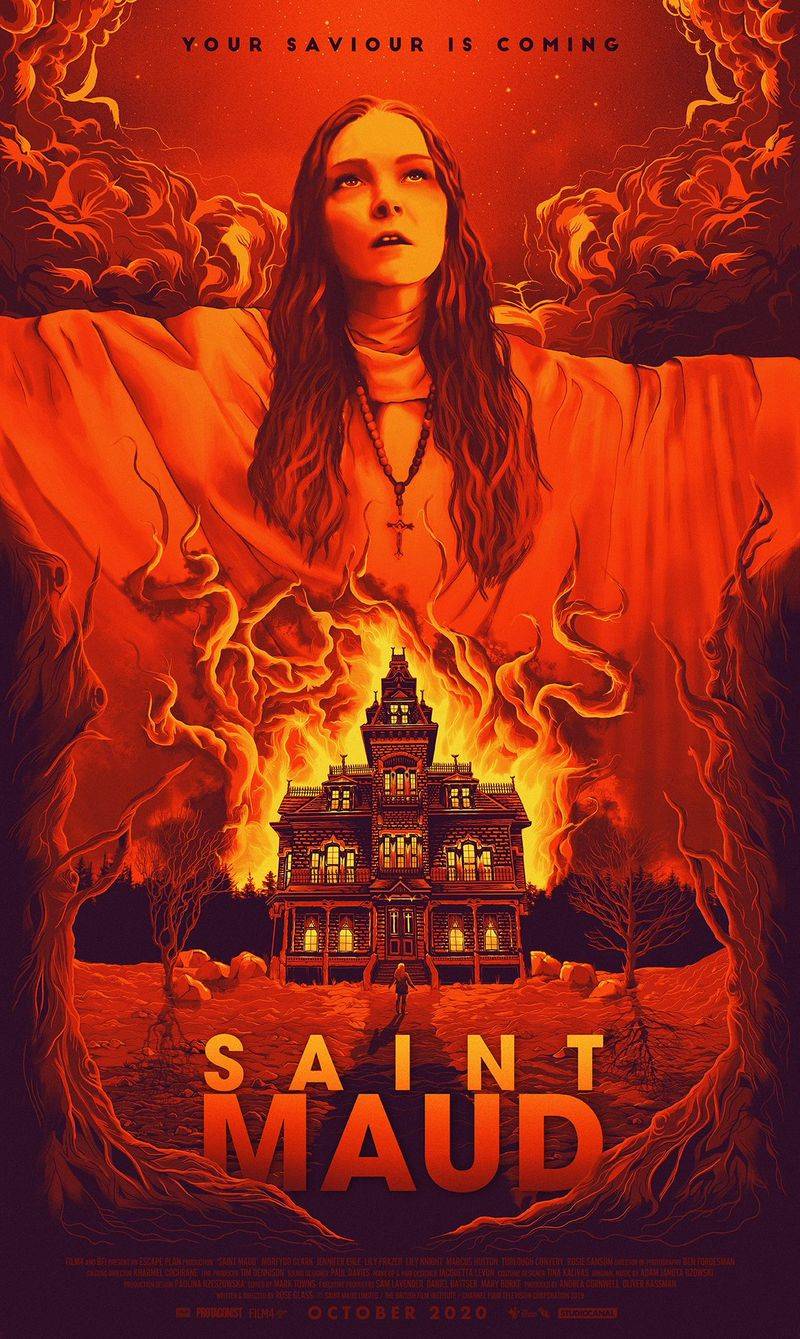
Religious obsession has rarely felt this intimate or this frightening on screen.
Morfydd Clark plays Maud, a newly converted Catholic nurse who becomes convinced she has a divine mission to save the soul of her terminally ill patient.
Her faith feels both deeply sincere and terrifyingly fragile.
Director Rose Glass keeps the camera close to Maud’s face, making you feel every flicker of ecstasy and doubt.
The Welsh coastal town setting adds a bleak, windswept quality to everything.
The film is quiet and slow, but that restraint makes the moments of horror hit with brutal force.
11. Annihilation (2018)
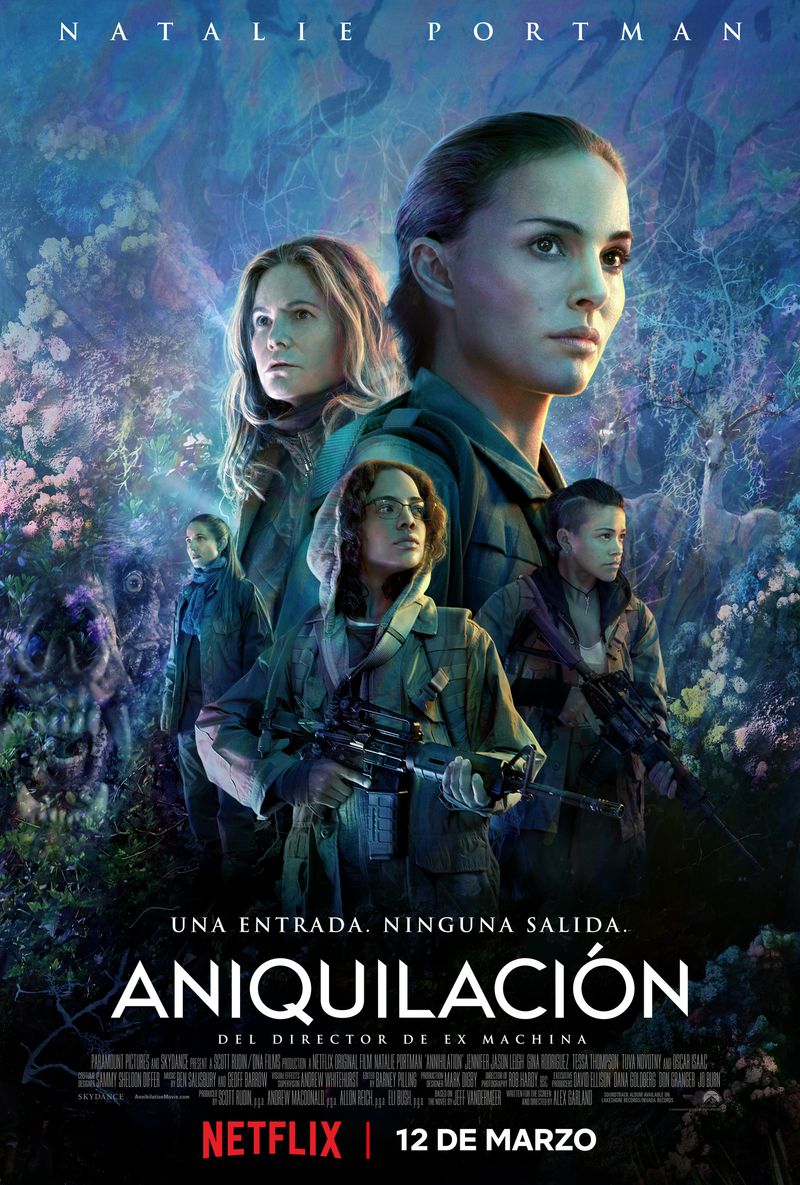
Alex Garland adapted Jeff VanderMeer’s novel into something genuinely strange and beautiful.
A group of scientists enter a mysterious environmental zone called the Shimmer, where the rules of biology and identity no longer apply.
Nothing inside behaves the way it should.
The horror here comes from disorientation.
You never fully understand what is happening, which mirrors exactly what the characters are experiencing.
Mutated creatures, impossible plants, and fractured memories pile on top of each other in dazzling, nightmarish ways.
Ben Salisbury and Geoff Barrow’s score pulses with alien unease, and the film’s final act is one of the most genuinely weird sequences in recent science fiction horror history.
12. The Blackcoat’s Daughter (2015)
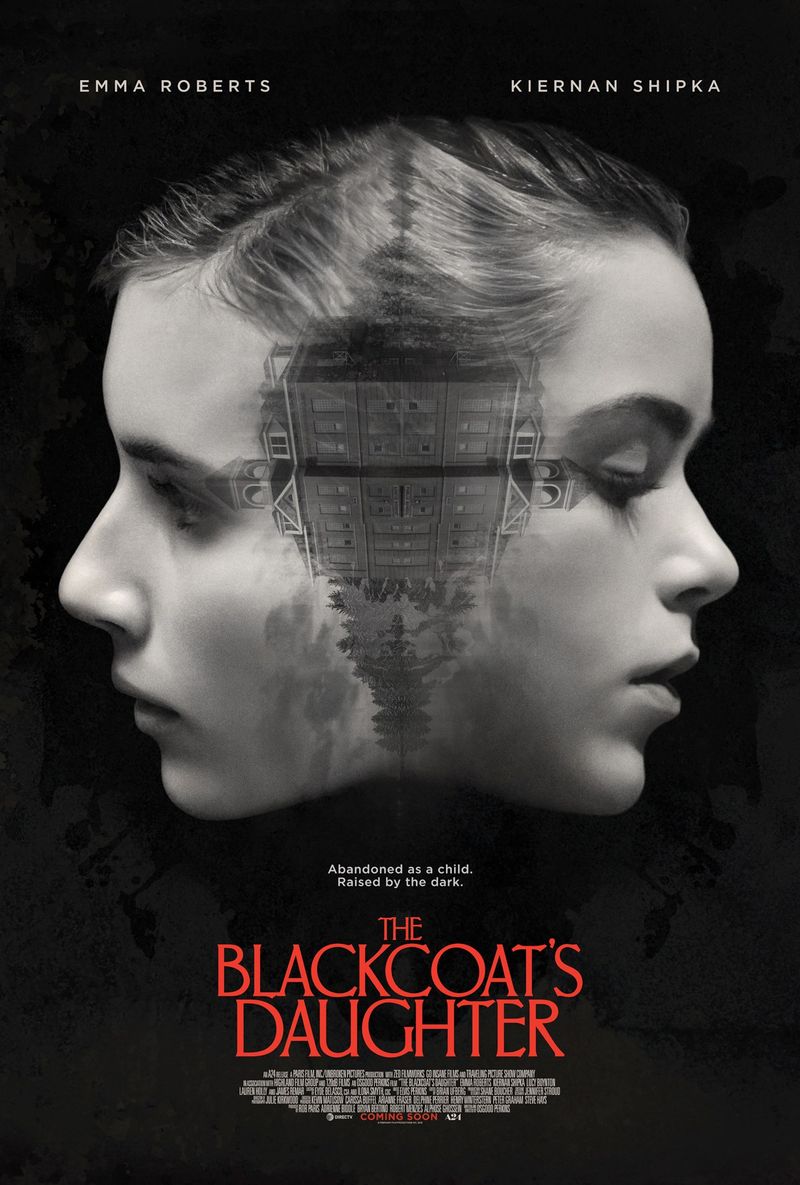
Oz Perkins, son of Anthony Perkins, proved with his debut film that dread can be architectural.
Two girls are left behind at a boarding school over winter break, and something in the empty hallways begins to take an interest in them.
The film unfolds across two timelines that eventually converge in a way that reframes everything you’ve seen.
Kiernan Shipka is quietly terrifying in her role, communicating volumes with just her stillness and her eyes.
The cold, empty school setting does half the work for the story.
Adam Taylor’s minimalist score hums beneath every scene like a low-frequency warning that something sacred has gone deeply wrong.
13. Possum (2018)
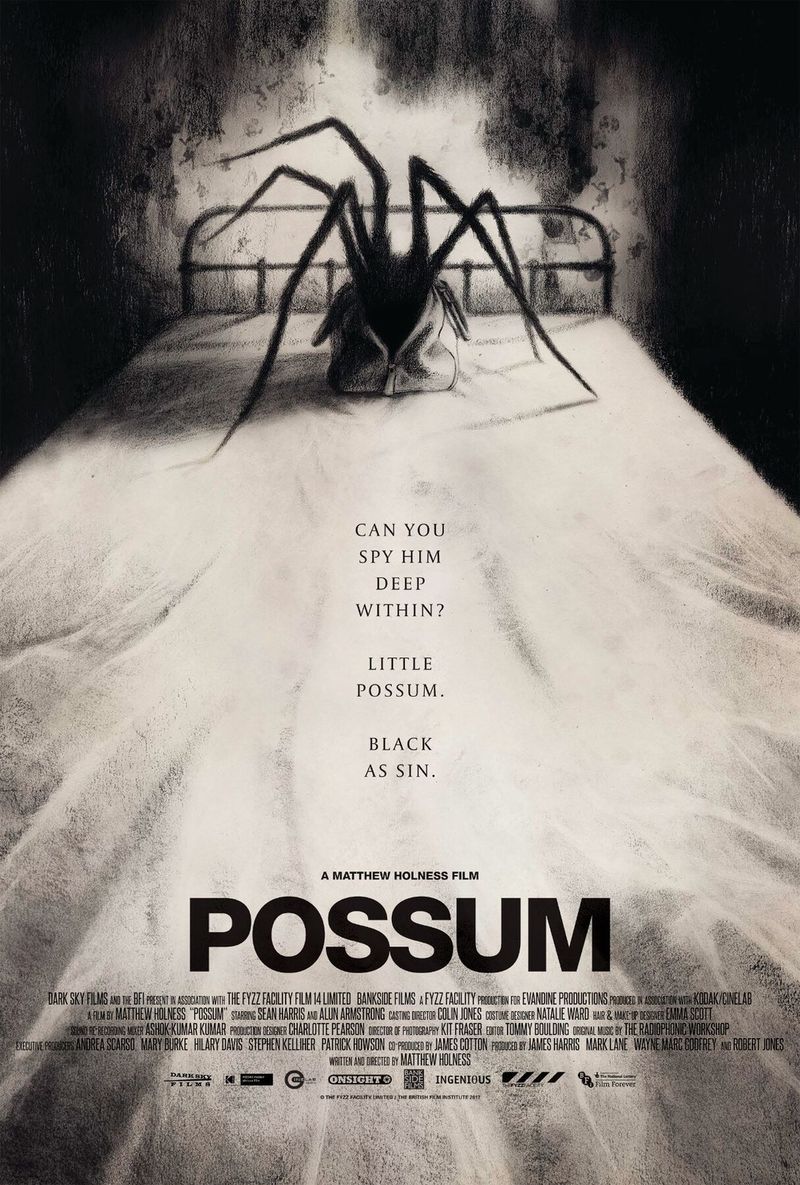
Few films are as relentlessly, suffocatingly bleak as Possum.
Sean Harris plays a disgraced children’s puppeteer who returns to his childhood home carrying a bag containing a horrifying spider-like puppet he cannot seem to destroy.
The film functions as an extended metaphor for childhood trauma.
Director Matthew Holness shoots the dreary Norfolk landscapes like they are crime scenes, all gray skies and dead grass and rotting buildings.
There is almost no music, just ambient noise that amplifies every creak and sigh.
Harris barely speaks, communicating his character’s shame and terror through body language alone.
Possum is a genuinely punishing watch that refuses any comfort or resolution.
14. Lake Mungo (2008)
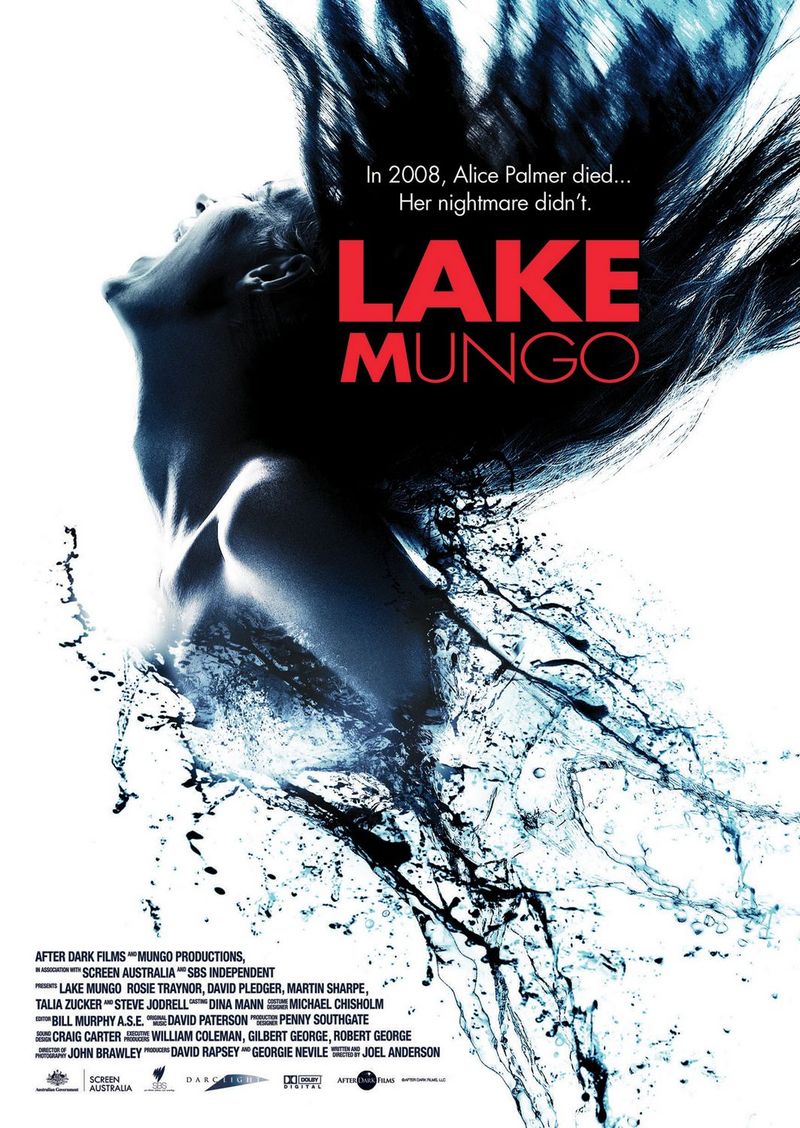
Presented as a documentary about a family grieving the drowning death of their teenage daughter Alice, this Australian film is quietly devastating.
Strange things begin appearing in photographs and videos around the family home, suggesting Alice’s presence has not entirely left.
Director Joel Anderson uses the mockumentary format with real craft, making every piece of found footage feel genuinely discovered rather than staged.
The horror sneaks up on you slowly, carried more by sadness than by fear.
There is a reveal near the end involving Alice’s secret life that is genuinely heartbreaking.
Lake Mungo stays with you the way real grief does: quietly and without warning.
Comments
Loading…