
 Chloe Peterson
14 Sci-Fi Movies That Are Surprisingly Accurate
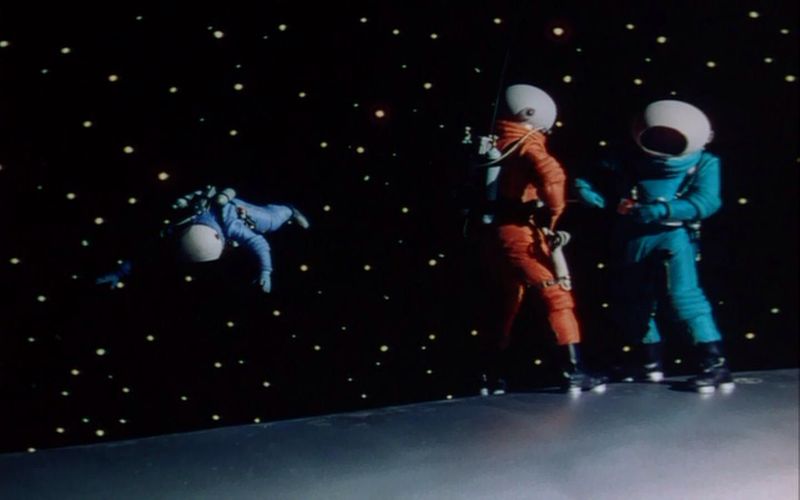
Science fiction movies are famous for wild ideas, laser battles, and impossible worlds. But some filmmakers actually did their homework, working with real scientists to get the details right. A handful of sci-fi films have predicted or accurately shown real science, technology, and even global events before they happened.
In some cases, what once seemed like pure imagination has quietly edged closer to reality over time. From space travel grounded in physics to eerily accurate visions of future tech, these films blur the line between fiction and fact.
Get ready to look at these movies in a whole new way.
1. Coherence (2013)
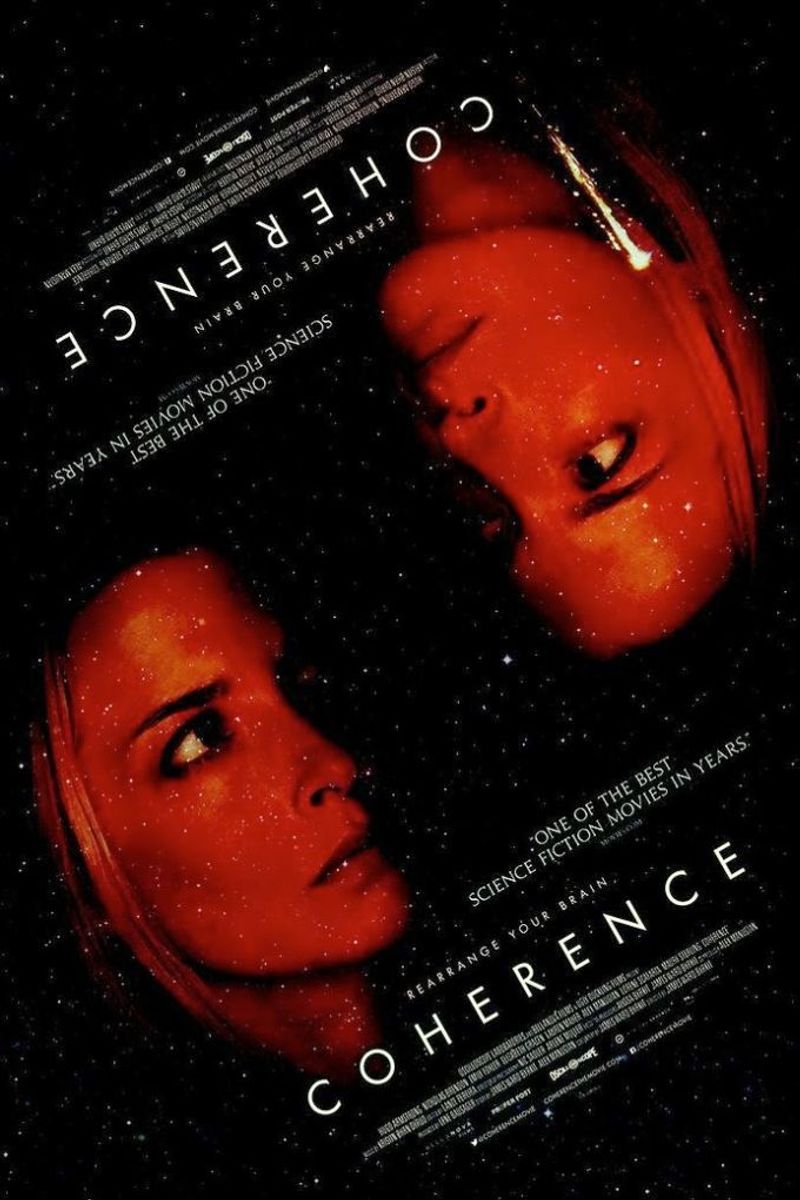
What if the comet passing overhead could shatter reality itself?
Coherence is a low-budget thriller that uses quantum mechanics as its backbone, specifically the concept of decoherence, where particles exist in multiple states until observed.
Scientists found the film’s treatment of quantum branching surprisingly thoughtful.
The story follows neighbors whose realities begin to split during a rare astronomical event.
Physicists noted that while dramatized, the film accurately captures how quantum theory suggests parallel outcomes could theoretically exist.
No explosions, no aliens, just unsettling science.
It proves you do not need a massive budget to tell a scientifically grounded story that genuinely makes your brain hurt.
2. Europa Report (2013)
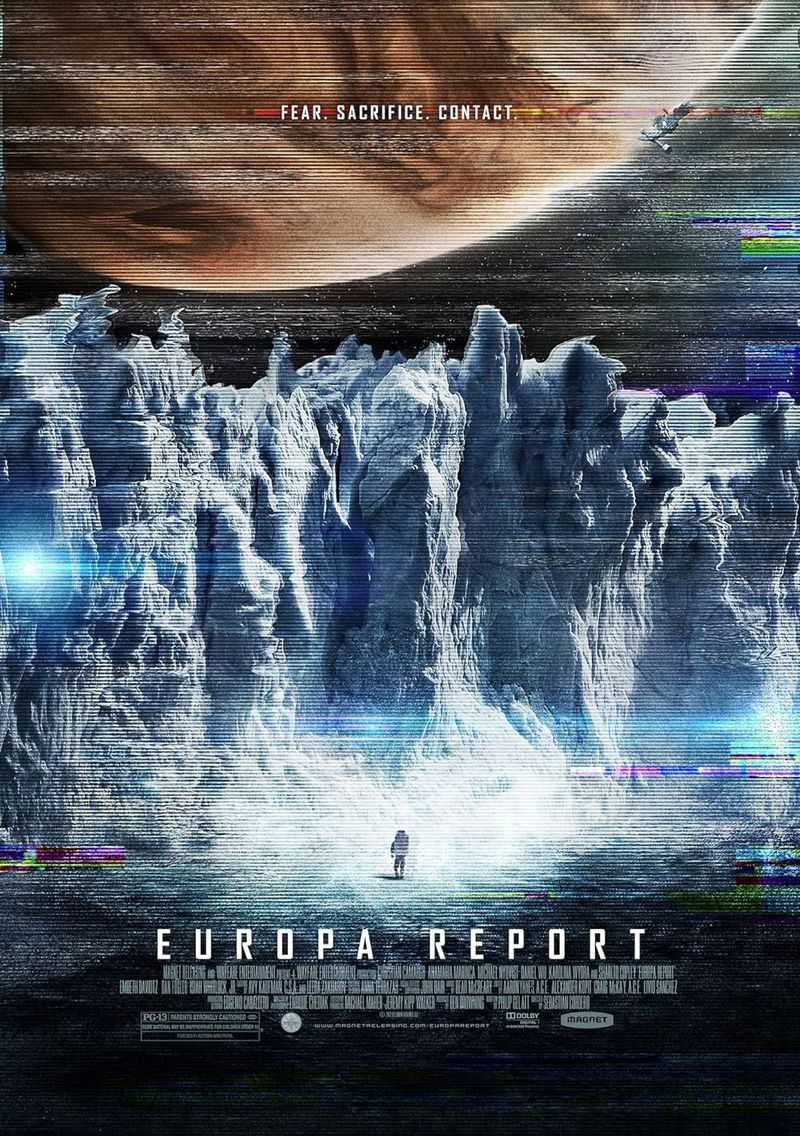
Jupiter’s moon Europa has fascinated NASA scientists for decades, and this film treats that fascination with remarkable respect.
Europa Report follows a crew traveling to Europa to search for life beneath its frozen ocean, mirroring real mission proposals that scientists have seriously discussed.
The film consulted with NASA advisors during production.
Liquid water oceans beneath Europa’s ice shell are a genuine scientific consensus today.
The movie’s depiction of communication delays, zero-gravity movement, and equipment failures reflects real deep-space mission challenges.
Interestingly, NASA’s actual Europa Clipper mission launched in 2024, proving the film was pointing at real science all along.
3. The Martian (2015)
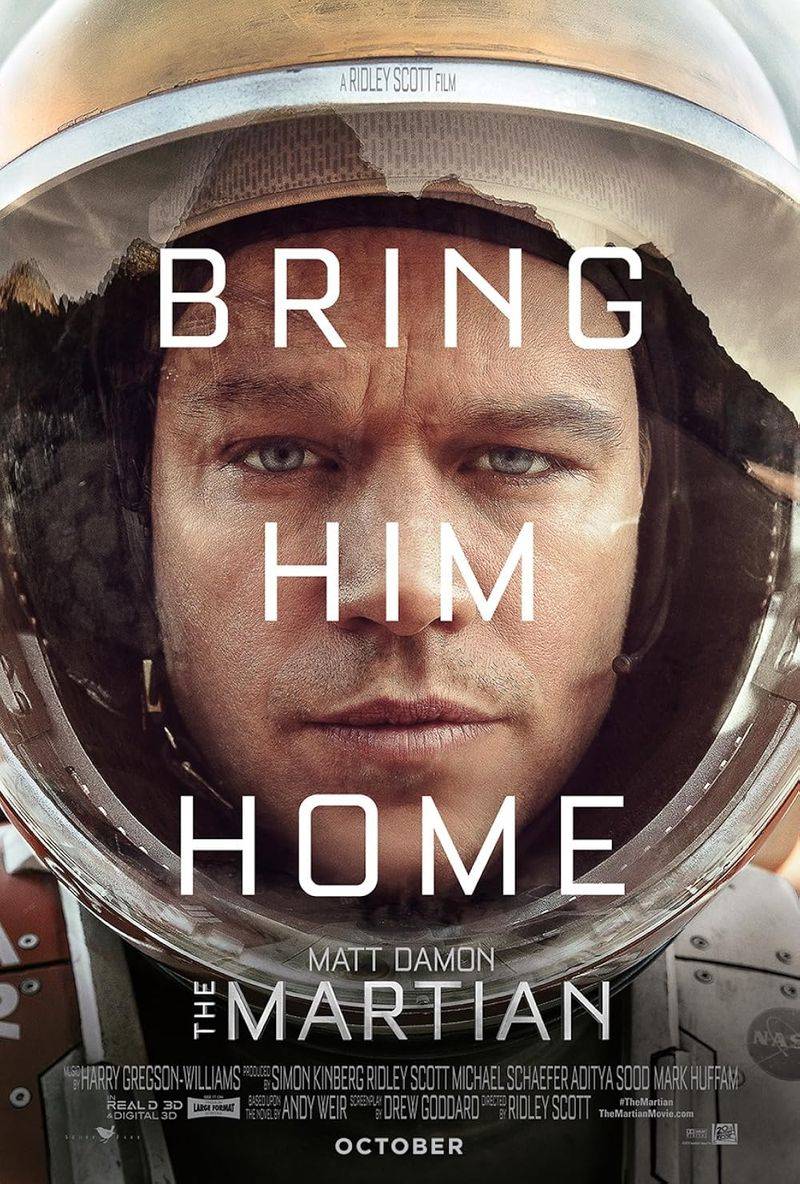
Stranded on Mars with nothing but potatoes and sheer stubbornness, Mark Watney became science fiction’s most beloved botanist.
The Martian earned high praise from NASA scientists for its realistic portrayal of space survival.
Author Andy Weir spent years researching orbital mechanics, Martian soil chemistry, and life-support systems before writing the original novel.
Growing food in Martian soil using human waste as fertilizer is a concept researchers have genuinely explored.
NASA called the film one of the most scientifically accurate space movies ever made.
Even the dust storms, though slightly exaggerated in intensity, reflect real Martian weather patterns documented by rovers on the surface.
4. Apollo 13 (1995)
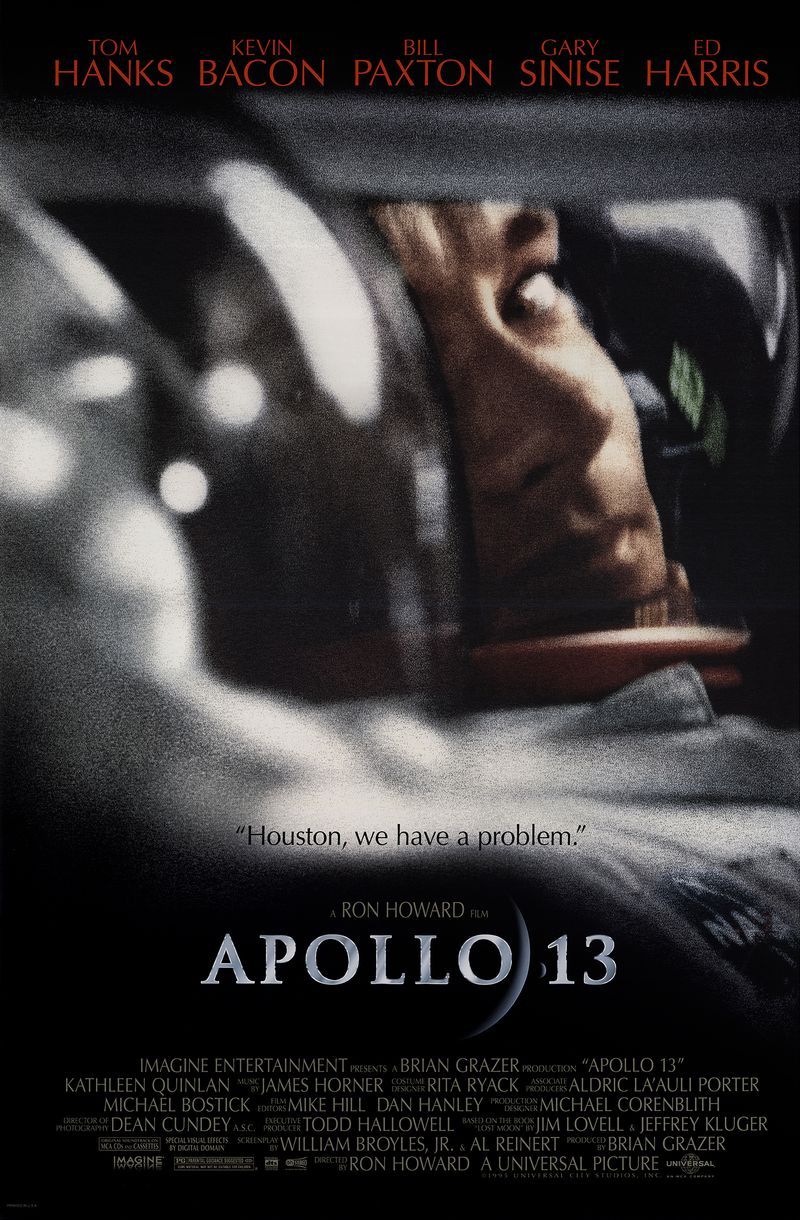
Few films nail historical accuracy the way Apollo 13 does.
Ron Howard’s retelling of the 1970 moon mission disaster is so precisely reconstructed that NASA engineers have used it as a reference tool.
The film depicts how the crew and Mission Control improvised solutions using only the materials available onboard, which is exactly what happened.
Real astronaut Jim Lovell served as a consultant throughout production.
The physics of orbital re-entry, power conservation decisions, and carbon dioxide scrubber fixes are all portrayed with stunning accuracy.
Tom Hanks even trained in NASA’s reduced-gravity aircraft to film weightlessness scenes authentically.
This one earns its reputation as a masterclass in real-event filmmaking.
5. Deep Impact (1998)
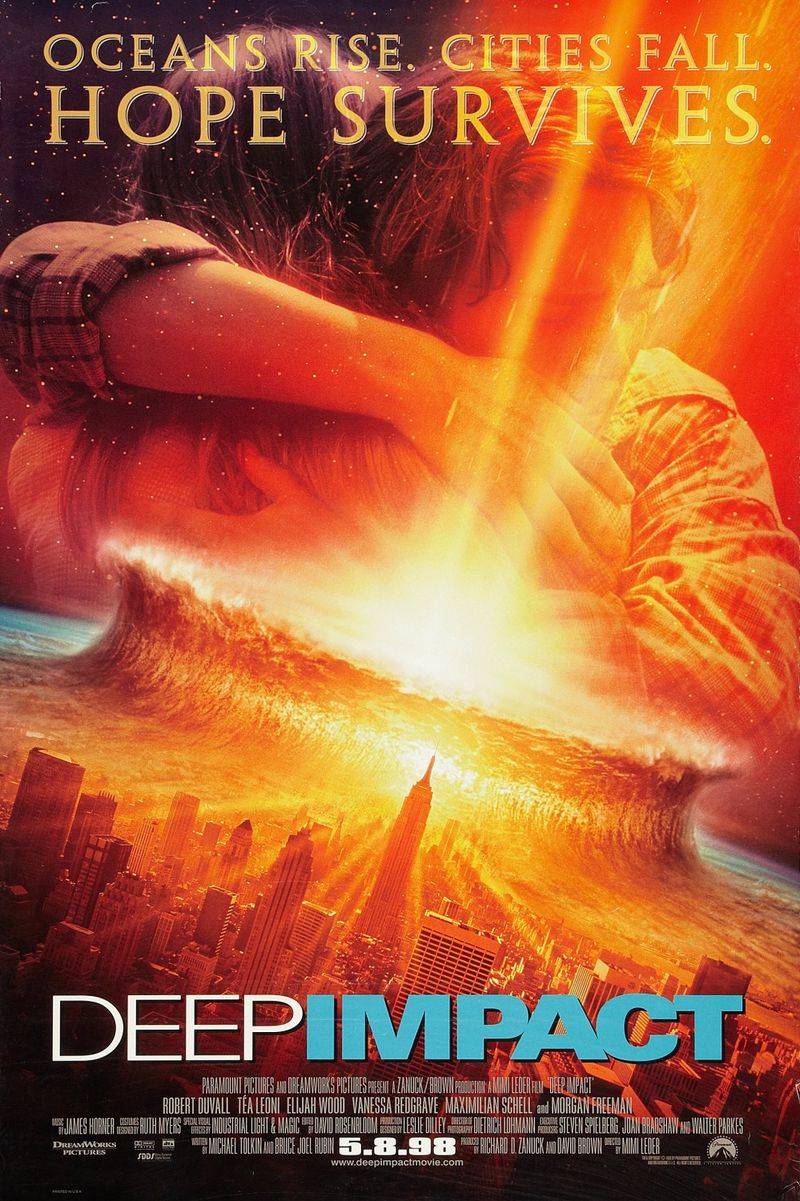
Long before asteroid defense became a real government priority, Deep Impact was already mapping out what a comet impact response might look like.
The film portrays government coordination, public evacuation plans, and a space mission designed to intercept and deflect an incoming comet.
Scientists found this scenario far more grounded than its flashier competitor, Armageddon.
NASA’s actual DART mission in 2022 successfully redirected an asteroid using a spacecraft impact, validating the film’s core premise.
The movie also accurately depicts the psychological and social chaos a known extinction-level event would trigger.
Sometimes the quieter disaster film gets the science more right than the louder, bigger-budget blockbuster ever could.
6. Contact (1997)
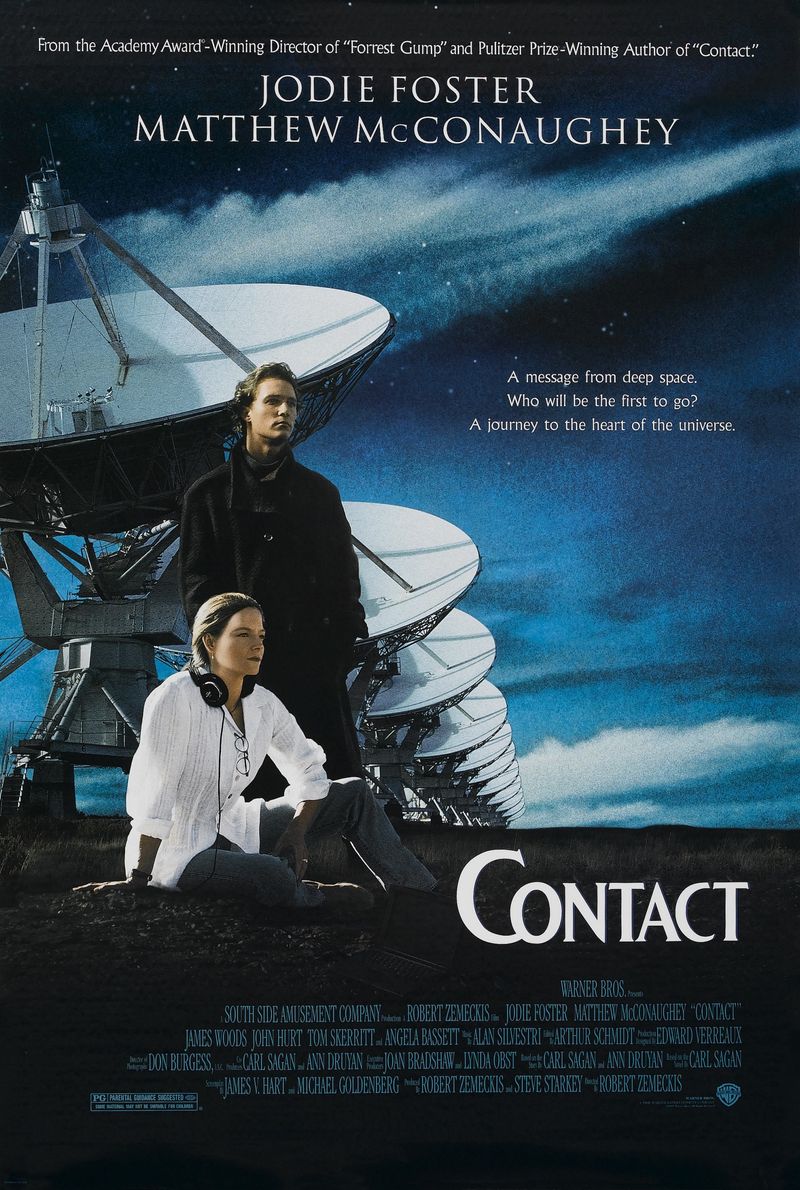
Carl Sagan co-wrote the novel Contact, so scientific authenticity was baked into its DNA from the very beginning.
The film follows a radio astronomer who detects a mathematical signal from deep space and must navigate both the discovery and the political firestorm it ignites.
SETI researchers praised the film’s depiction of how first contact might realistically unfold.
The Arecibo Observatory featured in the film was a real facility used by scientists for decades.
The film also accurately explores how interstellar travel might require understanding physics beyond our current models.
Jodie Foster’s portrayal of a driven scientist resonated deeply with real women working in astronomy and astrophysics around the world.
7. Contagion (2011)
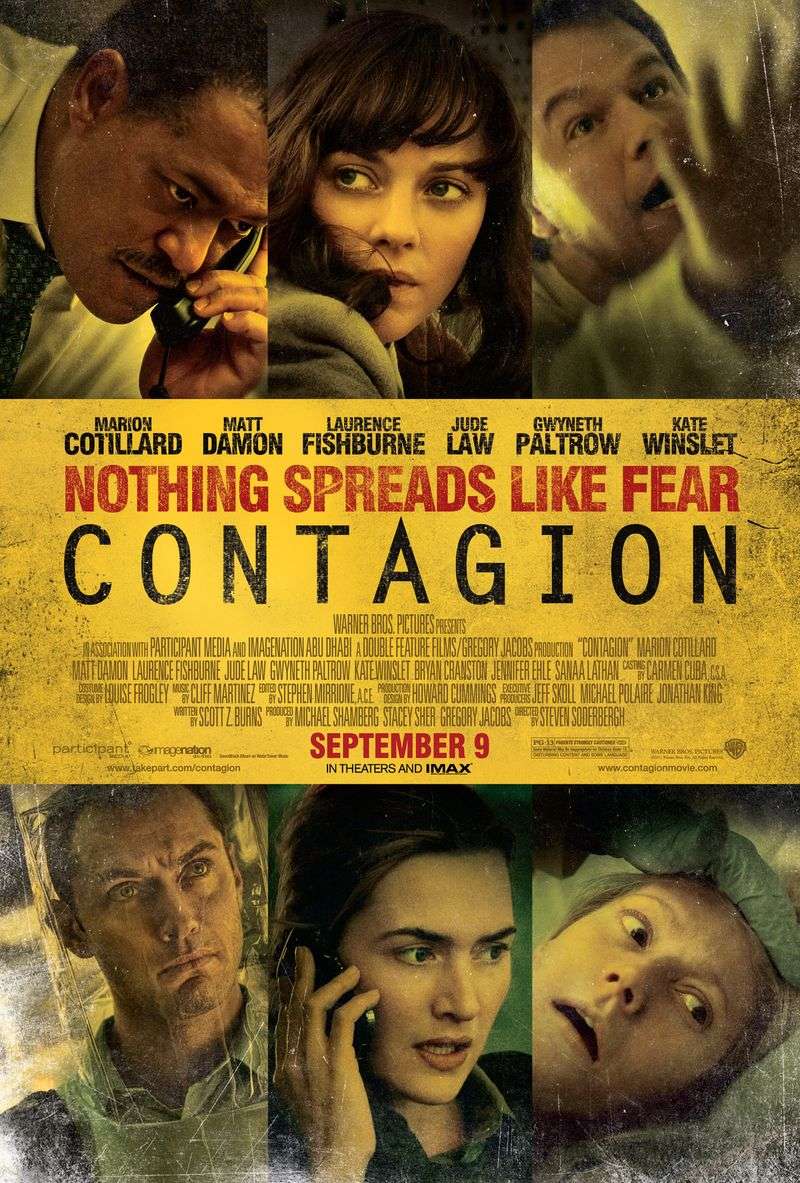
When COVID-19 hit in 2020, Contagion suddenly shot back to the top of streaming charts worldwide.
Director Steven Soderbergh worked closely with epidemiologists and the CDC while making this eerily prophetic film.
The movie traces a fictional virus from its animal-to-human origin in Asia to a full global pandemic with stunning procedural accuracy.
Scientists praised the film’s depiction of how viruses spread, how vaccines are developed, and how governments manage public health crises.
The R0 number, social distancing, and misinformation spreading alongside the disease were all shown years before they became daily news topics.
Contagion is less a sci-fi film and more an accidental documentary about our near future.
8. Primer (2004)
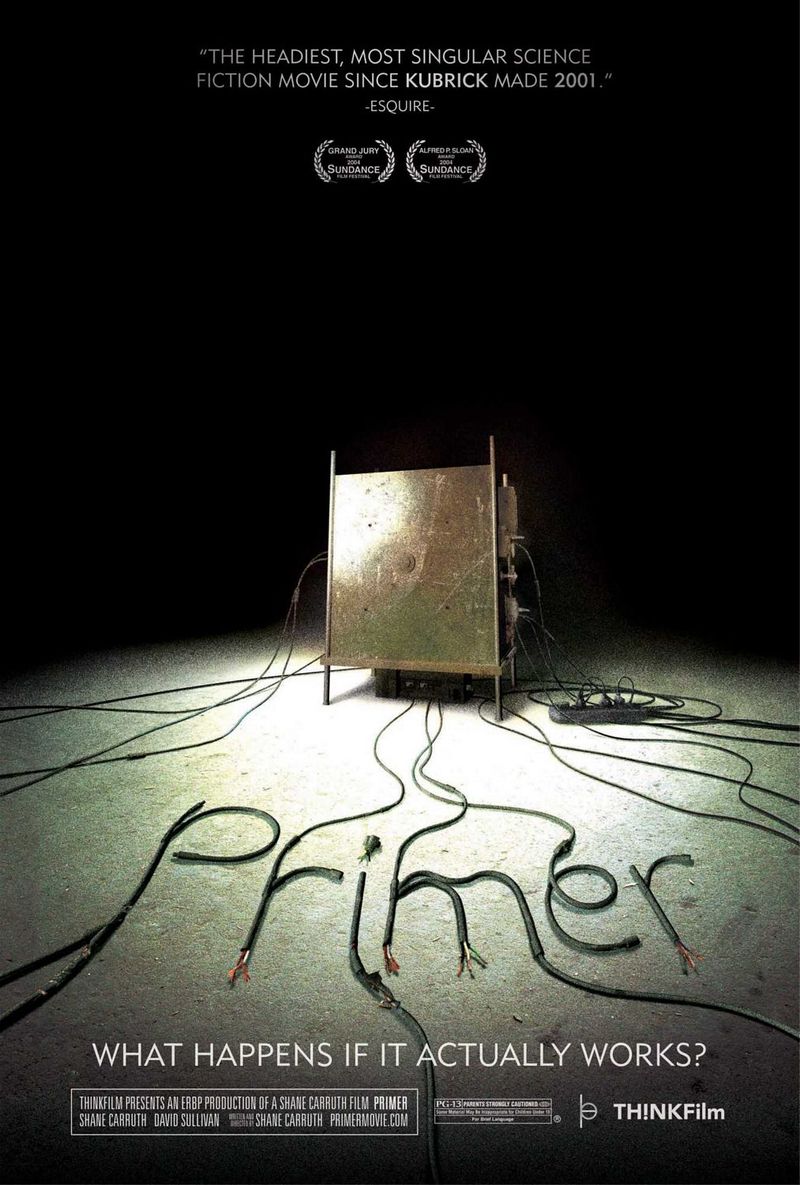
Made for just seven thousand dollars, Primer is arguably the most technically dense time travel movie ever filmed.
Writer-director Shane Carruth holds an actual degree in mathematics, and it shows in every frame.
The film refuses to simplify its time travel logic, presenting it through the lens of accidental engineering discovery rather than fantasy.
Physicists have noted that Primer engages more seriously with paradox mechanics and causality loops than almost any other time travel film.
The characters speak like real engineers solving a problem they barely understand themselves.
Watching it once is never enough, which is either a flaw or the whole point, depending on how you feel about homework.
9. Destination Moon (1950)
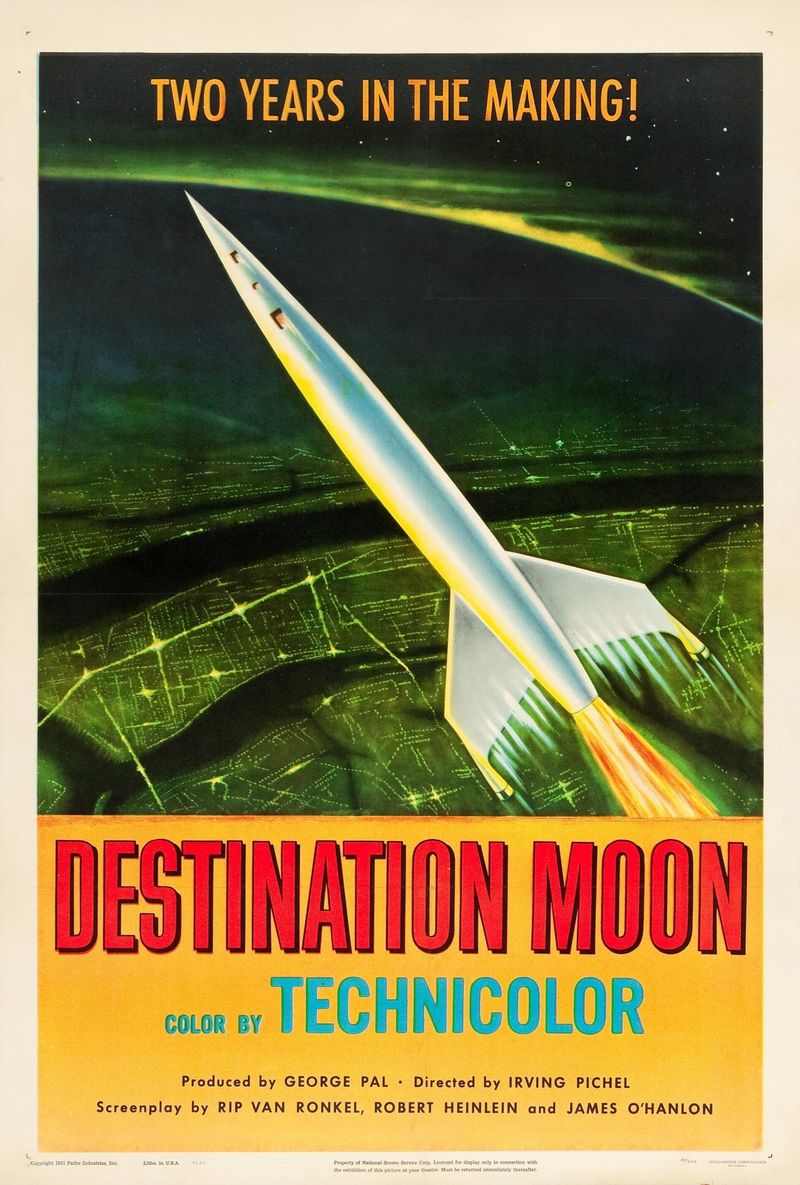
Nearly two decades before Apollo 11, Destination Moon was already getting the basics surprisingly right.
Producer George Pal hired rocket pioneer Hermann Oberth as a technical consultant, and the attention to detail shows throughout.
The film depicts weightlessness, the vacuum of space, and lunar surface conditions with an accuracy that stunned audiences and impressed scientists of the era.
The movie correctly showed that rocket propulsion would be needed for lunar travel and depicted spacesuits as necessary for survival on the Moon’s surface.
For 1950, this was extraordinary foresight.
When the real Moon landing happened in 1969, many viewers remembered this film and recognized just how close it had come to predicting reality.
10. The Andromeda Strain (1971)
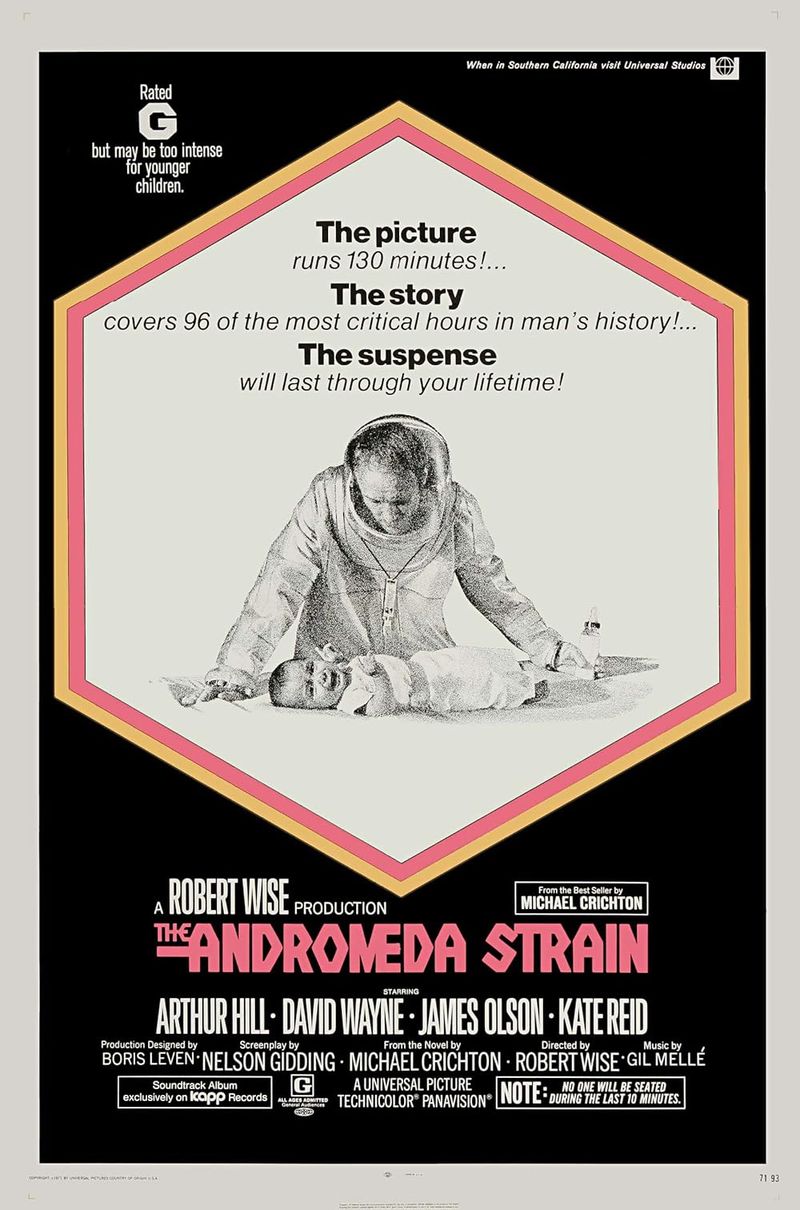
Biosafety protocols and extraterrestrial contamination procedures might sound like modern concerns, but The Andromeda Strain was exploring them back in 1971.
Based on Michael Crichton’s novel, the film depicts a team of scientists racing to understand a deadly microorganism brought back from space.
The film’s depiction of decontamination procedures was remarkably close to real scientific practice.
NASA actually developed planetary protection protocols around this same era, designed to prevent exactly the kind of contamination the film portrays.
The step-by-step scientific method shown in the movie, including hypothesis testing and controlled experiments, mirrors real laboratory procedure.
Crichton’s research background made this one of the most procedurally honest thrillers of its generation.
11. Outland (1981)
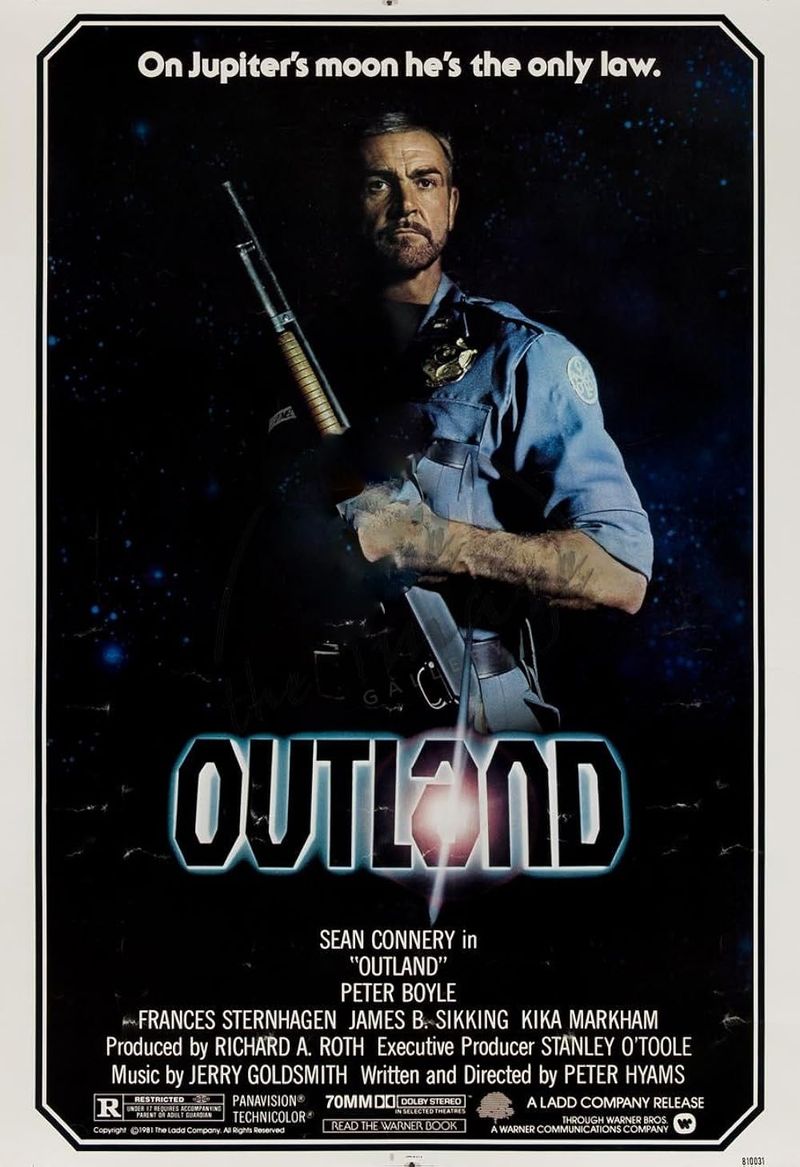
Set on Jupiter’s volcanic moon Io, Outland is essentially a Western in space, but its science holds up better than most people expect.
The film depicts a mining colony dealing with drug abuse, corporate corruption, and worker exploitation, social dynamics that real researchers studying isolated human settlements consider likely challenges.
Sean Connery plays a marshal enforcing law in a place where no one wants justice.
The film correctly portrays that Io would require pressurized habitats for human survival and depicts the psychological effects of long-term isolation in a hostile environment.
Space sociologists studying future off-world colonies point to Outland as an unusually realistic look at the human problems, not just the technical ones, that space colonization would bring.
12. Interstellar (2014)
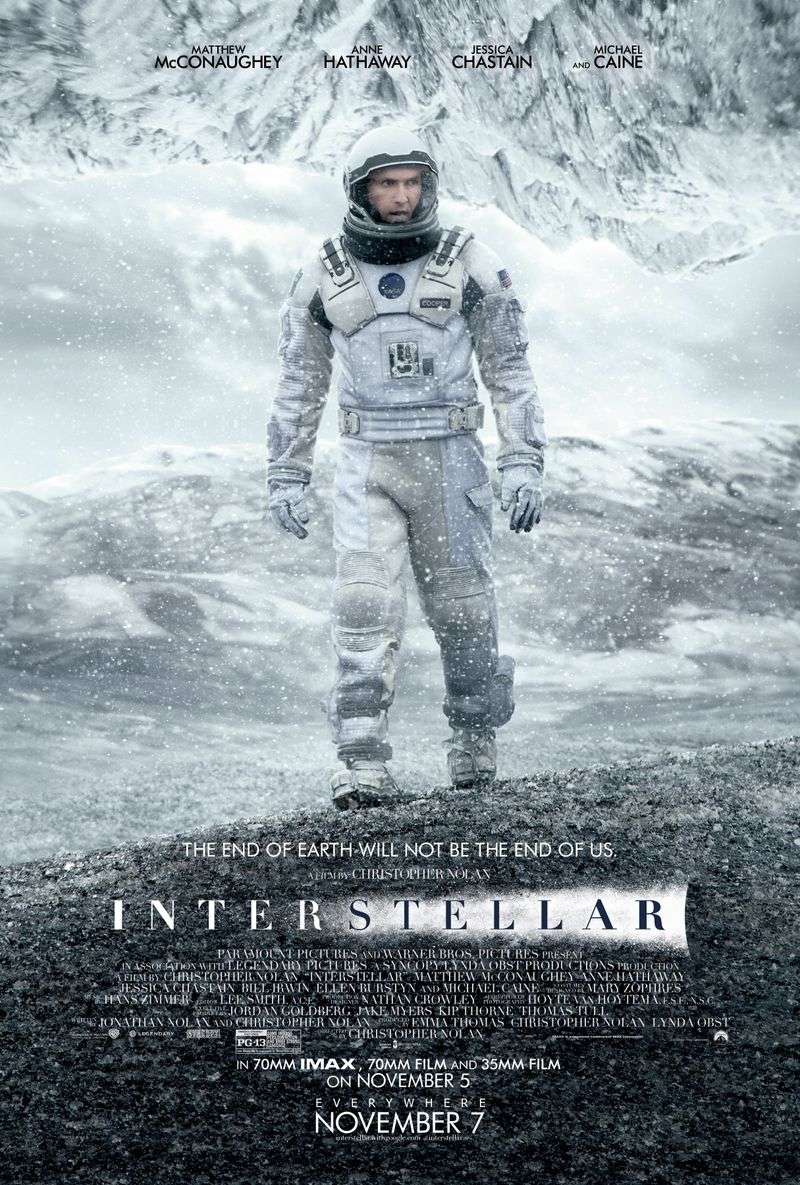
Theoretical physicist Kip Thorne served as executive producer and scientific consultant on Interstellar, making it one of the most rigorously researched space films ever created.
The black hole Gargantua depicted in the film was so accurately rendered using real physics equations that it actually produced a new scientific paper on black hole optics after release.
Time dilation near massive gravitational bodies, wormhole geometry, and the behavior of light around a black hole are all shown with genuine scientific grounding.
The visual effects team built entirely new rendering software to simulate Gargantua correctly.
Thorne later wrote a book explaining the real science behind every major concept shown throughout the film.
13. 2001: A Space Odyssey (1968)
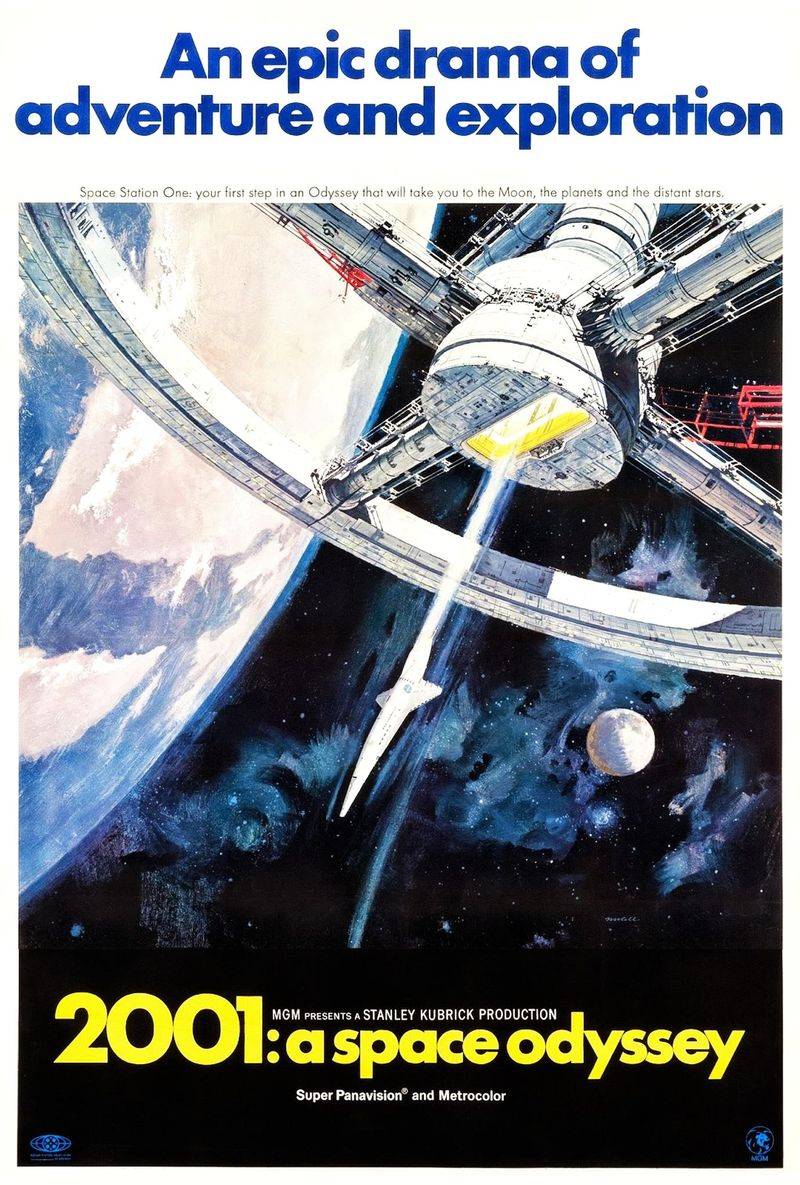
Stanley Kubrick’s masterpiece turned 1968 audiences into believers by showing space travel not as adventure but as routine, quiet, and technically demanding.
NASA engineers were reportedly amazed by how accurately the film depicted weightlessness, orbital mechanics, and the psychological monotony of long-duration spaceflight.
Kubrick hired aerospace experts and artists from major space contractors to design every detail.
The rotating space station that creates artificial gravity through centrifugal force is a concept engineers still seriously discuss today.
HAL 9000’s behavior also predicted real concerns about AI decision-making and machine autonomy decades before those conversations became urgent.
Kubrick did not just make a movie; he accidentally created a blueprint that actual space programs would reference for years.
14. Arrival (2016)

Language, not weapons, is the hero of Arrival, and that choice reflects real science more than most alien contact films ever dare.
The film is rooted in the Sapir-Whorf hypothesis, a genuine linguistic theory suggesting that the language you speak shapes how you perceive and experience time and reality.
Linguists praised the film for engaging seriously with their field.
The idea that learning a radically different language could rewire cognitive perception is not pure fantasy.
Researchers have documented how different languages influence memory, color perception, and time orientation in real speakers.
Amy Adams’ performance captures the methodical, painstaking work of real language acquisition.
Arrival treats linguistics as the most powerful science humanity has, and scientists largely agreed.
Comments
Loading…