
 Chloe Peterson
Music brings people together, but sometimes fan loyalty can go way too far.
Certain fanbases have become notorious for harassment, online bullying, and even real-world threats — all in the name of defending their favorite artists.
While most fans are genuinely passionate and kind, a vocal minority can poison the well for everyone.
Here are five music fanbases that have earned a reputation for some seriously dangerous behavior.
1. The Beyhive (Beyonce’s Fans)
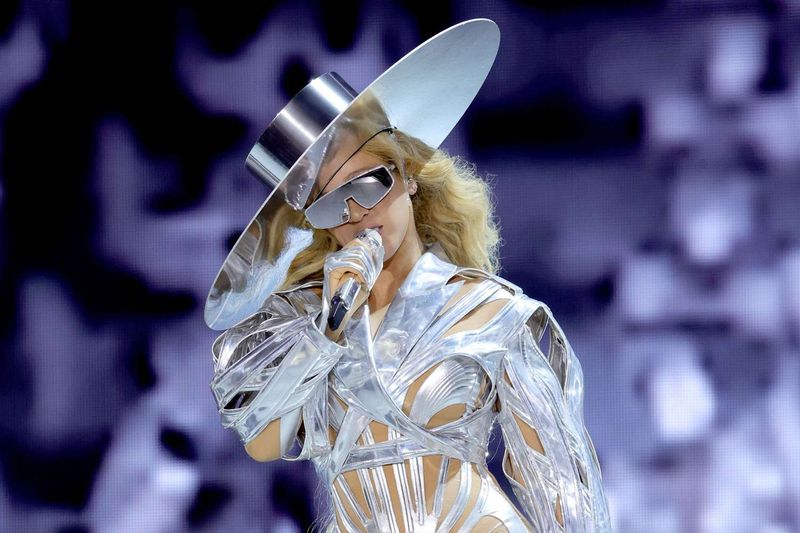
Few fanbases strike fear into the hearts of celebrities and critics quite like the Beyhive.
Beyonce’s loyal army of fans is fiercely protective — sometimes dangerously so.
When Nicole Curran was photographed leaning across Beyonce at an NBA Finals game in 2019, Beyhive members flooded her social media with death threats and vile messages.
That level of aggression goes far beyond defending a pop star.
Journalists who dare to write negative reviews of Beyonce’s work often face coordinated harassment campaigns.
The Beyhive’s intensity has made many people think twice before saying anything critical about Queen Bey.
2. BTS ARMY
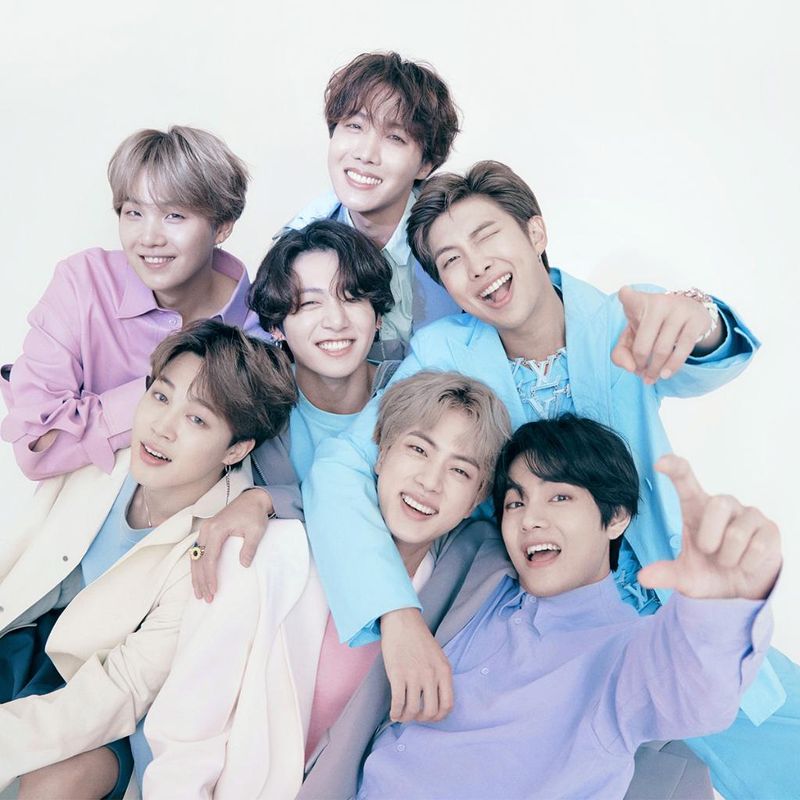
BTS’s ARMY is one of the largest and most organized fanbases on the planet — and that power can turn destructive fast.
Fans have been known to mass-report social media accounts, flood comment sections with abuse, and relentlessly harass anyone who criticizes the group.
The sheer size of ARMY means even a small percentage of toxic members can cause enormous damage.
Psychologists point to deep parasocial bonds as a key driver — fans genuinely feel like BTS members are personal friends.
That emotional connection, when taken to an extreme, blurs the line between support and obsession.
The results can be genuinely frightening for targets.
3. Taylor Swift’s Swifties
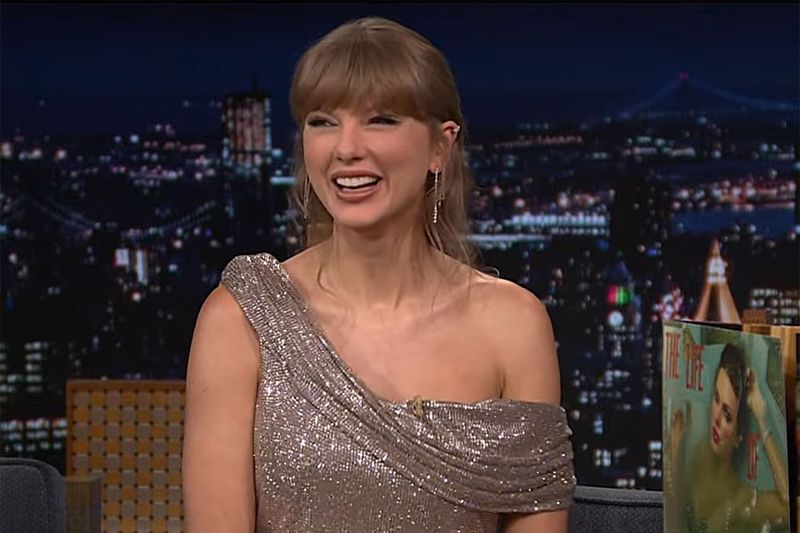
Swifties are arguably the most culturally powerful fanbase in music right now — and they know it.
Taylor Swift’s fans have coordinated mass-streaming campaigns, crashed websites, and turned ticket sales into full-blown chaos.
But the darker side shows up when Swift’s ex-boyfriends or perceived enemies become targets of relentless online abuse.
Jake Gyllenhaal experienced a frightening wave of harassment after Swift re-released “All Too Well” in 2021.
Swifties flooded his social media with hateful messages, forcing him to limit comments.
What starts as passionate loyalty can quickly spiral into a mob mentality that causes real emotional harm to real people.
4. Nicki Minaj’s Barbz
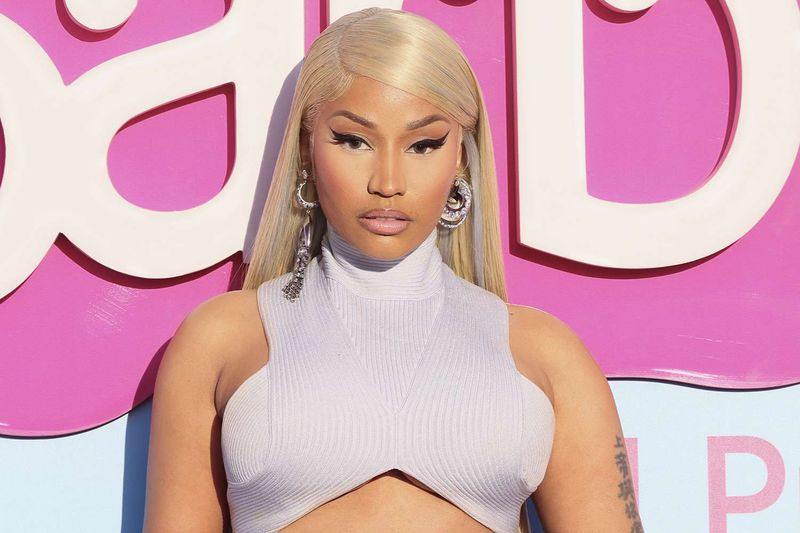
The Barbz don’t play around when it comes to Nicki Minaj.
Known for their razor-sharp tongues and coordinated attacks, they’ve made careers complicated for critics, rival artists, and even other fanbases.
The beef between the Barbz and BTS ARMY has become legendary in internet culture — both sides unleashing waves of insults and mass-reporting campaigns.
What makes the Barbz particularly intense is their willingness to go after anyone Nicki herself seems to call out.
When the artist publicly clashes with someone, her fans treat it as a battle cry.
That dynamic between artist and fanbase creates a feedback loop that amplifies toxicity in a genuinely alarming way.
5. One Direction’s Directioners
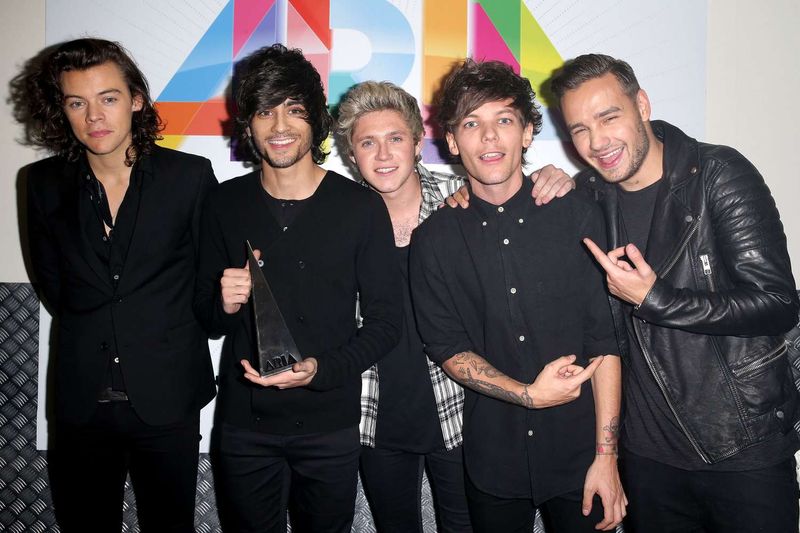
Back when One Direction ruled the world, Directioners ruled the internet — and not always in a good way.
Fans were known to send death threats to girlfriends of band members, with Harry Styles’ and Niall Horan’s partners frequently targeted.
The possessive attitude toward the boys crossed from admiration into something much more unsettling.
Even after the band split in 2016, the fandom remained active and, at times, volatile.
Directioners have clashed with other fanbases, harassed journalists, and spread harmful rumors online.
Their story is a cautionary tale about how intense parasocial attachment — especially among young fans — can normalize harassment on a massive scale.
Comments
Loading…