
 Mila Ross
Are These 10 ’90s Music Icons Overhyped? Fans Are Divided
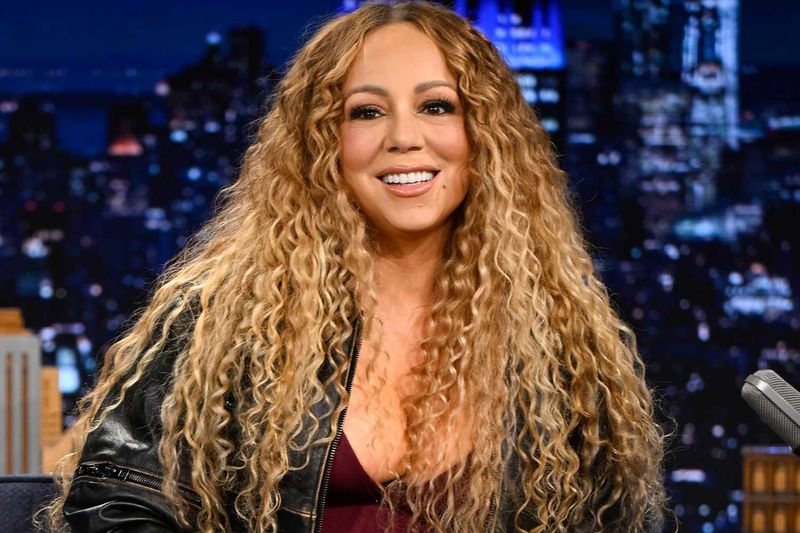
The 1990s gave us some of the most unforgettable music in history, from grunge anthems to pop bangers that still get stuck in your head today.
But not everyone agrees that every big name from that era truly deserved the massive fame they received.
Some fans say certain artists were pure genius, while others insist the hype was way bigger than the talent.
Get ready, because this list is sure to spark some serious debate.
1. Spice Girls
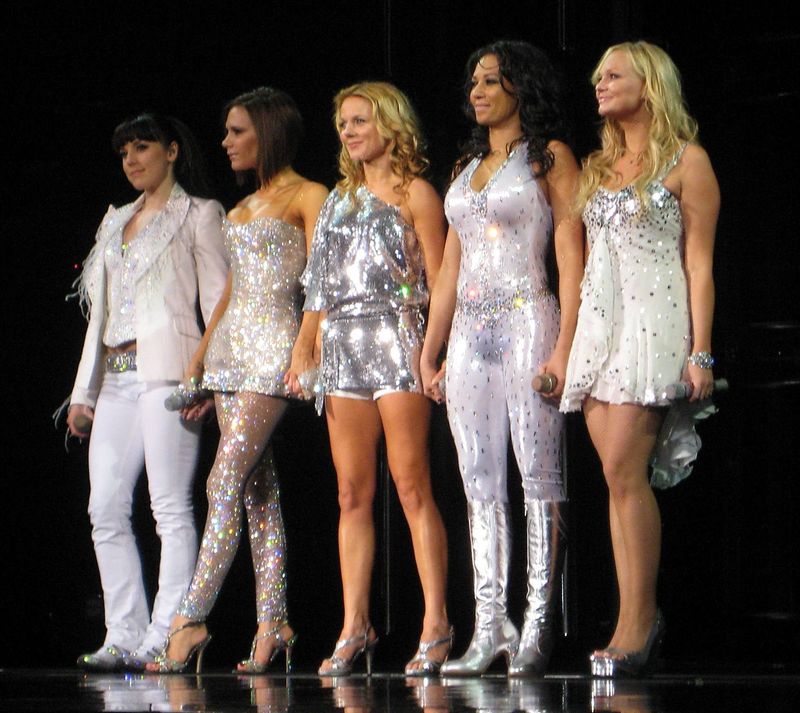
Few groups defined ’90s pop culture quite like the Spice Girls.
With their “Girl Power” motto and catchy hooks, they sold over 100 million records worldwide.
That kind of success is hard to argue with.
Still, critics often pointed out that their music was more about personality and branding than raw musical talent.
Songs like “Wannabe” were fun but simple.
Some felt the group was more of a marketing machine than a genuine musical force.
Fans, however, remain fiercely loyal to this day.
Whether overhyped or not, the Spice Girls left a cultural footprint that is impossible to ignore.
2. Milli Vanilli
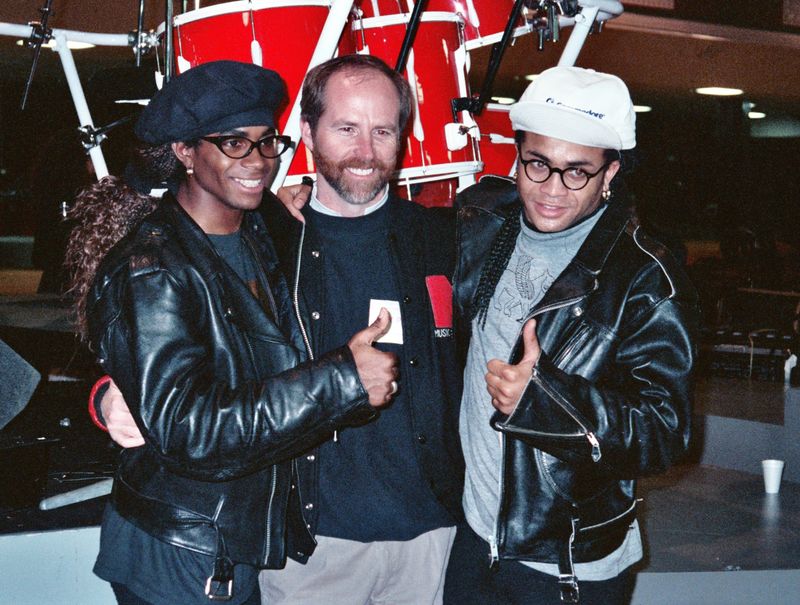
Milli Vanilli might be the most controversial act in all of ’90s music history.
Fab Morvan and Rob Pilatus won a Grammy in 1990, only to have it stripped away when it was revealed they never actually sang on their recordings.
The scandal rocked the music world.
Producers had used other vocalists entirely, making the duo essentially lip-sync performers.
Many fans felt completely betrayed.
The story became a cautionary tale about the music industry’s obsession with image over authenticity.
Even decades later, their name still triggers strong reactions.
Overhyped?
Absolutely.
But also unforgettable for all the wrong reasons.
3. Limp Bizkit
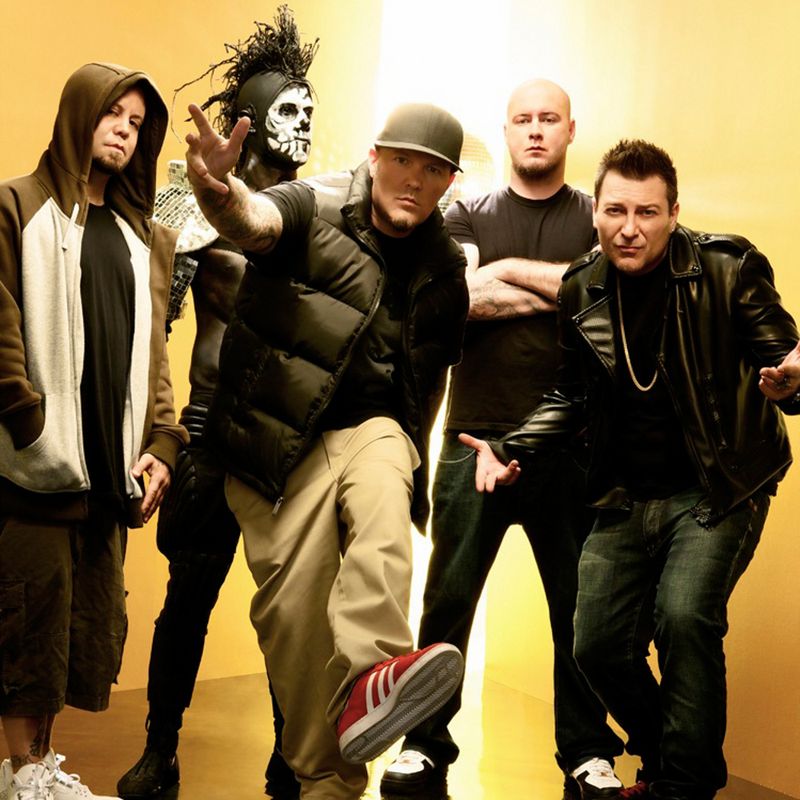
Limp Bizkit was basically unavoidable in the late ’90s.
Fred Durst’s backwards red cap became a symbol of an entire generation’s angst.
Their album “Significant Other” sold millions and ruled MTV for months.
But plenty of music fans never got on board.
Critics called their blend of rap and rock shallow, aggressive for no real reason, and more about attitude than artistry.
Their infamous Woodstock ’99 performance, which descended into chaos, did not help their reputation.
Supporters argue the band captured real teenage frustration in a raw, honest way.
Whether you loved them or cringed, Limp Bizkit was impossible to tune out.
4. Dave Matthews Band
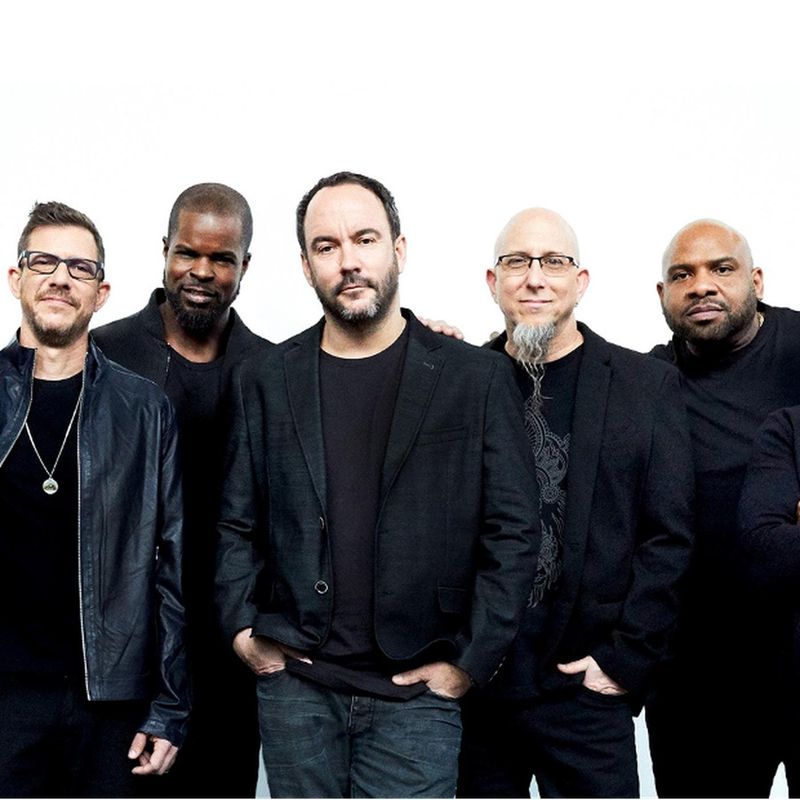
Dave Matthews Band built one of the most devoted fanbases of the entire decade, practically owning college campuses throughout the ’90s.
Their mix of jazz, rock, and folk felt genuinely unlike anything else on the radio.
However, not everyone was charmed.
Some listeners found their long, winding songs repetitive and overly indulgent.
Dave Matthews’ distinctive vocal style, loved by fans, grated on others who found it affected and odd.
The band’s live shows were legendary for their improvisation, which hardcore fans adored.
But casual listeners sometimes struggled to connect.
Talented or overhyped?
The debate between fans and skeptics has never really cooled down.
5. Oasis
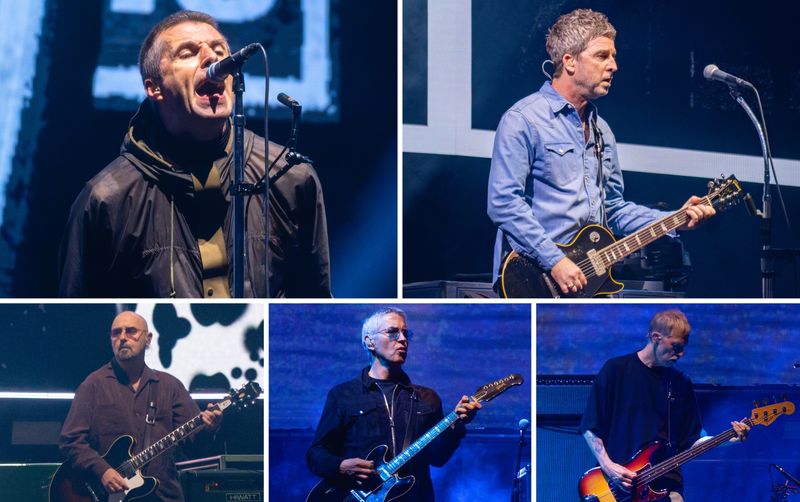
Oasis arrived from Manchester with a swagger so enormous it practically had its own zip code.
Noel and Liam Gallagher acted like they were the biggest band on earth, and for a while in the ’90s, they genuinely were.
Albums like “(What’s the Story) Morning Glory?” produced stone-cold classics.
But detractors argued their sound borrowed heavily from The Beatles and never truly evolved beyond a familiar formula.
The attitude often overshadowed the music itself.
British fans especially worshipped Oasis with religious devotion.
Yet American audiences remained more divided.
Bold, bratty, and brilliant to some, they were simply overrated noise to others.
6. Hanson
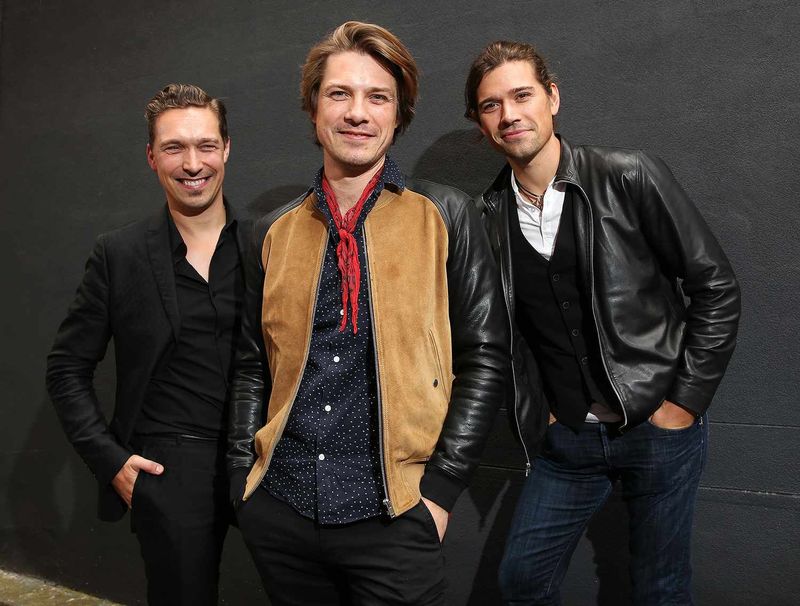
“MMMBop” was inescapable during the summer of 1997.
Hanson, three brothers from Tulsa, Oklahoma, became teen sensations almost overnight.
Their debut album sold over 10 million copies, which is genuinely impressive for any artist, let alone kids.
Critics, though, dismissed them quickly as a novelty act riding a catchy gimmick.
Many assumed they would vanish after one hit, lumping them in with other disposable teen pop acts of the era.
Here is the surprising twist: Hanson never stopped making music and still tours today with a loyal following.
Perhaps the real story is not whether they were overhyped, but how badly they were underestimated.
7. Alanis Morissette

When “Jagged Little Pill” dropped in 1995, Alanis Morissette became the voice of a generation of young women processing anger, heartbreak, and independence.
The album sold over 33 million copies globally, making it one of the best-selling records of all time.
Some critics argued her lyrics were clumsy, pointing to the famous misuse of irony in “Ironic” as evidence of lazy songwriting.
Others felt her emotional intensity was overwrought rather than authentic.
Supporters pushed back hard, insisting she gave voice to feelings rarely heard so openly in mainstream music.
The album’s staying power strongly suggests the fans were right all along.
8. Backstreet Boys
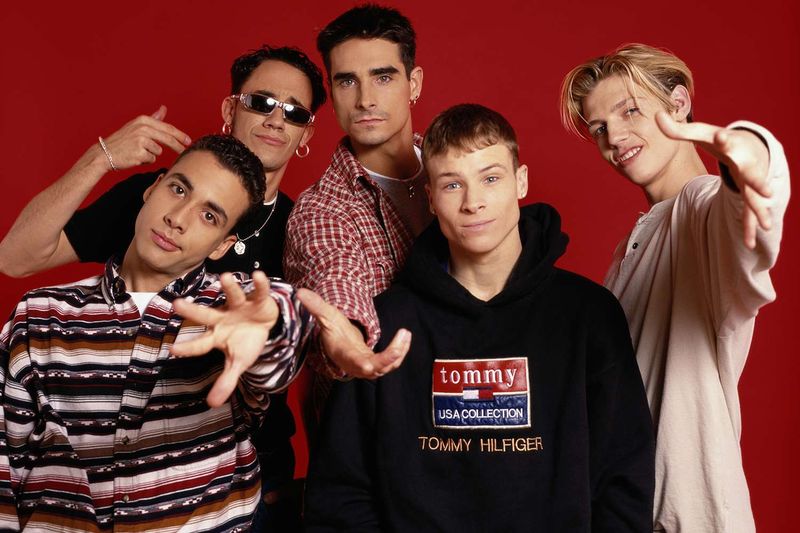
Few acts triggered more passionate arguments in the ’90s than the Backstreet Boys.
Teenage fans absolutely adored them, buying millions of albums and plastering posters across every bedroom wall imaginable.
“I Want It That Way” became one of the decade’s defining songs.
Music snobs, however, were quick to dismiss them as a formulaic boy band manufactured purely for commercial gain.
The criticism was not entirely unfair since their image was carefully crafted by industry professionals from the very beginning.
What cannot be dismissed is the genuine vocal talent the group possessed.
Their harmonies were tight, polished, and surprisingly skilled, proving they were far more than just pretty faces.
9. Hootie and the Blowfish
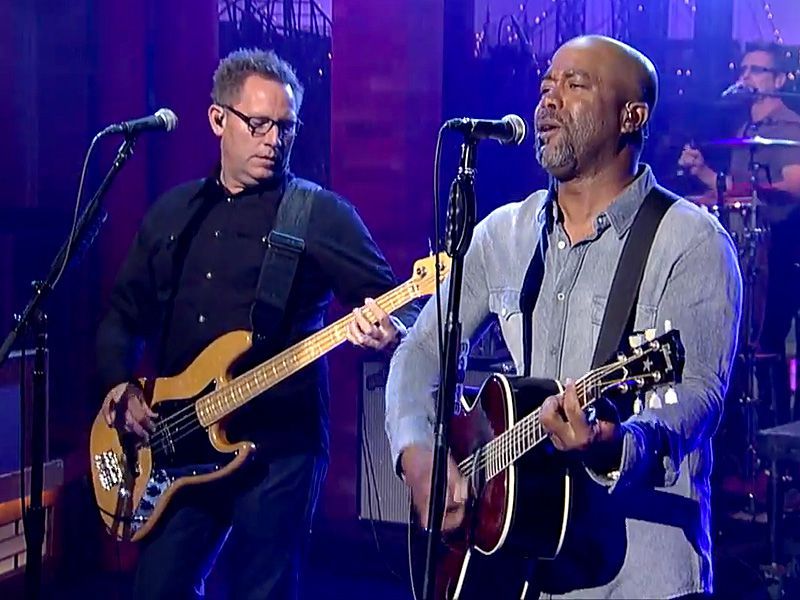
Hootie and the Blowfish had one of the most spectacular rises and falls in ’90s music.
Their debut album “Cracked Rear View” became the best-selling album of 1995, moving over 21 million copies in the United States alone.
That is a staggering number.
Almost immediately, the backlash started.
Critics labeled them bland, safe, and aggressively inoffensive.
Radio overplay turned their biggest hits into something people actively groaned at by 1997.
Lead singer Darius Rucker later found a second career in country music, earning genuine respect in Nashville.
Looking back, the group seems more like a victim of overexposure than a truly overhyped act.
10. Mariah Carey
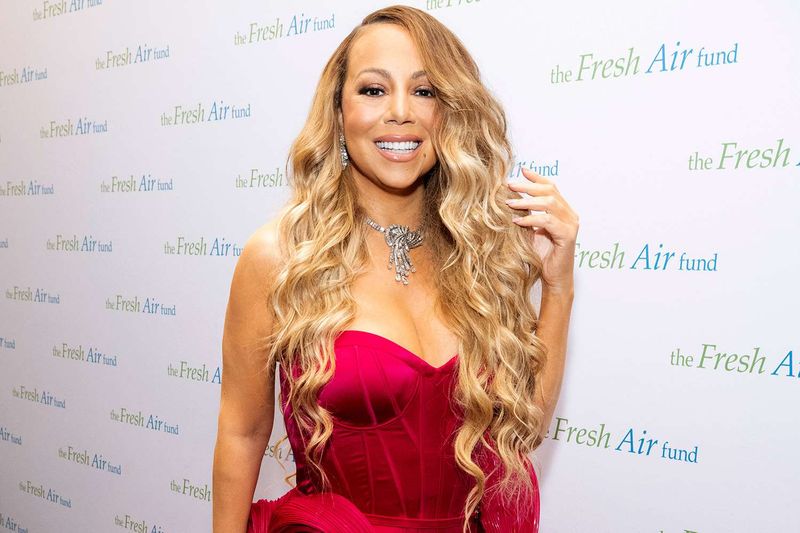
Mariah Carey entered the ’90s as a genuine vocal phenomenon.
Her five-octave range was almost impossible to believe, and early hits like “Vision of Love” left listeners stunned.
By mid-decade, she was one of the best-selling artists in music history.
Yet somewhere along the way, the perception shifted.
Her elaborate diva reputation, combined with some high-profile stumbles, gave critics ammunition to question whether the hype matched reality.
Her infamous TRL appearances and later public meltdowns overshadowed her extraordinary talent for a while.
History, however, has been kind to Mariah.
“All I Want for Christmas Is You” alone cements her legacy as something truly undeniable every single year.
Comments
Loading…