
 Chloe Peterson
15 of the Most Debated Movie Characters in Film History
Some movie characters are so powerful, so complicated, or so controversial that audiences never stop arguing about them.
Whether fans love them, hate them, or can’t quite figure them out, these characters have sparked conversations that go far beyond the theater.
From questions about mental illness and morality to debates about survival and sacrifice, these fictional people have made a real impact on how we think.
Get ready to revisit some of the most talked-about characters ever put on screen.
1. Alex DeLarge – A Clockwork Orange (1971)
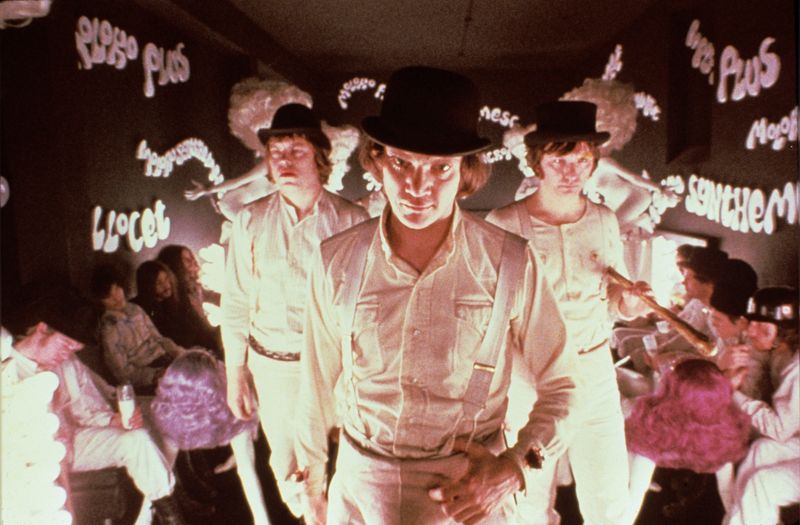
Few movie characters have unsettled audiences quite like Alex DeLarge.
He is charming, intelligent, and utterly terrifying all at once.
Stanley Kubrick’s adaptation of Anthony Burgess’s novel placed this violent young man at the center of one of cinema’s biggest moral debates.
Should society reform criminals by stripping away their free will?
Alex’s forced behavior modification raises questions that still feel relevant today.
Audiences found themselves almost rooting for a character who had done horrific things, which made the experience even more disturbing.
His story challenges viewers to think hard about punishment, freedom, and what it truly means to be human.
2. Regan MacNeil – The Exorcist (1973)
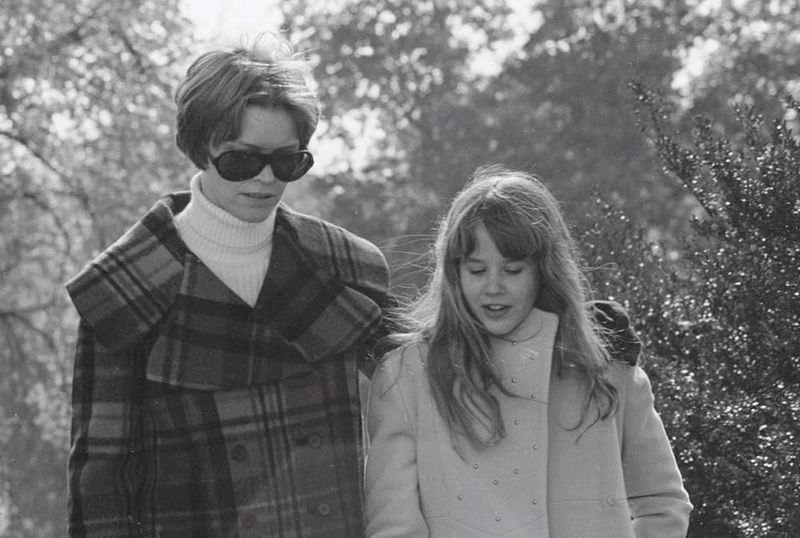
When The Exorcist hit theaters in 1973, people reportedly fainted and walked out of screenings.
At the center of all that chaos was Regan MacNeil, a sweet 12-year-old girl whose terrifying possession became one of horror cinema’s most talked-about transformations.
The film forced audiences to confront deep fears about religion, evil, and the vulnerability of innocence.
Was Regan truly possessed, or was something else happening?
Critics and theologians debated the film’s message for decades.
Linda Blair’s unforgettable performance made Regan more than just a horror icon — she became a symbol of society’s complex relationship with faith and fear.
3. Arthur Fleck (Joker) – Joker (2019)
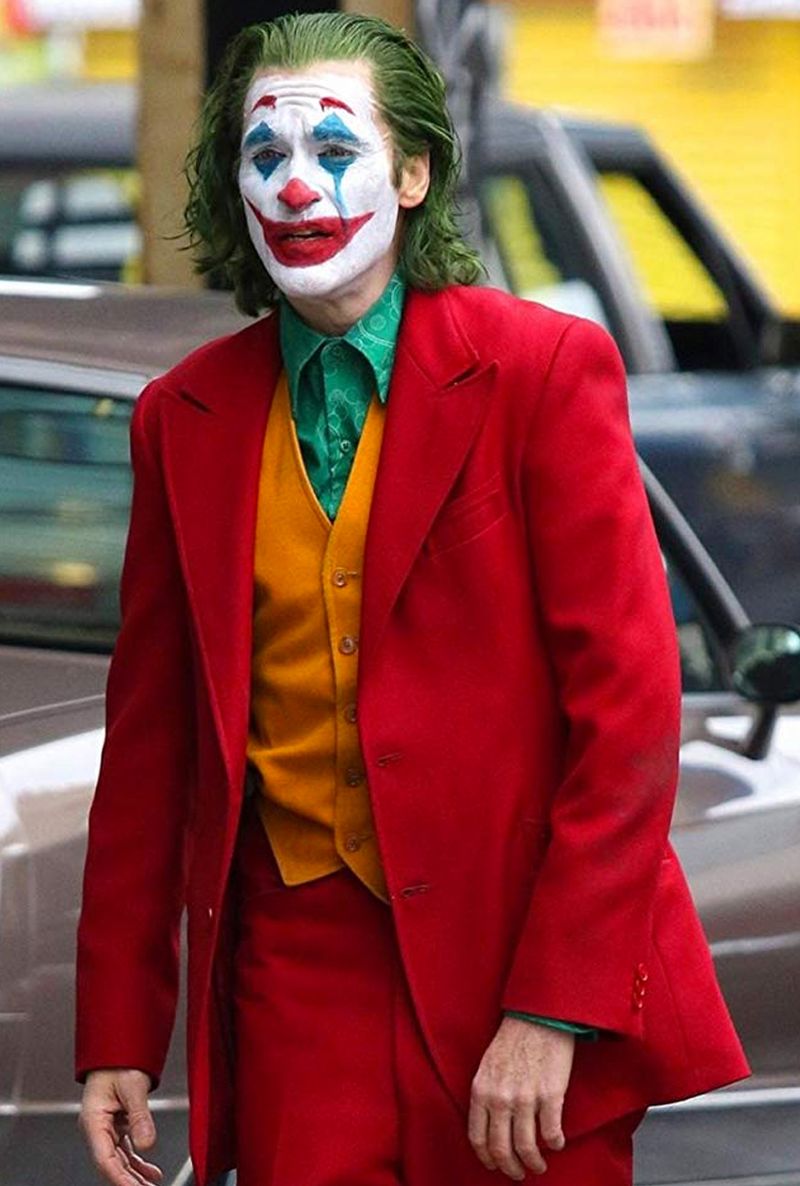
Joaquin Phoenix’s portrayal of Arthur Fleck in Joker sparked one of the biggest conversations in recent cinema history.
Arthur is a struggling comedian with mental illness who slowly descends into chaos after being failed by nearly every system meant to help him.
Some viewers saw him as a tragic victim deserving sympathy.
Others worried the film glorified dangerous behavior.
That tension is exactly what made the character so polarizing.
Phoenix won an Academy Award for the role, and the film grossed over one billion dollars worldwide.
Arthur Fleck forced audiences to ask uncomfortable questions about how society treats its most vulnerable members.
4. Tony Montana – Scarface (1983)
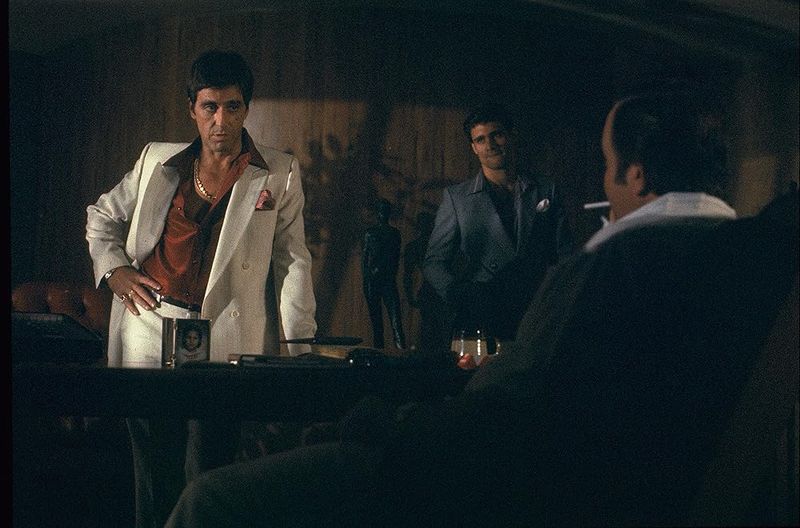
“The world is yours” — Tony Montana’s motto became a cultural slogan long after Scarface left theaters.
Al Pacino’s explosive performance made Tony one of the most imitated and debated characters in film history.
He is ruthless, greedy, and deeply self-destructive, yet somehow magnetic.
Audiences have argued for decades about whether Tony is a cautionary tale or an aspirational figure.
His Cuban immigrant story added layers of complexity, touching on the American Dream and its dark side.
Posters of Tony Montana have decorated dorm rooms worldwide, which itself says something fascinating about how audiences process morally complicated anti-heroes.
5. The Child Catcher – Chitty Chitty Bang Bang (1968)
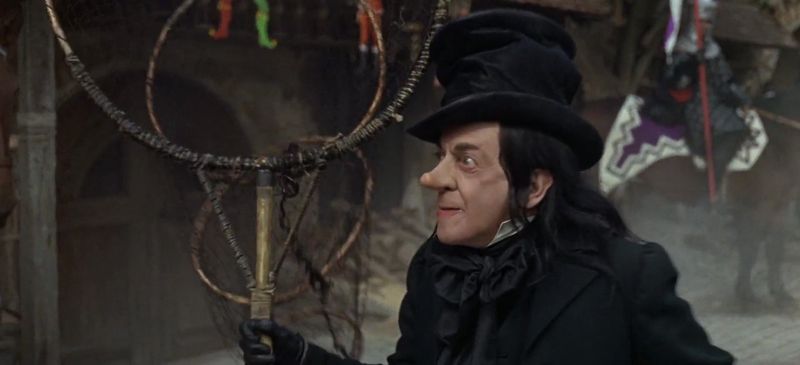
Hiding in a colorful children’s musical about a magical flying car, the Child Catcher remains one of cinema’s most unexpectedly terrifying villains.
Robert Helpmann’s performance created a character so genuinely creepy that generations of children were left with lasting nightmares after watching what was supposed to be a fun family film.
Parents and critics have long debated whether such a menacing figure belonged in a movie aimed at kids.
Interestingly, the character was not in Ian Fleming’s original book — he was invented specifically for the film.
That creative choice alone has fueled endless discussion about what children’s entertainment should and shouldn’t include.
6. Jack Dawson – Titanic (1997)
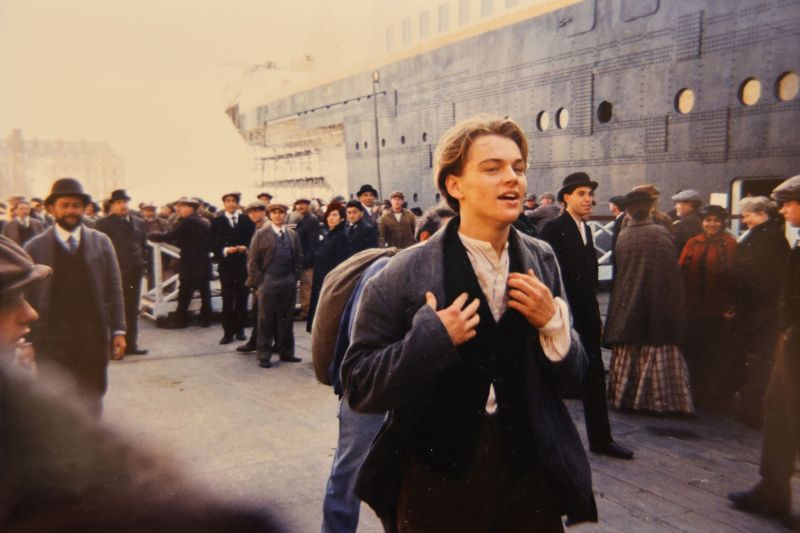
Jack Dawson might be cinema’s most argued-about romantic hero — not for what he did, but for what happened to him at the end.
Leonardo DiCaprio’s free-spirited artist swept audiences off their feet, and then the ocean swept him away.
Fans have spent nearly three decades arguing about whether Jack could have fit on that floating door.
Even director James Cameron weighed in, insisting Jack had to die for the story to work emotionally.
MythBusters once tested the door theory and concluded Jack could have survived with the right technique.
The debate refuses to sink, much like Rose’s determination to never let go.
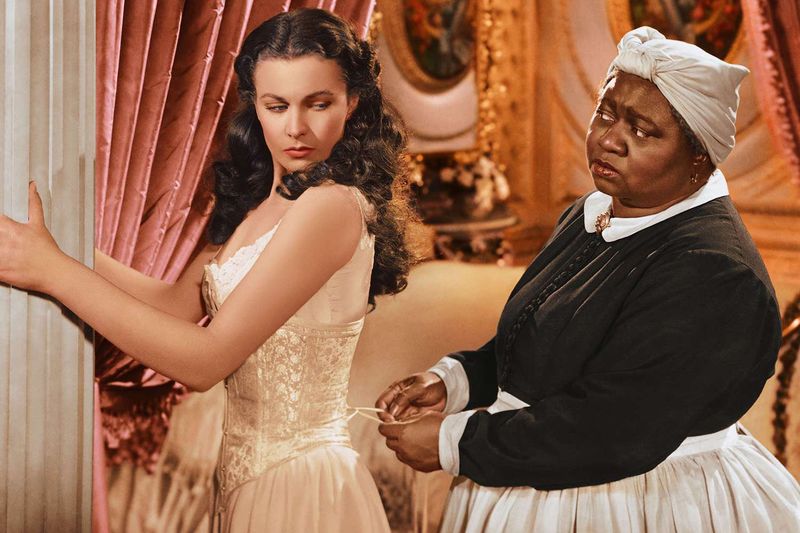
7. Scarlett O’Hara – Gone with the Wind (1939)
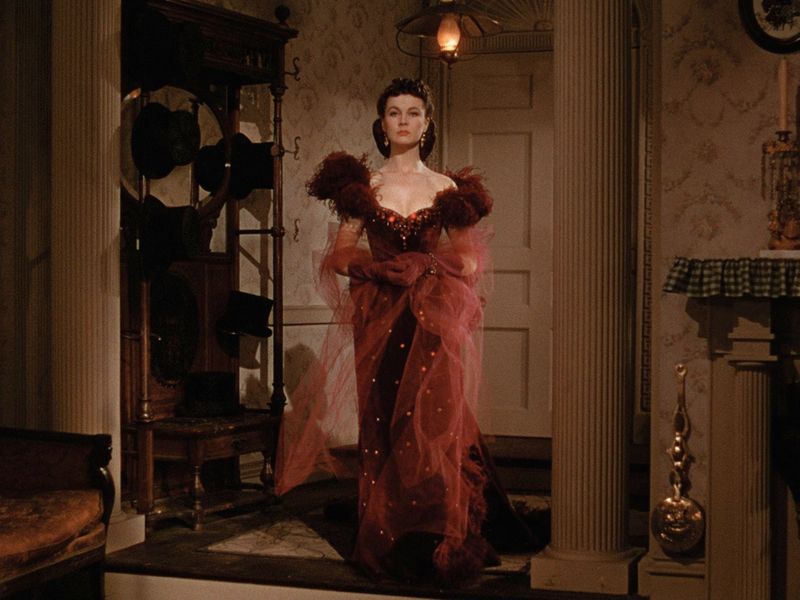
Scarlett O’Hara is one of Hollywood’s most complicated heroines.
Vivien Leigh’s Oscar-winning performance brought a fiercely ambitious Southern woman to life in ways audiences had rarely seen before.
Scarlett is selfish, manipulative, and stubborn — and yet, somehow, absolutely unforgettable.
Gone with the Wind has faced serious criticism for romanticizing the antebellum South and glossing over the horrors of slavery.
Scarlett herself benefits from a system built on terrible injustice, yet the film asks viewers to admire her survival instincts.
That contradiction has made her one of cinema’s most debated characters, sitting at the crossroads of admiration and moral discomfort.
8. Tyler Durden – Fight Club (1999)
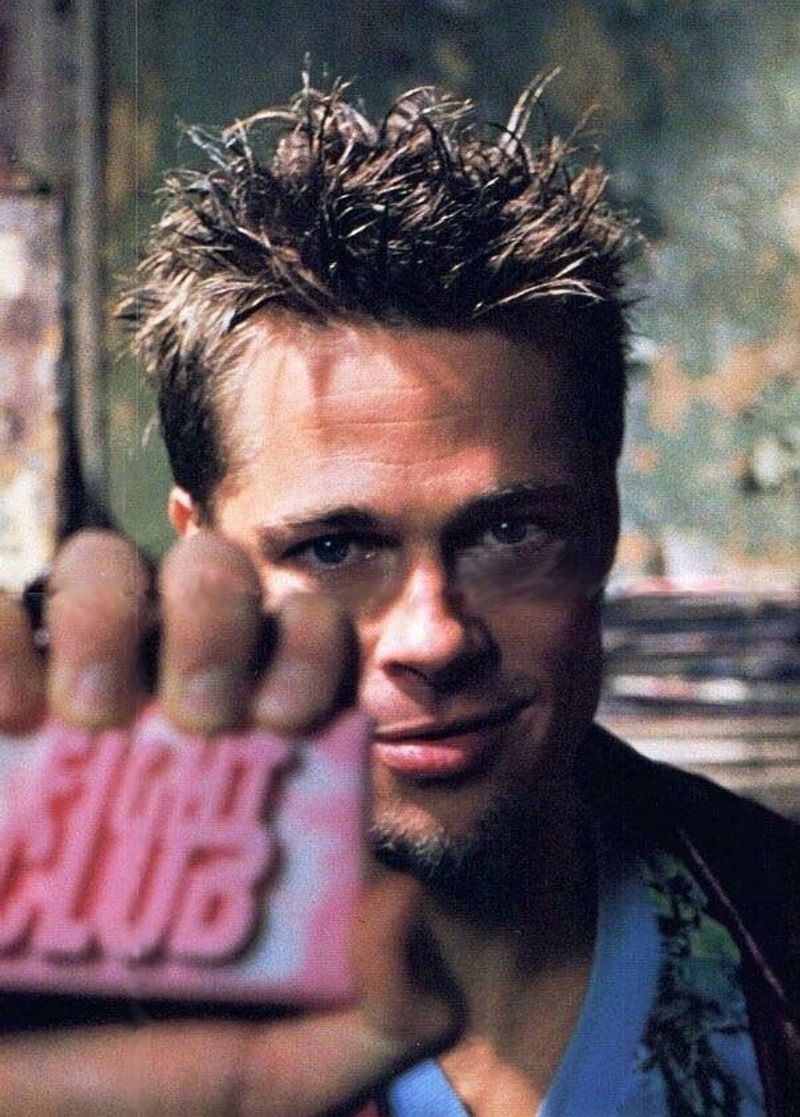
Brad Pitt’s Tyler Durden arrived in 1999 like a grenade thrown into pop culture.
Cool, fearless, and endlessly quotable, Tyler preached against consumerism and corporate life in ways that resonated with a generation feeling lost and disconnected.
His speeches felt revolutionary — until you realized where they were leading.
Fight Club’s twist reframed everything Tyler represented, turning admiration into unsettling self-reflection.
Critics have debated whether the film critiques toxic masculinity or accidentally celebrates it.
Tyler became both a warning and a poster boy, which is exactly the contradiction that keeps audiences arguing.
His philosophy still echoes loudly across internet forums today.
9. Norman Bates – Psycho (1960)
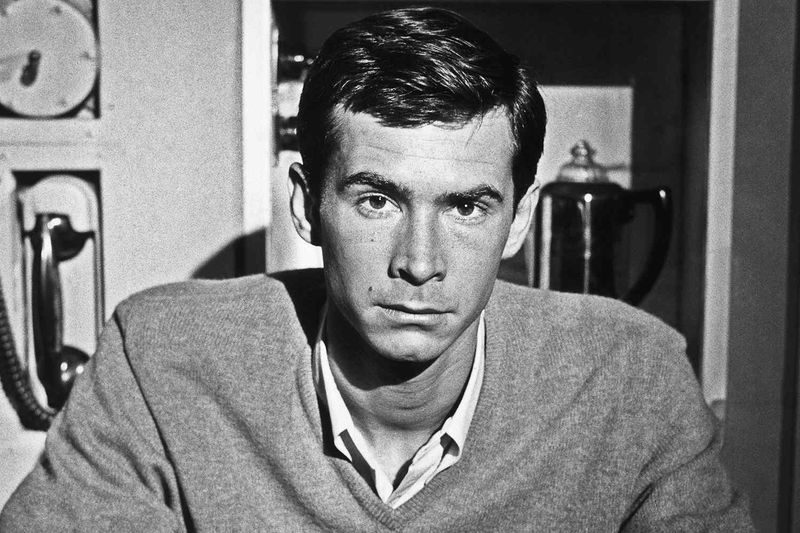
Before Norman Bates, horror villains were mostly monsters or supernatural beings.
Alfred Hitchcock changed everything with this quiet, polite motel manager who turned out to be something far more frightening than any creature.
Anthony Perkins made Norman sympathetic and deeply unsettling at the same time, which was a completely new experience for moviegoers in 1960.
Psycho’s shocking twist — killing off its apparent main character early in the film — broke every storytelling rule audiences expected.
Norman’s portrayal of dissociative identity disorder also sparked decades of discussion about mental illness representation in Hollywood.
He essentially invented the modern psychological thriller as we know it today.
10. Gaston – Beauty and the Beast (1991)
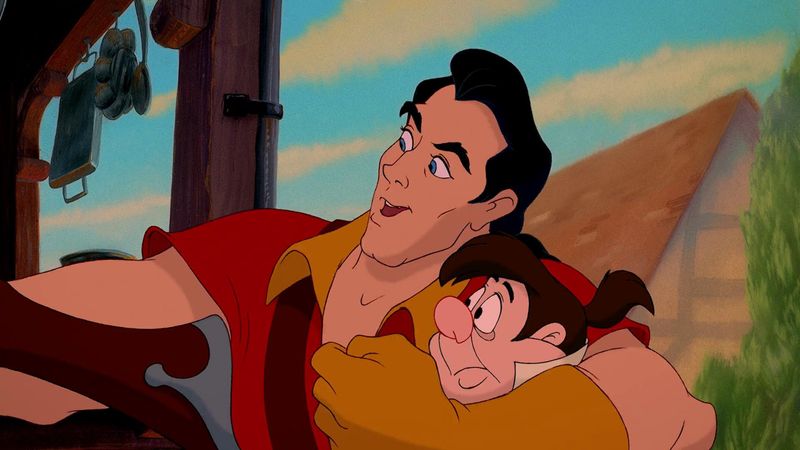
No one struts like Gaston, no one flexes like Gaston — and no one has sparked more modern debate about Disney villains quite like Gaston.
On the surface, he seems like a harmless buffoon.
But look closer, and he represents something much more troubling: entitlement, obsession, and a refusal to accept rejection.
Audiences have increasingly recognized Gaston as a textbook example of toxic masculinity wrapped in catchy musical numbers.
His popularity in the village despite his awful behavior mirrors real-world dynamics that feel uncomfortably familiar.
Disney gave him a live-action comeback in 2017, and the conversation about what he represents only grew louder.
11. Hannibal Lecter – The Silence of the Lambs (1991)
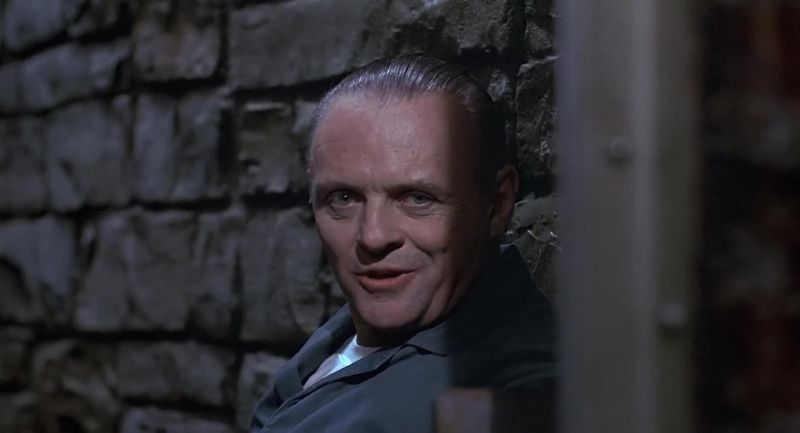
Anthony Hopkins won an Academy Award for playing Hannibal Lecter despite appearing on screen for only about 16 minutes.
That alone tells you something extraordinary about this character.
Hannibal is a brilliant psychiatrist and a cannibalistic serial killer, two facts that sit together in deeply uncomfortable ways.
Audiences worldwide found themselves charmed by a man who does monstrous things, which sparked serious conversations about how cinema creates sympathy for villains.
Film scholars have studied Lecter extensively, examining how his sophistication and intelligence make him more frightening than any traditional monster.
He redefined what a villain could be and influenced countless films that followed.
12. Forrest Gump – Forrest Gump (1994)
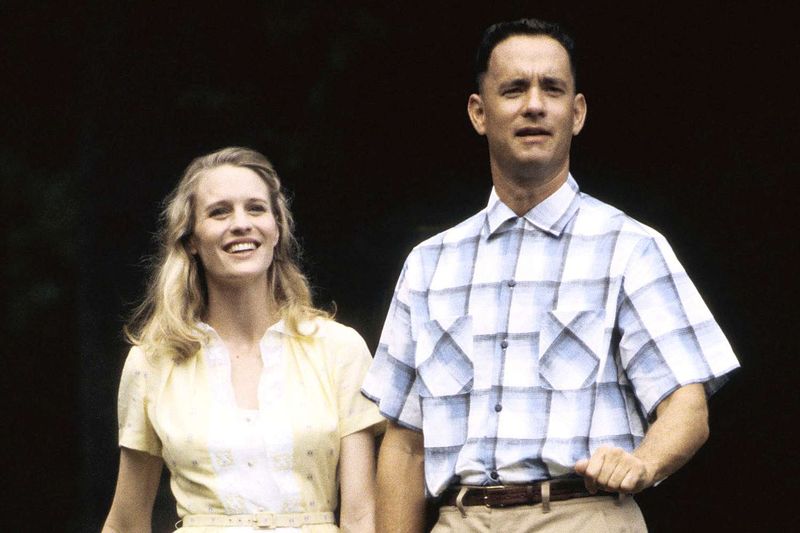
Forrest Gump is one of cinema’s most beloved characters, but he is also one of its most debated.
Tom Hanks brought warmth and sincerity to a man with a low IQ who somehow stumbled through the most defining moments of American history.
The film won six Academy Awards and became a cultural landmark.
Critics have long questioned whether Forrest’s passive journey through history sends a problematic message — that success comes from luck rather than effort or activism.
Some argue the film sidelines the real struggles of the era.
Regardless, Forrest’s famous line about life and chocolates remains one of cinema’s most quoted moments ever.
13. Amy Dunne – Gone Girl (2014)
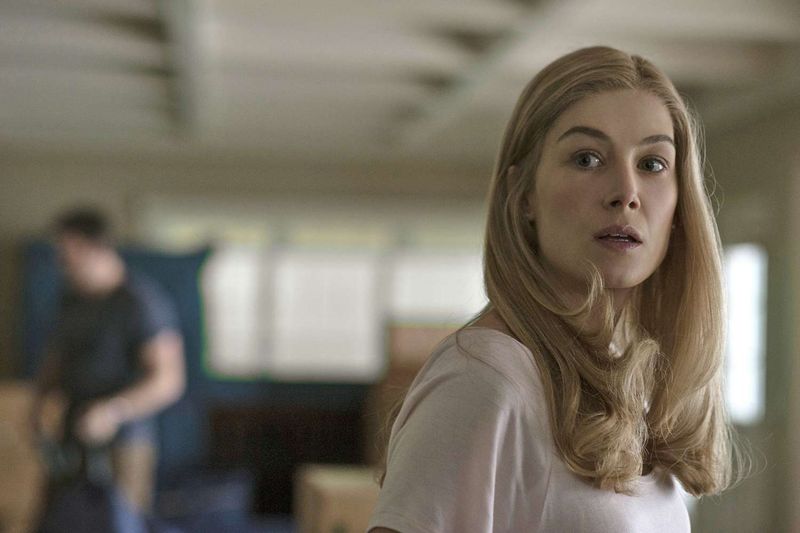
Rosamund Pike’s Amy Dunne shattered expectations of what a female villain could look like.
Cool, calculating, and terrifyingly intelligent, Amy orchestrates an elaborate revenge scheme that left audiences stunned.
Gone Girl became a cultural sensation, and Amy became its most hotly debated element almost immediately after release.
Some viewers saw her as a feminist icon reclaiming power in a world that underestimated her.
Others found her portrayal deeply troubling, arguing it reinforced dangerous stereotypes about manipulative women.
Gillian Flynn, who wrote the original novel, intentionally created this ambiguity.
Amy Dunne proved that a female character could be as morally complex and disturbing as any male counterpart.
14. Travis Bickle – Taxi Driver (1976)
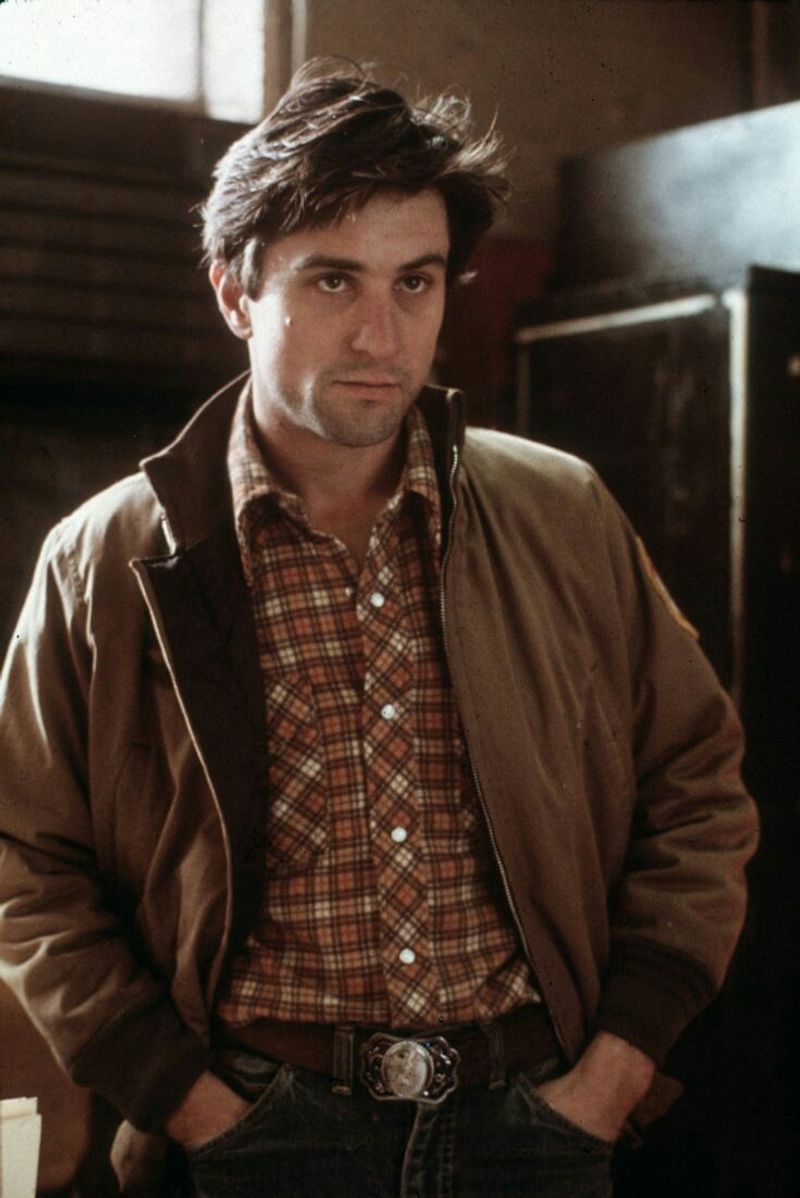
Robert De Niro’s Travis Bickle is one of cinema’s most unsettling protagonists.
A lonely, sleepless Vietnam veteran driving a taxi through New York’s darkest streets, Travis grows increasingly unhinged as the film progresses.
Martin Scorsese crafted a portrait of urban alienation that felt raw and deeply uncomfortable.
The film’s ending is famously ambiguous — is Travis a hero or a deeply troubled man who got lucky?
Audiences and critics have argued about that question for nearly 50 years.
Tragically, Travis became a real-world reference point when John Hinckley Jr. cited the film in connection with his 1981 assassination attempt on President Reagan, adding a disturbing layer to the debate.
15. Thanos – Avengers: Infinity War (2018)
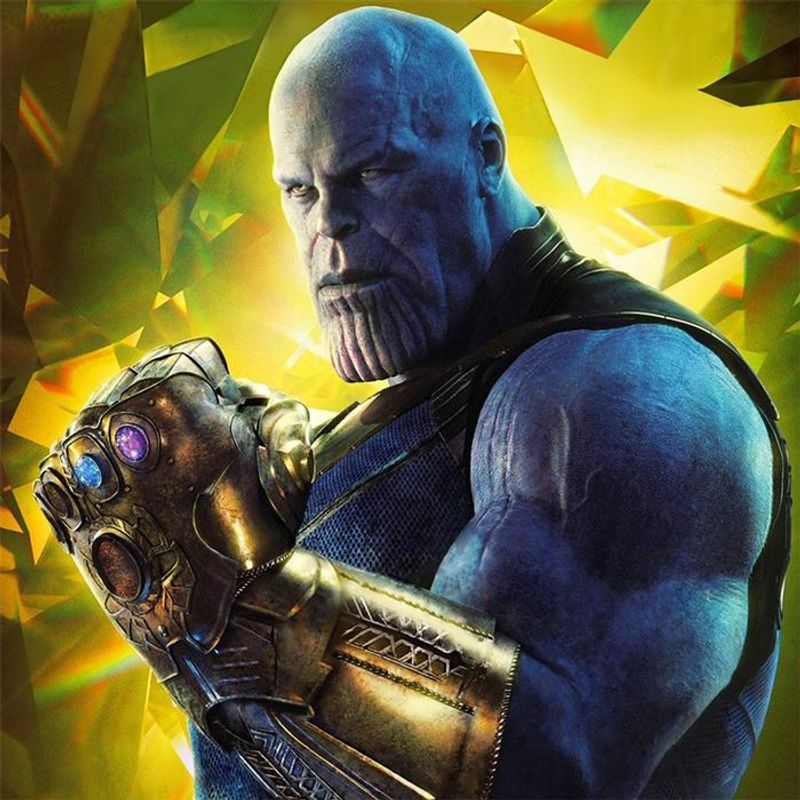
Most movie villains want power or revenge.
Thanos wanted to wipe out half of all life in the universe to save resources — and his logic, disturbing as it is, actually made some people pause.
Josh Brolin’s performance gave the Mad Titan a weariness and conviction that made him feel genuinely three-dimensional rather than cartoonishly evil.
Audiences debated fiercely whether Thanos had a point, which was exactly what the filmmakers intended.
Economists, philosophers, and scientists joined the conversation, pointing out the flaws in his reasoning.
A villain who sparks academic debate is something special.
Thanos proved that blockbuster cinema could wrestle with big philosophical questions and still break box office records.
Comments
Loading…