
 Chloe Peterson
10 Common Habits That Can Create Tension at Home

Home should feel like your safe space, but sometimes our daily routines work against us.
Small habits we barely notice can pile up and create real stress for everyone living under the same roof.
Understanding which behaviors cause the most friction helps families address problems before they grow into bigger issues that affect relationships and peace of mind.
1. Leaving Dishes in the Sink
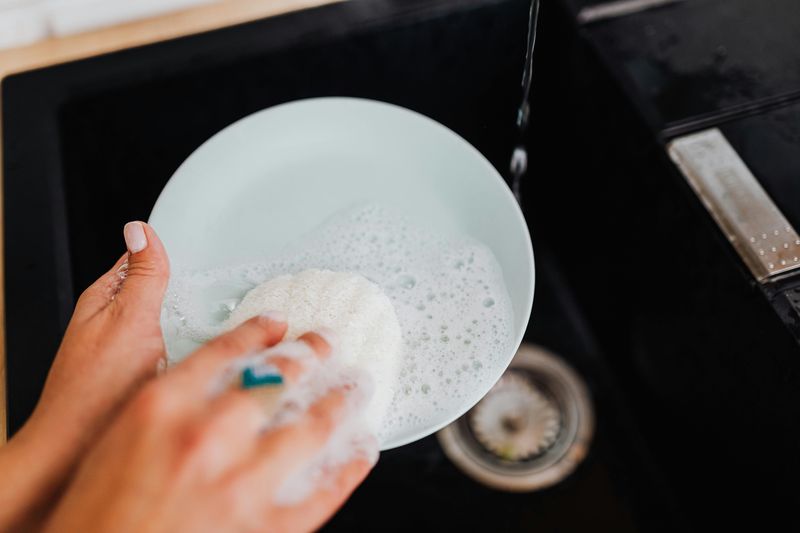
Nobody plans to let dishes pile up, but it happens more often than most families want to admit.
One plate turns into five, and suddenly the sink becomes an eyesore that nobody wants to tackle.
The problem goes beyond just looking messy.
Food particles start to smell after sitting for hours, and fruit flies appear seemingly overnight.
Family members feel frustrated when they need clean dishes but have to wash them first.
Setting a simple rule helps tremendously.
Wash your dish right after eating, or at least rinse it and load the dishwasher.
This tiny habit takes thirty seconds but prevents arguments and keeps the kitchen welcoming for everyone.
2. Not Making the Bed
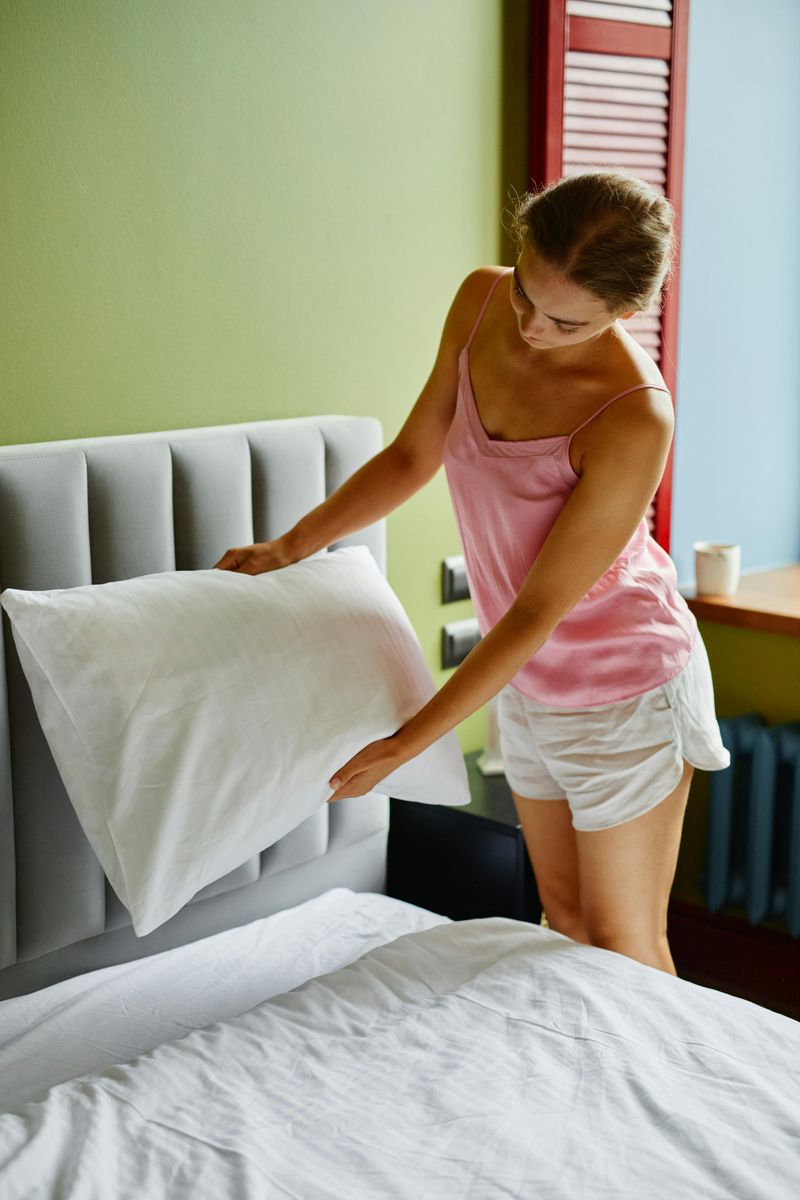
Walking into a bedroom with tangled sheets and pillows everywhere instantly makes the whole room feel chaotic.
Your bed takes up most of the visual space, so when it looks disheveled, everything else does too.
Making your bed takes less than two minutes but completely transforms how organized your space feels.
Parents often nag kids about this habit because they understand how much difference it makes.
A neat bed creates a calming atmosphere that affects your mood throughout the day.
Start small if this feels overwhelming.
Simply pull up the covers and straighten the pillows.
You don’t need hospital corners or decorative pillows to make a positive impact on your room’s appearance.
3. Leaving Clothes on Chairs or Floors

That chair in your room probably has a name by now since it permanently wears your wardrobe.
Clothes migrate from your body to furniture instead of closets or hampers, creating visual chaos that stresses everyone out.
This habit makes getting dressed harder because you can’t tell what’s clean versus dirty.
Family members trip over piles, and finding specific items becomes a frustrating treasure hunt.
The clutter also makes vacuuming or cleaning impossible without moving mountains of fabric first.
Create a system that actually works for your routine.
Put a hamper exactly where you normally drop clothes.
Hang items you’ll wear again on specific hooks.
These small adjustments remove the effort from staying organized.
4. Letting Mail and Paperwork Pile Up
Mail arrives daily, and before you realize it, important documents hide under junk flyers and catalogs nobody requested.
That stack on the counter becomes a source of anxiety because you know something important lurks inside but can’t find it.
Bills get paid late when they disappear into paper mountains.
Permission slips miss deadlines, and coupons expire unused.
Every family member feels stressed walking past the growing pile, knowing it needs attention but avoiding the task.
Handle mail immediately when bringing it inside.
Recycle junk right away, file important papers in designated folders, and deal with bills on a set schedule.
This prevents overwhelming backlogs that nobody wants to tackle later.
5. Not Cleaning Gutters

Out of sight often means out of mind, which explains why gutters get neglected until problems become expensive.
Leaves and debris accumulate season after season, blocking water flow and creating issues that damage your entire house.
Water overflows and seeps into places it shouldn’t go, rotting wood and damaging foundations.
Ice dams form in winter, and mosquitoes breed in standing water during summer.
These repairs cost thousands of dollars that nobody budgeted for, creating financial stress that affects the whole family.
Check gutters twice yearly, especially after fall leaves drop.
Clean them yourself with proper safety equipment, or hire professionals for this important maintenance task that protects your biggest investment.
6. Slamming the Front Door

Anger or rushing causes doors to slam harder than necessary, and each impact loosens hinges and frames slightly.
Kids often don’t realize how much force they use, especially when excited or upset about something.
Repeated slamming misaligns doors, creating gaps that let in drafts, bugs, and outside noise.
Energy bills climb because heating and cooling escape through these spaces.
The jarring sound also startles family members and creates an atmosphere of tension rather than peace.
Teach everyone to close doors gently by using the handle until it clicks shut.
Install door closers that prevent slamming automatically.
These simple fixes protect your home while creating a calmer environment for everyone inside.
7. Letting Dryer Lint Build Up
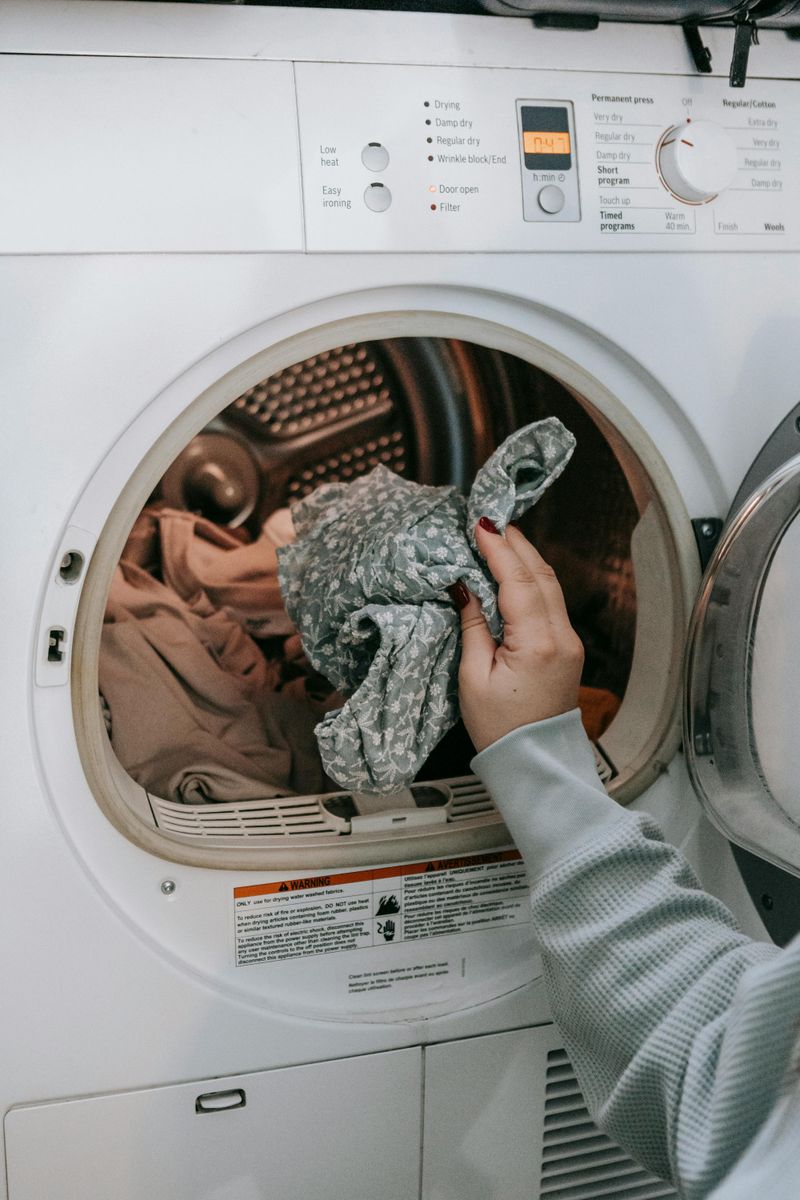
That little screen inside your dryer seems insignificant, but ignoring it creates serious danger.
Lint accumulates incredibly fast, and most people forget to clean it after every single load like manufacturers recommend.
Blocked lint traps cause dryers to work harder and run longer, wasting electricity and wearing out the machine faster.
More seriously, lint is extremely flammable, and thousands of house fires start in dryers annually.
These fires destroy homes and endanger families, creating trauma that lasts forever.
Make lint removal automatic by cleaning the trap every time you move clothes from washer to dryer.
Check the vent hose annually for buildup.
This two-minute habit prevents catastrophic problems and keeps your family safe.
8. Leaving Lights On
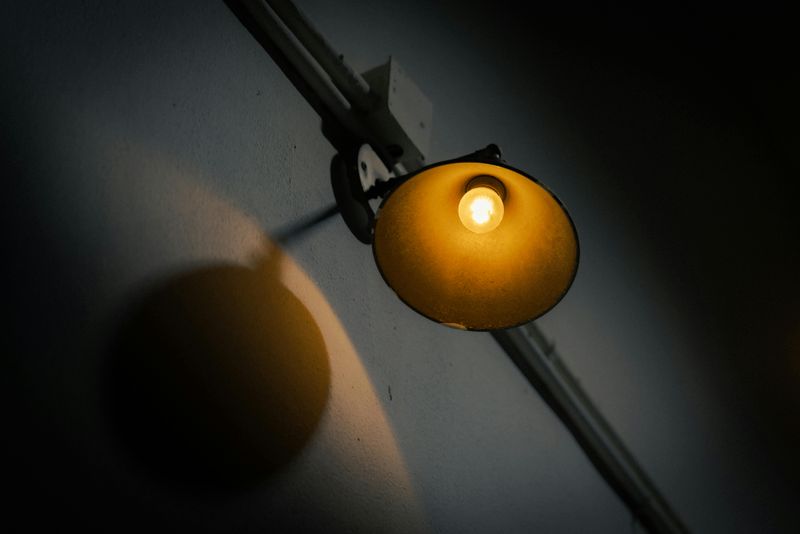
Walking through your home at night reveals how many lights stay on in empty rooms.
People forget to flip switches, or they leave lights on thinking they’ll return soon but don’t come back for hours.
Electricity bills climb steadily when lights burn unnecessarily throughout the day and night.
Bulbs burn out faster, requiring more frequent replacement and creating additional waste.
The financial drain frustrates whoever pays the bills, especially when money feels tight for other family needs.
Make turning off lights a family challenge where everyone participates.
Install motion sensors in frequently forgotten areas like bathrooms and hallways.
Smart bulbs can be programmed to shut off automatically, removing the human error factor completely.
9. Taking Long, Steamy Showers
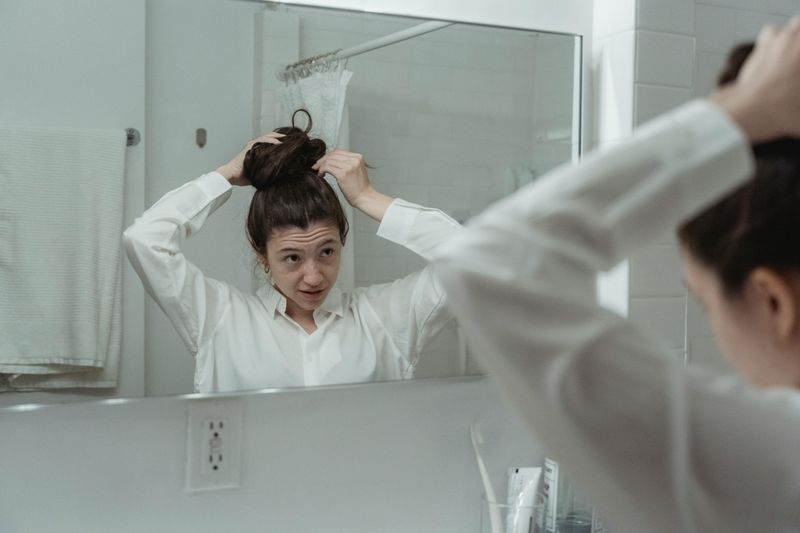
Hot water feels amazing after a stressful day, but extended showers create problems beyond just higher utility bills.
Steam saturates bathroom surfaces, and that moisture has nowhere to go in poorly ventilated spaces.
Mold and mildew thrive in humid conditions, growing on walls, ceilings, and grout.
These organisms trigger allergies and asthma, making family members sick without anyone connecting it to shower habits.
Paint peels, wallpaper loosens, and wood rots when exposed to constant moisture.
Limit showers to ten minutes and run the exhaust fan during and after bathing.
Crack a window if possible to help moisture escape.
Your family’s health and your home’s condition both improve with this simple adjustment.
10. Wearing Shoes in the House
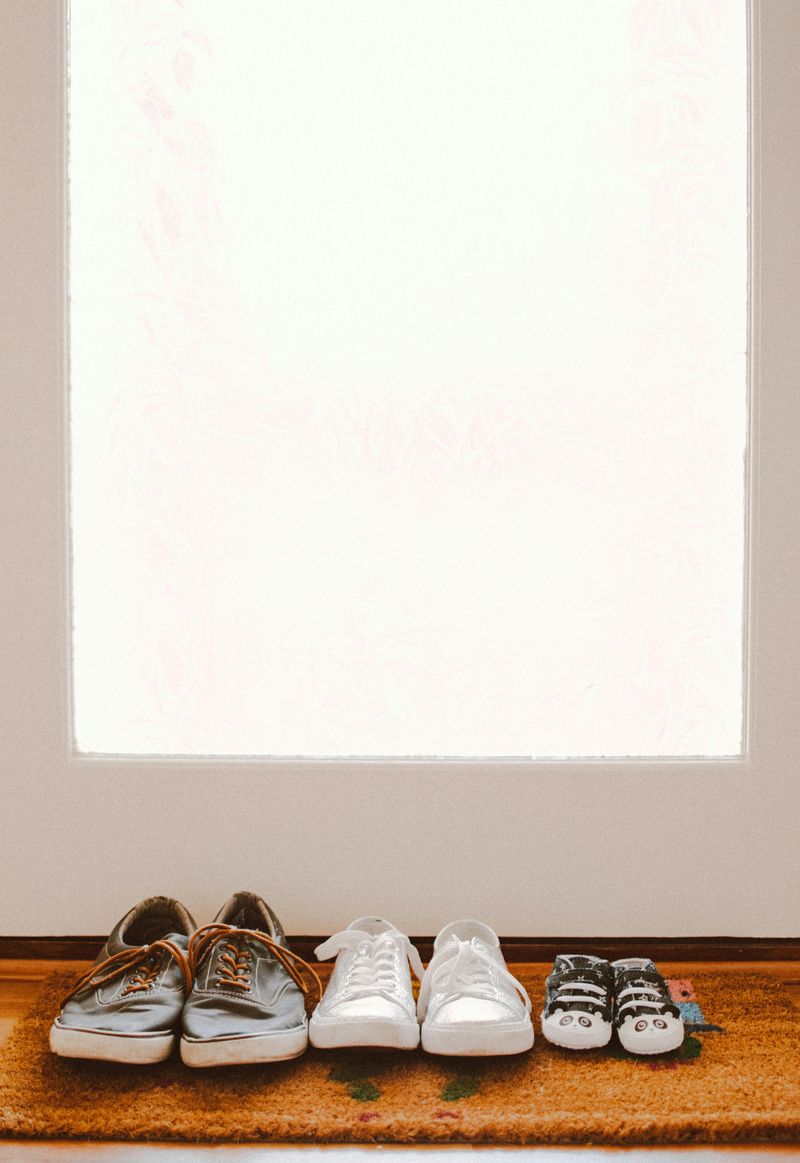
Your shoes travel through parking lots, public bathrooms, and countless other places you’d rather not think about.
Every step brings that contamination directly onto your floors and carpets where kids play and pets lounge.
Studies show shoe bottoms carry bacteria, pesticides, and allergens that affect indoor air quality.
Floors stay dirtier, requiring more frequent cleaning that nobody enjoys doing.
Carpets wear out faster from abrasive dirt particles, and replacing them costs hundreds or thousands of dollars.
Establish a no-shoes policy by keeping a basket near the door for everyone’s footwear.
Provide comfortable house slippers so bare feet stay warm.
This boundary protects your home’s cleanliness and your family’s health simultaneously.
Comments
Loading…