
 Chloe Peterson
Chuck Norris and Bruce Lee created one of the most legendary fight scenes in martial arts movie history when they battled in the Roman Colosseum in The Way of the Dragon.
Fans expected to see them together again in Bruce Lee’s next big project, Enter the Dragon.
However, Norris was notably absent from what would become Lee’s final completed film.
The reasons behind this decision reveal fascinating details about pride, friendship, and the competitive world of martial arts cinema in the early 1970s.
Declining to Lose Twice
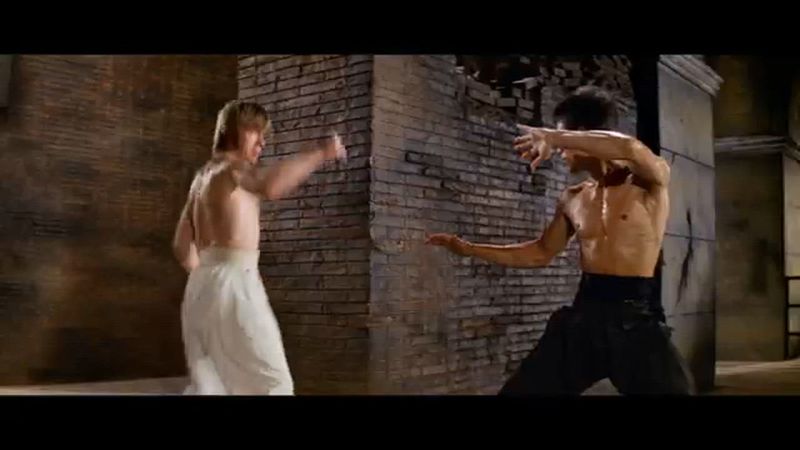
Norris reportedly turned down the role of O’Hara in Enter the Dragon because he didn’t want to lose to Bruce Lee on screen for a second time.
Their first fight in The Way of the Dragon had already shown Lee defeating him in an epic battle.
For a martial artist building his own career and reputation, losing twice to the same opponent could damage his image.
Norris was establishing himself as a formidable fighter and action star.
Accepting another defeat might have made him seem like Lee’s perpetual underdog rather than a champion in his own right.
This decision showed Norris understood the importance of protecting his brand and public persona in the competitive entertainment industry.
Building His Own Career Path
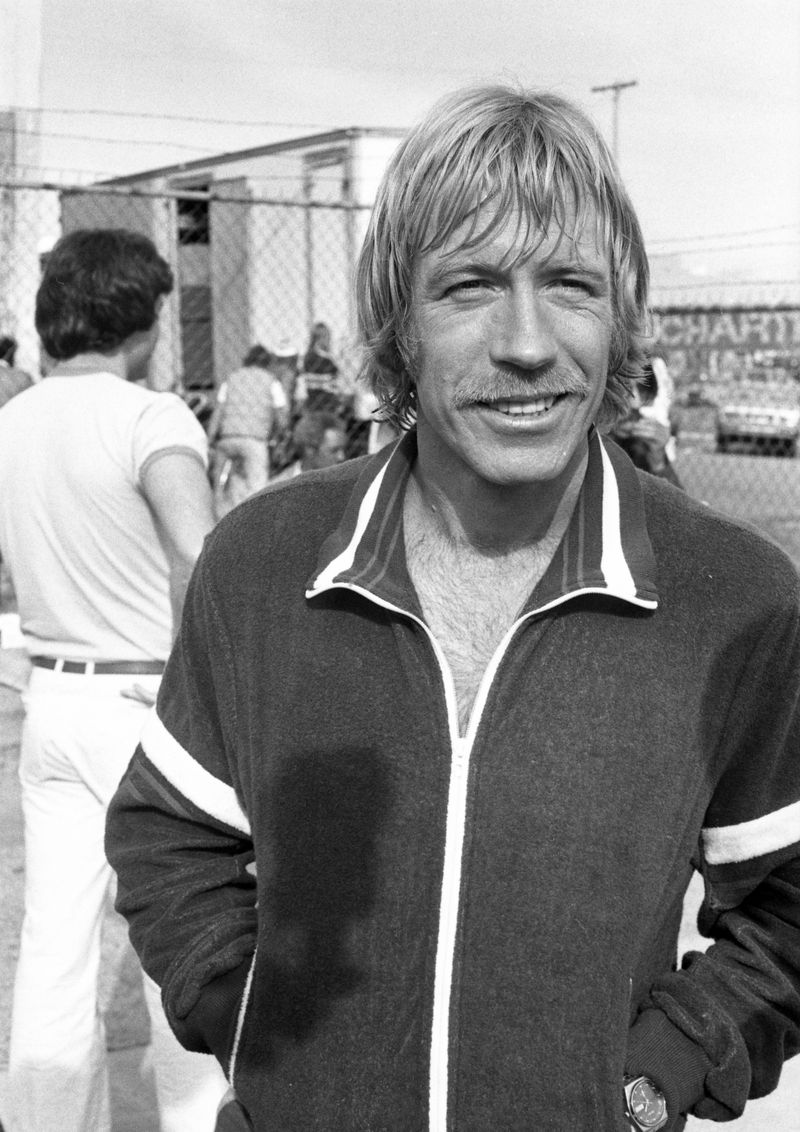
By 1973, Chuck Norris had established successful karate schools across America and was becoming a respected martial arts instructor.
He wasn’t just an actor—he was a legitimate champion with multiple tournament victories under his belt.
Norris needed roles that would showcase his abilities as a winner, not just as someone who made other stars look good.
Taking another supporting role where he’d be defeated would have been a step backward for his growing reputation.
He was thinking strategically about his long-term career goals rather than just taking any available movie opportunity.
His decision paid off when he later starred in his own successful action films throughout the late 1970s and 1980s.
Bob Wall Filled the Role Instead
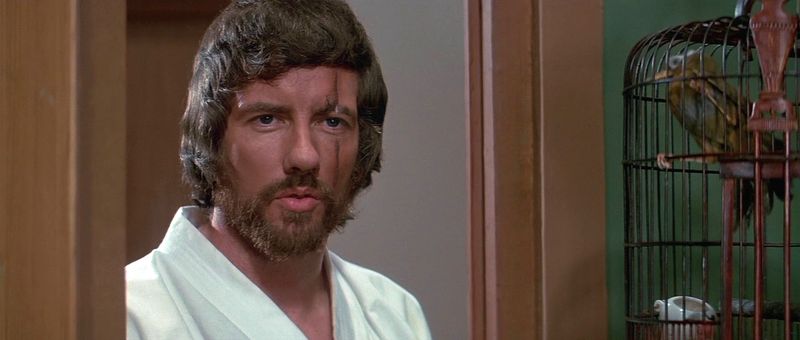
When Norris declined, the role of O’Hara went to Bob Wall, who had a different relationship with Bruce Lee.
Wall and Lee were close friends who had worked together before, including on martial arts choreography projects.
Wall was comfortable taking a villain role that ended in defeat because he and Lee collaborated on making the fight scenes look spectacular.
Their friendship meant Wall wasn’t worried about his ego or how losing would affect his career.
He trusted Lee completely and knew the exposure from the film would be valuable regardless of the outcome.
Wall’s performance became memorable, and their fight scenes remain classics of martial arts cinema today.
The Colosseum Fight’s Lasting Impact
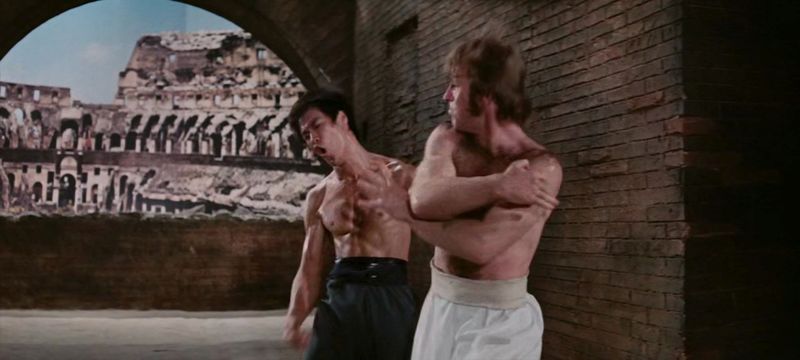
The fight between Norris and Lee in The Way of the Dragon became so iconic that it actually made repeating it difficult.
Fans and critics still talk about that Colosseum battle as one of the greatest martial arts sequences ever filmed.
Creating something equally impressive would have been nearly impossible, and anything less would have disappointed audiences.
Norris likely understood that lightning rarely strikes twice in the same place.
The original fight had perfect choreography, location, and emotional buildup that couldn’t be duplicated.
Sometimes the best decision is to leave a masterpiece alone rather than risk diminishing its legacy with an inferior sequel.
Different Film Styles and Tones
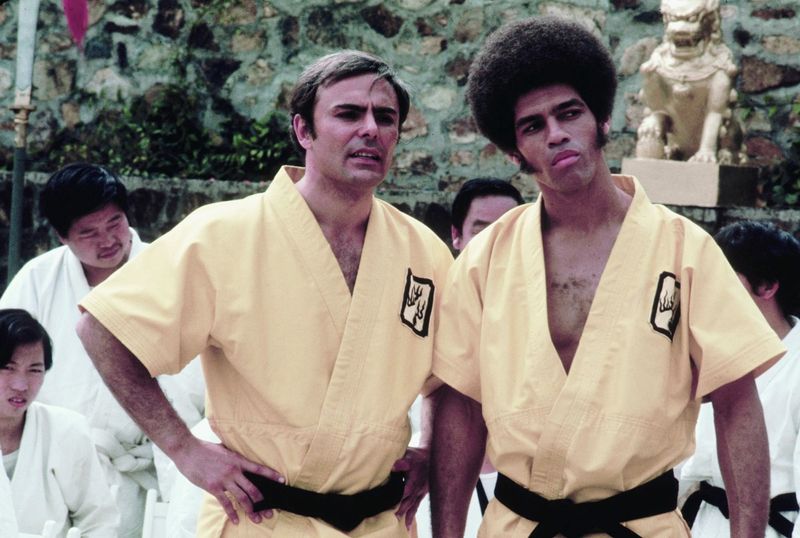
Enter the Dragon had a completely different style compared to The Way of the Dragon.
Lee’s final film was a big-budget international production with a darker, more serious tone and espionage elements mixed with tournament fighting.
The Way of the Dragon had been lighter, almost comedic at times, with Lee playing a country bumpkin who surprises everyone with his skills.
Norris fit perfectly into that film’s atmosphere.
The grittier, more violent world of Enter the Dragon might not have suited the dynamic between Norris and Lee that audiences loved.
Sometimes actors and directors recognize when chemistry works better in certain contexts than others.
Scheduling and Availability Conflicts
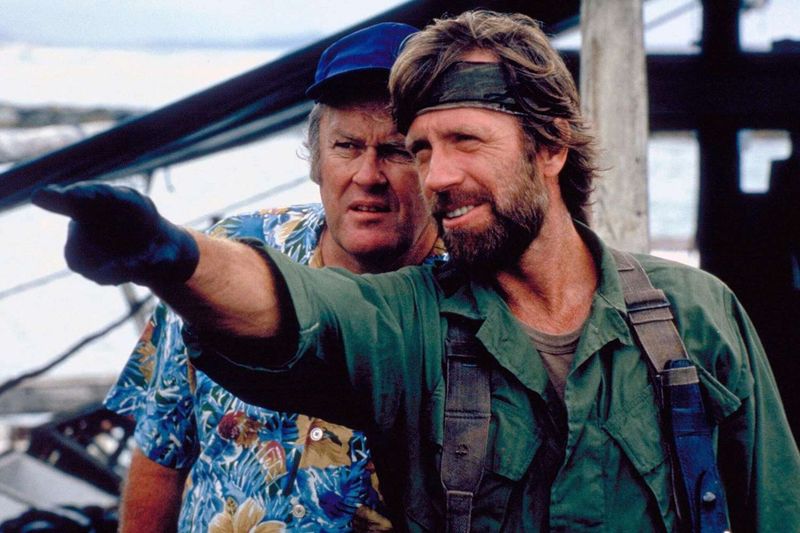
Beyond ego concerns, practical scheduling issues may have played a role in Norris’s absence.
By early 1973, Norris had commitments to his martial arts schools, tournament appearances, and other professional obligations that couldn’t be easily rearranged.
Enter the Dragon filmed in Hong Kong, requiring significant time away from the United States.
Norris would have needed to close or find temporary management for his karate schools, potentially losing students and income.
For someone who had built a successful business outside of movies, this represented a real financial risk.
Sometimes the boring practical realities of scheduling and money matter just as much as creative or personal reasons when opportunities don’t work out.
Only One Collaboration Between Legends
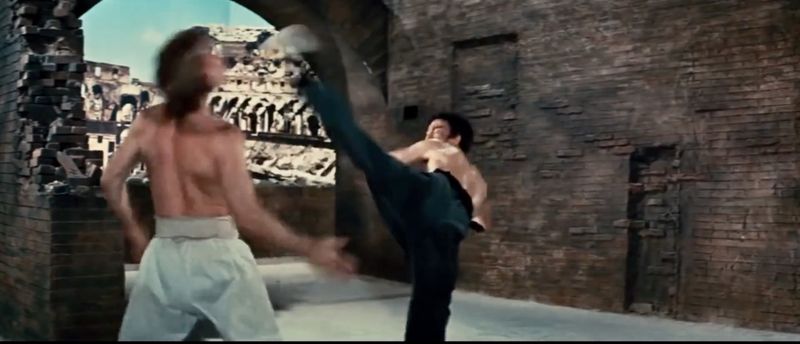
The result of Norris declining Enter the Dragon is that he and Bruce Lee only collaborated once on film.
The Way of the Dragon remains their sole shared project, making that Colosseum fight even more special and valuable to martial arts movie fans.
Had they worked together multiple times, their partnership might have become routine or less memorable.
Instead, their single collaboration became legendary precisely because it was unique and unrepeatable.
Lee’s tragic death in 1973 meant they could never reunite on screen.
Sometimes limitation creates value, and their one perfect fight scene means more than several mediocre collaborations ever could have.
Comments
Loading…