
 Isabel Parker
12 Things That Are Way Overpriced but We Keep Buying Anyway

Some things cost way more than they should, yet we keep tossing them into our carts without a second thought. Whether it is the fancy coffee on the way to school or the brand-name sneakers everyone seems to be wearing, overpriced stuff is everywhere.
Companies are really good at making us feel like we need these things, even when cheaper options exist. Here are 12 things that drain our wallets more than they should, and why we just cannot seem to stop buying them.
1. Designer Coffee

That morning cup of coffee from a trendy cafe can cost five to seven dollars, but making the same drink at home might only set you back fifty cents.
Coffee shops have mastered the art of selling an experience alongside the drink, which is why millions of people line up every single day.
The cozy atmosphere, the custom orders, and the Instagram-worthy cups all make it feel worth it.
Honestly, for many people, it is a daily ritual they genuinely enjoy.
But if you bought coffee at home five days a week, you could save over a thousand dollars each year.
2. Movie Theater Popcorn
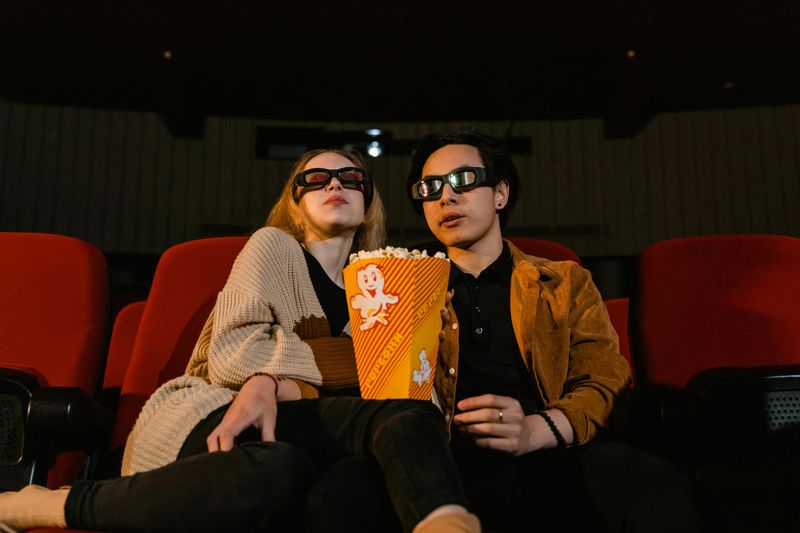
A bag of microwave popcorn costs about fifty cents.
A large tub of popcorn at the movie theater?
That will run you anywhere from eight to twelve dollars.
The markup is absolutely wild, yet almost nobody walks into a film without grabbing a bucket.
Movie theaters actually make most of their money from concessions, not ticket sales.
So that popcorn is basically keeping the whole operation running.
Knowing this does not stop us, though.
There is something about the smell of fresh popcorn in a dark theater that makes it feel completely non-negotiable, no matter what the price tag says.
3. Brand-Name Sneakers
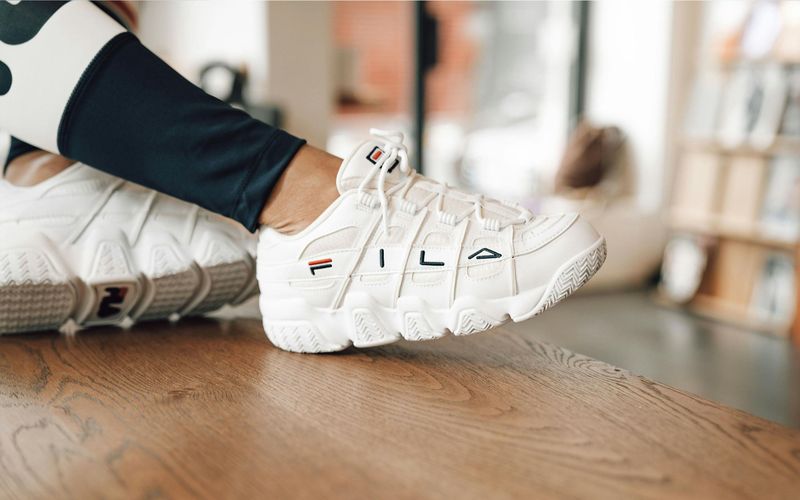
Back in 1985, Nike released the first Air Jordan sneaker for sixty-five dollars, which was already considered expensive at the time.
Today, limited-edition sneakers can resell for thousands of dollars, and people still scramble to get them.
The truth is, a generic sneaker from a budget brand can offer the same comfort and durability for a fraction of the price.
But wearing a recognizable logo on your feet sends a social signal that many people find hard to resist.
Sneaker culture has turned shoes into status symbols, collectibles, and even investments, making it one of the most fascinating overpriced markets around.
4. Bottled Water
Tap water in most developed countries is perfectly safe to drink, yet the global bottled water industry is worth over three hundred billion dollars.
Some premium brands charge four or five dollars for a single bottle, marketing it as coming from a glacier or a mountain spring.
Studies have repeatedly shown that many bottled water brands are simply filtered tap water in disguise.
Buying a reusable water bottle and filling it up at home saves a surprising amount of money over time.
Still, the convenience factor and clever branding keep millions of people reaching for that plastic bottle every single day.
5. Greeting Cards
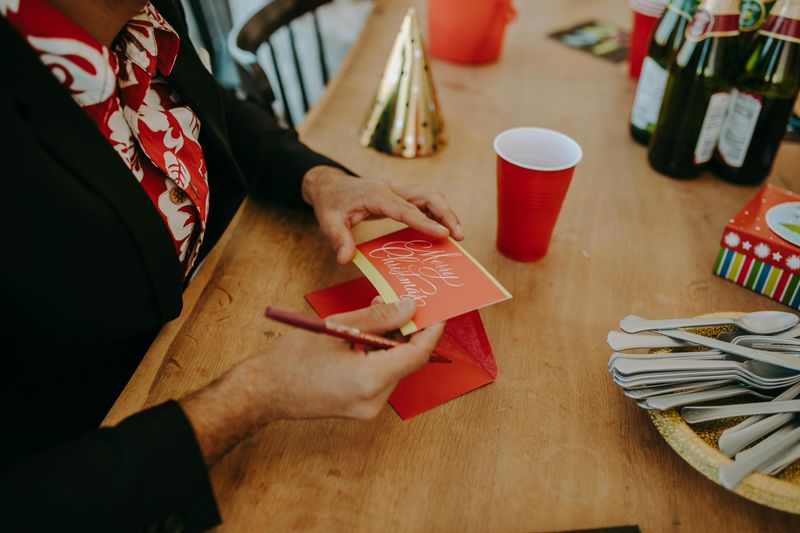
Spending six to ten dollars on a folded piece of cardstock that will likely end up in a drawer or recycling bin within a week seems almost absurd when you say it out loud.
Yet greeting card sales generate billions of dollars every year across the globe.
The emotional weight of giving and receiving a card makes the price feel justified in the moment.
Hallmark and similar companies have built entire emotional ecosystems around birthdays, holidays, and milestones.
A handwritten note on a plain piece of paper would mean just as much, but somehow that glossy envelope with a foil finish always ends up in the shopping cart anyway.
6. Hotel Mini Bar Snacks
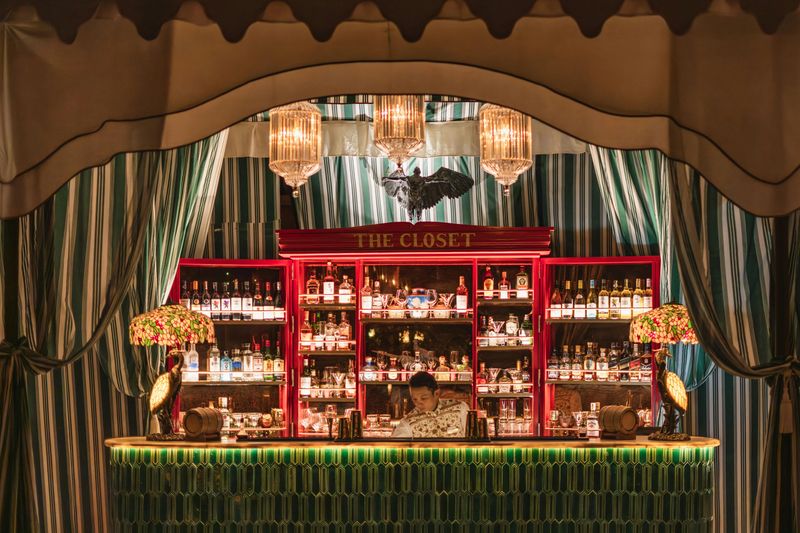
Hunger strikes at midnight in a hotel room, and suddenly that four-dollar bag of chips behind the little glass door looks incredibly tempting.
Hotel mini bars are legendary for their outrageous pricing, with a small bottle of water sometimes costing six dollars and a candy bar going for five.
The convenience trap is real here.
You are tired, you are already in your pajamas, and the nearest store might be a ten-minute walk away.
Hotels know exactly what they are doing when they stock those shelves.
A little planning ahead, like grabbing snacks before check-in, can save you from that very predictable and very expensive late-night snack regret.
7. Printer Ink Cartridges
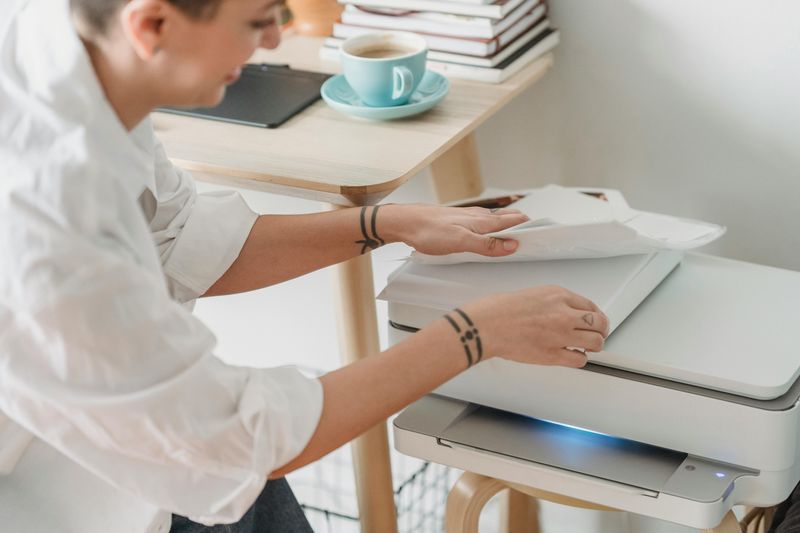
Printer ink is, ounce for ounce, one of the most expensive liquids on the planet, sometimes costing even more than vintage champagne.
A standard replacement cartridge from a major brand can run anywhere from twenty to sixty dollars, yet it might only print a few dozen pages.
Printer manufacturers often sell the hardware cheaply on purpose, knowing they will make their real profits on ink.
Third-party cartridges exist and work perfectly well for most home printing needs, but many people still buy the branded version out of habit or fear of voiding a warranty.
It is one of the sneakiest pricing tricks in consumer tech.
8. Airport Food and Drinks
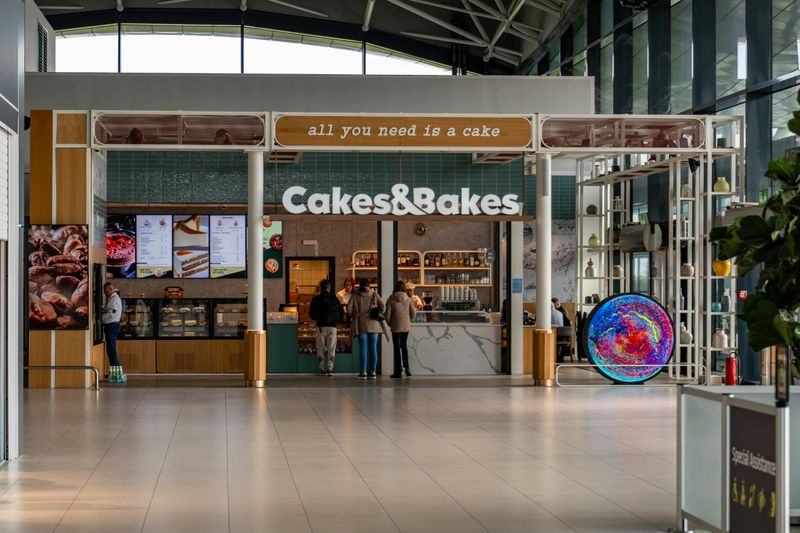
Airports might be the single greatest example of captive-audience pricing in modern life.
Once you pass through security, your options shrink dramatically, and the prices skyrocket accordingly.
A simple sandwich that would cost five dollars at a regular deli can easily hit fifteen dollars past the security checkpoint.
Travelers are stuck, usually stressed, and often running short on time, which makes them willing to pay almost anything for a meal or a bottle of water.
Some airports have started capping prices to match street-level rates, but that is still not common enough.
Packing your own snacks before you fly is one of the easiest ways to fight back against this pricing trap.
9. Extended Warranties

Right as you are about to pay for a new laptop or television, the salesperson leans in and asks if you want to add an extended warranty for just a few extra dollars a month.
It sounds reassuring, but consumer experts consistently say extended warranties are rarely worth the cost.
Most electronics either break down early, which is covered by the manufacturer warranty, or they last for years without issue.
The extended warranty fills the gap in between, which is statistically when problems are least likely to occur.
Retailers and manufacturers love selling these plans because the profit margins are enormous.
Saying no at the register is one of the smartest financial moves you can make.
10. Luxury Skincare Products

Walk into any department store beauty section and you will find moisturizers that cost two hundred dollars sitting right next to ones that cost twelve.
Dermatologists will often tell you that many drugstore products contain the same active ingredients as their luxury counterparts, just without the fancy packaging and celebrity endorsements.
The beauty industry is a master at using scientific-sounding words and aspirational marketing to justify sky-high prices.
Words like bio-regenerating and nano-peptide complex make a product sound cutting-edge even when the science behind the claims is shaky.
Still, the ritual of using a beautiful, expensive cream feels luxurious, and that feeling is something a lot of people are genuinely happy to pay for.
11. Concert Ticket Service Fees

You find a concert ticket listed at fifty dollars, get all excited, and then reach the checkout page only to discover an extra twenty-five dollars in service fees tacked on.
Ticketing platforms like Ticketmaster have faced massive public backlash for fees that can add thirty to forty percent to the base ticket price.
Despite the outrage, people keep buying because missing out on a favorite artist feels far worse than paying the fee.
The fear of missing out, or FOMO, is a powerful force.
Some platforms have started offering all-in pricing that shows the total cost upfront, but hidden fees remain frustratingly common across the live events industry.
12. Name-Brand Medications
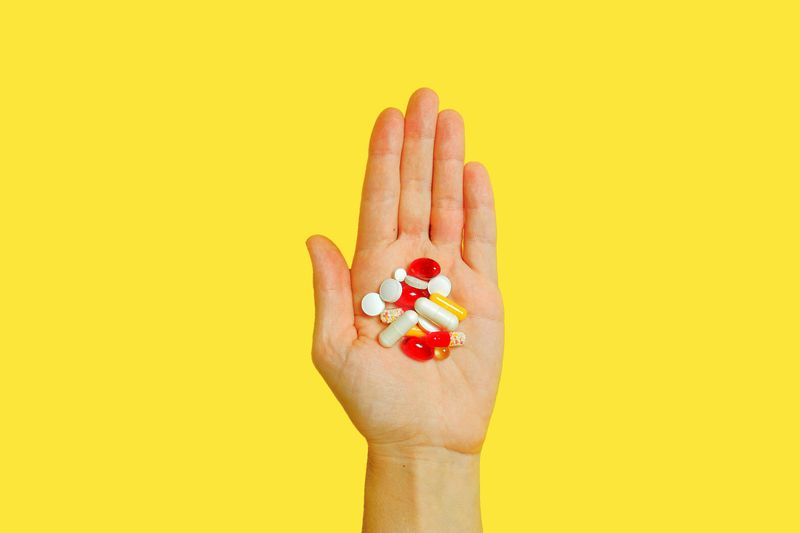
Here is a fun, slightly maddening fact: the generic version of a medication contains the exact same active ingredient, in the exact same dosage, as the name-brand version.
The FDA requires generic drugs to be medically identical to their branded counterparts, yet name-brand medications can cost ten times more.
Pharmaceutical companies spend enormous amounts of money on advertising to keep their brand top-of-mind for both doctors and patients.
That spending gets passed directly to consumers in the form of higher prices.
Asking your pharmacist about generic alternatives is one of the simplest ways to cut your healthcare costs significantly without sacrificing any effectiveness whatsoever.
Comments
Loading…