
 Jade Reed
Getting a good night’s sleep starts with your bedroom environment. When your room feels calm, comfortable, and organized, your body naturally relaxes and prepares for rest. Many people struggle with sleep without realizing their surroundings might be the problem.
Small, simple changes—like soft lighting, less clutter, cozy bedding, and calming colors—can make a noticeable difference. By creating a space that feels peaceful and inviting, you can fall asleep more easily, enjoy deeper rest, and wake up feeling truly refreshed each morning.
1. Control the Lighting in Your Room

Bright lights trick your brain into thinking it is still daytime, making it harder to fall asleep.
Swapping harsh overhead bulbs for soft, warm-toned lamps can signal to your body that bedtime is near.
Blackout curtains are a game changer, especially if streetlights or early morning sunlight sneak through your windows.
Studies show that even small amounts of light during sleep can disrupt your rest cycle.
Try dimming your lights about an hour before bed.
That simple habit alone can improve how quickly you fall asleep and how refreshed you feel in the morning.
2. Keep the Temperature Just Right

Believe it or not, your body temperature naturally drops as you fall asleep, so a cooler room actually helps that process along.
Most sleep experts recommend keeping your bedroom between 60 and 67 degrees Fahrenheit for the best rest.
A room that is too warm can cause restless tossing and turning all night long.
Try using a fan, cracking a window, or adjusting your thermostat before bedtime.
Lightweight, breathable bedding also makes a big difference.
Choosing the right blanket or sheet material can keep you comfortable without waking up sweaty or shivering.
3. Declutter Your Sleep Space

Clutter is sneaky.
You might not think a pile of clothes on the chair or a messy desk bothers you, but research suggests visual chaos can increase stress and make it harder to relax.
Your brain keeps processing what it sees, even when you are trying to wind down.
A tidy room sends a quiet message: this is a place for rest, not work or worry.
Start small by clearing just your nightstand and the floor around your bed.
You do not need a perfect room overnight.
Even modest tidying can noticeably improve your mood at bedtime.
4. Invest in a Quality Mattress and Pillows

Here is a truth most people overlook: you spend roughly one-third of your life in bed, so what you sleep on genuinely matters.
A worn-out mattress or flat, lumpy pillow can cause back pain, neck stiffness, and poor sleep quality without you even realizing it.
Choosing a mattress that suits your sleep position, whether you are a side, back, or stomach sleeper, can completely change how you feel each morning.
Pillows matter just as much.
Replacing them every one to two years keeps your neck properly supported.
Think of it as an investment in your daily energy and long-term health.
5. Reduce Noise Distractions

Sound is one of the biggest sleep disruptors people forget about.
Traffic outside, a noisy neighbor, or even a ticking clock can pull your brain out of deep sleep without you fully waking up.
White noise machines are a popular solution because they create a steady, calming background sound that masks sudden noises.
Some people prefer nature sounds like rain or ocean waves for the same effect.
Earplugs are another affordable option worth trying.
Even rearranging furniture or adding a thick rug can absorb sound and make your bedroom noticeably quieter and more sleep-friendly.
6. Add Calming Scents to Your Bedroom
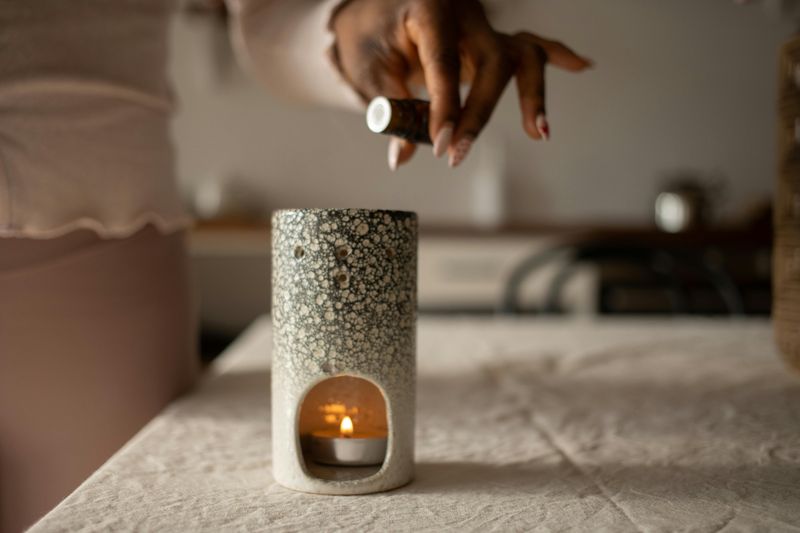
Scent has a powerful, almost magical connection to how we feel.
Lavender, in particular, has been studied extensively and shown to reduce heart rate and blood pressure, both of which help prepare your body for sleep.
An essential oil diffuser is an easy and affordable way to fill your room with calming aromas before bed.
Even a lightly scented pillow spray can make a noticeable difference in how quickly you drift off.
Other relaxing options include chamomile, sandalwood, and vanilla.
Experiment to find what works best for you.
Your nose might just become your best sleep tool.
7. Establish a No-Screen Rule Before Bed

Scrolling through your phone right before bed feels harmless, but the blue light emitted by screens suppresses melatonin, the hormone your body needs to feel sleepy.
That late-night social media habit could be costing you hours of quality rest.
Try putting your phone away at least 30 minutes before you plan to sleep.
Replace it with something calming like reading a physical book, journaling, or stretching.
Charging your phone outside the bedroom is an even better move.
Without it within arm’s reach, you are far less tempted to check notifications in the middle of the night.
8. Use Calming Colors on Your Walls

Color psychology is real, and your bedroom walls play a bigger role in how you sleep than most people realize.
Bold, energetic colors like red or bright orange can stimulate the brain and make relaxation harder to achieve.
Soft, muted tones like pale blue, sage green, warm gray, or creamy white have the opposite effect.
They create a sense of calm and spaciousness that naturally encourages your mind to slow down.
You do not need to repaint the whole room immediately.
Starting with a calming accent wall or swapping out colorful decor for neutral tones can create a noticeably more restful feel.
9. Bring in a Touch of Nature

There is something genuinely soothing about having living plants nearby.
Research suggests that indoor plants can reduce stress, lower anxiety, and even improve air quality, all of which support better sleep.
Snake plants and peace lilies are especially popular bedroom choices because they release oxygen at night and are incredibly low-maintenance.
You do not need a green thumb to keep them alive.
Beyond plants, even a small wooden bowl, a stone, or a nature-themed print can bring an earthy, grounding energy to your room.
Connecting with nature, even in small ways, reminds your body to slow down and rest.
Comments
Loading…