
 Jade Reed
The music world loves a good conspiracy theory, and few topics spark more heated arguments than the idea of industry plants.
Some fans believe certain pop stars got famous too quickly, suggesting powerful labels pulled strings behind the scenes.
Others argue these artists earned their success through genuine talent and hard work.
The debate gets messier when you realize there’s no clear definition of what makes someone an industry plant, leaving fans split down the middle.
1. Clairo
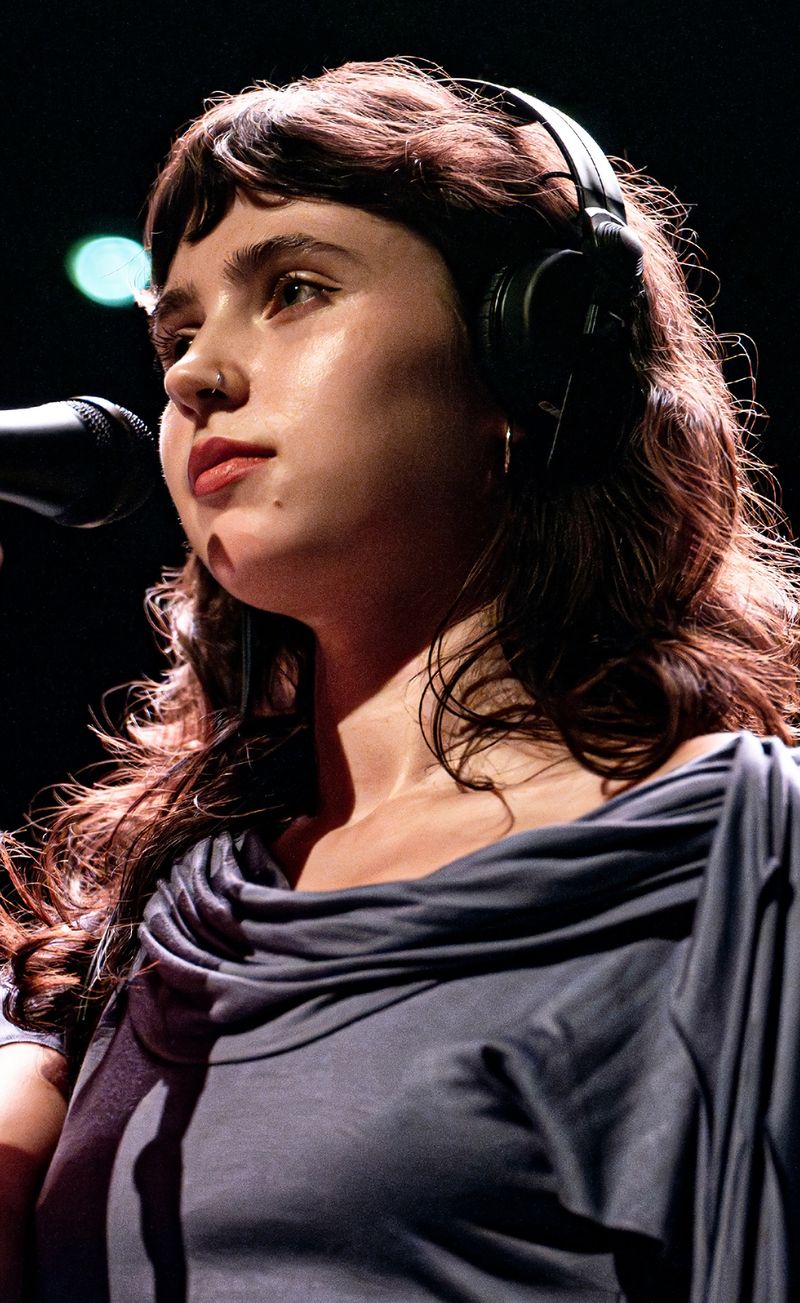
Clairo’s bedroom-pop hit “Pretty Girl” launched her career through what appeared to be pure DIY magic.
The grainy webcam video and vulnerable lyrics created an image of the ultimate independent artist.
Then fans discovered her father held executive positions at major marketing companies, and the accusations flew fast.
She’s spoken openly about how sexist these claims feel.
Male artists with industry connections rarely face the same scrutiny or conspiracy theories.
Her music connected with listeners because of its honest portrayal of anxiety and relationships, not because of marketing budgets.
The controversy highlights a bigger problem with the industry plant label.
It often punishes artists for having any professional advantage while ignoring the talent that actually wins fans over.
2. Olivia Rodrigo
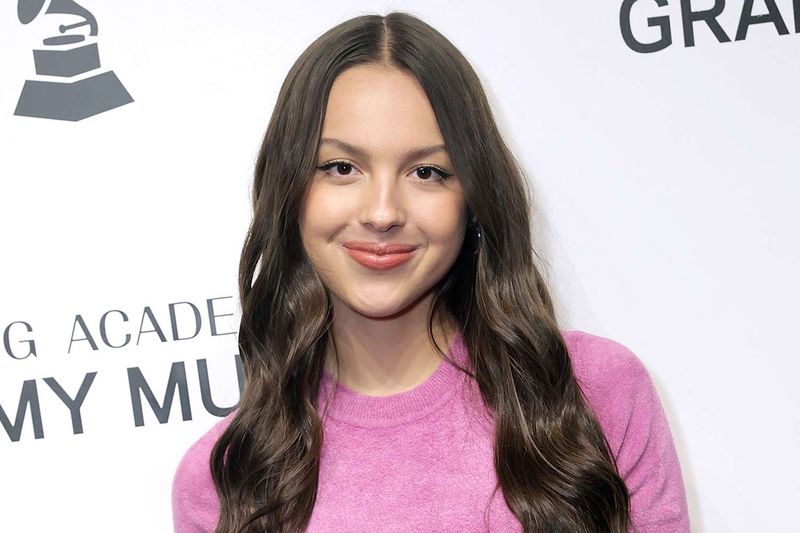
Few debuts hit harder than Olivia Rodrigo’s “drivers license,” which shattered streaming records and dominated charts worldwide.
Her Disney Channel background made some fans suspicious from day one.
They argued her existing platform gave her an unfair advantage that true indie artists never get.
But here’s the thing about Olivia’s success: millions of teenagers saw themselves in her heartbreak anthems.
She wrote relatable lyrics about feelings everyone experiences during high school relationships.
Having a platform doesn’t automatically translate to cultural phenomenon status without genuine connection.
Her follow-up album proved she wasn’t just a one-hit wonder manufactured by executives.
The songwriting talent speaks for itself, even if the launch pad was bigger than most artists enjoy.
3. Lil Nas X
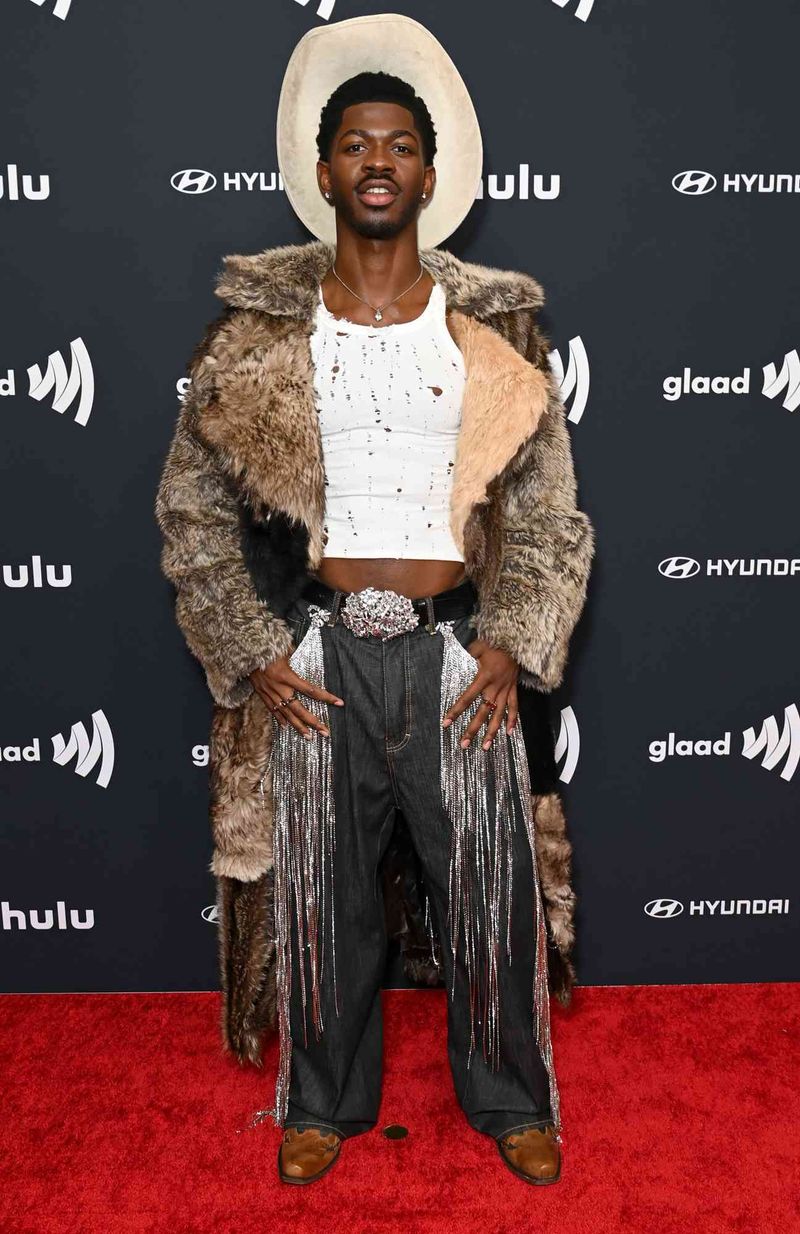
Starting with a meme and a $30 beat purchased online, Lil Nas X’s “Old Town Road” became the longest-running number-one single in history.
His TikTok strategy seemed so perfect that conspiracy theorists insisted major labels orchestrated the whole thing.
The country-rap fusion felt too calculated to be accidental, they claimed.
Reality tells a different story of a broke college dropout using social media savvy to break through.
He promoted the song himself across countless platforms before Columbia Records came calling.
His authentic personality and willingness to challenge genre boundaries made him impossible to ignore.
The accusations reveal more about how uncomfortable some people are with Black queer artists dominating mainstream spaces than about actual industry manipulation.
4. Billie Eilish
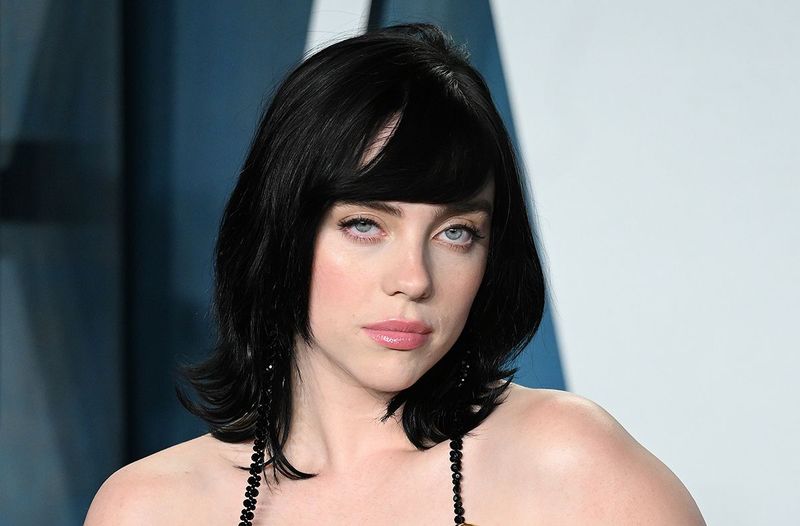
When Billie Eilish exploded onto the music scene as a teenager, skeptics immediately raised eyebrows.
Her brother Finneas produced her early tracks in their bedroom, creating a story that seemed almost too perfectly indie.
Critics pointed out that her parents worked in entertainment, suggesting family connections smoothed her path to stardom.
Supporters fire back with hard facts about her genuine viral moment. “Ocean Eyes” organically captured millions of hearts on SoundCloud before any major label got involved.
Her unique whisper-pop sound and authentic Gen-Z angst resonated because it felt real, not manufactured.
The debate continues as Billie racks up Grammys and stadium tours.
Whether you see her as self-made or industry-backed often depends on how you define success in the streaming era.
5. Sabrina Carpenter
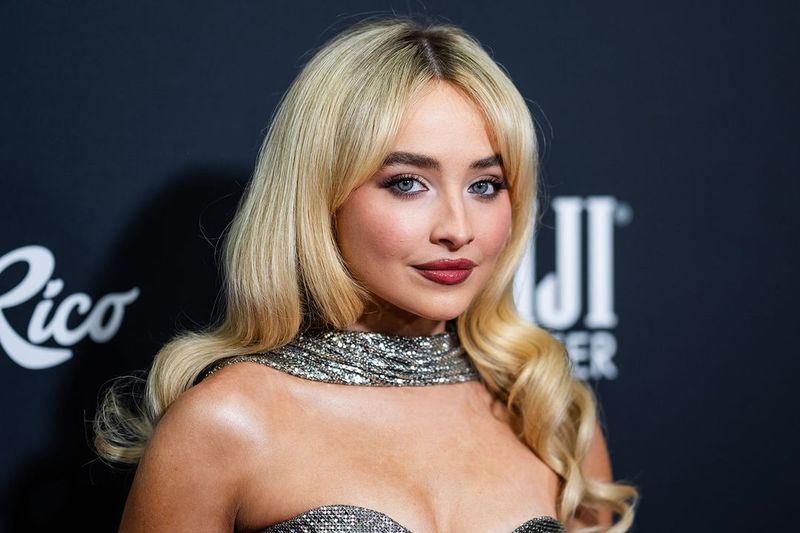
Years of grinding through Disney shows and opening for bigger acts suddenly paid off when Sabrina Carpenter became a pop sensation.
Her overnight success looked suspicious to fans who didn’t know she’d been releasing music since 2014.
The polished production and massive marketing push suggested label investment rather than organic growth.
What critics miss is the decade of work she put in before breaking through.
She wrote songs, toured relentlessly, and built a loyal fanbase one show at a time.
Sometimes artists just need the right song at the right moment to explode.
Her recent hits prove staying power that manufactured artists rarely achieve.
The talent was always there, waiting for the world to catch up and pay attention.
6. Conan Gray
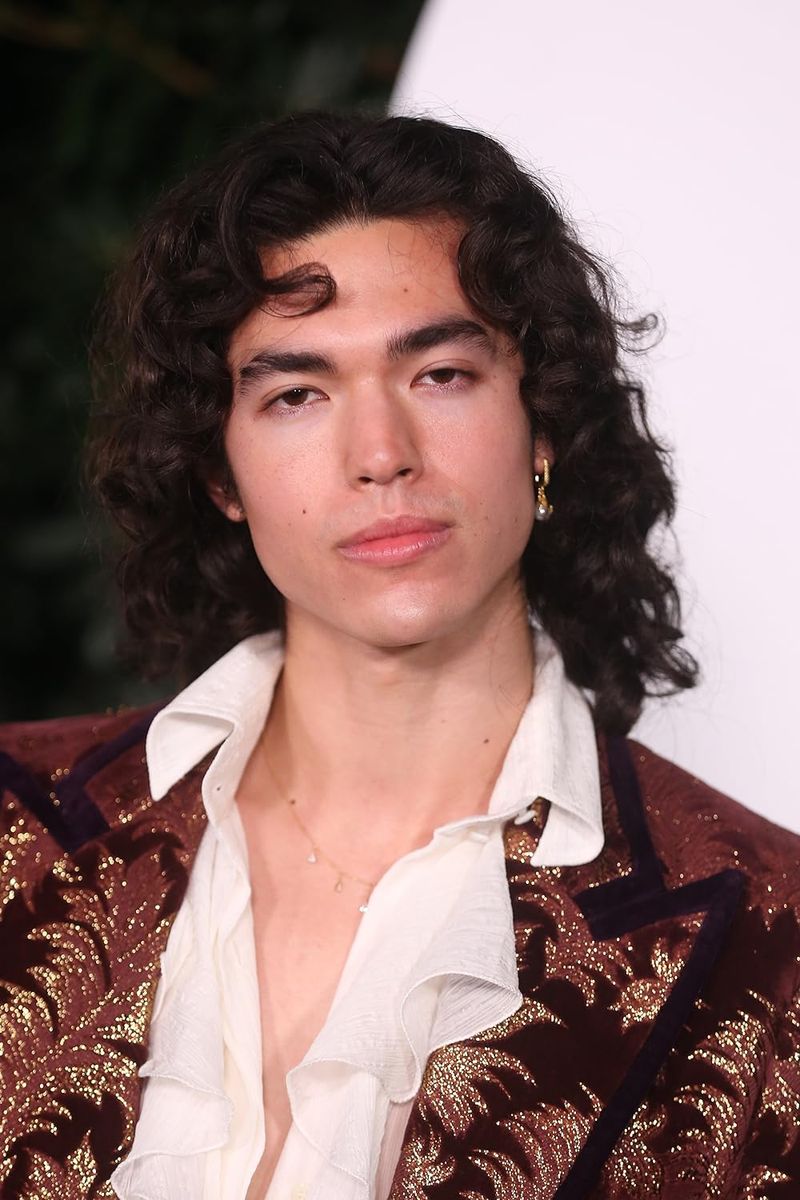
YouTube vlogger turned pop sensation sounds like a classic organic success story, right?
Conan Gray built his initial following through relatable videos about teenage life before transitioning to music.
Yet when Republic Records signed him and his polished singles dropped, the industry plant whispers began immediately.
His defenders point out that plenty of artists start on YouTube and never achieve mainstream success.
Conan’s songwriting captured the specific loneliness of growing up in small-town America.
That emotional authenticity can’t be faked by marketing teams, no matter how big their budgets.
The transition from content creator to legitimate pop artist isn’t automatically suspicious.
It’s actually the modern version of getting discovered, just with different platforms than previous generations used.
7. Trippie Redd
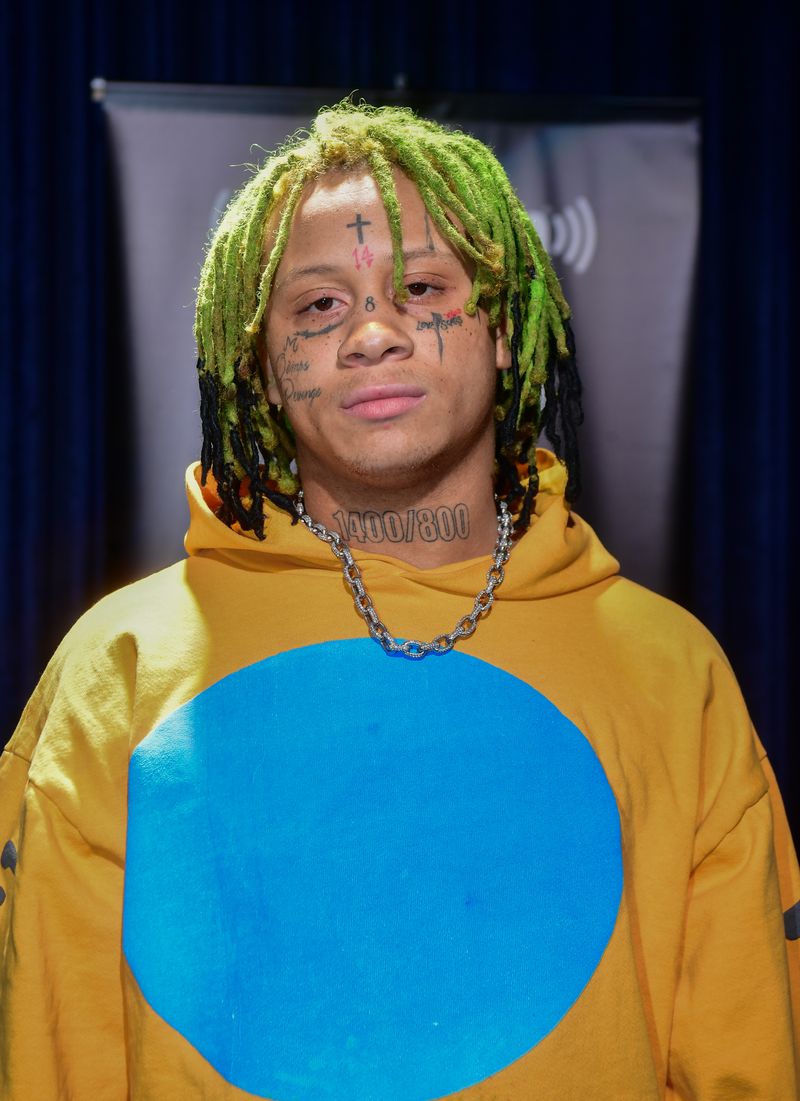
When Trippie Redd seemingly appeared from nowhere with high-profile collaborations, hip-hop fans smelled something fishy.
His connections to established artists like Travis Scott and his rapid rise through the SoundCloud scene seemed too convenient.
The accusation stuck because his style blended so many popular trends at once.
Looking closer reveals a different picture of relentless self-promotion and networking.
He built relationships with other artists by being genuinely supportive and collaborative.
His melodic approach to rap filled a specific lane that fans were craving at exactly the right moment.
The industry plant label in hip-hop often targets artists who succeed through community building rather than traditional gatekeepers.
That’s not manipulation; that’s smart career strategy in the digital age.
8. Tate McRae
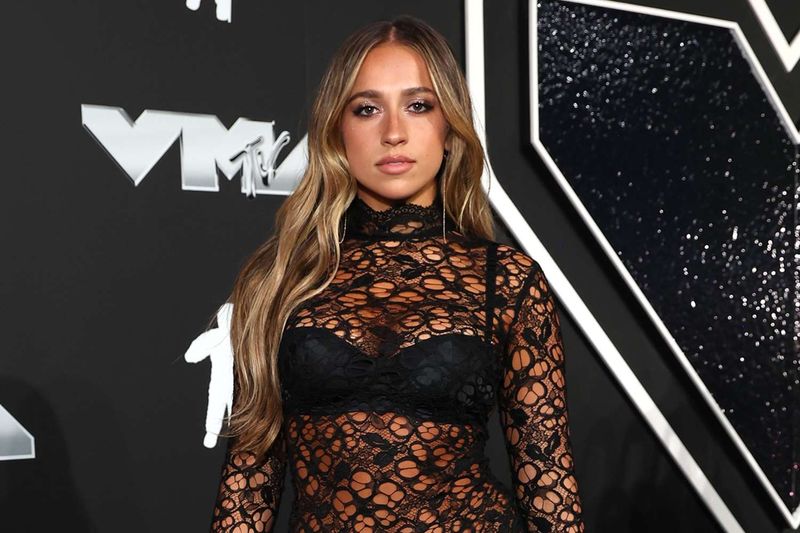
Professional dancer turned pop star Tate McRae faced immediate skepticism when her songs started charting.
Her polished performances and major label backing made fans question whether her bedroom recordings were ever truly independent.
The fact that she competed on So You Think You Can Dance years earlier added fuel to the manufactured artist narrative.
But Tate actually built her music following through raw, emotional YouTube uploads long before signing with RCA.
She wrote vulnerable songs about teenage heartbreak that resonated because they felt lived-in and honest.
Her dance background gave her stage presence, not industry connections.
The truth is that having multiple talents doesn’t make someone fake.
Sometimes artists are just genuinely skilled at more than one thing, and that combination creates something special.
Comments
Loading…