
 Mary Murphy
11 Soft Skills That Are Worth More Than a Degree in 2026

Your diploma might open a door, but soft skills are what keep you in the room. In 2026, employers are less impressed by where you went to school and far more interested in how you think, communicate, and adapt in real situations.
The job market has shifted, and success now depends on more than just credentials or technical know-how. The people rising to the top aren’t always the ones with the most impressive resumes—they’re the ones who know how to navigate challenges, connect with others, and keep learning. These 11 skills could be your real competitive edge.
1. Emotional Intelligence

Picture this: two candidates apply for the same job.
One has a 4.0 GPA.
The other knows exactly how to read a room, calm a tense situation, and make teammates feel heard.
Nine times out of ten, the second person gets the offer.
Emotional intelligence, or EQ, is your ability to understand your own feelings and recognize emotions in others.
It helps you navigate conflict, build trust, and lead without a title.
Studies show that high EQ is one of the strongest predictors of workplace success.
You can build it by practicing self-awareness and genuinely listening to people around you.
2. Adaptability

Change used to happen slowly.
Now it happens overnight.
Companies launch new tools, shift strategies, and restructure teams faster than ever, and they need people who can keep up without falling apart.
Adaptability means staying productive and positive even when the ground shifts beneath you.
It is not about pretending everything is fine.
It is about finding your footing quickly and moving forward anyway.
Want to sharpen this skill?
Start small.
Try a new route to school, take on an unfamiliar task, or volunteer for a project outside your comfort zone.
Flexibility is a muscle you build over time.
3. Critical Thinking

Facts are everywhere.
Opinions dressed up as facts are even more common.
The ability to slow down, question assumptions, and think through a problem carefully is rarer than most people realize.
Critical thinking means you do not just accept the first answer you hear.
You ask why, look for evidence, consider other angles, and form your own well-reasoned conclusions.
Employers crave this skill because it leads to smarter decisions and fewer costly mistakes.
Practice by reading articles from different viewpoints, playing logic puzzles, or simply asking yourself, “How do I actually know this is true?” every single day.
4. Communication

You could have the best idea in the world, but if you cannot explain it clearly, it might as well not exist.
Strong communication is what turns good thinking into real results.
This skill covers speaking, writing, listening, and even body language.
It means knowing when to be direct, when to soften your tone, and how to tailor your message for different audiences.
A text to a friend sounds nothing like an email to a manager, and knowing the difference matters enormously.
Reading more, writing daily, and practicing conversations with people outside your usual circle are all surprisingly effective ways to level up fast.
5. Creativity

Here is something that might surprise you: creativity is not just for artists.
Every industry needs people who can think of fresh solutions, spot overlooked opportunities, and approach old problems from new angles.
Creativity at work looks like proposing a smarter workflow, designing a more effective marketing message, or figuring out a workaround when the usual process breaks down.
It is problem-solving with imagination attached.
You can feed your creativity by exposing yourself to new experiences, learning about topics outside your field, and giving yourself permission to brainstorm without judging your ideas too quickly.
Weird first drafts often lead to brilliant final ones.
6. Time Management

Deadlines do not care about excuses.
One of the most common complaints managers have about employees is not about skill gaps but about reliability.
Getting things done on time, consistently, is a superpower in a world full of distractions.
Time management is not about cramming your schedule until you burn out.
It is about knowing what matters most and protecting your energy for those things first.
Prioritizing, batching similar tasks, and saying no to low-value activities all make a massive difference.
Apps and planners help, but the real shift happens in your mindset.
Treat your time like money, because it is worth far more.
7. Collaboration

Almost nothing significant gets built alone.
Behind every successful product, campaign, or company is a team of people who figured out how to work well together, even when personalities clashed or opinions differed.
Collaboration means contributing your strengths, respecting others’ ideas, sharing credit, and staying committed to a shared goal even when it gets messy.
It requires patience, humility, and a willingness to compromise without losing your voice entirely.
The good news?
Collaboration is a learnable skill.
Group projects, team sports, volunteer work, and even family responsibilities all give you real practice.
Show up reliably for others, and they will show up for you.
8. Growth Mindset

Back in the 1990s, psychologist Carol Dweck discovered something powerful: people who believe their abilities can grow through effort actually achieve more than those who think talent is fixed.
That idea changed how schools, coaches, and companies think about potential.
A growth mindset means you see failure as feedback, not as a final verdict on your worth.
You ask what you can learn instead of giving up when things get hard.
Employers notice this quality immediately.
Someone who keeps improving is more valuable than someone who peaks early and stops pushing.
Train yourself to say, “I cannot do this yet,” and mean it.
9. Conflict Resolution

Workplaces are full of people with different backgrounds, goals, and communication styles.
Disagreements are not a sign that something is broken.
They are a sign that real humans are involved.
Conflict resolution is the ability to address tension directly and calmly, find common ground, and move forward without leaving a trail of resentment.
It requires listening without interrupting, separating emotions from facts, and focusing on solutions rather than blame.
Most people avoid conflict because it feels uncomfortable.
But those who learn to handle it well become the people others trust during tough moments.
That trust is worth more than almost any credential on a resume.
10. Leadership
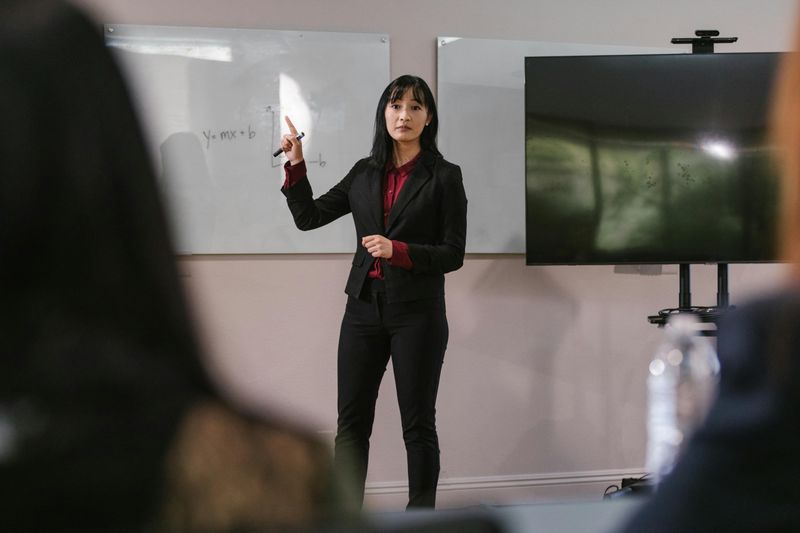
Leadership is not a job title.
It is a choice you make every day.
You lead when you take ownership of a problem, when you encourage a discouraged teammate, or when you speak up in a meeting with an idea worth sharing.
True leadership in 2026 looks less like commanding and more like guiding.
The best leaders ask good questions, make space for others to shine, and stay steady when pressure builds.
These are qualities you can practice right now, no corner office required.
Volunteering to organize a group project, mentoring a younger student, or simply being dependable in a team setting all count as real leadership experience.
11. Digital Literacy

Knowing how to use technology is no longer enough.
In 2026, digital literacy means understanding how tools work, evaluating online information critically, protecting your privacy, and learning new platforms quickly as they emerge.
From AI tools and spreadsheets to project management software and data dashboards, workplaces expect employees to be comfortable in digital environments.
The people who thrive are not necessarily the most technical, but they are curious, quick to learn, and unafraid to explore unfamiliar tools.
Stay ahead by experimenting with new apps, taking free online courses, and paying attention to how technology is changing your industry.
Curiosity is the engine that keeps digital skills sharp.
Comments
Loading…