
 Mila Ross
How Parents Can Raise Anxious Adults Without Realizing It: 11 Mistakes
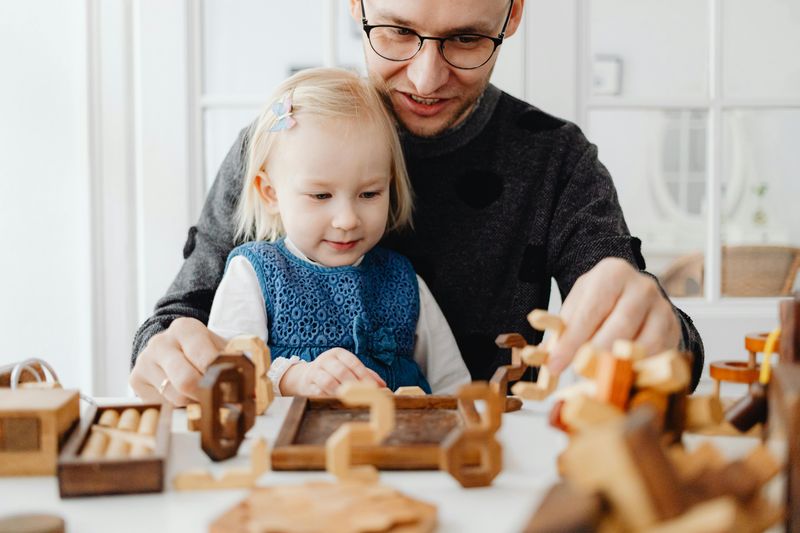
Most parents try their absolute best, but some everyday habits can quietly teach kids to feel worried, scared, or unsure of themselves. These patterns often start small and seem harmless, but over time they can shape how a child handles stress, failure, and the unknown.
Understanding these mistakes is the first step toward raising confident, resilient kids. Small changes in how you parent today can make a huge difference in who your child becomes tomorrow.
1. Overprotecting Your Child From Failure

Failure is one of life’s best teachers, but many parents rush in to prevent it at all costs.
When kids never get the chance to struggle, they miss out on learning that they can handle hard things.
That belief — “I can get through this” — is the foundation of resilience.
Every scraped knee and failed spelling test is actually a tiny lesson in bouncing back.
Parents who always smooth the path ahead are accidentally sending the message that their child isn’t capable.
Over time, kids start to believe it.
2. Catastrophizing Everyday Problems

“What if something goes wrong?” Some parents say this so often it becomes the background noise of family life.
When adults treat minor inconveniences like disasters, children absorb that way of thinking like a sponge.
A missed bus, a bad grade, or a small argument with a friend gets magnified into something terrifying.
Kids start to believe the world is full of threats waiting around every corner.
Research shows that children model their emotional responses directly from their caregivers.
Breaking the cycle means catching yourself before turning a small problem into a worst-case scenario out loud.
3. Never Letting Kids Make Decisions
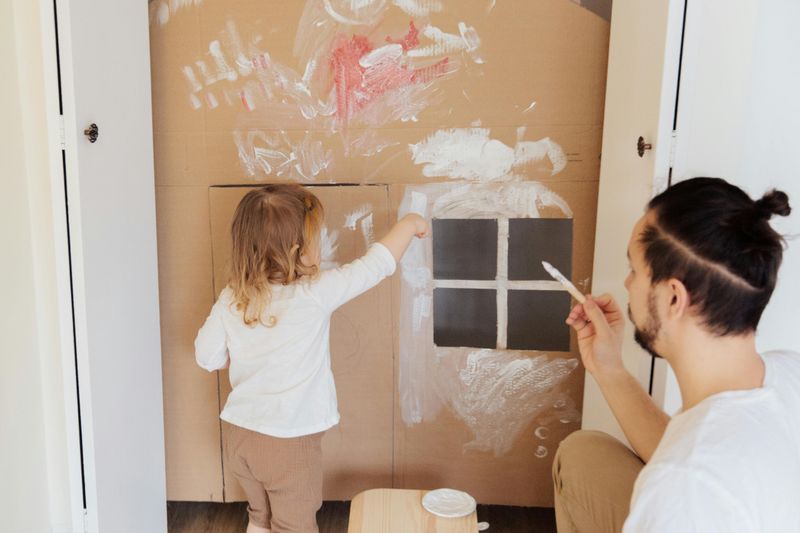
Choosing what to eat, what to wear, or which activity to join might seem like small stuff — but these tiny choices build enormous confidence.
When parents constantly decide for their kids, children grow up unsure of their own preferences and judgment.
Picture a teenager who has never had to pick anything for themselves suddenly facing big life decisions.
The anxiety that follows can feel paralyzing.
Decision-making is a skill, and like any skill, it needs regular practice starting young.
Letting a seven-year-old pick their own outfit is actually a quiet act of trust that shapes their future self-confidence.
4. Modeling Constant Worry

Kids are watching everything.
When a parent spends evenings worrying out loud about money, health, or relationships, children file that behavior away as the “normal” way to handle uncertainty.
Anxiety can be learned just as easily as riding a bike.
Studies suggest that children of anxious parents are significantly more likely to develop anxiety themselves — partly through genetics, but also through observation.
The good news?
Modeling calm, problem-focused thinking works just as powerfully in the positive direction.
Showing kids how to take a deep breath and think through a problem teaches them an emotional toolkit they will carry for life.
5. Dismissing a Child’s Fears

“You’re fine, stop being dramatic” — four words that can quietly chip away at a child’s emotional world.
When fears are brushed off instead of acknowledged, kids learn that their inner experiences are not valid or worth discussing.
That lesson sticks.
As adults, they may struggle to identify or talk about their emotions, which is a major contributor to chronic anxiety and depression.
Validation does not mean agreeing that a monster lives under the bed.
It simply means saying, “I hear you, and it makes sense you feel scared.” That small shift builds enormous emotional security over years of consistent practice.
6. Using Guilt as a Parenting Tool
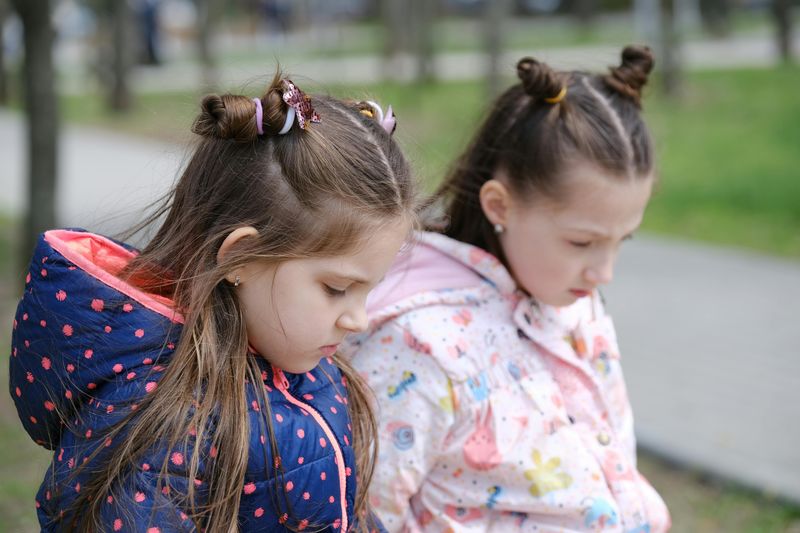
Guilt might work in the short term to change behavior, but the long-term cost is steep.
Children raised with frequent guilt-based messages — “After everything I do for you” or “You made Mommy cry” — start to feel responsible for other people’s emotions.
That is an enormous burden for a developing mind.
Carrying that weight into adulthood often shows up as people-pleasing, difficulty setting boundaries, and intense social anxiety.
Healthy discipline focuses on behavior and consequences, not on making a child feel like a bad person.
The goal is to raise someone with a conscience, not someone crushed by shame.
7. Praising Outcomes Instead of Effort
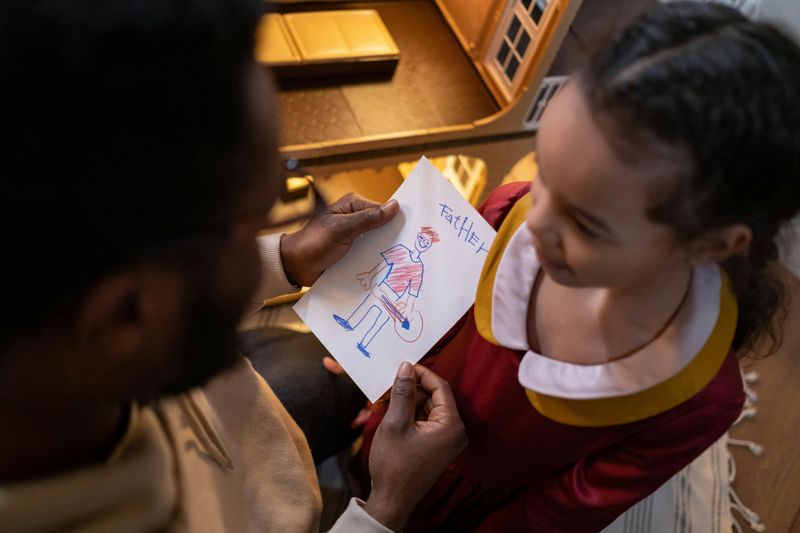
“You’re so smart!” sounds like a compliment, but it can quietly plant the seeds of anxiety.
Psychologist Carol Dweck’s research found that kids praised for being smart become afraid of challenges — because failure would mean they are no longer smart.
On the flip side, praising effort builds a growth mindset, where struggle is seen as part of learning rather than proof of failure.
The difference between “You’re brilliant” and “You worked really hard on that” is huge in terms of how a child faces future challenges.
Focus on the journey, and watch your child grow bolder rather than more fearful of getting things wrong.
8. Scheduling Every Waking Moment
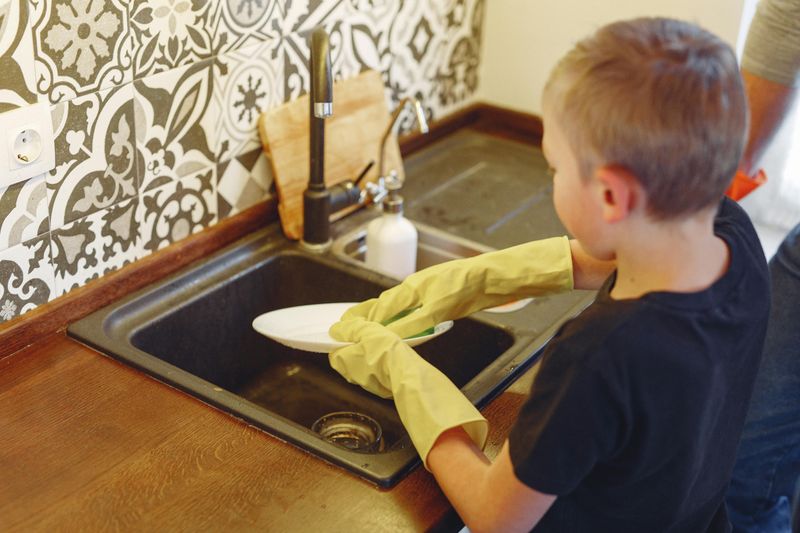
Boredom gets a bad reputation, but unstructured time is actually where creativity, self-regulation, and emotional processing happen.
When every hour of a child’s day is filled with activities, homework, and structured play, there is no room left to simply exist.
Over-scheduled kids often grow into adults who cannot sit quietly without feeling anxious or unproductive.
The pressure to always be achieving something becomes deeply wired.
Free time is not wasted time — it is brain development time.
Letting a child stare out the window, build a fort, or do absolutely nothing for an afternoon is one of the most underrated parenting choices available.
9. Avoiding Difficult Conversations
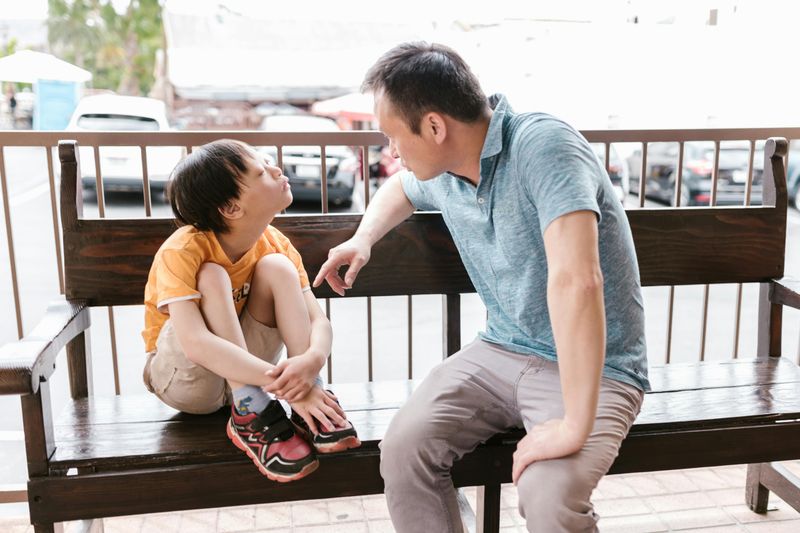
When parents dodge hard topics — death, divorce, money stress, or world events — they send a quiet but powerful message: “These things are too scary to talk about.”
Kids rarely stop thinking about the scary thing.
They just start thinking about it alone.
Unanswered questions breed imagination, and a child’s imagination about a scary topic is almost always worse than the truth.
Age-appropriate honesty builds trust and shows children that difficult feelings can be faced and survived.
You do not need all the answers to have the conversation.
Simply saying “That’s a hard question, and here’s what I know” is enough to open the door.
10. Comparing Your Child to Others

“Why can’t you be more like your sister?” Few sentences sting quite like that one.
Comparison might feel motivating to the parent delivering it, but to the child receiving it, the message translates as: “You are not enough as you are.”
That belief, repeated often enough, becomes a deeply held internal story.
Adults who grew up being constantly compared to siblings or peers often struggle with low self-worth, perfectionism, and relentless social comparison — all hallmarks of anxiety.
Every child is on their own developmental timeline.
Celebrating individual progress, no matter how small, is far more powerful than measuring one child against another.
11. Rescuing Kids From Social Discomfort
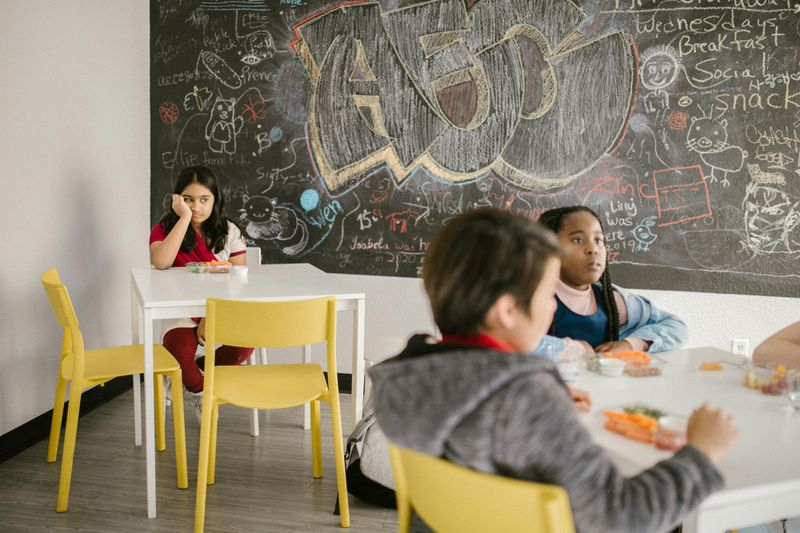
Watching your child feel awkward, left out, or nervous around other kids is genuinely painful for any caring parent.
The instinct to jump in and fix it is completely understandable.
However, that rescue mission can quietly rob a child of the chance to develop social confidence.
Learning to navigate friendships, handle rejection, and recover from embarrassment are critical life skills.
Kids who are always shielded from social discomfort never build those muscles.
By the time they reach adulthood, ordinary social situations can feel overwhelming.
Coaching from the sidelines — rather than playing the game for them — gives children the tools to eventually feel at ease in the world on their own terms.
Comments
Loading…