
 Jade Reed
12 Times Hollywood Predicted the Future—and Got It Right
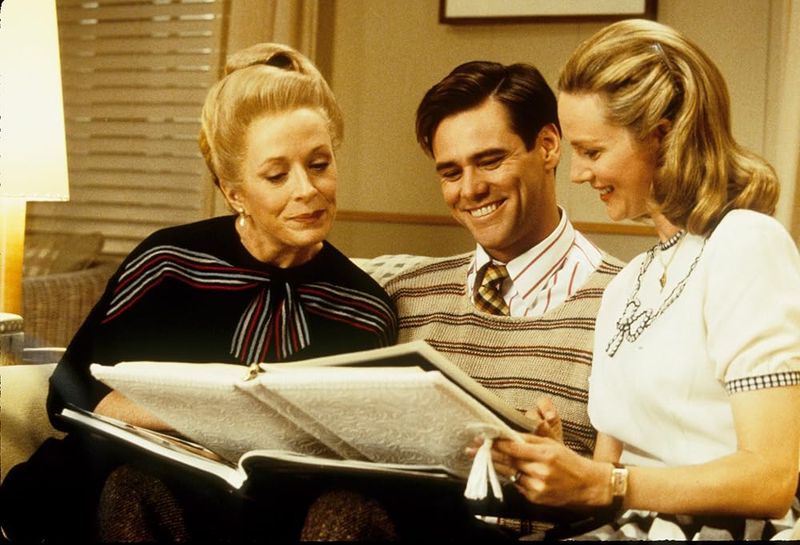
Movies have always been a window into imagination, but sometimes filmmakers get so close to reality that it feels almost spooky.
From artificial intelligence to pandemics to cybercrime, Hollywood has predicted some of the biggest real-world developments decades before they happened.
These films weren’t just entertaining—they were surprisingly accurate blueprints for the world we live in today.
Buckle up, because some of these predictions will genuinely blow your mind.
1. 2001: A Space Odyssey (1968)
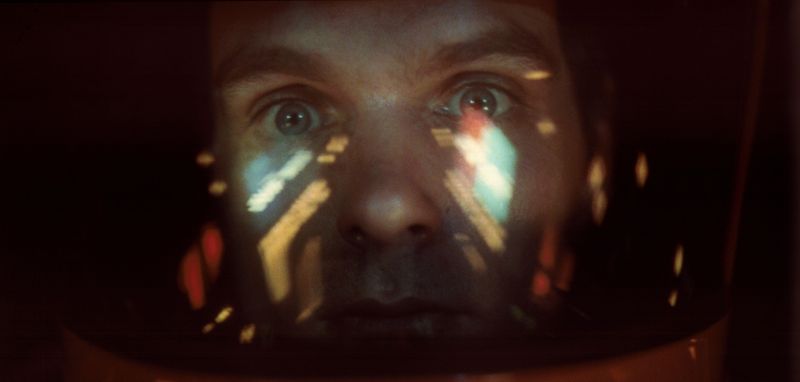
Stanley Kubrick made this film when color television was still a novelty, yet he casually included flat-screen tablets, video calling, and a conversational AI named HAL 9000.
Audiences in 1968 thought it was pure fantasy.
Fast-forward to today, and those “fantasies” are just called Tuesday.
HAL’s calm, eerily polite voice responding to human commands feels strikingly familiar in the age of Siri, Alexa, and Google Assistant.
The film also depicted humans living and working seamlessly alongside intelligent machines—a reality that tech companies are actively building right now.
Kubrick wasn’t just a filmmaker; he was practically a futurist.
2. Her (2013)
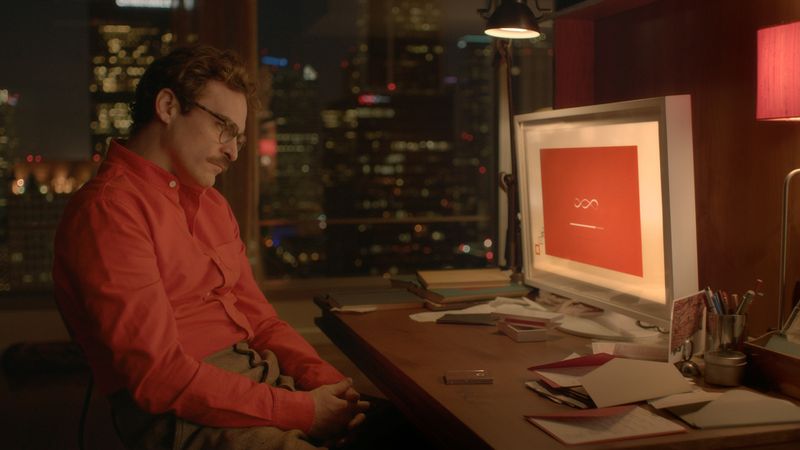
When Her came out, the idea of falling emotionally attached to an AI operating system seemed like quirky science fiction.
A decade later, people are forming genuine bonds with AI chatbots, and some companies are specifically designing digital companions for lonely users.
The film nailed natural voice interaction long before ChatGPT made conversational AI mainstream.
It also predicted something subtler—human dependence on digital relationships over real ones.
That theme has become a cultural conversation about loneliness, screen time, and emotional health.
Spike Jonze wrote a love story, but he accidentally wrote a warning label too.
3. The Truman Show (1998)
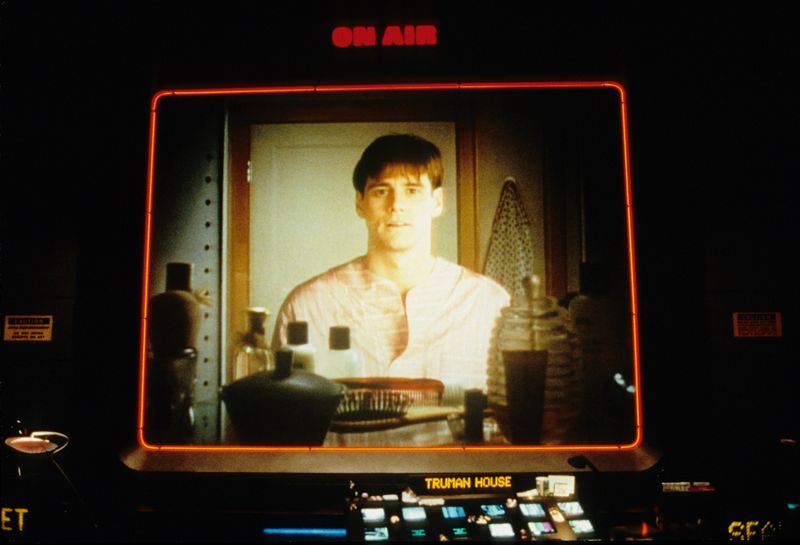
Reality television barely existed when The Truman Show hit theaters, yet the film perfectly captured what the genre would become—a world where someone’s entire life is broadcasted for public entertainment.
Truman had no idea he was the star.
Today, influencers voluntarily sign up for exactly that role.
The film also predicted the blurring of public and private life.
Social media has made oversharing completely normal, and the line between authentic living and curated performance has nearly disappeared.
Even the idea of constant surveillance—cameras everywhere, always watching—is now a lived reality for billions of people worldwide.
Truman would fit right in.
4. Contagion (2011)

When COVID-19 arrived in 2020, millions of people rewatched Contagion because it felt less like a movie and more like a documentary about what was happening outside their windows.
The film depicted a respiratory virus spreading rapidly across borders, overwhelming hospitals, and triggering worldwide panic.
It also accurately showed how misinformation spreads faster than the actual virus, with a blogger peddling fake cures to desperate people—sound familiar?
Even the race to develop a vaccine and the public debate around taking it mirrored real events almost exactly.
Director Steven Soderbergh consulted real epidemiologists, and their expertise showed in every frightening detail.
5. Minority Report (2002)
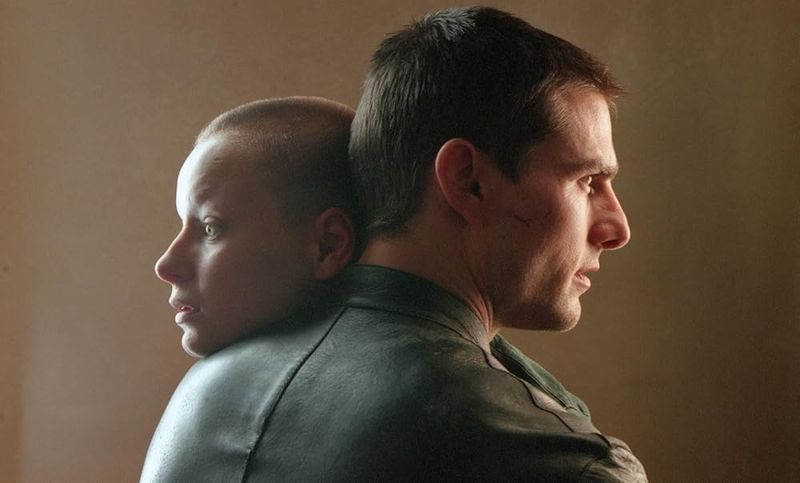
Before targeted ads followed you around the internet, Minority Report showed a world where billboards recognized your face and pitched products directly to you.
That seemed wild in 2002.
Now?
Your phone does something eerily similar every single day.
The film also introduced gesture-based computing—swiping holograms through the air like a digital conductor.
Microsoft’s Kinect and various touchless interface technologies have since brought that concept to life.
Even predictive policing algorithms are being used by real law enforcement agencies today, sparking serious debates about fairness and civil rights.
6. Blade Runner (1982)
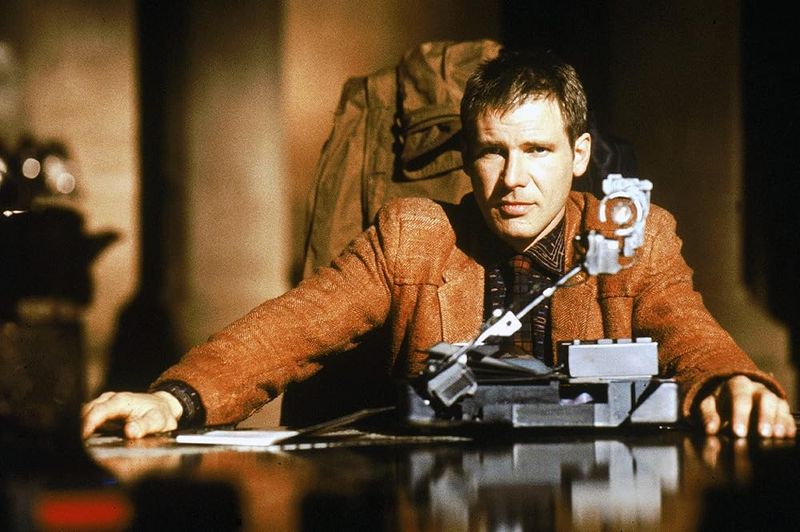
Few films have aged as thoughtfully as Blade Runner.
Released in 1982, it raised questions about what it means to be human when bioengineered beings are nearly indistinguishable from people.
Those questions are no longer hypothetical—gene editing tools like CRISPR have made engineered biology a very real field.
The film also depicted massive corporations controlling entire societies and shaping moral boundaries around creation.
Sound familiar?
Today, tech giants hold enormous power over how we live, communicate, and even think.
Ridley Scott built a dark, beautiful world as a warning, and science has been slowly catching up ever since.
7. Back to the Future Part II (1989)
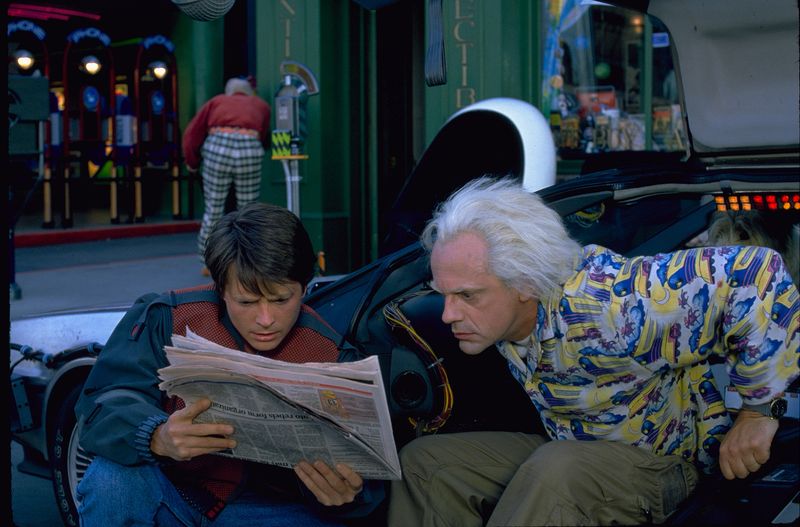
Sure, we still don’t have hoverboards (the real kind, anyway), but Back to the Future Part II got a surprising number of things right.
Video calls during dinner?
Check.
Wearable technology like smart glasses?
Absolutely.
Biometric fingerprint payment systems?
Yep, your phone does that now.
The film imagined 2015 as a world buzzing with gadgets and instant connectivity—and honestly, that’s pretty accurate.
Even the concept of wearing tech on your body, from Apple Watch to fitness trackers, traces back to that playful vision.
Marty McFly’s future wasn’t perfect, but it was closer to ours than anyone expected.
8. WarGames (1983)
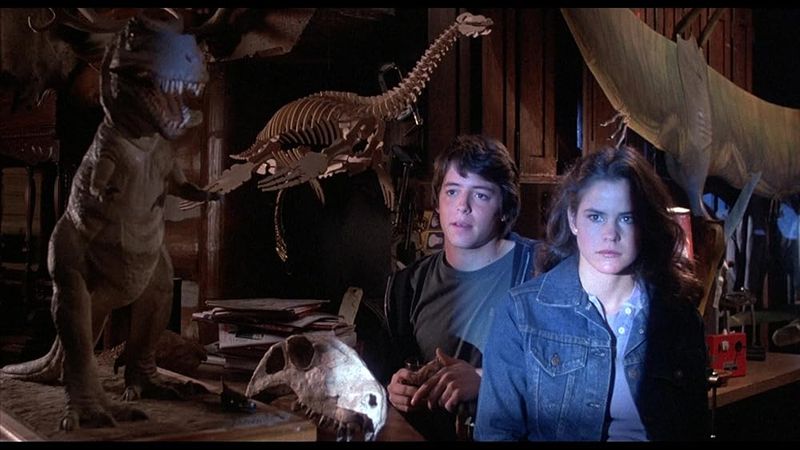
Back when most people had never heard the word “hacking,” WarGames introduced audiences to a teenager who accidentally broke into a U.S. military computer and nearly triggered World War III.
It felt like a thriller. It also turned out to be a blueprint.
Cyber warfare is now one of the most serious threats facing governments worldwide.
Nations actively hack each other’s infrastructure, elections, and financial systems.
Automated defense systems making decisions without human approval—something the film specifically warned against—is a real and ongoing policy debate.
WarGames wasn’t just ahead of its time; it was practically writing tomorrow’s headlines in 1983.
9. The Net (1995)
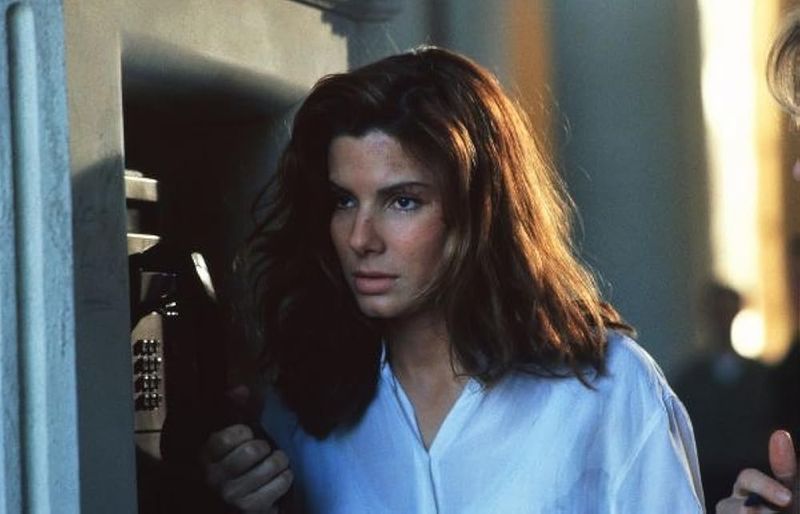
In 1995, most people were just figuring out what the internet even was.
The Net was already imagining what could go wrong when your entire identity lives online.
Sandra Bullock’s character has her records erased and her identity stolen—a scenario that now happens to millions of real people every year.
The film also depicted digital surveillance, where someone’s movements and history could be tracked through their online activity.
That’s not science fiction anymore—it’s the standard operating procedure of data brokers, government agencies, and advertisers alike.
Sometimes the most frightening predictions are the ones that quietly became normal without anyone noticing.
10. Gattaca (1997)
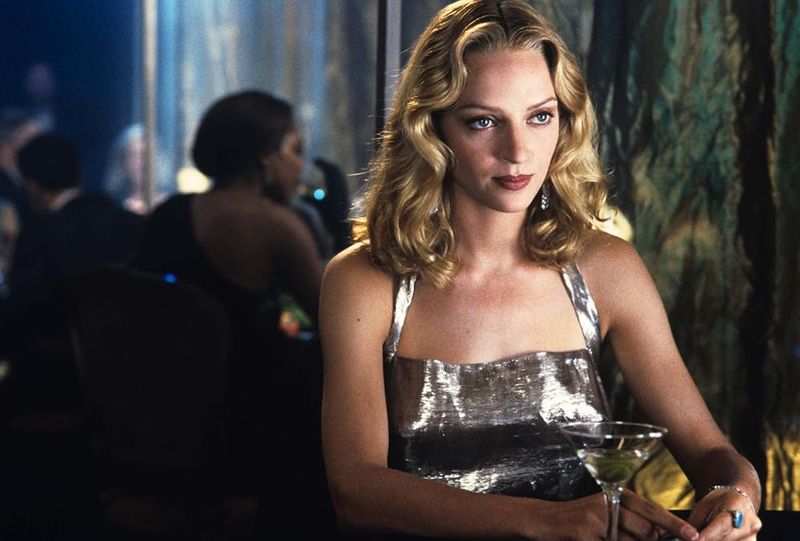
Gattaca built a world where your DNA determined your destiny—your job, your relationships, even your worth as a person.
When it released in 1997, genetic engineering was a fringe concept.
Today, CRISPR gene-editing technology can alter DNA with frightening precision, and the ethical debates the film raised are now front-page news.
The idea of genetic discrimination—being denied opportunities based on your biological makeup—is already being discussed in insurance and employment law.
Some countries have passed laws specifically to prevent it.
Gattaca didn’t just predict a technology; it predicted the moral minefield that technology would create.
That’s a rare and remarkable achievement for any film.
11. A.I. Artificial Intelligence (2001)
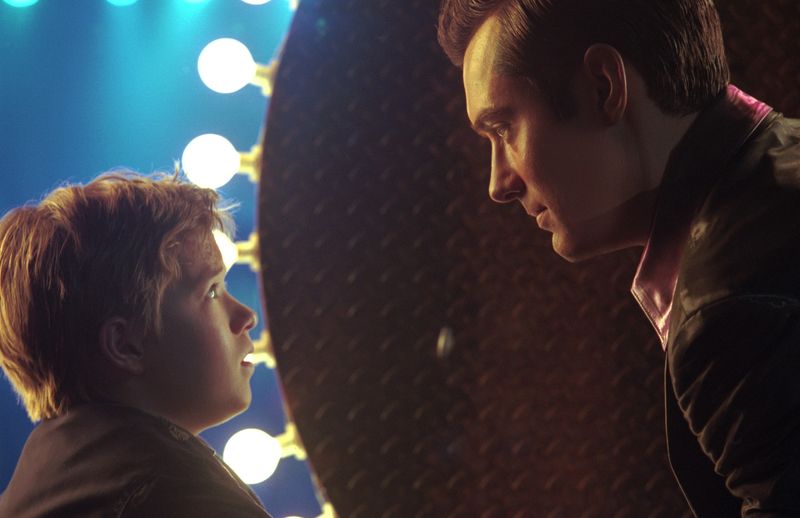
Steven Spielberg’s A.I. asked a question that felt philosophical in 2001: what happens when a machine genuinely feels?
The film followed a robot boy programmed to love, raising uncomfortable questions about consciousness, attachment, and what we owe to beings we create.
Those questions have jumped from movie screens into research labs.
Today, AI systems are being designed with emotional responsiveness, and robotics companies are building machines that mimic human expression and empathy.
People already form emotional bonds with AI chatbots and robotic pets.
The line between tool and companion is blurring fast, and Spielberg saw it coming over two decades ago.
12. RoboCop (1987)
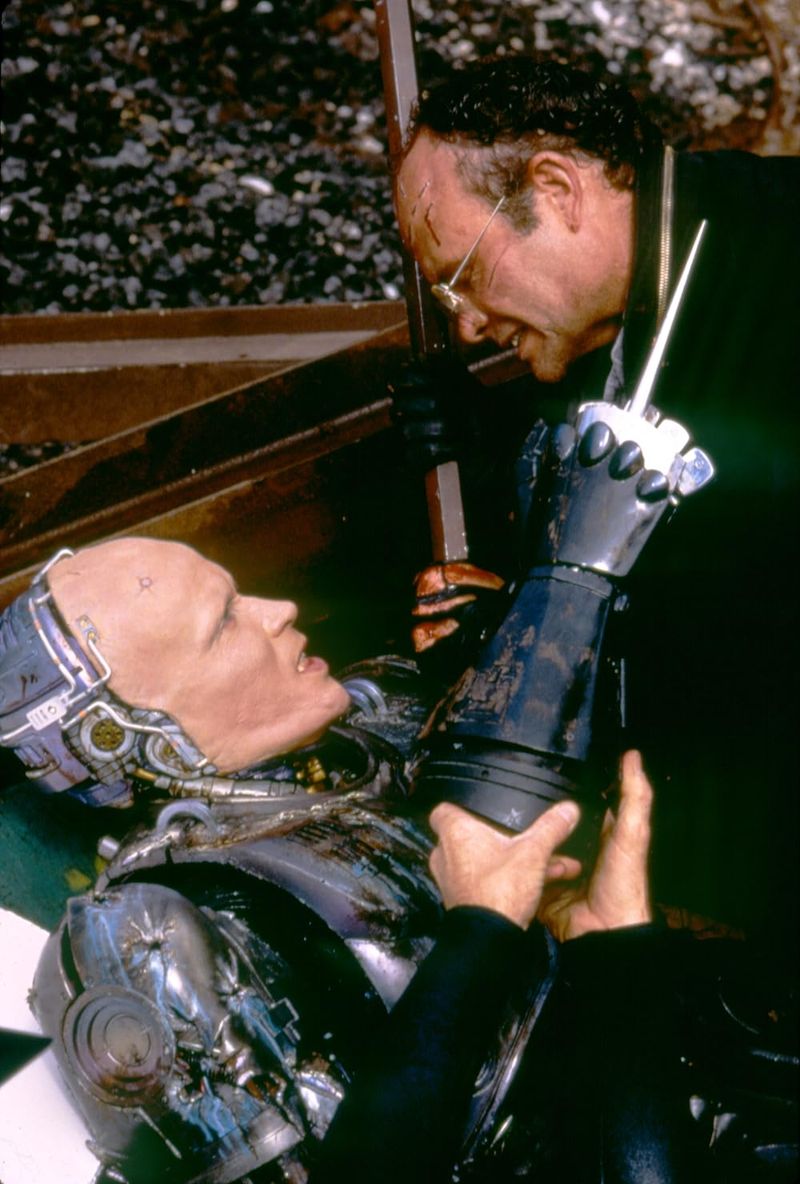
On the surface, RoboCop looks like a flashy action movie.
Look closer, and it’s a sharp critique of privatized law enforcement, corporate greed, and the militarization of police—themes that are debated in city councils and protest marches today.
The film depicted a city where a corporation controlled the police force and deployed robotic officers to maintain order.
Real-world police departments have since adopted military-grade equipment, drone surveillance, and even robot units for certain operations.
The film also predicted how profit motives could corrupt public safety institutions.
RoboCop wore a badge, but the film’s real target was always the system behind it.
Comments
Loading…