
 Harper Hall
Trust is the foundation of any healthy relationship, but sometimes you get a nagging feeling that someone close to you isn’t being completely honest. Whether it’s a friend, family member, or partner, spotting the warning signs early can save you a lot of confusion and heartache.
Knowing what to look for doesn’t make you paranoid — it makes you aware. Here are eight clear signs that someone might be keeping secrets from you.
1. They Suddenly Become Very Protective of Their Phone
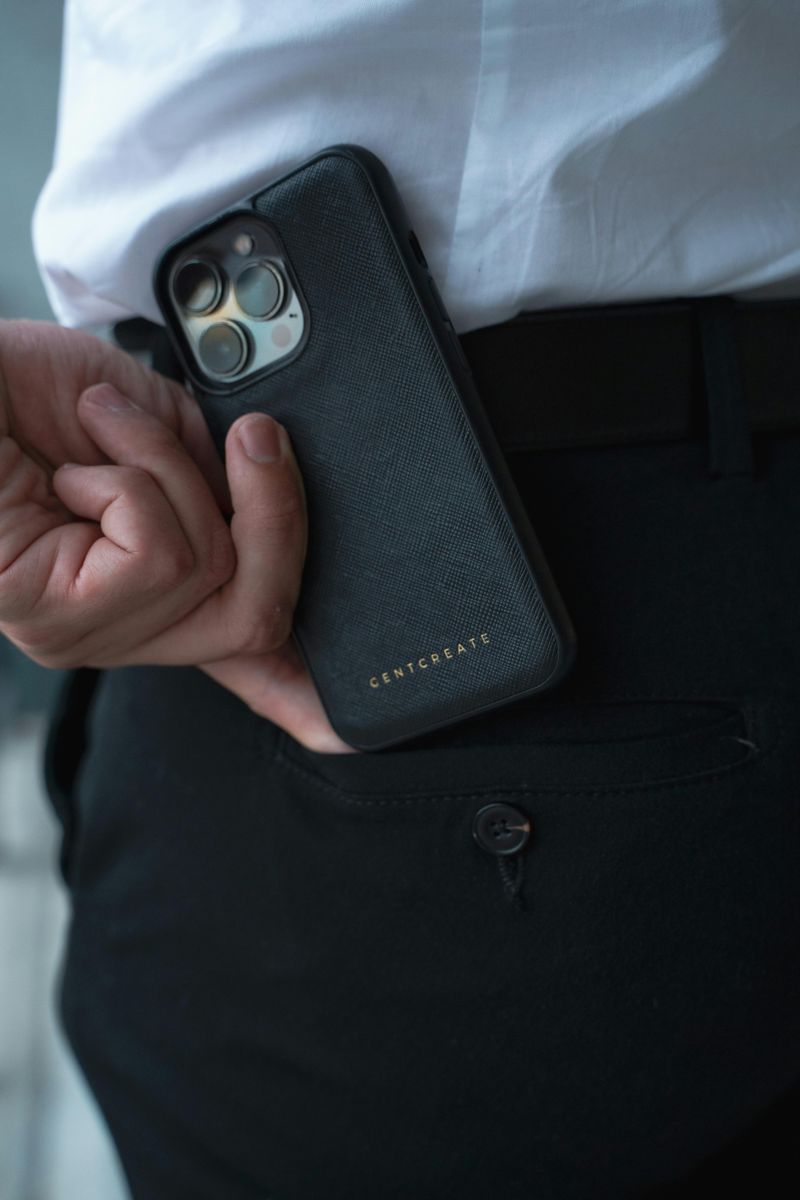
Picture this: someone who used to leave their phone on the table without a second thought now flips it face-down the moment you walk in.
That sudden shift in behavior is hard to ignore.
Phone protectiveness is one of the most common early warning signs that something is being hidden.
They might change passwords without mentioning it or panic when you accidentally glance at their screen.
While everyone deserves privacy, a dramatic change in how someone guards their device often signals more than just personal space.
Pay attention to patterns, not just one-off moments.
2. Their Body Language Feels Off

Sometimes your gut picks up what your eyes can’t quite explain.
When someone is hiding something, their body often betrays them before their words do.
Crossed arms, avoiding eye contact, fidgeting, or turning slightly away are all physical signs of discomfort.
Research in behavioral psychology suggests that people who are being dishonest tend to make fewer hand gestures and blink more frequently.
These aren’t foolproof clues on their own, but combined with other changes, they paint a bigger picture.
Trust your instincts — your body often senses tension before your brain catches up.
3. They Get Defensive Over Simple Questions

Ask a simple question, get an explosion of emotion — sound familiar?
When someone snaps, deflects, or turns the conversation back on you in response to a basic inquiry, that reaction itself becomes a red flag.
Healthy communication doesn’t require defensiveness over everyday topics.
Phrases like “Why are you always checking up on me?” or “You never trust me!” can be tactics to shift focus away from the real issue.
Guilt sometimes disguises itself as anger.
If someone consistently overreacts to normal questions, it may be worth having a calm, honest conversation about what’s really going on.
4. Their Stories Don’t Quite Add Up

Ever notice when someone tells the same story differently each time?
Small inconsistencies in details — dates, locations, who was there — can be a sign that someone is constructing a version of events rather than remembering them.
Memory is imperfect, but patterns of contradiction are worth noting.
Liars often forget the specifics of what they’ve said previously, leading to slip-ups over time.
If you gently point out the discrepancy and they become flustered or quickly change the subject, that’s telling.
Keeping mental notes of what people say — without obsessing — can help you recognize when something genuinely doesn’t match up.
5. They Avoid Certain Topics Like the Plague

There’s a difference between someone being a private person and someone who shuts down every time a specific topic comes up.
If mentioning a particular subject causes someone to suddenly change the subject, go quiet, or laugh it off awkwardly, they may be hiding something related to it.
Over time, you might start to notice a pattern — certain names, places, or events always seem to make them uneasy.
That consistent avoidance is rarely accidental.
Approach these conversations gently rather than confrontationally.
Creating a safe space for honesty often works better than forcing answers out of someone who isn’t ready to share.
6. They’re Spending Time You Can’t Account For

“I was just out.” Sound like a complete answer to you?
Vague explanations for missing time are a classic sign that something is being withheld.
Everyone needs personal time, but when someone can’t — or won’t — give a clear account of where they’ve been, it raises reasonable questions.
This is especially noticeable when their schedule changes without explanation, or when stories about their whereabouts feel rehearsed rather than natural.
Instead of jumping to conclusions, try expressing how the vagueness makes you feel.
Opening a dialogue based on your emotions, rather than accusations, tends to bring more honest responses.
7. They Seem Unusually Distant or Distracted

Secrets are heavy.
Carrying something you don’t want others to know takes real mental energy, and that emotional weight often shows up as distraction, moodiness, or emotional withdrawal.
If someone who was once warm and present suddenly seems like they’re living inside their own head, something may be weighing on them.
This kind of emotional distance can feel personal, even when it isn’t entirely about you.
Rather than pulling away in response, try checking in with genuine care.
Sometimes people keep secrets not to hurt others, but because they’re scared, ashamed, or unsure how to bring something up on their own.
8. Your Gut Is Telling You Something’s Wrong

Here’s something science actually backs up: human intuition is surprisingly accurate.
Studies in cognitive psychology show that our brains can detect subtle inconsistencies in behavior long before we consciously recognize them.
That quiet, uneasy feeling you can’t shake?
It’s often your subconscious connecting dots you haven’t fully seen yet.
Gut feelings aren’t always right, but they’re rarely random.
If something consistently feels off despite normal-looking surface behavior, it’s worth slowing down and reflecting.
Don’t dismiss your instincts just to keep the peace.
Trusting yourself enough to ask honest questions is one of the most powerful things you can do in any relationship.
Comments
Loading…