
 Jade Reed
11 Common Problems People Face When Living Alone
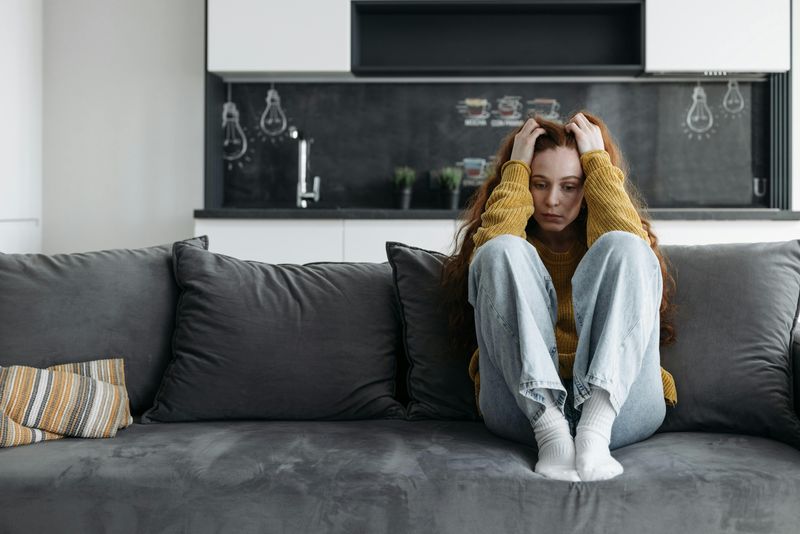
Living alone can feel like the ultimate freedom — no one stealing your leftovers, no arguments over the TV remote, and total control over your space. But once the excitement fades, real challenges start to show up.
From feeling lonely on quiet nights to struggling with unexpected home repairs, solo living comes with its own set of hurdles. Whether you are thinking about living alone or already doing it, knowing these common problems can help you prepare and handle them like a pro.
1. Loneliness and Social Isolation
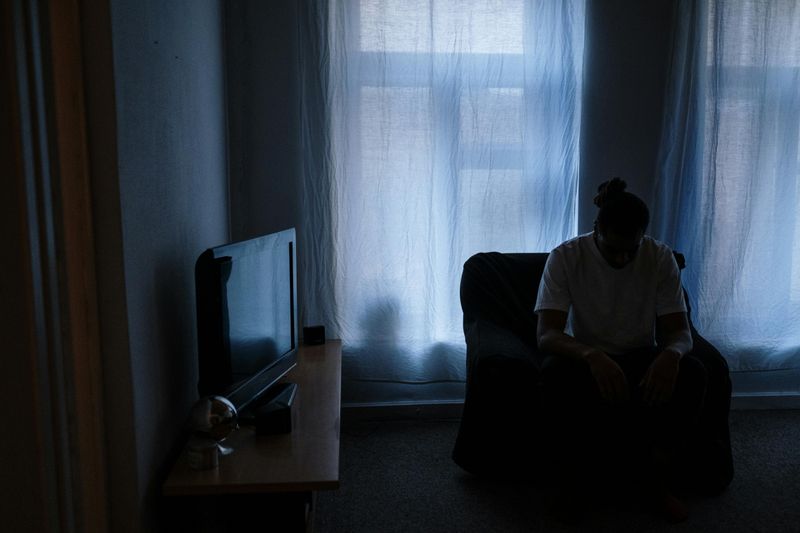
There is a particular kind of quiet that fills a one-person apartment at night — and not always in a comforting way.
Loneliness is one of the biggest challenges solo dwellers face, especially after the novelty of independence wears off.
Without a roommate or family member nearby, days can pass without meaningful conversation.
This emotional isolation can slowly affect your mood and mental health.
Building a social routine helps — schedule regular calls with friends, join a local club, or even adopt a pet.
Small but consistent social connections go a long way in keeping loneliness at bay.
2. Managing All Household Chores Alone
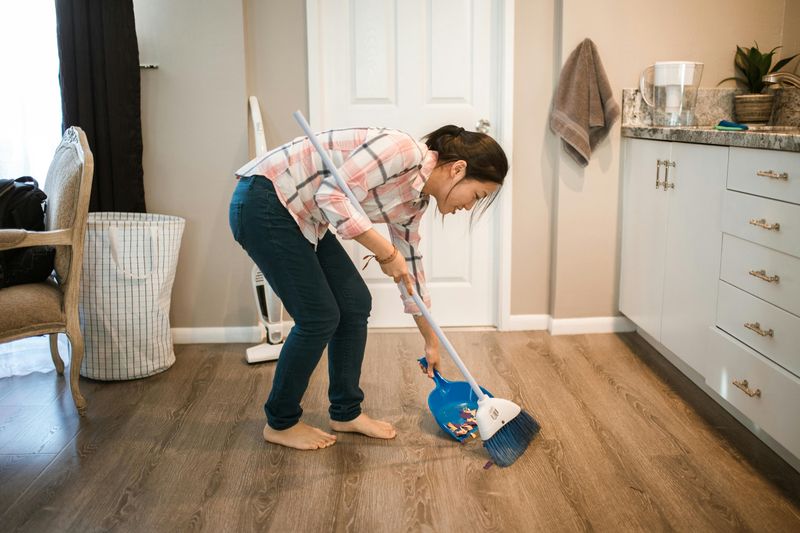
When you live alone, the chore list never splits itself in half.
Every dish, every dusty shelf, and every overflowing trash bag is entirely your responsibility — all the time.
It is surprisingly exhausting to keep up with cleaning, cooking, laundry, and organizing when there is no one else to share the load.
Skipping tasks even for a few days can make your space feel chaotic fast.
A simple weekly chore schedule can save your sanity.
Breaking tasks into small daily habits rather than one overwhelming weekend clean-up makes solo home maintenance much more manageable and far less stressful.
3. Handling Home Repairs Without Help
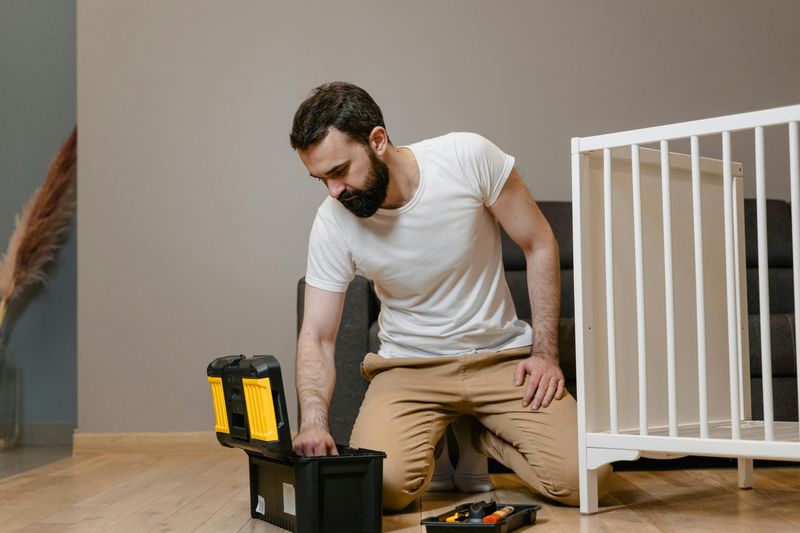
Something always seems to break at the worst possible time when you live alone.
A dripping faucet, a tripped circuit breaker, or a mysteriously squeaky door — and there is no one else in the house to deal with it.
Most people who grow up in shared households never learn basic repair skills because someone else always handled it.
Suddenly being solely responsible can feel both frustrating and intimidating.
Watching quick tutorial videos online is a great starting point.
Keeping a basic toolkit and knowing when to call a professional versus tackling it yourself saves time, money, and a whole lot of stress.
4. Financial Pressure of Paying Everything Alone

Rent, utilities, groceries, internet — the list of monthly expenses is long, and when you live alone, every single cost lands squarely on your shoulders.
There is no splitting the Wi-Fi bill or sharing the cost of dish soap.
Studies show that solo households tend to spend a significantly higher percentage of their income on housing than shared households.
That financial pressure can make saving money feel nearly impossible.
Creating a realistic monthly budget is a game-changer.
Tracking spending, cutting unnecessary subscriptions, and building even a small emergency fund can give you breathing room and financial confidence over time.
5. Cooking for One Without Wasting Food
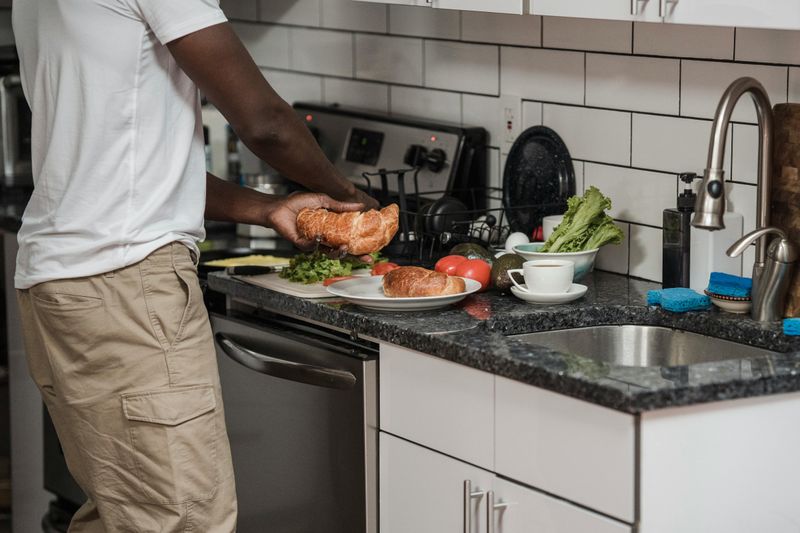
Most recipes are designed to feed four or more people, which makes cooking for one surprisingly tricky.
Buy a bunch of spinach, use a handful for dinner, and watch the rest slowly wilt in the back of your fridge.
Food waste becomes a real and costly problem for solo dwellers.
Between oversized grocery portions and the temptation to just order takeout, eating well on a budget takes genuine effort.
Meal prepping in small batches and shopping with a strict list helps enormously.
Learning a handful of flexible base recipes — like grain bowls or stir-fries — makes eating at home practical, affordable, and actually enjoyable.
6. Safety and Security Concerns
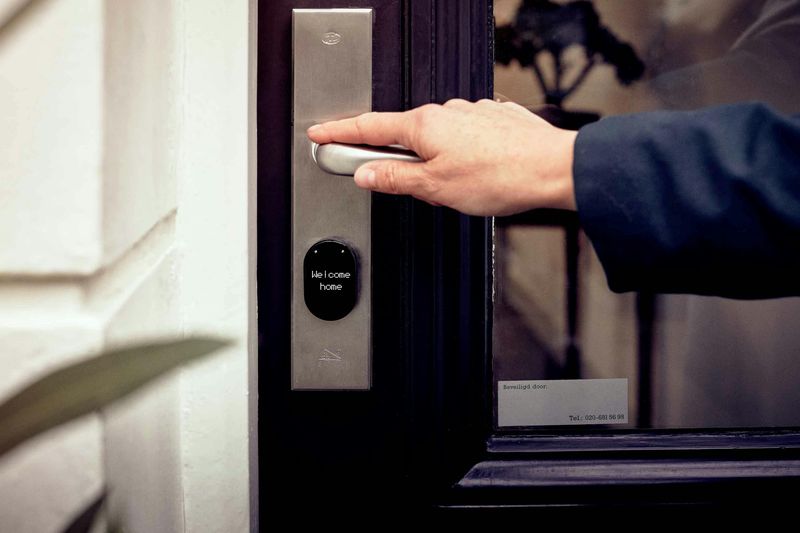
Locking up at night feels different when you know no one else is home.
For many people living alone, personal safety becomes a quiet but constant background worry, especially in unfamiliar neighborhoods or large apartment buildings.
Whether it is the sound of an unexpected knock or coming home late after work, the absence of another person in the home can make vulnerability feel more real.
Simple precautions make a big difference.
Installing a smart doorbell, keeping emergency contacts on speed dial, sharing your location with a trusted friend, and getting to know your neighbors all create a stronger sense of personal security.
7. Getting Sick With No One to Help
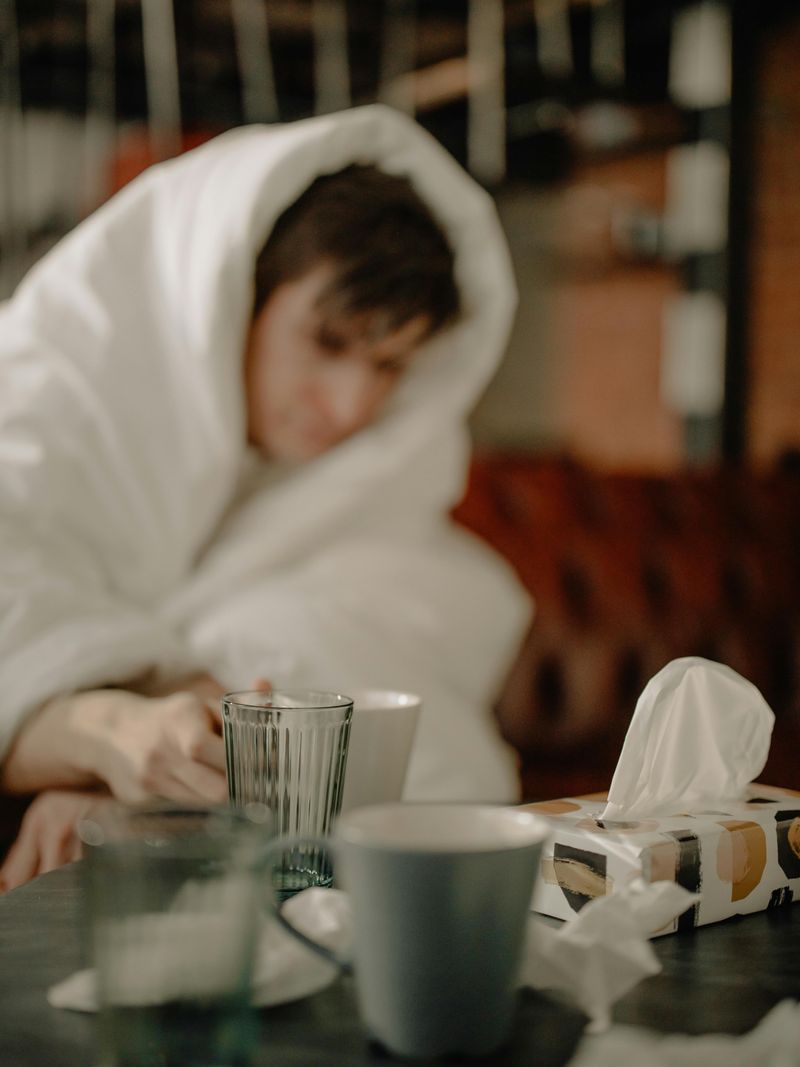
Few things feel worse than coming down with a fever or stomach bug when you live alone.
There is no one to bring you soup, pick up medicine, or even just check in to make sure you are okay.
Even minor illnesses become a logistical headache — dragging yourself to the pharmacy while feeling terrible is no fun at all.
For more serious health situations, the lack of immediate support can genuinely be dangerous.
Having a go-to friend or neighbor you can call in a pinch is invaluable.
Keeping a small medicine kit stocked at home and having a trusted contact nearby can turn a rough sick day into something manageable.
8. Struggling With Decision Fatigue

Every single decision — what to eat, what to watch, whether to move apartments, how to spend the weekend — falls entirely on one person when you live alone.
That might sound freeing, but it can quickly become mentally draining.
Decision fatigue is a real psychological phenomenon where making too many choices wears down your mental energy.
Without a partner or roommate to bounce ideas off of, even small decisions can feel surprisingly heavy.
Simplifying daily routines helps reduce the mental load.
Meal planning, setting a consistent weekly schedule, and giving yourself permission to make imperfect choices are all healthy ways to keep decision fatigue from taking over.
9. Dealing With Boredom and Lack of Motivation

Without the natural rhythm of other people around, solo living can sometimes feel flat.
Weekends that once felt exciting can blur into long stretches of scrolling through your phone with nothing that truly captures your interest.
Motivation is often contagious — when someone around you is productive or enthusiastic, it tends to rub off.
Living alone removes that external spark, making self-discipline a skill you have to actively build on your own.
Setting personal goals, trying new hobbies, and creating a loose daily structure can reignite your sense of purpose.
Even short daily walks or a new creative project can shift your energy in a surprisingly powerful way.
10. No One to Share Good (or Bad) News With
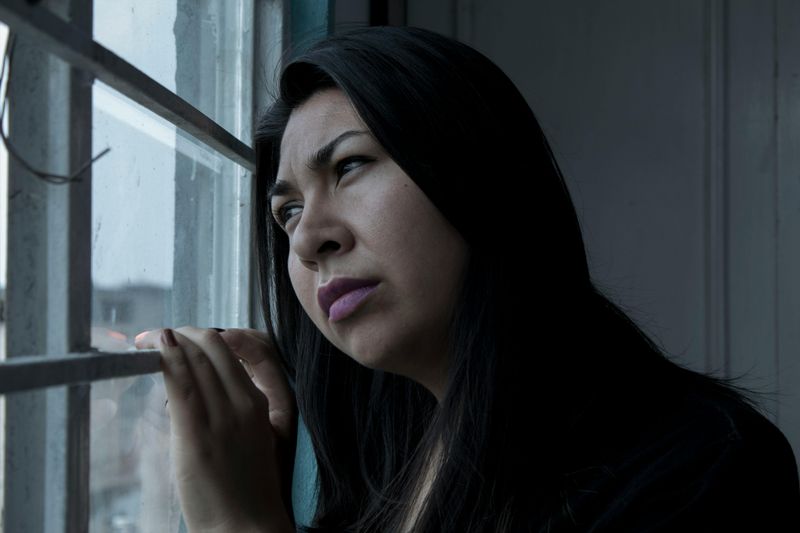
You get a promotion, nail a job interview, or stumble across the funniest video — and then you look around and realize there is no one right there to share it with.
That moment of reaching out to an empty room hits harder than most people expect.
Sharing experiences, both exciting and difficult, is a core human need.
When you live alone, those moments of wanting to connect with someone in real time often go unmet.
Calling or texting someone you trust right away helps fill that gap.
Building a close circle of friends you can reach out to freely keeps your emotional life rich, even when your home is quiet.
11. Developing Unhealthy Habits Without Accountability

Nobody is watching when you eat cereal for dinner three nights in a row, skip your workout for the fifth time, or stay up scrolling until 2 a.m.
That total freedom is one of the sneaky downsides of living alone.
Without someone else around to gently call out your habits, it is surprisingly easy to slide into routines that feel comfortable in the moment but chip away at your health and productivity over time.
Accountability does not have to come from a roommate.
Joining an online fitness group, sharing goals with a close friend, or keeping a simple journal are all effective ways to stay on track and hold yourself responsible.
Comments
Loading…