
 Hailey Watson
10 Household Chores That Cause the Most Divorces in America
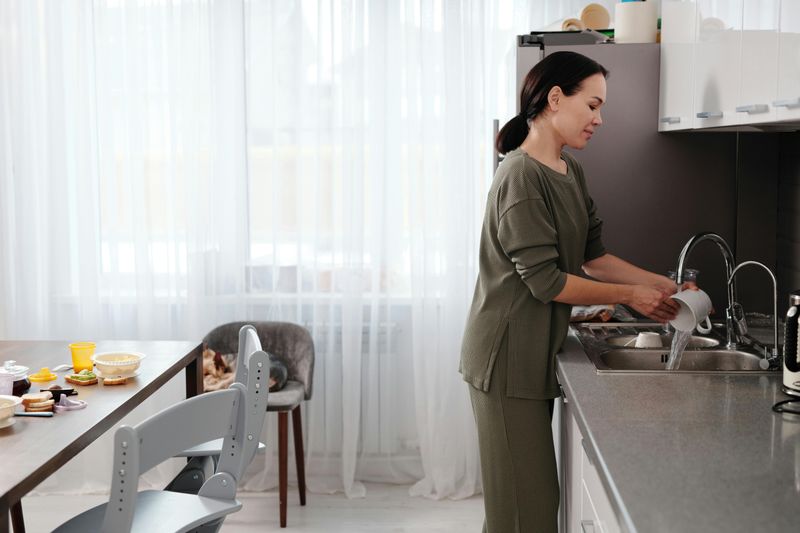
Household chores might seem like small everyday tasks, but they can create huge problems in marriages.
Research shows that arguments over housework lead to about one in four divorces across America.
When couples disagree about who should do what around the house, resentment builds up over time and can tear relationships apart.
1. Doing the Dishes
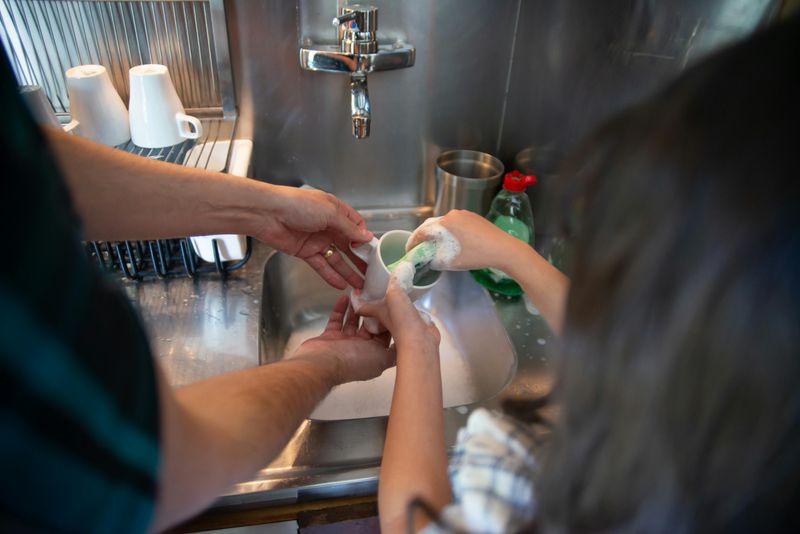
Dirty dishes piling up in the sink can turn into a battleground faster than any other chore.
One partner might leave cups and plates scattered around, while the other feels like they’re constantly cleaning up after everyone.
The frustration grows when someone always seems to disappear right after dinner ends.
Loading the dishwasher becomes a silent war about whose turn it is.
Many couples argue because they have different standards for cleanliness.
What looks “clean enough” to one person might seem totally gross to their spouse, creating daily friction that never really goes away.
2. Taking Out the Trash
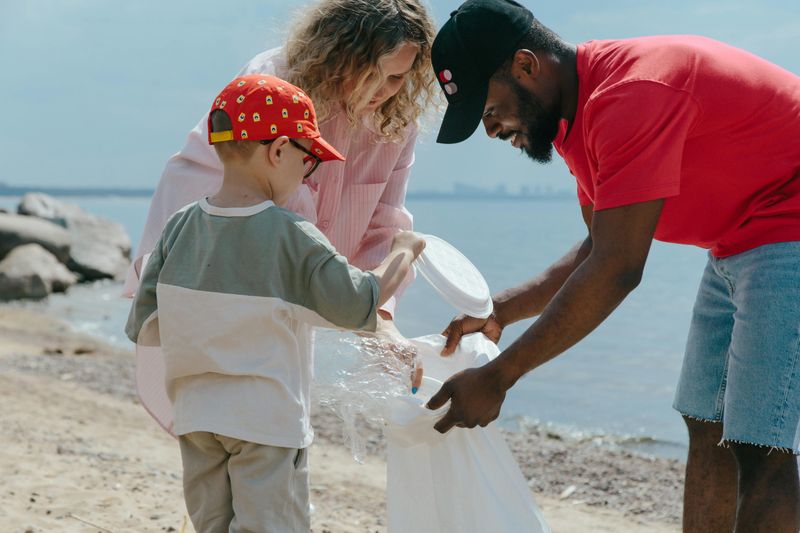
Nobody wants to be the trash person in the relationship.
This smelly job often gets ignored until the garbage is literally overflowing onto the floor.
Arguments start when one partner consistently forgets to take bins to the curb on collection day.
The other person ends up dealing with stinky trash for another whole week, building resentment each time.
Some couples fight about who should handle recycling versus regular garbage.
Others disagree about when the bag is “full enough” to warrant a trip outside, especially during bad weather or late at night.
3. Laundry Duties
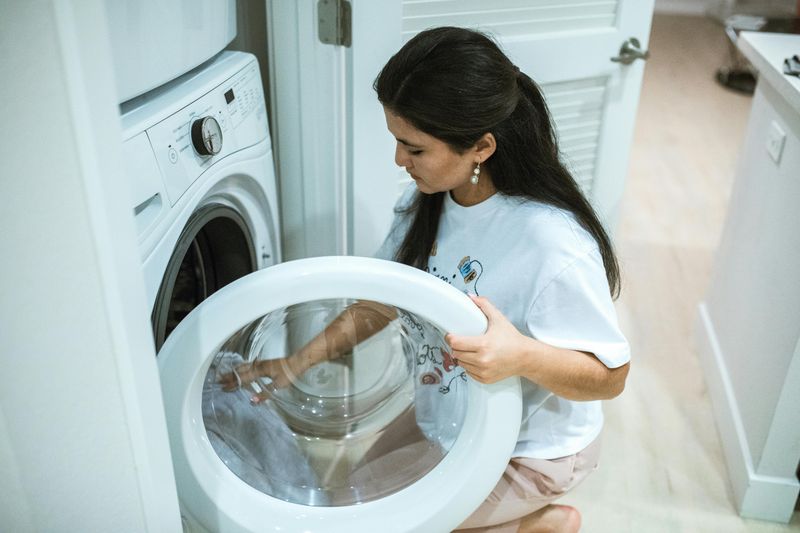
Laundry never ends, and that’s exactly why it causes so many marital meltdowns.
Sorting, washing, drying, folding, and putting away clothes feels like a full-time job that nobody applied for.
Partners clash when one person always leaves clean clothes in the dryer for days.
The other gets tired of rewashing wrinkled stuff or living out of laundry baskets instead of dressers.
Different approaches to laundry create tension too.
Some people separate everything by color and fabric type, while others throw it all together, leading to ruined favorite shirts and major arguments about carelessness.
4. Cleaning the Bathroom
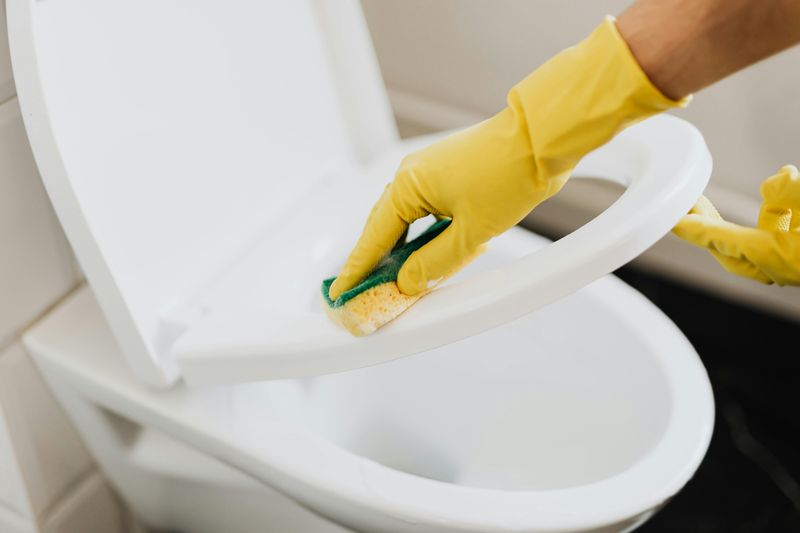
Scrubbing toilets and showers ranks as one of the most hated household tasks.
When one partner refuses to clean the bathroom, the other feels disrespected and taken advantage of constantly.
Hair in the drain, toothpaste splattered on mirrors, and mysterious smells become relationship poison.
The person who always cleans starts counting how many weeks it’s been since their spouse lifted a finger.
Standards matter here big time.
One partner might deep-clean weekly while the other thinks a quick wipe-down monthly is plenty, creating an impossible gap in expectations.
5. Cooking Meals

Figuring out what’s for dinner every single night exhausts even the most patient people.
When one partner always cooks while the other just shows up to eat, resentment simmers hotter than any stove.
The mental load of meal planning, grocery shopping, and actual cooking adds up fast.
Coming home tired and still having to feed everyone while your spouse relaxes feels incredibly unfair.
Complaints about the food make everything worse.
After spending an hour cooking, hearing “I don’t really like this” can trigger explosive fights about appreciation and effort in the relationship.
6. Vacuuming and Mopping Floors
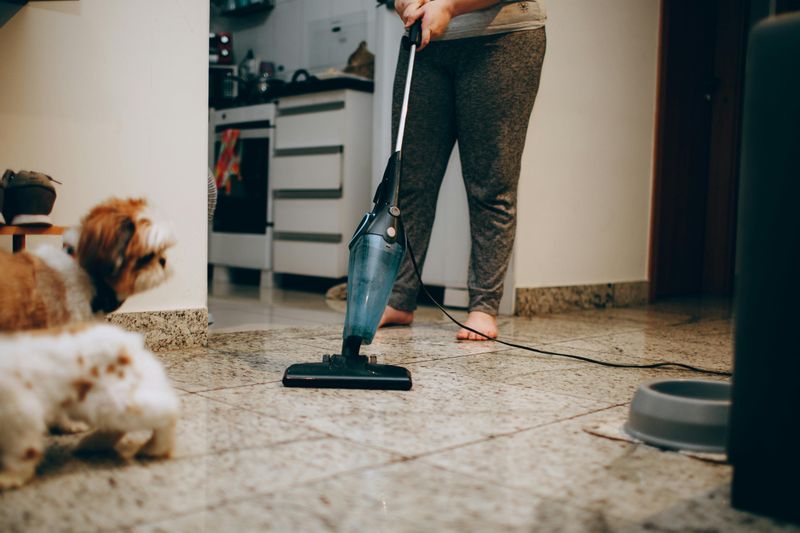
Walking on crunchy floors covered in crumbs drives neat partners absolutely crazy.
When someone tracks dirt through the house without caring, it signals a deeper problem about respect and shared responsibility.
Vacuuming under furniture and moving things around takes real effort.
The partner who always does it starts feeling like a servant rather than an equal, especially when their work goes unnoticed.
Different cleanliness thresholds cause constant bickering.
One person might vacuum daily while the other barely notices the mess until guests are coming over, creating a pattern of last-minute panic cleaning.
7. Yard Work and Lawn Maintenance

Mowing the lawn in summer heat is nobody’s idea of fun.
Couples fight when one person lets the grass grow wild while neighbors start complaining and the yard becomes an embarrassment.
Outdoor chores pile up quickly: weeding, trimming, raking leaves, and clearing gutters.
When these tasks fall entirely on one person’s shoulders, they feel abandoned to handle everything alone.
Seasonal yard work creates predictable arguments.
Fall leaf cleanup or spring garden prep becomes a yearly battle about fairness, with one partner always making excuses to avoid the hard physical labor.
8. Grocery Shopping

Wandering through crowded stores after work, comparing prices, and hauling heavy bags home takes serious time and energy.
When one partner always handles this solo, they start feeling like an unpaid personal shopper.
Making the shopping list requires knowing what everyone needs and wants.
The mental effort of tracking household supplies and planning ahead often goes completely unappreciated by the non-shopping spouse.
Coming home to complaints about forgotten items or wrong brands pushes people over the edge.
After spending an hour shopping, criticism instead of gratitude can spark major relationship explosions.
9. Managing Clutter and Organization

One person’s “organized chaos” is another person’s nightmare.
When clutter spreads across every surface, the tidier partner feels like they’re drowning in their own home with no escape.
Constantly picking up after someone who leaves stuff everywhere creates parent-child dynamics instead of equal partnerships.
Keys, shoes, mail, and random items scattered around signal disrespect for shared spaces.
Arguments about throwing things away versus keeping them reveal deeper values conflicts.
Pack rats and minimalists struggle to coexist peacefully, with organization battles representing control issues that poison the whole relationship.
10. Pet Care Responsibilities
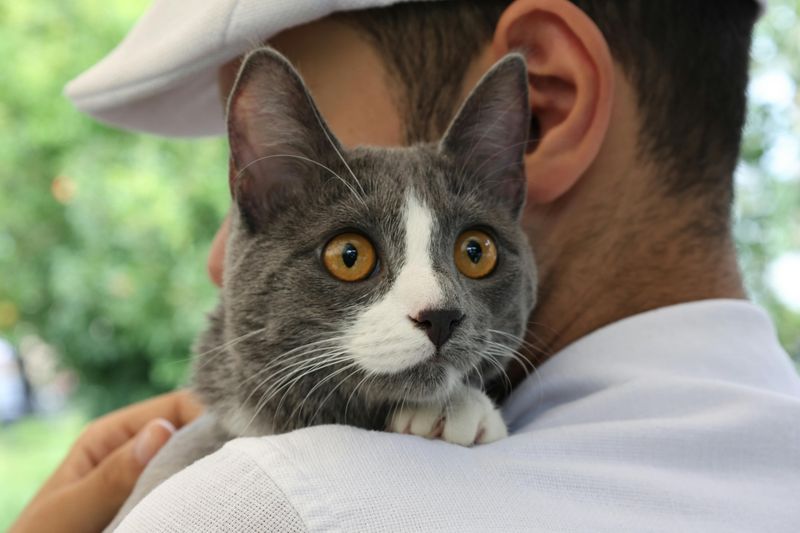
Walking the dog at six in the morning or scooping litter boxes are chores that can’t be postponed.
When one partner always handles pet duties, they resent being stuck as the only responsible adult.
Pets need consistent care: feeding, grooming, vet appointments, and cleanup after accidents.
The partner doing everything starts questioning why they’re basically a single pet parent despite being married.
Promises to help with animals often disappear after the cute puppy phase ends.
The reality of daily pet maintenance creates lasting bitterness when responsibility falls unfairly on just one person’s shoulders forever.
Comments
Loading…