
 Hailey Watson
11 Reasons Retail Therapy Is So Popular Today

Shopping has become much more than just picking up what you need. For millions of people, heading to the store or scrolling through an online shop feels like a mini vacation from stress.
Retail therapy, the idea that buying things can lift your mood, has grown into a real cultural phenomenon. Whether you treat yourself to a new pair of sneakers or browse without spending a dime, there are some very real reasons why so many people turn to shopping when life gets tough.
1. It Gives You a Sense of Control
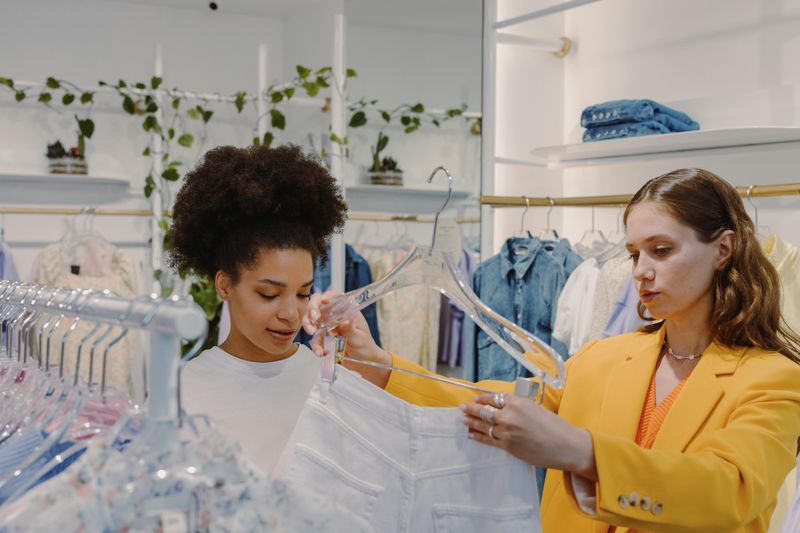
When everything around you feels chaotic, picking out exactly what you want can feel incredibly powerful.
Choosing colors, sizes, and styles puts the decision-making back in your hands.
That small act of control can do wonders for your mood.
Psychologists actually back this up.
Studies show that making personal choices, even simple ones like selecting a new mug, reduces feelings of helplessness.
Shopping gives your brain a task it can complete and win at.
Next time life feels out of hand, remember that a quick browse might not just be indulgence.
It could be your brain seeking balance.
2. The Excitement of Finding Something New

There is something almost magical about discovering a product you never knew existed but suddenly cannot live without.
That rush of surprise and excitement triggers real chemical reactions in your brain.
Dopamine, the feel-good chemical, spikes the moment you find something thrilling.
Retailers actually design store layouts and website algorithms specifically to feed this feeling.
The treasure-hunt experience keeps shoppers engaged and coming back for more.
Whether it is a quirky kitchen gadget or a limited-edition sneaker, novelty shopping taps into one of humanity’s oldest instincts: the joy of discovery.
It is basically hunting, but with a credit card.
3. Social Media Makes Shopping Irresistible
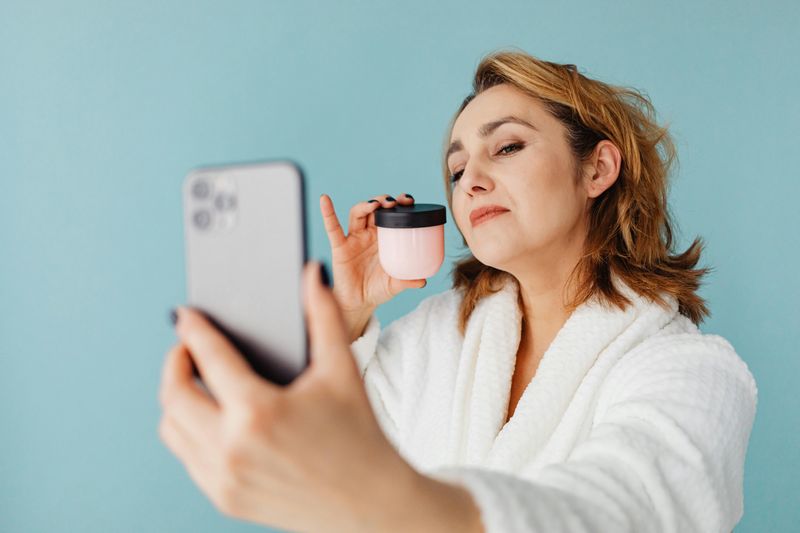
Scroll through Instagram or TikTok for five minutes and you will likely spot at least a dozen things you suddenly want to buy.
Social media platforms are practically built for shopping inspiration.
Influencers, sponsored posts, and shoppable links make purchasing effortlessly tempting.
Brands invest billions into making their products look aspirational on your feed.
The line between entertainment and advertising has blurred completely, and most users barely notice.
Did you know that nearly 54% of social media users have made a purchase after seeing a product on a social platform?
The scroll-to-buy pipeline has never been shorter or more powerful.
4. Online Shopping Made It Effortless

Back in the day, retail therapy meant getting dressed, driving to the mall, and battling crowds.
Today, your favorite stores are open 24 hours a day, seven days a week, right from your couch.
One-click purchasing has removed almost every barrier between wanting something and owning it.
Same-day and next-day delivery options make the gratification nearly instant.
That speed removes the waiting period that might once have cooled an impulse purchase.
The sheer convenience of modern e-commerce has transformed shopping from an errand into a leisure activity.
When buying something takes less effort than making a snack, it is easy to see why people do it more often.
5. Stress Relief That Feels Immediate

After a brutal day at school or work, few things feel as soothing as treating yourself to something nice.
Shopping activates the brain’s reward system, releasing feel-good chemicals that temporarily melt stress away.
It is not just your imagination.
Science confirms the connection.
The physical act of browsing, whether in-store or online, redirects mental energy away from whatever is stressing you out.
It works almost like a mindfulness exercise, keeping your focus on the present moment.
Of course, the relief is temporary, but so is a bubble bath.
Sometimes a short escape is exactly what you need to reset and recharge.
6. Shopping as a Social Experience

Long before online carts existed, shopping was a group activity.
Friends bonded over trying on outfits, debating which shoes looked best, and sharing opinions on everything from candles to couches.
That social tradition has not disappeared; it has just expanded into group chats and shared wishlists.
Going to the mall with a friend gives you quality time together while also giving you something fun to focus on.
Even virtual shopping sessions over video calls have become a popular way to connect.
Human beings are wired for connection, and shopping together creates shared experiences and inside jokes.
Sometimes the bags you carry home matter less than the laughs you had along the way.
7. Treating Yourself Feels Like Self-Care

Somewhere along the way, buying yourself something nice became an act of self-love.
The phrase “treat yourself” went from a casual joke to a genuine lifestyle philosophy.
And honestly, there is something healthy about recognizing your own worth enough to invest in your happiness.
Buying a cozy new sweater, a scented candle, or a fancy coffee maker can signal to your brain that you deserve comfort and joy.
That message matters more than people often realize.
Just like eating well or exercising, intentional self-gifting can support emotional well-being.
The key word is intentional.
When shopping is mindful rather than impulsive, it genuinely qualifies as taking care of yourself.
8. The Anticipation Is Half the Fun
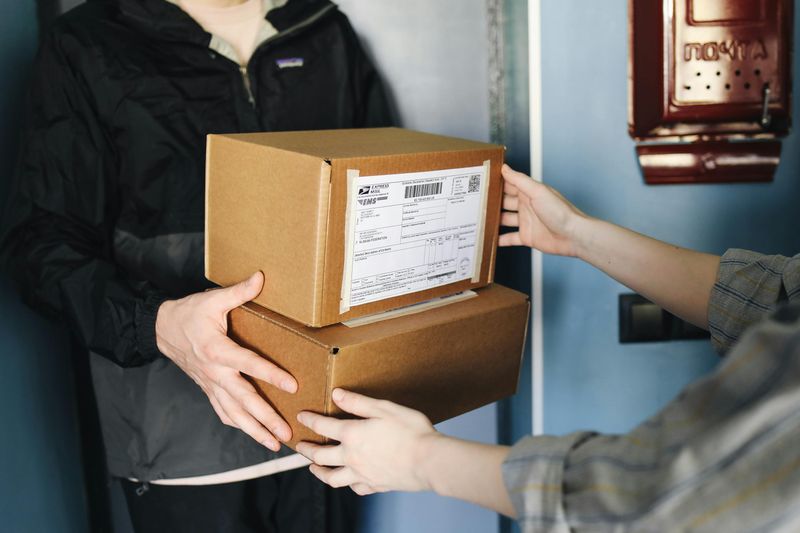
Waiting for something you ordered online can feel almost as good as receiving it.
That countdown to delivery day creates a steady drip of excitement that stretches your happiness out over days.
Psychologists call this “anticipatory pleasure,” and it is a genuine mood booster.
Tracking your package, imagining how you will use your new item, and planning where it will go in your room all feed into this enjoyable mental preview.
It keeps your mind occupied with something positive.
Interestingly, research suggests that the anticipation of a reward sometimes produces more happiness than the reward itself.
So the wait is not just something to endure.
It is actually part of the experience.
9. Sales and Deals Trigger a Winning Feeling
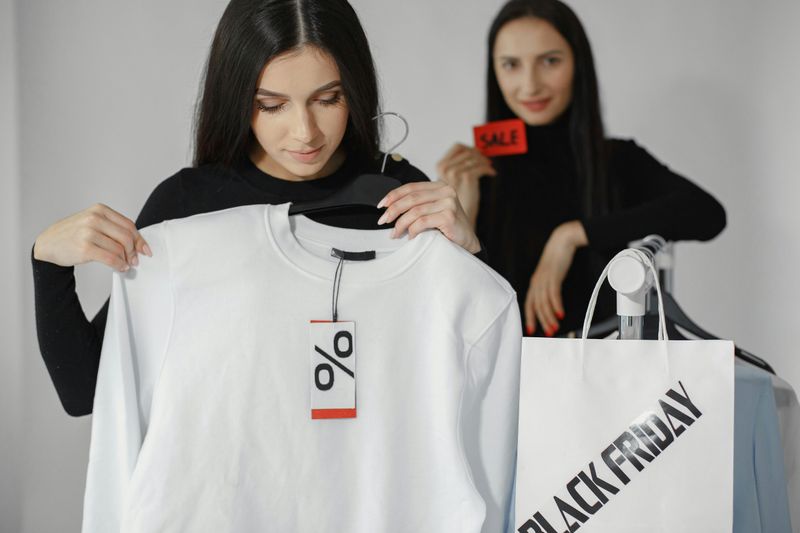
Finding something on sale does not just save money.
It makes you feel smart, strategic, and victorious.
That sense of winning a deal activates the brain’s reward circuitry in a surprisingly powerful way.
Bargain hunting taps into a competitive instinct most of us did not even know we had.
Retailers capitalize on this with flash sales, countdown timers, and limited-stock alerts.
These tactics create urgency that makes grabbing a deal feel like an achievement worth celebrating.
Even seasoned shoppers admit that spotting a 70% off tag gets their heart racing.
There is a genuine thrill in paying less than the listed price, and that thrill is a big reason people keep coming back to shop.
10. Shopping Helps People Express Their Identity

What you wear, decorate your home with, and carry in your bag all say something about who you are.
Shopping is one of the most accessible ways people communicate their personality, values, and taste to the world around them.
It is a creative form of self-expression.
Choosing a bold graphic tee, a quirky lamp, or a reusable tote with a message you believe in all feel like small but meaningful declarations of identity.
These choices matter deeply to people.
In a world where fitting in and standing out are both important, shopping gives individuals the tools to craft their own unique image.
That ability to define yourself through your choices is incredibly satisfying.
11. Boredom Turns Browsing Into Buying
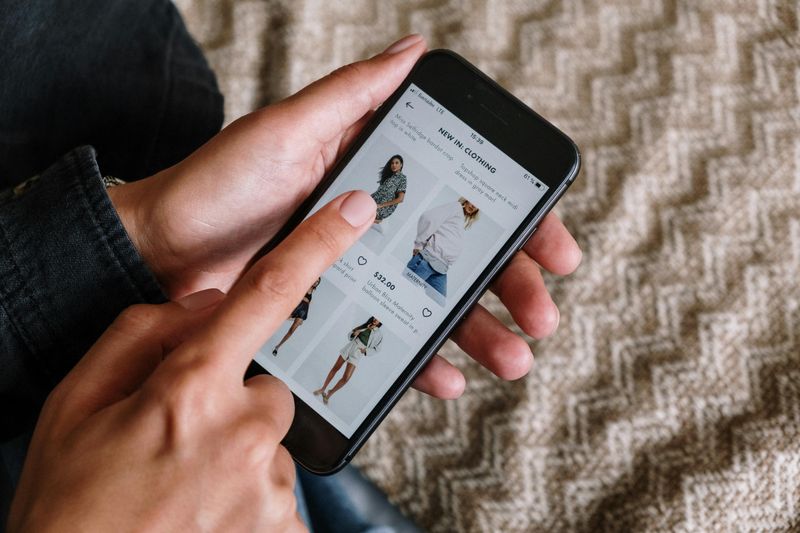
Boredom is one of the sneakiest triggers behind retail therapy.
When there is nothing exciting happening, the mind naturally searches for stimulation.
Opening a shopping app is quick, colorful, and instantly engaging in a way that an empty afternoon rarely is.
Browsing through new arrivals, reading product reviews, and adding things to a wishlist all provide low-effort entertainment.
Before long, a casual scroll turns into a full checkout session.
Retailers know this well and design their apps to be as engaging as possible.
Infinite scroll, personalized recommendations, and eye-catching visuals are all engineered to hold attention and keep boredom shoppers coming back for just one more look.
Comments
Loading…