
 Harper Hall
When someone younger dismisses you with an eye roll or a snarky comment, having the perfect response ready can turn the whole conversation around.
Baby Boomers have decades of experience handling difficult situations with grace and wit.
These classic comebacks blend humor, wisdom, and just the right amount of sass to address rude remarks while keeping your dignity intact.
1. I’m Not Old, I’m a Classic

Vintage cars become more valuable with age, and so do people with experience.
When someone calls you old, this comeback reframes the conversation entirely.
You’re not outdated—you’re timeless, like a classic song that never gets old.
This response works because it shows confidence without being mean.
Instead of getting defensive, you’re owning your age with pride.
Young people respect confidence, even when they’re trying to be rude.
The beauty of this comeback lies in its simplicity.
It’s short, memorable, and impossible to argue against.
Plus, it often makes the other person smile, which can defuse tension quickly and end the conflict.
2. I’d Agree With You, But Then We’d Both Be Wrong

Sometimes the best way to handle ignorance is with logic wrapped in humor.
This comeback doesn’t attack the person directly—it points out the flaw in their thinking.
When someone makes an unfair judgment about your generation, this response challenges them without losing your cool.
What makes this line effective is its clever construction.
You’re acknowledging their opinion while simultaneously dismissing it.
The humor softens the blow, but the message is crystal clear: they’re mistaken, and you know it.
Young people often expect older adults to get flustered or angry.
Instead, you’re staying calm and witty.
This unexpected response catches them off guard and often leaves them speechless, exactly as intended.
3. I’m Not Old, I’m Just Well-Seasoned

Chefs know that the right seasoning makes all the difference in a great meal.
Experience works the same way in life.
When you describe yourself as well-seasoned, you’re comparing your life experience to something valuable and essential, not something past its prime.
This comeback uses a food metaphor that everyone understands.
Nobody wants bland food, just like nobody should dismiss the wisdom that comes with age.
It’s playful enough to make people laugh but meaningful enough to make your point stick.
The phrase also implies that you’ve lived through enough to handle whatever comes your way.
Young people might have energy, but you’ve got perspective.
That’s not something to apologize for—it’s something to celebrate with pride.
4. I’d Explain, But It Looks Like You’re Already Struggling

Ever notice how some people talk before they think?
This comeback addresses that exact problem with surgical precision.
When someone is being rude without understanding the situation, you’re pointing out their confusion while maintaining the high ground.
The genius here is that you’re not actually being mean—you’re making an observation.
If they’re struggling to understand basic respect, explaining complex ideas probably won’t help anyway.
This response protects your energy while making them reconsider their approach.
What really makes this work is the calm delivery.
Say it with a slight smile and watch the realization dawn on their face.
They came looking for a fight and found someone who won’t play that game.
5. Respect Your Elders—We Outvoted You

Democracy runs on votes, not attitude.
This comeback reminds younger critics that Baby Boomers still make up a huge portion of the voting population.
When someone dismisses your opinions, you’re reminding them that your voice actually carries significant weight in elections and policy decisions.
The statement combines humor with a dose of political reality.
Whether it’s local elections or national issues, older voters show up consistently.
That civic engagement matters, and this comeback highlights it without being preachy or boring about the topic.
Young people often forget that change happens through participation, not just complaints on social media.
This response encourages them to think about engagement rather than just criticism.
It’s educational and effective all at once.
6. I’ve Forgotten More Than You’ll Ever Know

Experience isn’t something you can download or learn from a quick video tutorial.
When someone questions your knowledge or tries to school you on a topic you’ve lived through, this comeback puts things in perspective.
You’ve accumulated decades of real-world lessons that no amount of internet searching can replace.
This line works brilliantly because it’s not angry or defensive.
Instead, it calmly reminds the other person that there’s a difference between book smarts and life smarts.
The confidence behind these words comes from knowing you’ve actually been there and done that, not just read about it online or heard it secondhand from someone else’s experience.
7. Back in My Day, We Had Manners
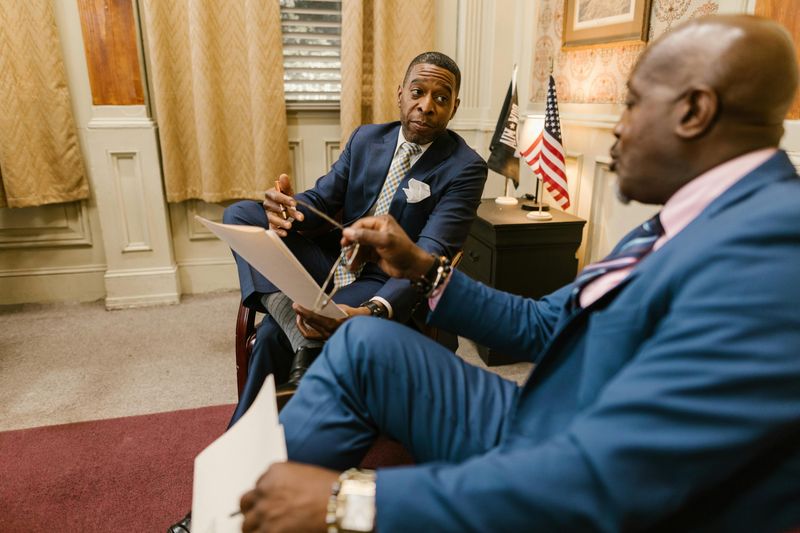
Manners never go out of style, even if some folks seem to think basic courtesy is optional nowadays.
This comeback doesn’t just call out rudeness—it reminds everyone listening that respect used to be standard, not special.
You’re not being old-fashioned; you’re upholding standards that make society function better for everyone involved.
What makes this response effective is its simplicity and truth.
Younger generations might roll their eyes, but deep down, they know politeness matters.
By pointing out the contrast between then and now, you’re highlighting that progress doesn’t mean abandoning common decency or treating others poorly just because you disagree with them about something.
Comments
Loading…