
 Jade Reed
15 Fan-Favorite 2000s Actresses Who Somehow Missed Hollywood’s A-List
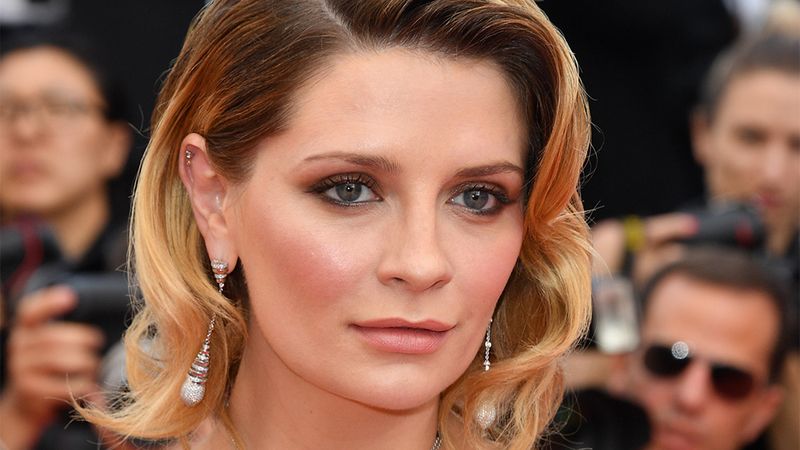
The 2000s gave us some of Hollywood’s most unforgettable faces, but not all of them became the mega-stars everyone expected.
Some actresses dominated screens, landed magazine covers, and built huge fan followings, only to fall short of lasting A-list fame.
Whether it was timing, tough luck, or Hollywood’s unpredictable nature, these talented women left a big impression—even if their careers didn’t reach the heights many thought they would.
1. Elisha Cuthbert
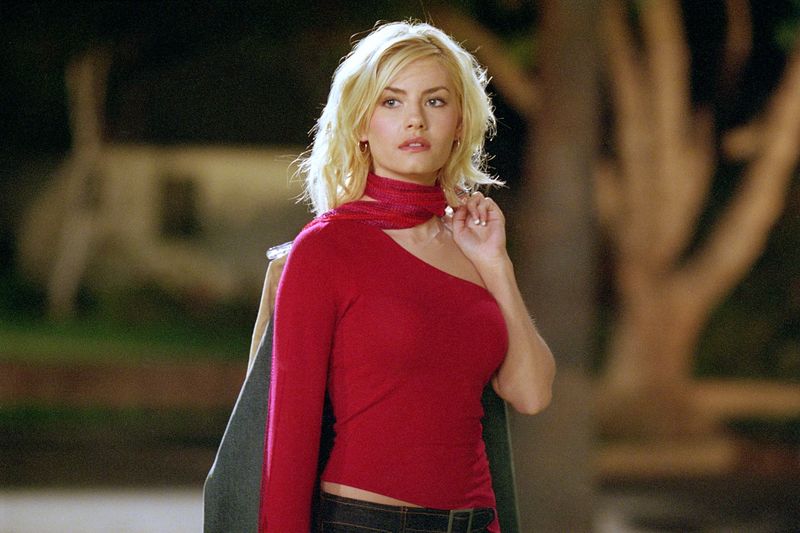
Back in 2002, millions of viewers tuned into 24 every week partly because of one very compelling reason — Kim Bauer.
Elisha Cuthbert turned that role into a pop-culture phenomenon almost overnight.
Her face was everywhere: magazine covers, posters, late-night TV couches.
Then came The Girl Next Door in 2004, which had fans convinced she was about to become the next big rom-com queen.
The buzz was real and loud.
Studios noticed.
Audiences adored her.
Somehow, though, the leading-lady momentum stalled before it truly launched.
Cuthbert remained beloved, but the consistent blockbuster pipeline that seemed inevitable just never arrived.
2. Tara Reid
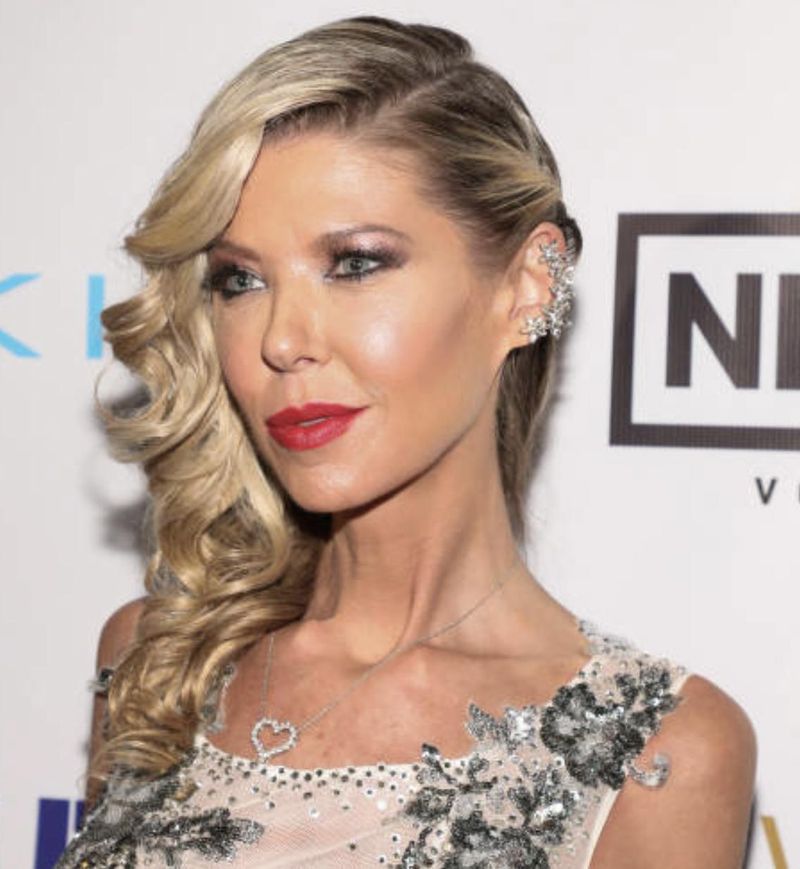
Few names were more synonymous with early-2000s party-girl Hollywood energy than Tara Reid.
She burst onto the scene as Vicky in the original American Pie, bringing charm and comedic timing that made audiences genuinely root for her.
Reid became a fixture on red carpets and in tabloid headlines throughout the decade.
Her recognizability was through the roof, and teen comedy fans treated her like royalty.
Yet consistent blockbuster success kept slipping just out of reach.
The roles that could have elevated her to long-term stardom never quite lined up, leaving a career that shone brightly but briefly at its peak.
3. Shannon Elizabeth
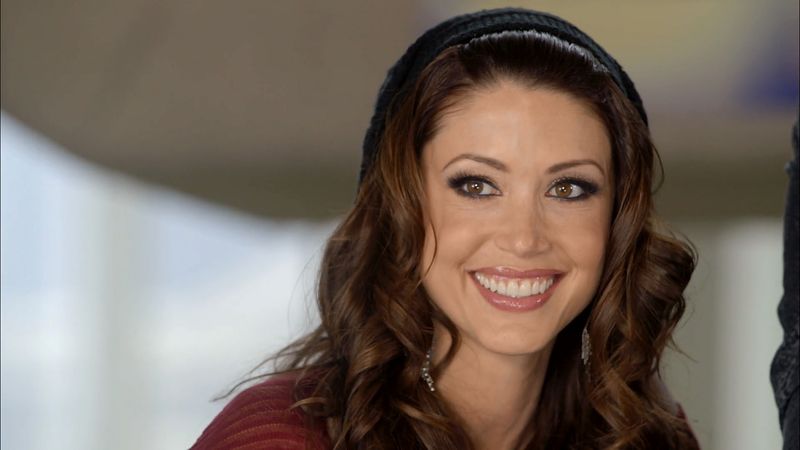
One scene.
That is genuinely all it took for Shannon Elizabeth to become one of the most talked-about actresses of 1999 and well into the 2000s.
Her role as Nadia in American Pie was brief, but the impact was enormous and completely unforgettable.
She followed that breakout with appearances in comedies and genre films, and fans were clearly eager to see more of her on screen.
The goodwill was there.
The audience was there.
What never arrived was a steady stream of major leading roles to match the excitement.
Elizabeth’s post-Pie career remained active but never recaptured that lightning-in-a-bottle cultural moment.
4. Mena Suvari
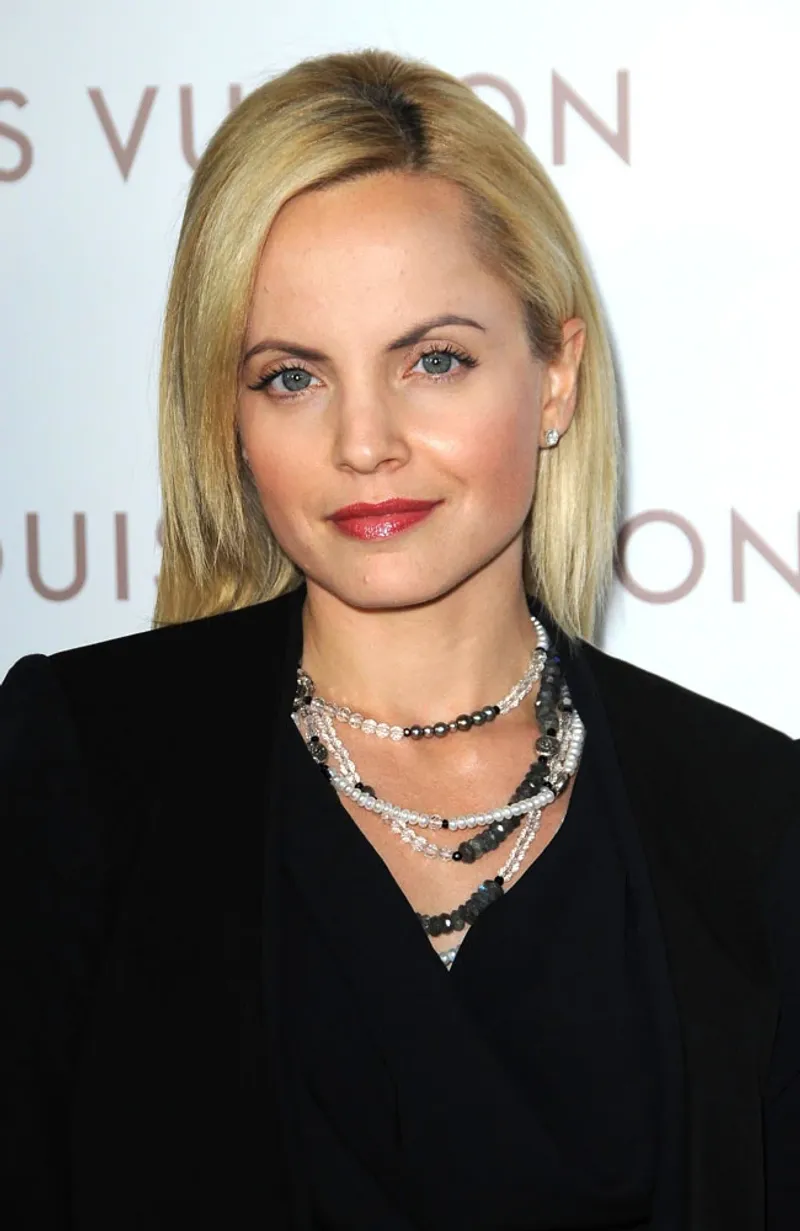
Winning an Oscar-nominated film’s spotlight at just 20 years old is no small thing.
Mena Suvari did exactly that with American Beauty in 1999, earning massive critical praise alongside a cast of Hollywood legends.
That same year, she also appeared in American Pie — a double-hit year that almost never happens.
Superstardom felt like a formality at that point.
Studios were paying attention, and audiences absolutely recognized her talent.
Suvari continued working steadily in both film and television throughout the 2000s and beyond.
Still, the consistent box-office headliner status that her early career suggested never quite materialized the way many expected.
5. Mischa Barton
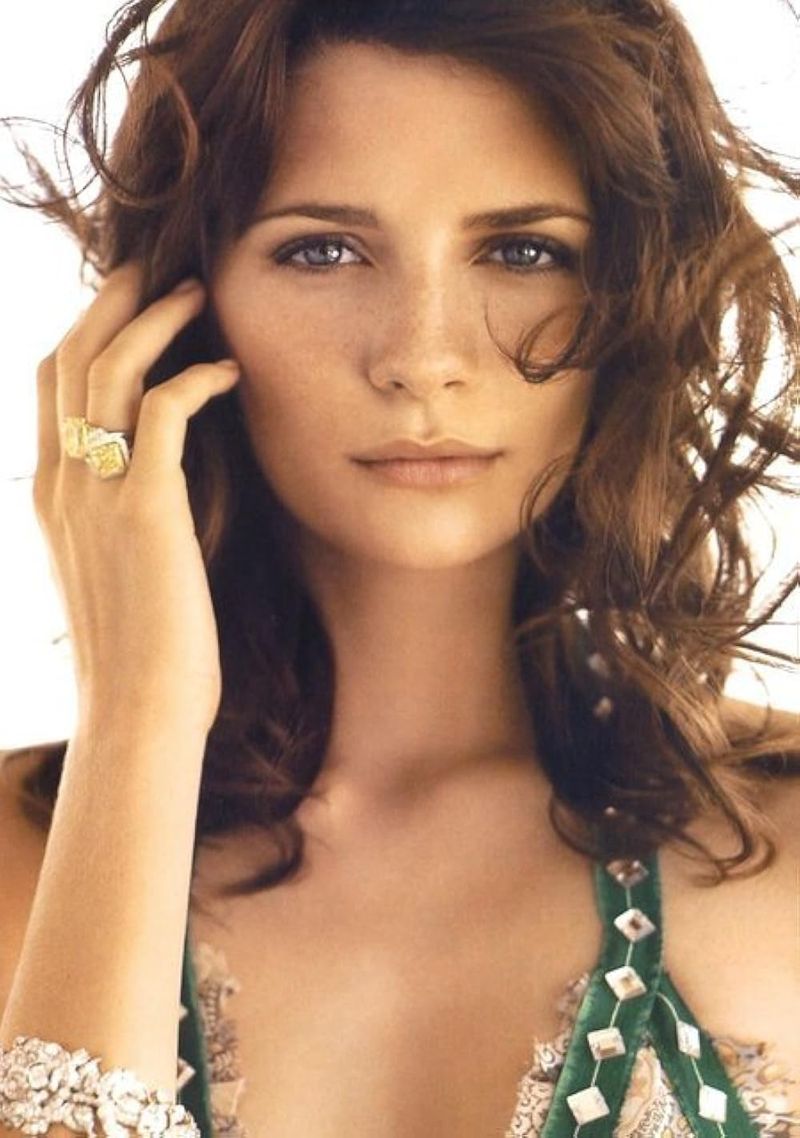
From 2003 to 2006, Mischa Barton was arguably one of the most recognizable young women on the planet.
As Marissa Cooper on The O.C., she became the face of a generation’s favorite teen drama, inspiring fashion trends and landing on nearly every major magazine cover imaginable.
The fashion world embraced her.
Gossip columns followed her every move.
For a while, it genuinely seemed like Hollywood stardom was a done deal.
After The O.C. ended, though, the transition to sustained film success proved surprisingly difficult.
Barton remained a pop-culture touchstone, but consistent leading-role momentum in movies never quite followed the television fame.
6. Rachael Leigh Cook
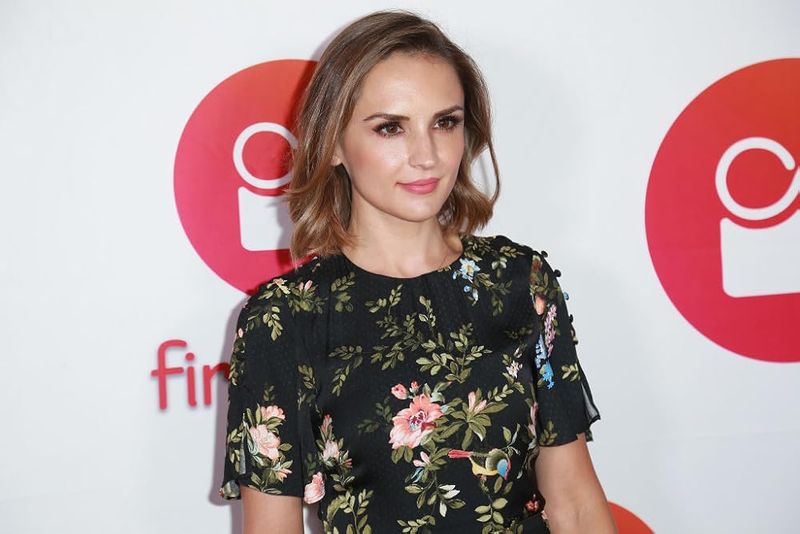
Ask anyone who grew up in the late 1990s about She’s All That, and chances are Rachael Leigh Cook’s name comes up within seconds.
Her transformation scene in that film became one of the defining pop-culture moments of an entire generation of teen moviegoers.
Cook had the look, the talent, and the fan base to carry a long career of leading roles.
Early momentum suggested she was absolutely heading in that direction.
Over time, though, major Hollywood productions became less frequent.
She remained a genuinely beloved figure in pop culture, but the pipeline of big studio leading roles gradually thinned out more than anyone anticipated.
7. Eliza Dushku
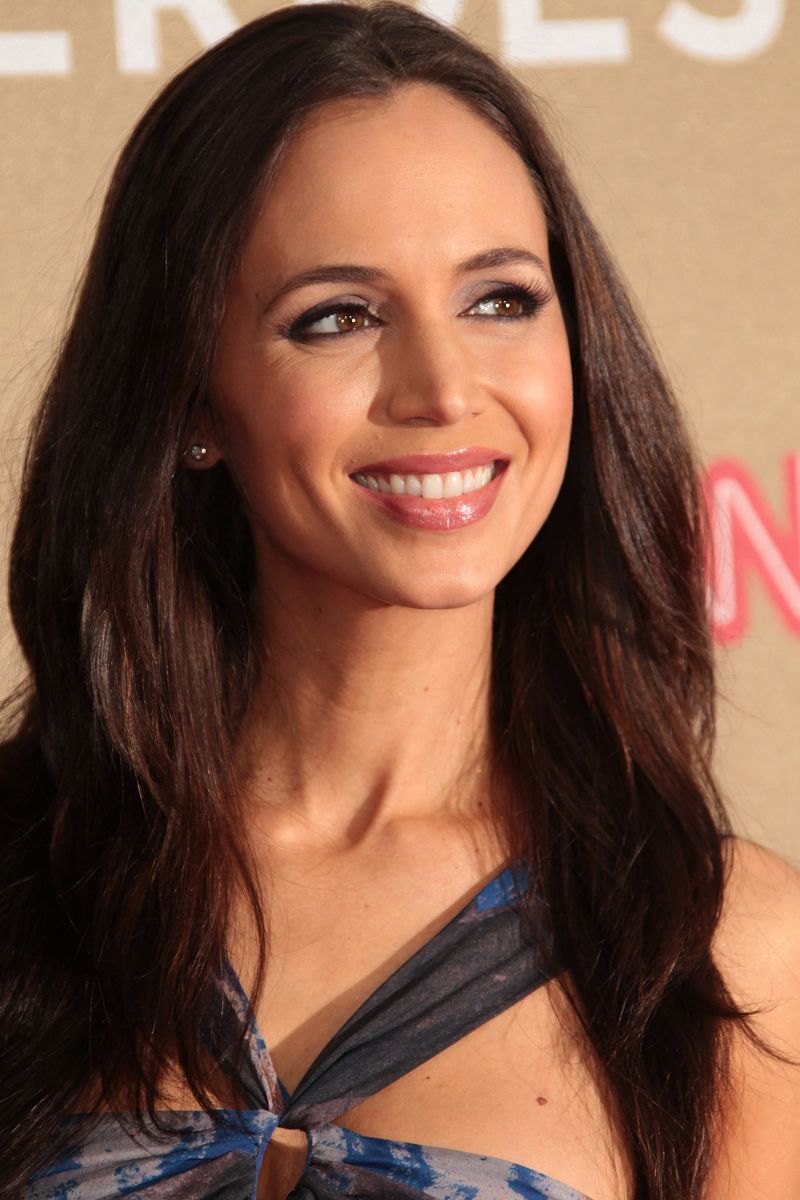
There was something magnetic about Eliza Dushku every single time she appeared on screen.
As Faith in Buffy the Vampire Slayer, she played one of television’s most electrifying antiheroes, building a passionate cult following that still exists today.
Her film work in Bring It On showed she could handle mainstream comedic roles just as confidently as dark dramatic ones.
Versatility was clearly not the problem here.
Mainstream blockbuster stardom, however, never fully clicked into place.
Dushku’s career stayed largely in the cult-favorite lane — deeply respected and genuinely cherished by dedicated fans, but never quite crossing into wide commercial superstardom.
8. Ali Larter
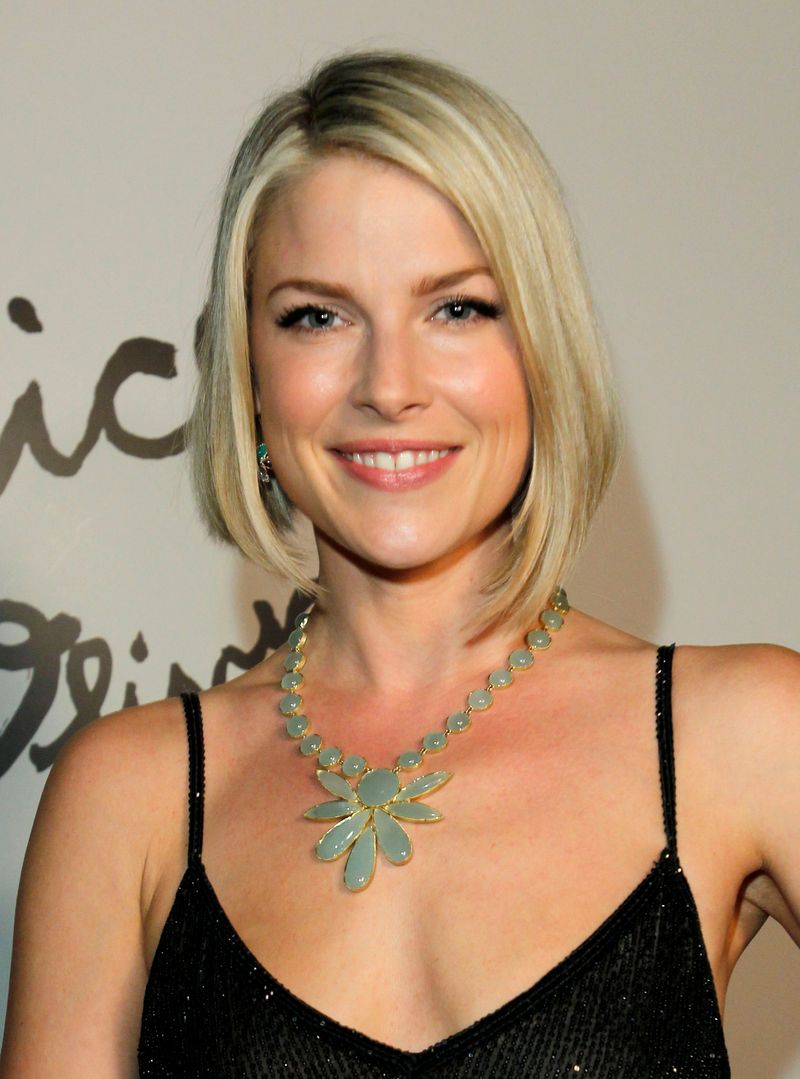
Ali Larter had a knack for showing up in films that people actually remember.
Final Destination, Legally Blonde, and later the NBC hit Heroes — her resume from the 2000s reads like a highlight reel of the decade’s most talked-about projects.
Her screen presence was undeniably striking, and she handled both horror and comedy with genuine ease.
Audiences liked her.
Critics noticed her.
The roles kept coming.
Even so, Larter’s career settled into a recognizable supporting-star zone rather than ascending to undisputed A-list lead territory.
She was always someone you were glad to see on screen, but rarely the name above the title.
9. Amy Smart
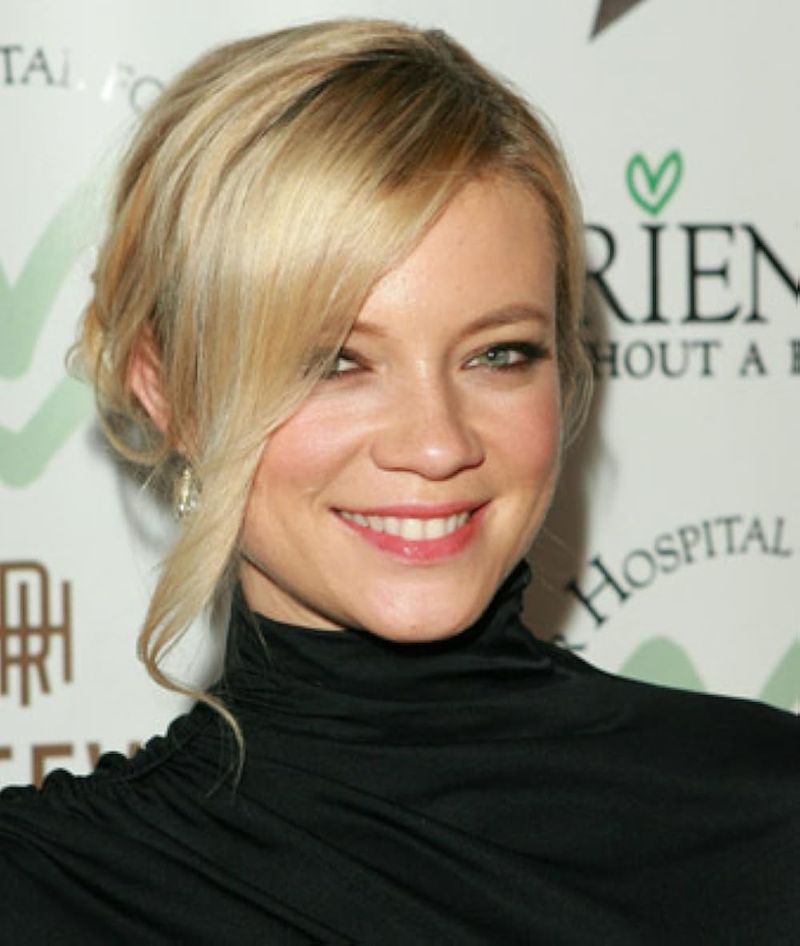
Mention Road Trip, Varsity Blues, or the adrenaline-fueled thriller Crank, and Amy Smart’s name deserves to come up in every single conversation.
She was a constant, reliable presence throughout the 2000s, jumping between genres with an effortless, easygoing quality that made her fun to watch.
Smart had real comedic instincts and could anchor an action sequence without breaking a sweat.
That kind of range should have opened more doors.
Despite staying visible throughout the decade, she rarely found herself at the center of major studio productions.
Smart was always a welcome addition to any cast — just not usually the one carrying the whole film.
10. Jordana Brewster
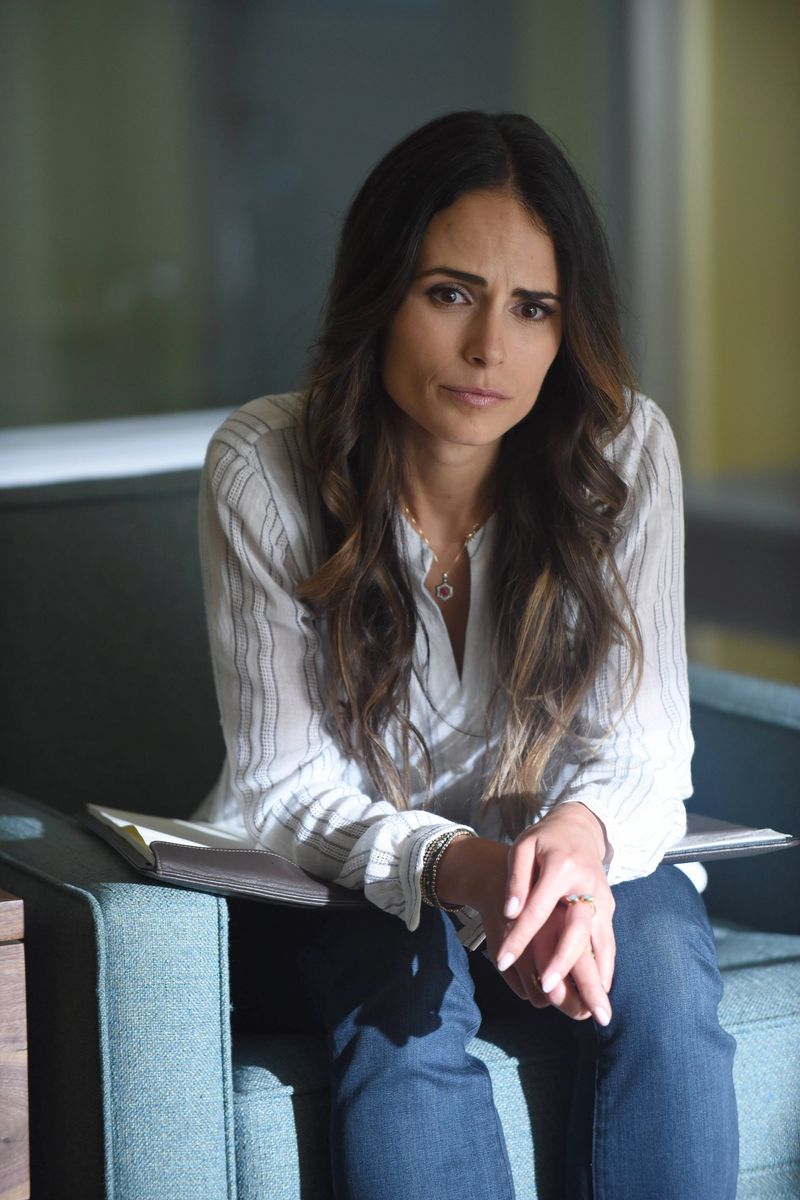
Getting cast in one of Hollywood’s most successful action franchises seems like the fast lane to permanent A-list status.
When Jordana Brewster stepped into The Fast and the Furious as Mia Toretto in 2001, millions of viewers instantly knew her name.
She returned to the franchise repeatedly, earning global recognition that most actors would trade almost anything for.
The exposure was genuinely enormous by any measure.
Still, Brewster largely operated as a supporting pillar within the franchise rather than launching into solo starring vehicles outside of it.
Her talent was never the question — the solo breakout just never happened the way fans expected.
11. Piper Perabo
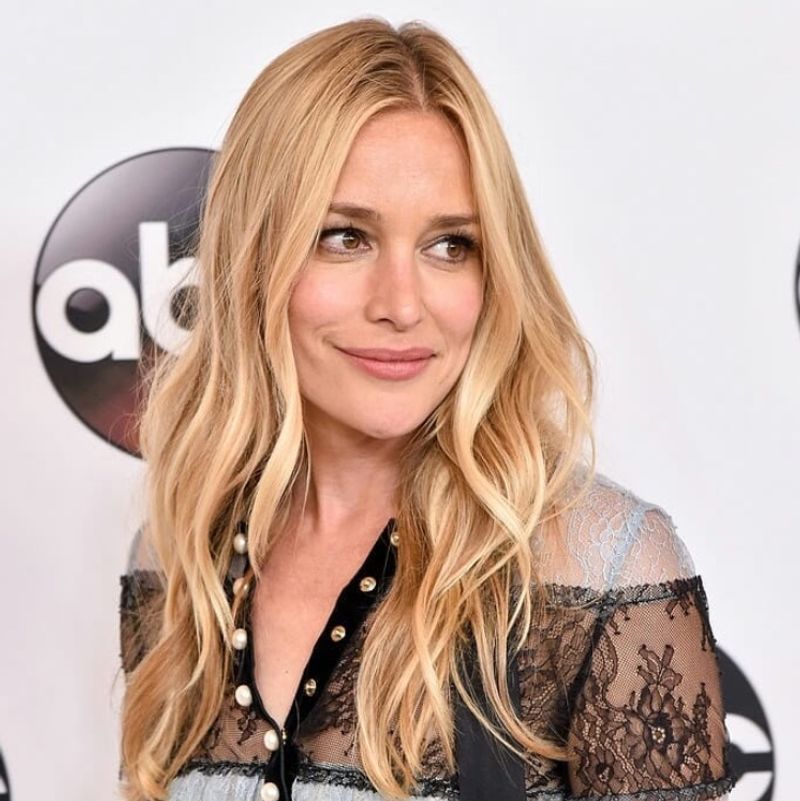
Dancing on a bar in Coyote Ugly turned Piper Perabo into an overnight sensation back in 2000.
The film was a crowd-pleaser, the soundtrack was everywhere, and Perabo’s natural charm made her one of the most talked-about new faces in Hollywood that year.
Studios took notice, and early predictions had her headlining films for years to come.
The energy around her career felt electric and full of genuine promise.
Film stardom, though, proved harder to sustain than anyone expected.
Perabo eventually found steady success with the TV series Covert Affairs, but the movie-star trajectory that Coyote Ugly seemed to guarantee never fully materialized.
12. Maggie Grace
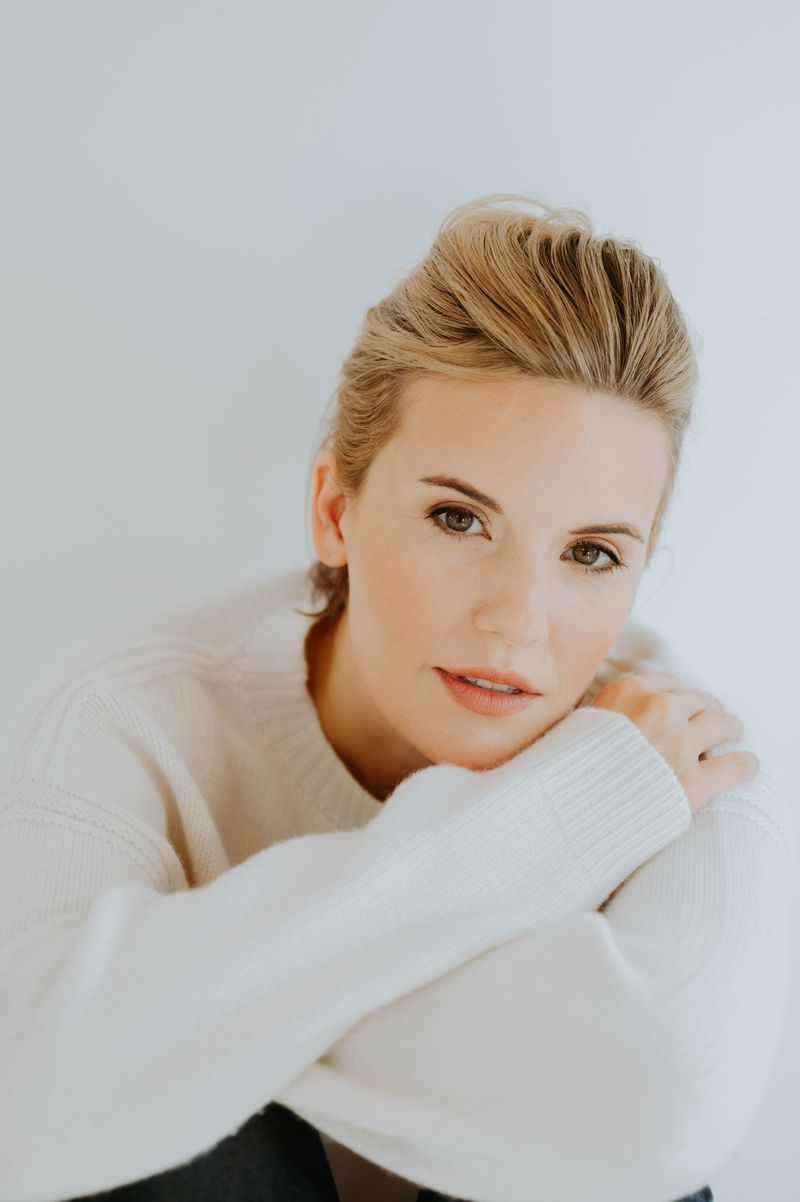
Playing Shannon on Lost introduced Maggie Grace to one of the largest television audiences of the mid-2000s.
The show was a cultural phenomenon, and Grace handled her character’s emotional complexity with impressive skill for such an early career role.
Her later appearances in the Taken films alongside Liam Neeson kept her name in front of mainstream audiences well into the following decade.
The visibility was certainly there.
Despite all of that, Grace rarely found herself anchoring projects on her own terms.
She remained a recognizable and respected presence in Hollywood without ever quite stepping into the spotlight as a true leading force.
13. Emmanuelle Chriqui
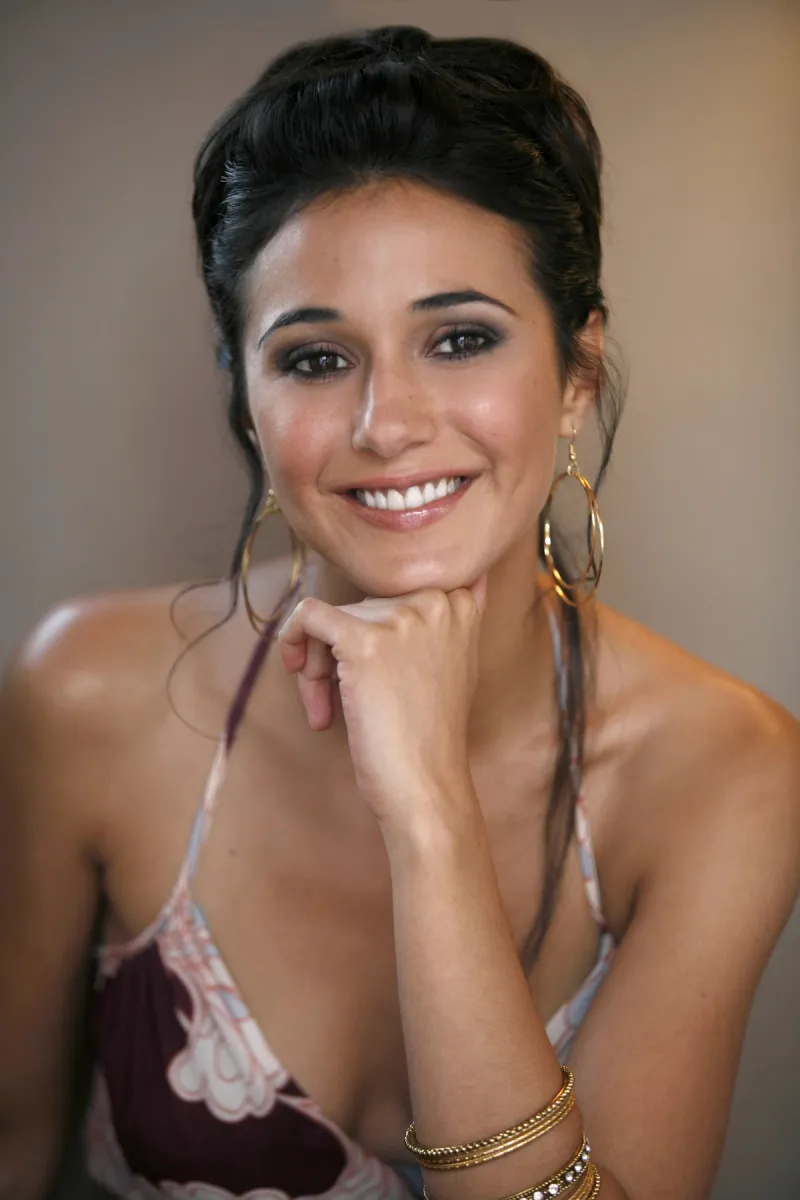
For eight seasons on HBO’s Entourage, Emmanuelle Chriqui played Sloan McQuewick with such effortless elegance that she became one of the show’s most admired characters almost immediately.
Fans were devoted.
The character was aspirational.
Chriqui’s screen presence was genuinely magnetic.
Outside of Entourage, she built a solid resume of film and television appearances that kept her consistently working throughout the decade and beyond.
Leading blockbuster roles, however, remained elusive.
Chriqui was one of those actresses everyone recognized and genuinely liked on screen, yet the industry never quite handed her the solo starring vehicle her fan base was clearly ready to support enthusiastically.
14. Camilla Belle
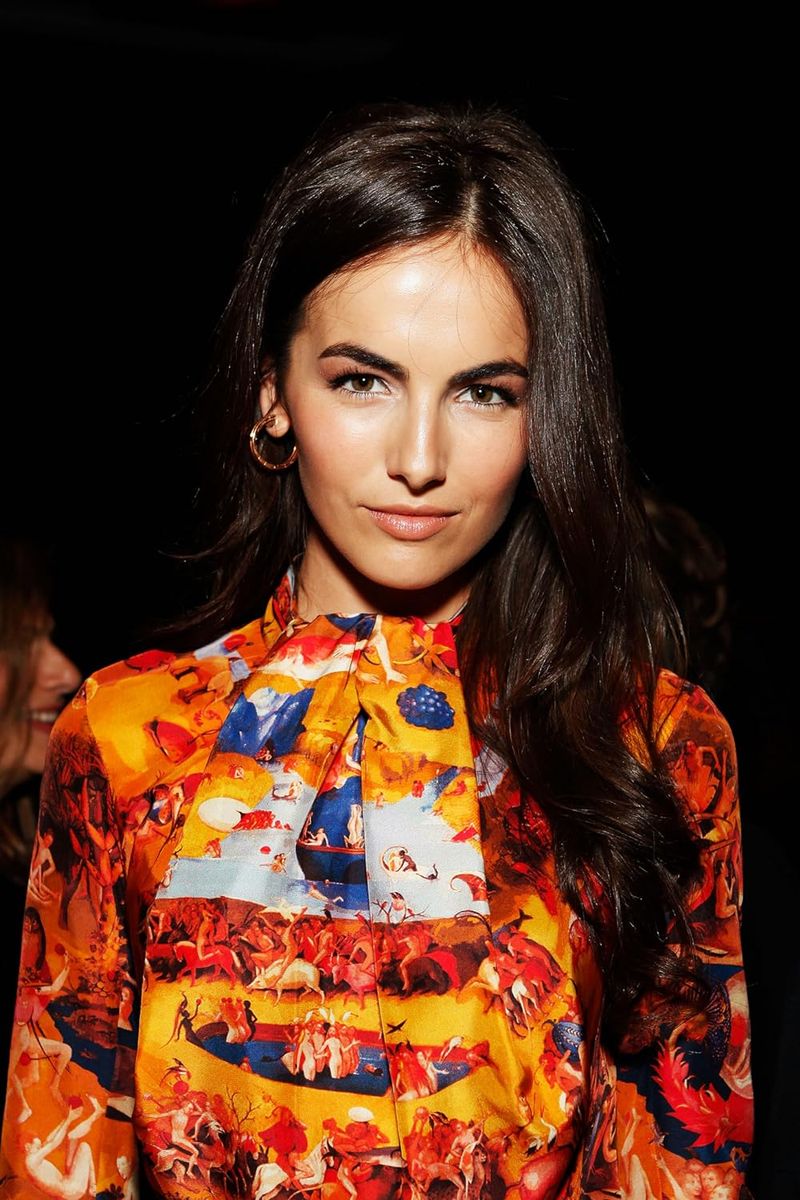
Striking is almost too small a word for Camilla Belle’s on-screen presence.
When she appeared in the remake of When a Stranger Calls and then the prehistoric epic 10,000 BC, audiences took immediate notice of the young actress with the unforgettable look and quiet intensity.
High-profile projects gave her real visibility, and early career momentum suggested she was absolutely one to watch going forward.
A consistent run of A-list opportunities, though, never quite followed those splashy early films.
Belle remained a recognizable face with genuine admirers in Hollywood, but the breakout moment that would have cemented her as a true leading force never fully arrived.
15. Leelee Sobieski
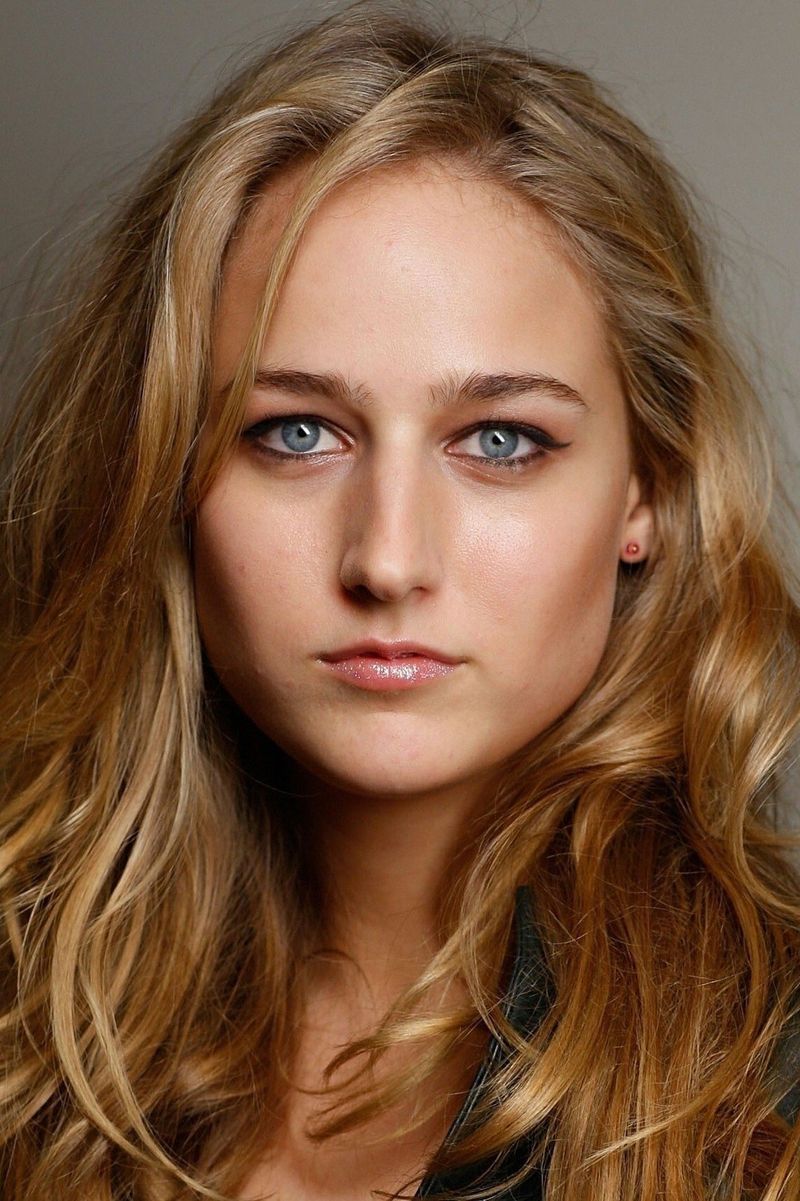
Critics were genuinely excited about Leelee Sobieski in the early 2000s, and it was easy to understand why.
Her work in thrillers like Joy Ride and The Glass House showed a performer with real dramatic depth and a commanding screen presence that felt well beyond her years.
Industry insiders regularly predicted she would become one of Hollywood’s most prominent leading ladies.
The talent was obvious and widely acknowledged by people who knew the business well.
Instead, Sobieski gradually stepped back from the entertainment industry before reaching that predicted peak.
Her early work remains quietly impressive, a reminder of a career that hinted at so much more.
Comments
Loading…