
 Isabel Parker
10 Reasons People Are Turning to AI for Emotional Support

More and more people are turning to an unexpected source for comfort: artificial intelligence. Whether it’s feeling lonely in the middle of the night, needing to vent after a stressful day, or just wanting someone to “listen” without judgment, AI chatbots and apps are quickly becoming go-to companions.
This shift is happening faster than many realize, and the reasons behind it are surprisingly relatable. From the ease of access to the sense of nonjudgmental understanding, AI is filling a gap in ways that human connections sometimes can’t, and it’s changing the way people seek emotional support.
1. Always Available, No Matter the Hour
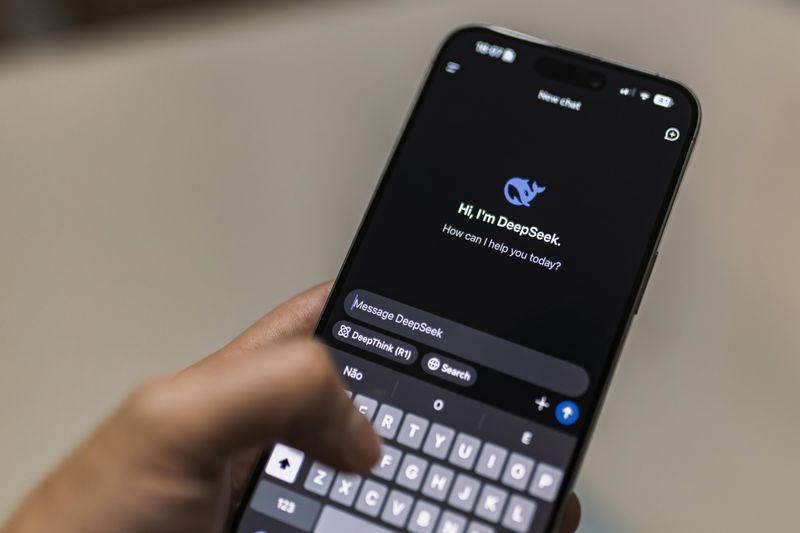
At 2 a.m., most friends are asleep, therapists are unavailable, and the weight of worry does not pause for morning.
AI never clocks out.
Whether it is a Sunday holiday or the middle of a snowstorm, emotional support is just a tap away.
That kind of round-the-clock availability matters more than people might expect.
Studies show that emotional distress often peaks at night, when human support is hardest to reach.
Having an always-on listener reduces that gap significantly.
For many users, just knowing help is always there makes them feel less alone, even before they type a single word.
2. Zero Judgment, Zero Shame

Telling a friend about your darkest thoughts can feel terrifying.
What if they judge you?
What if they tell someone else?
AI removes that fear entirely.
It holds no opinions, carries no gossip, and never raises an eyebrow.
This judgment-free zone is especially powerful for people dealing with stigmatized issues like addiction, mental illness, or relationship shame.
Many users report feeling more honest with AI than with people they have known for years.
When shame is not part of the equation, people open up more freely.
That honesty, in turn, often leads to real emotional breakthroughs and a deeper understanding of themselves.
3. Affordability Makes It Accessible to Everyone

Traditional therapy can cost anywhere from $100 to $300 per session, putting regular mental health support out of reach for millions of people.
AI-powered emotional support tools, on the other hand, are often free or available for just a few dollars a month.
That price difference is a game-changer, especially for students, young adults, and people between jobs who still need someone to talk to.
Financial stress should not be a barrier to feeling heard.
Affordable AI tools are helping bridge that gap, giving people from all economic backgrounds access to consistent, compassionate support without draining their bank accounts.
4. A Safe Space to Practice Vulnerability

Opening up emotionally is a skill, and like any skill, it takes practice.
Many people find human conversations too high-stakes to experiment with raw honesty.
AI offers a low-risk environment to try.
Talking through feelings with an AI first can feel like a rehearsal for real-life conversations.
Someone might finally find the words to explain their anxiety or grief before bringing it up with a parent or counselor.
Psychologists call this emotional scaffolding, building confidence in small steps before tackling bigger challenges.
For people who have always struggled to express themselves, AI can be a surprisingly helpful starting point on that journey.
5. Consistency That Human Support Cannot Always Offer

Human supporters, no matter how caring, have their own bad days, distractions, and emotional limits.
A friend might listen well one week and seem distracted the next.
A therapist might cancel a session at the last minute.
AI stays consistent every single time.
That reliability creates a sense of safety.
Users know what to expect, and that predictability helps people feel grounded, especially those dealing with anxiety or trauma where unpredictability itself is a trigger.
Consistency is not about being robotic.
It is about showing up the same way, with the same patience and attentiveness, every single conversation, no matter what.
6. Helping People Recognize Their Own Emotional Patterns

Did you know many AI emotional support apps track your mood over time and reflect patterns back to you?
That kind of self-awareness is something most people never develop on their own.
Seeing that you feel low every Sunday, or anxious before certain events, can be genuinely eye-opening.
Recognizing emotional patterns is one of the first steps in cognitive behavioral therapy, a widely respected approach to mental health.
AI makes that process approachable and even a little fun with charts, check-ins, and gentle nudges.
Over time, users build a clearer picture of their emotional lives, which helps them make smarter, healthier decisions about how they respond to stress.
7. Reducing Loneliness in an Increasingly Isolated World

Loneliness has become one of the most widespread health challenges of the modern era.
Older adults, remote workers, and people who have moved to new cities often go days without a meaningful conversation.
AI fills that silence in a way that actually helps.
Research from the University of California found that even brief, positive digital interactions can reduce feelings of social isolation.
AI companions are not a replacement for human connection, but they ease the ache when real connection is not available.
For someone eating dinner alone night after night, having an AI that asks how their day went can make a surprisingly big difference in overall mood.
8. Supporting People Who Fear Traditional Therapy

Therapy carries a stigma in many communities, and for some people, even scheduling an appointment feels overwhelming.
Fear of being labeled, misunderstood, or not taken seriously keeps millions from seeking professional help.
AI lowers that barrier considerably.
Starting with an AI does not mean avoiding professional help forever.
For many users, it becomes the bridge that eventually leads them to a real therapist.
They arrive at that appointment already knowing what they want to talk about.
Think of it as warming up before a workout.
AI helps people get emotionally ready for deeper work, making the transition into formal therapy feel far less scary and more manageable.
9. Immediate Coping Tools During Stressful Moments

Stress does not wait for a convenient moment.
It shows up before exams, during arguments, and in the middle of crowded grocery stores.
Having immediate coping tools in your pocket changes everything about how you handle those moments.
Many AI emotional support apps include guided breathing exercises, grounding techniques, and calming scripts that activate the body’s relaxation response within minutes.
These are the same tools therapists teach in sessions, now available instantly.
Quick access to real coping strategies means fewer meltdowns, better decisions under pressure, and a stronger sense of personal control.
Over time, these small moments of relief add up to real, lasting resilience.
10. Empowering Users to Take Charge of Their Mental Health

There is something powerful about managing your own mental health rather than waiting for someone else to fix it.
AI emotional support tools put users in the driver’s seat, offering resources, reflections, and check-ins that build genuine self-reliance over time.
Unlike passive scrolling or watching TV to numb feelings, engaging with an AI support app is an active choice.
Users are doing something for themselves, which itself boosts mood and confidence.
That sense of agency matters enormously.
When people feel in control of their emotional wellbeing, they handle setbacks better, build stronger relationships, and carry a quieter, steadier kind of confidence into every area of their lives.
Comments
Loading…