
 Hailey Watson
If He Still Does These 10 Things, You’re Probably Married to a Manchild

Living with someone who acts more like a teenager than a grown adult can feel exhausting and lonely.
Many women find themselves doing all the heavy lifting in their relationships while their partners avoid basic responsibilities.
If you recognize these patterns in your marriage, you might be dealing with someone who never quite grew up.
1. He Expects You to Be His Mother

Your husband treats you like his personal assistant and caretaker rolled into one.
He waits for you to remind him about appointments, pack his lunch, or find his keys every single morning.
When something needs doing around the house, he somehow never notices until you point it out.
This pattern creates an unfair dynamic where you carry all the mental load.
You’re constantly planning, organizing, and managing his life alongside your own.
He might even get defensive when you ask him to step up, claiming you’re being too demanding.
Real partnership means sharing responsibilities without constant reminders or supervision from one person.
2. Money Disappears on Toys and Hobbies

Financial security takes a backseat to his latest obsession.
Whether it’s gaming gear, sports equipment, or collectibles, he spends without considering the household budget.
Bills might go unpaid while he justifies another expensive purchase as something he “deserves.”
When you bring up money concerns, he gets irritable or dismissive.
He might hide purchases or downplay their cost to avoid confrontation.
Meanwhile, you’re left worrying about rent, groceries, and building any kind of savings for emergencies.
Grown adults understand that wants come after needs are covered.
Shared finances require transparency and mutual agreement on spending priorities.
3. Tantrums Replace Adult Conversations
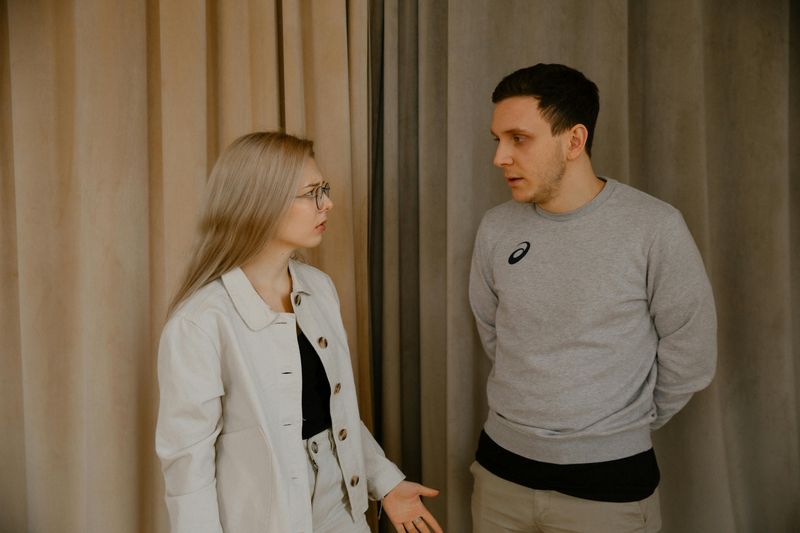
Constructive criticism sends him into emotional meltdown mode.
Instead of discussing problems like an adult, he sulks, yells, or gives you the silent treatment for days.
Any suggestion for improvement gets treated as a personal attack on his character.
These reactions make you walk on eggshells around sensitive topics.
You start avoiding important conversations because dealing with his emotional explosions feels exhausting.
He never learned that feedback helps relationships grow stronger, not weaker.
Healthy partners can hear concerns without falling apart.
They talk through disagreements instead of throwing fits when things get uncomfortable.
4. His Parents Still Run His Life

Mom and dad remain his primary advisors on every decision.
He calls them before discussing major choices with you, from career moves to where you should live.
Their opinions carry more weight than yours, even though you’re his life partner.
Family dinners turn into strategy sessions where his parents weigh in on your marriage.
He might even share private details about your relationship with them, violating your trust.
When conflicts arise, he sides with his parents instead of standing up for you.
Marriage means creating a new primary family unit together.
Parents can offer advice, but couples make final decisions as a team.
5. Promises Mean Nothing

He agrees to plans and responsibilities but rarely follows through.
Commitments get forgotten or pushed aside when something more interesting comes along.
You’ve learned not to count on him because disappointment has become the standard outcome.
When confronted about broken promises, excuses flow freely.
He blames circumstances, other people, or claims he simply forgot.
Taking genuine responsibility never seems to happen, and the pattern continues unchanged month after month.
Reliability forms the foundation of trust in relationships.
Adults keep their word or communicate honestly when circumstances change unexpectedly.
6. Gaming and Partying Come First

Personal entertainment always takes priority over quality time together.
He’ll spend entire weekends gaming with friends online while you handle everything else alone.
Date nights get canceled because his gaming clan scheduled a raid, or he committed to going out drinking with buddies.
You feel like a roommate rather than a romantic partner.
He invests more energy into virtual achievements than building your relationship.
When you express hurt feelings, he accuses you of being controlling or not letting him have fun.
Balance matters in healthy relationships.
Partners make time for both individual interests and nurturing their connection together.
7. Future Planning Doesn’t Exist

Ask him about five-year goals and you’ll get blank stares.
Career advancement, retirement savings, or homeownership never cross his mind because he lives entirely in the present moment.
Long-term planning feels like someone else’s problem to worry about later.
This lack of vision leaves you carrying all the stress about your shared future.
You’re researching investments and career opportunities while he coasts along without ambition.
He seems content with wherever life randomly takes him, showing no drive to build something better.
Mature adults understand that today’s choices shape tomorrow’s reality.
Working toward shared goals strengthens partnerships and creates security.
8. Chores Are Your Problem

Household tasks somehow never make it onto his radar.
Dishes pile up, laundry overflows, and trash needs taking out, but he walks right past it all.
He genuinely doesn’t seem to notice the work required to maintain a functioning home.
When you ask for help, he does the bare minimum or such a poor job that you end up redoing it.
This weaponized incompetence makes you give up and handle everything yourself.
He might occasionally help if nagged repeatedly, but never takes initiative independently.
Sharing a home means sharing the work equally.
Adults don’t need supervision to contribute to their own living space.
9. Emotions Stay at Surface Level

Deep emotional conversations make him visibly uncomfortable.
He deflects with jokes, changes the subject, or shuts down completely when things get serious.
Vulnerability scares him, so he keeps everything light and superficial to avoid uncomfortable feelings.
You can’t share your fears, dreams, or struggles because he doesn’t engage meaningfully.
His emotional range seems limited to happy, angry, or neutral.
This shallow connection leaves you feeling isolated even though you share a life together.
Intimacy requires emotional depth and willingness to be vulnerable.
Partners grow closer by sharing their inner worlds, not just surface-level pleasantries.
10. Excuses Replace Accountability

Nothing is ever truly his fault when problems arise.
External factors, other people, or bad luck always shoulder the blame for his mistakes.
He’s mastered the art of deflection, twisting situations to avoid taking responsibility for his actions or inactions.
This constant excuse-making prevents any real growth or change.
He can’t improve because he won’t acknowledge his role in creating problems.
You feel exhausted trying to get him to own up to even simple mistakes.
Personal growth requires honest self-reflection and accountability.
Mature adults admit mistakes, learn from them, and actively work to do better next time.
Comments
Loading…