
 Chloe Peterson
12 Musicians Rejected by Every Major Label — Before Becoming Legends

Some of the biggest names in music history were once told they weren’t good enough.
Record label executives passed on artists who would later sell millions of albums and fill stadiums around the world.
These rejection stories prove that success often comes to those who refuse to give up, even when every door seems closed.
1. The Beatles
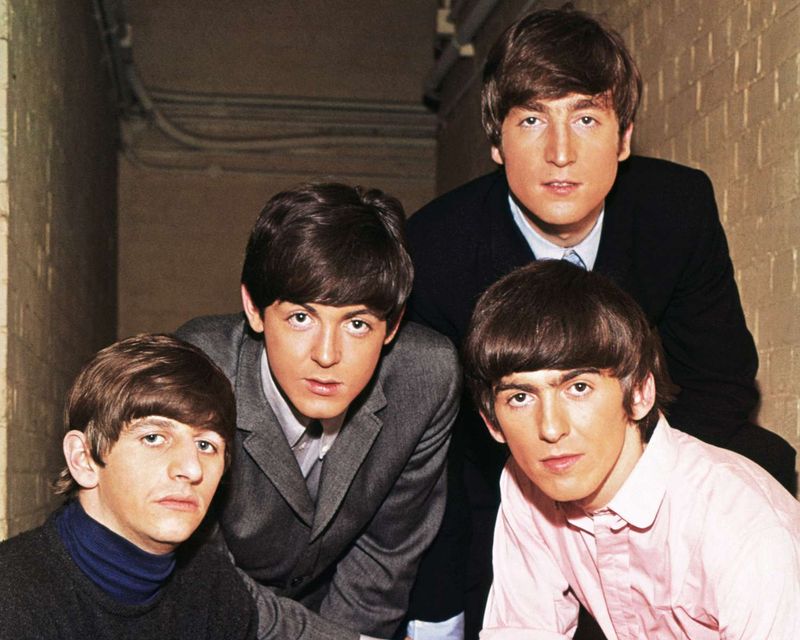
Decca Records made what might be the worst decision in music history when they rejected The Beatles in 1962.
The executive famously declared that guitar music was on the way out and they simply didn’t like the band’s sound.
Can you imagine turning down the group that would become the most influential rock band ever?
The Beatles didn’t let this rejection stop them.
They kept performing and improving their craft until EMI’s Parlophone label gave them a chance.
Their determination paid off when they revolutionized popular music and became cultural icons.
This rejection teaches us that even experts can be completely wrong about talent and potential.
2. Madonna
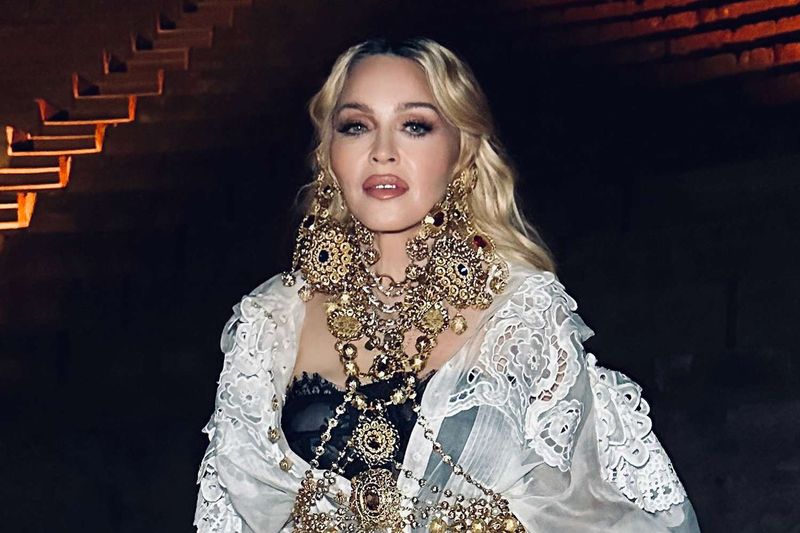
Before becoming the Queen of Pop, Madonna heard “no” from countless record executives in New York City.
One label boss complained that her demo tape didn’t have enough material worth recording.
They couldn’t see the superstar potential right in front of them.
Madonna’s response to rejection was to work even harder on her music and performance skills.
She refused to change her vision or give up on her dreams, even when industry professionals doubted her abilities.
Her persistence transformed her into one of the best-selling female artists of all time, proving that belief in yourself matters more than anyone else’s opinion.
3. Ed Sheeran
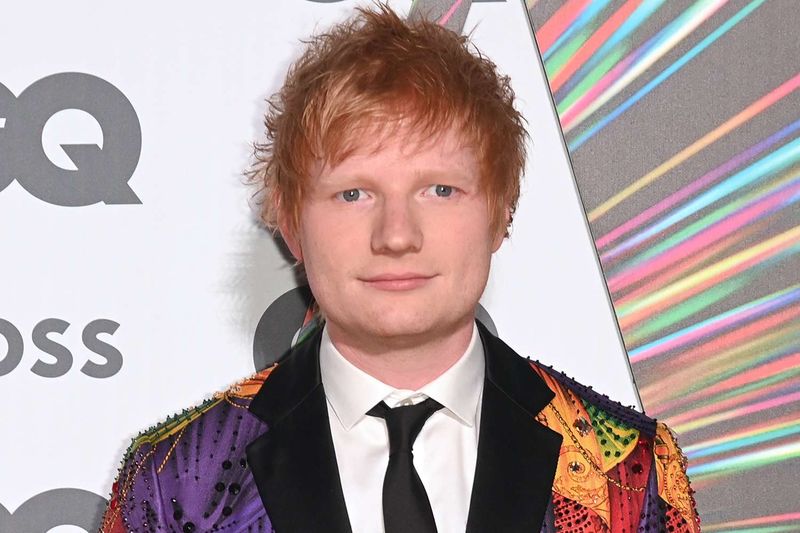
Record label executives didn’t just reject Ed Sheeran’s music—they criticized his appearance.
Some told him he was “slightly chubby and ginger,” which they believed would hurt his marketability.
These shallow judgments almost prevented one of today’s biggest stars from getting his start.
Sheeran responded by focusing on what he could control: his songwriting and live performances.
He built a massive following by playing small venues and sharing his music online, bypassing the traditional label system entirely.
His success shows that talent and hard work can overcome superficial industry standards and create a devoted global fanbase.
4. Lady Gaga
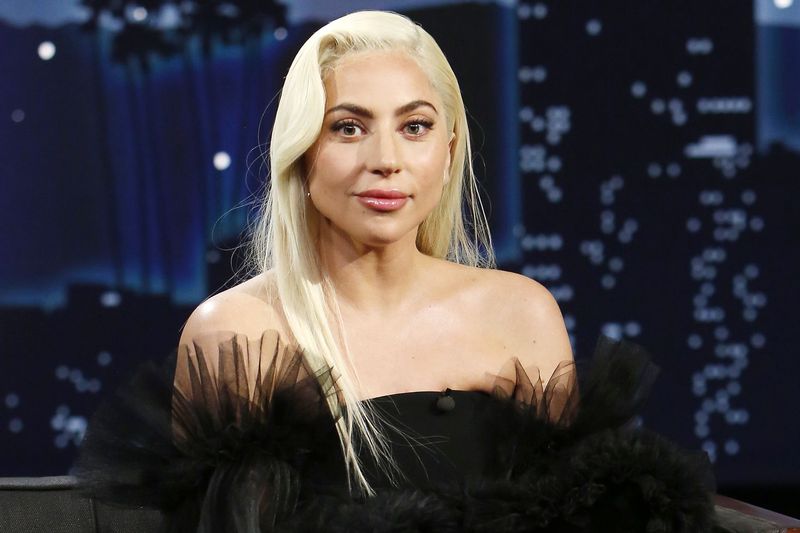
Getting signed to a major label should be a dream come true, but Lady Gaga’s experience with Def Jam Records turned into a nightmare.
The label dropped her before she could release a single song, cutting her career short before it even started.
L.A.
Reid, who ran Def Jam at the time, later admitted this was the biggest mistake of his entire professional life.
He couldn’t recognize the innovative artist who would later win multiple Grammy Awards and sell millions of records worldwide.
Gaga’s resilience after this devastating setback led her to create groundbreaking music that changed pop culture forever.
5. Kanye West
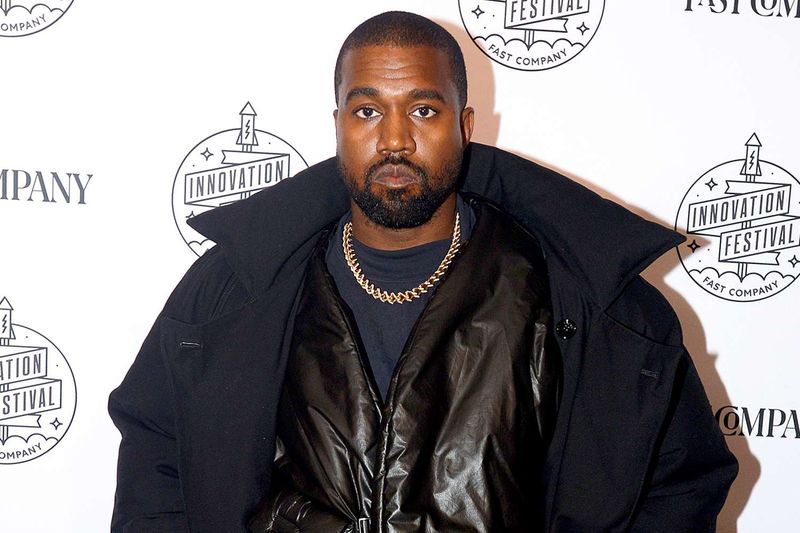
Industry executives saw Kanye West as just a producer, not a solo artist worthy of his own record deal.
They told him to stay behind the scenes and make beats for other rappers instead of pursuing his own music career.
This narrow view almost prevented one of hip-hop’s most influential voices from emerging.
West’s confidence in his abilities never wavered despite the constant rejections.
He knew he had something special to offer as a rapper and songwriter, not just as a producer for other artists.
His eventual breakthrough proved that artists shouldn’t let others define their potential or limit their creative ambitions.
6. Elvis Presley
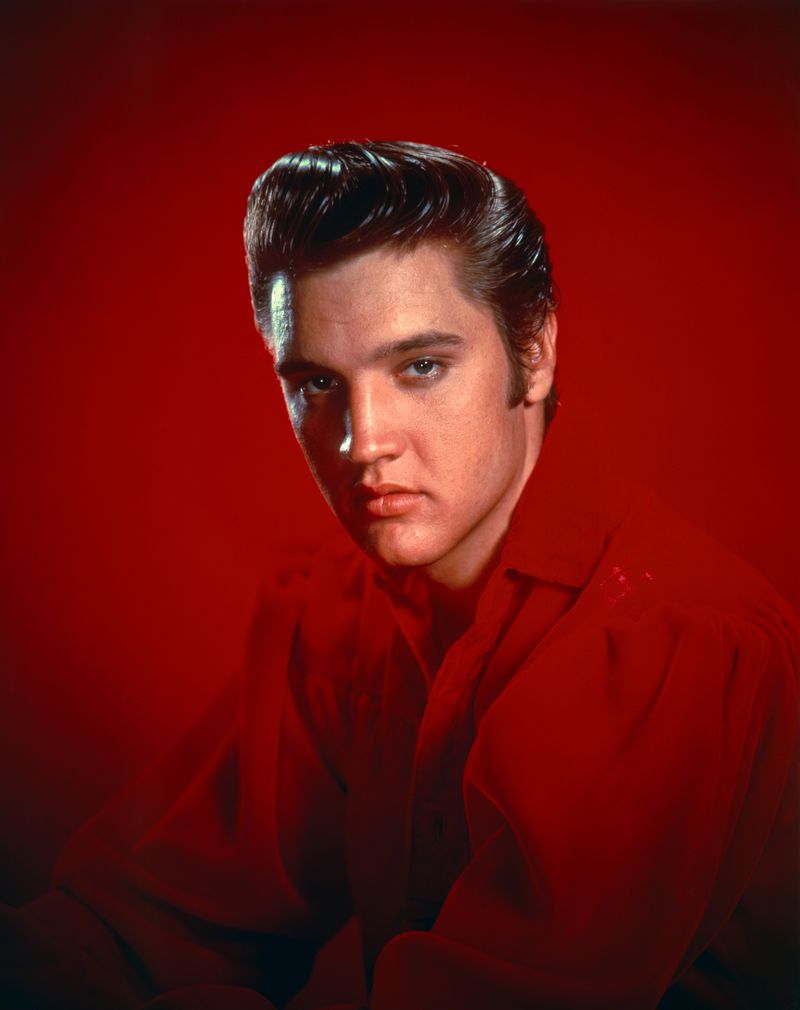
The King of Rock and Roll was told he should stick to driving trucks instead of singing.
After Elvis Presley performed at the Grand Ole Opry, the manager suggested he return to his day job because his unique style didn’t fit their traditional country music format.
Multiple labels turned down the young singer from Mississippi, unable to understand his revolutionary blend of country, blues, and gospel music.
They couldn’t imagine that this new sound would transform American popular music forever.
Presley’s rejection story reminds us that truly innovative artists often face resistance from those who prefer safe, familiar choices.
7. U2

Every major British record label rejected U2 when they were starting out in Dublin.
The band sent demo tapes across the Irish Sea, hoping for their big break, but received rejection letters in return.
Industry professionals couldn’t hear the potential in their sound.
U2 decided to build their reputation through relentless touring and connecting directly with fans.
This grassroots approach eventually caught the attention of Island Records, who took a chance on the Irish rockers.
Their journey from rejected unknowns to stadium-filling legends shows the power of persistence and believing in your artistic vision when others don’t.
8. Katy Perry

Before “I Kissed a Girl” made her famous, Katy Perry experienced crushing disappointment when three different record labels signed and then dropped her.
Imagine getting your dream three times, only to have it snatched away before you could release music.
These repeated rejections would have ended many careers, but Perry kept writing songs and performing.
She refused to let the music industry’s fickleness destroy her confidence or her passion for creating pop music.
Her eventual massive success, including multiple number-one hits and sold-out world tours, proved that persistence through multiple setbacks can lead to extraordinary achievements.
9. Jay-Z
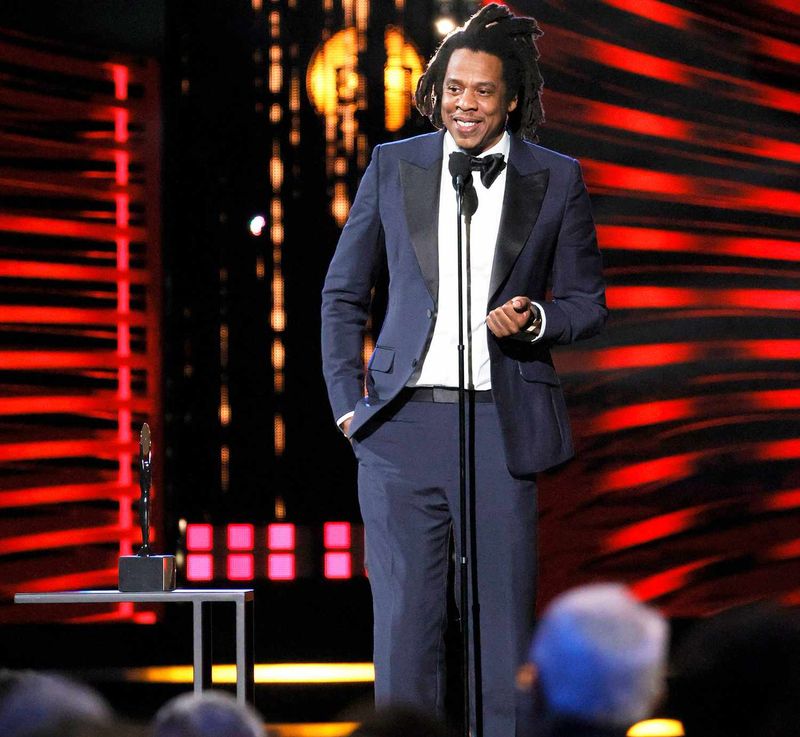
Shawn Carter, better known as Jay-Z, couldn’t get a single record label to sign him in the early 1990s.
Instead of giving up, he made a bold move that changed hip-hop history: he created his own label, Roc-A-Fella Records, to release his music independently.
This rejection forced Jay-Z to become not just an artist but also a businessman.
He learned to control his own career and build an empire rather than waiting for someone else’s approval.
Today, he’s one of the wealthiest musicians in the world, proving that rejection can sometimes be the best thing that happens to your career.
10. Taylor Swift
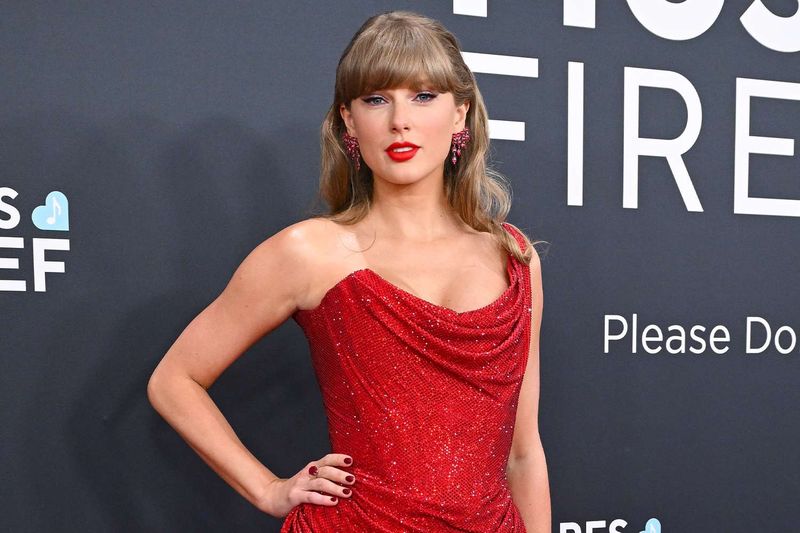
Nashville record labels told teenage Taylor Swift she was too young and her songwriting wasn’t strong enough for a record deal.
The country music capital didn’t believe a teenager could write songs that would connect with audiences across generations.
Swift’s parents supported her dreams by moving to Nashville so she could pursue music full-time.
She continued writing songs and performing at local venues until Big Machine Records recognized her talent and took a chance.
Her transformation into one of music’s biggest stars shows that age shouldn’t limit artistic ambition or determine someone’s readiness for success.
11. Jimi Hendrix
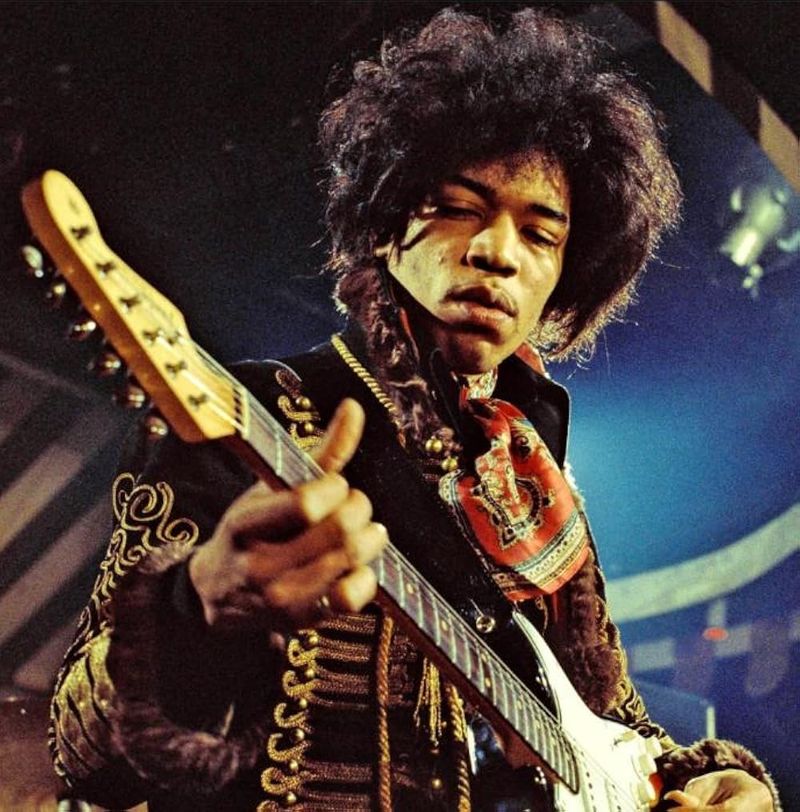
American record labels completely overlooked Jimi Hendrix, one of the greatest guitarists who ever lived.
He had to move to London and build his reputation in England before American companies would even consider signing him to a recording contract.
British audiences immediately recognized Hendrix’s revolutionary guitar playing and stage presence.
His success overseas forced American labels to reconsider their earlier rejection and finally offer him the opportunities he deserved.
This international journey to success demonstrates that sometimes you need to look beyond your hometown or country to find people who appreciate your unique talents.
12. Beyoncé

After Destiny’s Child disbanded, some record executives doubted whether Beyoncé could succeed as a solo artist.
They questioned if she had enough star power to carry an album without her group members supporting her on stage and in recordings.
Beyoncé answered these doubts by working tirelessly on her debut solo album and delivering unforgettable performances.
She proved that her talent, work ethic, and vision were more than enough to build a legendary solo career.
Her journey from questioned group member to global superstar shows that you can exceed even the highest expectations when you combine talent with determination.
Comments
Loading…