
 Mila Ross
11 Honest Reasons Having Kids Won’t Save a Broken Relationship
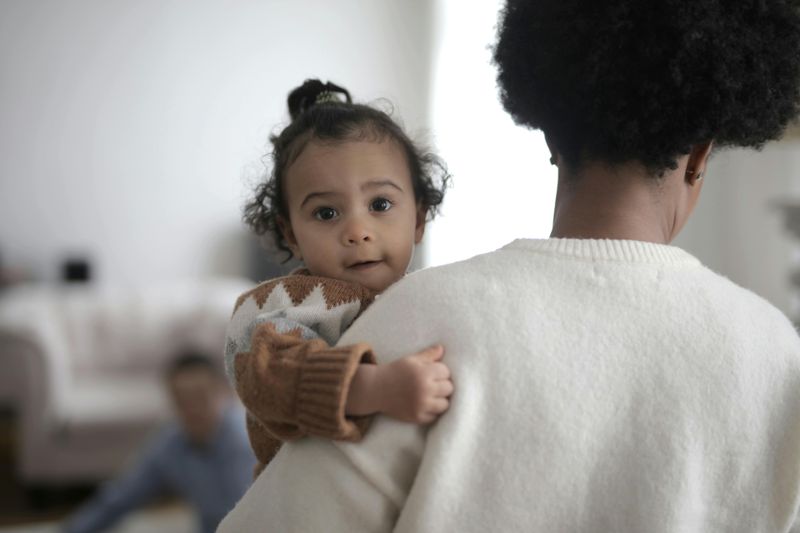
Many couples believe that having a baby will bring them closer together and fix the problems in their relationship.
The truth is, a child adds new responsibilities and pressures that can actually make existing issues worse.
A baby deserves to enter a stable, loving home — not be expected to hold one together.
Understanding why this idea rarely works can help couples make healthier, more honest choices for everyone involved.
1. A Baby Adds Stress, Not Peace

Sleep deprivation alone can push even strong couples to their breaking point.
Newborns need constant feeding, soothing, and attention around the clock — leaving little room for rest, let alone romance or connection.
When both partners are running on empty, small disagreements can quickly turn into big blowups.
The exhaustion magnifies every frustration that already existed before the baby arrived.
Instead of creating peace, the relentless demands of a newborn often shine a spotlight on cracks that were already there.
Stress piles on top of stress, and the relationship can suffer even more than before.
2. Kids Can’t Fix Communication Gaps

Honest communication is one of the hardest skills for any couple to build — and it does not magically appear after a baby is born.
If partners already struggle to talk openly, parenting will create even more topics to argue about.
Who handles nighttime feedings?
How strict should discipline be?
Who takes time off work?
Every parenting decision becomes a potential battleground when communication is already broken.
Bringing a child into the mix does not hand couples a new set of relationship tools.
The gaps that existed before will still be there, often wider and harder to bridge than ever.
3. Emotional Needs Still Remain Unmet
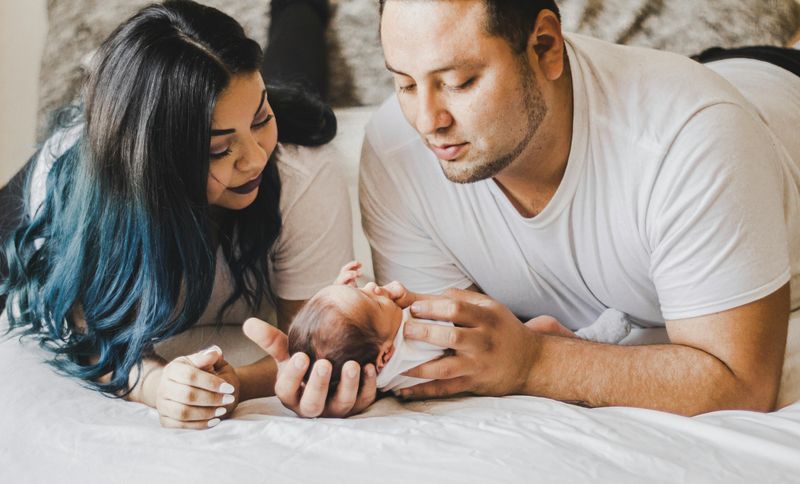
Feeling truly seen and valued by your partner is one of the deepest needs in any relationship.
A baby, no matter how loved, simply cannot fill that emotional space between two adults.
Once a child arrives, most attention naturally shifts toward the newborn.
That shift is necessary and right — but when emotional disconnection already exists, one or both partners can begin to feel invisible or forgotten.
Loneliness inside a relationship is one of the most painful experiences a person can have.
Without addressing the emotional gap directly, resentment can quietly build while the couple drifts further apart over time.
4. Resentment Can Quietly Grow

Resentment rarely announces itself loudly.
More often, it creeps in slowly through unspoken frustrations, unequal workloads, and unmet expectations that pile up day after day.
When one partner feels like they are carrying most of the parenting and household responsibilities, anger starts to simmer beneath the surface.
The other partner may feel criticized or underappreciated, creating a quiet cycle of bitterness on both sides.
Over time, these silent grievances can harden into walls that are incredibly difficult to tear down.
Addressing imbalances early and honestly is the only real way to stop resentment before it quietly destroys what is left of the relationship.
5. Children Sense the Tension

Kids are far more perceptive than most adults realize.
Even toddlers can pick up on the emotional temperature in a room, sensing stress, anger, and emotional distance between their parents without a single word being spoken.
Research consistently shows that children exposed to ongoing conflict at home experience higher levels of anxiety, behavioral issues, and difficulties in school.
The environment they grow up in shapes how they understand relationships for the rest of their lives.
Hoping a child will not notice the tension is wishful thinking.
Children absorb everything around them, and a household filled with unresolved conflict quietly teaches them that this kind of pain is normal.
6. It’s Unfair to the Child
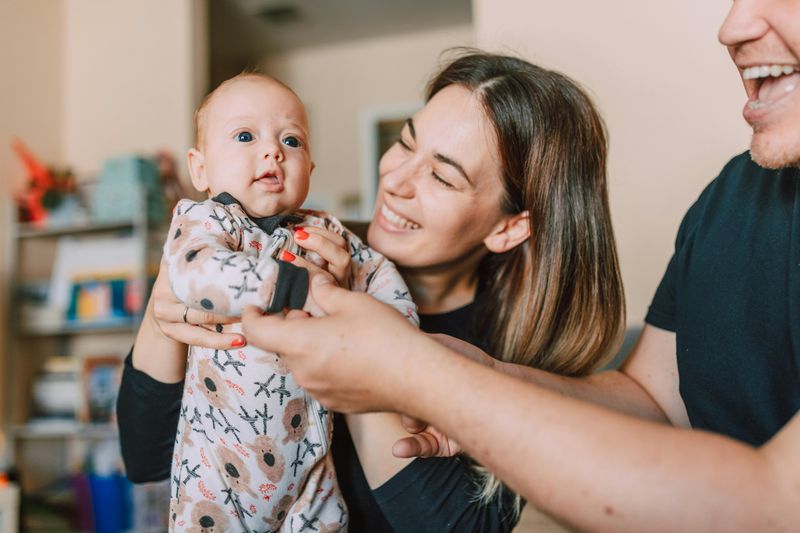
Every child deserves to come into the world wanted for who they are — not for what they might fix.
When a baby is brought into a relationship hoping they will hold it together, an unfair and invisible burden is placed on that child from the very start.
No infant can carry the emotional weight of two struggling adults.
As children grow older, they may unconsciously sense that something heavy was expected of them, which can affect their own sense of self-worth and security.
Children are not tools for relationship repair.
They are whole human beings who deserve parents who chose each other freely and honestly, not out of desperation or fear of losing the relationship.
7. Financial Stress Multiplies

Raising a child is expensive — and that is an understatement.
Diapers, formula, healthcare, childcare, clothing, and education costs add up fast, often shocking new parents who were not fully prepared for the financial reality.
When money problems already exist in a relationship, a baby does not smooth things over.
Instead, the added expenses create new pressure points and can turn financial disagreements into full-blown relationship crises.
Studies show that financial stress is one of the leading causes of relationship breakdown.
Adding a child to an already strained budget does not create stability — it can push a struggling couple closer to the edge they were already standing near.
8. Personal Issues Don’t Disappear
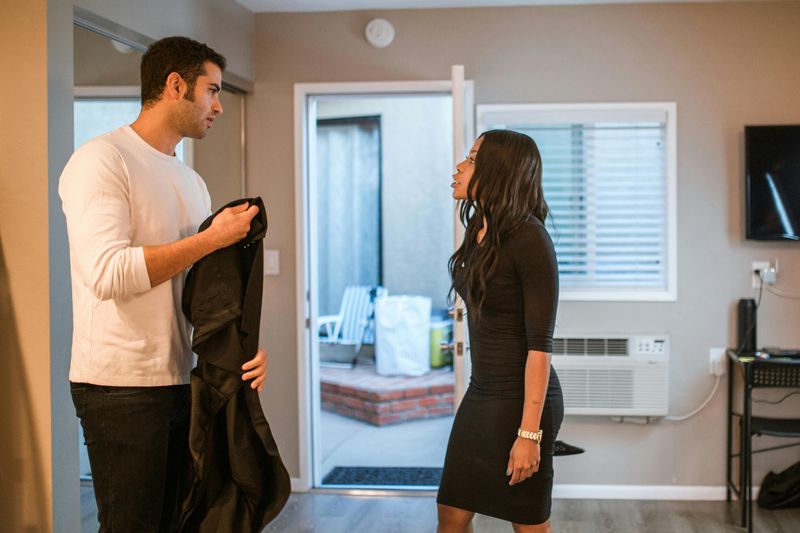
Jealousy, trust issues, unhealed trauma, and toxic conflict patterns do not take a break just because a baby has arrived.
If anything, the pressure and vulnerability of new parenthood can bring those issues rushing to the surface even faster.
A partner who struggled with controlling behavior before the baby will likely still struggle with it after.
Someone carrying unresolved grief or insecurity does not automatically heal because they now hold a newborn in their arms.
Real personal growth requires intentional work — therapy, honest self-reflection, and consistent effort.
A child cannot be a substitute for that process, and hoping they will inspire change is not a plan.
It is a wish.
9. The Relationship Often Gets Less Attention

Romance, intimacy, and genuine connection all require time and energy — two things that become incredibly scarce once a newborn enters the picture.
Date nights disappear.
Deep conversations get replaced by logistics.
Physical closeness can feel like a distant memory.
For couples who were already struggling to stay connected, this shift can feel devastating.
The relationship that needed the most attention suddenly gets the least, while all resources pour into the baby.
Healthy relationships need regular nurturing to survive.
Without intentional effort to maintain the partnership — even small moments of connection — the bond between partners can fade quietly in the background of busy, exhausting new-parent life.
10. Healthy Relationships Create Better Parenting

Here is a truth worth holding onto: the healthiest gift you can give a child is two parents who genuinely respect and support each other.
Children thrive when they grow up watching adults model kindness, patience, and healthy communication.
A strong relationship does not happen by accident.
It is built through consistent effort, mutual respect, and the courage to work through problems honestly — long before a baby ever arrives.
Choosing to strengthen the relationship first is not selfish.
It is one of the most responsible things a couple can do.
A solid partnership creates the kind of stable, warm home environment where children genuinely flourish and feel safe.
11. A Child Can’t Repair Broken Trust

Trust, once broken, does not heal on its own.
Whether the damage came from dishonesty, betrayal, or repeated broken promises, rebuilding it takes time, accountability, and a genuine commitment from both people involved.
A new baby does not reset that process.
In fact, the vulnerability and stress of parenthood can expose old wounds even more painfully, especially when one partner still carries hurt that was never properly addressed or acknowledged.
No child should be handed the impossible job of making two adults trust each other again.
Rebuilding trust is deeply personal work that belongs to the couple alone — and it must happen through honesty, not through hoping a baby changes everything.
Comments
Loading…