
 Jade Reed
We all spend money on things we later wish we hadn’t.
Whether it’s a flashy gadget or an overpriced drink, some purchases just don’t deliver what they promise.
Learning to spot these money traps before you fall into them can save you a lot of cash and a lot of regret.
Here are 9 things that are almost never worth what you pay for them.
1. Unnecessary Taxis

Picture this: you hop in a cab for a ten-minute ride, and by the time you arrive, the meter has jumped to $18.
Meanwhile, the bus stop was literally half a block away.
Taxis feel like a treat, but that convenience comes with a steep price tag that adds up fast.
Public transportation, walking, or even a rideshare app during off-peak hours can save you serious money.
Most city trips can be handled for a fraction of the cost.
Save the cab for genuine emergencies, not everyday laziness.
2. Expensive Cocktails

Spending $14 on a single drink might feel glamorous in the moment, but once the glass is empty, so is your wallet.
High-end cocktails are often 80% ice, fancy garnish, and atmosphere — not actual quality liquor.
The experience fades fast, but the credit card statement sticks around.
Consider this: three cocktails at a trendy bar can cost the same as a full week of groceries.
You can enjoy a great drink at home for a fraction of that price.
Knowing when to splurge and when to skip is a seriously underrated skill.
3. Trendy Clothes That Don’t Suit You

Fashion moves fast, and retailers count on that.
Something explodes on social media, you buy it immediately, and three weeks later it looks dated — or worse, it never really worked on you in the first place.
Trendy pieces that don’t match your body type or personal style end up collecting dust.
A closet full of unworn clothes is basically a pile of wasted money.
Sticking to styles that genuinely flatter you will always beat chasing the latest trend.
Buying fewer, better-fitting pieces is smarter than filling drawers with regret.
4. Lackluster Beauty Treatments

Not every salon visit ends with a transformation.
Sometimes you walk out looking almost exactly the same, only lighter in the wallet.
Mediocre beauty treatments — rushed facials, uneven spray tans, or botched blowouts — leave you feeling worse than when you walked in.
The tricky part is that it’s hard to know quality before you pay.
Reading reviews carefully and asking for consultations before committing can protect you.
Some treatments are genuinely worth the cost, but plenty are just expensive disappointments dressed up in fancy packaging and soft lighting.
5. Pushy Salesperson Purchases

You walked in for one thing, and somehow you’re walking out with a warranty, an add-on, and a product you didn’t even want.
Salespeople are trained to make saying no feel awkward, and that pressure can cost you big.
The moment the transaction ends, buyer’s remorse usually kicks in hard.
A solid rule: never buy anything on the spot if you weren’t planning to.
Tell them you need to think about it, walk away, and see if you still want it tomorrow.
Most of the time, you won’t.
That pause can save you hundreds.
6. Unnecessary Food Delivery
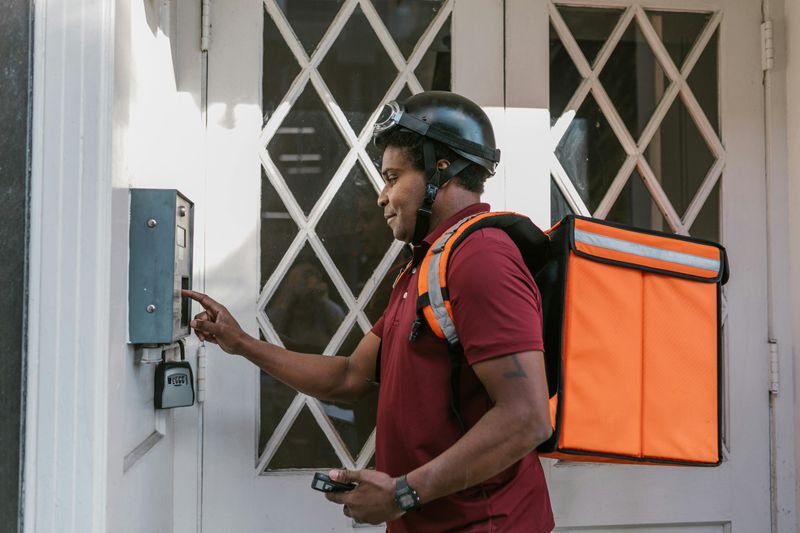
Ordering delivery out of pure laziness is one of the sneakiest budget killers out there.
By the time you add the delivery fee, service charge, and tip, a $10 meal becomes a $22 transaction.
Do that a few times a week and you’re looking at hundreds of dollars gone monthly.
Cooking at home takes effort, but even picking up the food yourself cuts costs dramatically.
Meal prepping on weekends can make weeknight cooking almost effortless.
Food delivery has its place for genuine busy days, but using it as a default habit quietly drains your bank account.
7. Purchases Made Out of Stress or Emotion

Retail therapy sounds fun until the packages arrive and you realize none of it actually helped.
Stress shopping, sad scrolling through online stores, or buying things out of boredom creates a temporary high that fades within hours.
What stays behind are unnecessary items and a lighter bank account.
Emotional spending is incredibly common, but recognizing the trigger is half the battle.
Before clicking “buy,” ask yourself if you’d still want this item tomorrow morning.
Building a simple waiting rule — like 24 hours before any non-essential purchase — can stop emotional spending in its tracks.
8. Expensive Versions of Basic Items
Brand names have a powerful pull.
A $40 bottle of vitamins feels more trustworthy than the $9 version sitting right next to it, even when the ingredients list is nearly identical.
Paying extra for a logo on everyday basics rarely gets you better results — just a more attractive label.
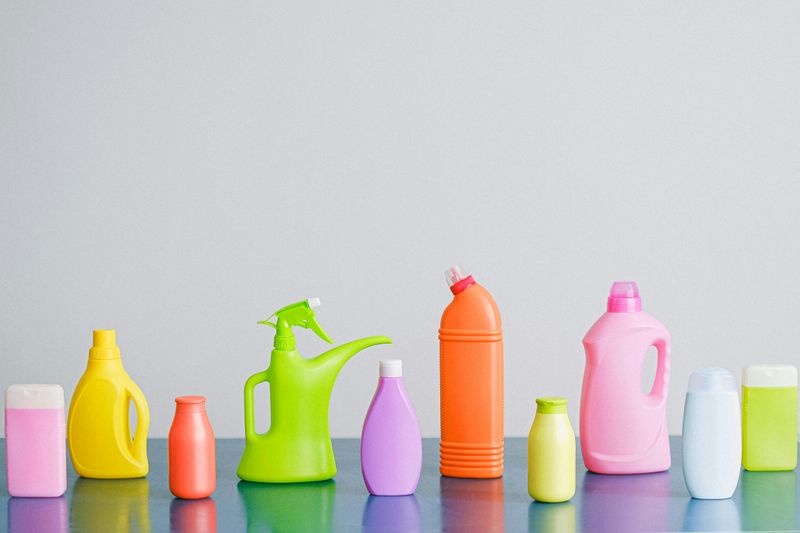
Generic medications, store-brand pantry staples, and off-brand cleaning supplies often perform just as well as their pricier counterparts.
Consumer testing repeatedly shows this.
Spending smarter doesn’t mean being cheap — it means refusing to pay for marketing when the actual product is practically the same thing.
9. Trendy Gadgets You Barely Use
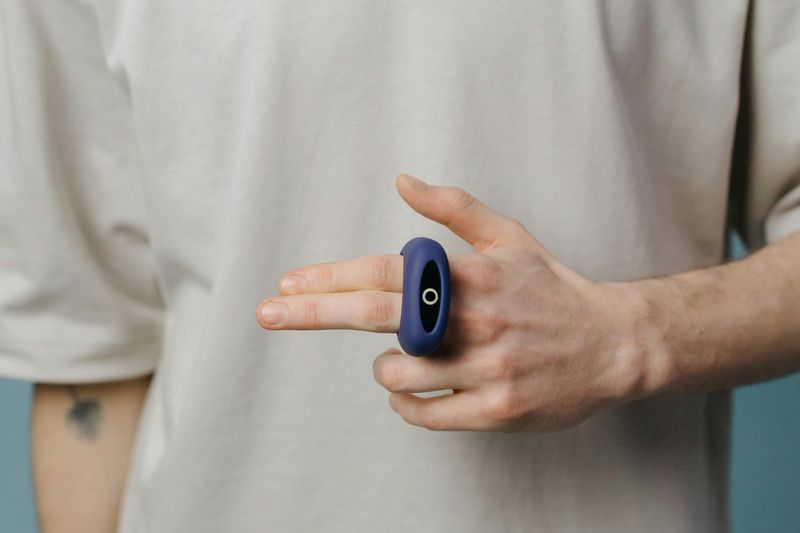
Every year, a new wave of gadgets promises to change your life.
Air fryers, smartwatches, robot vacuums, digital fitness mirrors — they all sound incredible in the commercial.
But for most people, the novelty wears off within weeks, and the device gets shoved in a drawer forever.
Before buying any trending tech item, ask yourself how often you would realistically use it in a normal week.
If the honest answer is “not much,” skip it.
Gadgets should solve real, everyday problems you actually have — not imaginary ones created by a clever marketing campaign.
Comments
Loading…