
 Isabel Parker
10 Reasons Your Relationships Always Turn Into Drama

Every relationship has its rough patches, but if yours seem to always explode into full-blown drama, something deeper might be going on. From constant arguments to misunderstandings that spiral out of control, relationship drama can feel exhausting and confusing.
The good news is that once you understand the root causes, you can actually start making real changes. Here are ten honest reasons why your relationships keep turning into a mess.
1. You Struggle to Communicate Clearly

Words have power, and when they come out wrong, everything can fall apart fast.
Poor communication is one of the biggest reasons relationships turn dramatic.
You might say one thing but mean another, or stay silent when you should speak up.
Over time, unspoken feelings pile up like a stack of unpaid bills.
Eventually, someone snaps over something small, and suddenly a tiny issue becomes a massive fight.
Learning to express yourself clearly and calmly takes practice.
Start by saying exactly what you feel instead of dropping hints and hoping someone figures it out.
2. You Pick Partners with Red Flags

Sometimes the excitement of a new relationship makes it way too easy to ignore the warning signs.
Red flags are not just dramatic movie moments.
They show up as small, repeated behaviors that feel off from the very beginning.
Choosing someone who is controlling, dishonest, or emotionally unavailable almost always leads to chaos down the road.
Many people convince themselves that love will fix everything, but that rarely works out.
Pay attention to how someone treats you in the first few weeks.
Those early patterns usually do not change on their own without real effort.
3. Your Boundaries Are Either Too Weak or Too Rigid

Boundaries are like the rules of a game.
Without them, everything turns chaotic.
When your boundaries are too weak, people walk all over you, and resentment quietly builds until it explodes into drama.
On the flip side, boundaries that are too strict can make people feel shut out and misunderstood.
Finding that healthy middle ground is where real connection happens.
Think about what you actually need to feel safe and respected in a relationship, then communicate those needs clearly.
You deserve relationships where both people feel comfortable, not constantly tiptoeing around each other or pushing past invisible lines.
4. You Have Unresolved Emotional Baggage

Old wounds have a sneaky way of showing up in new relationships.
If you grew up in a home full of conflict, or you were hurt badly by someone in the past, those experiences shape how you react to people today.
Unresolved baggage can make you overly sensitive, quick to assume the worst, or prone to pushing people away before they can hurt you.
Recognizing your triggers is a powerful first step.
Talking to a trusted adult, counselor, or therapist can help you process old pain so it stops controlling your current relationships.
You are not your past.
5. You Thrive on Intensity Mistaking It for Passion

Here is something wild to consider: some people actually feel more alive when a relationship is dramatic.
The highs feel amazing, but the lows are crushing, and somewhere along the way, the chaos starts feeling like love.
Constant fighting followed by intense making up creates a cycle that can feel addictive.
But that rollercoaster is not passion.
It is emotional exhaustion wearing a disguise.
Healthy relationships feel steady, warm, and safe, not like a thriller movie.
If calm feels boring to you, that is worth exploring.
Real connection does not need drama to prove it is real.
6. You Avoid Conflict Instead of Addressing It

Avoiding conflict might feel like keeping the peace, but it is more like sweeping dirt under a rug.
The mess does not disappear.
It just grows hidden until the rug cannot hide it anymore.
When small problems are never addressed, they stack up into a mountain of frustration.
Then one ordinary moment triggers everything at once, and suddenly a disagreement about dishes turns into a fight about everything from the past two years.
Healthy conflict resolution means talking about issues as they come up, calmly and respectfully.
Avoiding hard conversations does not protect the relationship.
It slowly destroys it from the inside.
7. You Do Not Trust Easily or You Trust Too Fast

Trust is the foundation every solid relationship is built on, and when it is off-balance, drama is practically guaranteed.
Trusting too quickly means you might share too much too soon, leaving yourself wide open to being hurt by someone who has not earned that level of closeness yet.
Not trusting enough, though, means you might constantly check up on your partner, assume betrayal where there is none, or shut people out before they get close.
Both extremes create tension and misunderstanding.
Building trust gradually, based on consistent actions over time, is the only real way to create something stable and drama-free.
8. You Expect Others to Read Your Mind

Expecting your partner or friend to just know what you need without telling them is a recipe for nonstop disappointment.
Mind reading is not a real skill, no matter how close two people are.
When your needs go unmet because you never voiced them, frustration turns into resentment, and resentment turns into drama.
It feels vulnerable to ask for what you want, but it is so much more effective than silent suffering.
Practice saying things like, I feel hurt when this happens, or I need more support right now.
Honest, direct communication saves relationships from unnecessary blow-ups caused by pure assumption.
9. You Surround Yourself with People Who Fuel Drama

Your social circle has more influence on your relationships than you might realize.
Friends who gossip, stir up trouble, or constantly share their unsolicited opinions about your relationship can add serious fuel to an already-burning fire.
When outside voices get too involved, small misunderstandings can turn into full-on relationship wars.
Surrounding yourself with people who value honesty, calmness, and healthy communication naturally rubs off on you.
Take a look at the five people you spend the most time with.
If most of them thrive on chaos, chances are that energy is seeping into your relationships too, whether you notice it or not.
10. You Have Not Learned to Manage Your Own Emotions
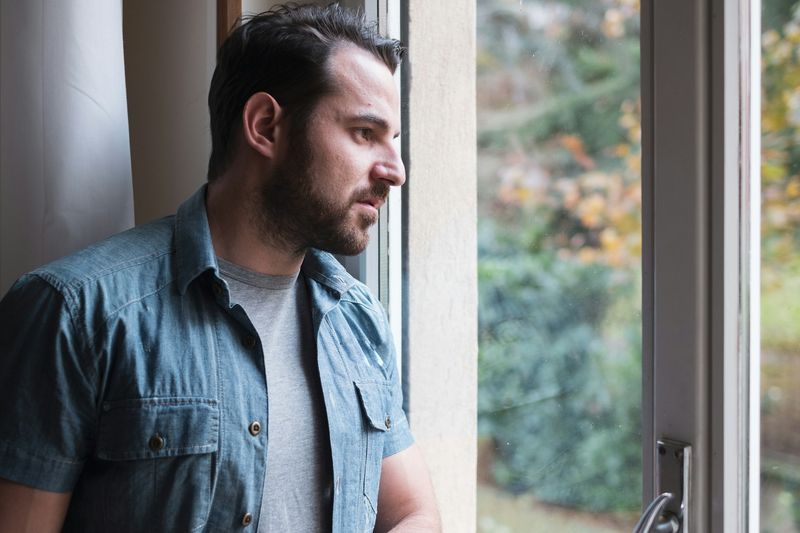
Emotional regulation sounds like a fancy term, but it simply means being able to handle your feelings without letting them take over.
When emotions run the show, reactions become unpredictable, and people around you never quite know what to expect.
Snapping when you are stressed, shutting down when you feel scared, or crying when you are actually angry are all signs that your emotional toolkit might need some upgrades.
Learning to pause before you react, breathe through big feelings, and identify what you are actually feeling makes a massive difference.
Relationships become much calmer when you are not constantly at the mercy of your own emotional storms.
Comments
Loading…