
 Hailey Watson
11 Social Norms from the 90s That We Desperately Need to Bring Back
Remember when people actually showed up when they said they would?
The 1990s gave us more than just great music and questionable fashion choices.
Back then, certain ways of treating each other made life feel more connected and genuine.
These simple habits created stronger friendships, tighter communities, and a world where people truly paid attention to one another instead of their screens.
1. Making Plans and Actually Keeping Them
Plans meant something real back then.
When you agreed to meet someone at the mall at three o’clock, you showed up at three o’clock because there was no easy way to cancel last minute.
Your word carried weight.
People relied on you following through, which built trust that lasted years.
Nobody had the excuse of sending a quick text to bail out.
This created friendships based on dependability.
You learned to manage your time better and respect other people’s schedules.
Bringing back this commitment to our promises would make relationships stronger and reduce the frustration of constant flakiness that plagues modern friendships.
2. Answering the Phone Politely

“Johnson residence, Sarah speaking!” This greeting wasn’t fancy or old-fashioned.
It was just how people answered phones, showing basic respect to whoever called.
You never knew who might be on the other end.
It could be your friend, your grandma, or your mom’s boss.
Answering properly showed you cared about making a good impression.
Today, most people either don’t answer calls or grunt “hello” without enthusiasm.
Returning to courteous phone manners would bring back a sense of warmth and consideration.
It’s a small gesture that makes others feel valued and welcome.
3. Writing Thank-You Notes by Hand
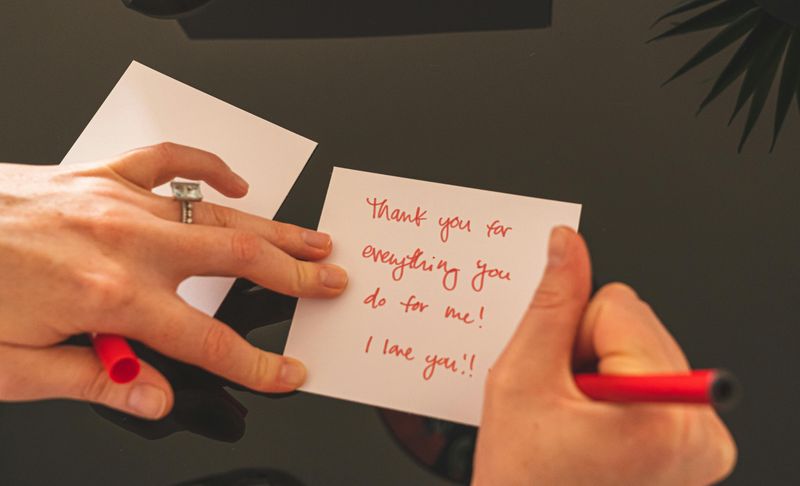
Getting a birthday gift meant sitting down with actual paper and writing a real thank-you note.
Your handwriting might have been messy, but the effort counted more than perfection.
These notes took time and thought.
You had to find stationery, write carefully, address an envelope, and mail it.
That investment showed genuine gratitude.
A quick text saying “thx” just doesn’t compare.
Handwritten notes feel personal and special because someone took time away from everything else just for you.
Reviving this practice would make gift-givers feel truly appreciated and strengthen bonds between friends and family members.
4. Welcoming New Neighbors with Kindness

Moving trucks meant cookies were coming.
Neighbors actually walked over to introduce themselves and offer help unloading boxes or directions to the best grocery store.
This simple act created instant community connections.
New families felt welcomed instead of isolated.
Kids made friends before school even started.
Now, people can live next door for years without knowing each other’s names.
Bringing back neighbor welcomes would reduce loneliness and build the kind of support networks that make neighborhoods safer and friendlier.
Everyone benefits when communities actually function like communities instead of collections of strangers.
5. Having Conversations Without Phone Distractions
Conversations happened with full attention.
Nobody checked their phone mid-sentence because phones stayed in pockets or didn’t exist yet.
Eye contact was normal, not rare.
Friends actually listened to each other’s stories without scrolling through feeds.
You caught facial expressions and body language that texts completely miss.
Jokes landed better when everyone was present.
Research shows that even having a phone visible on the table reduces conversation quality.
Returning to undistracted talking would deepen friendships and help people feel heard.
The world won’t end if you ignore notifications for thirty minutes while catching up with someone you care about.
6. Dressing Up for Special Occasions

School dances required actual effort.
You didn’t show up in jeans and a hoodie.
Getting dressed up showed you valued the event and respected everyone who organized it.
Wearing nice clothes made occasions feel special and memorable.
The effort of preparation added to the excitement.
Photos from these events actually looked like celebrations.
Today’s casual-everything approach has erased the distinction between regular days and important moments.
Bringing back appropriate dress codes would restore a sense of occasion and help people mark milestones properly.
Sometimes looking sharp on the outside helps you feel special on the inside too.
7. Taking Responsibility for Your Actions
Did you mess up?
You owned it.
Blaming others or making excuses wasn’t acceptable.
Parents and teachers expected you to admit mistakes and learn from them.
This accountability built character.
You learned that actions have consequences and that fixing problems matters more than avoiding blame.
Nobody got participation trophies for basic expectations.
Modern culture often encourages victimhood and excuse-making instead of personal growth.
Returning to accountability would create more mature, reliable people who solve problems instead of complaining about them.
Taking ownership of failures is actually the fastest path to success and self-improvement.
8. Participating in Your Local Community
Block parties, cleanup days, and local fundraisers brought neighborhoods together.
People actually knew their community and invested time making it better instead of just complaining online.
Showing up meant relationships formed naturally.
You worked alongside neighbors solving real problems, which created bonds stronger than any social media connection.
Kids saw adults modeling civic engagement.
Digital activism can’t replace actual presence.
Reviving local participation would strengthen communities, reduce isolation, and give people real influence over their surroundings.
Change happens when neighbors work together, not when they argue with strangers on the internet about national politics.
9. Valuing Authenticity Over Popularity

Being yourself mattered more than collecting followers.
Weird interests were celebrated, not hidden.
You found your people based on genuine compatibility, not carefully curated online personas.
Nobody spent hours editing photos to look perfect.
Real conversations revealed real personalities.
Friendships formed around actual shared interests instead of surface-level image management.
Social media pressure has created a generation obsessed with appearance over substance.
Bringing back appreciation for authenticity would reduce anxiety and depression while creating deeper connections.
The best relationships happen when people drop their masks and show who they really are, flaws included.
10. Shopping Secondhand Without Shame
Thrift stores were treasure hunts, not embarrassments.
Finding unique vintage pieces meant you had style and creativity, not that your family struggled financially.
Secondhand shopping was actually cool.
This mindset reduced waste and encouraged individual expression.
You wore things nobody else owned instead of the same mall brands as everyone.
Customizing and mixing old with new showed personality.
Fast fashion has created environmental disasters and conformity.
Returning to secondhand appreciation would help the planet while making personal style more interesting.
Why wear the same mass-produced outfit as thousands of others when vintage stores offer one-of-a-kind finds?
11. Questioning Corporate Messages Critically
Advertisements got eye-rolls, not blind trust.
People questioned whether companies actually cared about customers or just wanted money.
Corporate greenwashing and fake activism got called out.
This healthy skepticism protected consumers from manipulation.
You researched products instead of believing marketing hype.
Brand loyalty had to be earned through quality, not clever slogans.
Today’s influencer culture has blurred lines between genuine recommendations and paid promotions.
Reviving critical thinking about corporate motives would create smarter consumers and force companies to improve products instead of just advertising.
Always ask who benefits before believing any message from someone selling something.
Comments
Loading…