
 Harper Hall
13 Historical Dramas That Will Leave You Emotionally Shattered
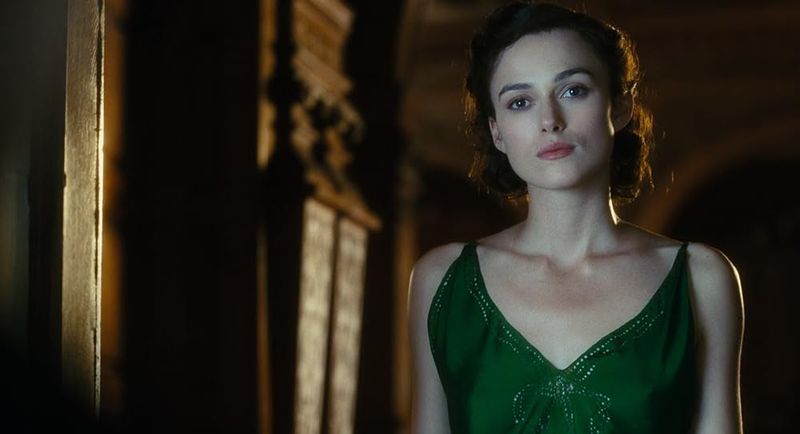
Some movies don’t just tell stories — they reach into your chest and squeeze.
Historical dramas have a special power because they’re rooted in real events, real suffering, and real love that actually happened.
The weight of truth makes every heartbreak hit harder.
Get ready, because these 13 films are not for the faint of heart.
1. The Pianist (2002)
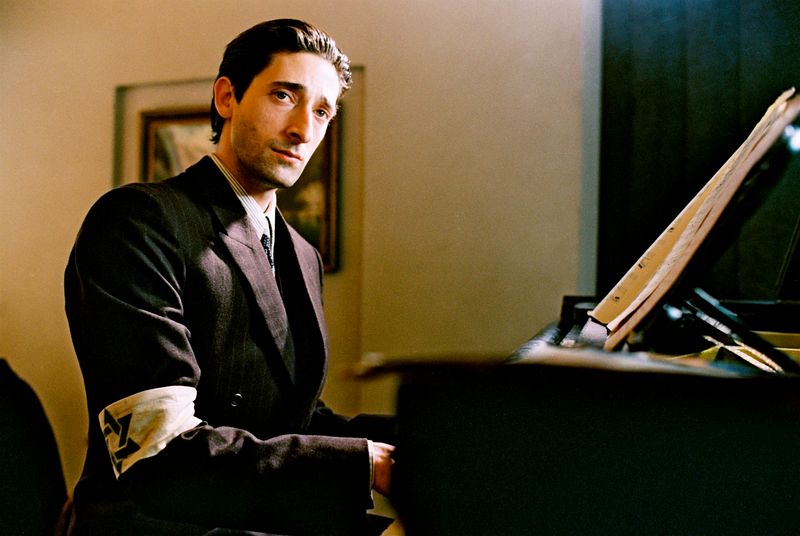
Władysław Szpilman survived the Warsaw Ghetto not through heroics, but through silence, luck, and music that lived only in his fingers.
Roman Polanski’s direction is deliberately restrained, which somehow makes every moment of starvation and isolation cut even deeper.
There are no grand speeches here — just a man trying to exist.
What makes this film almost unbearable is how ordinary it feels.
Survival looks exhausting, unglamorous, and lonely.
Based entirely on a true account, the film earns every quiet tear it draws.
Adrien Brody’s performance is one of the most committed in modern cinema history.
2. The Elephant Man (1980)
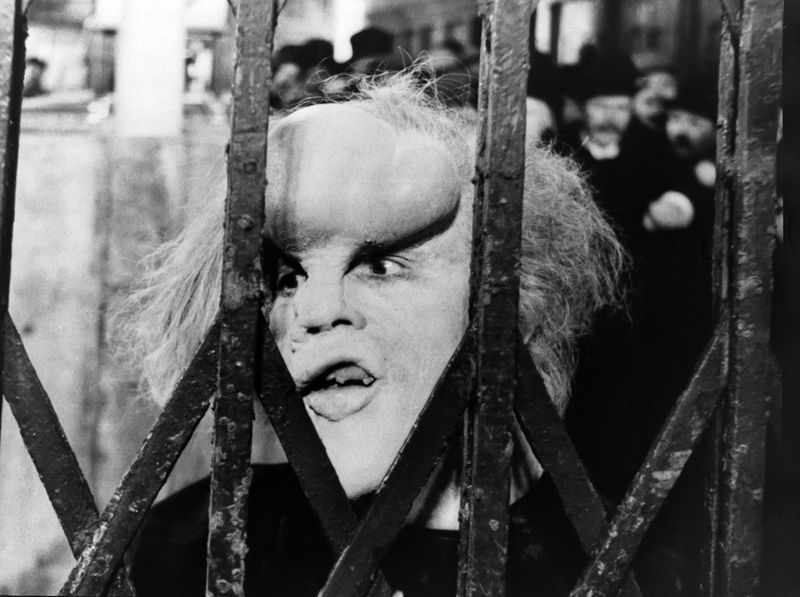
Joseph Merrick was called a monster by the world around him, yet David Lynch’s film reveals a man of extraordinary sensitivity and grace.
Shot in luminous black and white, the film captures Victorian England’s obsession with spectacle and its cruelty toward anyone who didn’t fit its narrow definition of normal.
Merrick deserved so much better.
John Hurt’s performance is buried beneath heavy prosthetics, yet his eyes communicate everything.
The film’s most emotional scenes are the quietest ones — a man simply wanting to be seen as human.
It stays with you long after the credits roll, like a bruise on the heart.
3. Atonement (2007)
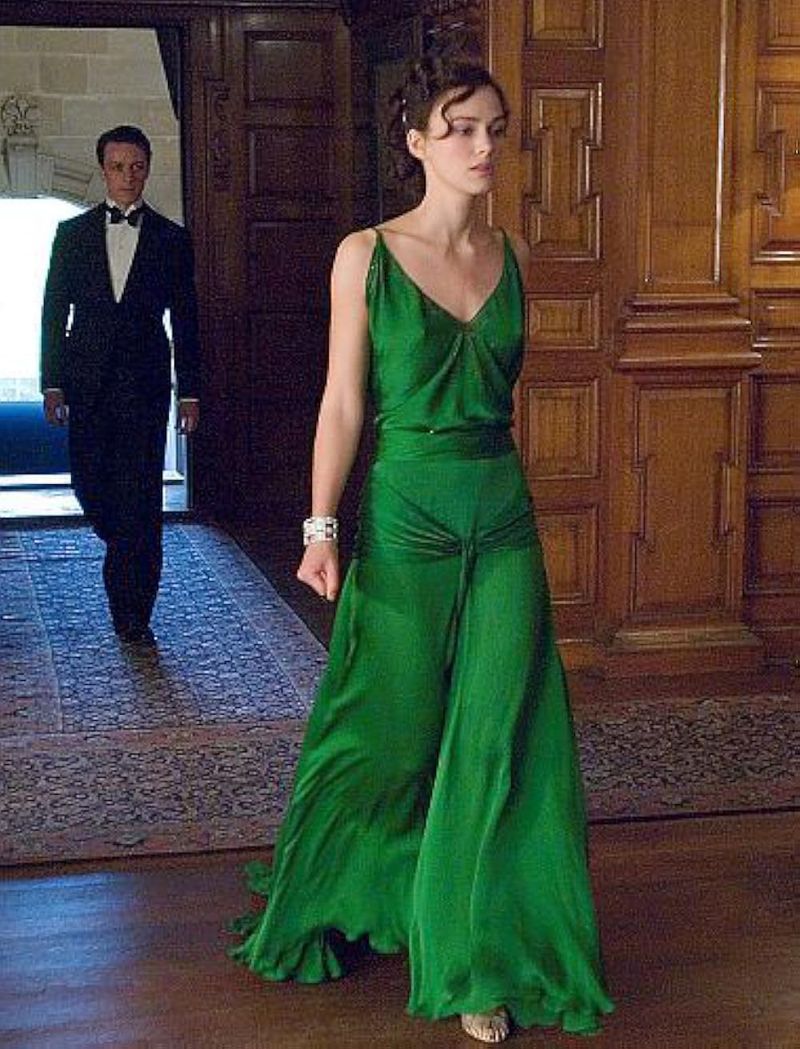
One lie told by a child who didn’t fully understand what she was doing destroys two people’s entire lives.
That’s the brutal engine driving Atonement, Joe Wright’s achingly beautiful adaptation of Ian McEwan’s novel.
The film moves between a sun-drenched English estate and the blood-soaked beaches of Dunkirk, and the contrast is shattering.
Keira Knightley and James McAvoy carry the doomed romance with quiet ferocity.
But it’s Saoirse Ronan as young Briony whose misguided act haunts every frame.
The film’s ending reframes everything you’ve watched — and somehow makes the grief even harder to carry home.
4. Titanic (1997)
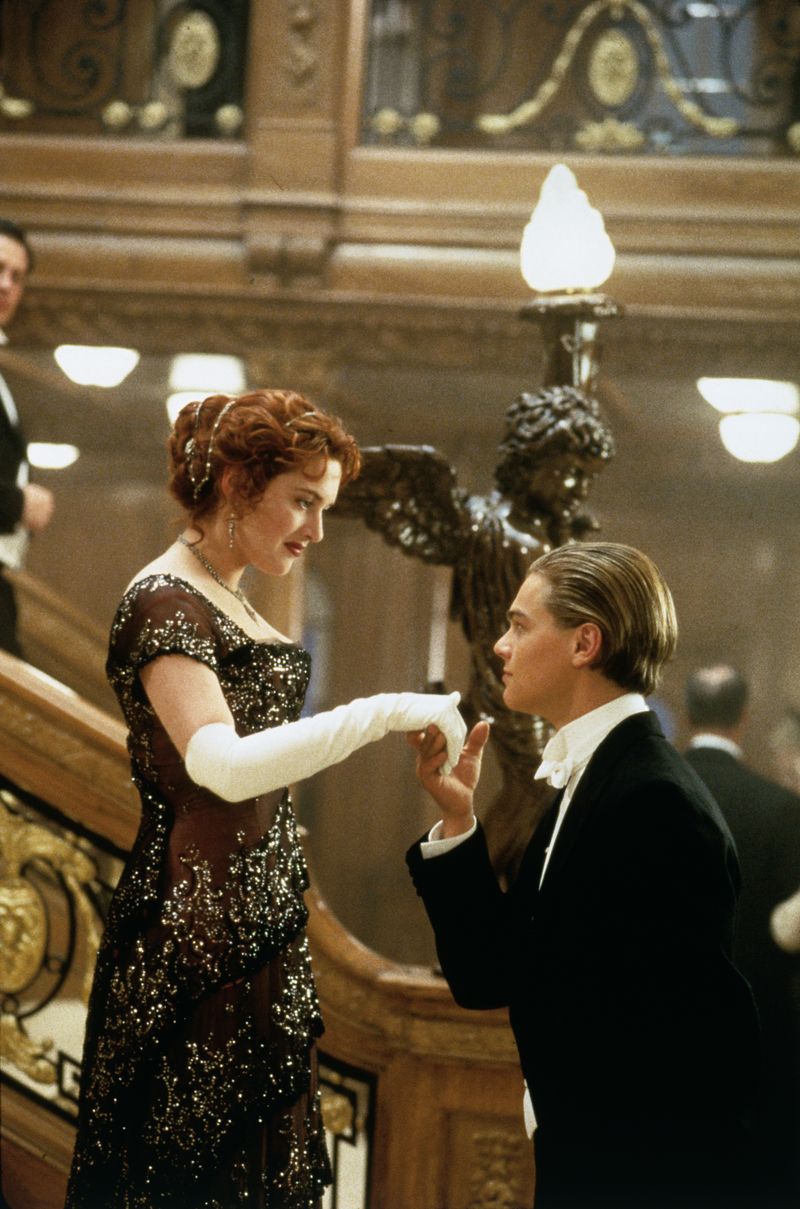
Before the ship ever hit the iceberg, two strangers from opposite worlds fell completely in love.
Jack, a penniless artist, and Rose, a first-class passenger trapped by society’s expectations, share something rare and beautiful — and fleeting.
James Cameron built one of cinema’s most iconic romances around a real maritime disaster, and the combination is devastating.
Class division and human cruelty are just as present as the freezing Atlantic water.
When the ship finally goes down, you feel every second of it.
Few films have ever made 2,000 deaths feel this personal and this painfully real.
5. Hamnet (2025)
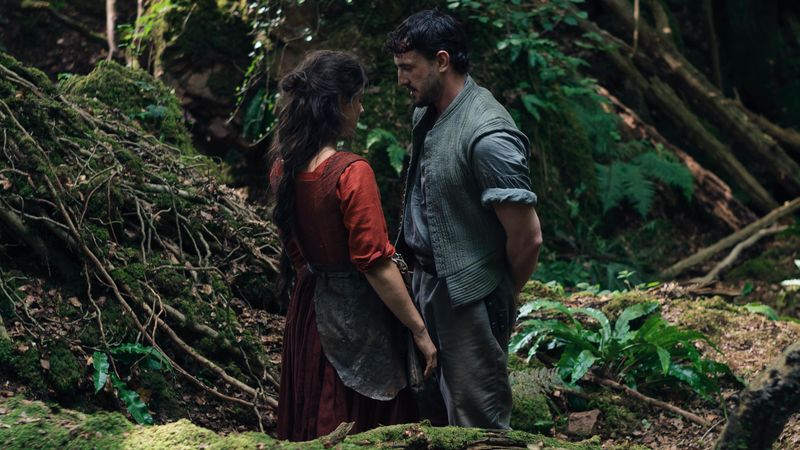
Grief doesn’t announce itself loudly in this film — it seeps through the walls of an Elizabethan household like cold air you can’t shake.
Hamnet centers on the death of Shakespeare’s young son and the mother, Agnes, who is left to carry an unbearable weight while her husband channels pain into art.
The imbalance between their mourning feels achingly real.
Director Chloé Zhao brings quiet intensity to every scene.
There are no villains here, just two people destroyed by loss in completely different ways.
It’s a meditation on how grief reshapes identity — and how art sometimes grows from the most devastating soil imaginable.
6. 12 Years a Slave (2013)
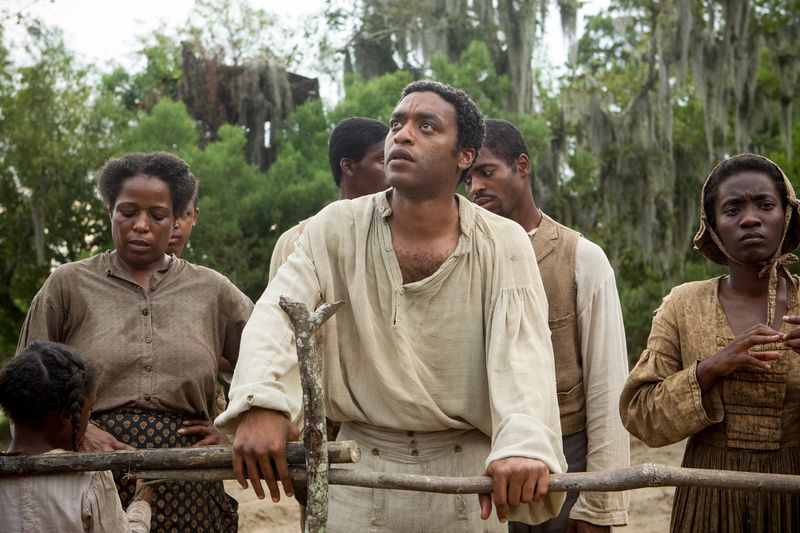
Solomon Northup was a free man, a violinist, a father — until he was drugged, kidnapped, and sold into slavery in 1841.
Steve McQueen’s film does not look away from a single moment of that horror.
Every frame insists that you bear witness, and the discomfort is entirely intentional and necessary.
Chiwetel Ejiofor carries the film with extraordinary restraint and dignity.
What makes this story so emotionally devastating is not just the brutality — it’s the injustice of a man stripped of everything he rightfully was.
Based on Northup’s own memoir, this is history demanding to be remembered without flinching.
7. Schindler’s List (1993)
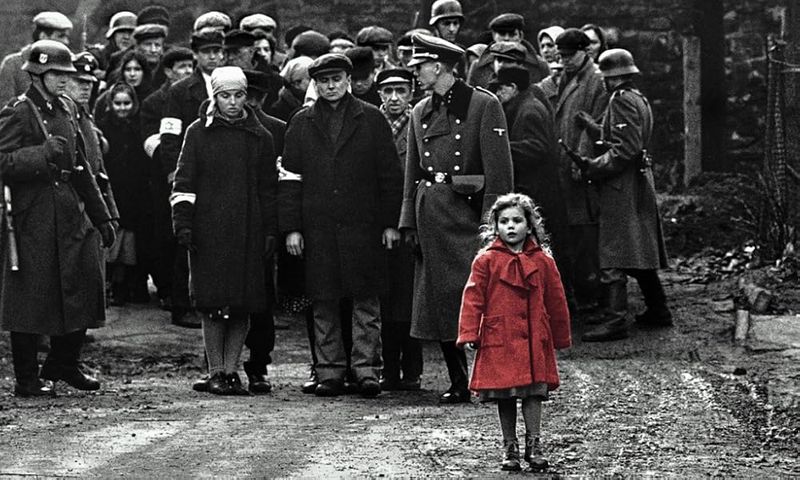
Steven Spielberg filmed one of cinema’s most important works almost entirely in black and white, and the choice feels morally necessary.
Color would make it too comfortable.
Schindler’s List follows Oskar Schindler, a flawed opportunist who slowly, painfully becomes something better — a man who saves over a thousand Jewish lives during the Holocaust.
The famous red coat worn by a small girl is one of cinema’s most heartbreaking visual moments.
Liam Neeson, Ben Kingsley, and Ralph Fiennes deliver performances that feel less like acting and more like testimony.
This film doesn’t just tell history — it makes you feel responsible for remembering it.
8. The Passion of Joan of Arc (1928)
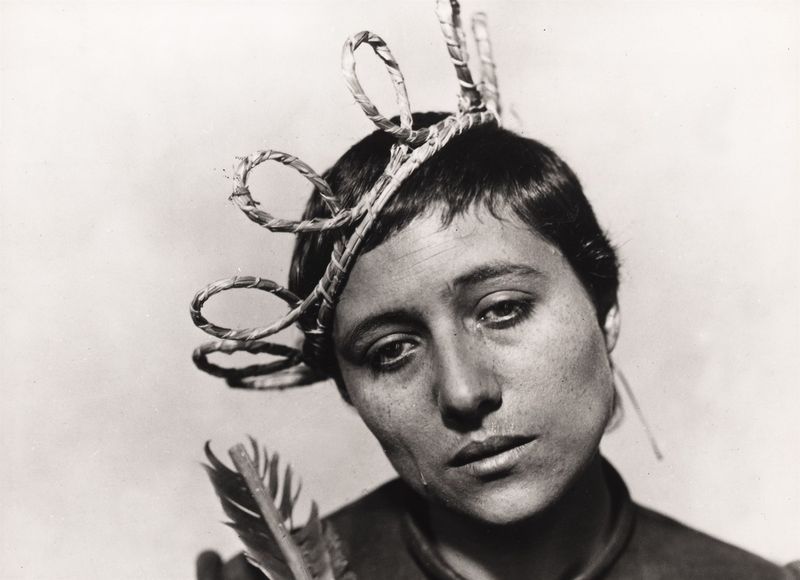
Made in 1928 and still emotionally overwhelming nearly a century later — that’s the power of Carl Theodor Dreyer’s silent masterpiece.
Maria Falconetti’s face fills the screen in extreme close-up after extreme close-up, and her performance communicates more raw suffering than most actors achieve with dialogue.
No music needed.
No color required.
Joan of Arc’s trial and execution are rendered with documentary-like intimacy.
The cruelty of the men judging her feels contemporary and infuriating.
Dreyer based the film’s screenplay directly on actual transcripts from Joan’s historical trial, making every exchange disturbingly authentic.
Prepare to feel genuinely shaken afterward.
9. Come and See (1985)
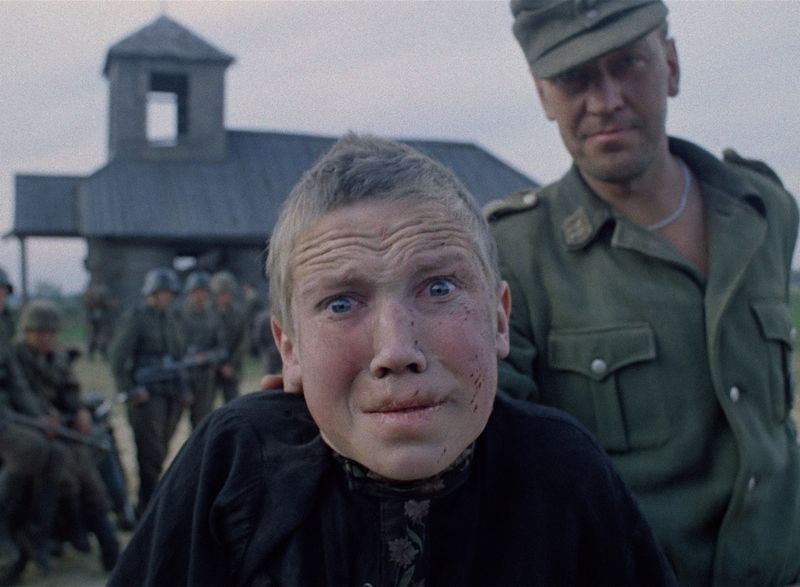
Nobody walks out of Come and See unchanged.
Elem Klimov’s Soviet war film follows Flyora, a Belarusian teenager who joins the resistance during the Nazi occupation, and then watches his innocence get systematically destroyed by atrocities no child should ever witness.
The film doesn’t dramatize war — it simulates psychological collapse.
The young actor Aleksei Kravchenko visibly ages before your eyes across the film’s runtime, which is one of cinema’s most disturbing and effective visual tricks.
Shot with nightmarish realism and a disorienting sound design, this is widely considered one of the most emotionally punishing films ever committed to screen.
10. Grave of the Fireflies (1988)
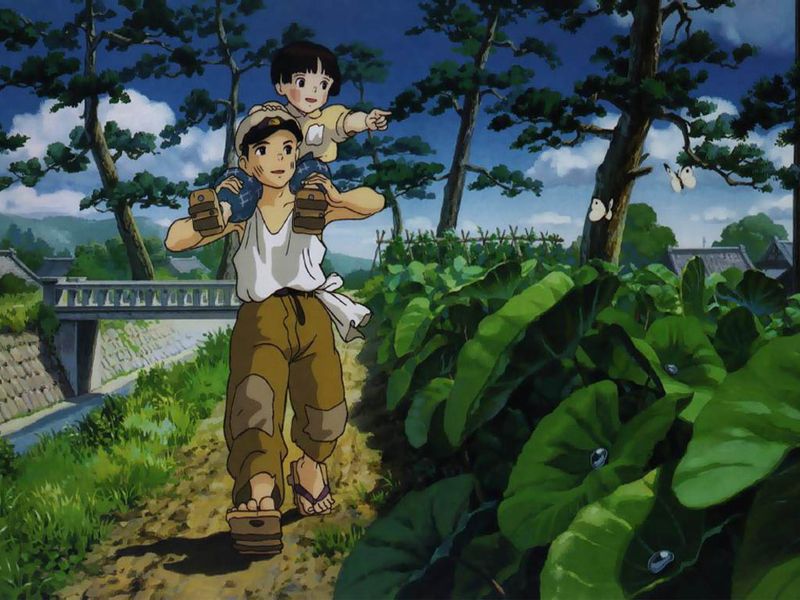
Studio Ghibli is known for wonder and warmth, but Grave of the Fireflies is something entirely different — a slow, aching elegy for two children abandoned by a world at war.
Seita and Setsuko’s story begins with their ending, which means you spend the entire film watching tragedy arrive in heartbreakingly small steps.
Director Isao Takahata uses animation not to soften the story but to make vulnerability feel even more exposed.
Hunger, loss, and a society too consumed by nationalism to notice two starving orphans — it’s devastating precisely because it’s so quiet about its grief.
Keep tissues nearby.
Seriously.
11. Cold Mountain (2003)
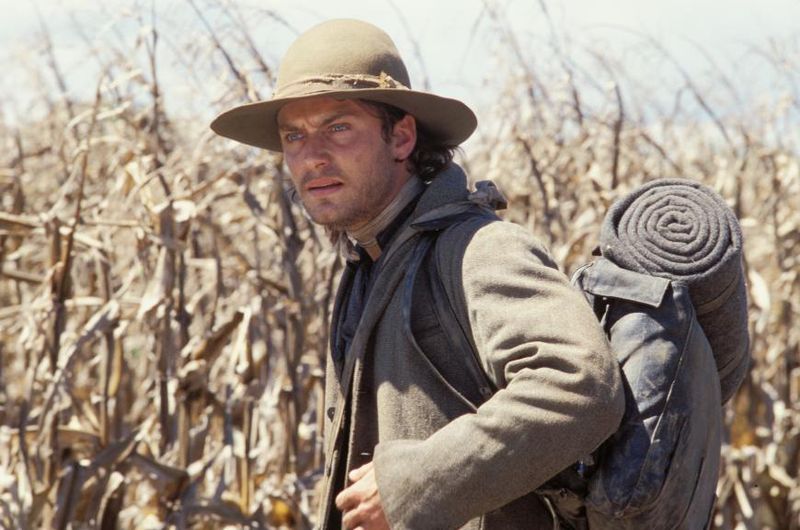
W.P. Inman walks hundreds of miles across a broken Civil War landscape just to get back to a woman he barely knows but loves completely.
Anthony Minghella’s adaptation of Charles Frazier’s novel treats the American Civil War not as a backdrop but as a force of nature — brutal, indifferent, and inescapable.
Jude Law and Nicole Kidman anchor the romance with quiet longing, while Renée Zellweger steals every scene she’s in.
The film builds patiently and beautifully toward a conclusion that earns every bit of its heartbreak.
War doesn’t care about love stories, and Cold Mountain never lets you forget that.
12. The Age of Innocence (1993)
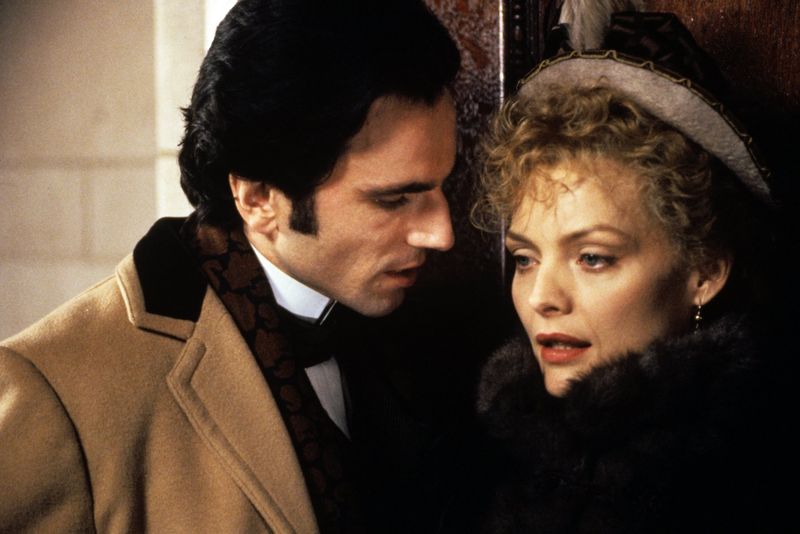
Martin Scorsese is famous for violence, but his most quietly devastating film features none at all.
The Age of Innocence is a tragedy built entirely from longing glances, unspoken words, and the suffocating weight of social obligation in 1870s New York.
Nobody draws blood here — society does the damage instead.
Daniel Day-Lewis plays a man who loves the wrong woman by society’s standards and spends his entire life paying for it.
The cruelty is so refined, so polite, that it takes a moment to realize how completely it destroys him.
Scorsese proves that repression can break a person just as thoroughly as any act of violence.
13. The English Patient (1996)
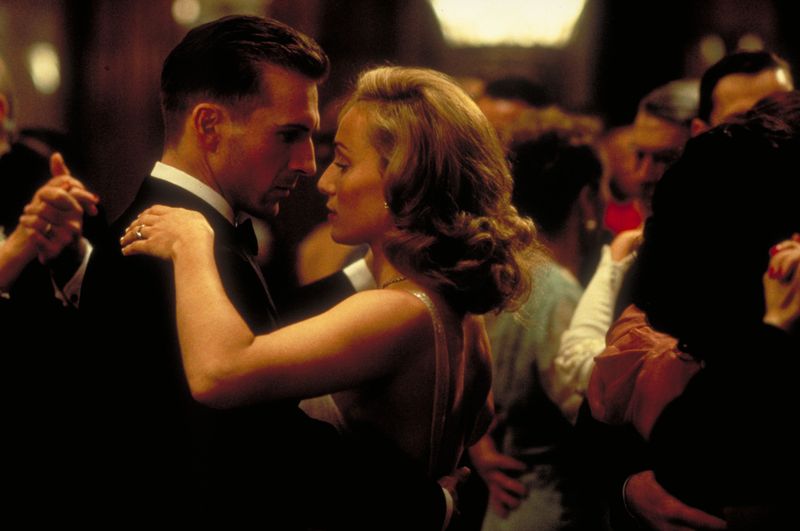
There’s something almost unbearably romantic about a love story told entirely in fragments and memories — especially when those memories are all that’s left.
The English Patient follows a dying, unidentified burn victim in a crumbling Italian monastery as his nurse slowly uncovers the doomed love affair that brought him there.
Ralph Fiennes and Kristin Scott Thomas create a chemistry so charged it practically burns the screen.
Anthony Minghella weaves the North African desert, wartime betrayal, and irreversible choices into something that feels like poetry.
The film won nine Academy Awards, but awards don’t capture how long its particular sadness lingers inside you.
Comments
Loading…