
 Hailey Watson
10 Reasons Why Being a Vegan is Actually Worse for the Planet

Most people think going vegan is the ultimate way to save the planet.
After all, cutting out meat and dairy sounds like a win for Mother Earth, right?
But here’s the twist: some vegan practices might actually harm the environment more than help it.
From water-guzzling almonds to rainforest-destroying soy farms, the vegan lifestyle has a hidden dark side that’s worth exploring.
1. Monoculture Farming Destroys Soil Health
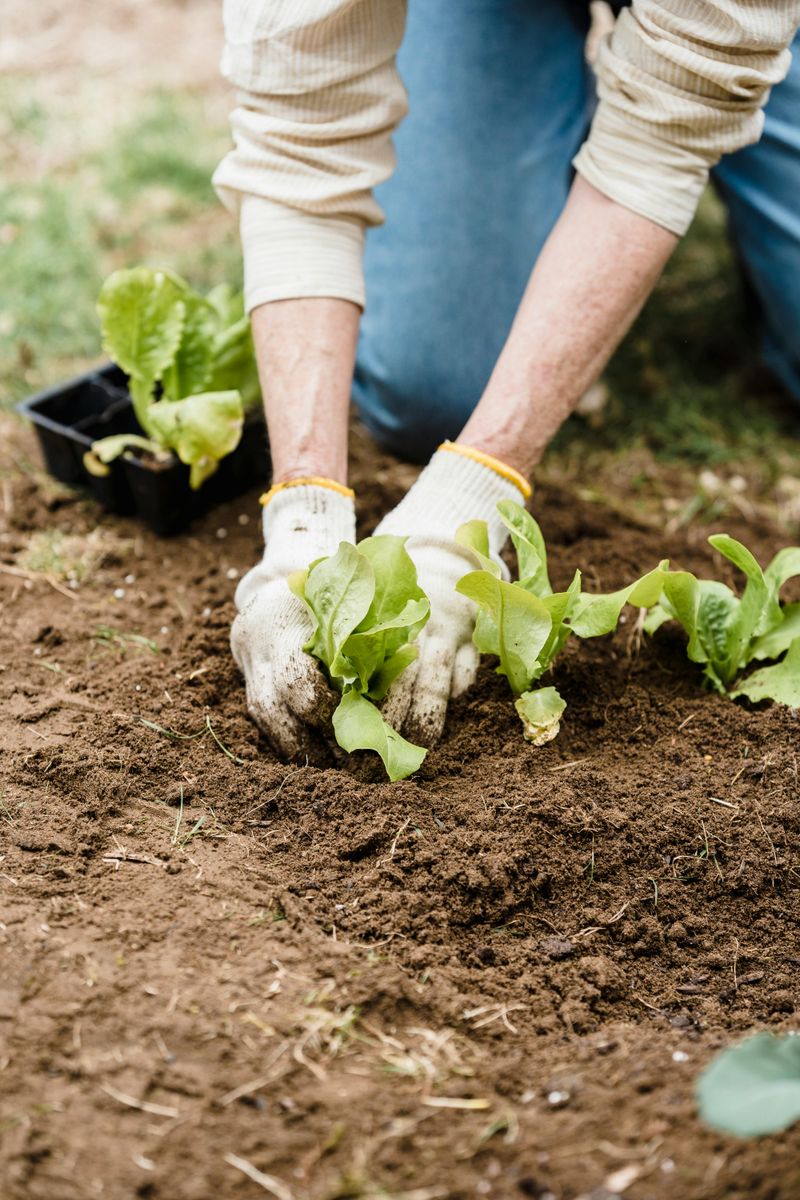
A farm where only one crop grows as far as the eye can see.
That’s monoculture farming, and it’s become super common for popular vegan foods like soy and corn.
When farmers plant the same crop year after year, the soil loses important nutrients and becomes weak.
This tired soil then needs tons of chemical fertilizers to grow anything at all.
Those chemicals wash into rivers and harm fish and other wildlife.
Plus, without crop variety, helpful bugs and birds disappear from these areas.
The land becomes lifeless and dependent on artificial help to produce food.
It’s like eating candy for every meal—eventually, your body would need serious vitamins just to function normally!
2. Transportation Emissions From Exotic Imports
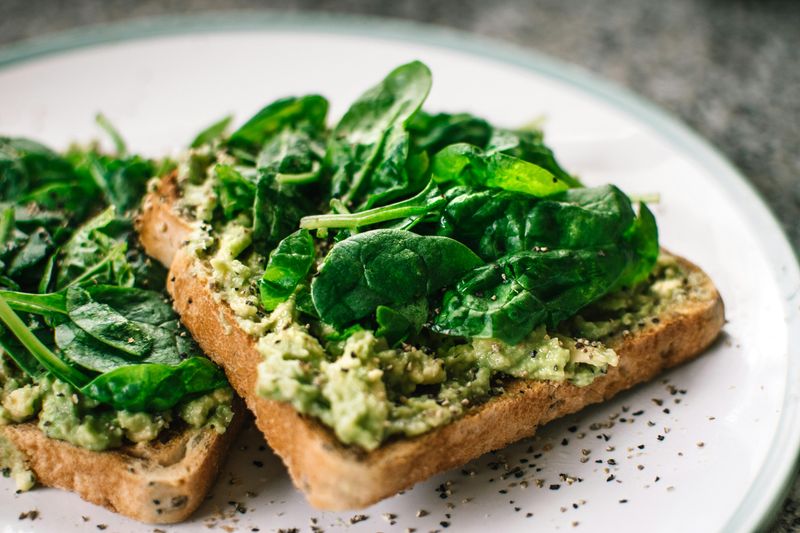
Ever wonder where your avocado toast actually comes from?
Probably Mexico or Chile, thousands of miles away.
That trendy quinoa in your bowl?
Likely flew in from Peru or Bolivia.
These vegan superfoods travel enormous distances by plane, ship, and truck before reaching your plate.
Each mile adds carbon dioxide to the atmosphere, contributing to climate change.
Sometimes the emissions from shipping cancel out the environmental benefits of skipping meat entirely.
Buying local strawberries might actually be greener than importing exotic fruits from halfway around the world.
The journey matters just as much as what’s on your fork when calculating environmental impact!
3. Water-Intensive Crops Drain Resources
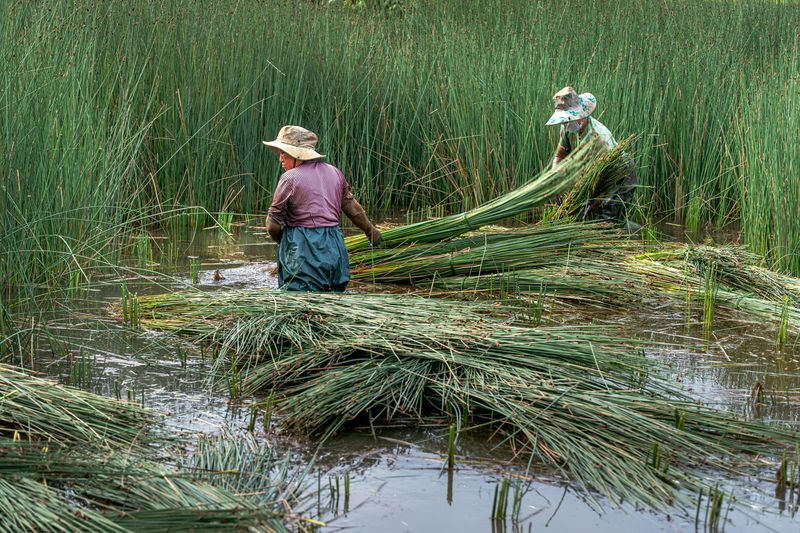
Almonds are basically tiny water vacuums.
Growing just one almond requires about a gallon of water!
In places like California, where almonds grow best, water is already scarce and droughts happen regularly.
Avocados aren’t much better—they’re incredibly thirsty crops too.
When farmers use tons of water for these trendy vegan foods, local communities and wildlife suffer.
Rivers run dry, and animals lose their drinking sources.
The problem gets worse as demand for almond milk and avocado everything keeps rising.
Sure, dairy uses water too, but some vegan alternatives create their own serious water problems in already-stressed regions worldwide.
4. Deforestation For Vegan Cropland
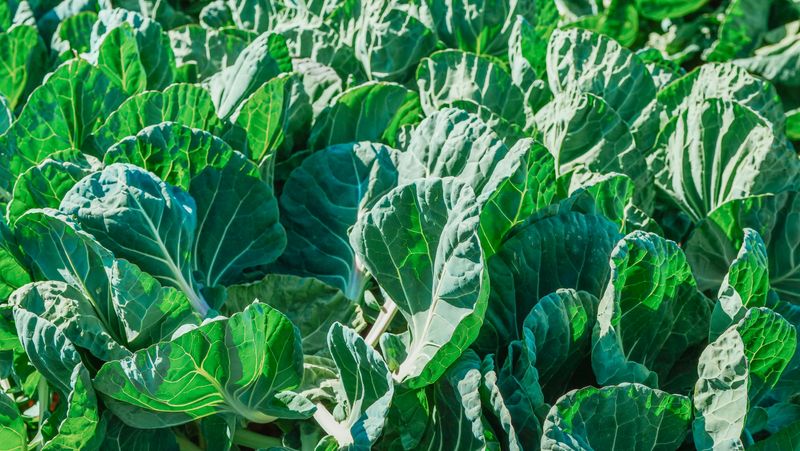
Rainforests are vanishing to make room for vegan staple crops.
As more people demand soy products, quinoa, and palm oil, companies clear precious forest land to plant more.
These forests are home to countless animals and plants found nowhere else on Earth.
When trees get cut down, all the carbon they stored gets released into the air as greenhouse gas.
The animals lose their homes and many species face extinction.
Indigenous people who’ve lived in these forests for generations also get displaced.
The irony?
People choose veganism to help the planet, but their food choices might be destroying some of Earth’s most important ecosystems through increased agricultural expansion.
5. Agricultural Waste Creates New Problems
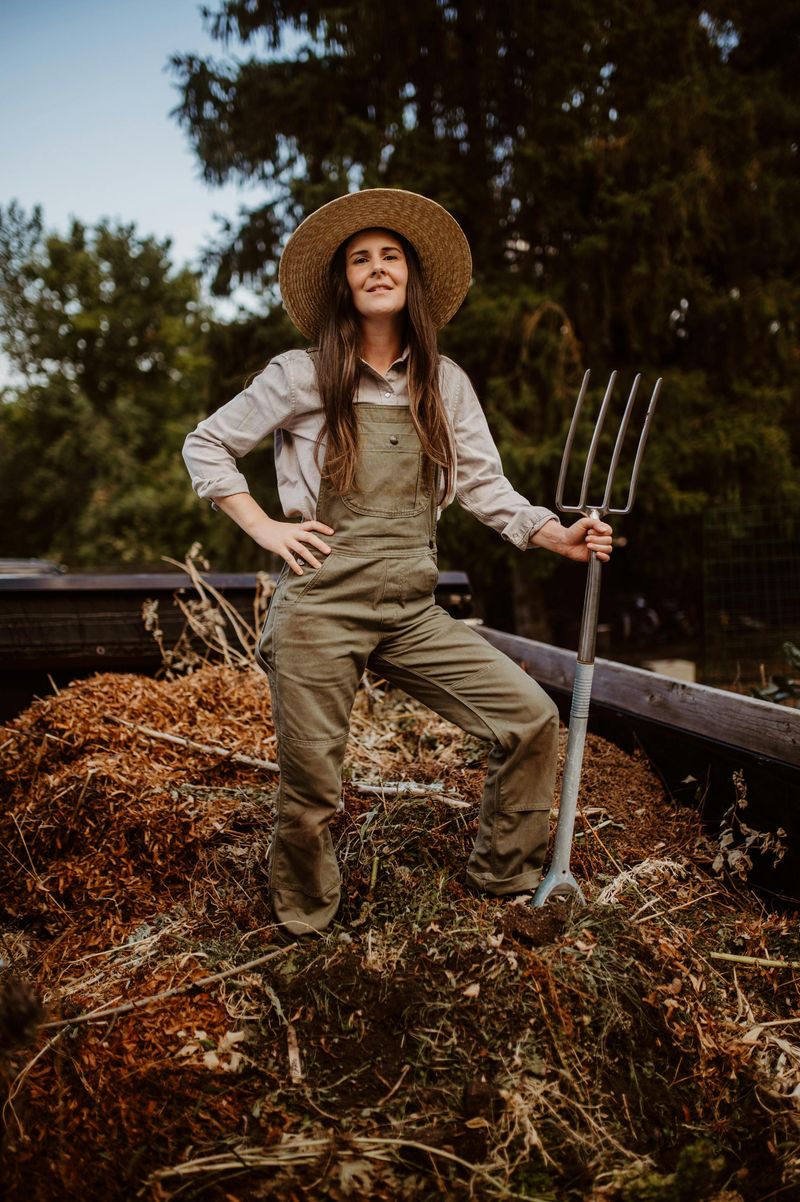
Here’s something nobody talks about: what happens to all the leftover plant parts after harvest?
Mountains of corn stalks, bean vines, and other crop waste pile up everywhere.
Unlike animal farms that can compost manure, plant-only agriculture creates different waste challenges.
When these crop leftovers aren’t managed properly, they rot and release methane—a greenhouse gas way worse than carbon dioxide.
Some farmers burn the waste, creating air pollution.
Others let it decompose poorly, which damages soil quality over time.
Finding good uses for all this plant material is tricky and expensive.
The sheer volume of agricultural waste from feeding billions of vegans would be staggering and environmentally problematic.
6. Synthetic Fertilizers Replace Natural Nutrients
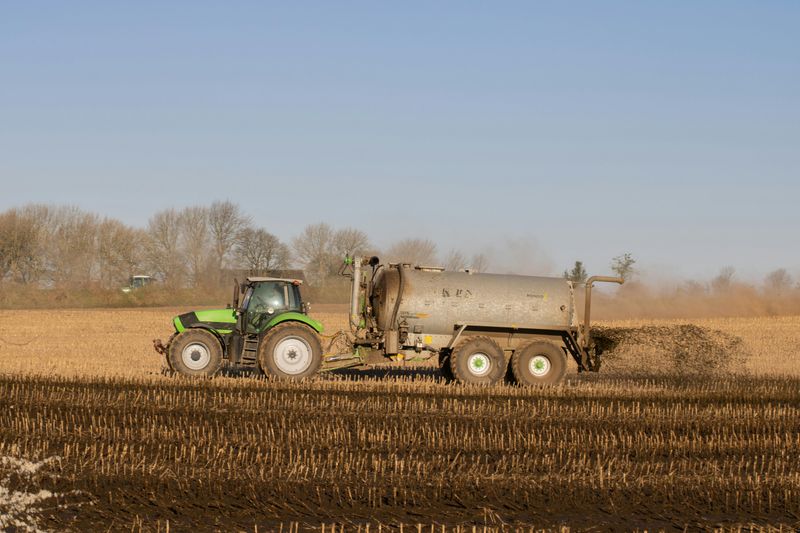
Traditional farms use animal manure as natural fertilizer—it’s nature’s recycling system.
But purely vegan agriculture rejects animal products entirely, including this nutrient-rich waste.
So what fills the gap?
Synthetic chemical fertilizers made in factories.
Creating these artificial fertilizers requires massive amounts of energy and releases greenhouse gases during production.
The chemicals also run off fields into waterways, creating dead zones where nothing can live.
Fish and aquatic plants suffocate from algae blooms caused by fertilizer pollution.
Without animals in the farming cycle, soil health gradually declines and becomes dependent on chemical interventions.
It’s an industrial solution to replace what nature provided naturally through integrated farming systems.
7. Palm Oil In Processed Vegan Foods
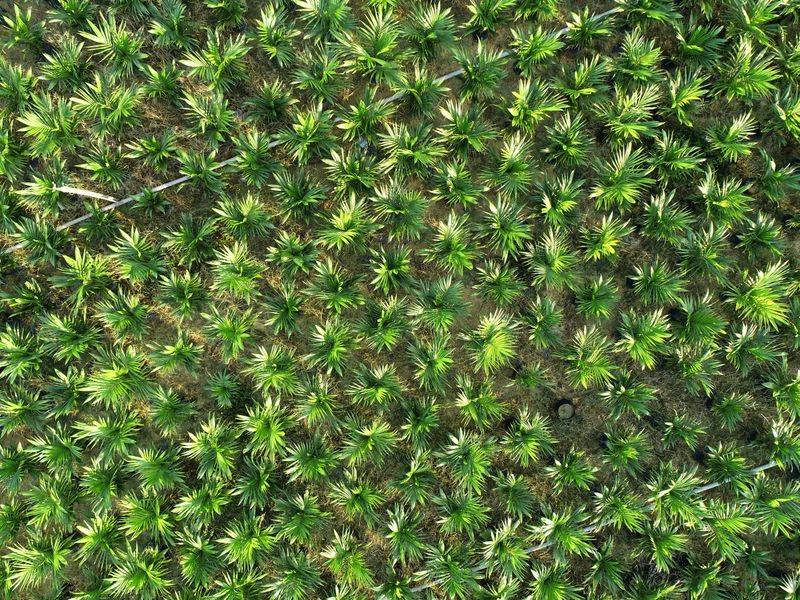
Check the ingredients on vegan cookies, crackers, and spreads—palm oil appears everywhere!
It makes processed foods creamy and shelf-stable, so manufacturers love using it.
But palm oil production is an environmental nightmare causing massive habitat destruction.
Tropical forests in Indonesia and Malaysia get bulldozed to plant palm trees.
Orangutans, tigers, and elephants lose their homes and face extinction.
The carbon released from clearing these forests is enormous.
Many vegans don’t realize their plant-based convenience foods contribute to this destruction.
While they avoid animal products, they’re unknowingly supporting an industry that’s wiping out entire ecosystems for cheap cooking oil.
8. Soy Demand Destroys Amazon Rainforest
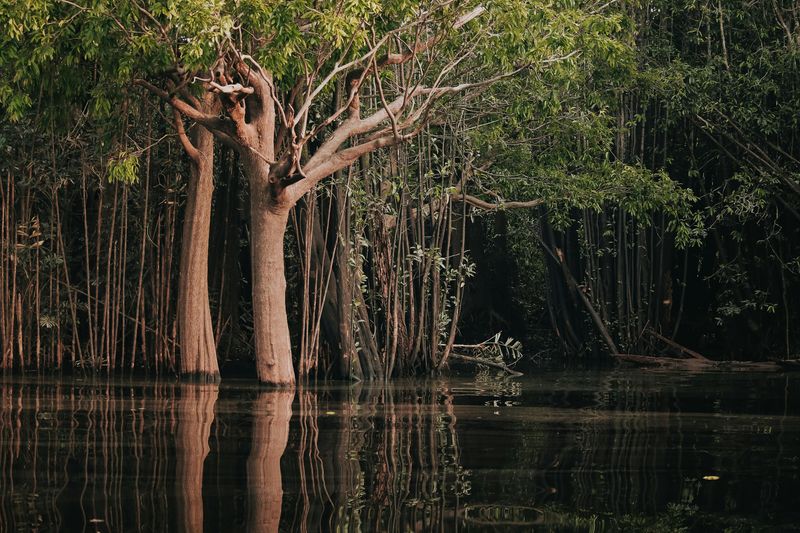
Tofu, soy milk, and veggie burgers all need soybeans—lots of them.
As veganism grows more popular, soy demand skyrockets globally.
Where does much of this soy come from?
The Amazon rainforest region, where precious jungle gets cleared for farmland.
Sure, most soy actually feeds livestock, but vegan soy consumption is rising fast and contributing to the problem.
Each acre of cleared rainforest means lost biodiversity and released carbon.
Local weather patterns change when forests disappear.
The Amazon is called Earth’s lungs because it produces so much oxygen.
Trading jungle for soy fields—even for well-intentioned vegan diets—threatens this critical ecosystem that the whole planet depends on for climate stability.
9. Synthetic Fabrics In Vegan Fashion
Vegan leather sounds eco-friendly, right?
Wrong.
Most vegan leather is actually plastic—specifically polyester or polyurethane made from petroleum.
Creating these synthetic fabrics requires fossil fuels and releases toxic chemicals during manufacturing.
Unlike real leather that eventually biodegrades, plastic clothing sits in landfills for hundreds of years.
Every time you wash synthetic clothes, tiny plastic microfibers break off and flow into oceans.
Fish eat these microplastics, which then enter our food chain.
The fashion industry’s shift toward vegan materials has increased plastic pollution significantly.
While avoiding animal products seems ethical, wearing petroleum-based synthetics creates lasting environmental damage that affects all living creatures.
10. Processed Vegan Foods Waste Energy
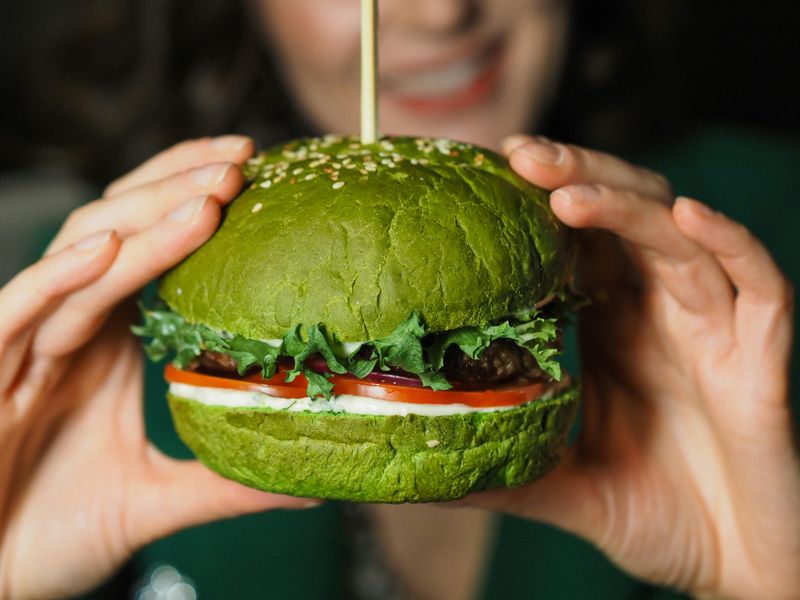
Making a veggie burger requires way more steps than grilling vegetables.
Processed vegan foods go through extensive manufacturing—mixing, heating, shaping, packaging, and shipping.
Each step consumes electricity and creates waste.
Those convenient frozen vegan meals come wrapped in layers of plastic packaging.
The factories running 24/7 to produce plant-based meat alternatives use tremendous energy.
Transportation and refrigeration add even more to the carbon footprint.
A simple bean stew made at home has minimal environmental impact.
But that fancy store-bought vegan protein bar?
Its production and packaging create pollution comparable to many conventional foods, defeating the purpose of choosing plant-based options.
Comments
Loading…