
 Harper Hall
15 Historical Movies That Get the Facts Right
Movies set in the past don’t always stick to the truth, but some filmmakers go the extra mile to make sure every detail is as accurate as possible. From real battlefields to courtrooms, these films bring history to life in a way that textbooks sometimes can’t.
Watching a well-researched historical movie can make you feel like you’re actually there, living through the events yourself. Here are 15 films that historians, critics, and audiences agree did an impressive job of getting the facts right.
1. Downfall (2004)
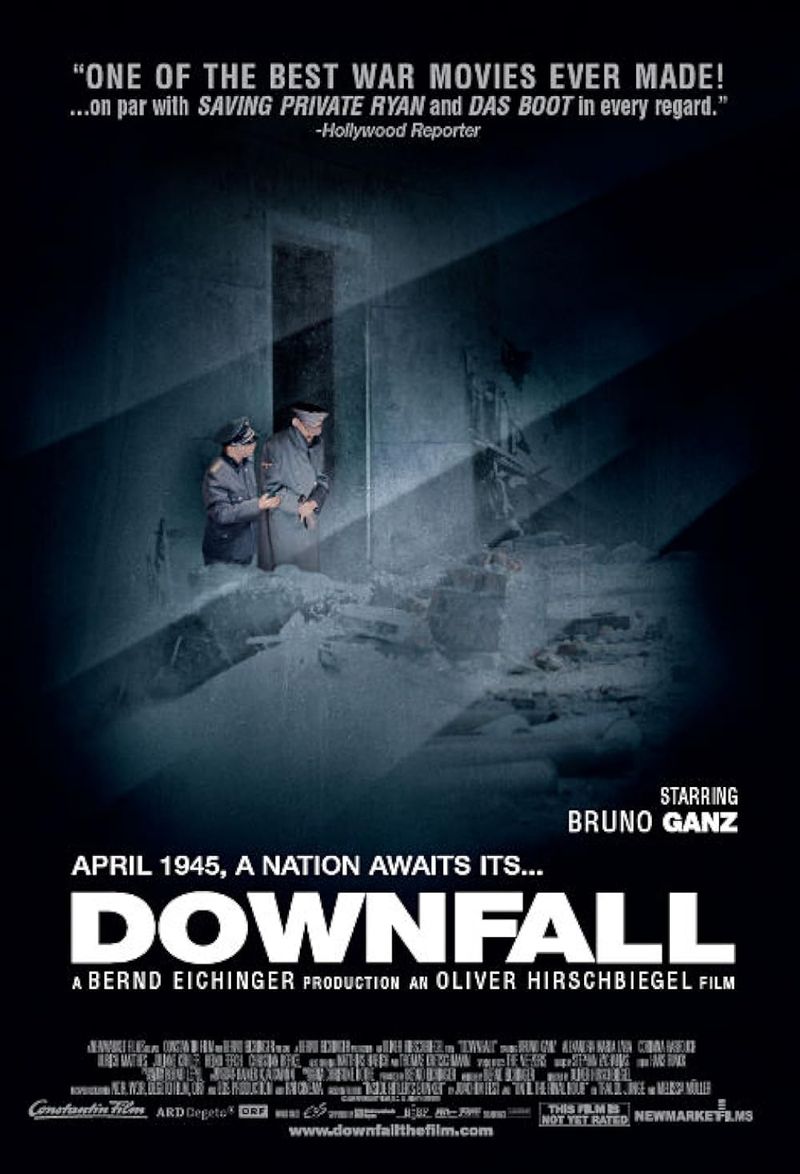
Few films have dared to portray Adolf Hitler as a human being rather than just a monster, but Downfall pulls it off with chilling accuracy.
Based on historian Joachim Fest’s book and the memoir of Hitler’s secretary Traudl Junge, the film reconstructs the final days inside the Fuhrerbunker with remarkable detail.
Historians praised its faithful depiction of the chaos and denial that surrounded Hitler’s inner circle as Berlin crumbled above them.
Actor Bruno Ganz studied recordings and consulted experts to perfect his portrayal.
The film’s set design, military uniforms, and even dialogue were carefully verified against historical records, making it one of the most credible war films ever made.
2. Spotlight (2015)
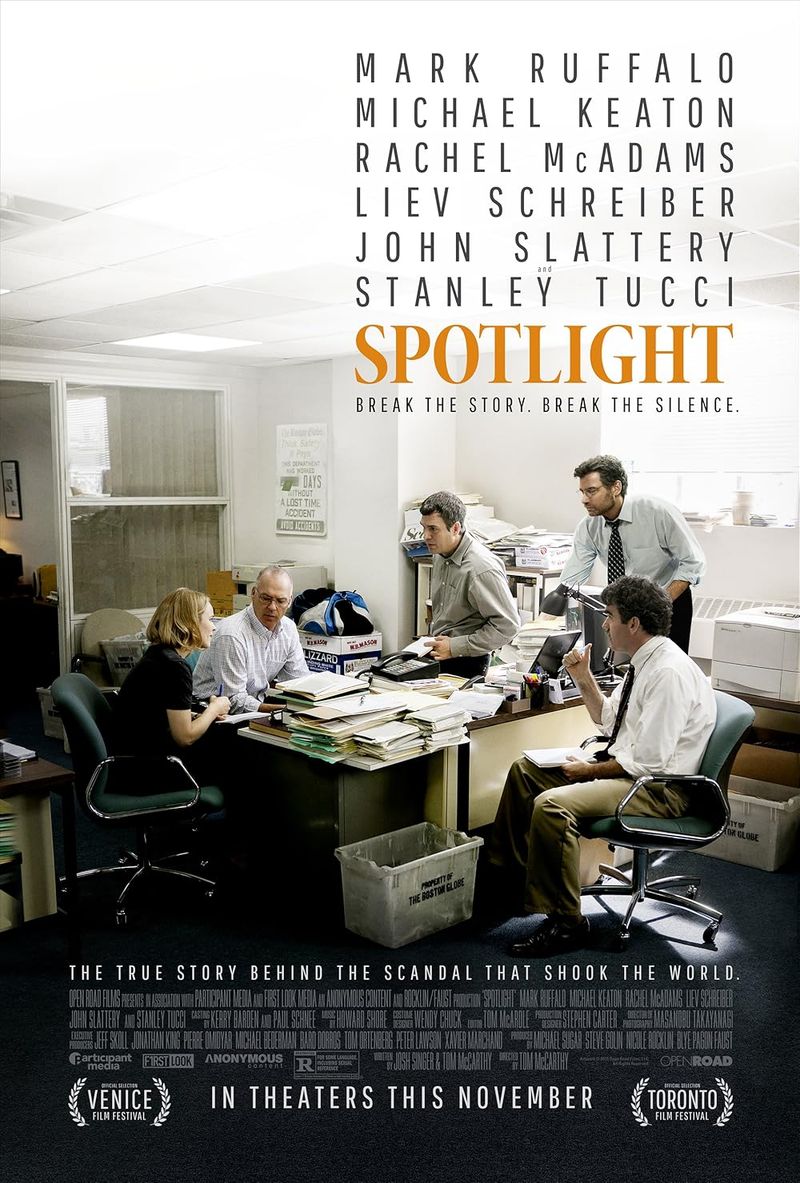
Winning the Academy Award for Best Picture, Spotlight tells the true story of the Boston Globe’s investigative team uncovering the Catholic Church’s child abuse scandal.
What makes it stand out is its almost documentary-level precision.
The filmmakers interviewed the actual journalists involved and used real documents from the case to ensure nothing was exaggerated or dramatized beyond what actually happened.
Every character is based on a real person, and even small details like office layouts and phone conversations were verified.
The reporters themselves praised the film for capturing the exhausting, methodical reality of investigative journalism.
It’s a masterclass in truth-telling on screen.
3. Zodiac (2007)
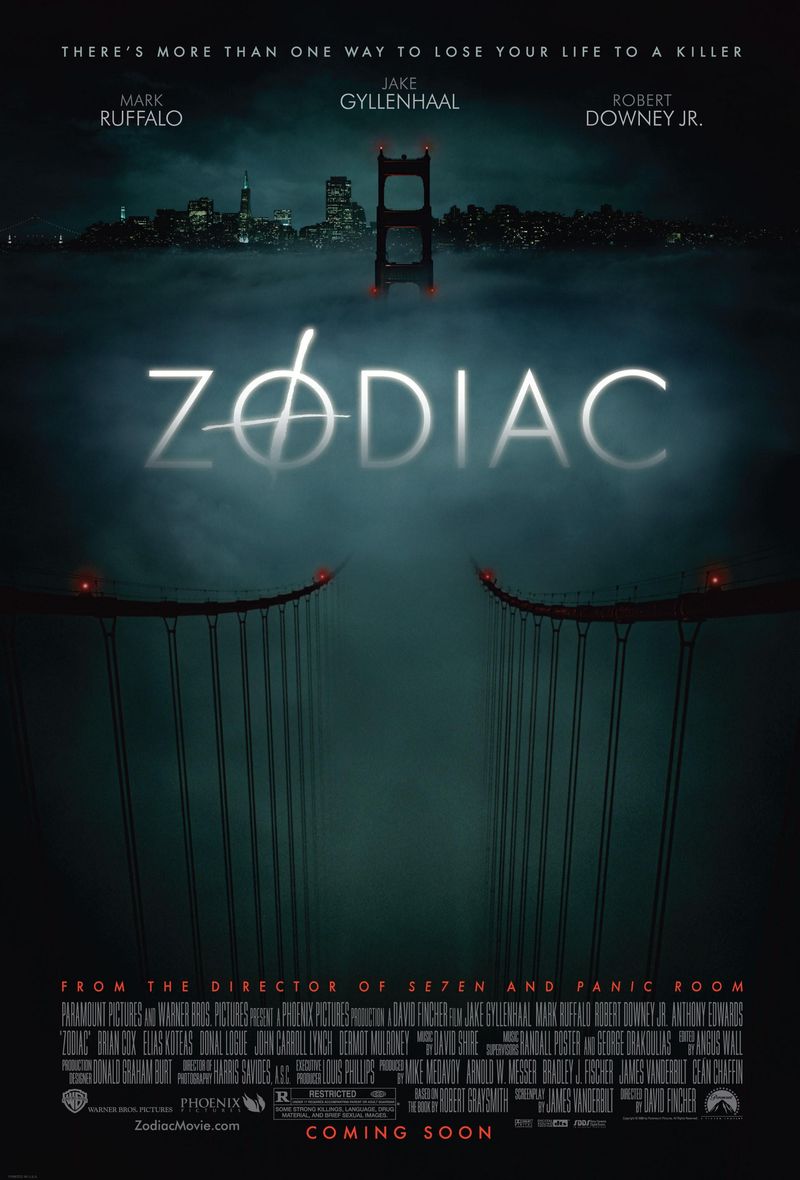
Director David Fincher is known for obsessing over details, and Zodiac is his most research-heavy film.
Covering the real-life Zodiac Killer case that terrorized California in the late 1960s and 1970s, the movie is based on Robert Graysmith’s detailed investigative books.
Fincher and his team reviewed thousands of pages of police files, interviewed surviving investigators, and even recreated crime scenes with forensic accuracy.
The film doesn’t sensationalize the killings.
Instead, it focuses on the painstaking, often frustrating process of trying to solve an unsolved case.
Criminologists and former detectives involved in the real investigation confirmed the film’s accuracy with high praise.
4. 12 Years A Slave (2013)
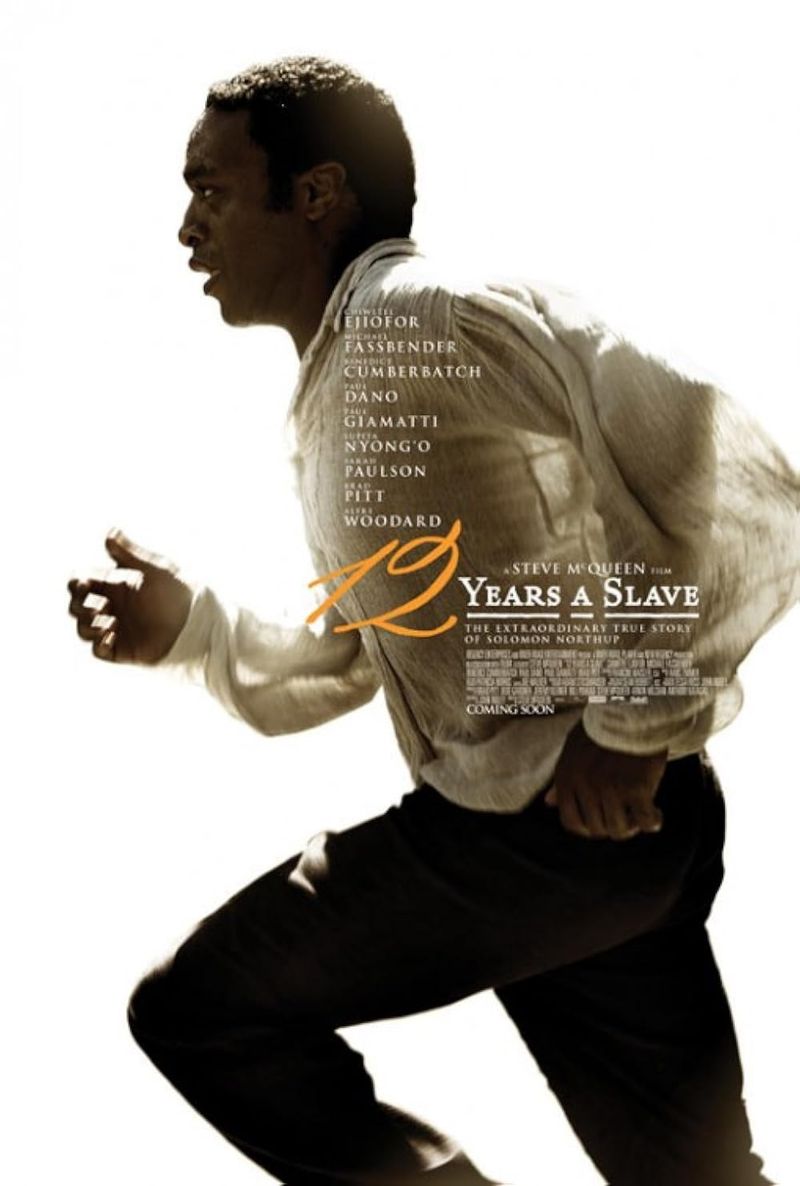
Solomon Northup’s 1853 memoir, Twelve Years a Slave, is one of the most powerful firsthand accounts of American slavery ever written, and director Steve McQueen treated it with the seriousness it deserved.
The film follows Northup’s harrowing journey from free man in New York to enslaved laborer in Louisiana with unflinching honesty.
Historians commended the film for refusing to soften the brutality or sugarcoat the reality of plantation life.
Production designers studied period photographs and plantation records to recreate authentic settings.
Actor Chiwetel Ejiofor’s portrayal mirrored Northup’s own written descriptions closely.
The film earned the Academy Award for Best Picture and remains a landmark in historically faithful cinema.
5. Schindler’s List (1993)
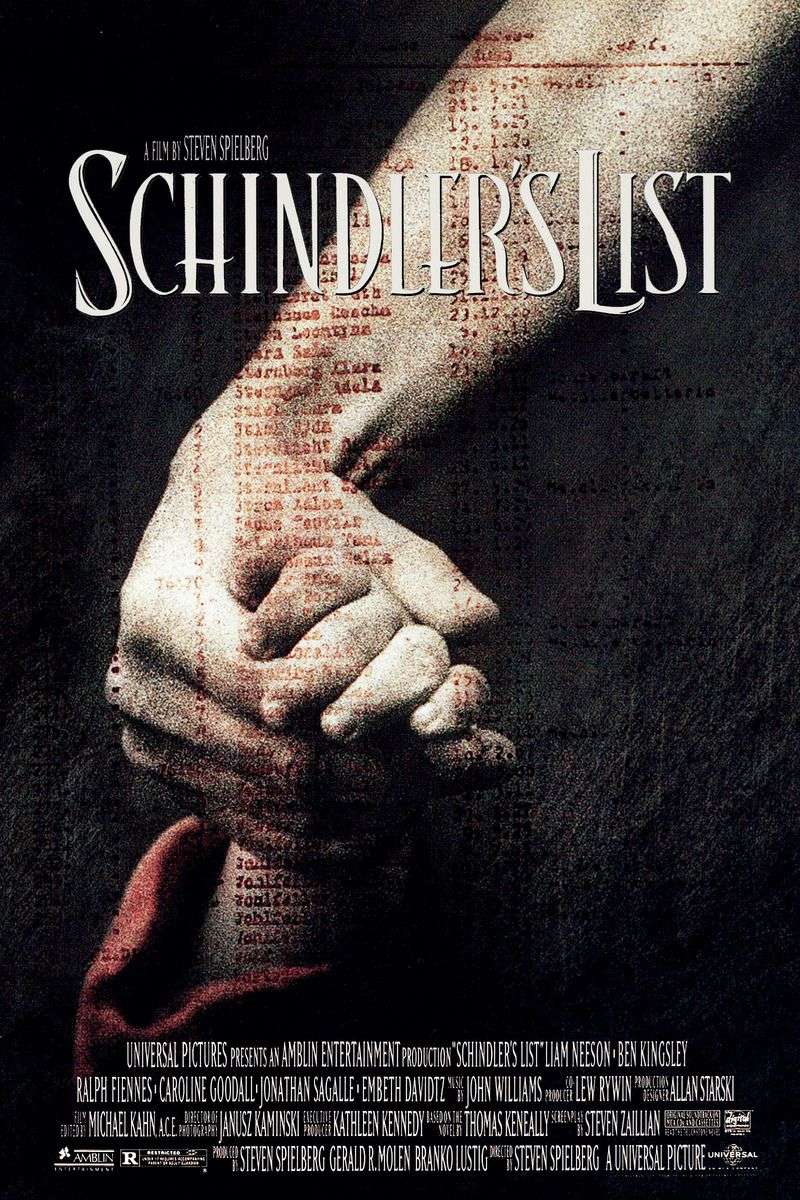
Steven Spielberg’s deeply personal film about Oskar Schindler saving over a thousand Jewish lives during the Holocaust is considered one of cinema’s greatest achievements in historical accuracy.
Shot in black and white to evoke the feel of wartime documentary footage, the film was based on Thomas Keneally’s meticulously researched novel and direct testimony from Schindler’s survivors, known as Schindlerjuden.
Many of those survivors served as consultants during production.
The film was shot on location in Krakow, Poland, close to the actual sites where events unfolded.
Historians have consistently rated it among the most accurate depictions of the Holocaust ever committed to film.
6. Tora! Tora! Tora! (1970)
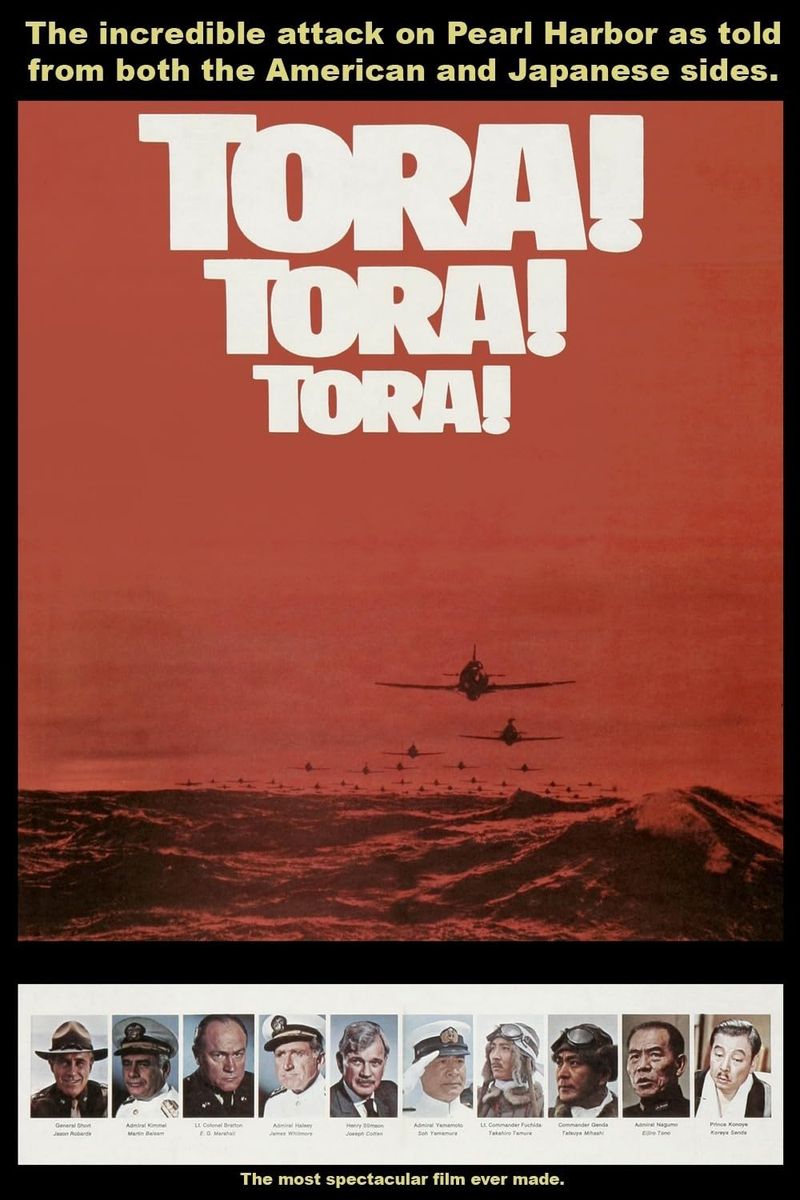
Made as a joint American-Japanese production, Tora! Tora! Tora! reconstructs the attack on Pearl Harbor from both sides of the conflict with extraordinary care.
Unlike many war films that take dramatic liberties, this one was produced with direct cooperation from both U.S. and Japanese military historians.
Real veterans from both nations were consulted during production to verify accuracy in tactics, dialogue, and sequence of events.
The film used actual vintage aircraft and meticulously recreated naval vessels.
Military experts have repeatedly praised it as one of the most accurate portrayals of December 7, 1941, ever filmed.
It remains required viewing in some military history courses.
7. The Assassination Of Jesse James By The Coward Robert Ford (2007)
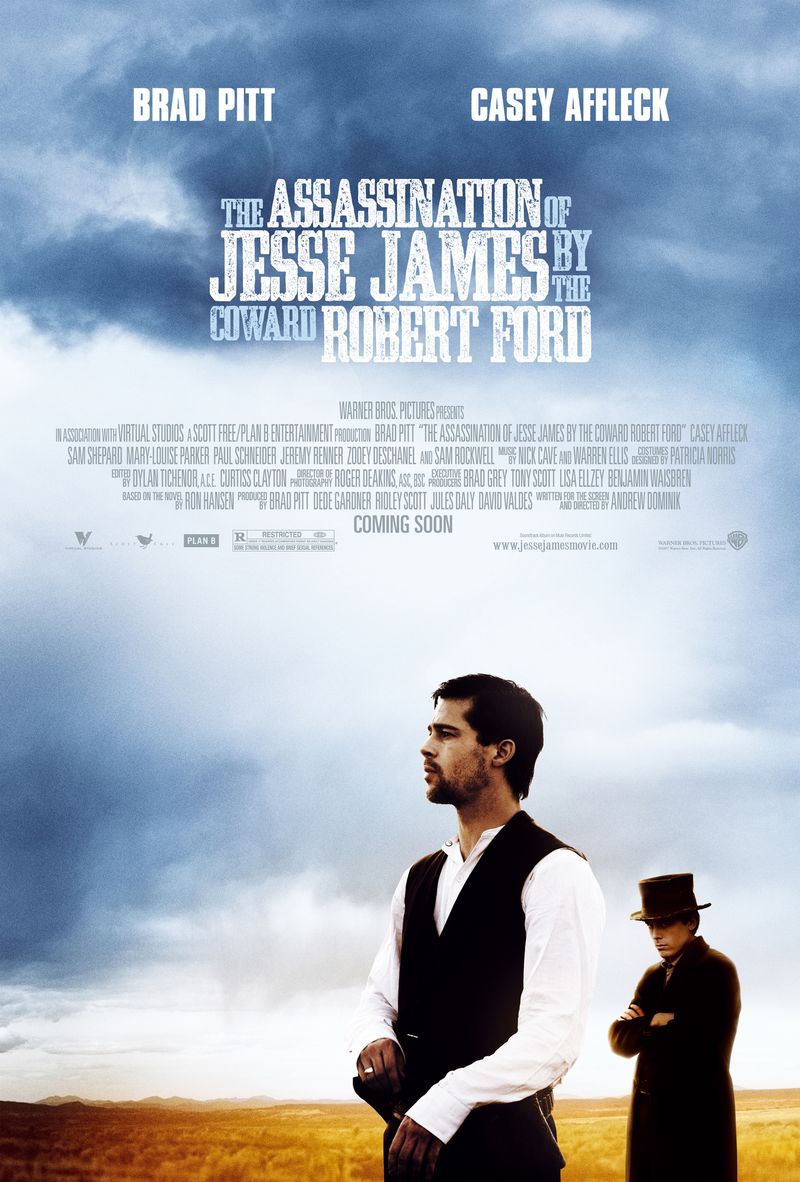
Slow, moody, and quietly devastating, this film takes a literary approach to the final months of outlaw Jesse James’s life.
Based on Ron Hansen’s novel of the same name, which itself drew heavily from historical records and biographies, the film captures the psychological tension between James and Robert Ford with impressive authenticity.
Historians noted the film’s accurate depiction of the James gang’s declining years and Ford’s complicated motivations.
Period details like clothing, weapons, and frontier settings were researched extensively.
The cinematography deliberately mirrors 19th-century portrait photography.
Brad Pitt and Casey Affleck both studied primary sources to bring real historical figures to life convincingly.
8. Chapter 27 (2007)
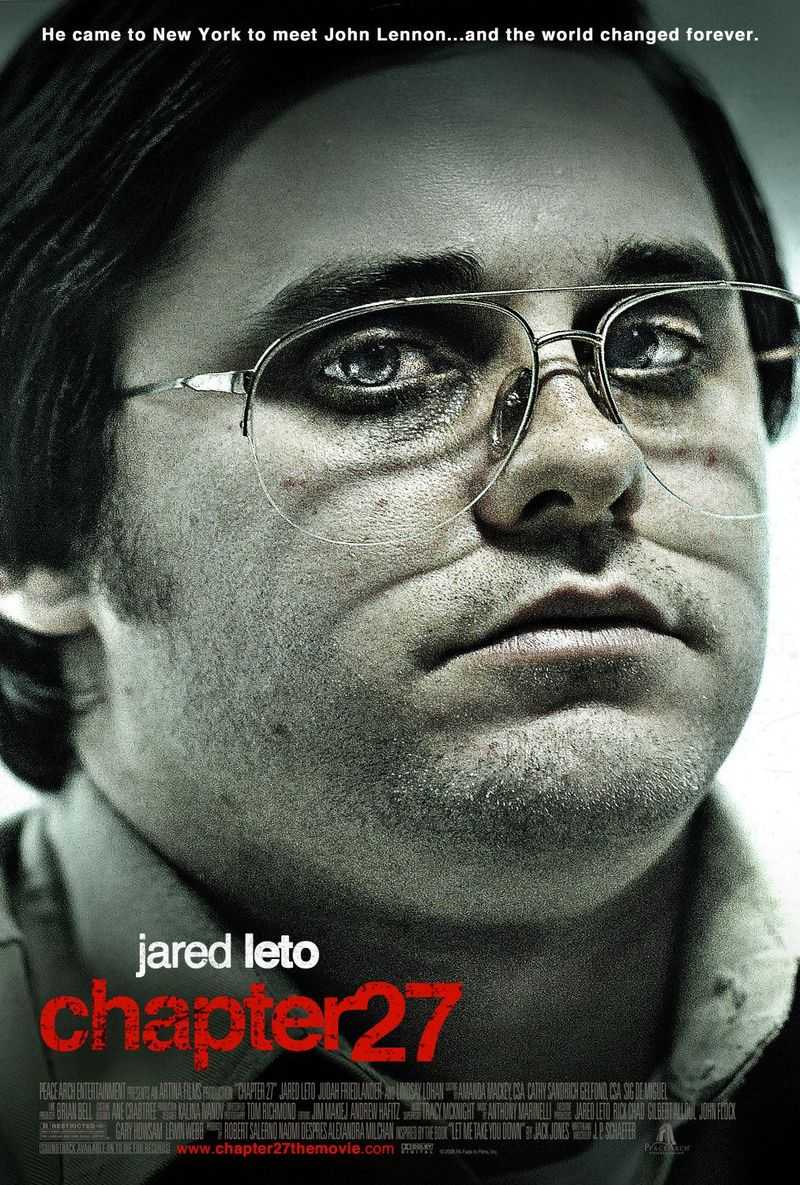
Chapter 27 follows the three days leading up to Mark David Chapman’s murder of John Lennon in December 1980.
The title refers to the imaginary follow-up chapter to J.D. Salinger’s The Catcher in the Rye, which deeply influenced Chapman’s disturbed thinking.
Jared Leto gained a significant amount of weight to portray Chapman and studied his journals, interviews, and psychological evaluations extensively to ensure an accurate portrayal.
The film was shot near the actual Dakota Building in New York where the murder took place.
Critics noted how precisely the film captured Chapman’s documented mental state and his obsessive relationship with Lennon’s public image during that period.
9. Joyeux Noel (2005)
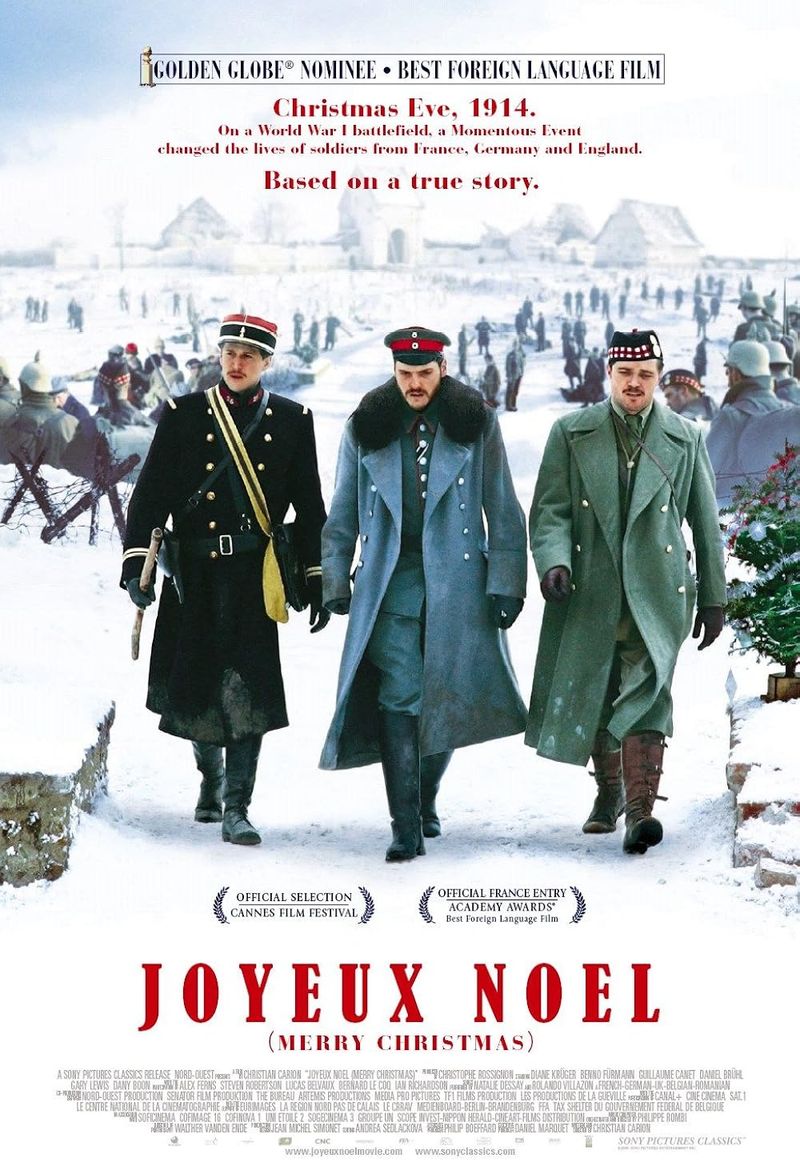
Based on the remarkable true story of the Christmas Truce of 1914, Joyeux Noel captures one of the most extraordinary and least-talked-about moments of World War I.
On Christmas Eve, soldiers from opposing sides of the Western Front spontaneously stopped fighting, exchanged gifts, sang carols, and even played football in no-man’s-land.
The film is based on documented letters, diaries, and official military reports from soldiers who witnessed the truce firsthand.
Historians applauded the film for presenting the event without excessive sentimentality or distortion.
The multilingual dialogue, authentic uniforms, and realistic trench environments all contribute to a film that honors the truth of this remarkable human moment.
10. A Night To Remember (1958)
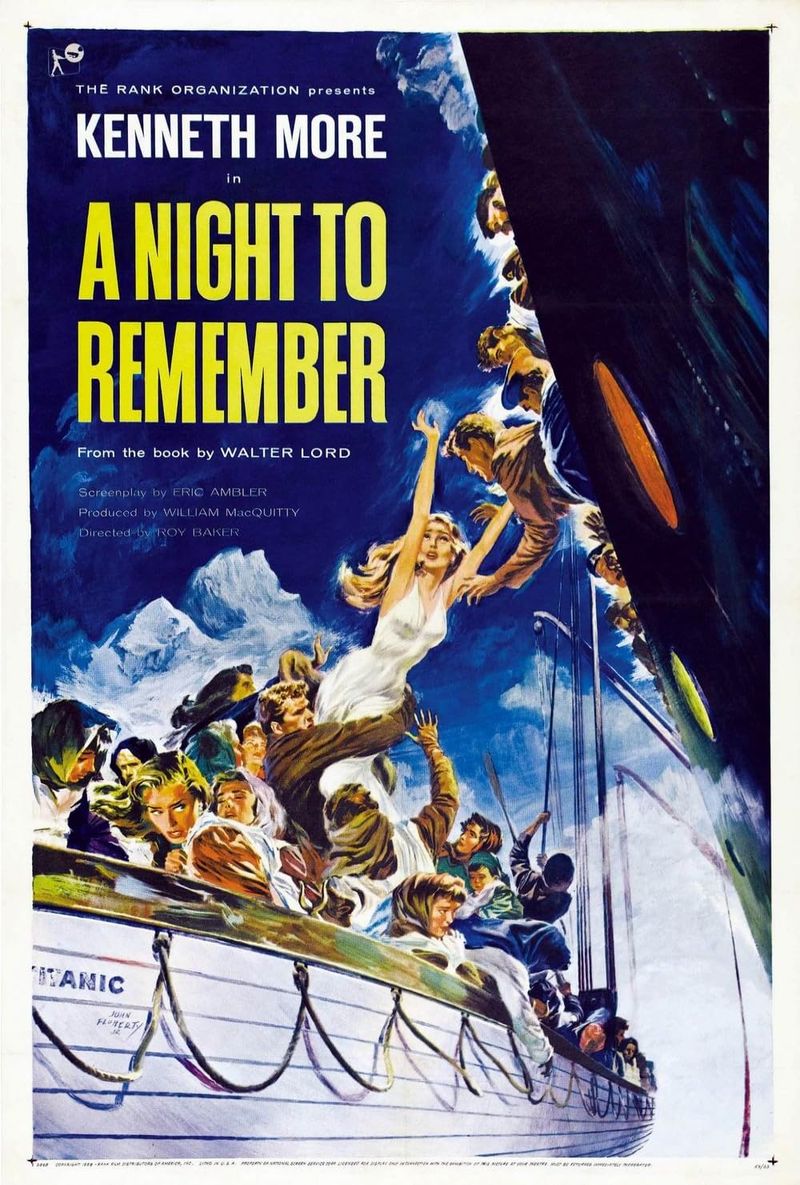
Long before James Cameron’s blockbuster, A Night to Remember was the gold standard for Titanic films.
Based on Walter Lord’s exhaustively researched 1955 book of the same name, the film interviewed actual survivors of the disaster to ensure accuracy.
Released just 46 years after the sinking, many people with living memory of the event were able to verify or correct the production’s details.
The film’s portrayal of the ship’s officers, crew behavior, and passenger class divisions has been praised by maritime historians as highly faithful.
Even the sequence of the ship’s flooding and structural failure closely matches what researchers later confirmed through underwater exploration of the wreck.
11. Lincoln (2012)
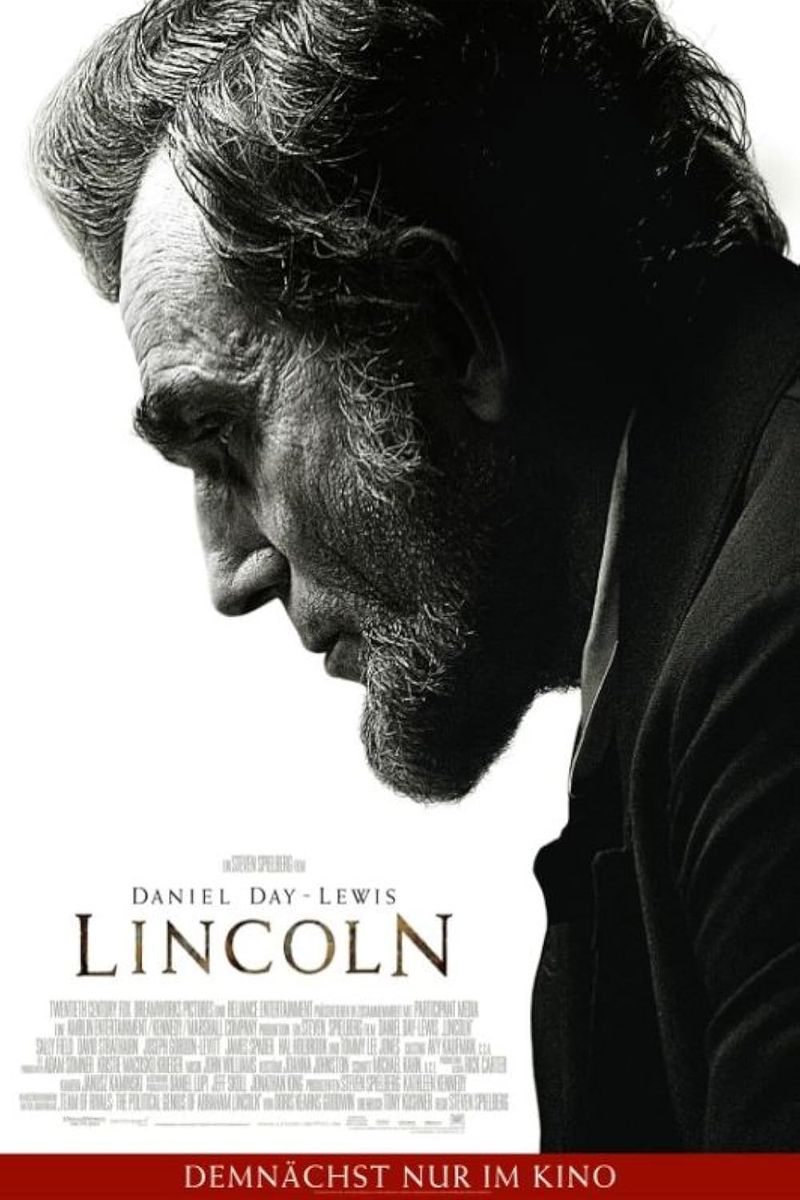
Steven Spielberg’s Lincoln zooms in on just a few weeks of Abraham Lincoln’s presidency, specifically his effort to pass the Thirteenth Amendment abolishing slavery.
The film is based largely on Doris Kearns Goodwin’s acclaimed biography Team of Rivals and was developed with input from Lincoln scholars at institutions like the Lincoln Presidential Library.
Daniel Day-Lewis spent years preparing for the role, studying Lincoln’s letters, speeches, and documented mannerisms.
Historians praised the film’s accurate portrayal of 19th-century political horse-trading and congressional debate.
Even Lincoln’s voice, often described by contemporaries as higher-pitched than expected, was carefully considered by Day-Lewis during his preparation.
12. All The President’s Men (1976)
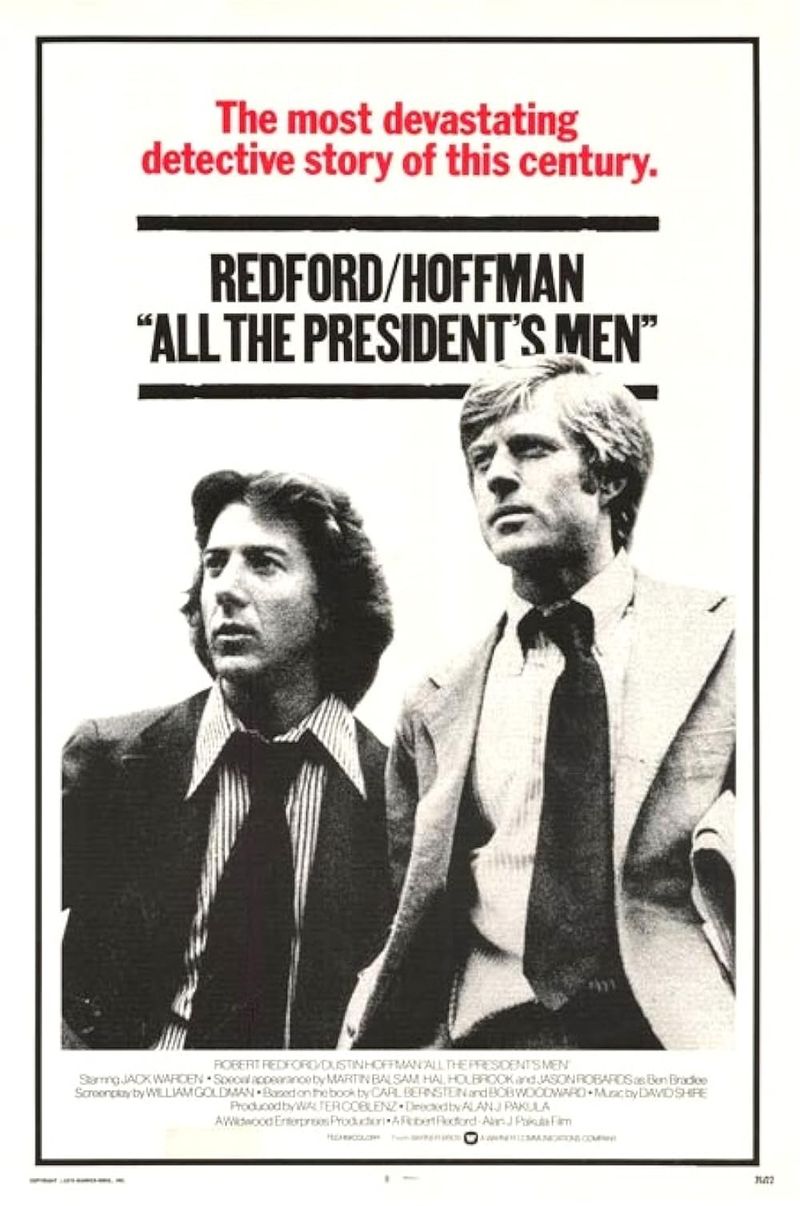
Released just two years after Richard Nixon’s resignation, All the President’s Men follows Washington Post reporters Bob Woodward and Carl Bernstein as they uncover the Watergate scandal.
Both journalists served as consultants on the film, and director Alan Pakula insisted on recreating the Post’s actual newsroom down to the trash in the wastebaskets.
Woodward and Bernstein’s own reporting was used almost verbatim in many scenes.
Journalism professors have assigned this film to students for decades because of how accurately it captures the real process of investigative reporting.
The film remains a benchmark not just for political cinema, but for how faithfully Hollywood can portray real events when it tries.
13. Apollo 13 (1995)
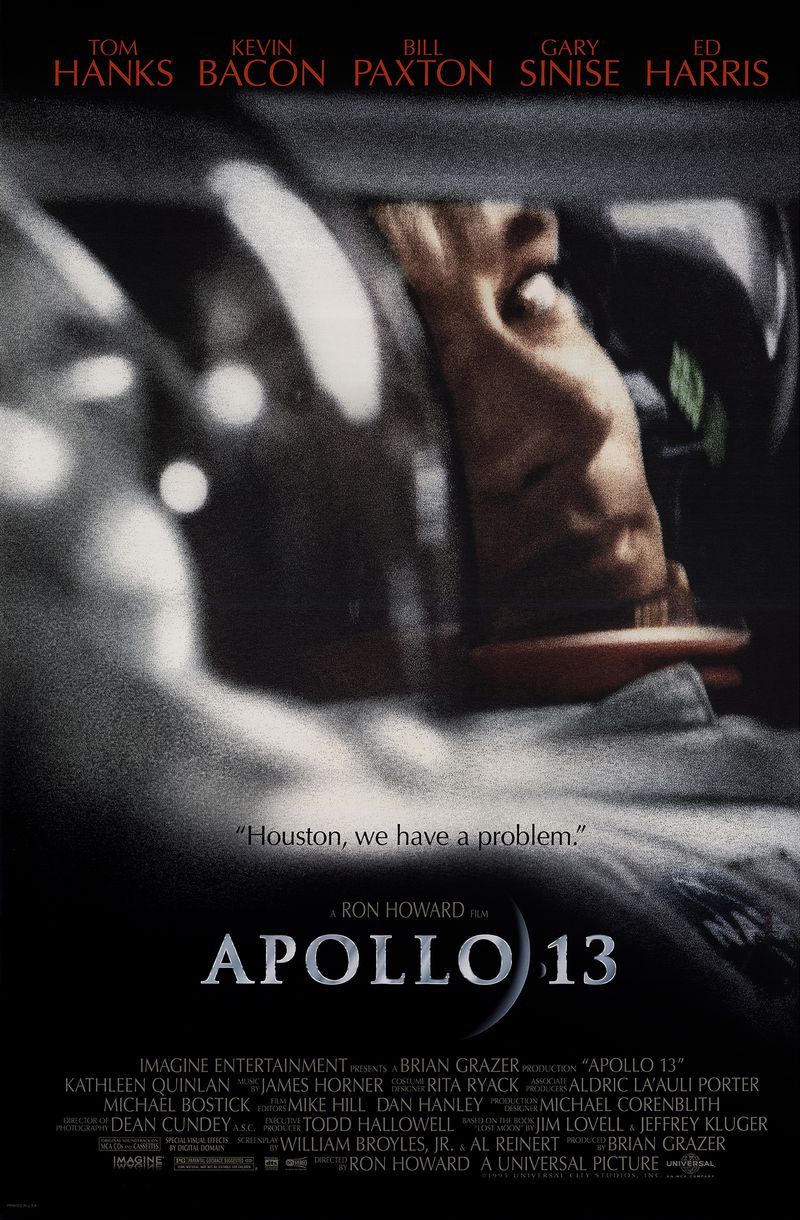
When NASA engineers and astronauts say your movie is accurate, you know you’ve done something right.
Apollo 13 tells the true story of the disastrous 1970 moon mission that nearly cost three astronauts their lives.
Director Ron Howard worked closely with NASA throughout production, using actual mission transcripts for dialogue and consulting with the real Jim Lovell, Fred Haise, and Jack Swigert, as well as Mission Control veterans.
The film even recreated weightlessness by filming aboard NASA’s reduced-gravity aircraft, nicknamed the Vomit Comet.
Retired NASA flight director Gene Kranz called the film incredibly accurate and was reportedly moved to tears watching the recreation of events he had personally lived through.
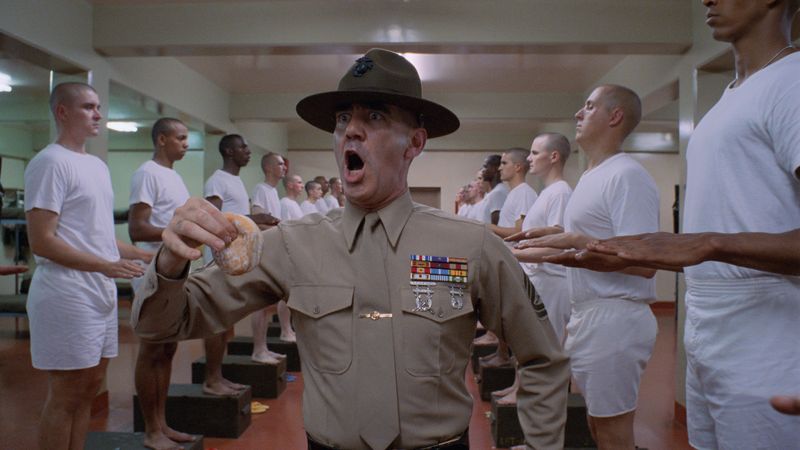
14. Full Metal Jacket (1987)
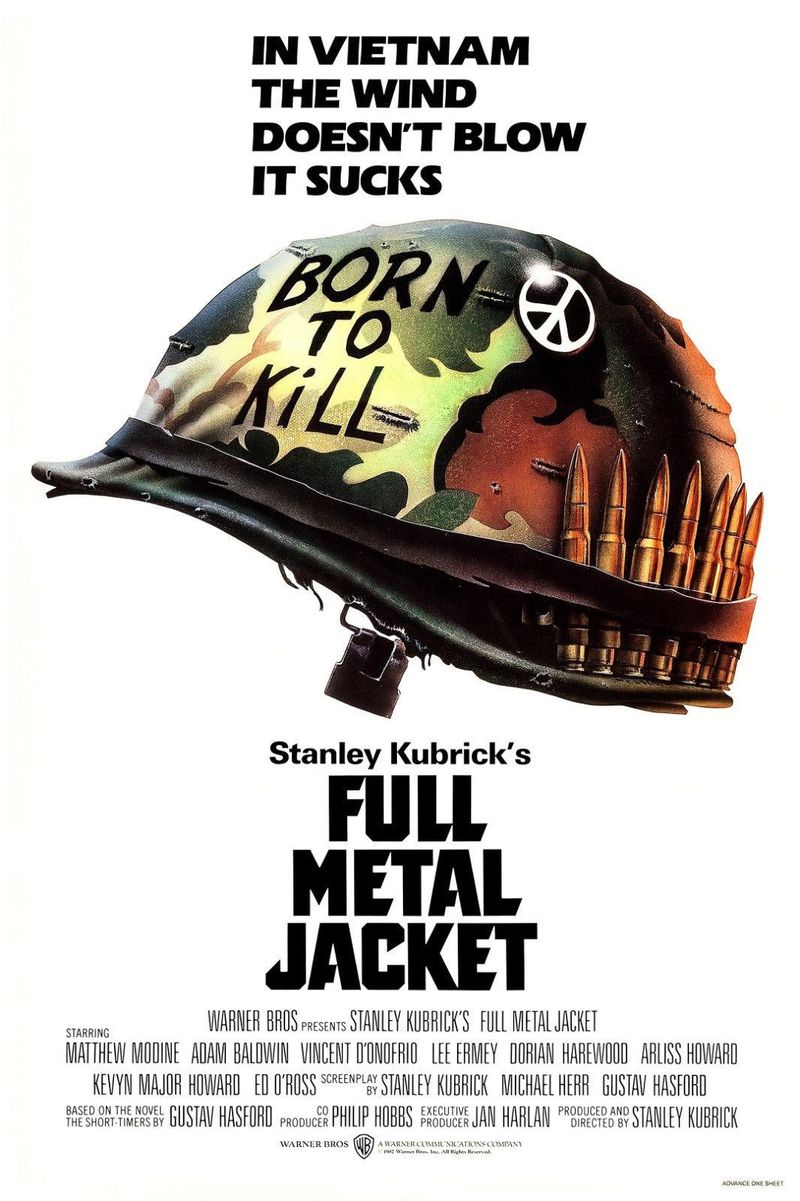
Stanley Kubrick never did anything halfway, and Full Metal Jacket is proof of that obsession with authenticity.
The film’s brutal boot camp sequences were supervised by R. Lee Ermey, a real former Marine drill instructor whose improvised dialogue and training methods were drawn directly from his own military experience.
Ermey’s involvement lent the first half of the film an almost documentary-level realism that veterans consistently praised.
Vietnam veterans and military historians credited the film for capturing the psychological transformation that basic training inflicts on recruits.
The second half, set during the Tet Offensive, also drew on firsthand accounts and photojournalistic records from journalists who covered the war in person.
15. The Lion In Winter (1968)
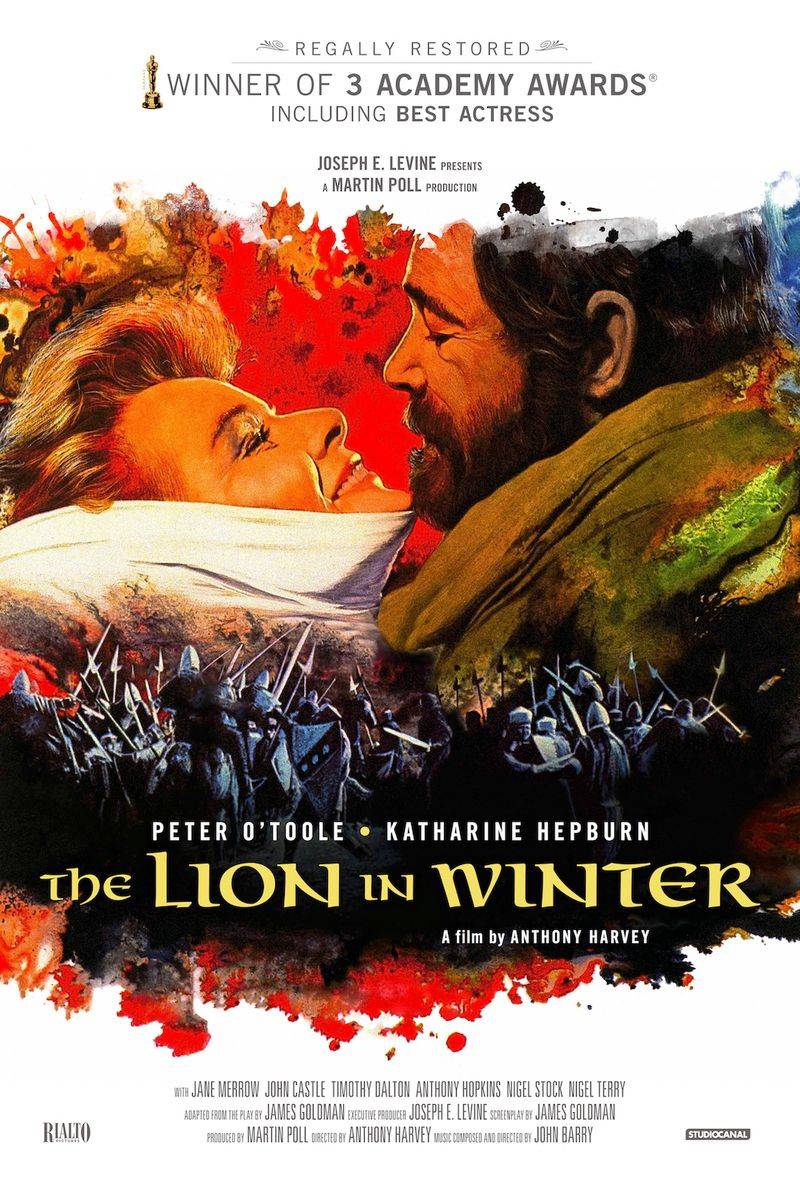
Set during Christmas 1183, The Lion in Winter dramatizes the power struggle between King Henry II of England and his imprisoned wife Eleanor of Aquitaine over who will inherit the throne.
While the film takes some theatrical liberties with dialogue, the historical framework, including the characters, their relationships, and the political tensions, is remarkably grounded in fact.
Historians have praised it for capturing the genuine complexity of medieval royal politics.
Peter O’Toole and Katharine Hepburn both researched their roles deeply.
The film accurately reflects documented tensions between Henry and Eleanor, as well as the real rivalries among their sons Richard, Geoffrey, and John, who all became historically significant figures.
Comments
Loading…