
 Hailey Watson
15 Best Foreign Films to Expand Your Movie Knowledge
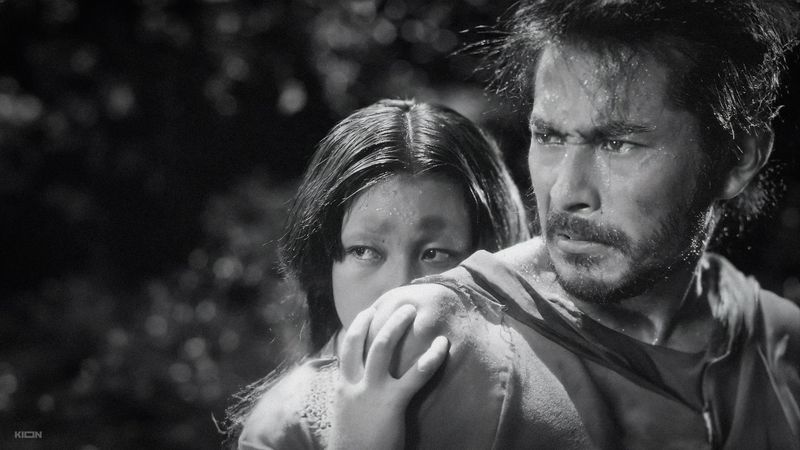
Movies from around the world tell stories that Hollywood often never touches. Foreign films offer a window into different cultures, histories, and ways of thinking that can completely change how you see the world.
From Japanese samurai epics to Brazilian crime dramas, these films have shaped cinema as we know it today. Whether you are a casual viewer or a budding film lover, these 15 masterpieces are guaranteed to leave a lasting impression.
1. Seven Samurai (1954)
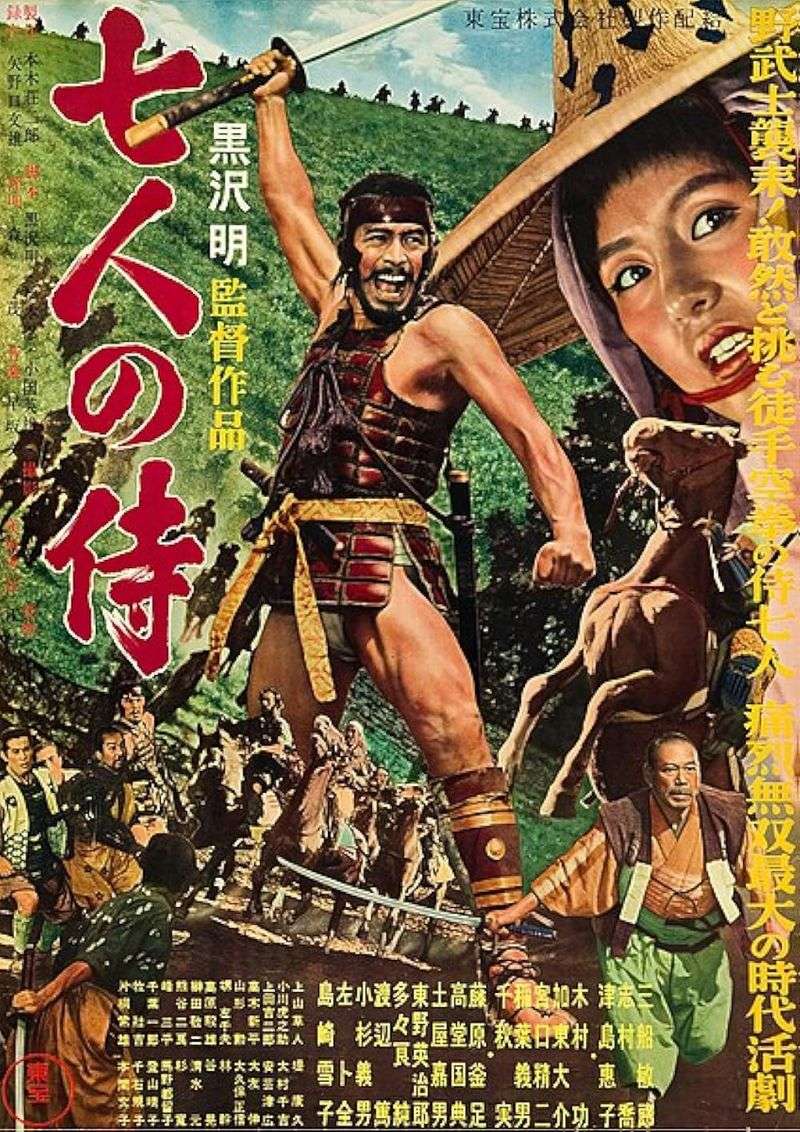
Akira Kurosawa’s Seven Samurai is the granddaddy of all action films, and it earns that title every single minute.
A poor farming village, terrorized by bandits, hires seven skilled warriors to defend them.
What follows is a masterclass in storytelling, character building, and breathtaking action sequences.
Nearly every Hollywood blockbuster you love owes something to this film.
The story inspired countless remakes, including the classic American western The Magnificent Seven.
Running almost three and a half hours, it never feels long because every scene matters.
Watch this one on a rainy afternoon and prepare to be completely amazed.
2. Rashomon (1950)
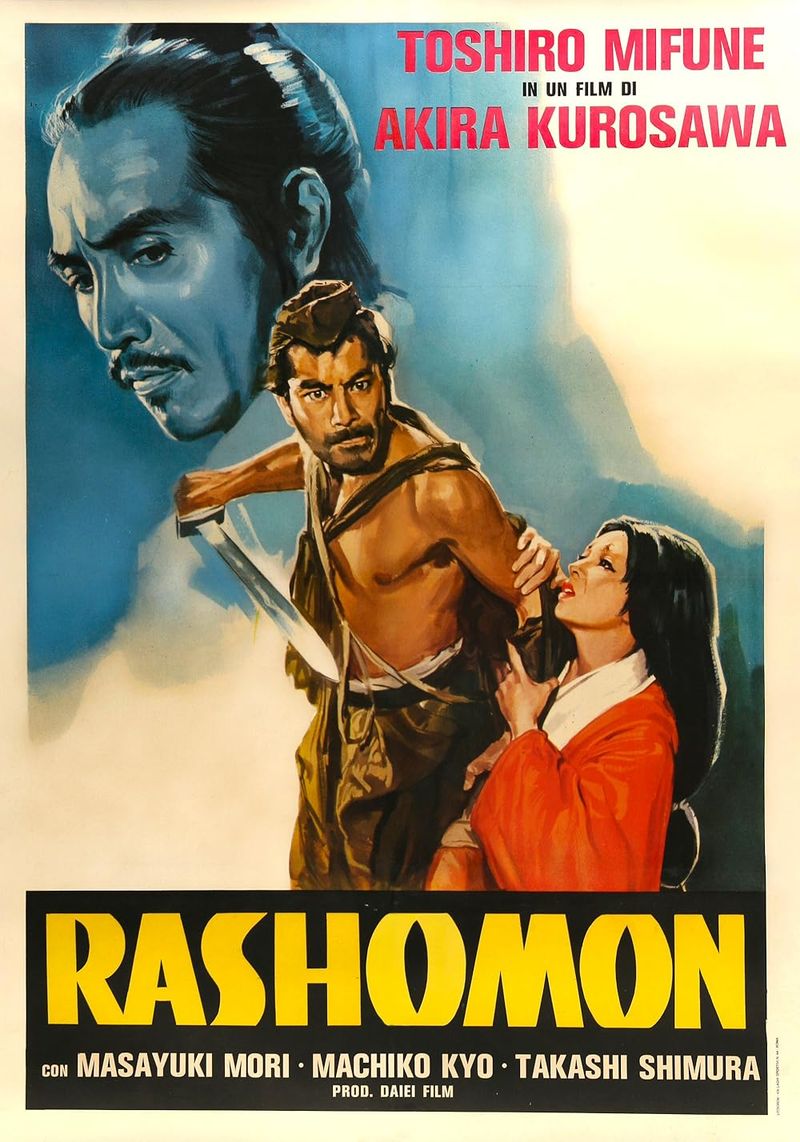
Truth is slippery, and Rashomon makes that point better than almost any film ever made.
Four characters each tell their version of the same violent event, and every single account contradicts the others.
Kurosawa forces the audience to question what is real and who can truly be trusted.
This film invented a storytelling technique so influential that filmmakers still use it today, and it even has its own name: the Rashomon effect.
It won the Golden Lion at Venice in 1951, putting Japanese cinema on the world map for the very first time.
Prepare to leave with your mind thoroughly scrambled.
3. Bicycle Thieves (1948)
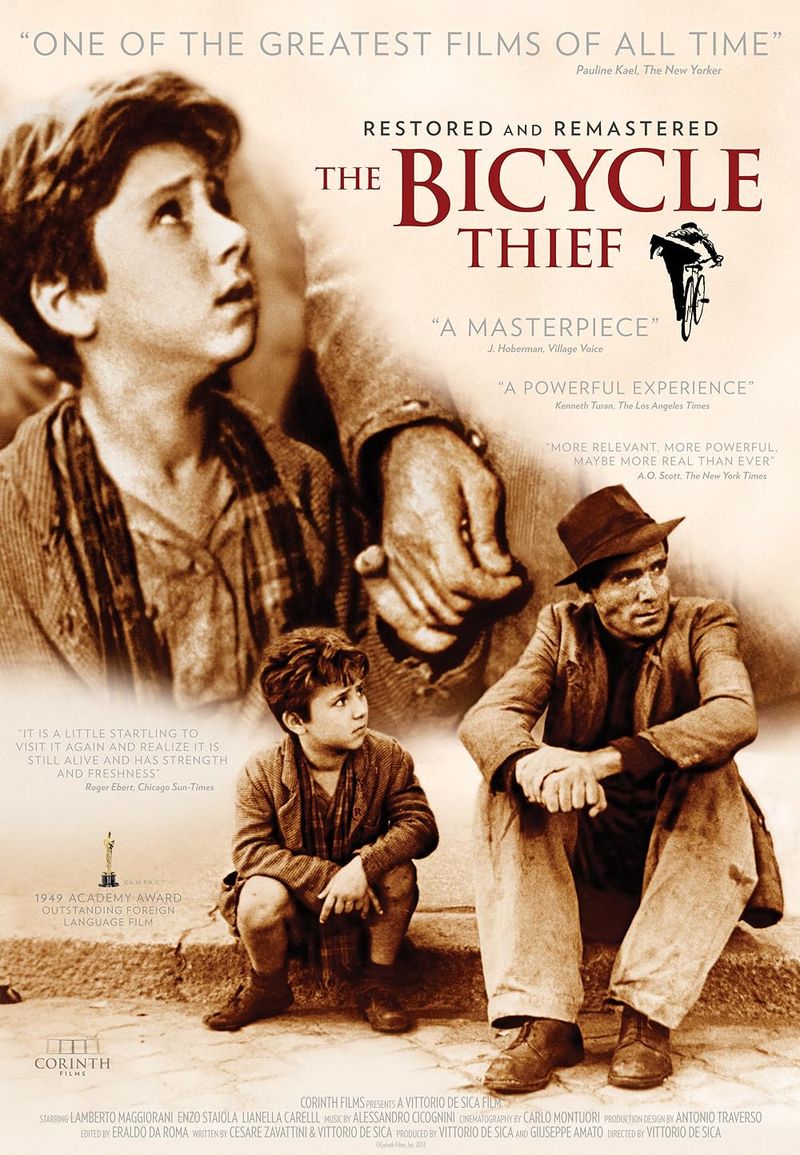
Heartbreak rarely hits as hard as it does in Bicycle Thieves, an Italian neorealist gem directed by Vittorio De Sica.
A desperate father needs his bicycle to keep his new job, and when it gets stolen, he and his young son search all across Rome to find it.
The film uses non-professional actors and real city streets, giving it a raw, documentary-like honesty that feels completely alive.
Orson Welles once called it the greatest film ever made, and many critics still agree with him to this day.
Grab a tissue, because this story of ordinary struggle will genuinely break your heart.
4. The Seventh Seal (1957)
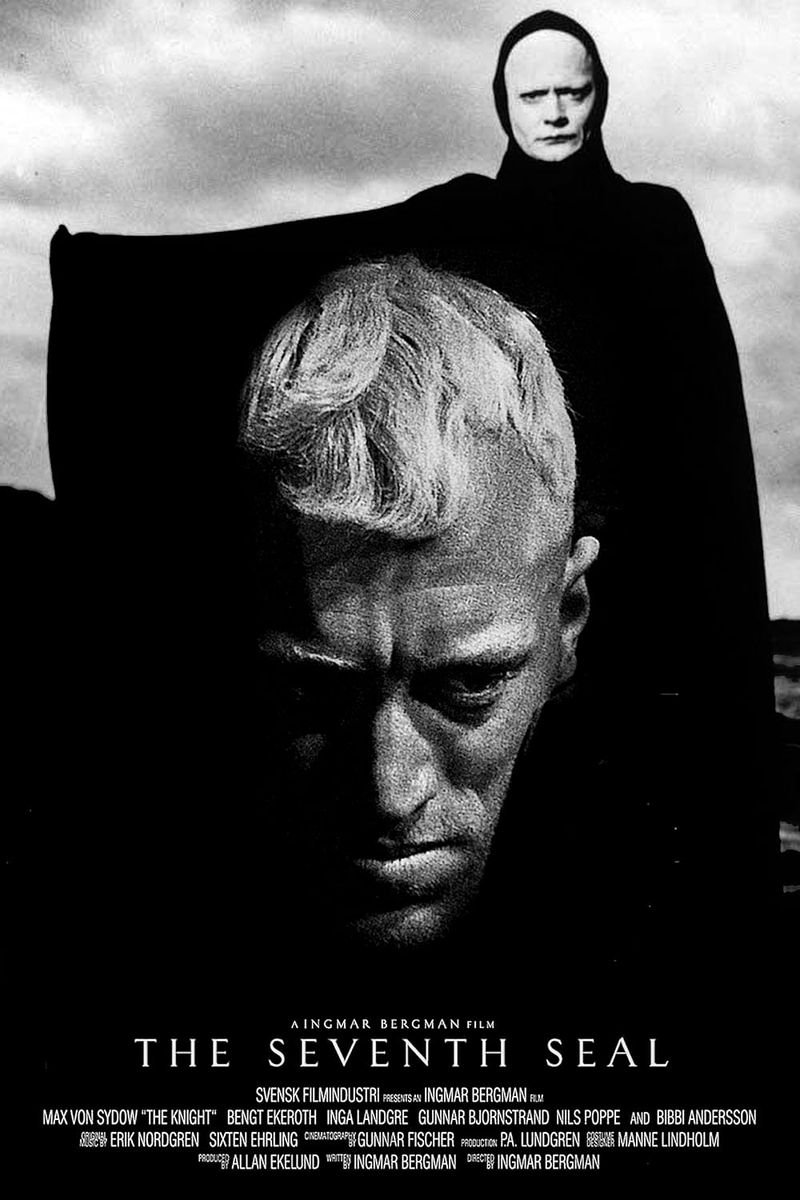
Imagine playing a game of chess against Death himself just to stay alive a little longer.
That is exactly the premise of Ingmar Bergman’s The Seventh Seal, and it is every bit as haunting and philosophical as it sounds.
A medieval knight returning from the Crusades challenges the Grim Reaper to a chess match, buying time to find meaning in life.
This film asks enormous questions about faith, mortality, and the silence of God without ever feeling preachy.
The iconic chess scene has been parodied hundreds of times in pop culture.
Bergman made a film that genuinely changes how you think about living.
5. 8½ (1963)
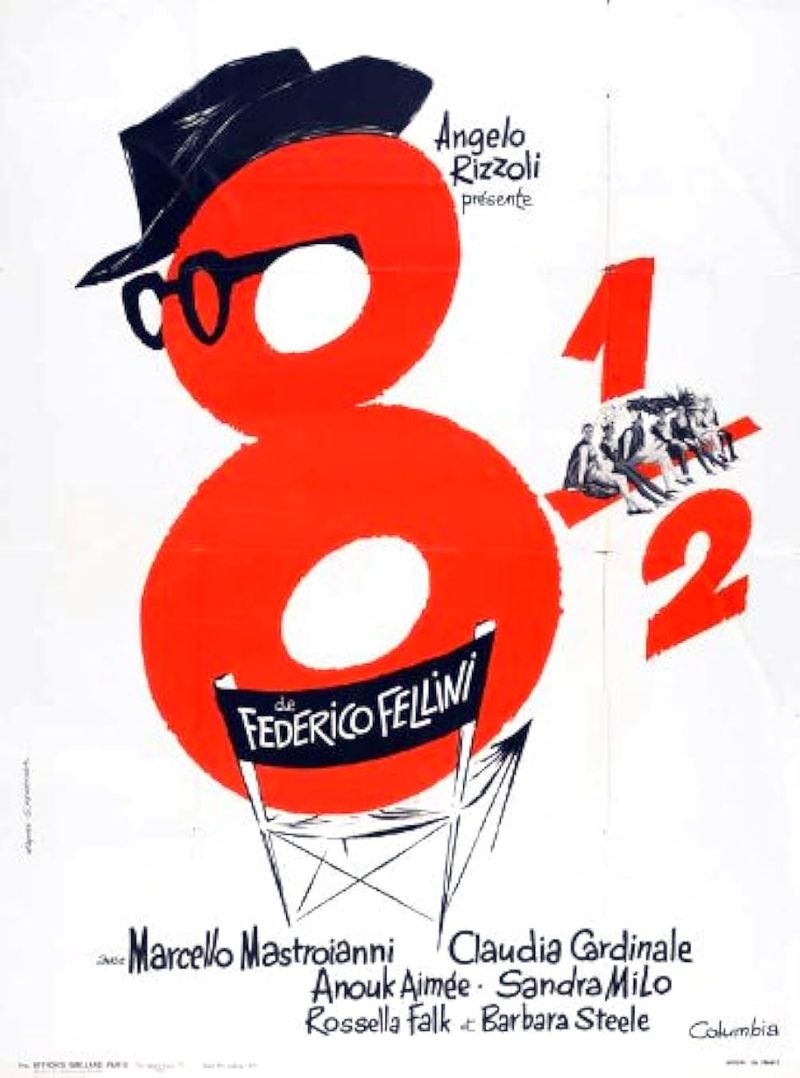
Federico Fellini made a film about a director who cannot figure out what film to make next, and the result is one of cinema’s most dazzling, confusing, and rewarding experiences. 8½ blends dreams, memories, and reality so seamlessly that you are never quite sure which world you are watching.
Marcello Mastroianni plays the lead with a breezy charm that makes even his character’s selfishness feel oddly likable.
The title comes from Fellini counting his previous films, including co-directed ones, and landing on eight and a half.
Creative types especially will recognize themselves in this beautifully messy portrait of artistic block and personal confusion.
6. Persona (1966)
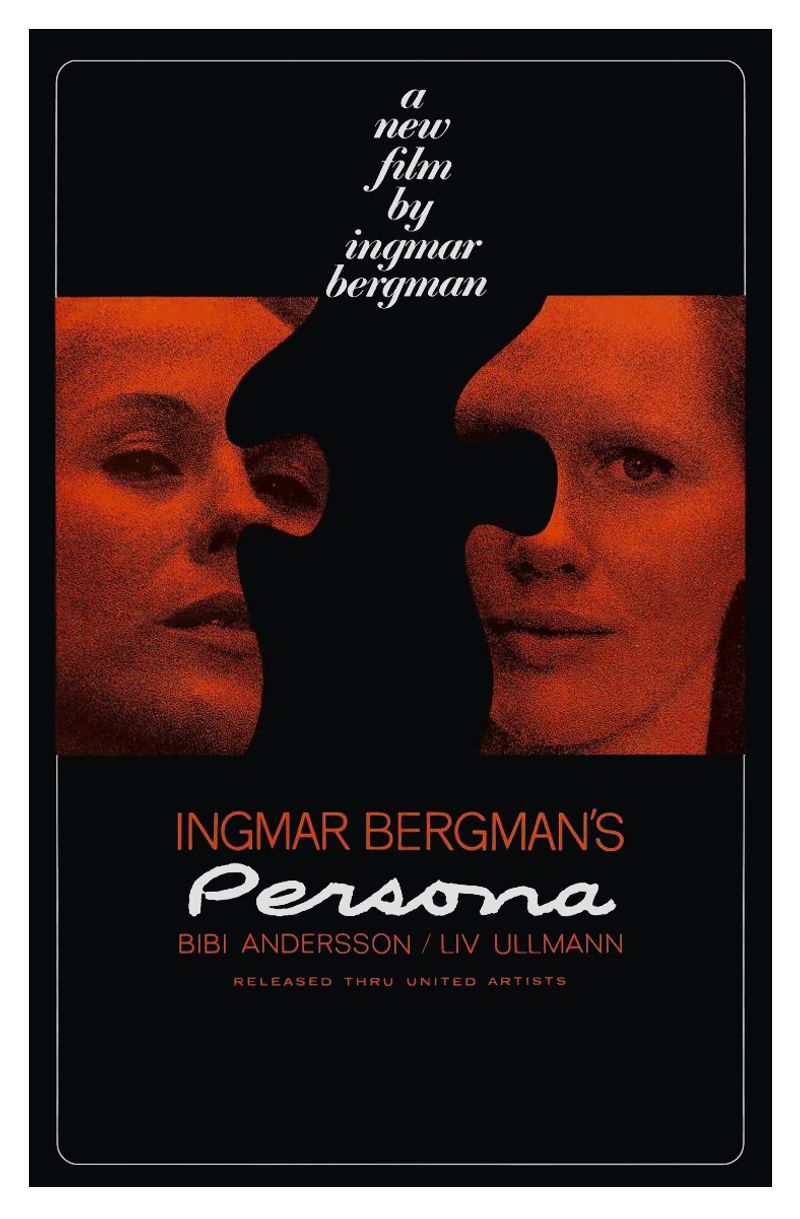
Some films comfort you, and some films challenge everything you think you know about watching movies.
Persona firmly belongs to the second category.
A nurse cares for an actress who has suddenly stopped speaking, and over time the two women’s identities begin to blur and bleed into each other in deeply unsettling ways.
Bergman was recovering from illness when he made this, and that fragility seeps into every frame.
The film has been analyzed by scholars for decades without anyone fully agreeing on what it means.
Watching Persona is less like seeing a story and more like experiencing a fever dream you cannot shake.
7. Contempt (1963)
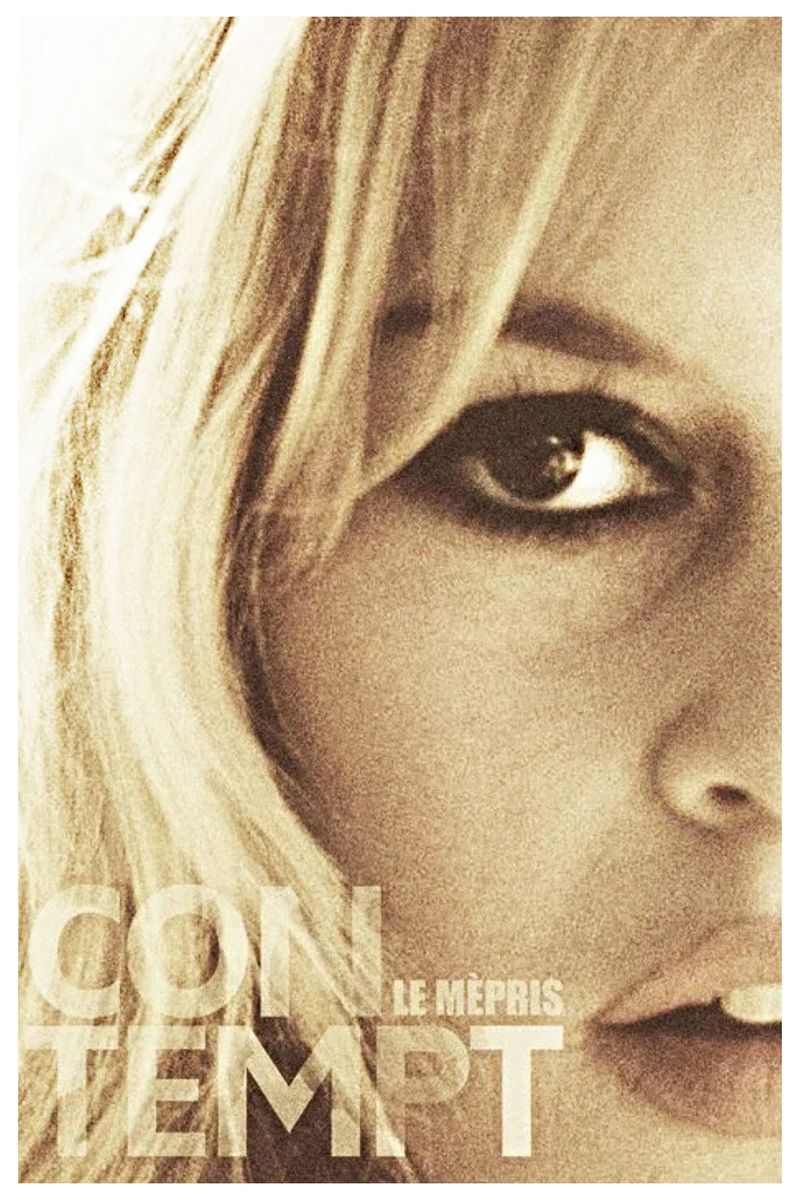
Jean-Luc Godard turned a story about a crumbling marriage into one of the most visually stunning films of the 1960s.
Contempt follows a screenwriter whose wife slowly loses respect for him as he compromises his artistic values for money and fame.
The tension between them feels painfully real and modern.
Filmed on the gorgeous Isle of Capri and featuring Brigitte Bardot, Fritz Lang, and Jack Palance, the cast alone is staggering.
Godard uses wide CinemaScope frames to make the characters look small and isolated even in beautiful surroundings.
It is a film about love dying quietly, told with jaw-dropping visual style.
8. Alphaville (1965)
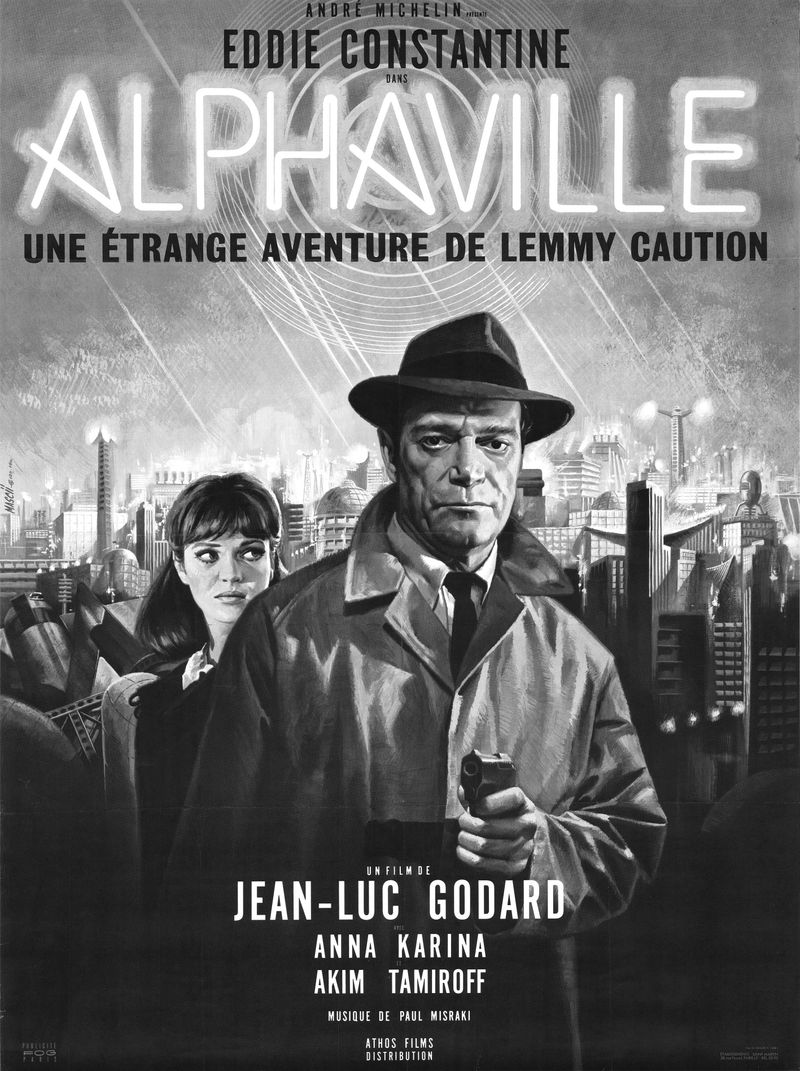
What if a secret agent walked into a science fiction dystopia armed with nothing but a gun and a poetry book?
That is the wild, wonderful premise of Godard’s Alphaville.
Secret agent Lemmy Caution travels to a future city ruled by a cold, logical supercomputer that has banned all emotion and poetry.
Godard filmed the whole thing in real 1960s Paris buildings, making the futuristic city feel eerily familiar rather than flashy.
The film is a love letter to American noir, French New Wave experimentation, and classic science fiction literature all at once.
Quirky, clever, and surprisingly romantic, this one rewards patient and curious viewers enormously.
9. Shame (1968)
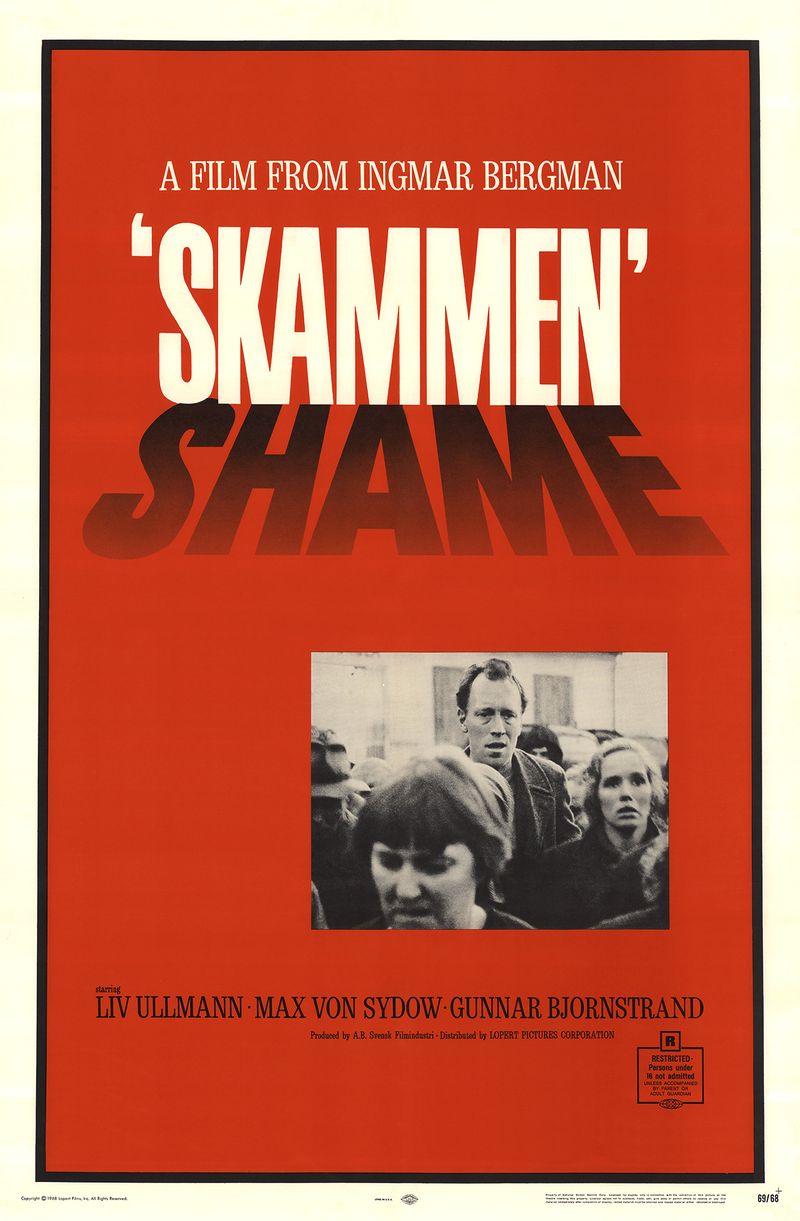
War films often focus on heroism, but Shame is brutally honest about how ordinary people fall apart when conflict destroys everything around them.
Bergman follows two musicians living quietly on a remote island who are suddenly dragged into a civil war they never wanted any part of.
Max von Sydow and Liv Ullmann give raw, deeply human performances as a couple whose love slowly corrodes under unbearable pressure.
Bergman made this during the Vietnam War era, and the film’s moral ambiguity feels uncomfortably relevant in any era.
This is not an easy watch, but it is an absolutely necessary and deeply honest one.
10. In the Mood for Love (2000)
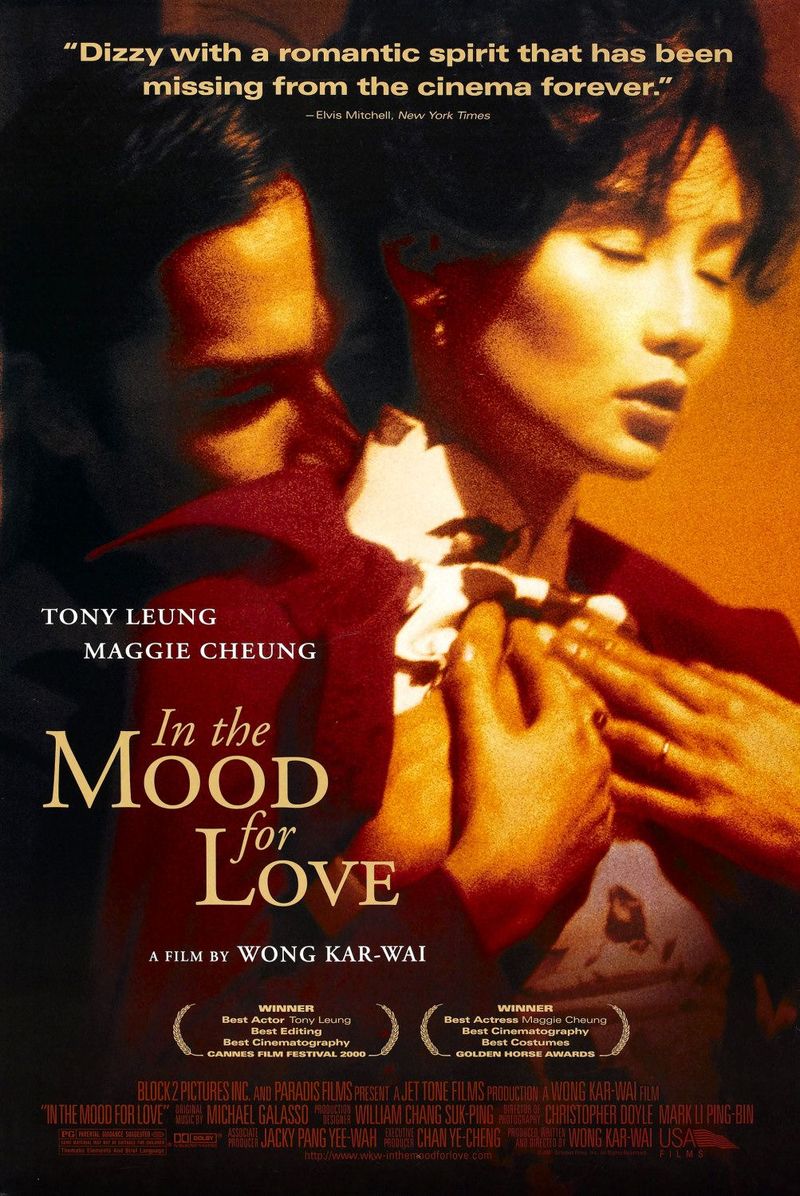
Longing has never looked as gorgeous as it does in Wong Kar-wai’s In the Mood for Love.
Two neighbors in 1960s Hong Kong discover that their spouses are having an affair with each other, and they are drawn together by shared heartbreak.
Yet the film is really about all the feelings they choose not to act on.
Every frame is composed like a painting, drenched in warm reds and golden light.
Maggie Cheung’s stunning wardrobe of cheongsam dresses became legendary in fashion circles worldwide.
Slow, aching, and quietly devastating, this film is proof that restraint can be the most powerful storytelling tool imaginable.
11. Memories of Murder (2003)
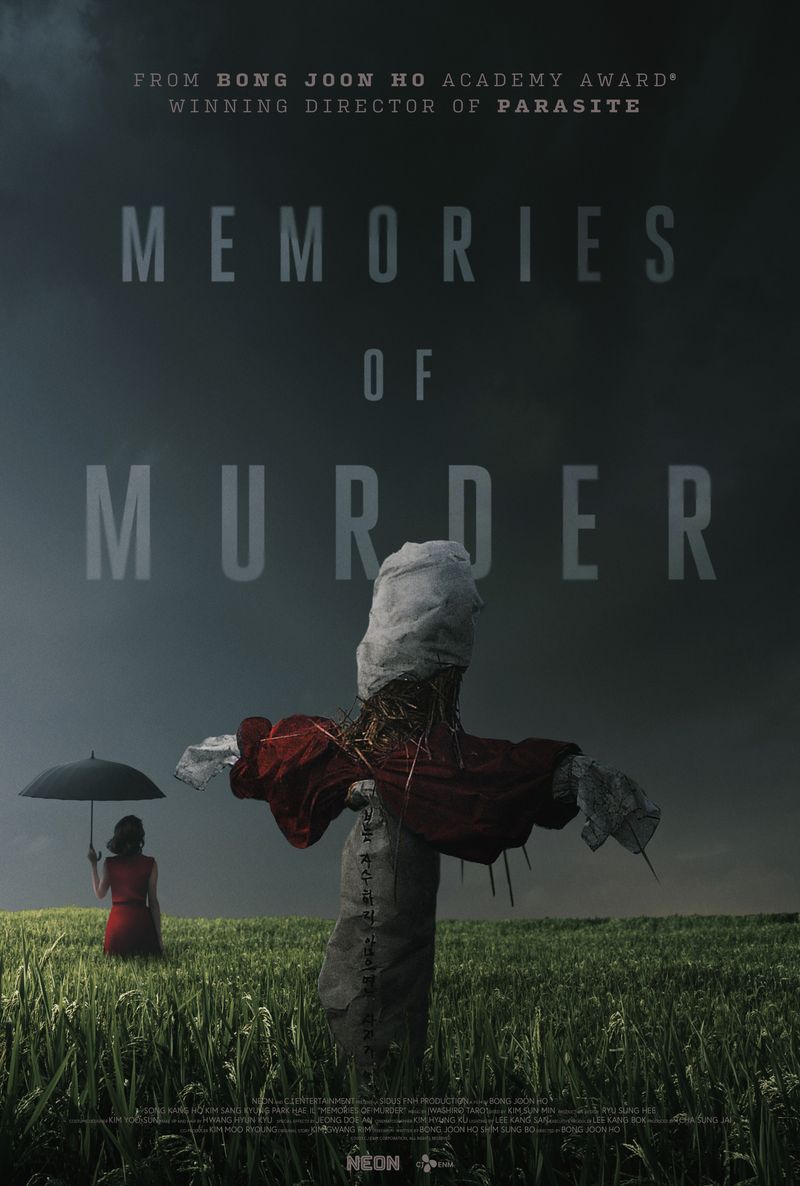
Based on South Korea’s first recorded serial murder case, Memories of Murder is a thriller that keeps you guessing right up to its haunting final shot.
Director Bong Joon-ho, who later made Parasite, blends dark comedy with genuine dread in a way that feels almost impossible to pull off.
Two very different detectives, one impulsive and one methodical, struggle to catch a killer in a rural town with almost no forensic resources.
The film captures a specific era of Korean society with sharp social commentary woven throughout.
Gripping, funny, and deeply sad all at once, this is Bong at his very best.
12. City of God (2002)
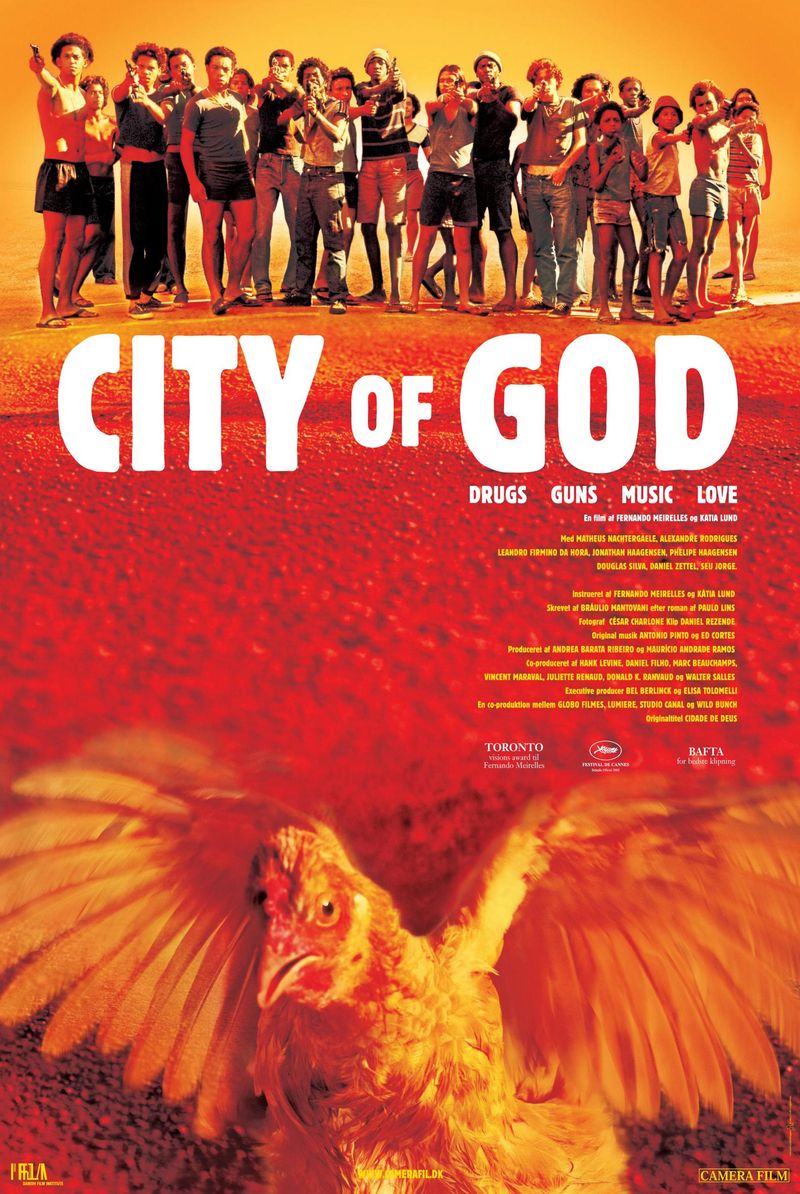
Few films hit with the raw, explosive energy of City of God.
Fernando Meirelles and Katia Lund take viewers inside the Cidade de Deus housing project in Rio de Janeiro, following characters from the 1960s through the brutal gang wars of the 1980s.
The film is narrated by a boy who dreams of becoming a photographer rather than a criminal.
Remarkably, most of the cast were non-professional actors from actual favelas, giving the film an electric authenticity.
The cinematography, editing, and storytelling are so urgent and alive that the two-hour runtime flies past.
Visually thrilling and emotionally gutting, this Brazilian masterpiece demands to be seen.
13. Three Colors: Red (1994)
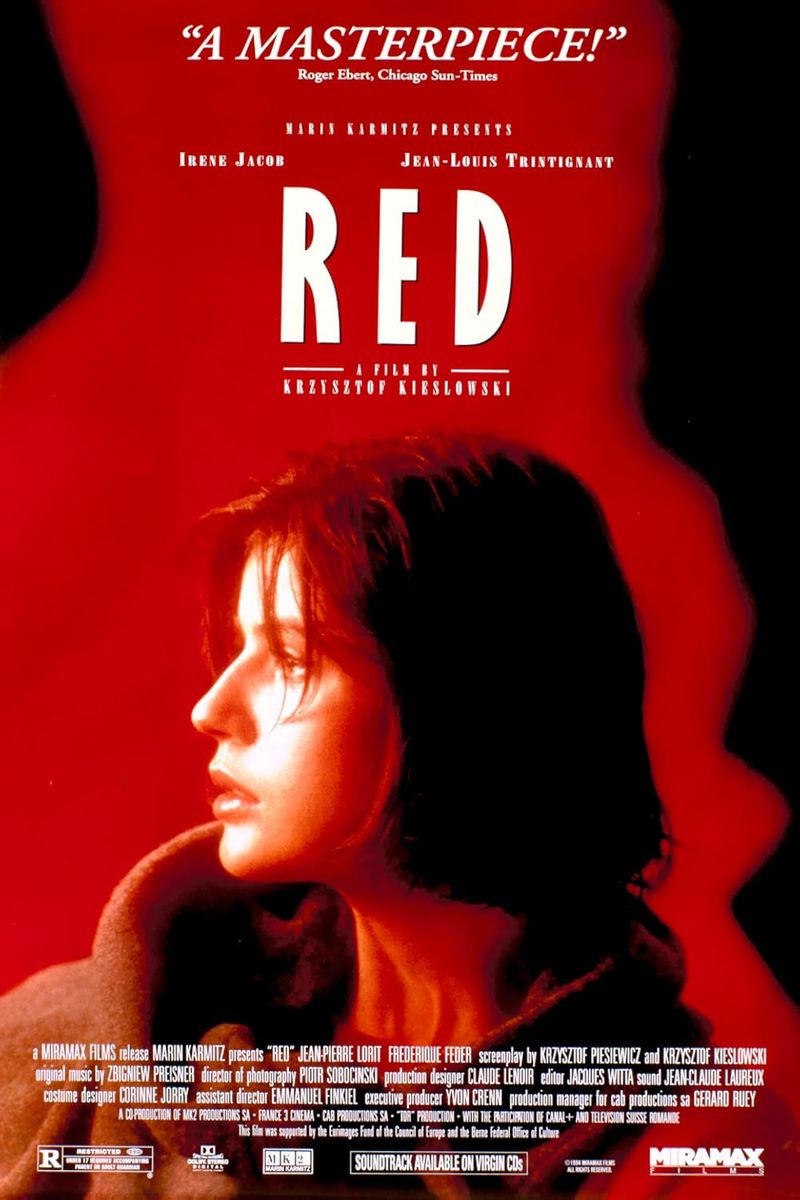
Krzysztof Kieslowski closed his legendary Three Colors trilogy with Red, a film about an unexpected friendship between a young model and a retired judge who illegally eavesdrops on his neighbors’ phone calls.
The connection that grows between them is tender, strange, and completely unforgettable.
Kieslowski bathes every scene in deep, warm red tones that feel like a visual hug even when the subject matter is heavy.
Irene Jacob’s performance is luminous, carrying the emotional weight of the film with effortless grace.
Themes of fate, coincidence, and human connection run through every conversation.
This is cinema as art, philosophy, and pure feeling all wrapped into one.
14. The Lives of Others (2006)
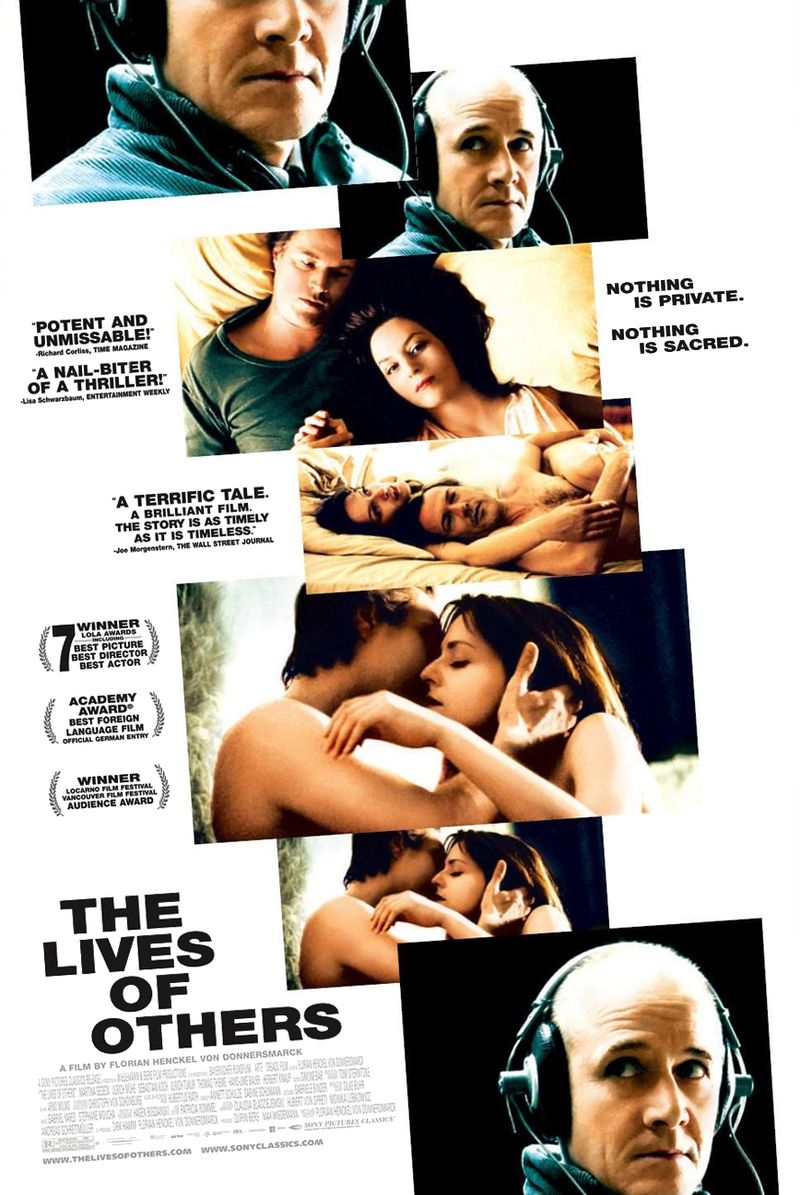
East Germany’s secret police, the Stasi, monitored millions of citizens, and The Lives of Others puts you right inside that chilling system.
A loyal Stasi officer is assigned to spy on a playwright and his actress girlfriend, but as he listens to their lives, something unexpected begins to shift inside him.
Ulrich Muhe delivers one of the most quietly powerful performances in modern cinema, saying more with a glance than most actors manage with a monologue.
The film won the Academy Award for Best Foreign Language Film in 2007.
Tense, morally rich, and deeply moving, this German drama is an absolute must-watch for any serious film lover.
15. A Separation (2011)
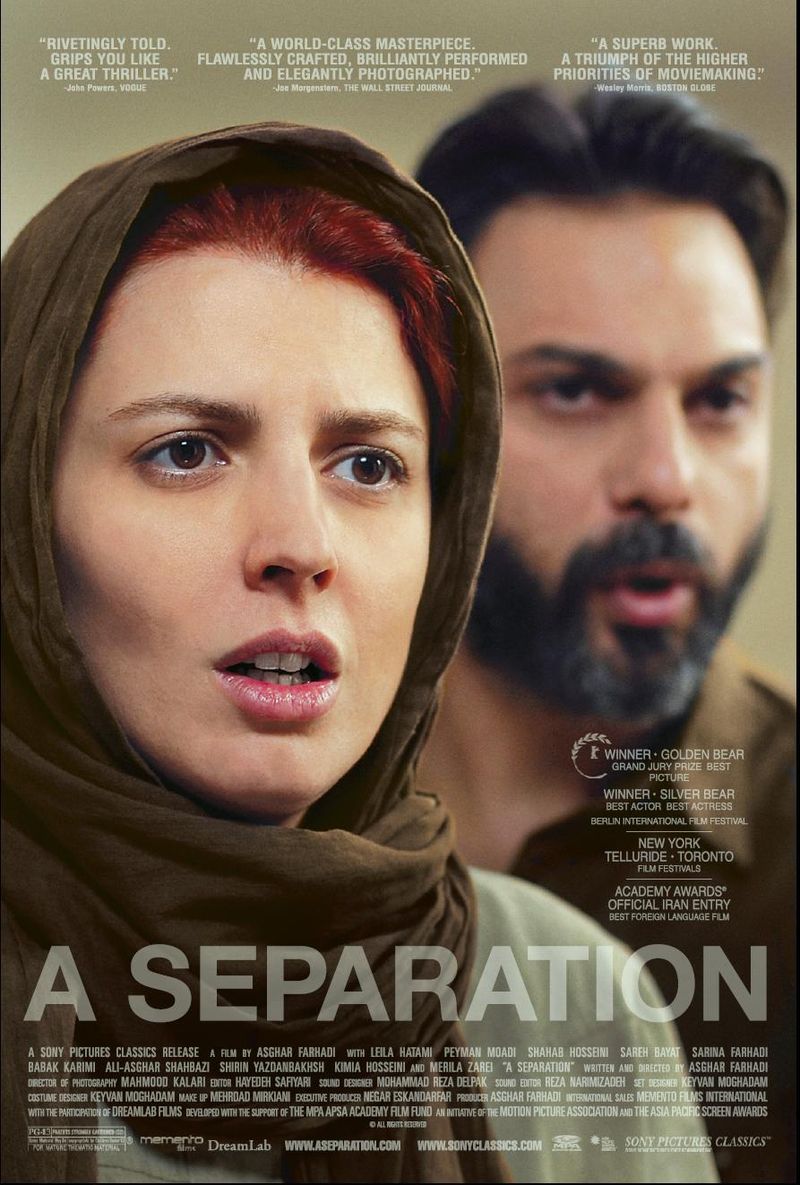
Asghar Farhadi’s A Separation begins with a couple asking an Iranian judge for a divorce and then unfolds into one of the most gripping moral dramas ever committed to film.
The story involves a caregiver, a family secret, a religious dilemma, and a legal battle that spirals far beyond anyone’s control.
Every character in the film believes they are doing the right thing, which makes the tragedy feel completely real and deeply uncomfortable.
It became the first Iranian film to win the Academy Award for Best Foreign Language Film.
Farhadi crafts tension out of ordinary life in a way that is absolutely extraordinary.
You will not breathe easy until the credits roll.
Comments
Loading…