
 Isabel Parker
11 Classic Rock Masterpieces — Ranked From Great to Greatest
Rock music has given us some of the most powerful and memorable albums ever recorded.
These masterpieces changed how people thought about music and inspired countless musicians who came after.
From thundering guitar solos to thought-provoking lyrics, these albums represent the absolute best of what classic rock has to offer.
11. Born in the U.S.A. by Bruce Springsteen (1984)
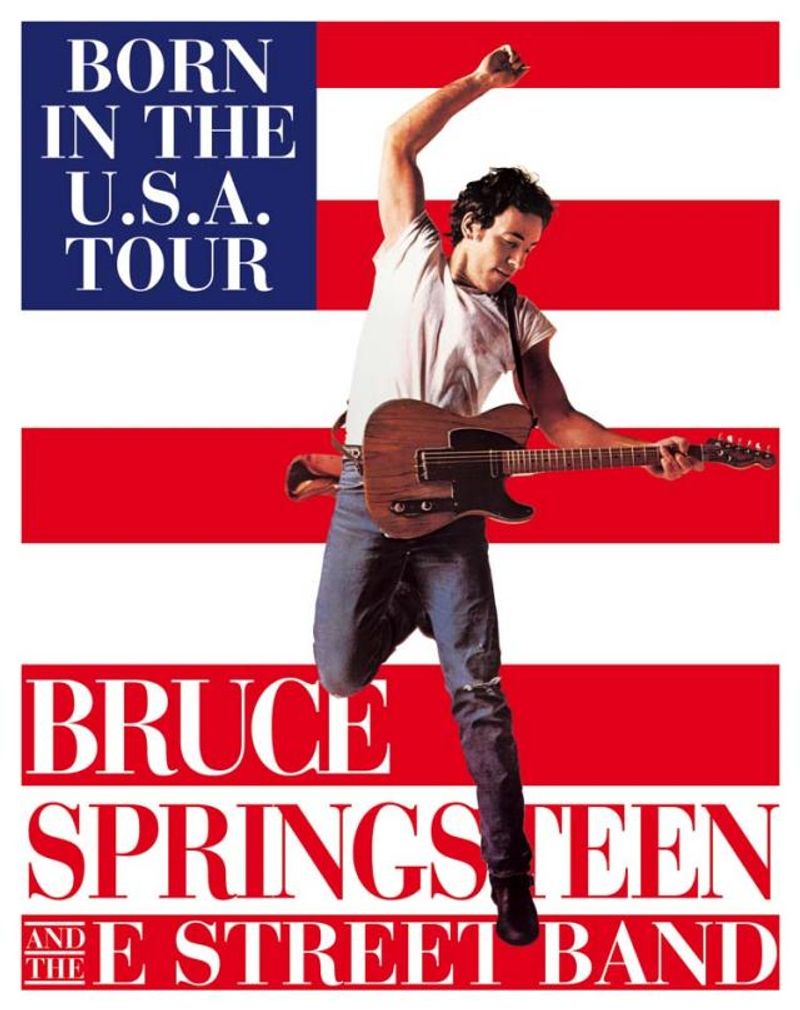
Bruce Springsteen captured America’s complex spirit with this powerhouse album.
The title track became an anthem, though many listeners missed its critical message about Vietnam veterans. “Dancing in the Dark” showed The Boss could craft irresistible pop hooks without losing his authentic voice.
Seven singles from this record cracked the top ten charts, a remarkable achievement.
Springsteen’s raspy vocals and the E Street Band’s tight musicianship created stadium-ready anthems.
The album sold over 30 million copies worldwide, proving that thoughtful rock music could still dominate the airwaves during the synth-heavy eighties.
10. Sticky Fingers by The Rolling Stones (1971)
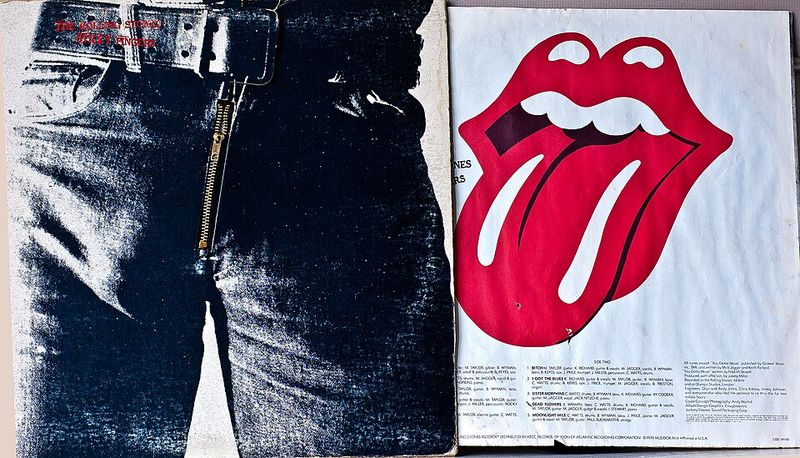
Andy Warhol’s controversial zipper cover made this album unforgettable before anyone heard a note. “Brown Sugar” kicks things off with raw energy that defined The Stones’ signature sound.
Mick Jagger’s swagger and Keith Richards’ gritty guitar work reached new heights on tracks like “Wild Horses” and “Can’t You Hear Me Knocking.”
This marked the first album on their own label, giving them creative freedom.
The result was a perfect blend of blues, country, and hard rock.
Charlie Watts’ drumming anchored songs that could swing from tender ballads to full-throttle rockers within minutes.
9. Who’s Next by The Who (1971)
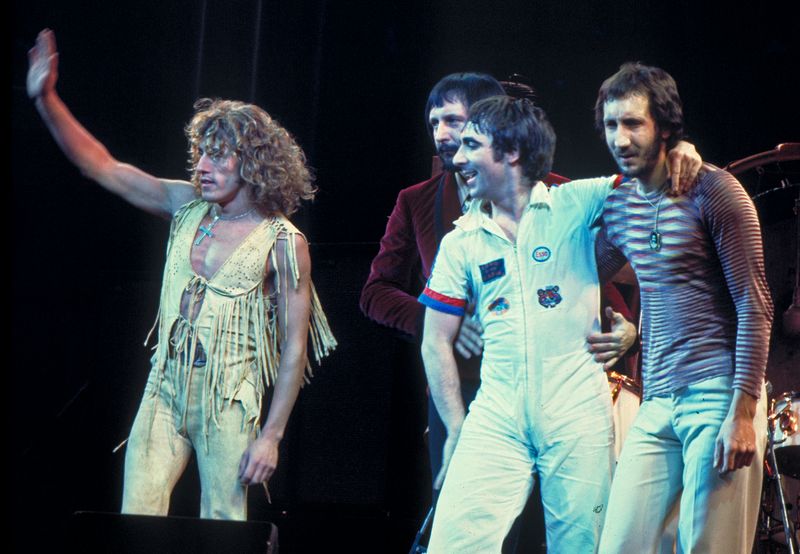
Pete Townshend’s synthesizer experiments created something nobody expected from a rock band. “Baba O’Riley” opens with those unforgettable keyboard notes before exploding into pure power.
The song’s energy builds like a rocket launch, showcasing Roger Daltrey’s incredible vocal range and Keith Moon’s explosive drumming style.
“Won’t Get Fooled Again” closes the album with eight minutes of revolutionary rock.
John Entwistle’s bass lines pulse through every track, proving why he earned the nickname “The Ox.” This album showed that The Who could blend technology with raw emotion, creating something timeless and forward-thinking simultaneously.
8. Born to Run by Bruce Springsteen (1975)
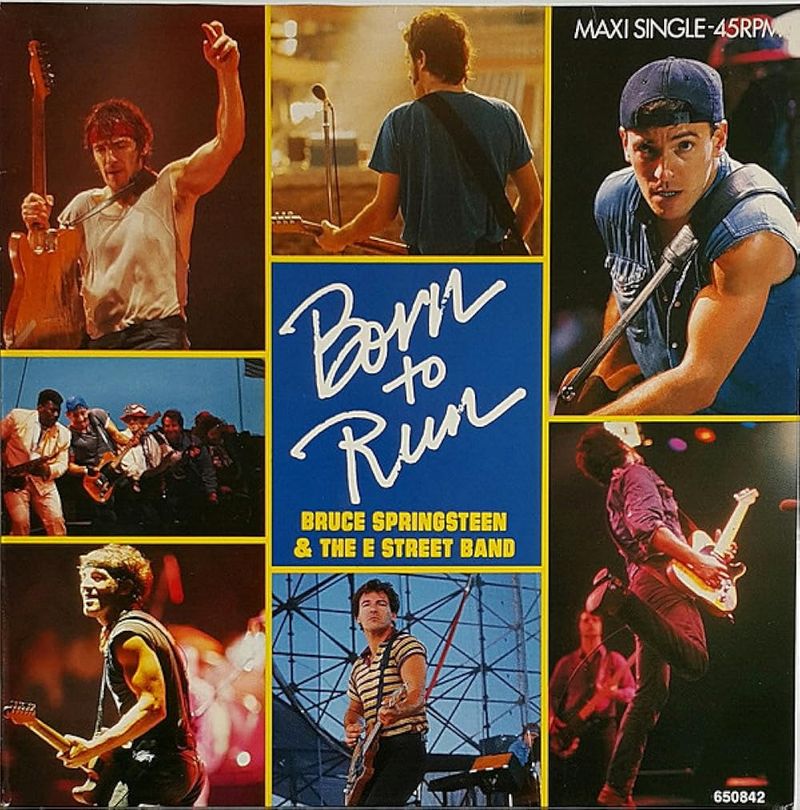
Springsteen bet everything on this album after two commercially disappointing releases. “Thunder Road” opens like a movie, painting vivid pictures of small-town dreams and escape.
The title track became an instant classic, with its wall of sound production and lyrics about freedom and hope that resonated with millions.
Clarence Clemons’ saxophone solos added soul and warmth throughout the record.
Critics called it one of the greatest albums ever made almost immediately after release.
Springsteen’s detailed storytelling and Phil Spector-inspired production created an epic sound that made listeners feel like heroes in their own lives.
7. Electric Ladyland by The Jimi Hendrix Experience (1968)

Hendrix pushed his guitar to places nobody thought possible on this double album.
His cover of Bob Dylan’s “All Along the Watchtower” actually surpassed the original, becoming the definitive version.
The studio became Hendrix’s playground as he experimented with effects, backwards tracking, and multiple overdubs that sounded like magic.
“Voodoo Child (Slight Return)” showcases his wah-wah pedal mastery and improvisational genius.
Hendrix produced the album himself, demanding perfection through countless takes and innovations.
His revolutionary approach to the electric guitar influenced every rock player who came after, making this a true masterpiece of creativity and technical skill.
6. The Rise and Fall of Ziggy Stardust and the Spiders from Mars by David Bowie (1972)
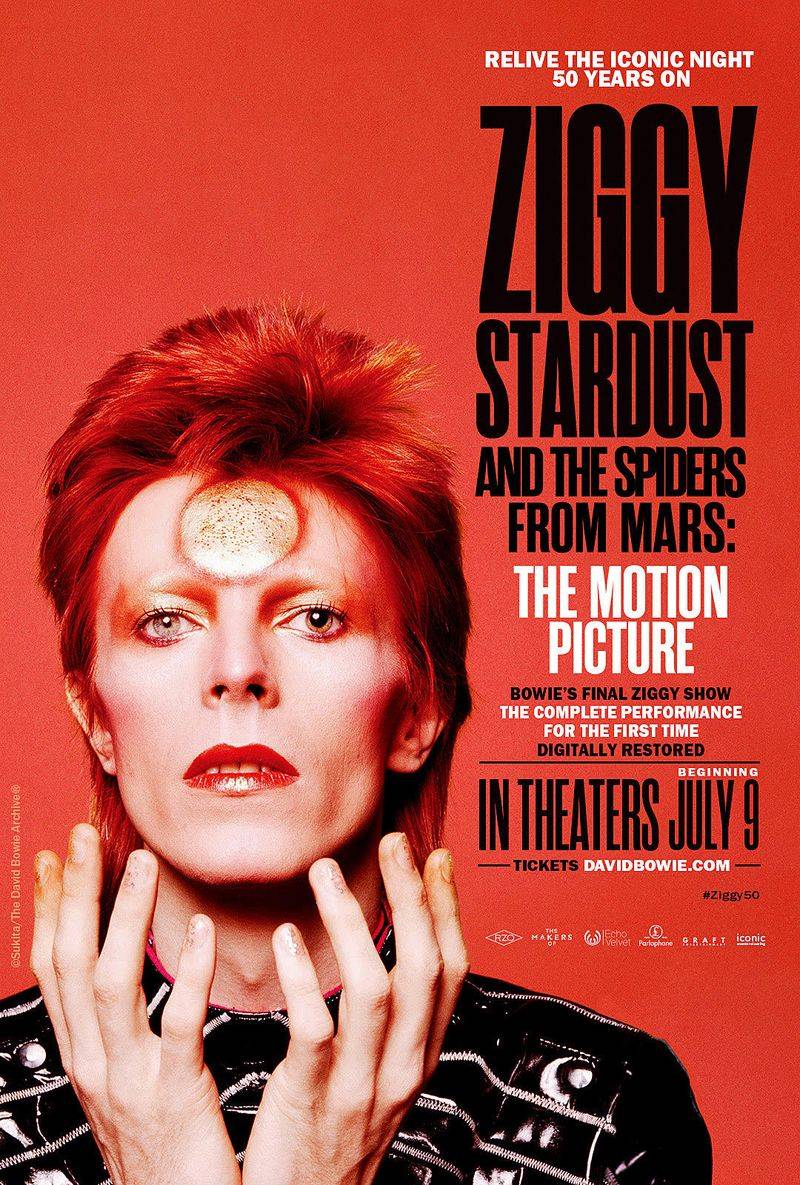
Bowie created an entire alien rock star persona and told his story across this concept album.
Ziggy Stardust arrived from space to save Earth through rock and roll during humanity’s final five years. “Starman” and “Suffragette City” became anthems for outsiders everywhere, while Mick Ronson’s guitar work provided the perfect cosmic soundtrack.
The theatrical performances that accompanied this album changed rock concerts forever.
Bowie’s gender-bending appearance and sci-fi storytelling opened doors for artistic expression in rock music.
This album proved that rock could be smart, theatrical, and wildly entertaining all at once, influencing generations of performers.
5. Rumours by Fleetwood Mac (1977)
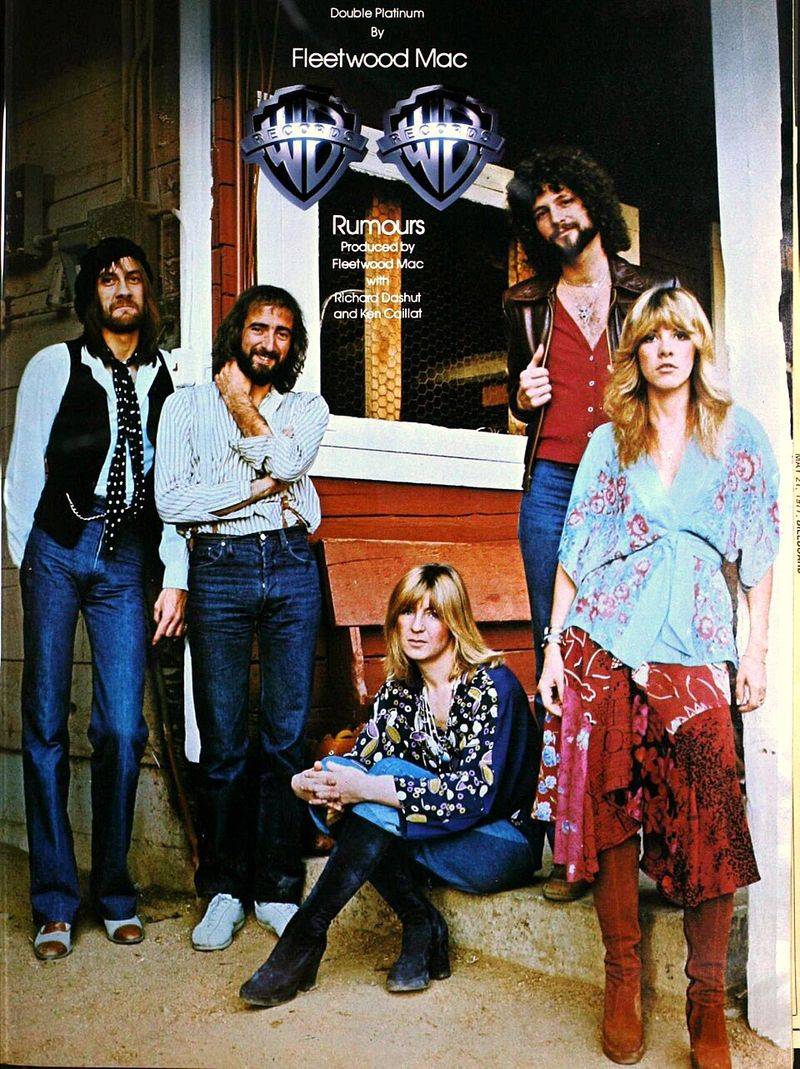
Two couples in the band were breaking up while recording this masterpiece about heartbreak.
The tension created magic as Stevie Nicks and Lindsey Buckingham channeled their split into “Dreams” and “Go Your Own Way.” Christine McVie added her own relationship struggles through “Don’t Stop,” creating a perfect storm of emotional honesty.
The album spent 31 weeks at number one and sold over 40 million copies worldwide.
Every song feels personal yet universal, with harmonies that only people who know each other deeply can create.
Despite their personal pain, the band crafted pop-rock perfection that continues resonating with listeners facing their own relationship struggles.
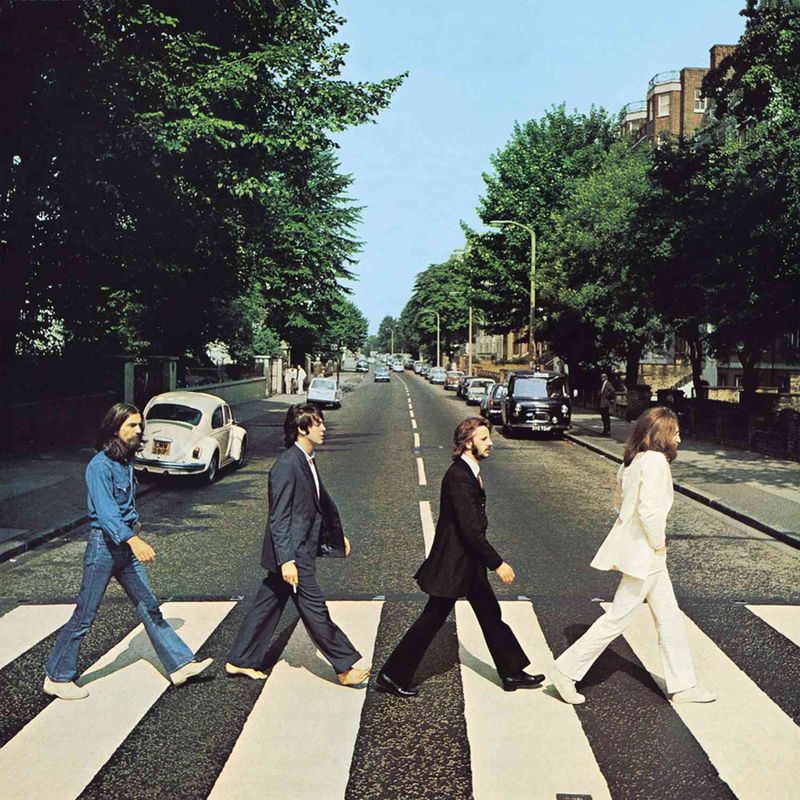
4. Abbey Road by The Beatles (1969)
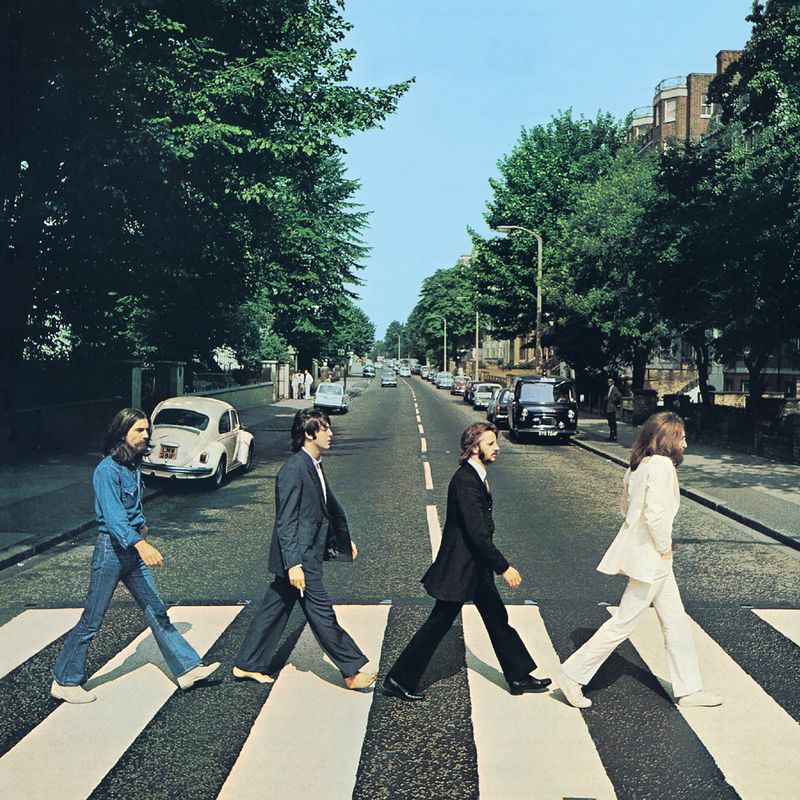
Four musicians walked across a London street and created the most famous album cover ever.
Though tensions were high and the band was splitting apart, they delivered their most polished work. “Come Together” opens with John Lennon’s mysterious lyrics and a bass line that instantly grabs attention.
The medley on Side B flows like one continuous masterpiece, showcasing their songwriting genius.
George Harrison’s “Something” finally gave him the spotlight he deserved alongside Lennon and McCartney.
Paul’s “Here Comes the Sun” radiates optimism despite the band’s impending breakup.
This swan song proved The Beatles could still surprise and innovate even at the end.
3. Led Zeppelin IV by Led Zeppelin (1971)
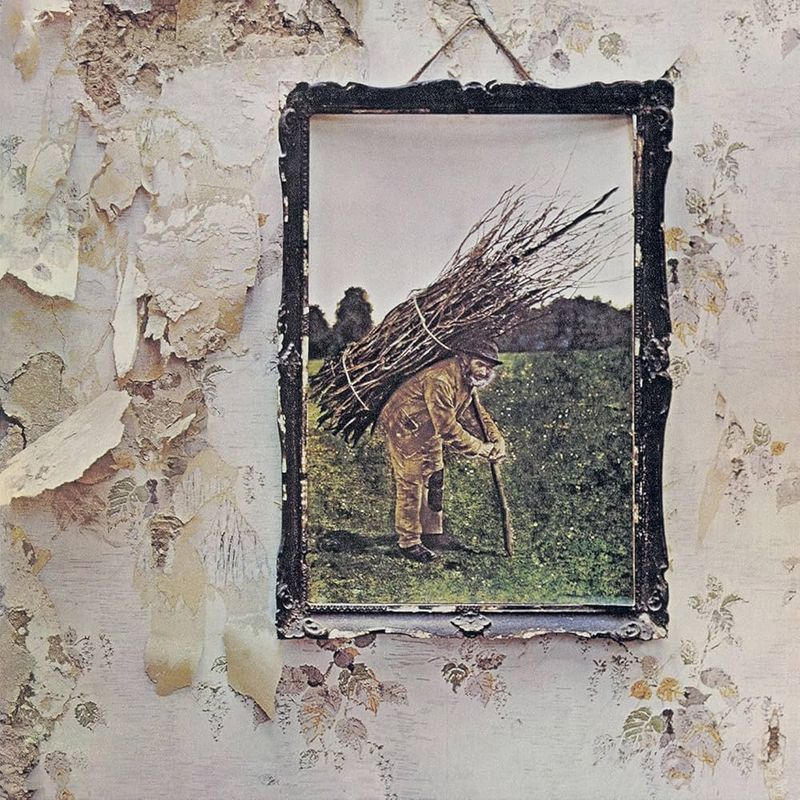
Forget looking for a title on this album cover because Zeppelin refused to put one there.
Four mysterious symbols represented each band member instead of words or the band’s name. “Stairway to Heaven” became rock radio’s most-played song ever, building from acoustic whispers to electric thunder over eight perfect minutes.
Jimmy Page’s guitar wizardry reaches its peak on “Black Dog” and “Rock and Roll.” John Bonham’s drums on “When the Levee Breaks” sound massive, recorded in a stairwell for natural echo.
Robert Plant’s vocals soar while John Paul Jones’ versatility shines throughout.
This album defined what hard rock could achieve when four talented musicians worked in perfect sync.
2. The Dark Side of the Moon by Pink Floyd (1973)
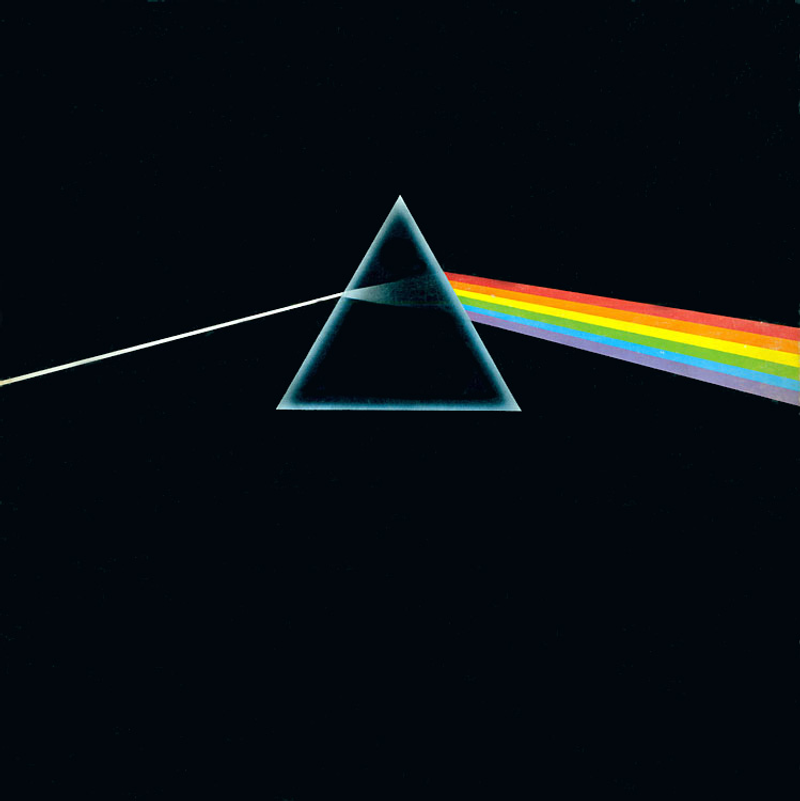
A simple prism on black became one of rock’s most recognizable images.
Pink Floyd explored heavy themes like mental illness, greed, and death through soundscapes that felt otherworldly.
The album flows as one continuous piece, with songs bleeding into each other through sound effects and musical bridges that create a dreamlike journey.
“Money” features a bass line in 7/4 time that somehow grooves perfectly.
David Gilmour’s guitar solos express emotions words cannot capture.
The album stayed on Billboard charts for over 900 weeks, an almost unbelievable achievement.
Its philosophical depth and sonic innovation made it essential listening for anyone serious about understanding rock’s artistic possibilities.
1. Back in Black by AC/DC (1980)
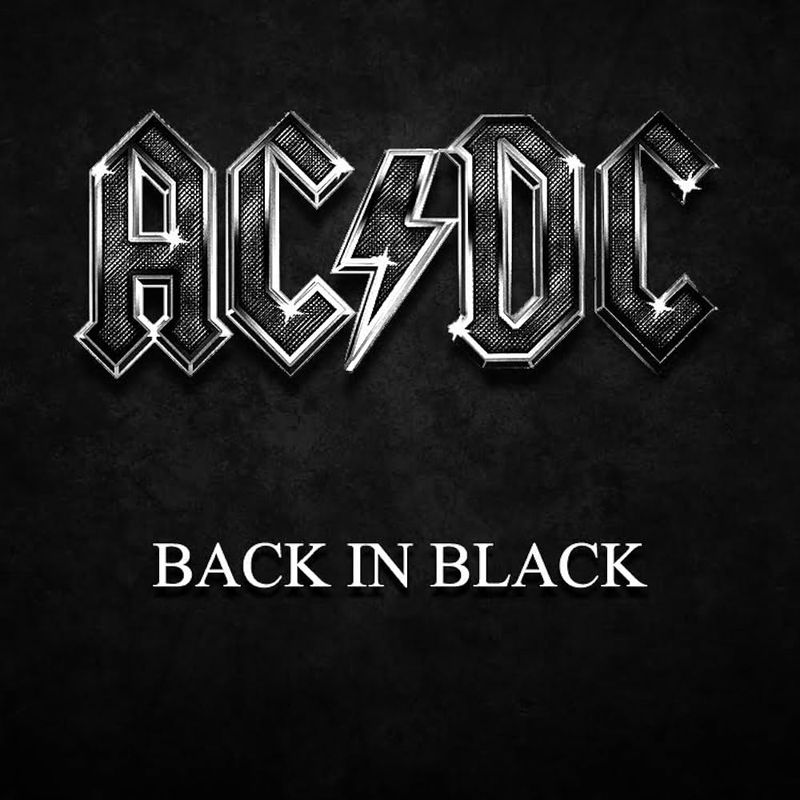
After their singer Bon Scott died, many thought AC/DC was finished.
Instead, they hired Brian Johnson and created the second-best-selling album in history.
The opening title track announces their return with one of rock’s most famous guitar riffs, proving they were stronger than ever.
“You Shook Me All Night Long” and “Hells Bells” became instant classics that still dominate rock radio today.
The production sounds massive yet clear, with every instrument perfectly balanced.
Angus Young’s guitar work is both simple and devastating, while Phil Rudd’s drums drive like a freight train.
This album turned tragedy into triumph, showing that great rock and roll never dies.
Comments
Loading…