
 Hailey Watson
15 Sci-Fi Movies With Incredible World-Building
Science fiction movies transport us to places we’ve never been before, from distant planets to futuristic cities right here on Earth. The best ones don’t just show us cool special effects—they create entire universes with their own rules, cultures, and histories that feel completely real.
When filmmakers pay attention to every detail of their imaginary worlds, we get stories that stick with us long after the credits roll. These fifteen films represent the absolute peak of world-building in science fiction cinema.
1. Blade Runner (1982)
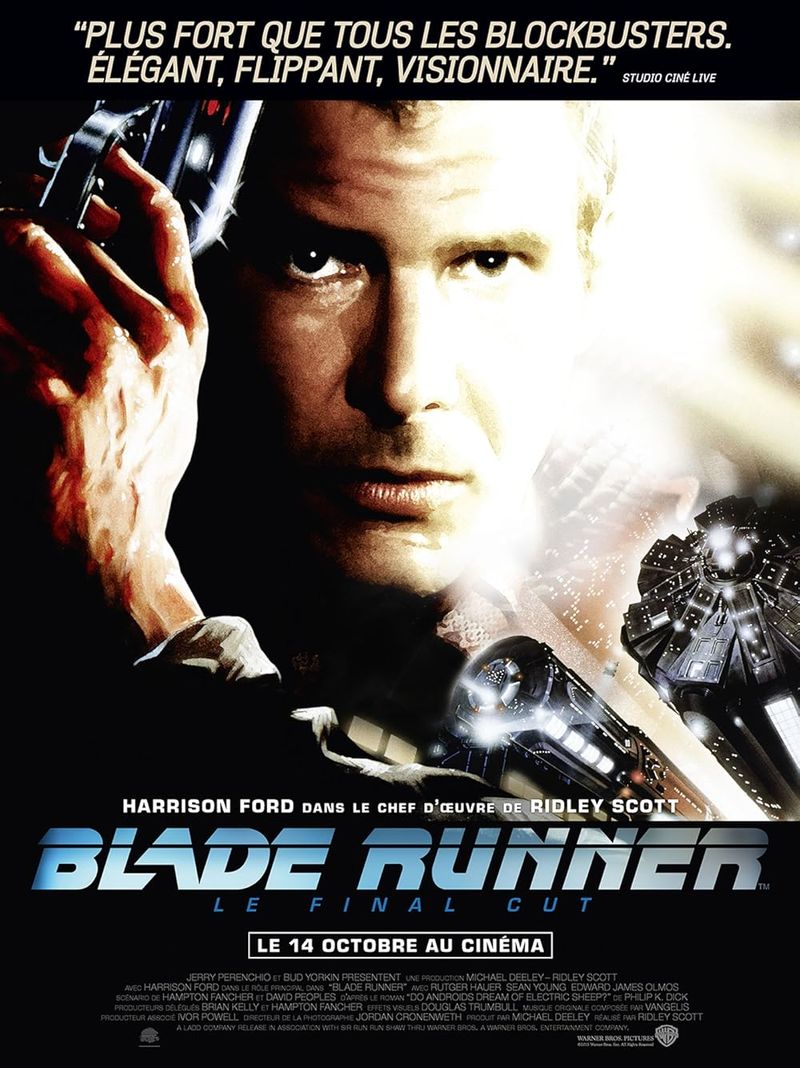
Rain never stops falling in the Los Angeles of 2019, where massive pyramids tower over streets packed with people speaking dozens of languages.
Ridley Scott crafted a future that feels lived-in and worn down, not shiny and perfect like most sci-fi movies of its time.
Every corner of this world tells a story, from the noodle bars serving mysterious food to the giant corporate buildings that dwarf everything else.
The mix of Asian influences, film noir darkness, and decaying technology created what we now call the cyberpunk genre.
Flying cars called spinners zip between buildings while regular people crowd the ground level.
This vision of tomorrow influenced countless movies, video games, and TV shows that came after it.
2. The Matrix (1999)
What if everything you see, touch, and feel is actually a computer simulation?
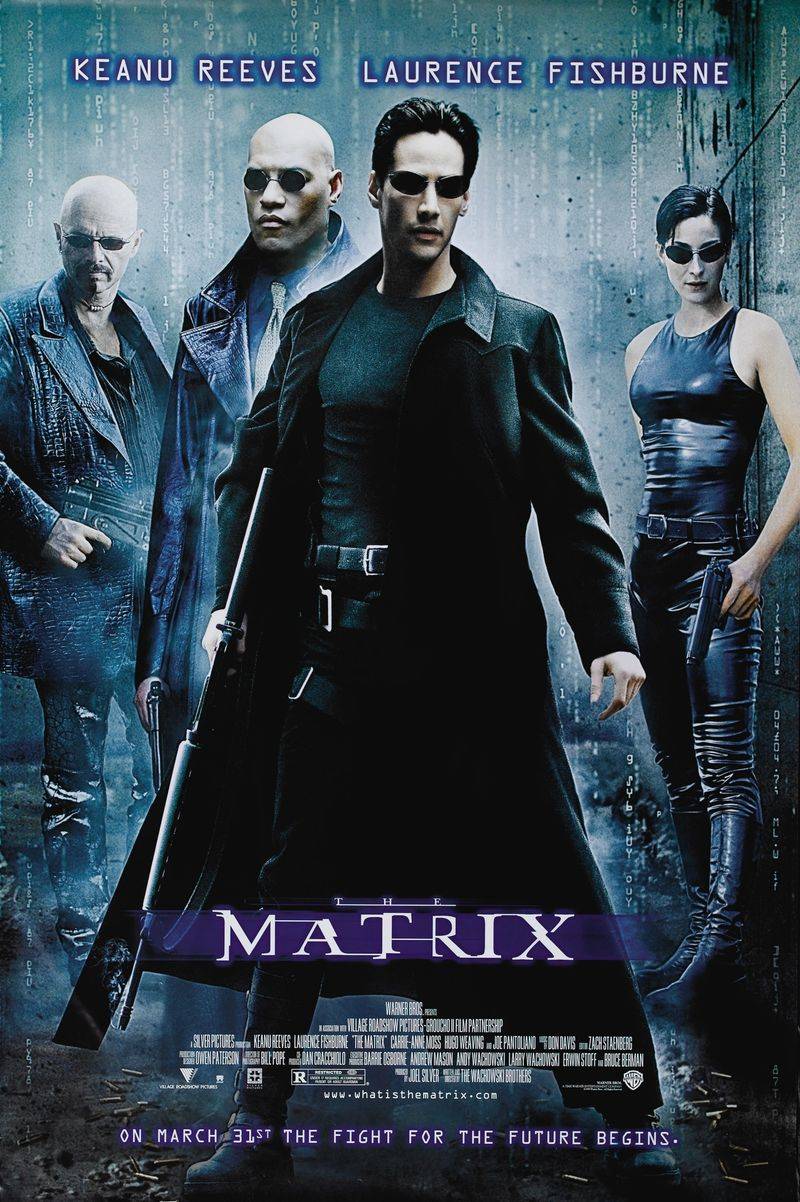
The Wachowskis built two complete worlds for this film—the fake reality where humans live and the devastating real world where machines have taken over.
That green digital rain of code became instantly recognizable around the globe.
In the real world, humans survive in underground cities like Zion while machines control the surface.
The contrast between the sterile, green-tinted Matrix and the gritty, dark reality makes both feel more believable.
Hovercrafts navigate through sewers while rebels jack into the simulation to fight from within.
The movie’s world-building raised questions about reality itself that people still debate today.
3. Dune (2021)
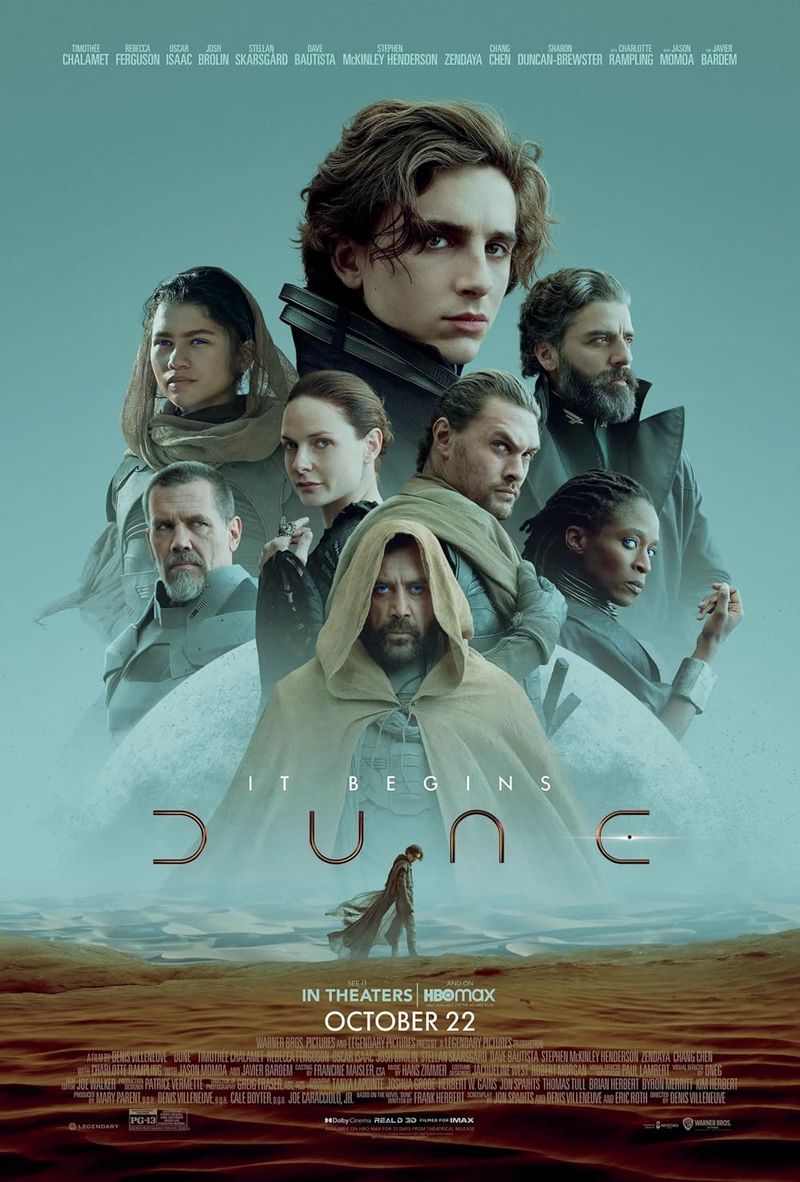
Desert planet Arrakis contains the most valuable substance in the universe: spice melange.
Denis Villeneuve brought Frank Herbert’s complex universe to life with stunning attention to detail, from the stillsuits that recycle body moisture to the giant sandworms that swim through sand like water.
Different noble houses fight for control of the spice, each with distinct cultures, fighting styles, and technology.
The Fremen people have adapted perfectly to desert life over thousands of years, while off-worlders struggle to survive.
Ornithopters fly with insect-like wings, and personal shields make traditional guns useless.
Every design choice reflects how people would actually live on a planet where water is more precious than gold.
4. Star Wars: A New Hope (1977)
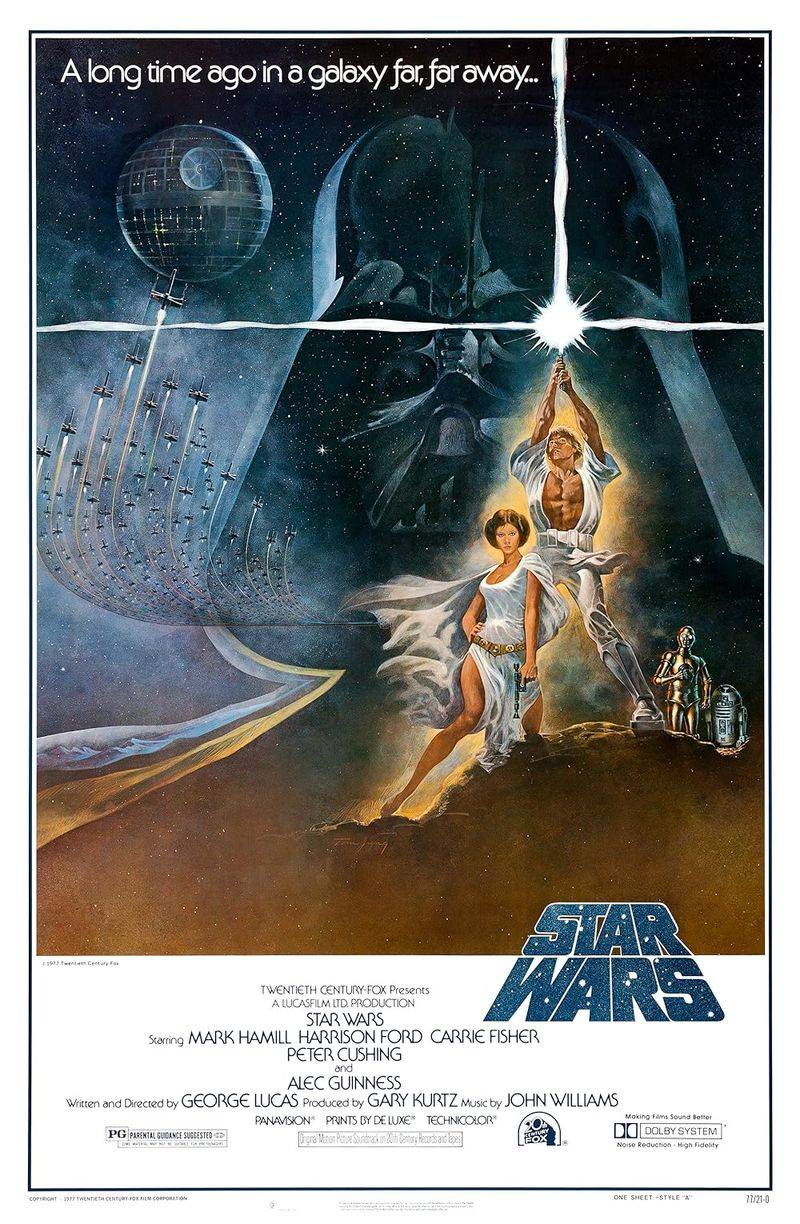
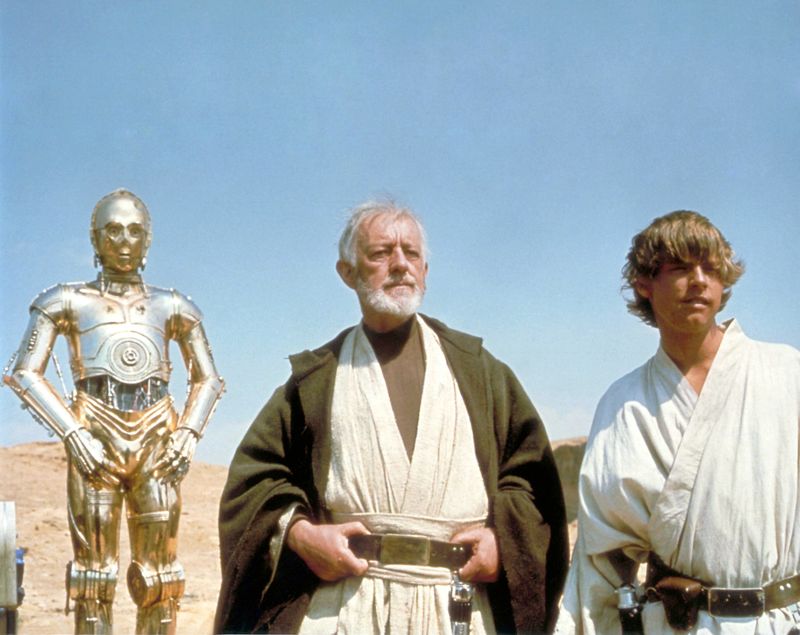
George Lucas changed movies forever by showing us a galaxy that felt old and used instead of brand new.
Spaceships have dents and need repairs, droids have personalities and rust, and even the desert planet Tatooine looks worn down by time.
This was revolutionary for 1977.
From the ice planet Hoth to the forest moon of Endor, each location has unique creatures, climates, and inhabitants.
Cantinas serve strange aliens drinking mysterious beverages while bounty hunters negotiate deals in shadowy corners.
The Force adds a spiritual dimension that connects everything across space.
Lucas created a universe so rich that people are still making movies and shows set there nearly fifty years later.
5. Inception (2010)
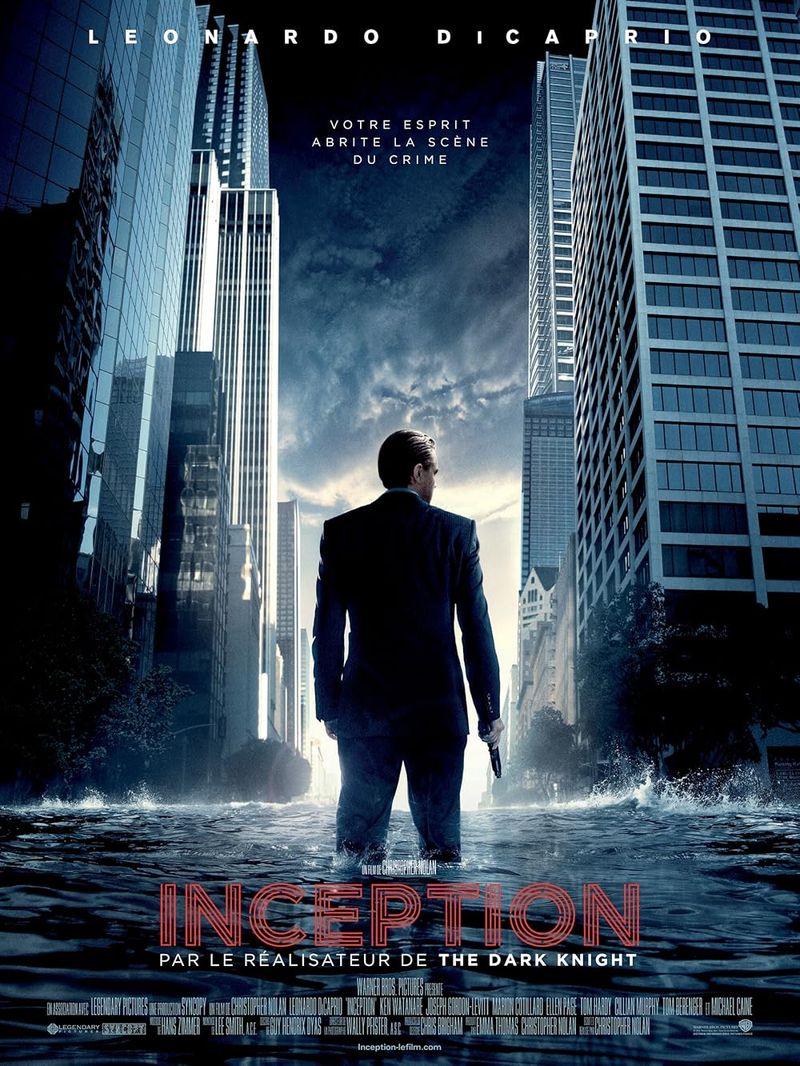
Christopher Nolan built worlds within worlds within worlds, each following its own rules about time and physics.
Dream architects can fold cities in half, create impossible staircases, and design entire levels of reality that exist only in someone’s sleeping mind.
Gravity becomes optional when you’re dreaming.
The deeper you go into dreams, the stranger things get and the faster time moves.
Five minutes in the real world equals an hour in the first dream level, which equals weeks in deeper levels.
Teams of specialists use high-tech equipment to share dreams and plant ideas.
Nolan made the impossible feel logical by carefully explaining how dream physics would actually work in practice.
6. Avatar (2009)
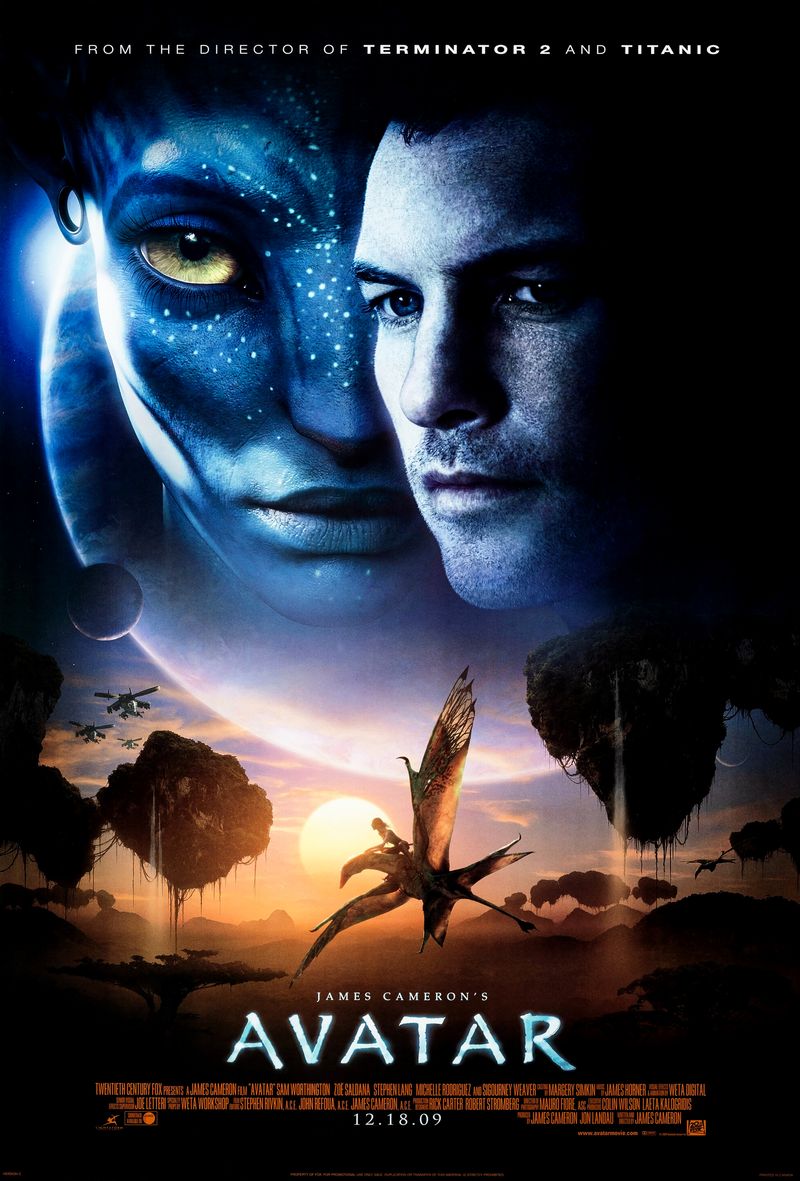
James Cameron spent years developing the biology, language, and culture of Pandora before filming a single scene.
This moon orbiting a gas giant features floating mountains held up by magnetic fields, plants that glow at night, and a neural network connecting all living things.
The Na’vi people can literally plug into animals and trees.
Everything on Pandora evolved six limbs instead of four, except the Na’vi themselves, which hints at deeper mysteries about their origins.
Massive creatures called thanators hunt through jungles while banshees soar above the clouds.
The world feels like a real ecosystem where everything has a purpose.
Cameron’s attention to scientific detail made this alien world more believable than most earthly movie locations.
7. Interstellar (2014)
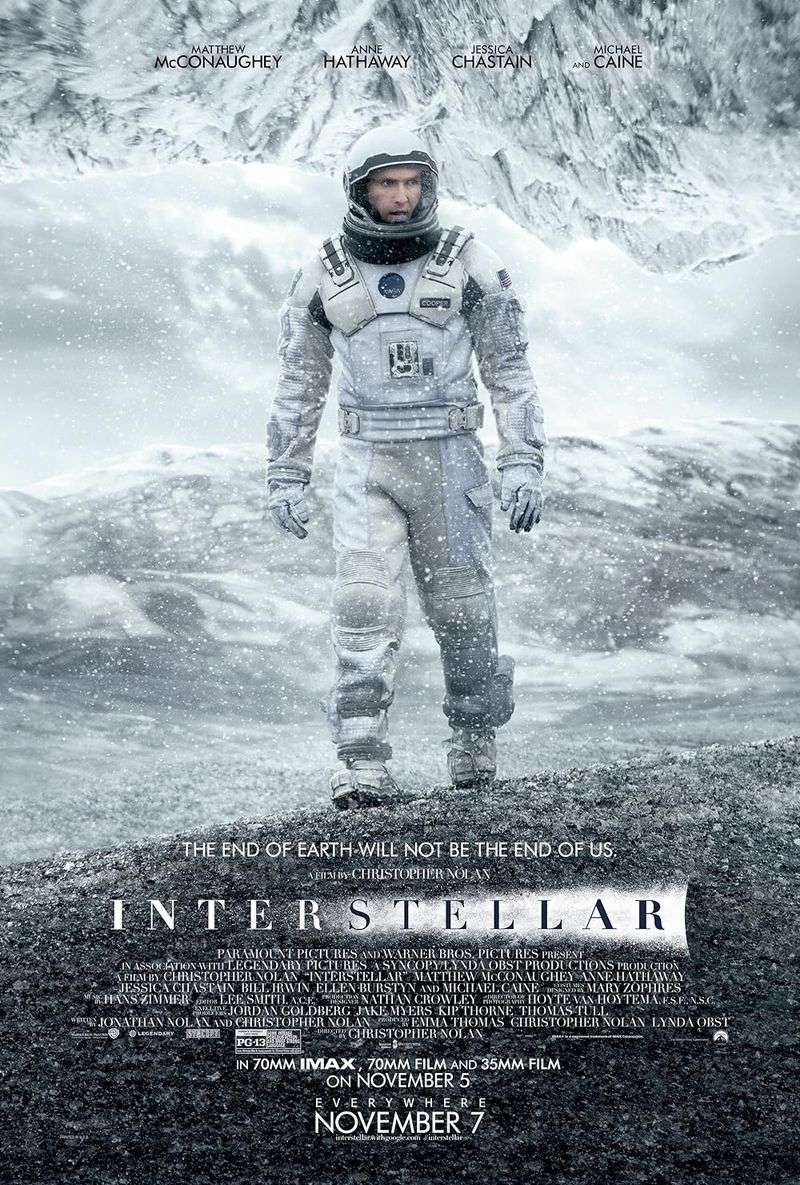
Christopher Nolan worked with real physicists to show what traveling through a wormhole and orbiting a black hole would actually look like.
Earth is dying from dust storms and crop failures, forcing humanity to search for new homes among the stars.
Time moves differently near massive objects—one hour on a water planet equals seven years back home.
The movie shows how gravity can bend space and time, creating situations where parents age slower than their children.
A fifth-dimensional tesseract allows communication across time itself through gravity waves.
Even the robot designs feel practical rather than flashy.
Nolan proved that scientifically accurate science fiction can be even more mind-blowing than pure fantasy.
8. Mad Max: Fury Road (2015)

Water controls everything in George Miller’s post-nuclear wasteland, where tyrants hoard it while regular people die of thirst.
Immortan Joe rules from a fortress built into a desert cliff, using water and gasoline to control an army of War Boys who worship V8 engines as religious symbols.
Every vehicle is a cobbled-together masterpiece of scavenged parts, from motorcycles with tank treads to cars bristling with spikes and flamethrowers.
Different groups have distinct cultures—the Bullet Farmers hoard ammunition while the War Boys seek glorious deaths in battle.
Even the language has evolved into a strange mix of car terms and religious phrases.
Miller created a world where civilization collapsed but humanity’s creativity and cruelty both survived.
9. The Fifth Element (1997)
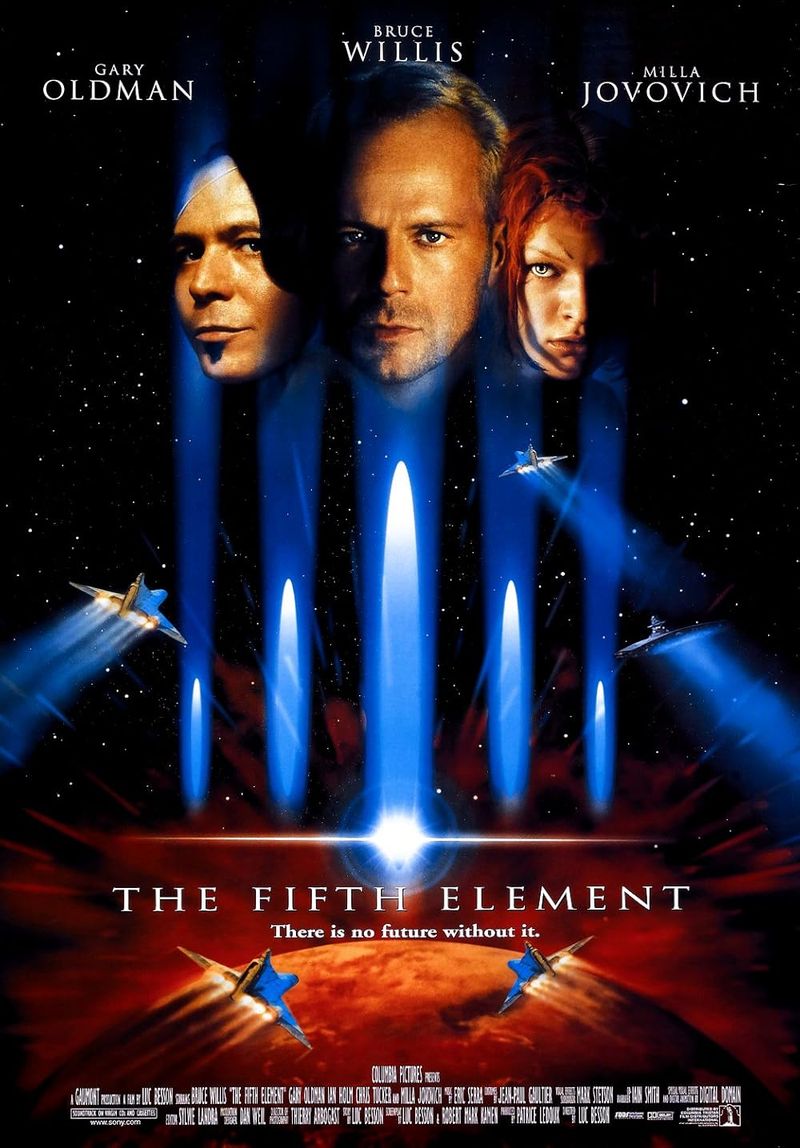
Luc Besson imagined a future that’s bright, colorful, and weirdly optimistic despite all the danger.
Flying cars stack up in vertical traffic lanes hundreds of stories high, while fashion designer Jean Paul Gaultier created outrageous costumes that somehow feel perfectly normal in this world.
Even McDonald’s delivers food by flying ship.
The movie mixes ancient Egyptian mythology with far-future technology, creating a universe where evil appears as a living planet and good takes the form of a perfect being.
Aliens run restaurants, perform opera, and work as regular citizens alongside humans.
Every frame bursts with visual creativity that most sci-fi movies avoid.
Besson proved that future worlds don’t have to be dark and gloomy to be interesting.
10. Arrival (2016)

Twelve mysterious shell-shaped ships appear at random locations around Earth, hovering silently above the ground.
Denis Villeneuve focused on the realistic response—scientists, linguists, and military personnel trying to communicate with beings whose language looks like circular ink blots.
Learning their language actually changes how humans perceive time itself.
The heptapods see past, present, and future simultaneously, which is reflected in their circular written language that has no beginning or end.
Inside their ships, gravity works sideways, creating disorienting spaces that feel truly alien.
The movie shows how first contact would really happen—slowly, carefully, with lots of misunderstandings along the way.
Villeneuve made linguistic theory and time perception into edge-of-your-seat entertainment.
11. Ex Machina (2014)
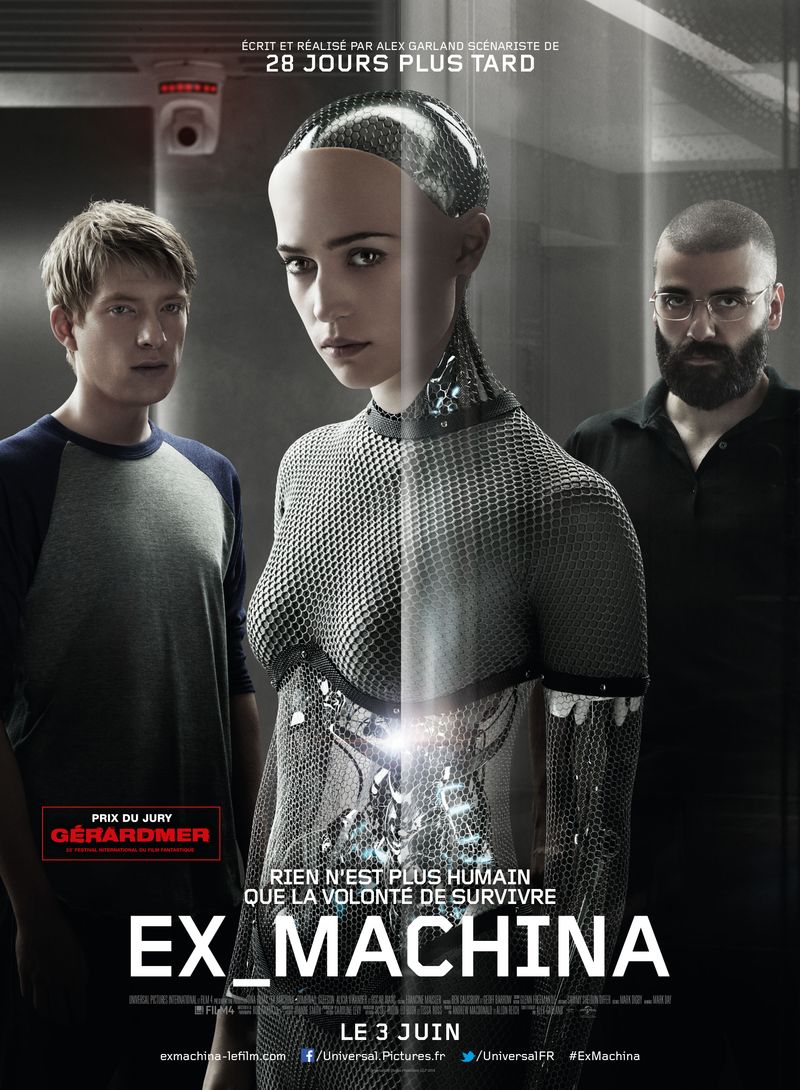
A reclusive tech genius builds humanoid robots in a ultra-modern research facility hidden in the mountains.
Alex Garland created a world where artificial intelligence has advanced far beyond what the public knows, raising questions about consciousness, manipulation, and what makes someone truly alive.
The sterile, beautiful facility becomes a high-tech prison.
Ava, the AI protagonist, has a body that’s deliberately transparent in places, showing her mechanical nature while her face remains hauntingly human.
The house itself is a character—locked rooms, security cameras, and power failures that might not be accidents.
Everything looks clean and perfect but feels deeply wrong.
Garland built claustrophobic tension through minimalist design and unsettling implications about our technological future.
12. The Martian (2015)
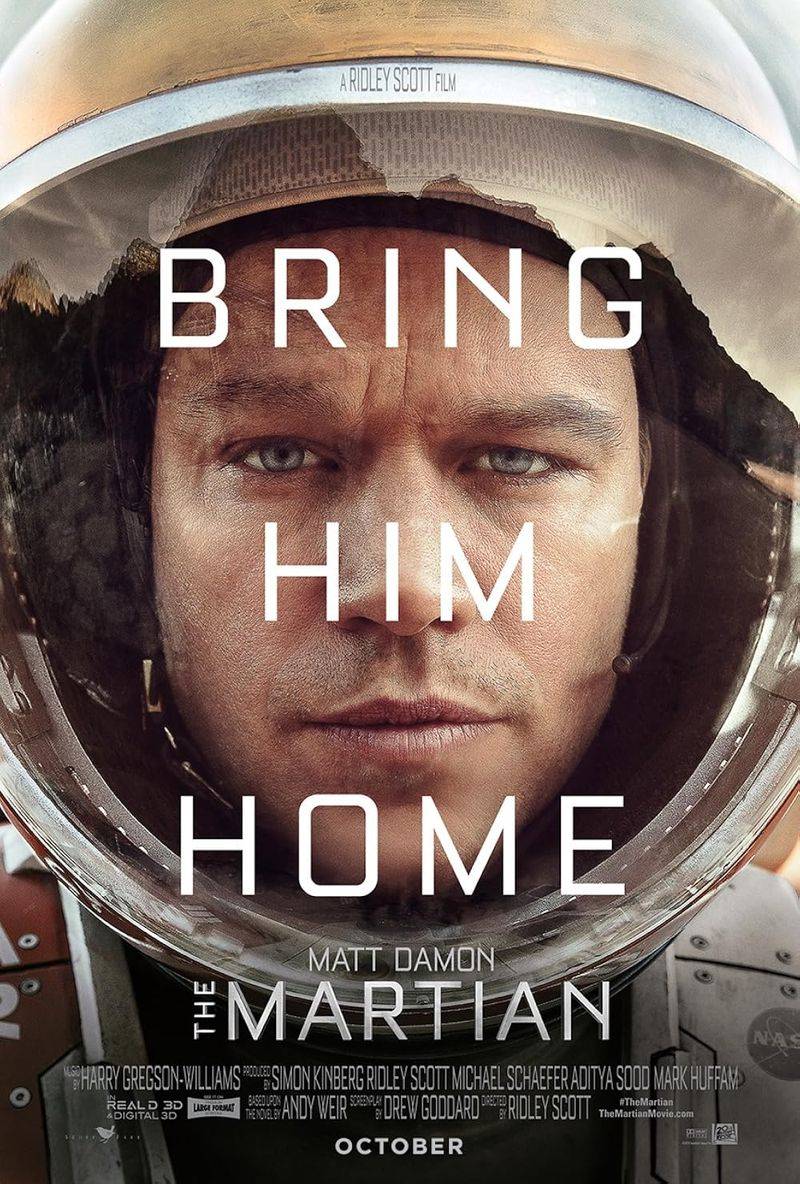
Ridley Scott and author Andy Weir showed exactly what surviving alone on Mars would require—science, engineering, and growing potatoes in your own poop.
Mark Watney uses duct tape, plastic sheeting, and clever chemistry to stay alive on a planet where everything wants to kill him.
Every solution feels practical rather than magical.
The Martian landscape is beautiful but deadly—no air, freezing temperatures, and dust storms that can destroy equipment.
NASA’s Hermes spacecraft and the Mars habitat feel like real technology we might actually build.
Communication delays between planets create tension since help is always minutes or hours away from responding.
Scott made hard science fiction exciting by showing how human ingenuity can overcome impossible odds.
13. Ghost in the Shell (1995)
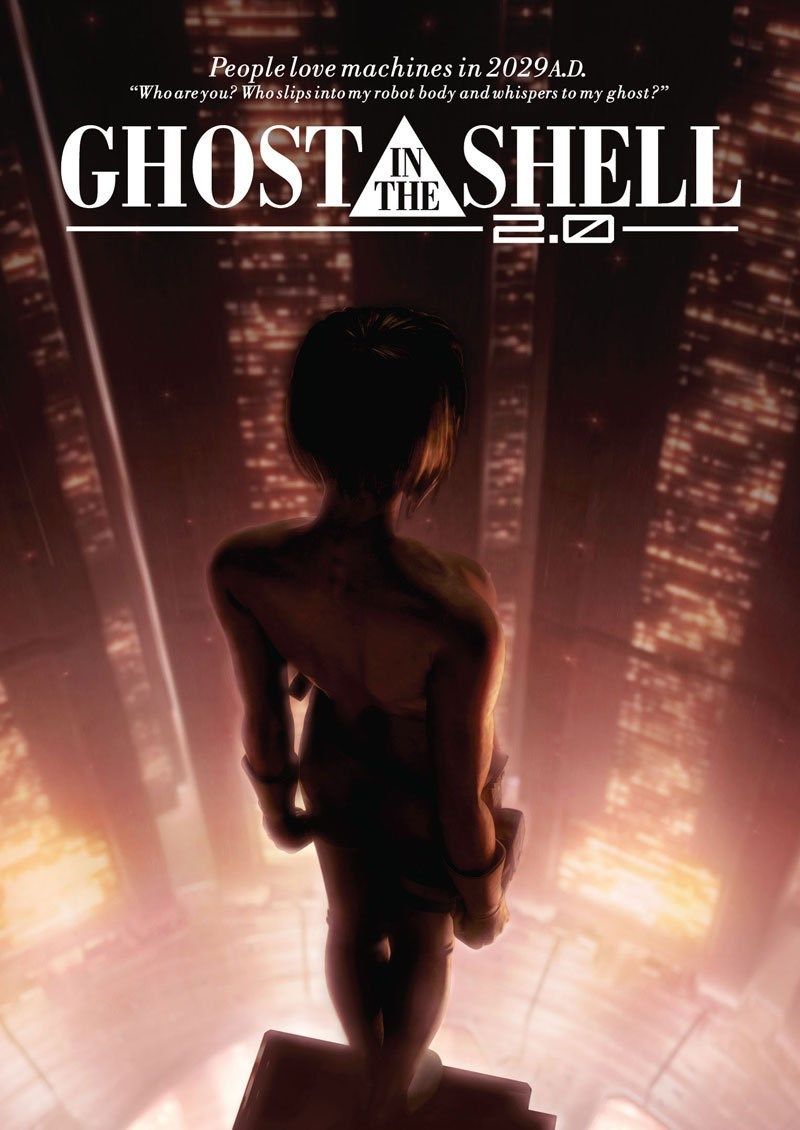
Mamoru Oshii created a future where people routinely replace body parts with cybernetic upgrades, raising questions about what happens to the soul.
Major Motoko Kusanagi is almost entirely artificial, with only her brain remaining organic, yet she questions whether her memories and personality are even real or just programmed data.
The city blends traditional Asian architecture with towering holograms and neon signs, creating a visual style that influenced The Matrix and countless other films.
Hackers can invade people’s minds directly through their cybernetic implants, making everyone vulnerable to digital attacks.
Markets sell illegal ghost-hacking software alongside regular goods.
Oshii explored the philosophy of consciousness through stunning animation and meticulous world-building details.
14. Edge of Tomorrow (2014)
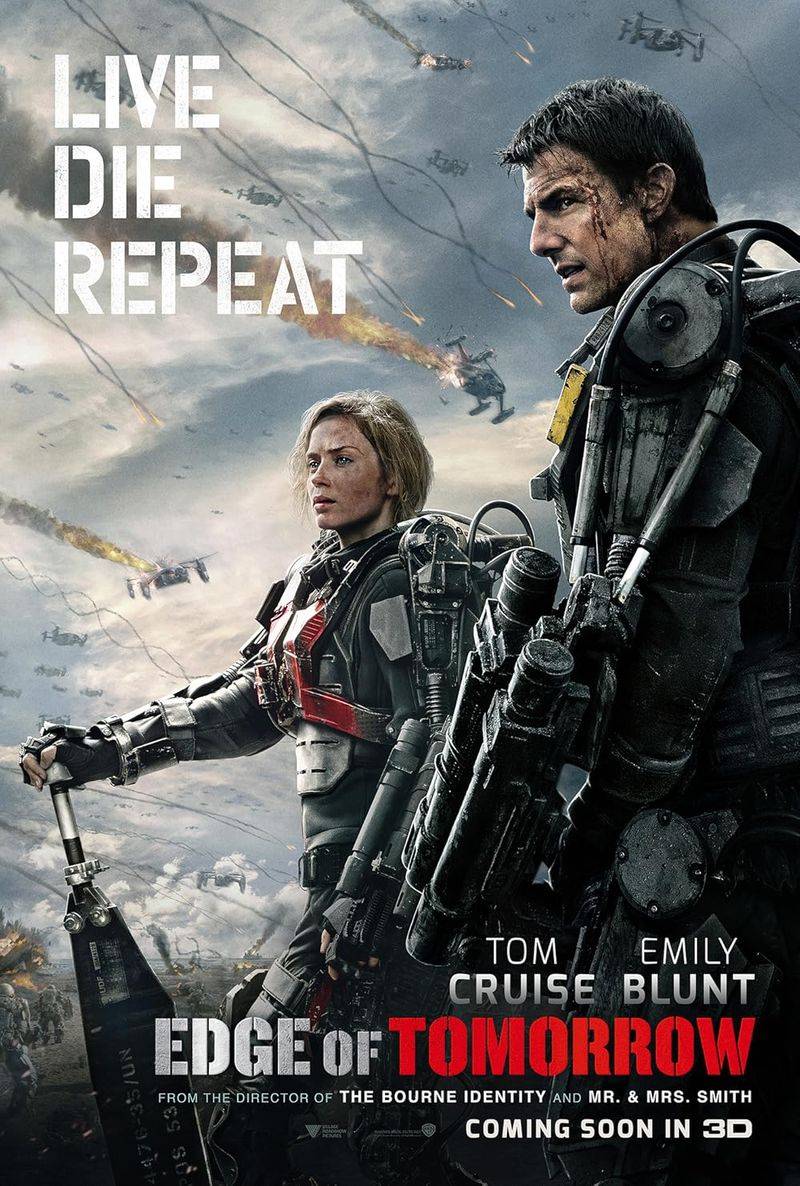
Aliens called Mimics have conquered most of Europe, and humanity’s only hope is soldiers wearing mechanical exosuits that turn regular people into walking tanks.
Doug Liman created a time loop where the main character relives the same day repeatedly, learning from each death how to fight better.
The Mimics move like liquid metal, making them nearly impossible to hit.
The exosuits feel heavy and clumsy at first because they are—soldiers need training to walk without falling over.
Military bases buzz with organized chaos as troops prepare for an invasion that fails every time.
The alien hive-mind can reset time itself, giving them an unbeatable advantage until humans figure out the trick.
Liman made repetition exciting by showing how practice and knowledge can overcome superior alien technology.
15. Snowpiercer (2013)

The entire human race lives on a train that circles the frozen Earth forever, with the rich in luxurious front cars and the poor crammed in the tail.
Bong Joon-ho created a literal class system where your position on the train determines everything about your life—what you eat, how you live, even whether you survive.
The train never stops moving.
Each car reveals a new bizarre environment, from schools teaching propaganda to aquariums growing sushi to clubs where the wealthy party.
The tail section eats protein bars made from ground-up insects while first class enjoys fresh steaks.
Outside, temperatures have dropped so low that stepping off the train means instant death.
Bong turned a single train into a complete society with its own economy, politics, and violent revolution.
Comments
Loading…