
 Chloe Peterson
12 Amazing Movies That Somehow Got Zero Oscar Nominations
The Academy Awards are supposed to celebrate the best in cinema, but sometimes incredible films slip through the cracks entirely.
These 12 masterpieces earned critical praise, influenced countless filmmakers, and built devoted fan bases over the years.
Yet when Oscar nomination day arrived, they were completely shut out, receiving not even a single technical nod.
1. Léon: The Professional (1994)
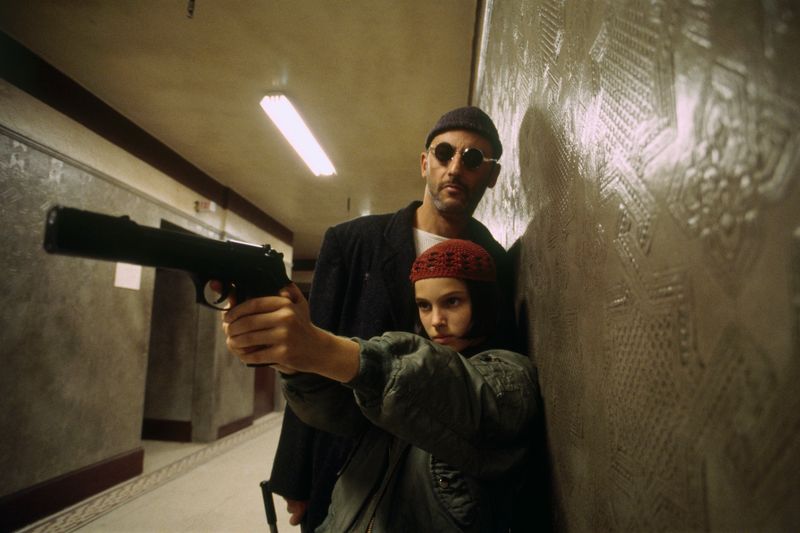
Luc Besson crafted something extraordinary with this stylish crime thriller that paired an unlikely duo.
Jean Reno plays a solitary hitman whose structured life gets upended when he takes in a twelve-year-old neighbor seeking vengeance.
Natalie Portman’s breakout performance showcased raw talent beyond her years, creating genuine chemistry with Reno’s stoic professional.
The film balances intense action sequences with surprisingly tender moments between two damaged souls finding connection.
Despite its cult classic status today, the Academy completely ignored this emotionally complex thriller.
Its blend of violence and vulnerability challenged conventional storytelling in ways that clearly didn’t resonate with voters at the time.
2. The Big Lebowski (1998)
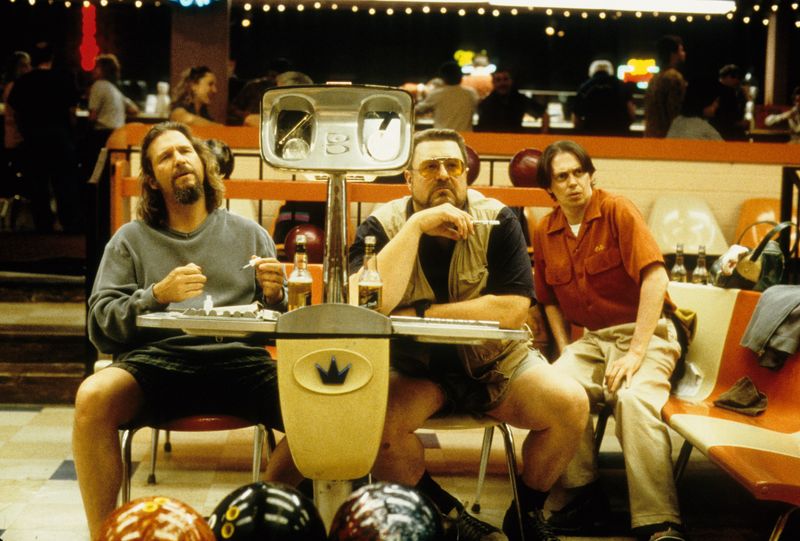
The Coen Brothers delivered their most quotable masterpiece with this offbeat comedy that initially puzzled audiences.
Jeff Bridges inhabits “The Dude,” a perpetually stoned slacker who gets dragged into a kidnapping plot through mistaken identity.
What started as a modest box office performer transformed into a cultural juggernaut with annual festivals celebrating its peculiar charm.
John Goodman and Steve Buscemi round out a cast of memorably bizarre characters navigating Los Angeles absurdity.
The Academy’s complete dismissal seems baffling now, given how the film revolutionized comedy writing.
Its influence echoes through countless modern comedies that borrow its irreverent spirit and unconventional narrative structure.
3. The Good, the Bad and the Ugly (1966)
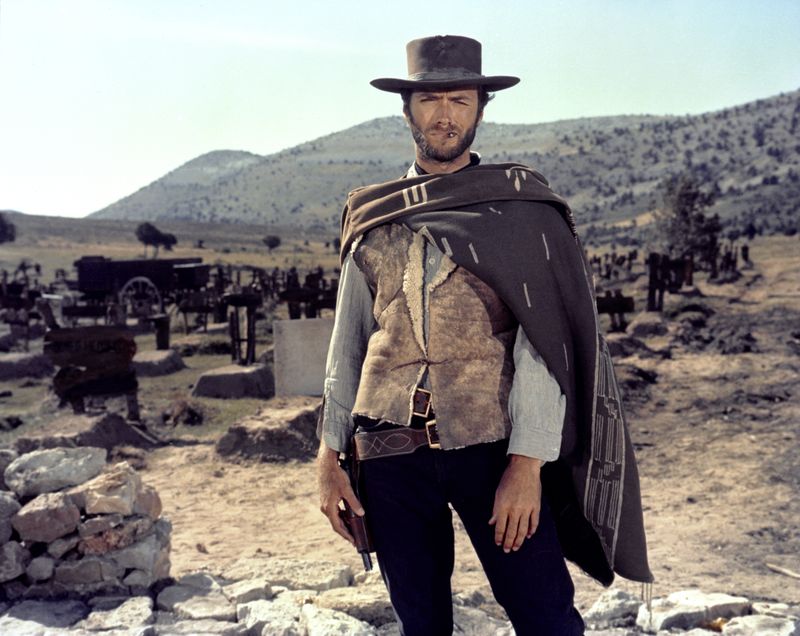
Sergio Leone elevated the Western genre into operatic art with this Civil War treasure hunt epic.
Clint Eastwood, Eli Wallach, and Lee Van Cleef form an uneasy alliance while pursuing Confederate gold across brutal landscapes.
Ennio Morricone’s legendary score transformed simple whistles and wails into cinematic history that still gives viewers chills.
Leone’s patience with extreme close-ups during tense standoffs created unbearable suspense that modern action films constantly try replicating.
How did the Academy overlook such technical brilliance and narrative ambition?
Perhaps American voters weren’t ready to embrace Italian interpretations of their cherished Western mythology, despite Leone’s obvious mastery.
4. Reservoir Dogs (1992)
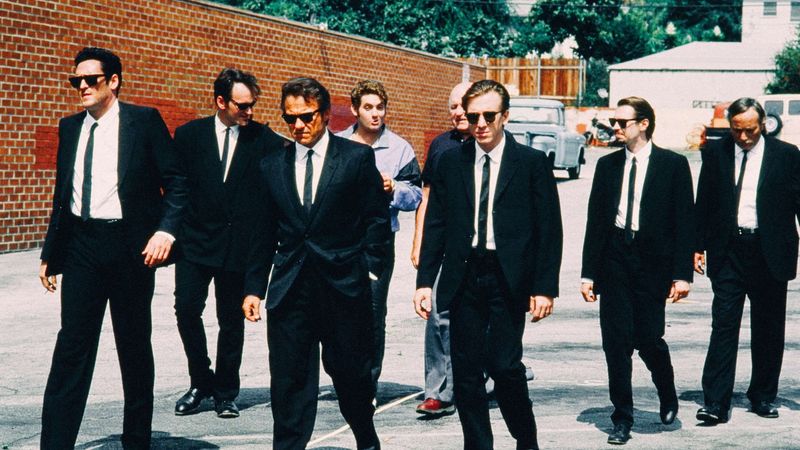
A diamond robbery goes catastrophically wrong, and the surviving criminals suspect one among them is an undercover cop.
Quentin Tarantino exploded onto the film scene with this razor-sharp heist thriller told almost entirely in aftermath.
The film’s nonlinear structure and dialogue-heavy approach felt revolutionary for independent cinema in the early nineties.
Harvey Keitel, Steve Buscemi, and Tim Roth deliver career-defining performances in this pressure-cooker character study.
Tarantino’s debut redefined what independent filmmakers could achieve with limited budgets and maximum creativity.
Yet Oscar voters completely ignored this seismic shift in American cinema, missing a watershed moment.
5. Touch of Evil (1958)
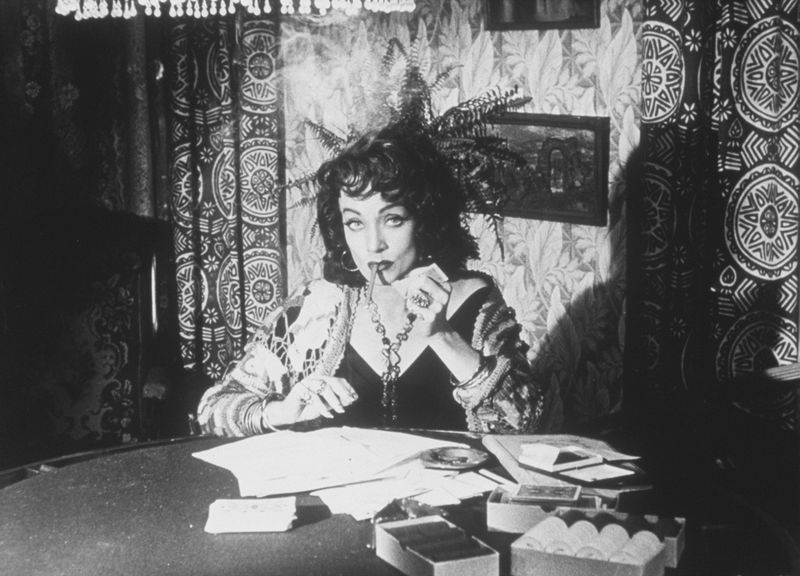
Orson Welles returned to directing with this dark meditation on corruption festering along the Mexican-American border.
The opening tracking shot alone—three minutes without cuts—remains one of cinema’s most studied technical achievements.
Welles himself plays a morally bankrupt police captain whose investigation methods blur every ethical line imaginable.
Charlton Heston and Janet Leigh navigate this shadowy world where justice becomes increasingly difficult to distinguish from vengeance.
The film’s visual innovation and thematic complexity should have earned recognition, but studio interference resulted in a butchered theatrical release.
By the time Welles’ vision was properly restored, Oscar consideration had long passed.
6. The Shining (1980)
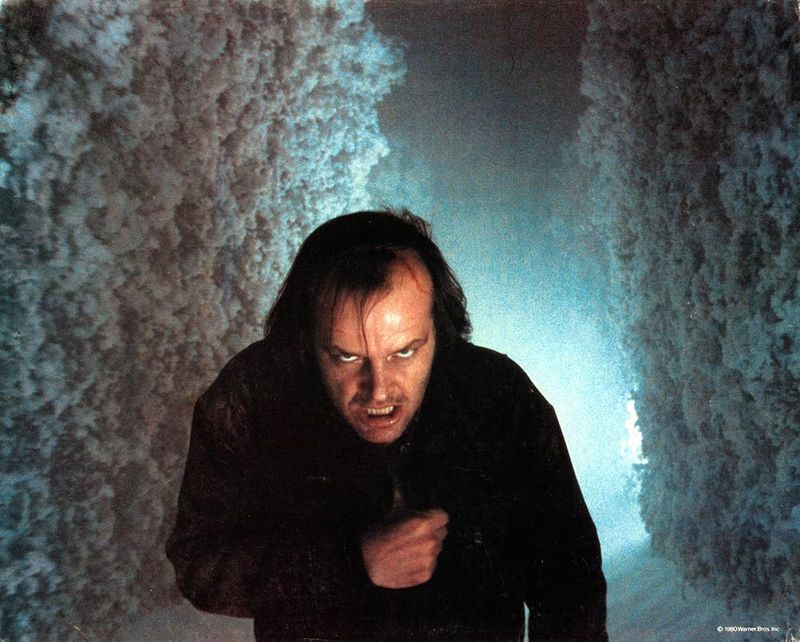
Stanley Kubrick transformed Stephen King’s novel into something far more psychologically disturbing than typical horror fare.
Jack Nicholson delivers career-peak intensity as a writer descending into madness while caretaking an isolated Colorado hotel.
Kubrick’s meticulous visual compositions and Steadicam innovations created an atmosphere of creeping dread that influenced horror filmmaking forever.
Shelley Duvall’s terrified performance adds genuine vulnerability to scenes that remain genuinely unsettling decades later.
The Academy has historically dismissed horror as unworthy of serious consideration, and Kubrick’s masterpiece suffered this prejudice completely.
Its cultural impact and technical achievements clearly deserved recognition beyond genre categorization.
7. Mean Streets (1973)
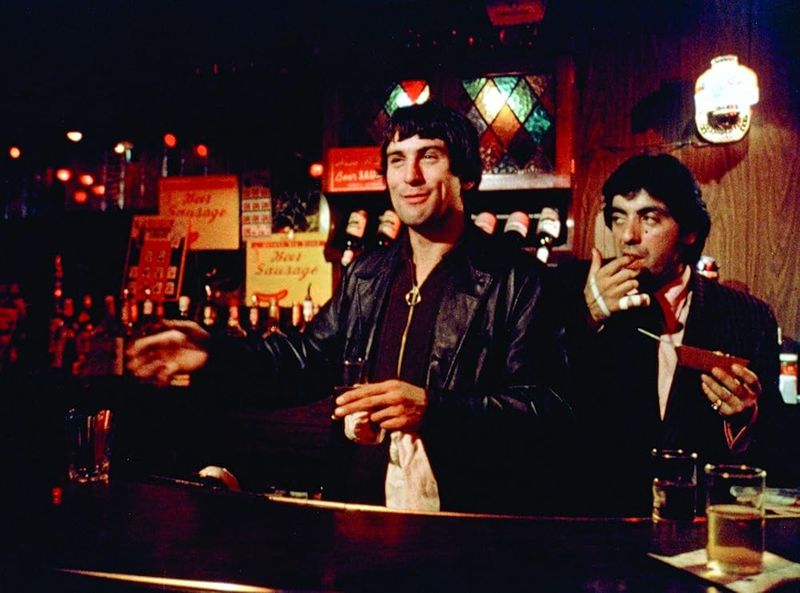
This film captures authentic New York energy through handheld cameras and improvised dialogue that feels documentary-real.
Martin Scorsese announced himself as a major filmmaking force with this raw portrait of small-time criminals in Little Italy.
Harvey Keitel plays a hood caught between religious guilt and loyalty to his dangerously unpredictable friend, played explosively by Robert De Niro.
Scorsese’s innovative use of popular music on the soundtrack revolutionized how films could employ existing songs for emotional impact.
This groundbreaking work established techniques Scorsese would refine throughout his legendary career, yet received zero Academy acknowledgment.
Perhaps its unflinching violence and moral ambiguity made voters uncomfortable with recognizing its artistic achievements.
8. Once Upon a Time in America (1984)
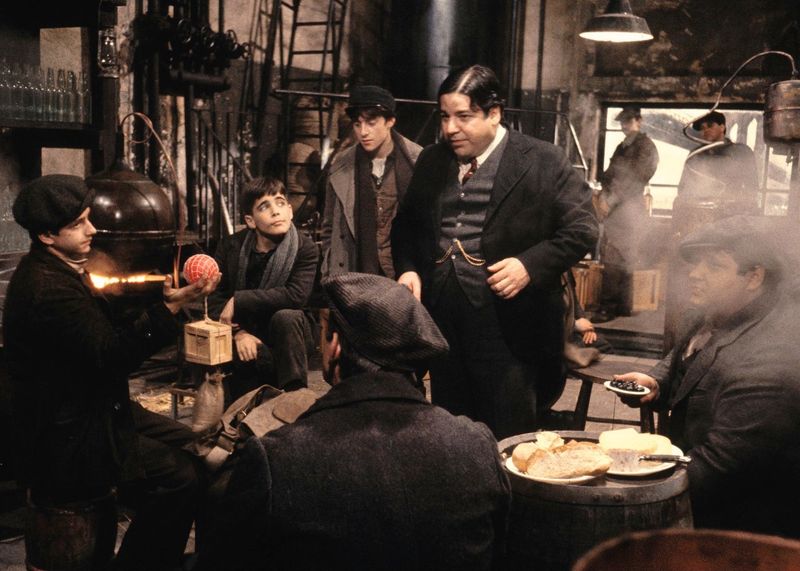
Sergio Leone’s final masterpiece spans five decades of friendship, betrayal, and regret in New York’s Jewish underworld.
Robert De Niro anchors this nearly four-hour epic as a gangster haunted by choices that destroyed everything he valued.
Leone’s operatic approach to crime storytelling creates moments of heartbreaking beauty amid brutal violence.
Ennio Morricone’s mournful score perfectly captures the film’s themes of lost innocence and irreversible consequences.
Studio executives butchered Leone’s vision for American release, cutting ninety minutes and destroying the carefully crafted narrative structure.
This vandalism likely contributed to the Academy’s complete oversight of what many now consider the greatest gangster film ever made.
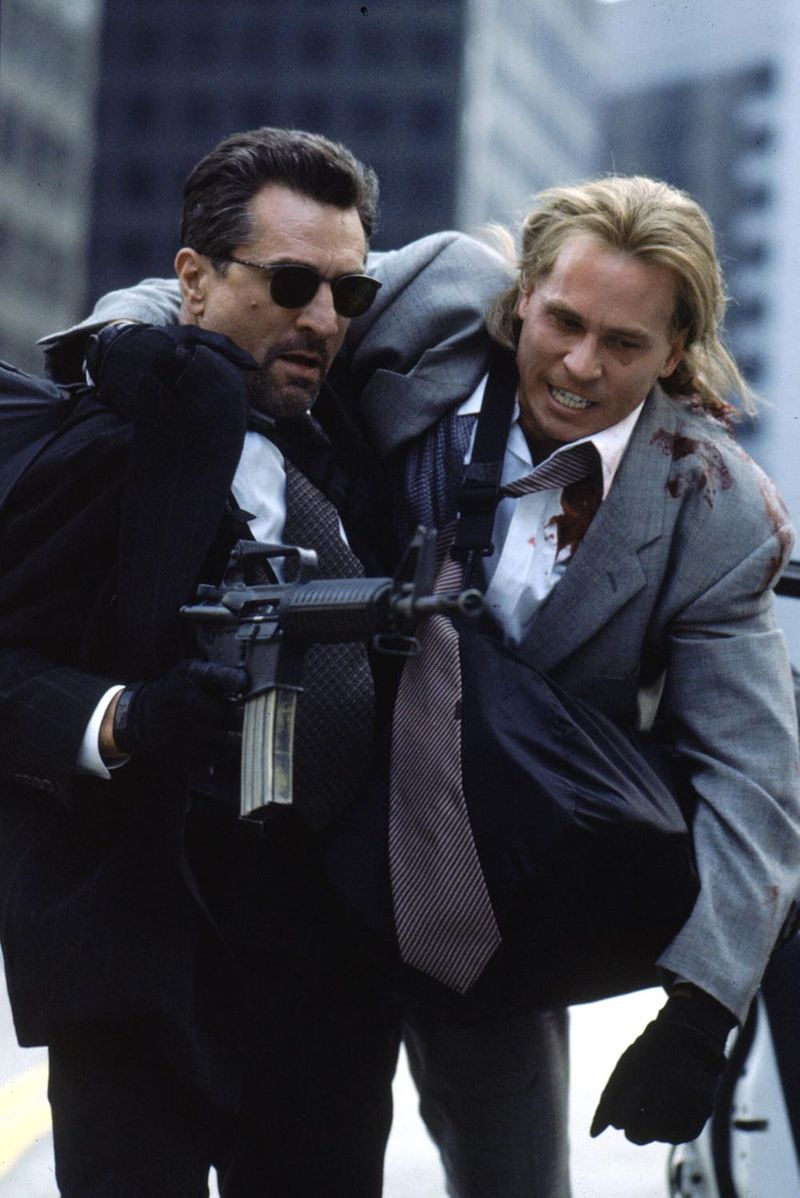
9. Heat (1995)
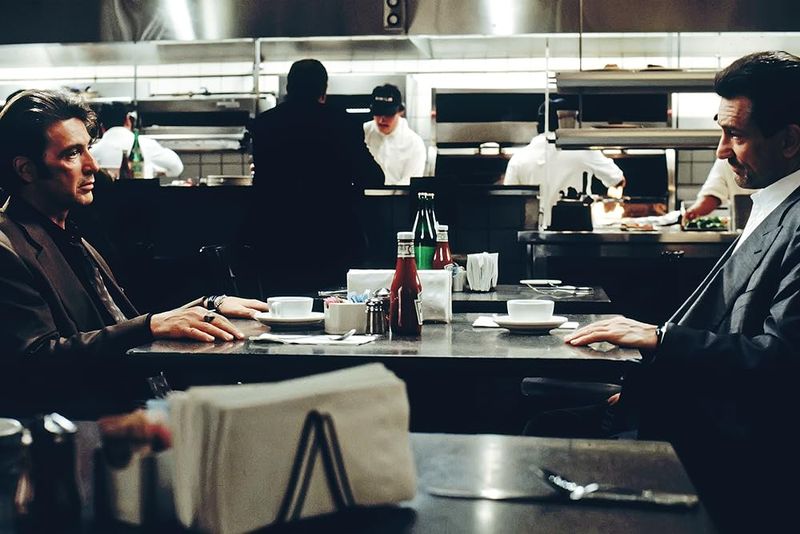
Michael Mann orchestrated the ultimate cops-and-robbers showdown by pairing Robert De Niro’s master thief against Al Pacino’s obsessed detective.
Their legendary coffee shop conversation became an instant classic, two acting titans finally sharing substantial screen time.
The downtown Los Angeles shootout redefined action filmmaking through commitment to realistic sound design and tactical authenticity.
Mann’s meticulous attention to professional methodology on both sides of the law elevated the material beyond typical genre fare.
Despite critical acclaim and strong box office performance, Oscar voters completely ignored this sophisticated crime epic.
Perhaps they couldn’t see past the action sequences to appreciate the complex character study underneath.
10. Zodiac (2007)
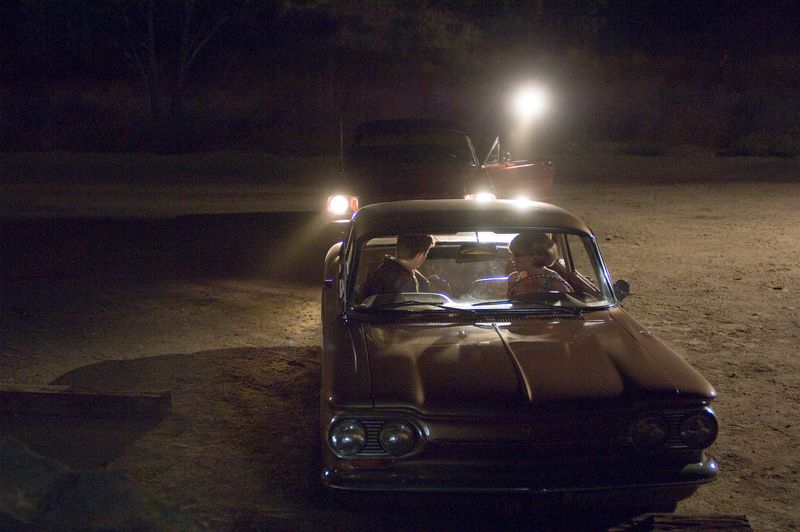
This film’s commitment to ambiguity mirrors the real investigation’s maddening inconclusiveness, refusing easy answers or satisfying closure.
David Fincher crafted a different kind of serial killer film, one focused on the exhausting toll of obsession rather than shocking violence.
Jake Gyllenhaal, Mark Ruffalo, and Robert Downey Jr. play men consumed by their pursuit of the elusive Zodiac killer.
Fincher’s restrained approach builds suffocating tension through procedural details and mounting frustration as leads evaporate.
This masterclass in sustained dread arrived during awards season but somehow earned zero nominations despite universal critical praise.
Its deliberate pacing and intellectual approach perhaps seemed too cerebral for voters seeking more conventional thriller satisfaction.
11. City Lights (1931)
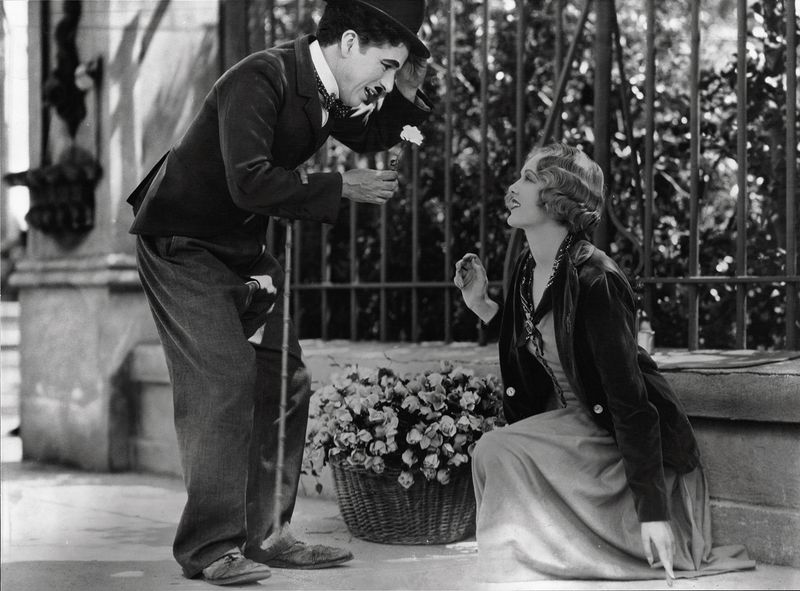
Charlie Chaplin defied the sound era by creating this silent masterpiece when talkies had already dominated Hollywood.
His iconic Tramp character falls for a blind flower seller, leading to both hilarious misunderstandings and genuine heartbreak.
The film’s final scene remains one of cinema’s most emotionally powerful moments, conveying profound feelings without a single spoken word.
Chaplin’s genius for physical comedy never overshadows the tender humanity at the story’s core.
Released during the Academy’s early years, this timeless classic somehow received no recognition whatsoever.
Perhaps voters were too focused on celebrating the new sound technology to properly honor Chaplin’s brilliant defense of silent storytelling.
12. Paths of Glory (1957)
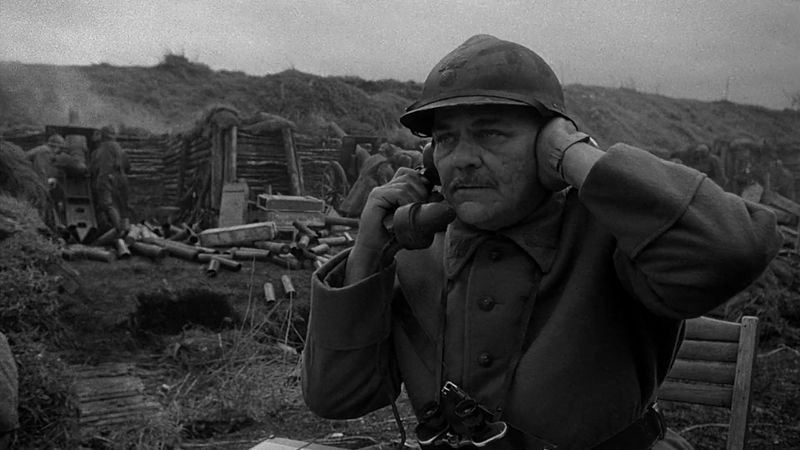
Stanley Kubrick delivered a devastating anti-war statement through this World War I drama about soldiers scapegoated for command incompetence.
Kirk Douglas plays a colonel defending three men court-martialed for cowardice after an impossible attack fails predictably.
Kubrick’s tracking shots through claustrophobic trenches create visceral combat experiences before shifting to the cold bureaucracy of military justice.
The film’s moral clarity about institutional cruelty and class warfare remains powerfully relevant today.
French authorities banned this unflinching portrayal of their military’s corruption for nearly two decades after release.
The Academy’s complete dismissal suggests American voters also found its anti-authoritarian message too uncomfortable for recognition during Cold War tensions.
Comments
Loading…