
 Mary Murphy
14 Things People Strongly Believe — But Can’t Actually Prove

Have you ever heard someone say something with total confidence, only to realize there’s no real proof behind it?
We all hold beliefs that feel true, even when science says otherwise.
From old wives’ tales to modern myths, these ideas stick around because they sound right or because everyone else believes them too.
Let’s explore some of the most common things people swear by, even though the evidence just isn’t there.
1. Astrology Can Predict Your Future

Millions check their horoscopes daily, convinced the stars hold secrets about their personality and destiny.
Birth charts and zodiac signs feel personal and accurate, making believers feel understood in ways that seem almost magical.
It’s comforting to think the universe has a plan written in the cosmos.
Scientists have tested astrology repeatedly, finding zero connection between star positions and human behavior.
Your personality develops from genetics, experiences, and environment, not from where Mars was when you were born.
The predictions work because they’re vague enough to fit almost anyone’s life.
Despite lacking evidence, astrology remains wildly popular because it offers simple answers to complicated questions about who we are.
2. Bigfoot Roams the Forest
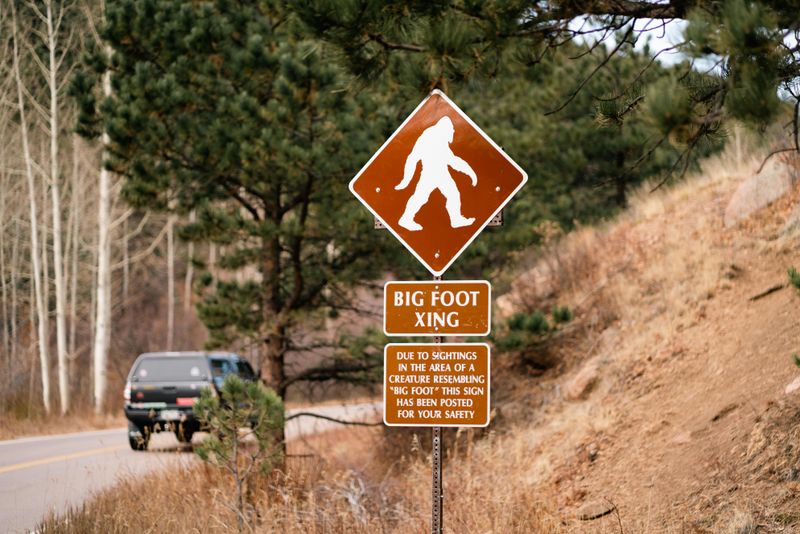
Grainy photos and eyewitness accounts have kept the Bigfoot legend alive for decades.
People describe a towering, hairy creature lurking in remote wilderness areas, leaving behind massive footprints.
The stories are so consistent that believers insist there must be something out there.
Yet despite countless expeditions, not a single bone, body, or credible DNA sample has ever been found.
With millions of trail cameras in forests worldwide, you’d expect at least one clear photo by now.
Most “evidence” turns out to be misidentified animals or outright hoaxes.
The idea persists because humans love mysteries, and vast forests feel like places where unknown creatures could still hide from modern civilization.
3. We Only Use 10% of Our Brains

This myth suggests we’re all sitting on untapped mental superpowers, just waiting to unlock our full potential.
Self-help gurus and movies have spread this idea for years, making it sound scientifically legitimate.
Who wouldn’t want to believe they could suddenly become a genius?
Brain scans prove this completely false.
Every part of your brain has a purpose and gets used regularly throughout the day.
Even during sleep, your entire brain stays busy processing memories and controlling body functions.
Brain damage to even small areas causes serious problems, showing every bit matters.
The myth probably started from a misunderstanding of neuroscience research, but it stuck because it makes us feel like we have hidden potential waiting to emerge.
4. Shaving Makes Hair Grow Back Thicker

After shaving, that stubbly regrowth feels coarser and darker, convincing generations that razors somehow change hair permanently.
Parents warn teens about shaving certain areas because the hair will supposedly come back worse.
It seems logical based on what we can feel and see.
Hair grows from follicles deep under your skin, where razors can’t possibly reach or affect them.
When you shave, you cut hair at its thickest point, creating a blunt edge that feels rough compared to the naturally tapered end.
The hair isn’t actually thicker or darker; it just appears that way temporarily.
This misconception survives because the sensory experience is so convincing, even though biology proves it wrong.
5. Chocolate Milk Comes From Brown Cows

A surprising number of adults genuinely believed this as children, and some surveys suggest a few still do!
The innocent logic makes sense to young minds: white cows make white milk, so brown cows must make chocolate milk.
It’s adorable but completely wrong.
All cow’s milk starts out the same color regardless of the cow’s hide.
Chocolate milk is simply regular milk with cocoa powder and sweeteners added during processing.
The cow’s color has nothing to do with what comes out during milking.
This myth highlights how childhood misunderstandings can stick with us, especially when nobody bothers to correct them.
It also shows how disconnected many people are from where their food actually comes from in modern society.
6. Goldfish Have Three-Second Memories

People justify tiny fishbowls by claiming goldfish forget everything almost instantly anyway.
This belief makes neglecting proper fish care seem less cruel.
After all, if the fish can’t remember swimming in circles, what’s the harm?
Research proves goldfish can remember things for months, even years.
They recognize their owners, learn feeding schedules, and can be trained to perform tricks.
Scientists have taught goldfish to navigate mazes and push levers for food rewards they remember days later.
The three-second myth probably started as a joke that people took seriously.
It’s a convenient excuse that lets people feel okay about inadequate care, but goldfish deserve better based on what we now know about their intelligence.
7. Bulls Get Angry at the Color Red

In bullfighting, the matador waves a red cape and the bull charges furiously, seemingly enraged by the color.
This dramatic scene has convinced audiences for centuries that bulls hate red specifically.
It’s become shorthand for anything that triggers instant anger.
Bulls are actually colorblind to red and green.
What makes them charge is the movement of the cape, not its color.
Matadors could use blue, yellow, or plaid fabric and get the same aggressive response.
The tradition uses red because it looks dramatic to human spectators and hides bloodstains.
This myth persists because we watch the bullfight from a human perspective, assuming the bull sees what we see and reacts how we would react.
8. Full Moons Cause Weird Behavior
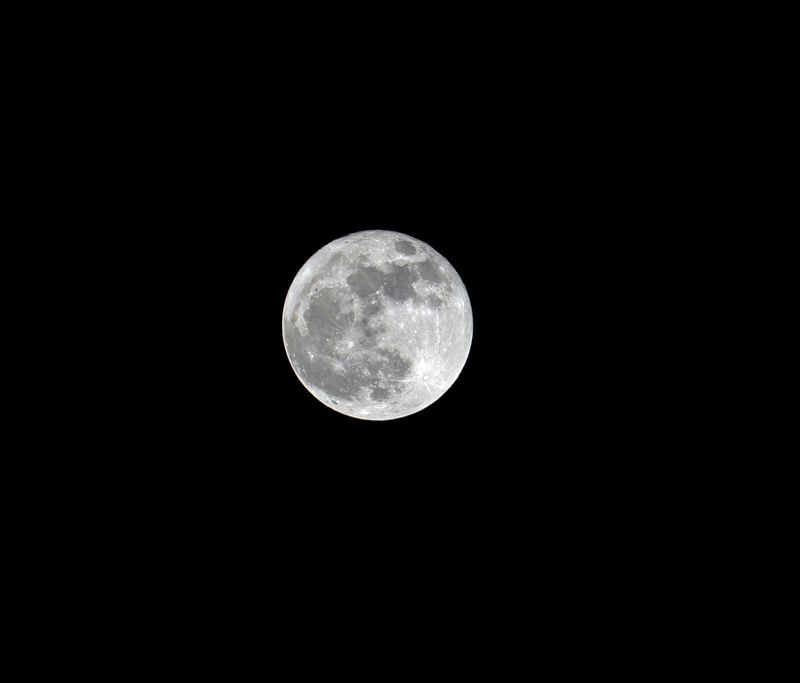
Hospital workers and police officers swear their shifts get crazier during full moons.
The stories pile up: more emergency room visits, bizarre crimes, and general chaos when the moon is full.
The pattern seems too consistent to be coincidence.
Extensive studies have found absolutely no statistical link between lunar phases and human behavior.
Emergency rooms don’t actually get busier, and crime rates don’t spike.
What happens is confirmation bias: people notice and remember the full moon when weird things happen but forget about it when nights are calm.
Ancient beliefs about the moon’s power over human minds still influence us today, even though modern data shows the connection exists only in our imaginations and expectations.
9. Cracking Knuckles Causes Arthritis
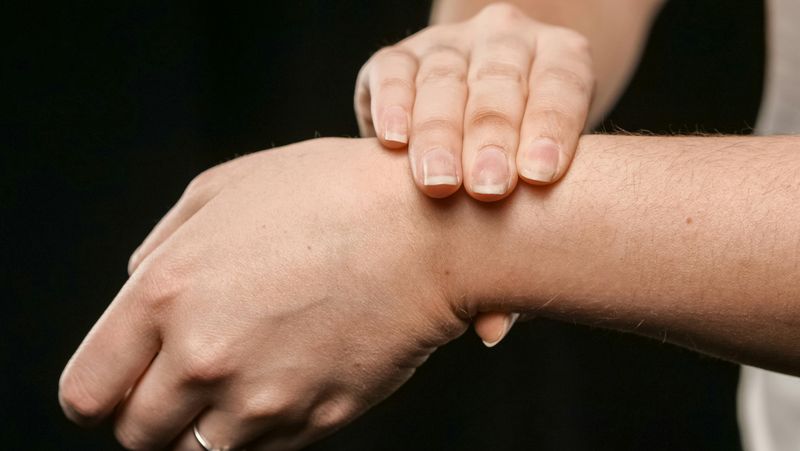
That popping sound seems destructive, leading concerned parents and grandparents to warn against the habit for generations.
The noise alone sounds like something breaking or damaging inside your joints.
Surely doing it repeatedly must cause problems down the road?
Multiple studies, including one doctor who cracked only his left hand’s knuckles for 60 years, found no connection to arthritis.
The pop comes from gas bubbles in joint fluid, not from bones grinding together.
While excessive knuckle cracking might cause hand swelling or reduced grip strength, it doesn’t cause arthritis.
This myth survives partly because arthritis is common anyway, so people who crack their knuckles and later develop arthritis incorrectly blame the habit, reinforcing the belief for others.
10. Eating Late at Night Causes Weight Gain

Diet advice constantly warns against eating after 8 PM, claiming your body stores late-night calories as fat.
The rule seems to make sense because you’re less active at night.
Many people avoid evening snacks specifically because of this belief.
Your body processes calories the same way regardless of what time you eat them.
Weight gain happens when you consume more calories than you burn over time, not because of when those calories enter your system.
People who eat late often gain weight because they’re adding extra calories to what they already ate, not because nighttime eating is inherently fattening.
The myth sticks around because cutting out late-night snacking often does help people lose weight, but only because they’re reducing total daily calories.
11. Drinking Milk Increases Mucus Production

When you have a cold, well-meaning advice-givers tell you to avoid milk because it supposedly makes congestion worse.
The milk does feel coating in your throat, which seems to confirm the warning.
Many people skip dairy entirely when they’re sick based on this belief.
Scientific studies have found no evidence that milk increases actual mucus production in your respiratory system.
What you’re feeling is milk’s texture mixing with saliva, creating a temporary thick sensation in your mouth and throat.
It’s not real mucus, and it doesn’t affect your sinuses or lungs.
This myth probably started because the sensation is noticeable and unpleasant when you’re already congested, leading to a false connection between milk and worsening cold symptoms.
12. Humans and Dinosaurs Coexisted
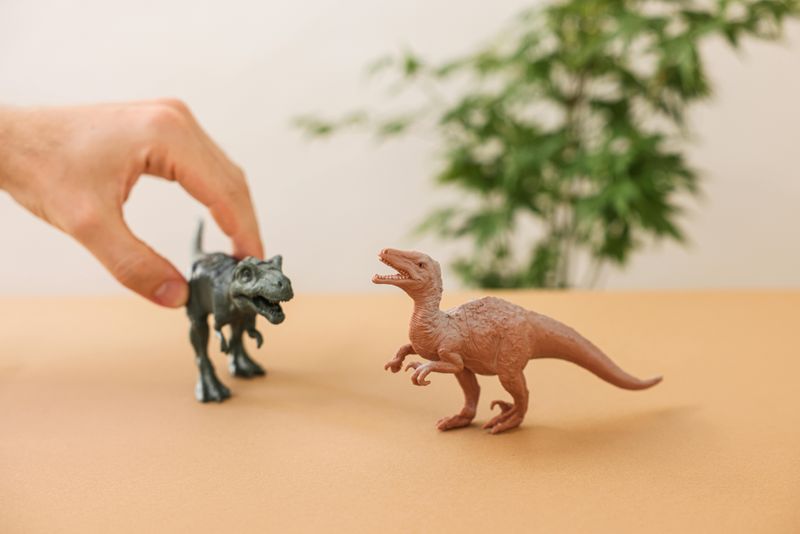
Movies and cartoons often show cavemen riding dinosaurs, creating a fun but totally inaccurate picture of prehistory.
Some people genuinely believe this timeline based on religious interpretations or simple confusion about Earth’s vast history.
The idea of humans hunting dinosaurs is certainly more exciting than reality.
Dinosaurs went extinct 65 million years ago, while modern humans appeared only about 300,000 years ago.
That’s a gap of over 64 million years—longer than the time dinosaurs themselves existed.
Fossil records and geological dating methods prove this timeline beyond any doubt.
The myth survives through pop culture and misunderstanding of how incredibly long Earth’s history actually is.
Our brains struggle to comprehend millions of years, making it easier to compress everything together.
13. Sugar Makes Children Hyperactive

Every parent at a birthday party watches kids bouncing off walls after cake and blames the sugar rush.
The connection seems obvious: kids eat sweets, then go wild.
Schools and parents limit sugar specifically to prevent this supposed effect.
Controlled studies where parents don’t know whether their kids received sugar or placebo show no difference in behavior.
What causes the hyperactivity is usually the exciting environment—parties, friends, games, and fun.
Parents expect sugar to cause problems, so they notice and remember active behavior after sweets while ignoring calm moments.
The myth endures because the correlation feels real in everyday experience, even though careful scientific testing proves sugar doesn’t actually change children’s activity levels or behavior patterns.
14. Lightning Never Strikes the Same Place Twice

This saying offers false comfort, suggesting that once lightning hits somewhere, that spot is safe.
People use it metaphorically too, implying bad luck won’t repeat.
The phrase sounds wise and reassuring, like an old truth passed down through generations.
Lightning absolutely strikes the same places repeatedly, especially tall structures.
The Empire State Building gets hit about 25 times per year.
Lightning follows the path of least resistance to the ground, so anything tall and conductive will keep attracting strikes during storms.
The saying probably originated as encouragement about rare bad events rather than as literal weather advice.
Unfortunately, some people take it literally and make dangerous decisions during thunderstorms, believing previous strike locations are now somehow protected from future lightning.
Comments
Loading…