
 Jade Reed
15 Movies That Look Ridiculous But Are Actually Brilliant
Some movies get dismissed at first glance because they seem silly, over-the-top, or just plain weird. Maybe the premise sounds absurd, the humor feels juvenile, or the marketing made them look like mindless entertainment aimed at casual viewers who just want a laugh. Sometimes the trailers, posters, or even early reviews give the impression that there’s nothing substantial to take away, making audiences skip over them without a second thought.
But beneath the surface of these seemingly ridiculous films are smart commentaries, clever storytelling, and carefully crafted messages that linger in your mind, offering unexpected insights, emotional resonance, and surprises that stick with you long after the credits roll.
1. The Truman Show (1998)
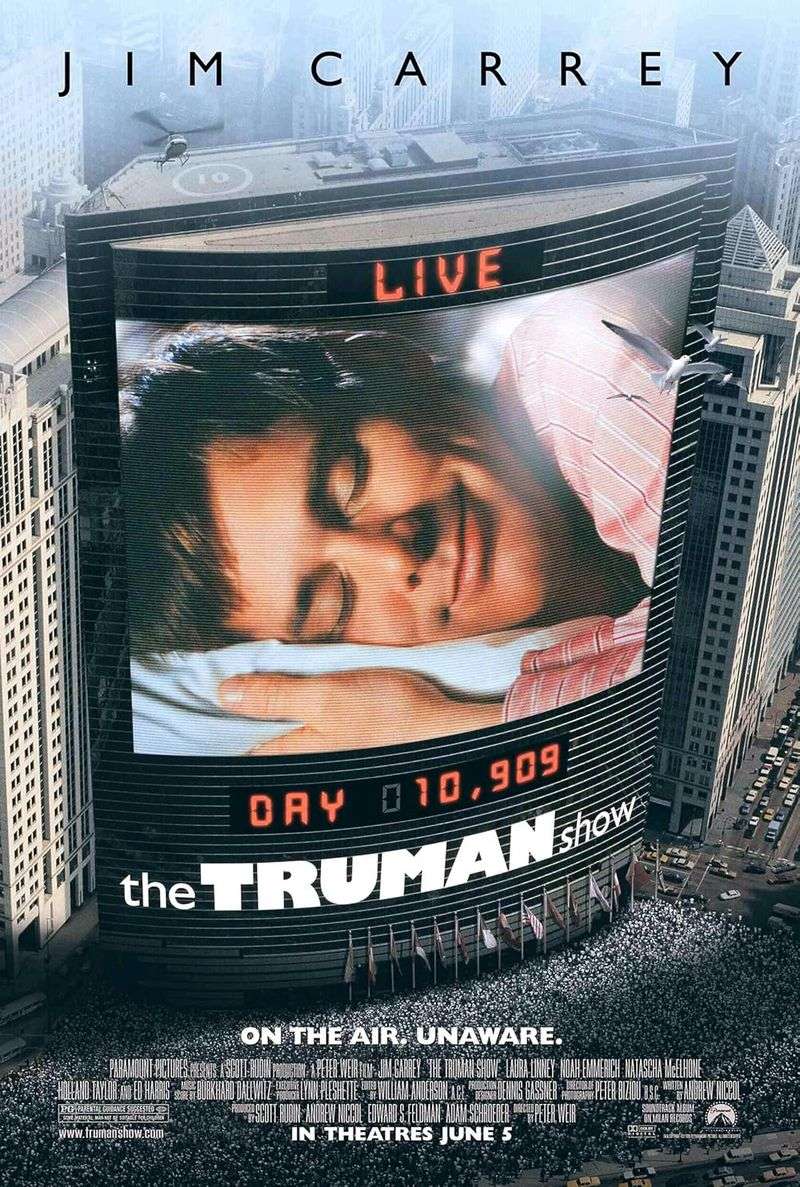
Jim Carrey’s goofy comedic reputation made many viewers expect another silly romp when this film released.
Instead, they discovered a haunting meditation on surveillance, free will, and the construction of reality itself.
Truman Burbank lives in a picture-perfect town that’s actually a massive television set, with every person in his life playing a role.
The film predicted our current obsession with reality TV and social media personas decades before they dominated culture.
Carrey delivers a surprisingly nuanced performance that balances humor with genuine pathos.
What initially seems like a high-concept comedy becomes an exploration of authenticity in a world of manufactured experiences.
Director Peter Weir crafted a story that makes you question how much of your own life feels scripted or performed for others.
2. Starship Troopers (1997)
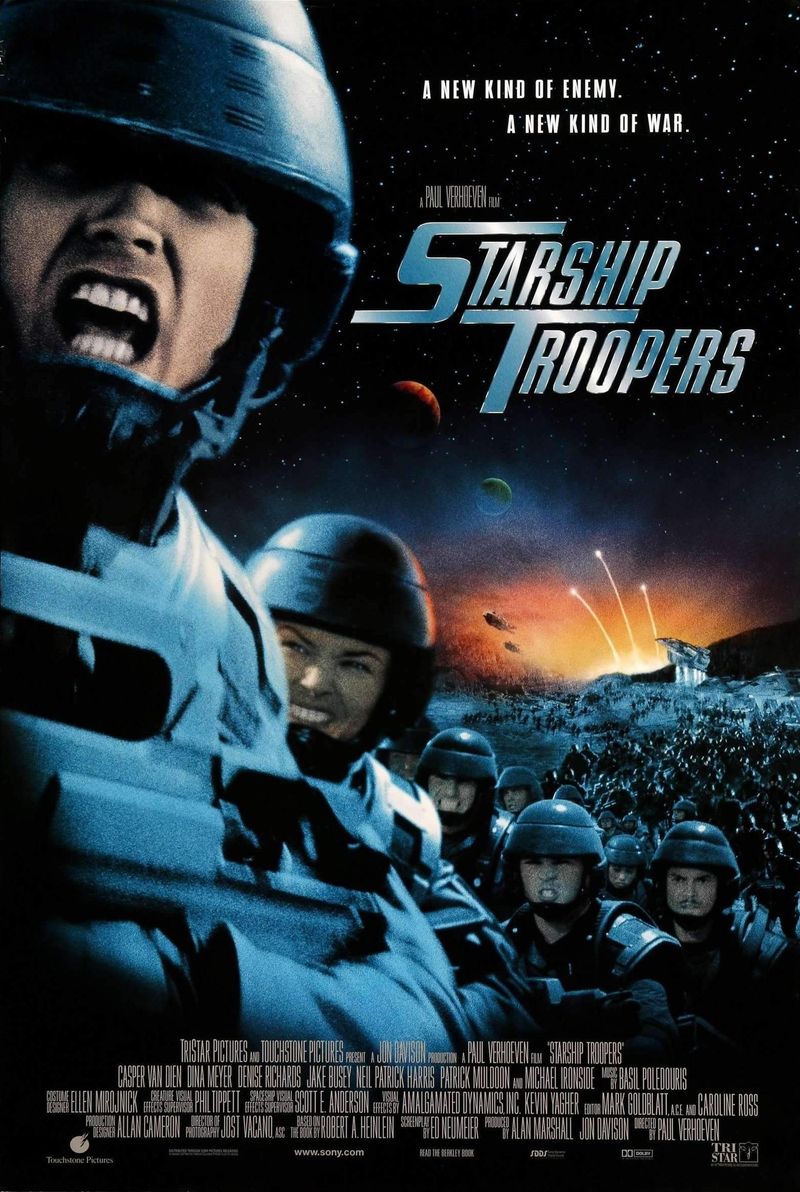
Giant bugs and beautiful people in space uniforms made this look like brainless action schlock when it hit theaters.
Critics initially panned it as fascist propaganda wrapped in special effects.
Years later, audiences realized director Paul Verhoeven was creating a brilliant satire of militarism and fascism, not celebrating it.
Every propaganda commercial, every over-the-top military speech, every “would you like to know more?” prompt was intentionally mimicking authoritarian recruitment tactics.
The film’s surface-level absurdity masks a razor-sharp commentary on how societies glorify war and dehumanize enemies.
Verhoeven, who grew up in Nazi-occupied Netherlands, knew exactly what he was doing.
The movie works simultaneously as entertaining sci-fi action and biting political critique, rewarding viewers who look beyond the explosions.
3. Barbie (2023)
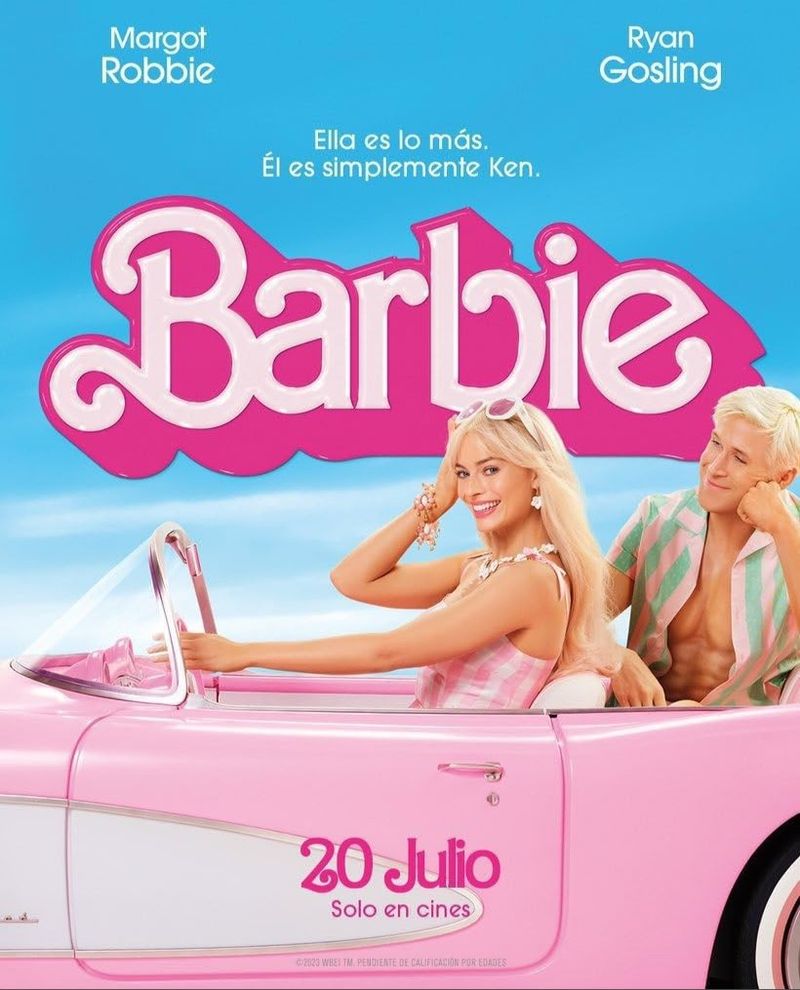
A movie about the famous fashion doll seemed destined to be a two-hour toy commercial aimed at children.
Marketing emphasized the bright pink aesthetic and bubbly tone, making serious film fans roll their eyes.
Then Greta Gerwig delivered something completely unexpected: a thoughtful examination of feminism, identity, and the impossible standards women face.
Margot Robbie and Ryan Gosling bring surprising depth to characters that could’ve been one-dimensional.
The film tackles patriarchy, existential crises, and the complexities of womanhood while maintaining genuine humor and heart.
What appears to be cotton-candy entertainment actually offers sharp social commentary wrapped in accessible packaging.
It proved blockbuster movies can be both commercially successful and intellectually engaging without talking down to audiences.
4. The Mask (1994)
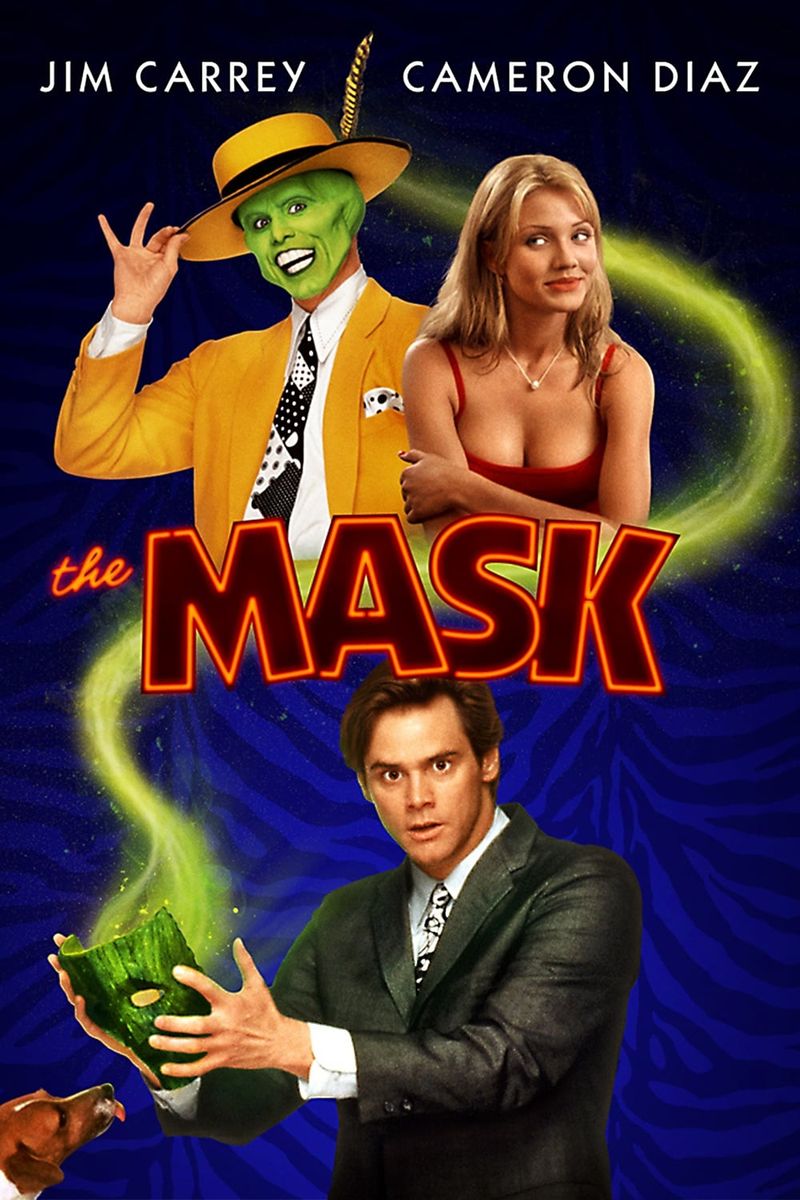
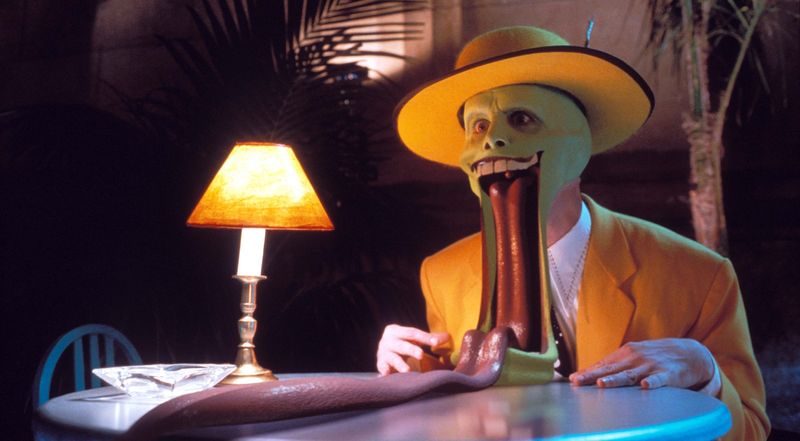
Watching Jim Carrey’s face turn green and his body contort into cartoon physics suggested pure slapstick without substance.
The trailers emphasized physical comedy and special effects that seemed designed solely for laughs.
But underneath the zaniness lies a story about repression, identity, and the masks we all wear in society.
Stanley Ipkiss transforms from a timid, overlooked nice guy into his uninhibited id when wearing the magical mask.
The film explores how social expectations force people to suppress their true selves.
Carrey’s manic energy perfectly captures the liberation and danger of dropping all filters.
Director Chuck Russell balanced Tex Avery-style animation logic with genuine character development, creating something more memorable than typical comedy fare of the era.
5. Rubber (2010)
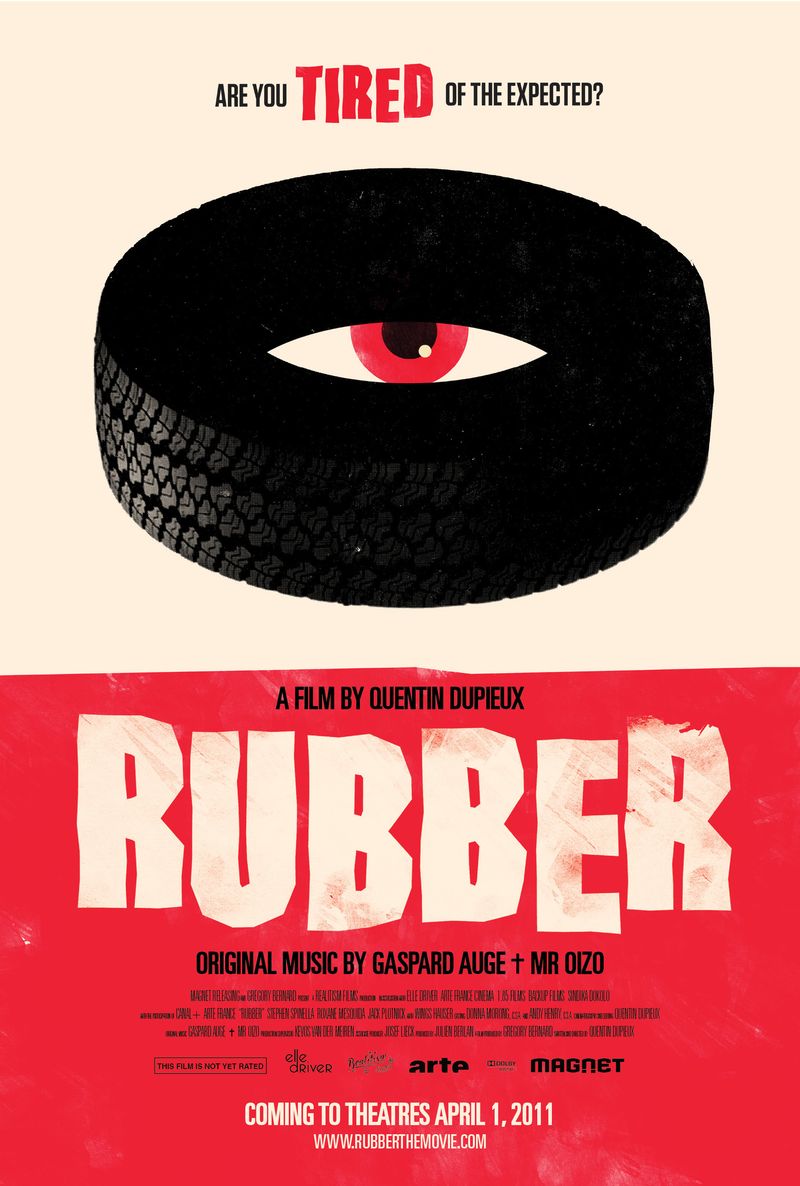
A sentient tire that kills people with psychic powers sounds like the punchline to a joke about absurd indie films.
Director Quentin Dupieux intentionally created something that defies conventional storytelling logic.
The opening monologue addresses the audience directly, explaining that many great films contain elements that happen for “no reason.”
This French film isn’t trying to be a traditional horror-comedy but rather a meditation on audience expectations and the arbitrary nature of cinema itself.
The tire, named Robert, becomes oddly compelling as it rolls through the desert on its murderous journey.
Meta-commentary runs throughout as in-film spectators watch the tire’s rampage through binoculars.
It challenges viewers to find meaning in meaninglessness or simply embrace the bizarre experience without demanding conventional narrative satisfaction.
6. The Neon Demon (2016)
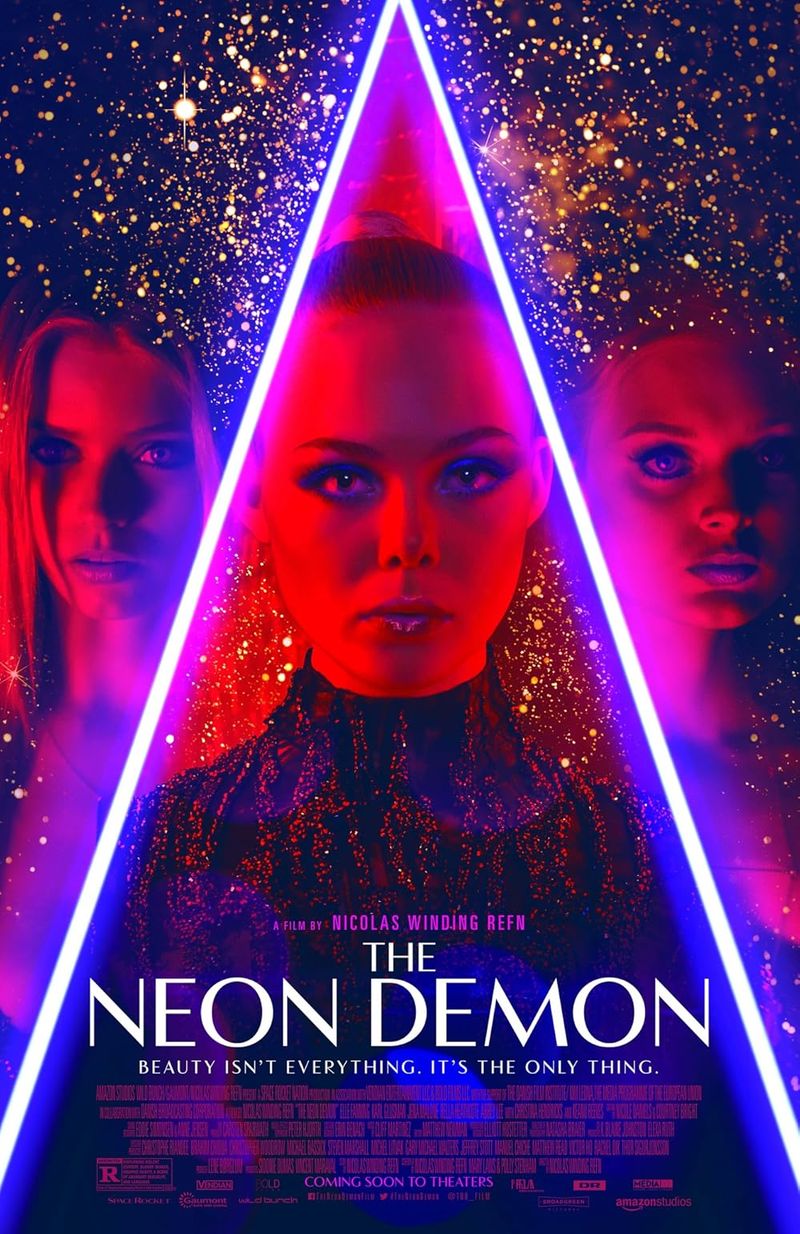
Nicolas Winding Refn’s fashion industry horror looks like style over substance taken to an absurd extreme.
The plot involves cannibalistic models, and the visuals are so saturated with neon colors and symmetrical compositions that it borders on parody.
Yet this fever dream deliberately uses excess to critique an industry built on consuming youth and beauty.
Elle Fanning plays Jesse, a naive 16-year-old model who becomes prey to an industry that literally wants to devour her.
The film’s gorgeous but unsettling aesthetic mirrors how the fashion world packages exploitation as art.
Every frame is meticulously composed to make viewers complicit in objectification.
Refn forces audiences to confront their own consumption of beauty and youth through deliberately uncomfortable, hypnotic imagery.
7. Legally Blonde (2001)
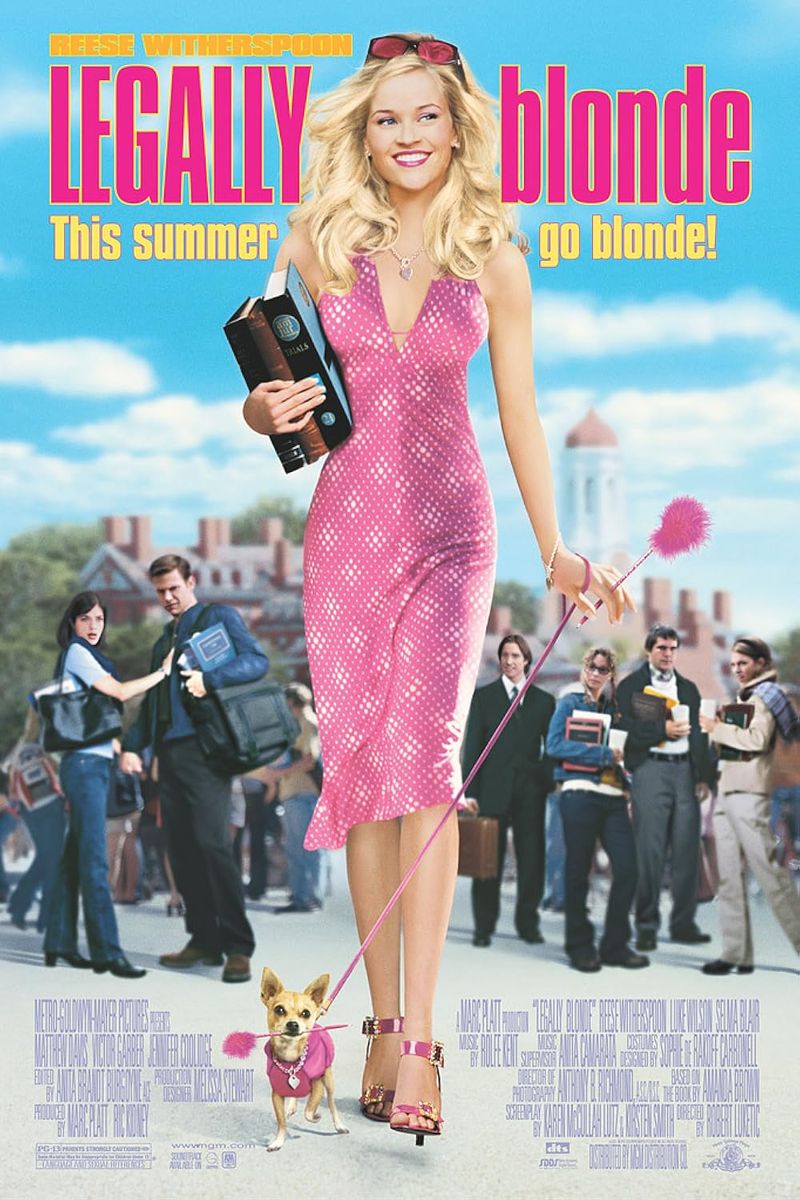
Pink-clad sorority girl goes to Harvard Law School seemed like the setup for a shallow fish-out-of-water comedy.
Early marketing positioned it as fluff for teenage girls, not serious cinema.
Instead, Reese Witherspoon delivered a character who proves intelligence comes in many forms and challenges stereotypes about femininity and intellect.
Elle Woods refuses to change her authentic self to fit into the serious legal world, ultimately succeeding because of her unique perspective, not despite it.
The film dismantles the false choice between being feminine and being taken seriously.
It celebrates traditionally girly interests while showing they don’t preclude academic excellence or professional success.
What looks like cotton candy actually offers empowering messages about authenticity, determination, and not letting others define your worth.
8. The Love Witch (2016)
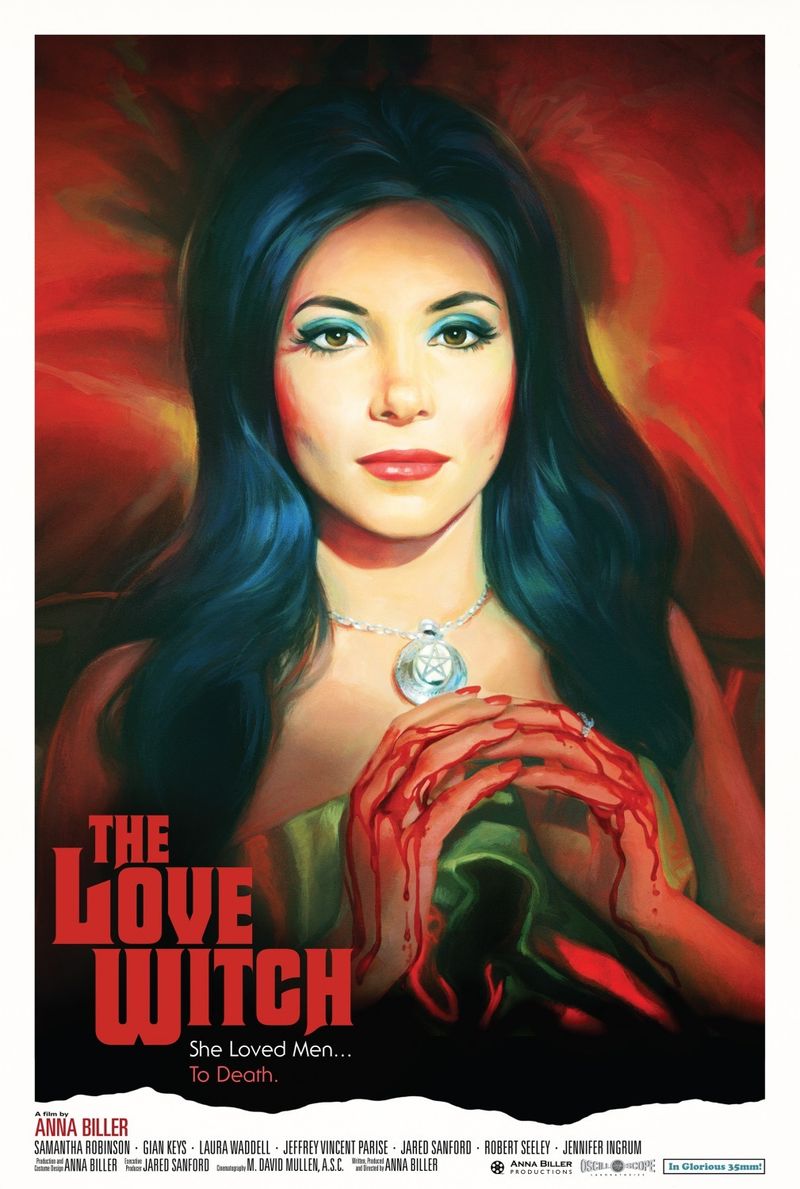
Writer-director Anna Biller created something that looks like a campy throwback to 1960s Technicolor melodramas.
The deliberately artificial sets, theatrical acting, and vintage aesthetic make it seem like an extended joke about old-fashioned filmmaking.
But this visual pastiche serves a sharp feminist critique of romantic expectations and gender dynamics.
Elaine, a witch who uses spells to make men fall in love with her, discovers that giving men exactly what they claim to want leads to their destruction.
Biller meticulously recreated the look of vintage films to examine how little has changed in romantic power dynamics.
The film’s beauty and strangeness work together to create something hypnotic.
It’s simultaneously a loving homage to classic cinema and a takedown of the gender roles those films perpetuated.
9. Zoolander (2001)
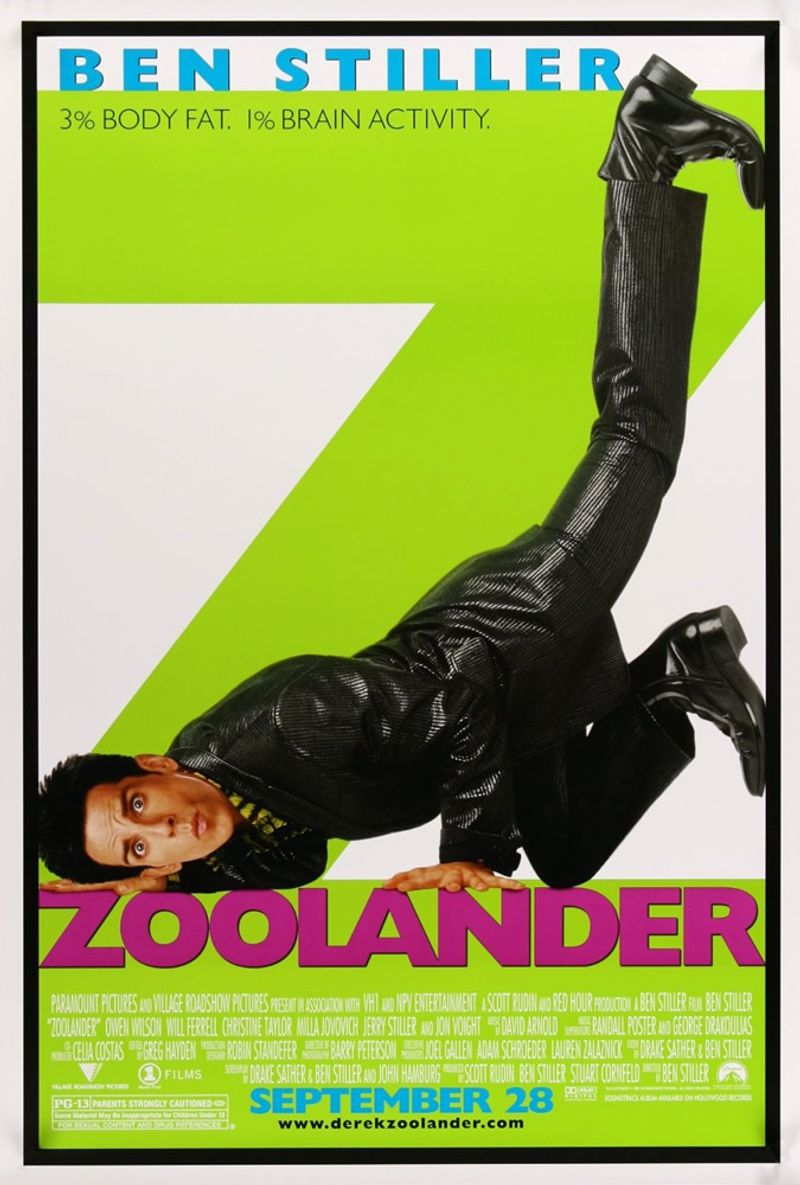
Ben Stiller making ridiculous faces as a dim-witted male model seemed destined for quick laughs and quicker obscurity.
The premise—male models brainwashed to assassinate the Prime Minister of Malaysia—sounds like sketch comedy stretched too thin.
Yet beneath the absurdist humor lies genuine satire of the fashion industry, celebrity culture, and corporate exploitation of beauty.
Derek Zoolander’s journey from self-absorbed model to someone questioning his purpose cleverly parallels how industries use attractive people as empty vessels for commerce.
The film’s willingness to be genuinely stupid allows it to sneak in commentary about child labor, environmental destruction, and manufactured image.
Will Ferrell’s villainous fashion designer represents capitalism’s amorality wrapped in aesthetic sophistication.
It proved silly comedies can contain real ideas without sacrificing entertainment value.
10. The Terminator (1984)
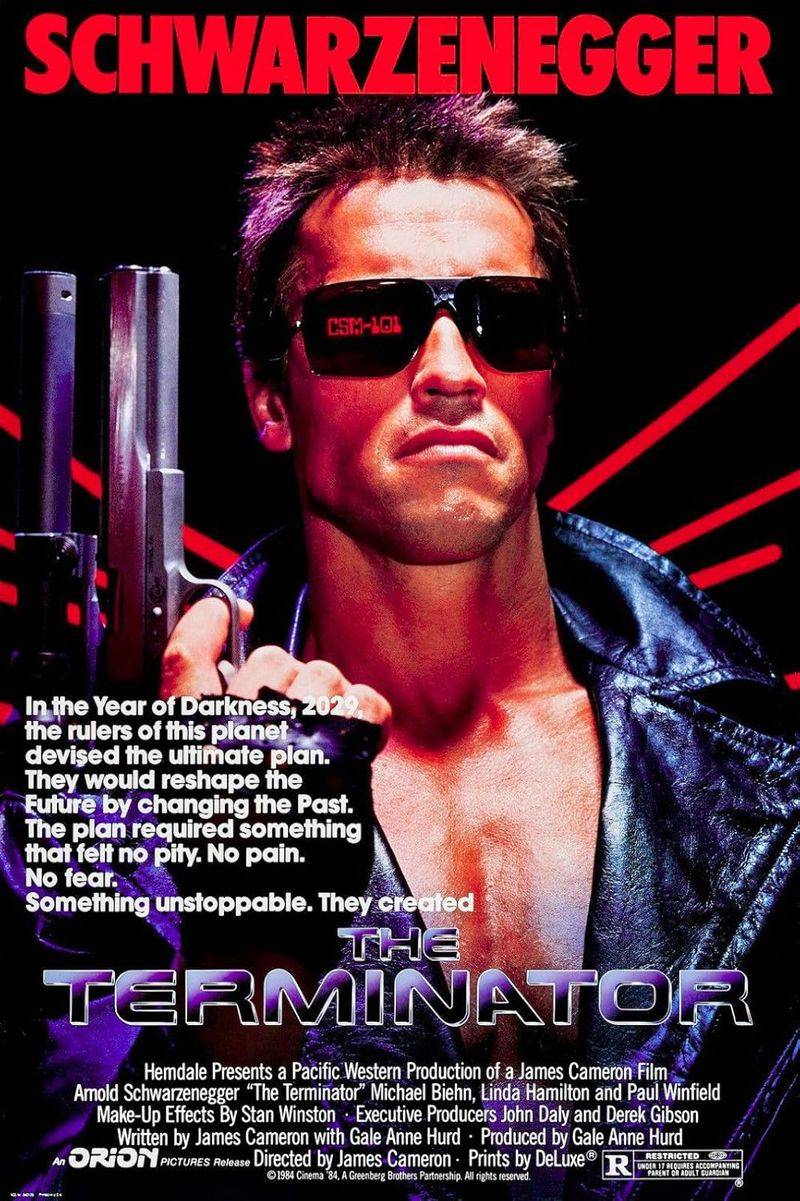
Before it became a franchise, The Terminator looked like a low-budget action movie starring a bodybuilder with limited acting range.
James Cameron’s tight script and relentless pacing elevated what could’ve been disposable sci-fi into a masterclass of efficient storytelling.
The premise is elegantly simple: a killer robot from the future tries to prevent humanity’s savior from being born.
Arnold Schwarzenegger’s mechanical performance perfectly suited a character that’s literally inhuman.
The film’s low budget forced creative problem-solving that made every scene purposeful.
Cameron built genuine dread through the Terminator’s unstoppable nature—it doesn’t feel pain, remorse, or fear, and it absolutely will not stop.
Beneath the action beats lies thoughtful exploration of fate versus free will and technology’s potential to destroy its creators.
11. Clueless (1995)
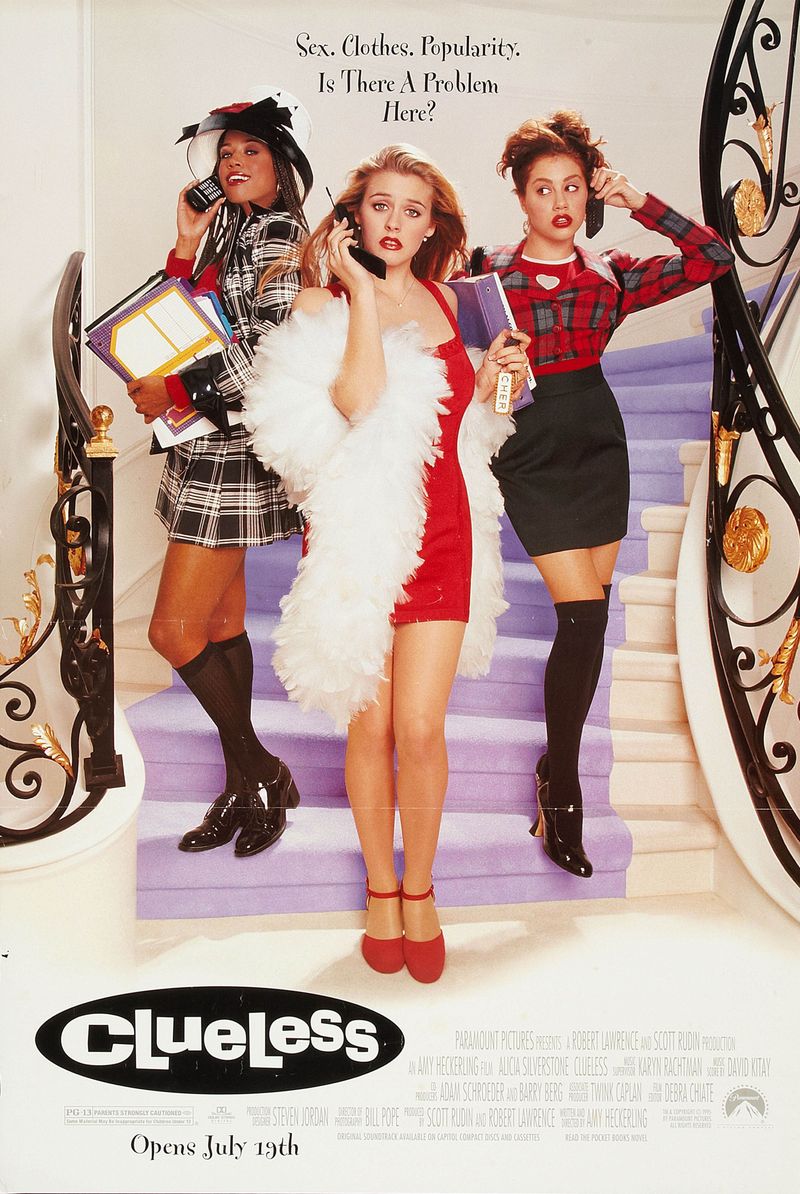
Valley girl speaks in slang while shopping and matchmaking her way through Beverly Hills High School—hardly the foundation for enduring cinema.
Amy Heckerling’s adaptation of Jane Austen’s “Emma” transplanted 19th-century social comedy into 1990s teen culture so cleverly that many viewers didn’t realize they were watching classic literature.
Cher Horowitz’s transformation from shallow to self-aware mirrors Emma’s journey while commenting on wealth, privilege, and genuine growth.
The film’s candy-colored aesthetic and quotable dialogue mask sophisticated social observation about class, appearance, and the performance of identity.
Alicia Silverstone makes Cher likable despite her privilege by showing genuine kindness beneath the superficiality.
The movie respects both its source material and teen culture without condescending to either.
It demonstrated teen comedies could be smart, funny, and culturally significant simultaneously.
12. Jennifer’s Body (2009)
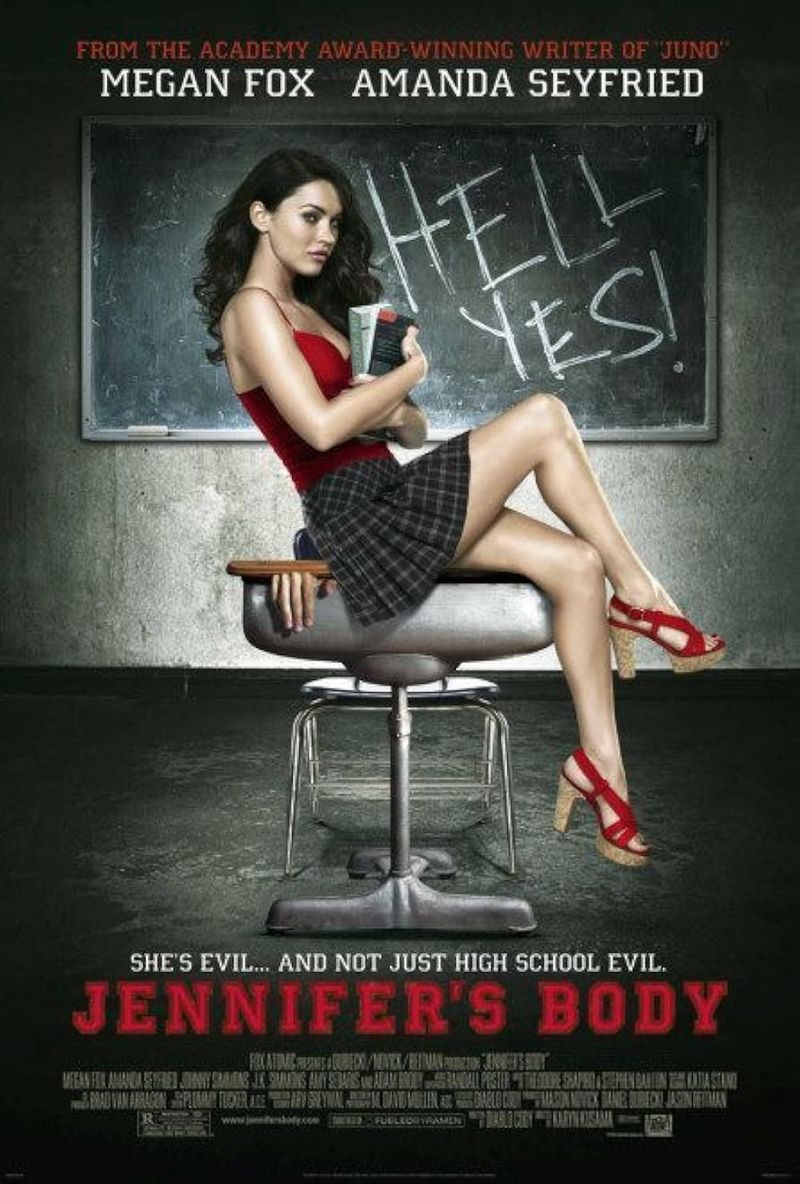
Marketing sold this as a vehicle for Megan Fox’s appeal, positioning it as teenage boy fantasy horror.
Initial audiences and critics dismissed it as shallow exploitation wrapped in horror tropes.
A decade later, reassessment revealed Diablo Cody’s sharp script about female friendship, objectification, and the literal consumption of young women by predatory men.
Jennifer becomes a demon after an indie band sacrifices her to Satan for fame, then feeds on male classmates who objectify her.
The film’s central relationship between Jennifer and her best friend Needy explores how patriarchy damages female bonds.
Fox’s performance, initially criticized, perfectly captures someone weaponizing the objectification forced upon them.
It’s a feminist horror-comedy that was too ahead of its time to be appreciated in the misogynistic culture of 2009.
13. School of Rock (2003)
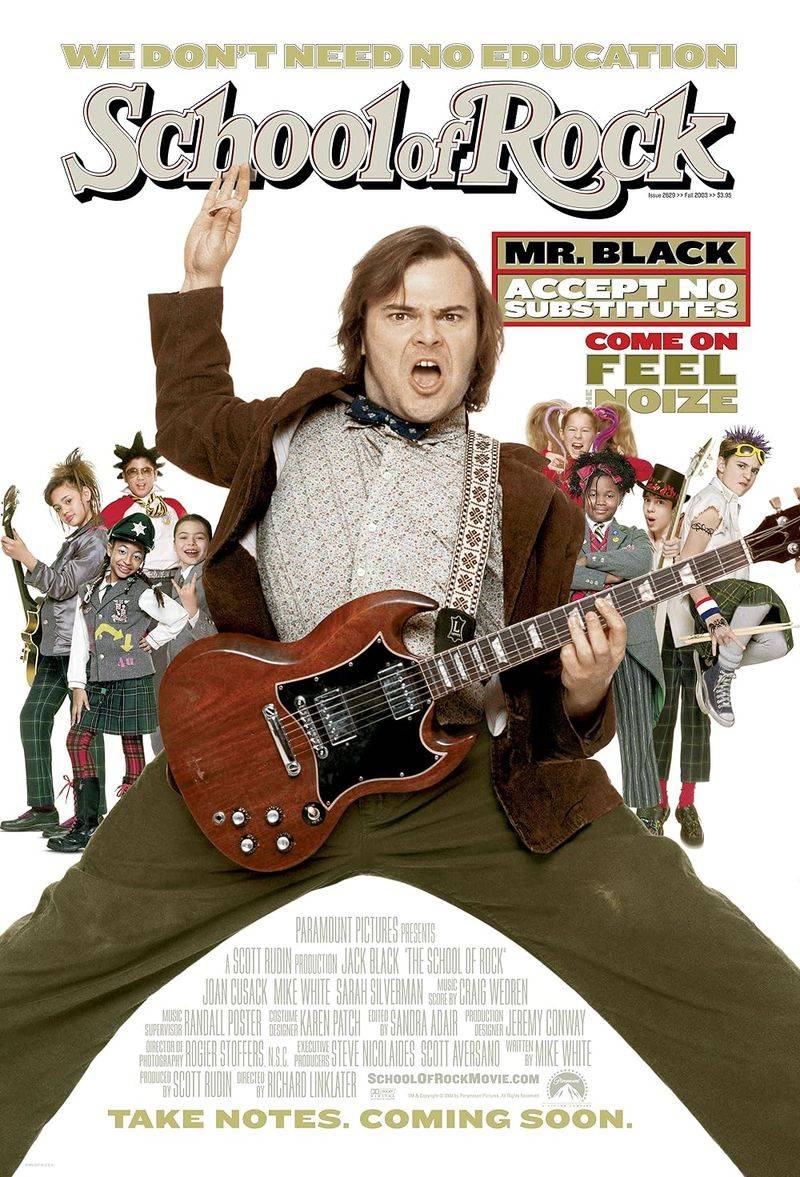
Jack Black plays a failed musician who impersonates a substitute teacher and forms a rock band with elementary students.
On paper, it sounds like a formulaic kids’ movie designed to sell soundtracks.
Richard Linklater directed it with genuine heart, creating a story about passion, authenticity, and how education should inspire rather than standardize children.
Dewey Finn’s unorthodox teaching methods clash with the prep school’s emphasis on test scores and college admissions.
The film celebrates creativity and individual expression while showing how institutions often crush the qualities that make people unique.
Black’s manic energy is grounded by real affection for his young co-stars and the power of music.
It’s a crowd-pleaser that doesn’t pander, respecting both children’s intelligence and the transformative potential of arts education.
14. In Bruges (2008)
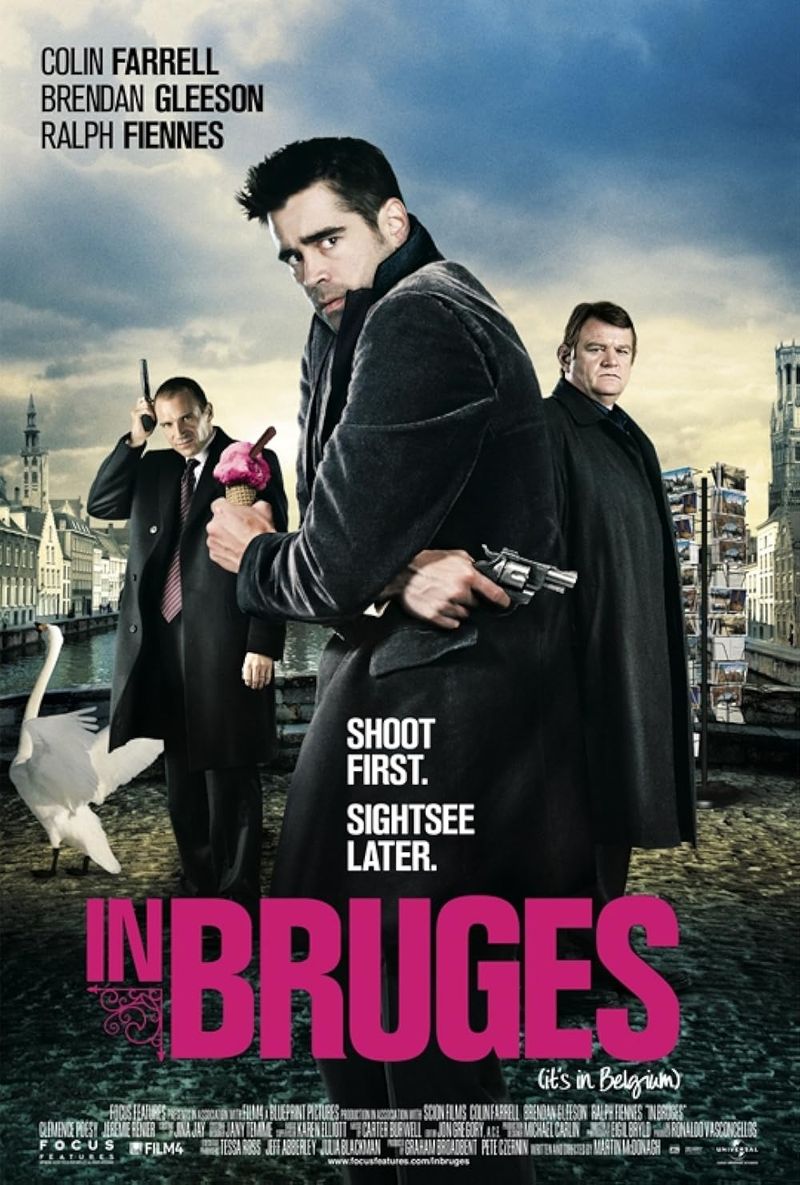
Two hitmen hiding out in a medieval Belgian city sounds like a quirky indie trying too hard to be different.
Martin McDonagh’s debut feature balances dark comedy, genuine emotion, and moral complexity in ways that transcend its crime-movie framework.
Colin Farrell and Brendan Gleeson play assassins whose philosophical debates about guilt, redemption, and the afterlife unfold against Bruges’ fairy-tale architecture.
The contrast between the picturesque setting and the characters’ violent profession creates unexpected poignancy.
Farrell’s Ray struggles with Catholic guilt after accidentally killing a child, while Gleeson’s Ken faces impossible moral choices.
McDonagh’s dialogue crackles with profane humor that never undercuts the genuine stakes.
It’s a meditation on conscience and consequence disguised as a crime-comedy about bored hitmen sightseeing in Europe.
15. The Princess Bride (1987)
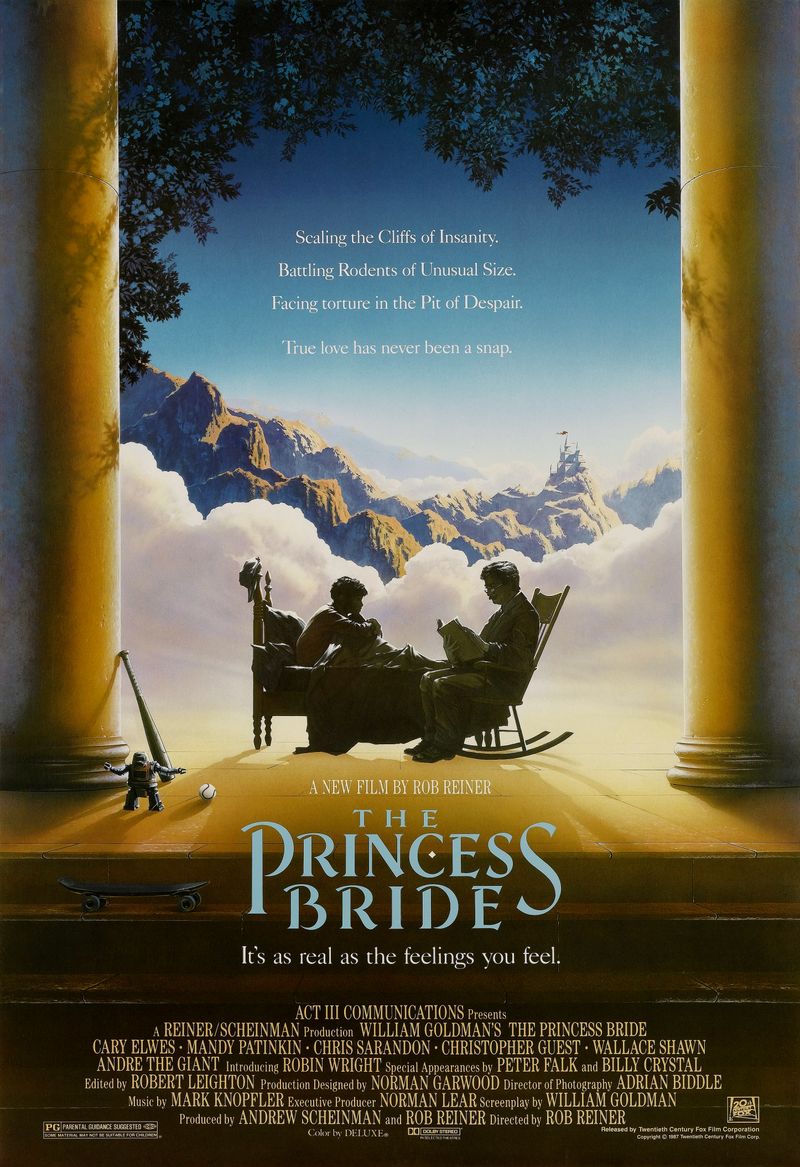
Rob Reiner’s fairy tale adventure was marketed as a children’s fantasy with a confusing title that suggested pure romance.
Initial box office was disappointing because nobody knew what kind of movie it actually was.
Decades later, it’s recognized as a perfect blend of adventure, comedy, romance, and satire that works for all ages without condescending to anyone.
The framing device of a grandfather reading to his sick grandson allows the film to both embrace and gently mock fairy tale conventions.
Every character is simultaneously archetypal and subversive—the hero isn’t traditionally heroic, the princess is more capable than expected, and true love is both celebrated and parodied.
William Goldman’s script is endlessly quotable while maintaining genuine emotional stakes.
It’s a masterclass in how self-aware storytelling can enhance rather than diminish sincere emotion and adventure.
Comments
Loading…