
 Isabel Parker
Young people today often express deep worry about the state of the world, feeling overwhelmed by challenges that seem impossible to solve. From environmental disasters to economic uncertainty, this generation faces unique pressures that shape how they view their future.
Understanding why so many young people feel this way helps us address their concerns and work together toward real solutions. These eight underlying reasons reveal the complex forces shaping youth anxiety about our global situation.
1. Climate Change Feels Like a Ticking Time Bomb
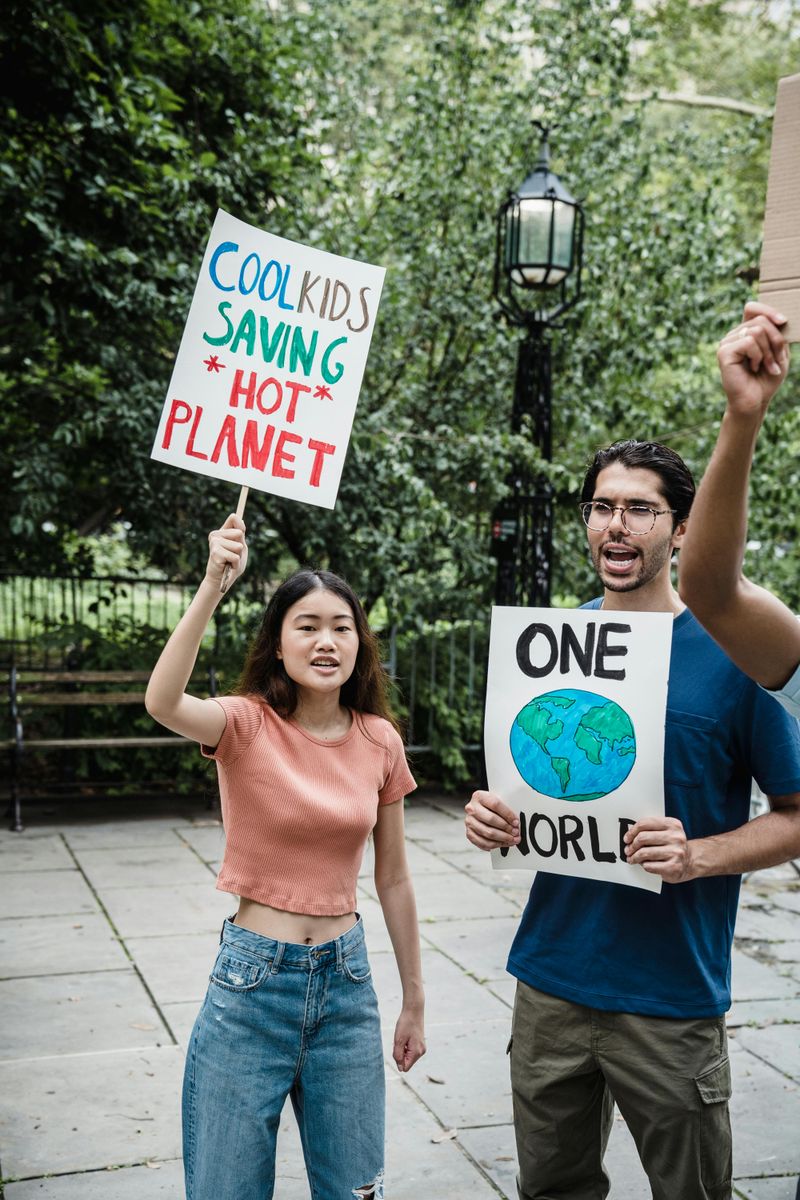
Every wildfire, hurricane, and heat wave reinforces the message that Earth is in trouble.
Young people grow up hearing scientists warn about rising temperatures and disappearing species, making the crisis feel personal and urgent.
Schools teach climate science, but solutions seem distant or inadequate.
Social media amplifies these fears with constant images of environmental disasters from around the globe.
Unlike previous generations, today’s youth have access to real-time updates about ecological breakdown.
This creates a sense of helplessness when individual actions like recycling feel too small to matter.
Many young people wonder if they’ll inherit a planet where basic resources become scarce.
2. Economic Opportunities Seem Out of Reach

Housing prices have skyrocketed while wages barely budge, creating a financial gap that feels impossible to bridge.
College graduates carry massive student debt yet struggle to find jobs that pay enough to cover basic expenses.
The dream of owning a home or achieving financial stability seems like fantasy rather than reality.
Previous generations could work summer jobs to pay tuition or buy houses on single incomes.
Today’s young people face a completely different economic landscape where multiple roommates and side hustles are necessary just to survive.
Inflation makes groceries and rent more expensive each year.
This financial pressure creates constant stress about simply making ends meet.
3. Social Media Creates Constant Comparison and Pressure

Scrolling through feeds filled with perfect lives and curated moments makes ordinary existence feel inadequate.
Young people compare their behind-the-scenes reality to everyone else’s highlight reel, breeding insecurity and dissatisfaction.
Likes, comments, and follower counts become measures of worth and popularity.
Cyberbullying follows kids home from school, making escape from social cruelty nearly impossible.
The pressure to maintain an online persona adds exhausting emotional labor to daily life.
Algorithms feed content designed to trigger strong emotions, often negative ones that increase engagement.
Mental health suffers when validation comes from strangers online rather than genuine relationships.
4. Political Division Tears Communities Apart

Family dinners turn into arguments about politics, leaving young people caught between loved ones with opposing views.
News coverage emphasizes conflict and disagreement rather than common ground or cooperation.
This constant fighting makes solving problems seem impossible when adults can’t even talk civilly.
Young voters see politicians more interested in attacking opponents than addressing real issues like healthcare or education.
Trust in institutions and leadership continues declining as scandals and corruption make headlines.
Democracy itself feels fragile when election results get questioned and violence erupts.
Hope fades when compromise and collaboration appear extinct in public discourse.
5. Mental Health Struggles Are Widespread but Help Is Limited

Depression and anxiety rates among youth have reached alarming levels, yet accessing treatment remains difficult and expensive.
Long waitlists for therapists mean suffering continues for months before help arrives.
Insurance coverage for mental health services often falls short, leaving families to pay out of pocket.
Stigma around mental illness has decreased, but resources haven’t kept pace with increased demand for support.
School counselors handle hundreds of students each, making individual attention nearly impossible.
Prescription medications offer some relief but don’t address underlying causes of distress.
Young people recognize they need help but can’t always get it when and where needed.
6. Information Overload Makes Truth Hard to Find

Fake news spreads faster than facts, making it nearly impossible to know what’s actually true anymore.
Conspiracy theories gain traction online, dividing people into separate realities with completely different understandings of events.
Deepfakes and AI-generated content blur lines between authentic and fabricated information.
Young people must constantly fact-check everything while algorithms push sensational content regardless of accuracy.
Trusted news sources get dismissed as biased while unreliable sources gain credibility through repetition.
This information chaos creates exhaustion and cynicism about finding objective truth.
Critical thinking becomes essential but overwhelming when misinformation floods every platform and channel.
7. Systemic Inequality Makes Success Feel Impossible

Not everyone starts from the same place, and young people notice this reality every day.
Some students attend well-funded schools with advanced technology, while others struggle in buildings that lack basic resources.
Neighborhoods determine access to safe parks, quality healthcare, and job opportunities.
The gap between rich and poor keeps widening, making hard work feel less meaningful.
Families working multiple jobs still face housing insecurity and debt.
Young people watch their parents struggle despite doing everything right, which makes their own futures seem uncertain.
Social movements spotlight these disparities, but real change moves slowly.
This awareness creates frustration because the problems feel enormous while individual power feels small.
8. Environmental Destruction Happens Faster Than Solutions

Plastic fills the oceans, forests disappear daily, and animal species vanish at alarming rates.
Young people learn about environmental problems in school but see adults making decisions that prioritize profit over protection.
Recycling programs exist, but corporations continue producing massive waste without consequences.
International agreements promise change, yet emissions keep rising year after year.
Electric cars and solar panels offer hope, but they remain too expensive for most families.
Individual actions like using metal straws feel meaningless when industries pollute without accountability.
This generation inherits a damaged planet and limited time to fix it.
The responsibility feels crushing when those in power move too slowly to implement necessary changes.
Comments
Loading…