
 Hailey Watson
15 Questions to Ask Before Setting a Date

Starting a new relationship can feel exciting and nerve-wracking at the same time. There’s often a mix of hope, curiosity, and just a little bit of fear about what might happen next. Before you agree to go on that first date, taking a moment to think through some important questions can save you time, energy, and potential heartbreak down the road. A little reflection now can prevent a lot of confusion later.
These questions help you understand what you really want, what you’re ready for, and whether the person asking you out might be a good match for this stage of your life. Being honest with yourself from the start lays the foundation for healthier, more fulfilling connections.
1. Am I emotionally ready to date right now?

Taking stock of your emotional state matters more than most people realize.
If you just went through a breakup, lost someone close to you, or experienced major life changes, jumping into dating might not serve you well.
Your heart needs time to heal and reset after difficult experiences.
Dating while emotionally unavailable often leads to confusion, misunderstandings, and hurt feelings for everyone involved.
Being honest with yourself about your readiness shows maturity and self-awareness.
When you feel stable, confident, and genuinely open to connecting with someone new, that’s when dating becomes truly enjoyable and potentially meaningful for both people.
2. What am I looking for in a relationship?

Clarity about your relationship goals prevents wasted time and mixed signals.
Some people want casual fun, while others seek serious commitment, and neither approach is wrong as long as everyone’s honest.
Writing down what matters most to you creates a helpful reference point.
Maybe you value humor, ambition, kindness, shared hobbies, or similar life goals more than other qualities.
Understanding your own desires helps you communicate clearly from the start.
When you know what you’re seeking, you can ask better questions, recognize compatibility faster, and avoid situations that won’t meet your needs or make you happy long-term.
3. Do I have time to invest in dating?

Your schedule tells the truth about your availability better than good intentions ever could.
Between school, work, family obligations, friendships, and personal goals, adding dating requires actual free time and mental energy.
Relationships need consistent attention to grow and develop properly.
If you’re already overwhelmed, stressed, or stretched too thin, dating someone new might create more pressure than pleasure.
Being realistic about your bandwidth shows respect for yourself and potential partners.
Wait until you have genuine space in your life to give someone attention, or be upfront about limited availability so they can decide if that works for them too.
4. What are my non-negotiable deal-breakers?
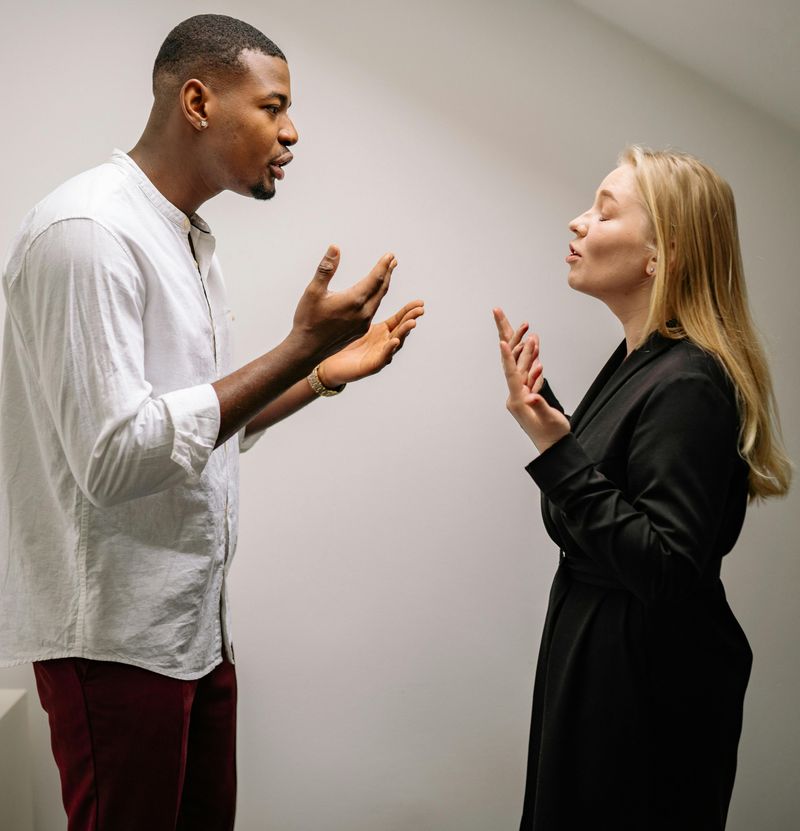
Everyone has limits that shouldn’t be compromised, no matter how charming someone seems.
These might include dishonesty, disrespect, substance abuse, incompatible life goals, or behaviors that make you uncomfortable.
Knowing your boundaries before dating helps you recognize red flags early.
When you’re clear about what you absolutely won’t accept, you can exit situations that aren’t right without second-guessing yourself.
Standing firm on deal-breakers protects your wellbeing and self-respect.
Compromising on values or safety needs never leads anywhere good, so identifying these limits beforehand gives you confidence to walk away when necessary.
5. How well do I know this person?

Meeting someone online or through friends doesn’t automatically mean you know them well enough for dating.
Surface-level conversations and social media profiles only reveal curated versions of people, not their true character or compatibility.
Spending time in group settings or public places helps you observe how they treat others.
Notice if they’re kind to servers, respectful in disagreements, honest about themselves, and consistent in their words and actions.
Trust your instincts if something feels off or rushed.
Taking time to build friendship first often creates stronger foundations than jumping straight into romance with someone you barely know.
6. What do my friends and family think?
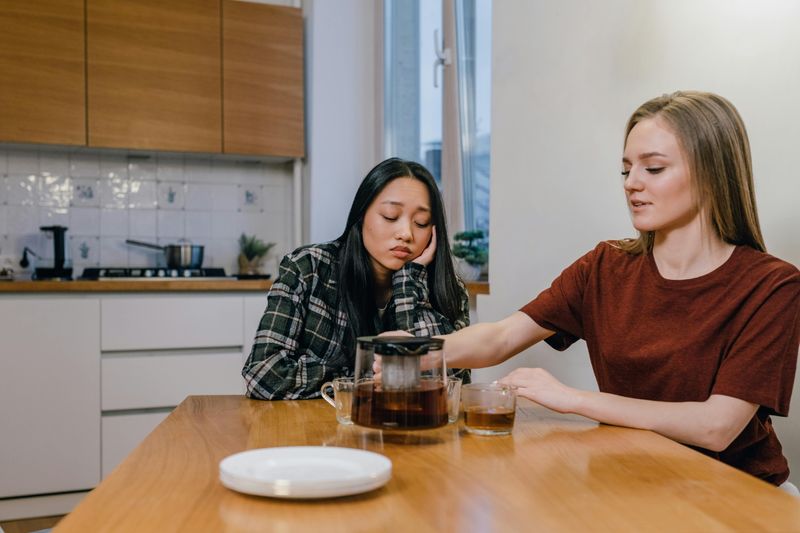
People who love you often notice things you might miss when you’re excited about someone new.
They’re not blinded by attraction or hopeful feelings, so their perspective can provide valuable reality checks.
Listening doesn’t mean letting others control your choices completely.
However, if multiple trusted people express concerns about someone you’re considering dating, that pattern deserves serious consideration rather than defensive dismissal.
Balanced input from your support system helps you see situations more clearly.
They want your happiness and safety, so their observations about potential red flags or compatibility issues come from genuine care, not jealousy or interference.
7. Are we looking for the same thing?

Mismatched expectations cause most early dating disappointments and conflicts.
One person might want exclusivity while the other prefers keeping things casual, and neither approach is wrong, but they’re incompatible.
Having this conversation early saves everyone from confusion and hurt feelings later.
Direct communication about intentions, pace, and relationship style prevents assumptions that lead to resentment or disappointment down the road.
Compatibility in goals matters as much as chemistry and attraction.
When you’re both seeking similar things at similar speeds, dating feels easier, more natural, and less stressful for everyone involved.
8. What’s my gut instinct telling me?

Your intuition picks up on subtle cues that your conscious mind might miss or rationalize away.
That uneasy feeling, that excitement, that sense of safety or danger all carry important information worth acknowledging.
Ignoring your gut to give someone a chance rarely works out well.
If something feels wrong, even when you can’t explain why, that discomfort deserves attention and investigation rather than dismissal.
Trusting yourself builds confidence in your decision-making abilities.
When your instincts say yes and everything aligns, dating feels exciting and right, not anxiety-producing or confusing.
9. Can I be myself around this person?

Pretending to be someone you’re not exhausts you quickly and sets up false expectations.
If you’re already modifying your personality, interests, or opinions to impress someone before the first date, that’s a warning sign.
Healthy relationships allow both people to show up authentically without fear.
You should feel comfortable sharing your real thoughts, hobbies, quirks, and preferences without worrying about judgment or rejection.
Being yourself from the start attracts people who actually like the real you.
This authenticity creates stronger connections and prevents the disappointment that comes when someone falls for a version of you that doesn’t actually exist.
10. What’s my motivation for saying yes?

Sometimes we agree to dates for reasons that have nothing to do with genuine interest.
Loneliness, peer pressure, boredom, wanting to make an ex jealous, or trying to prove something to ourselves can all drive poor dating decisions.
Examining your true motivations helps you make choices that serve your actual needs.
Dating someone just to avoid being alone or to boost your ego rarely leads to satisfying connections.
Honesty about why you’re considering this date matters tremendously.
If you’re genuinely interested in getting to know this specific person, that’s great, but if you’re using them to fill a void or meet other agendas, reconsider your choice.
11. Have I noticed any red flags?

Warning signs often appear before first dates if you pay attention.
Excessive texting, boundary-pushing, disrespectful comments disguised as jokes, inconsistent stories, or pressure to meet quickly all signal potential problems.
Dismissing red flags because someone seems attractive or interesting usually backfires.
These early warnings typically indicate bigger issues that will only become more obvious and problematic as time passes.
Respecting red flags protects you from difficult or even dangerous situations.
When someone shows you who they are through their actions and patterns, believe them rather than hoping they’ll magically change once you start dating.
12. Am I over my ex?

Lingering feelings for a previous partner create unfair situations for everyone involved.
If you’re still hoping your ex comes back, comparing everyone to them, or feeling angry and hurt about the breakup, you’re not ready.
Healing takes different amounts of time for different people and situations.
There’s no magic timeline, but you should feel mostly at peace with the past relationship before starting something new.
Being emotionally available means your heart has space for someone new.
Dating while still attached to an ex often leads to rebound relationships that hurt innocent people or prevent you from recognizing genuinely good matches.
13. What are my expectations for this date?

Setting reasonable expectations prevents disappointment and unnecessary pressure on both people.
A first date is simply a chance to meet someone in person and see if you enjoy their company, not an audition for marriage.
Unrealistic expectations create stress and awkwardness that kill natural connection.
Expecting instant chemistry, perfect conversation, or love at first sight sets you up for disappointment when reality feels more ordinary.
Approaching dates with curiosity rather than rigid expectations makes them more enjoyable.
When you’re open to seeing what unfolds naturally without predetermined outcomes, you relax, have more fun, and make better impressions.
14. Do I feel safe with this person?

Safety should never be negotiable or something you talk yourself out of questioning.
If someone makes you uncomfortable, pushes boundaries, dismisses your concerns, or creates situations where you feel vulnerable, trust that feeling immediately.
Meeting in public places for first dates protects both people.
Tell friends or family where you’re going, keep your phone charged, have your own transportation, and never feel obligated to continue a date that feels wrong.
Feeling safe allows you to actually enjoy getting to know someone.
When you’re relaxed and not worried about your wellbeing, you can focus on conversation, connection, and whether this person might be worth seeing again.
15. What’s the worst that could happen?

Sometimes anxiety about dating comes from catastrophic thinking rather than actual danger.
Walking through your fears realistically often reveals they’re manageable and unlikely, which helps you move forward with more confidence.
The actual worst-case scenario for most dates is simply that you don’t connect and spend a couple hours with someone you won’t see again.
That’s not a tragedy, just a normal part of dating that everyone experiences.
Keeping perspective helps you take healthy risks on connection.
When you realize that awkward dates make funny stories and rejection doesn’t define your worth, you can approach dating with more courage, humor, and openness to possibility.
Comments
Loading…