
 Hailey Watson
13 Signs You’re Living Online More Than Offline
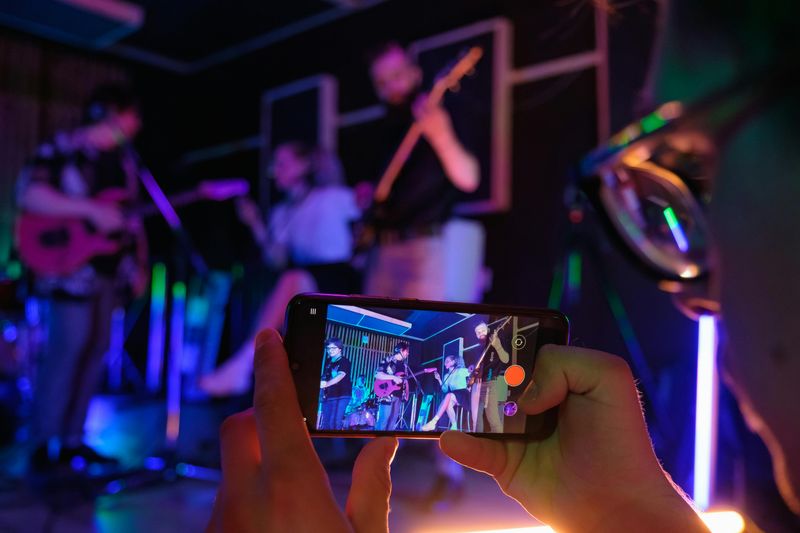
Do you ever wonder if you spend too much time staring at screens? In quiet moments, you might notice how often your hand reaches for your phone without even thinking. Many people today find themselves glued to their phones, tablets, and computers for hours on end. Notifications, endless scrolling, and constant updates can make it difficult to step away.
While the internet offers amazing benefits, it can slowly take over our real-world experiences without us even noticing. Time with family, hobbies, and even rest can quietly shrink as screen time expands. Recognizing the signs that you’re living more online than offline is the first step toward finding a healthier balance. Small, intentional changes can help you reconnect with the world right in front of you.
1. You Wake Up and Immediately Check Your Phone

Before your eyes fully adjust to the morning light, your hand reaches for that familiar device on your nightstand.
The urge to scroll through notifications feels automatic, almost like breathing.
Starting your day this way means digital content gets first dibs on your attention before real life even begins.
Your brain jumps straight into reactive mode instead of easing into the day naturally.
Consider placing your phone across the room at night.
That small distance forces you to actually get out of bed, giving you a chance to start your morning with intention rather than impulse.
2. Real Conversations Feel Awkward

Face-to-face chats sometimes feel strangely uncomfortable compared to texting.
You might notice yourself stumbling over words or feeling uncertain about making eye contact.
Online communication gives you time to craft perfect responses, but real conversations happen in real time without an edit button.
This difference can make in-person interactions feel unexpectedly challenging.
The good news?
Social skills are like muscles that strengthen with practice.
Small daily interactions, like chatting with a cashier or complimenting a classmate, help rebuild your confidence in offline communication.
3. You Panic When Your Battery Dies

That sinking feeling when your battery percentage hits zero can trigger genuine anxiety.
Suddenly being disconnected from the digital world feels like being cut off from oxygen.
This reaction signals that you’ve become too dependent on constant connectivity.
Your phone has transformed from a useful tool into something that feels essential for survival.
Try intentionally leaving your phone at home during short errands.
These mini digital detoxes help you rediscover that you’re perfectly capable of functioning without constant access to your device.
4. You’ve Forgotten What Boredom Feels Like

Remember those moments of just sitting and thinking?
Many people today never experience genuine boredom because they immediately fill every quiet second with digital stimulation.
Boredom actually serves an important purpose in our lives.
Those empty moments allow our brains to wander, process information, and spark creativity.
Challenge yourself to embrace a few boring moments each day.
Sit without entertainment during a car ride or wait in line without pulling out your phone.
You might be surprised by the interesting thoughts that emerge.
5. Your Posture Has Changed

Tech neck is real, and your body is probably showing the signs.
Constantly looking down at screens creates a forward head position that strains your neck and rounds your shoulders.
This posture problem doesn’t just cause physical discomfort.
It can actually affect your mood and confidence levels too, making you feel more tired and less energetic.
Set reminders to check your posture throughout the day.
Simple stretches and raising your screen to eye level can make a huge difference in how your body feels after hours of device use.
6. You Document Everything Instead of Experiencing It
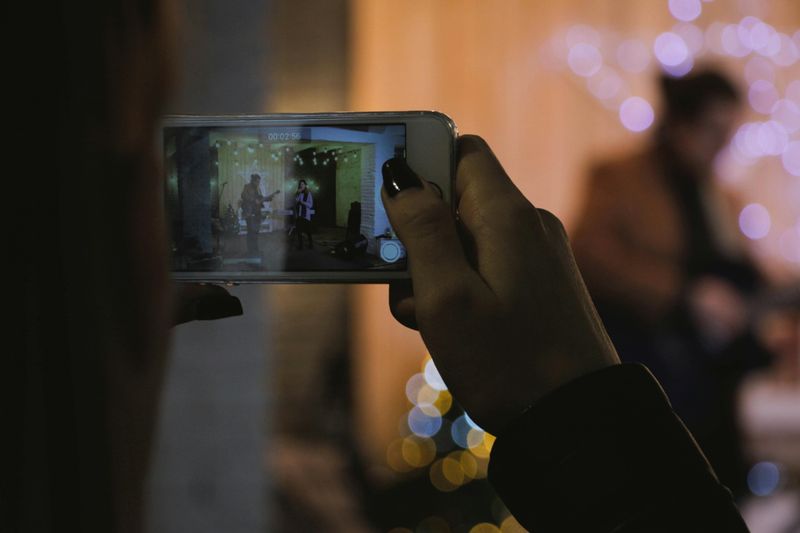
Concerts, sunsets, and special meals all get viewed through your phone’s camera before your actual eyes.
The priority becomes capturing content rather than living the moment.
Research shows that constantly photographing experiences can actually weaken your memories of them.
Your brain relies on the photos instead of forming strong mental impressions.
Try the one-photo rule for special events.
Take a single picture at the beginning, then put your phone away and fully engage with what’s happening.
You’ll remember more and enjoy it better.
7. Your Sleep Schedule Is a Mess

Midnight scrolling sessions have become your new bedtime routine.
Blue light from screens tricks your brain into thinking it’s daytime, making falling asleep much harder.
Poor sleep doesn’t just make you tired.
It affects your mood, concentration, memory, and even your physical health in ways that compound over time.
Create a charging station outside your bedroom and commit to a screen-free hour before sleep.
Reading actual books or journaling can help your brain transition into rest mode naturally.
8. You Feel Anxious Without Internet Access

Being somewhere without wifi feels genuinely stressful.
You constantly check your signal bars and feel disconnected from something important, even when nothing urgent is actually happening.
This anxiety has a name: nomophobia, or the fear of being without your mobile device.
It’s become increasingly common as our lives have moved online.
Practice gradual exposure by spending short periods in airplane mode.
Start with just 30 minutes and gradually increase.
You’ll discover that missing a few notifications doesn’t cause the catastrophe you imagined.
9. You Compare Your Life to Others Constantly

Social media feeds become a highlight reel of everyone else’s seemingly perfect lives.
You find yourself measuring your worth against carefully curated posts that don’t reflect reality.
Constant comparison steals your joy and makes you feel inadequate.
Nobody’s real life matches their online persona, but your brain forgets this when scrolling.
Unfollow accounts that make you feel bad about yourself.
Better yet, take regular breaks from social platforms altogether.
Your mental health will thank you for reducing this comparison trap.
10. You’ve Lost Touch with Hobbies

That guitar gathering dust in the corner used to bring you joy.
Now your free time automatically defaults to scrolling rather than activities you once loved.
Hobbies provide a sense of accomplishment and identity that passive scrolling can never match.
Creating something or developing a skill feeds your soul in ways that consuming content doesn’t.
Schedule specific hobby time like you would any important appointment.
Even 20 minutes of active engagement with something you create or build beats hours of mindless consumption.
11. You Eat Meals While Watching Screens

Mindless eating happens when your attention stays glued to a screen instead of your food.
You barely taste what you’re consuming because your brain is busy processing digital content.
Eating with screens prevents you from noticing fullness cues, often leading to overeating.
It also turns meals into isolated activities instead of potential social connections.
Implement a no-screens-at-meals rule, even when eating alone.
Focusing on your food helps you enjoy it more, eat appropriate amounts, and creates natural breaks in your screen time.
12. Your Attention Span Has Shrunk

Getting through a single chapter of a book feels impossible when you’re used to quick social media posts.
Your brain has adapted to constant stimulation and novelty.
Shortened attention spans affect schoolwork, relationships, and your ability to tackle complex problems.
Deep thinking requires sustained focus that rapid-fire content doesn’t train.
Rebuild your attention muscle gradually.
Start with just five focused minutes on one task, then slowly increase.
Turn off notifications and remove tempting apps during concentration periods.
13. You Can’t Remember the Last Time You Were Truly Present

Being fully present means giving your complete attention to the current moment without digital distractions.
When was your last experience of simply being somewhere without documenting or checking updates?
Presence is where real life happens.
Missing these moments means missing the richness of actual experiences in favor of digital representations.
Practice presence by designating phone-free activities.
Whether it’s a walk, a conversation, or simply sitting outside, commit to being fully there.
Notice how much more alive you feel when genuinely engaged.
Comments
Loading…