
 Chloe Peterson
15 Iconic ’80s TV Shows That Defined a Generation
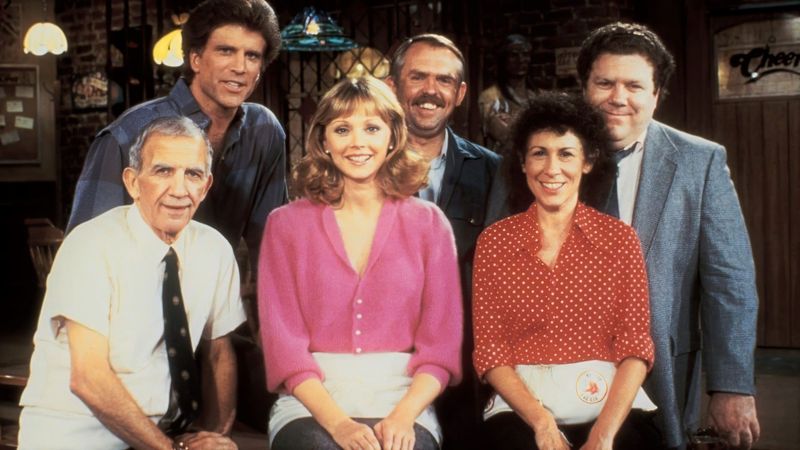
The 1980s gave us some of the most unforgettable television shows in history.
From heartwarming family sitcoms to stylish crime dramas, these programs shaped how we think about entertainment and left a lasting mark on pop culture.
Whether you grew up watching them or discovered them later, these 15 shows captured the spirit of an entire decade and continue to influence TV today.
1. The Cosby Show (1984–1992)
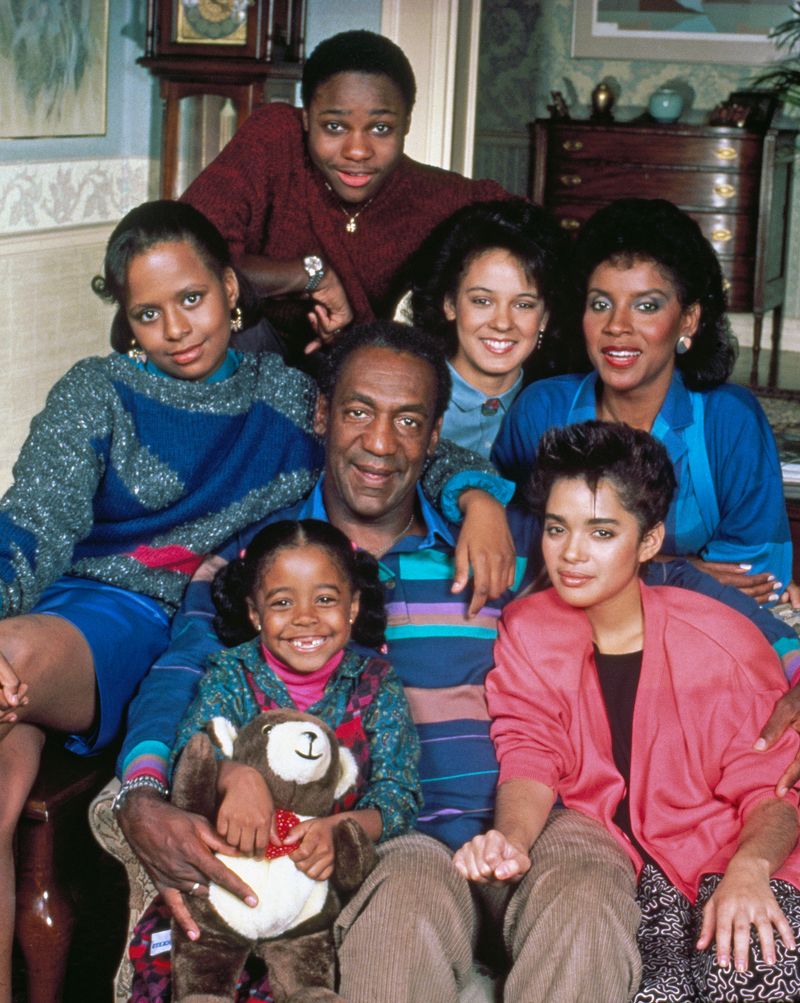
When this groundbreaking series premiered, it completely changed what American families saw on their television screens.
The Huxtables weren’t just another TV family—they represented something fresh and important.
Cliff and Clair Huxtable, along with their five children, dealt with everyday challenges using humor, wisdom, and genuine love.
The show tackled real issues while keeping things light and entertaining, proving that sitcoms could be both funny and meaningful.
Its massive success helped revive the entire sitcom format during a time when many thought the genre was dying.
The series dominated ratings for years and showed that audiences were hungry for smart, positive family entertainment.
2. Family Ties (1982–1989)
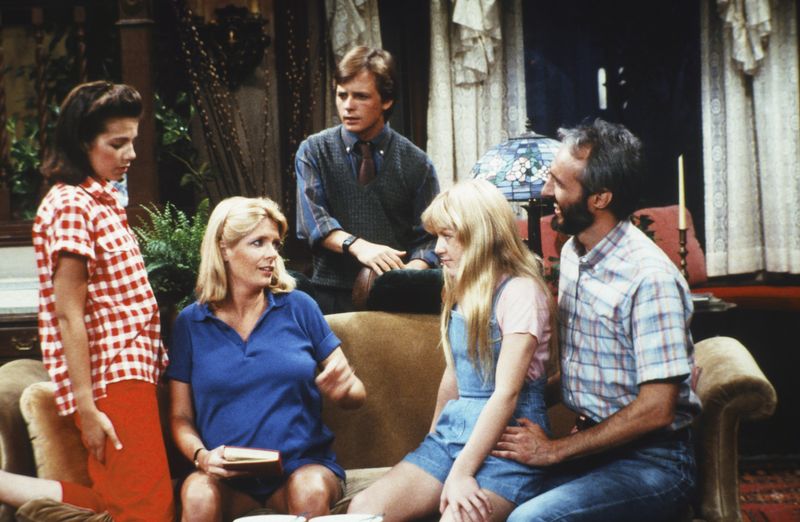
Imagine former flower children raising a son who idolizes Ronald Reagan and wears a suit to breakfast.
That hilarious clash formed the heart of this beloved comedy.
Alex P. Keaton became one of television’s most memorable characters, and Michael J.
Fox’s performance launched him into superstardom.
The show smartly used political differences to explore deeper themes about family, values, and understanding across generations.
What made it work so well was that neither side was portrayed as completely right or wrong.
Parents and kids learned from each other, creating genuinely touching moments between the laughs that resonated with audiences of all ages.
3. Cheers (1982–1993)
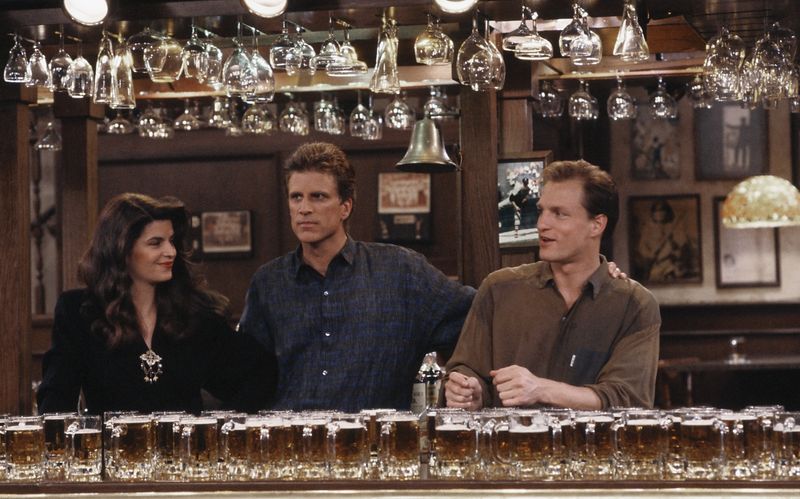
Picture a place where everyone greets you by name the moment you walk through the door.
That’s exactly what made this Boston bar sitcom so special to millions of viewers.
The show brilliantly balanced laugh-out-loud comedy with genuine emotional moments that made you care deeply about the characters.
Sam Malone, Diane Chambers, and the rest of the gang weren’t just funny—they felt like real people with real problems.
What set this series apart was its incredible writing and ensemble cast that worked together like a well-oiled machine.
The romantic tension, workplace rivalries, and deep friendships created storylines that kept audiences coming back week after week for over a decade.
4. Miami Vice (1984–1989)
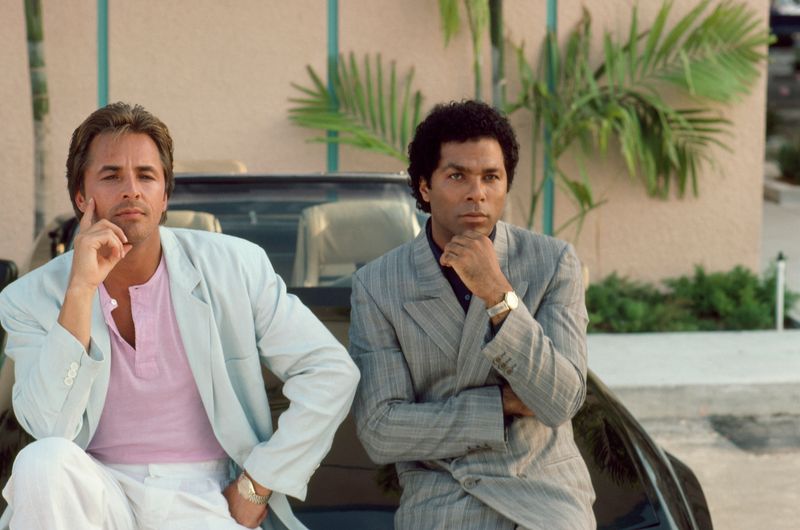
Pastel suits, fast cars, and synthesizer music—this wasn’t your typical cop show.
Sonny Crockett and Ricardo Tubbs brought a whole new level of style to police work.
The series looked more like a feature film than a TV drama, with cinematic camera work and carefully chosen pop music that became as important as the dialogue.
Directors treated each episode like a mini-movie, creating a visual experience unlike anything else on television.
Beyond the flash and glamour, the show dealt with serious issues like drug trafficking and organized crime with surprising depth.
It perfectly captured the excess and danger of the 1980s, becoming a cultural phenomenon that influenced fashion, music, and television production for years.
5. The Golden Girls (1985–1992)
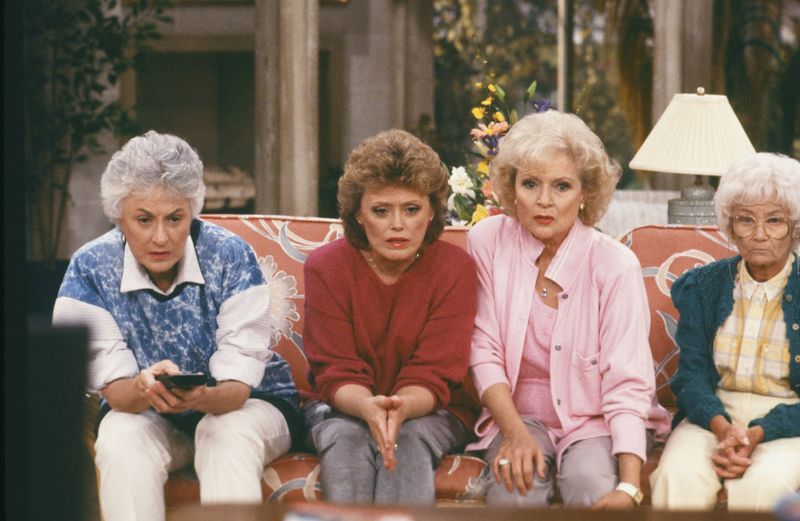
Four older women sharing a house in Miami sounds simple, but this comedy proved to be television gold.
Dorothy, Rose, Blanche, and Sophia tackled everything from dating disasters to serious social issues with razor-sharp wit.
The show broke major ground by focusing on women over fifty as complex, vibrant characters with active lives and strong opinions.
They weren’t grandmothers sitting in rocking chairs—they were living life fully and hilariously.
What keeps fans watching reruns decades later is the perfect chemistry between the four leads and writing that balanced humor with genuine heart.
The late-night kitchen conversations over cheesecake became iconic, showing that friendship matters at every age.
6. Knight Rider (1982–1986)
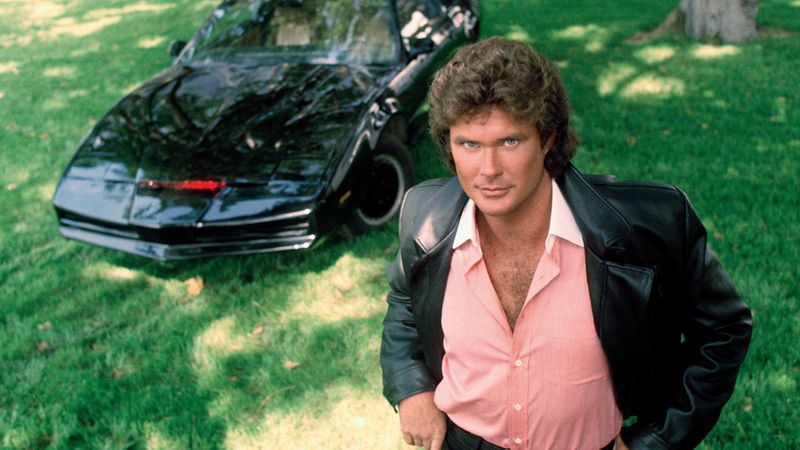
A car that talks, thinks, and fights crime alongside its driver?
Only in the ’80s could such a wild concept become a massive hit.
KITT wasn’t just a vehicle—the artificially intelligent Pontiac Trans Am had personality, humor, and an unbreakable bond with Michael Knight.
Together they battled villains using high-tech gadgets that seemed impossibly futuristic at the time.
The show perfectly blended action, science fiction, and adventure in a way that captured young imaginations everywhere.
Kids dreamed of having their own talking car, while the exciting plots and cool stunts kept entire families gathered around the TV every week.
7. Magnum, P.I. (1980–1988)
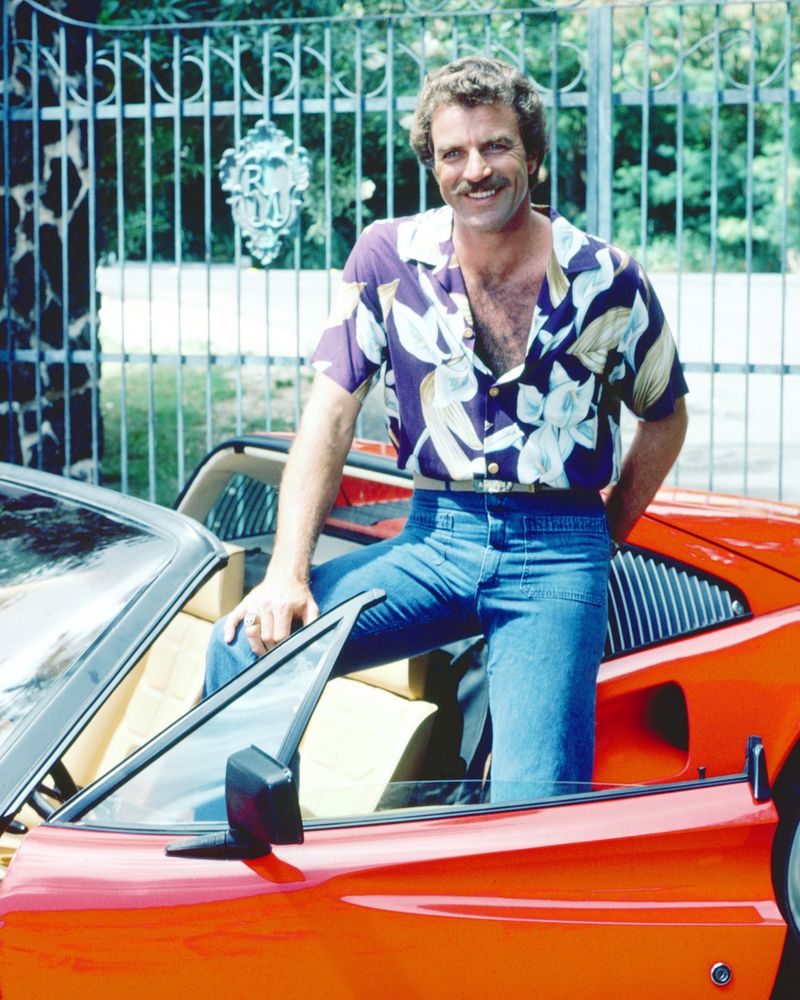
Tom Selleck’s mustache became almost as famous as the show itself.
Playing Thomas Magnum, a private investigator living in a Hawaiian paradise, Selleck created one of television’s most charming characters.
The series masterfully mixed lighthearted fun with genuinely compelling mysteries and deeper emotional storylines.
Magnum wasn’t a perfect hero—he made mistakes, struggled with his past, and relied heavily on his friends.
Hawaii’s stunning beaches and lush landscapes provided a gorgeous backdrop that made every episode feel like a mini-vacation.
The show proved that detective dramas didn’t have to be dark and gritty to be successful and engaging.
8. Hill Street Blues (1981–1987)
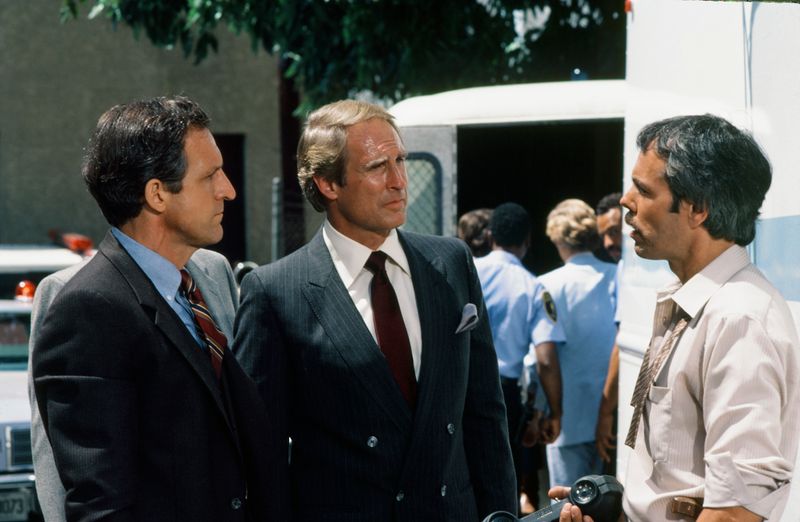
The daily warning, “Let’s be careful out there,” from Sergeant Esterhaus set the tone for television’s most realistic police drama of its time.
Unlike previous cop shows that wrapped everything up neatly in an hour, this series let storylines continue across multiple episodes.
Characters faced ongoing personal problems, departmental politics, and moral dilemmas that didn’t have easy answers.
The ensemble cast brought depth to every character, from the captain trying to hold everything together to the street cops dealing with daily dangers.
Its documentary-style filming and willingness to show the messy reality of police work revolutionized television drama and influenced countless shows that followed.
9. The Wonder Years (1988–1993)
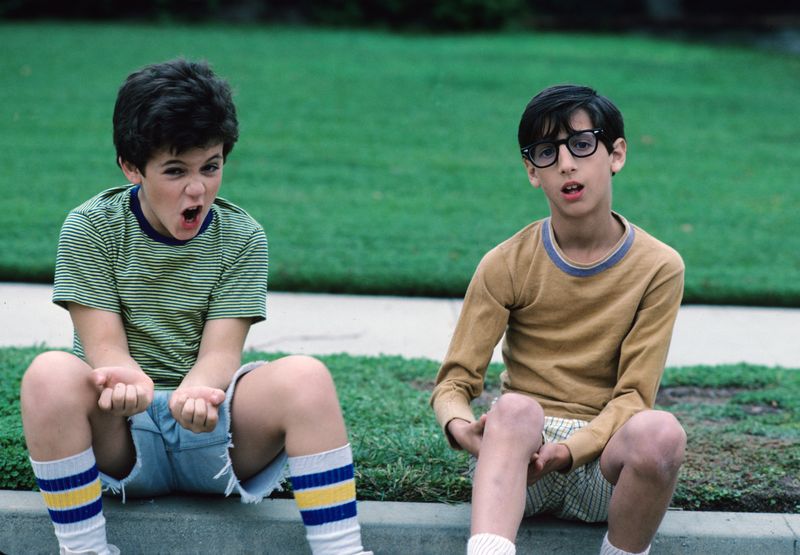
Growing up is never easy, but Kevin Arnold’s journey through adolescence felt universally relatable.
Narrated by his adult self looking back, the show captured both the humor and heartache of becoming a teenager.
Set during the late 1960s, it used historical events like the Vietnam War and Woodstock as a backdrop to Kevin’s personal struggles with first love, family conflicts, and finding his identity.
The contrast between young Kevin’s experiences and his adult perspective added emotional depth.
Winnie Cooper became America’s sweetheart, and Kevin’s friendship with Paul showed the importance of loyalty during difficult times.
The show’s honest portrayal of teenage life, complete with embarrassing moments and painful lessons, touched viewers’ hearts and earned critical acclaim.
10. Who’s the Boss? (1984–1992)
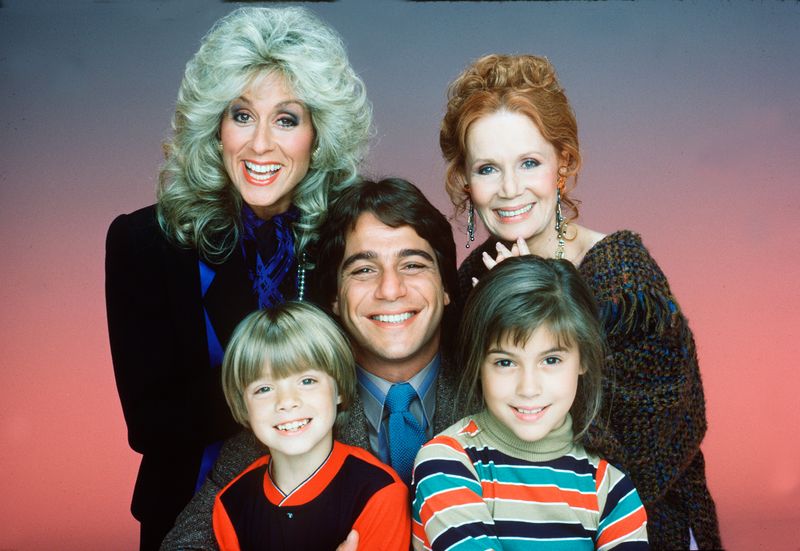
A male housekeeper working for a female advertising executive?
In the 1980s, this role reversal was both revolutionary and refreshingly funny.
Tony Micelli, a former baseball player, moved from Brooklyn to Connecticut with his daughter to work for Angela Bower.
Their unconventional arrangement challenged traditional gender expectations while delivering plenty of laughs and eventually, romantic tension.
The show handled progressive themes about working mothers, single parenting, and career versus family without ever feeling preachy.
Angela’s mother Mona added spice with her bold personality, while the kids provided heartwarming storylines that made this sitcom a comfortable favorite for millions of families.
11. Murder, She Wrote (1984–1996)
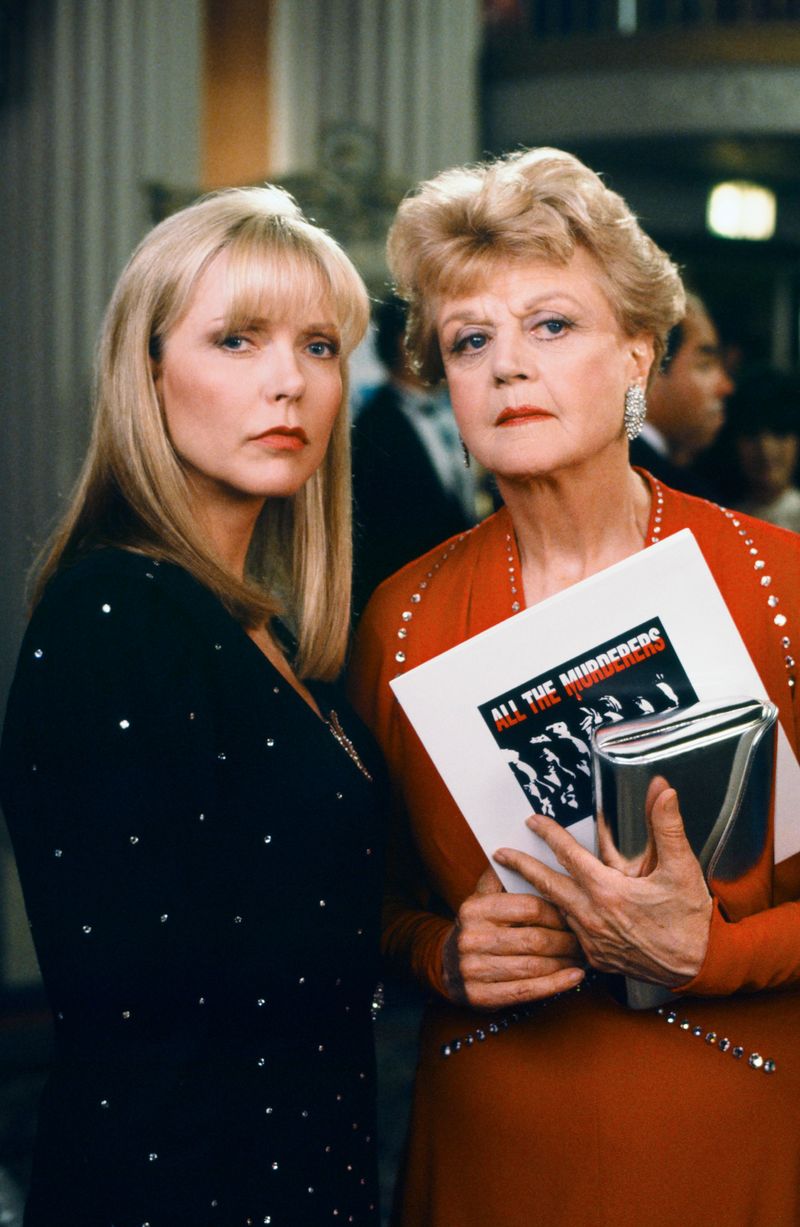
Jessica Fletcher proved that mystery-solving wasn’t just for young detectives.
This retired English teacher turned bestselling mystery novelist had an uncanny knack for stumbling into murders wherever she went.
Angela Lansbury brought warmth, intelligence, and charm to the role, creating a character viewers trusted and admired.
Jessica used her keen observation skills and understanding of human nature to crack cases that baffled professional investigators.
The show’s cozy mystery format made it perfect Sunday night viewing for families.
Each episode presented a new puzzle to solve, often featuring guest stars from Hollywood’s golden age, keeping the series fresh and entertaining for over a decade.
12. MacGyver (1985–1992)
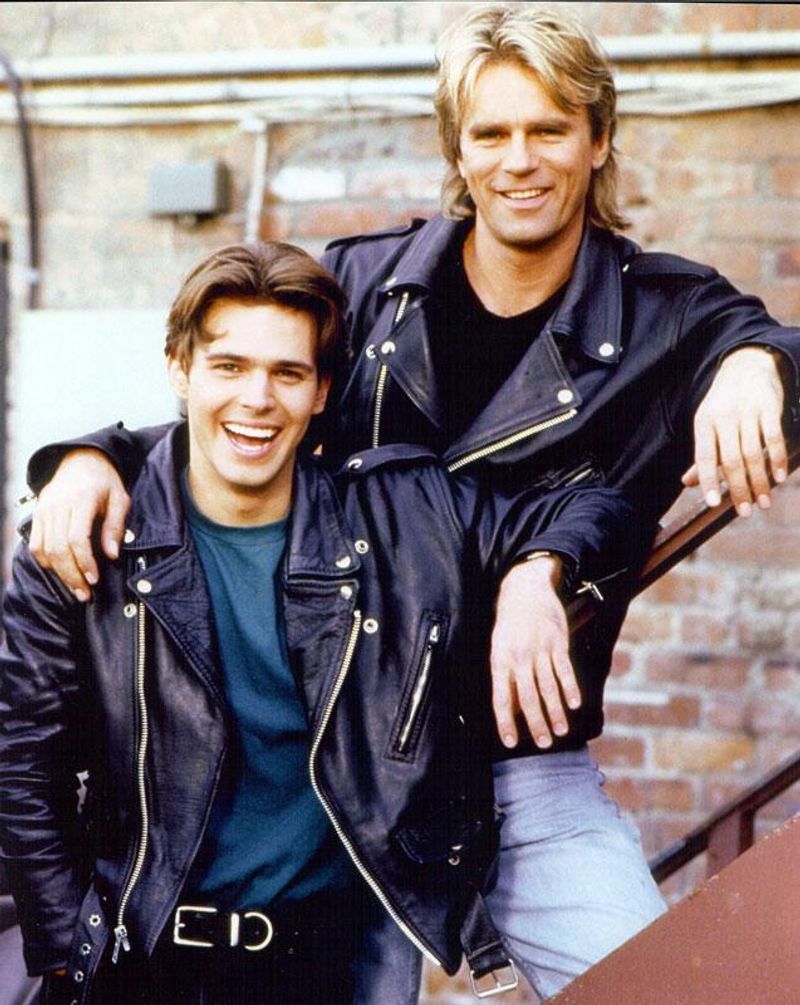
Forget guns and explosions—this secret agent defeated villains using duct tape, paper clips, and scientific knowledge.
MacGyver showed that brains beat brawn every single time.
Each episode presented impossible situations that MacGyver escaped using creative improvisation and practical science.
Watching him build a working device from random household items became the show’s trademark and inspired countless kids to pay attention in science class.
Richard Dean Anderson’s portrayal made MacGyver both heroic and relatable, someone who solved problems through intelligence rather than violence.
The character became so iconic that his name entered the dictionary as a verb meaning to improvise a solution using whatever materials are available.
13. Growing Pains (1985–1992)
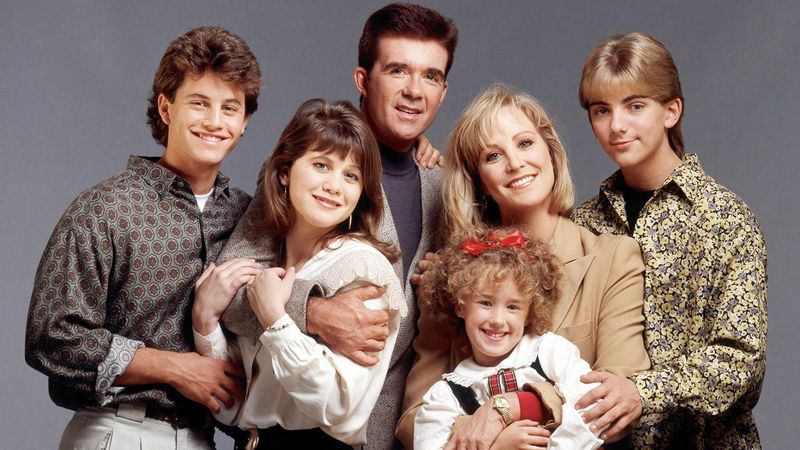
The Seaver family felt like people you might actually know.
Jason, a psychiatrist working from home, and Maggie, a journalist, raised three kids with humor and patience while dealing with very real challenges.
Mike Seaver’s schemes and teenage rebellion provided plenty of comedy, but the show never shied away from tackling serious topics like peer pressure, academic struggles, and family responsibilities.
Each episode typically ended with a heartfelt lesson learned.
What made it special was its ability to be funny without being mean-spirited and educational without being boring.
The Seavers made mistakes and learned together, showing families that perfection isn’t the goal—love and understanding are what truly matter.
14. Full House (1987–1995)
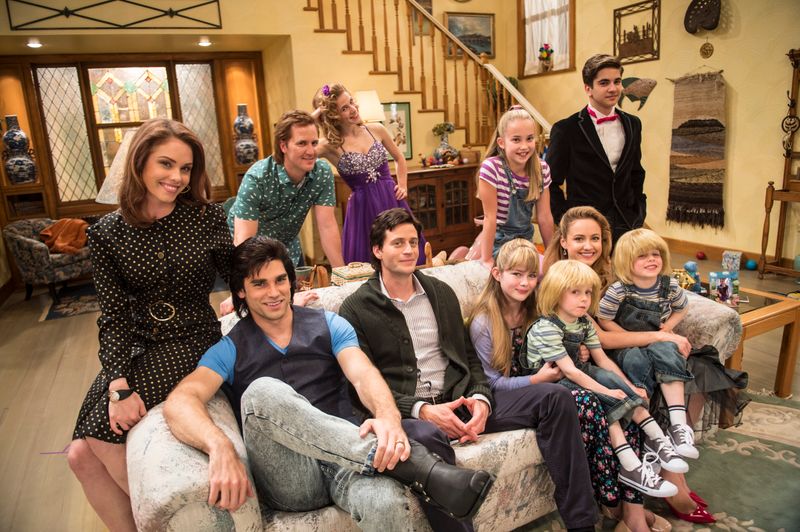
After losing his wife, Danny Tanner found himself raising three daughters with help from his best friend Joey and brother-in-law Jesse.
This unconventional family setup created comedy gold mixed with plenty of tender moments.
“Have mercy!” and “You got it, dude!” became catchphrases that kids repeated on playgrounds everywhere.
The show’s wholesome humor and sentimental life lessons made it perfect family viewing that parents felt good about their children watching.
Despite critics sometimes dismissing it as too sugary, audiences loved the Tanner family’s warmth and the genuine love between the characters.
Decades later, its comfort-food appeal led to a successful revival, proving that wholesome entertainment never truly goes out of style.
15. Dynasty (1981–1989)
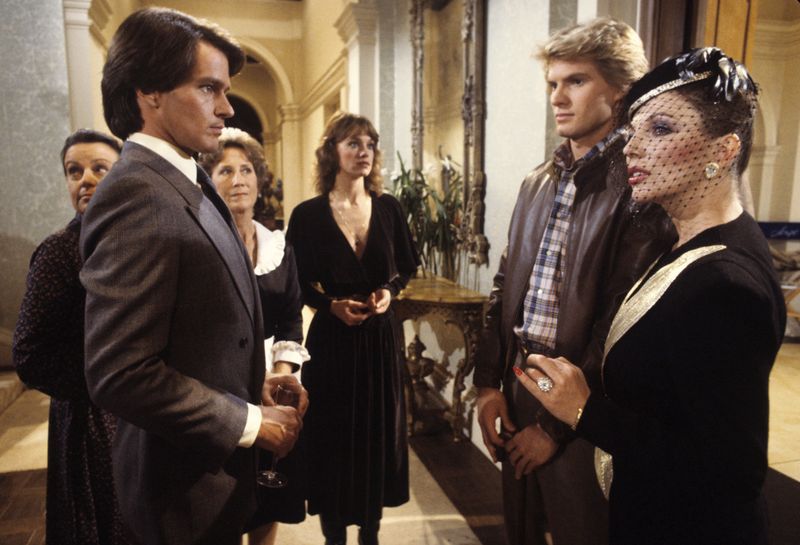
The Carrington family had everything—money, power, mansions, and enough drama to fill a dozen lifetimes.
This prime-time soap opera defined the word “excess” in the best possible way.
Alexis Carrington, played brilliantly by Joan Collins, became television’s ultimate villain with her scheming ways and incredible wardrobe.
The legendary catfights between Alexis and Krystle became must-see TV moments that had everyone talking the next day at work or school.
With its massive shoulder pads, elaborate jewelry, and over-the-top storylines involving corporate takeovers and secret identities, the show perfectly captured 1980s glamour and ambition.
It proved that audiences loved watching the wealthy behave badly, making it appointment television throughout the decade.
Comments
Loading…