
 Jade Reed
From Cash to Swift: 22 Country Legends Who Defined the Genre
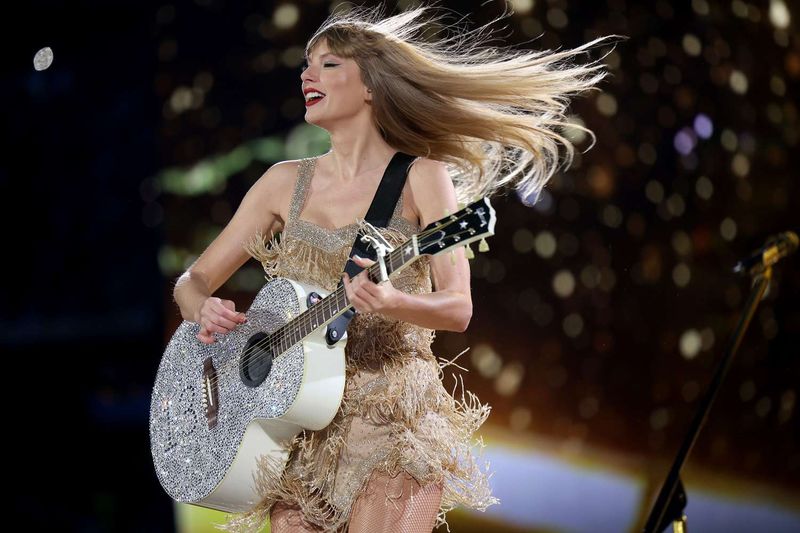
Country music has produced some of the most unforgettable voices and stories in American culture.
From dusty honky-tonks to sold-out stadiums, these artists shaped how we think about heartbreak, pride, and everyday life.
Their songs became the soundtrack to millions of lives, crossing boundaries and creating new sounds along the way.
Here are 22 legends who changed country music forever.
1. Hank Williams
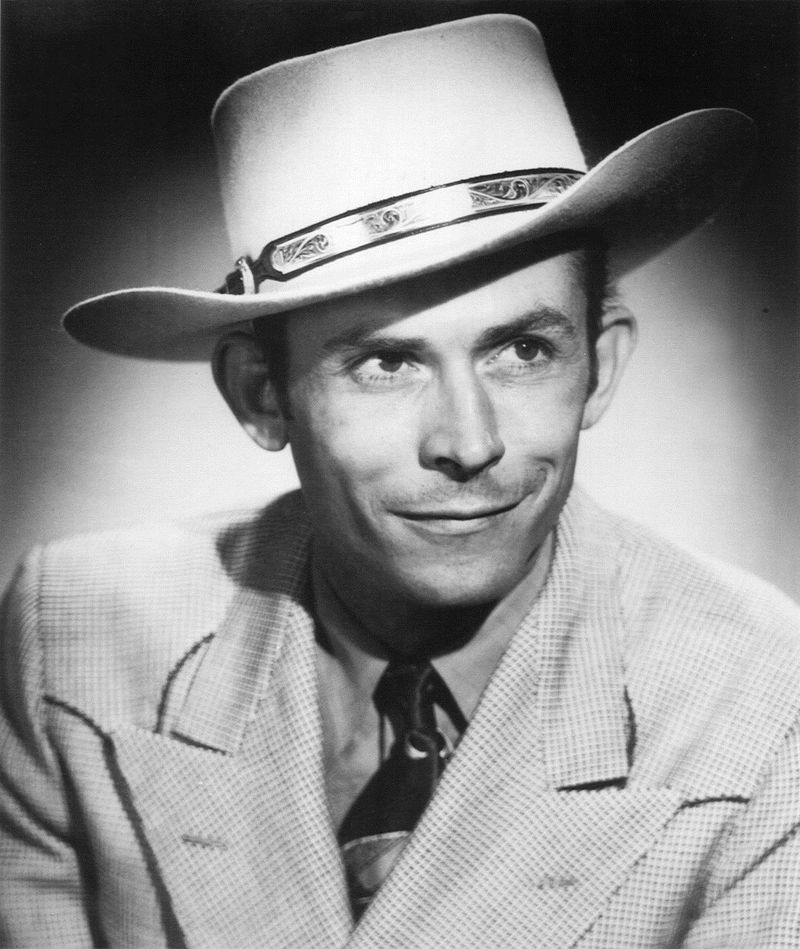
Few voices carry the weight of heartache quite like Hank Williams.
Born in Alabama in 1923, he wrote songs that cut straight to the bone with simple words and unforgettable melodies.
His honky-tonk style laid the groundwork for everything that came after.
Songs like “Your Cheatin’ Heart” and “I’m So Lonesome I Could Cry” remain standards nearly 75 years later.
Williams died tragically young at 29, yet his influence towers over country music history.
Every songwriter who picks up a guitar owes something to his raw, honest approach to storytelling.
2. Dolly Parton
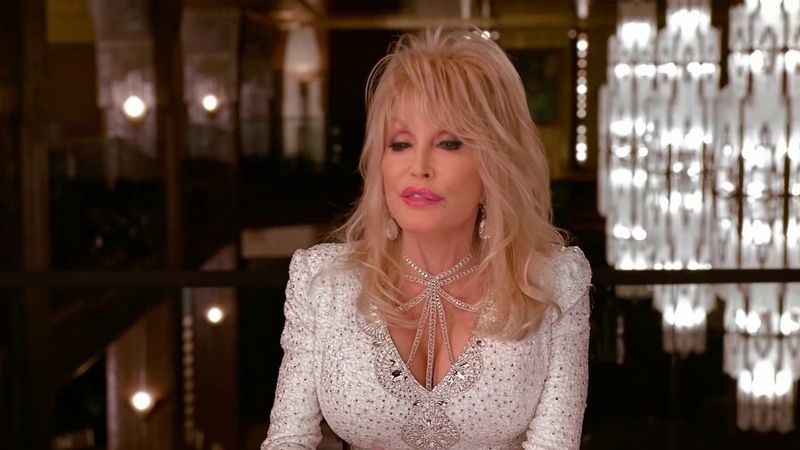
Born in a one-room cabin in Tennessee, Dolly Parton wrote her way to international stardom.
Her songwriting genius gave us “Jolene,” “I Will Always Love You,” and countless other classics that transcended country music.
Beyond her musical talents, she built an entertainment empire while staying connected to her Smoky Mountain roots.
Her theme park, Dollywood, brings jobs and pride to her home region.
Parton’s warmth and humor make her beloved across generations and genres.
She proved country artists could conquer pop charts without losing their authentic voice.
3. Johnny Cash
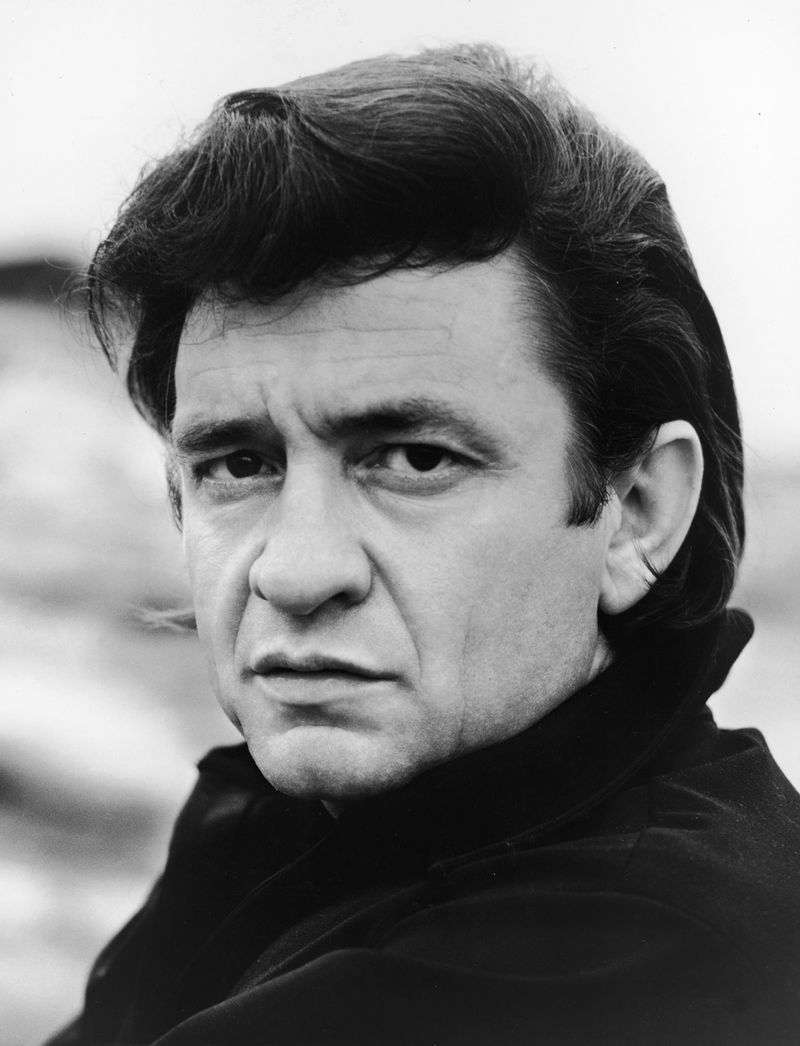
Walking the line between country, rock, and folk, Johnny Cash became more than a musician.
He transformed into a cultural icon whose deep voice and rebellious spirit spoke for outsiders everywhere.
His concerts at Folsom Prison showed his connection to forgotten Americans.
The “Man in Black” wore his signature color to honor those struggling and suffering.
Cash’s career spanned five decades, producing hits across multiple generations.
From “Ring of Fire” to his haunting cover of “Hurt,” he never stopped evolving while staying true to his roots.
4. Willie Nelson
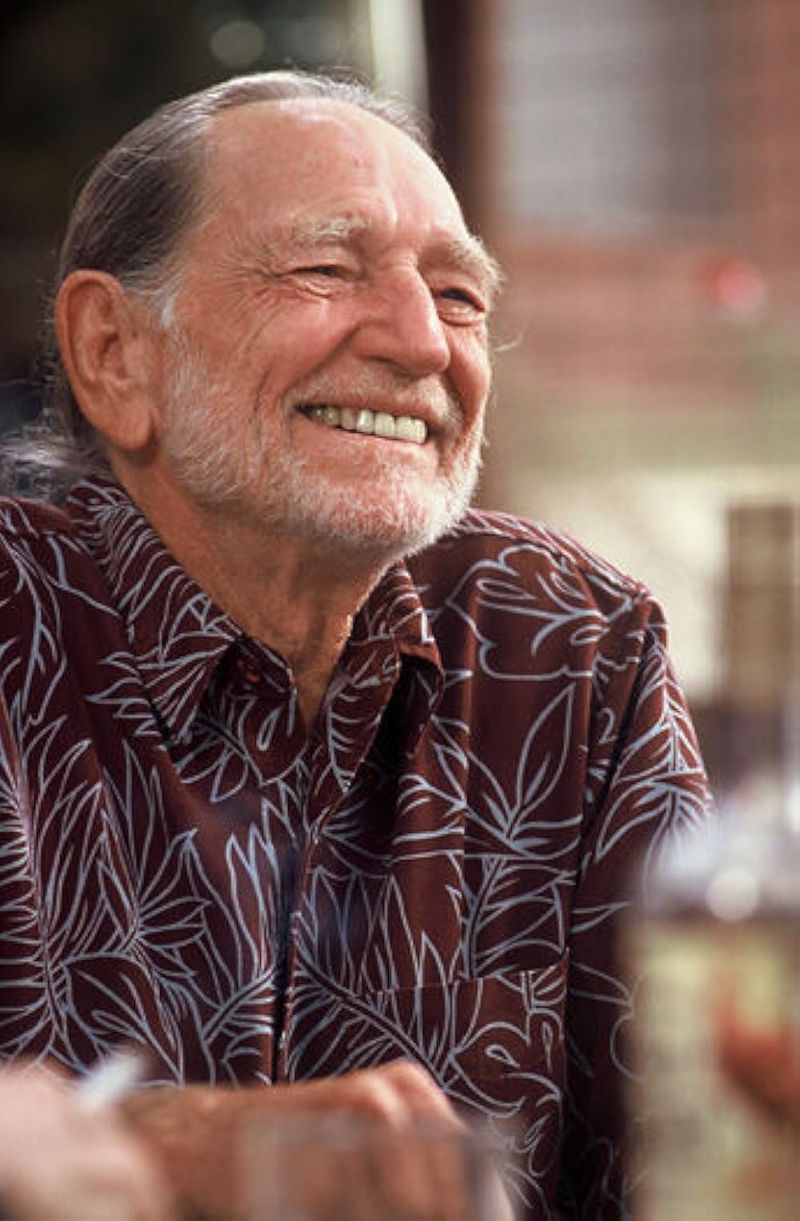
Red-headed stranger Willie Nelson refused to follow Nashville’s rules.
Instead, he helped create outlaw country, a movement that gave artists control over their own sound and vision.
His distinctive voice and jazz-influenced guitar playing set him apart from traditional country performers.
Songs like “On the Road Again” captured his free-spirited lifestyle perfectly.
Nelson’s activism for farmers and marijuana legalization showed his independent thinking extended beyond music.
Even in his 90s, he continues touring and recording, proving creativity knows no age limit.
5. Patsy Cline
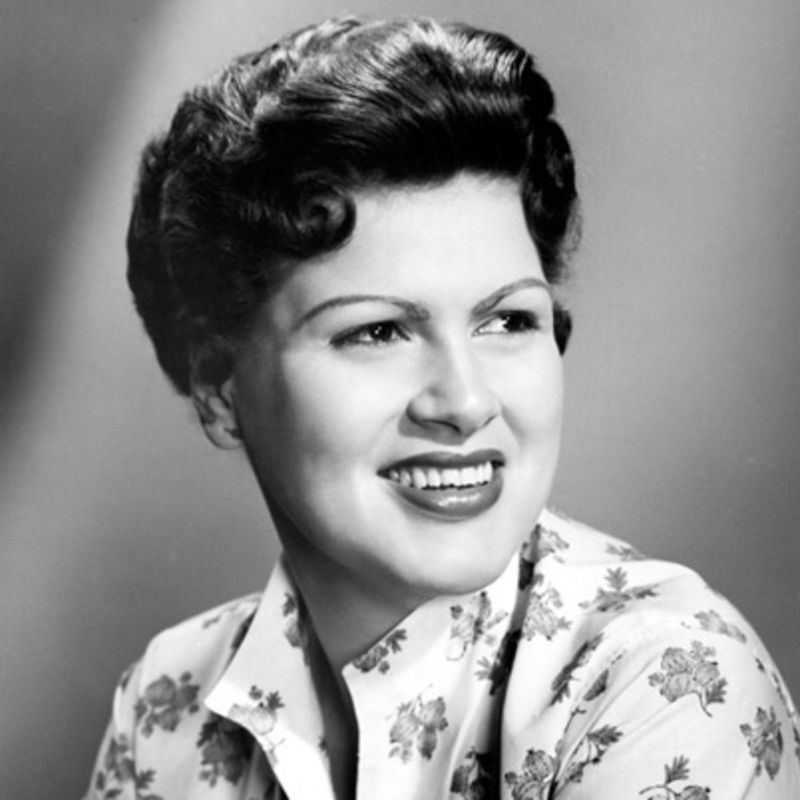
When Patsy Cline walked into a recording studio, magic happened.
Her rich, emotional voice brought country music to audiences who never listened to the genre before.
“Crazy” and “Walking After Midnight” showcased her ability to make every word feel personal.
She sang with a sophistication that elevated country music’s reputation in the early 1960s.
Tragically, a plane crash took her life at just 30 years old.
Despite her brief career, Cline’s influence on female country singers remains immeasurable, setting a standard for vocal excellence.
6. George Strait
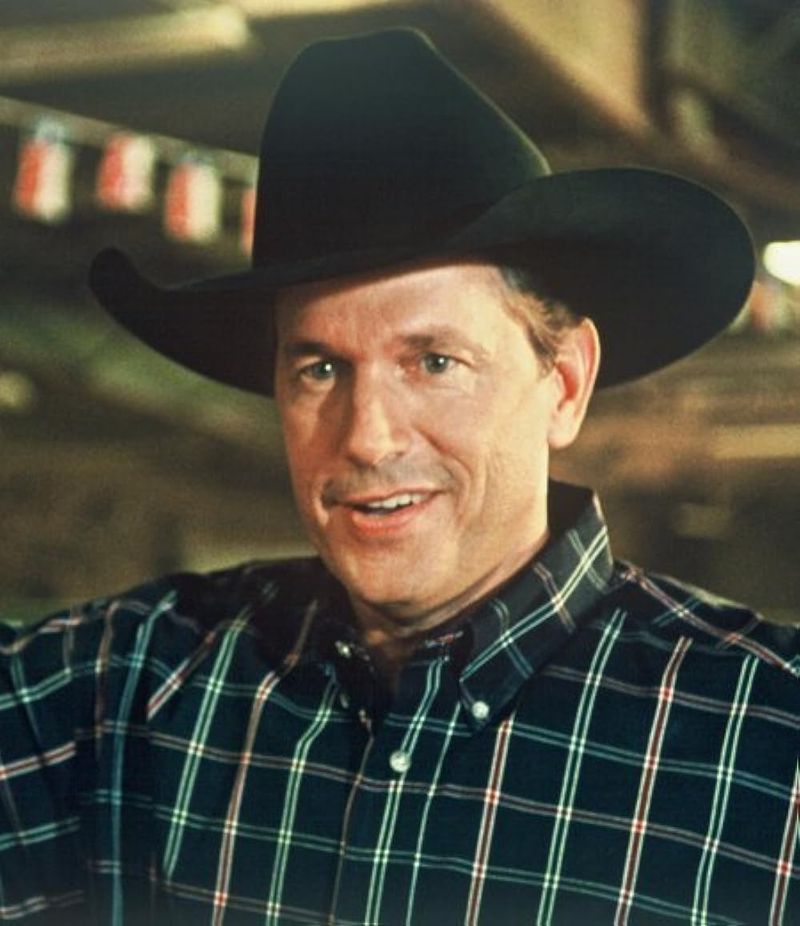
They call him the “King of Country” for good reason.
George Strait has more number-one hits than any other artist in any genre, with 60 chart-toppers spanning four decades.
While other artists chased pop sounds, Strait stayed faithful to traditional country.
His smooth voice and Texas honky-tonk style never went out of fashion because quality never does.
From “Amarillo By Morning” to “Check Yes or No,” his songs tell timeless stories.
Strait proved you could fill stadiums without compromising your musical integrity or cowboy roots.
7. Loretta Lynn
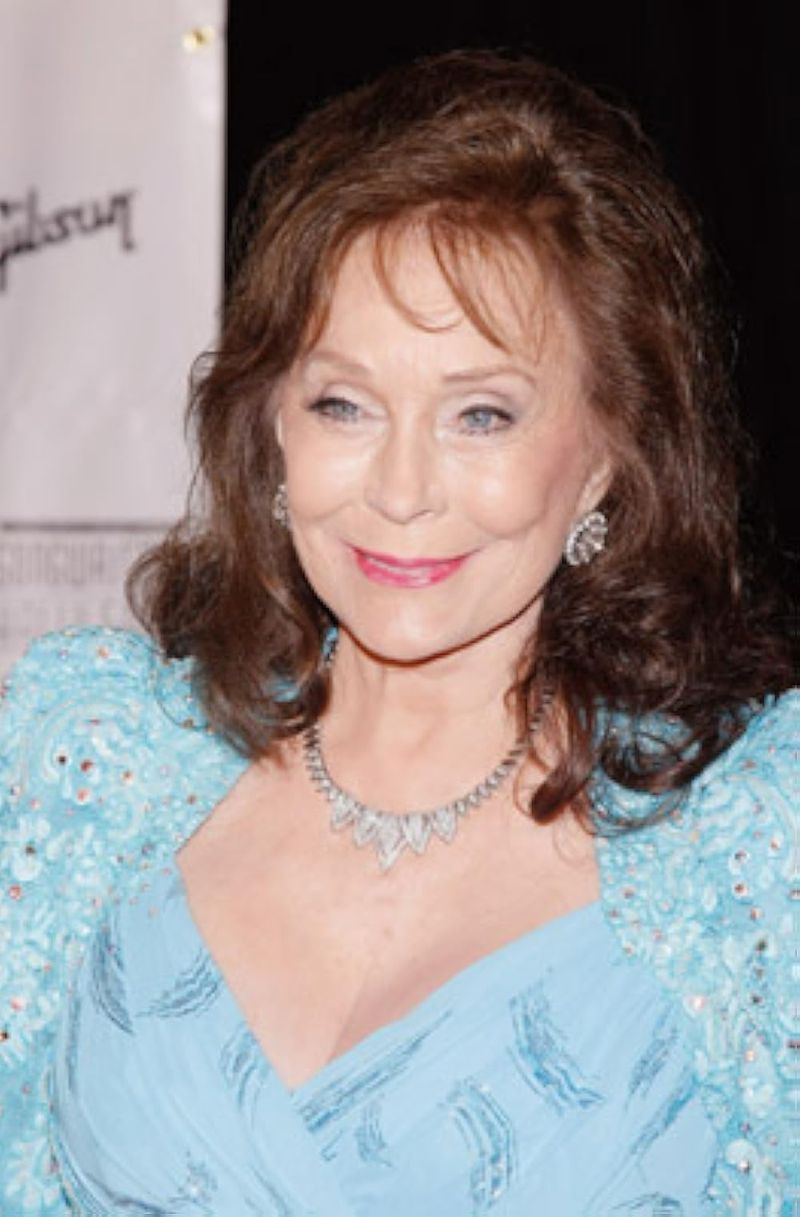
A coal miner’s daughter from Kentucky, Loretta Lynn sang about things women weren’t supposed to mention.
Her bold lyrics addressed birth control, cheating husbands, and working-class struggles with unflinching honesty.
“Don’t Come Home A-Drinkin'” and “The Pill” shocked conservative audiences but resonated with millions of women.
She gave voice to experiences that had been ignored in country music.
Lynn’s autobiography became a major motion picture, introducing her story to new audiences.
Her fearless approach to songwriting opened doors for every female country artist who followed.
8. Merle Haggard
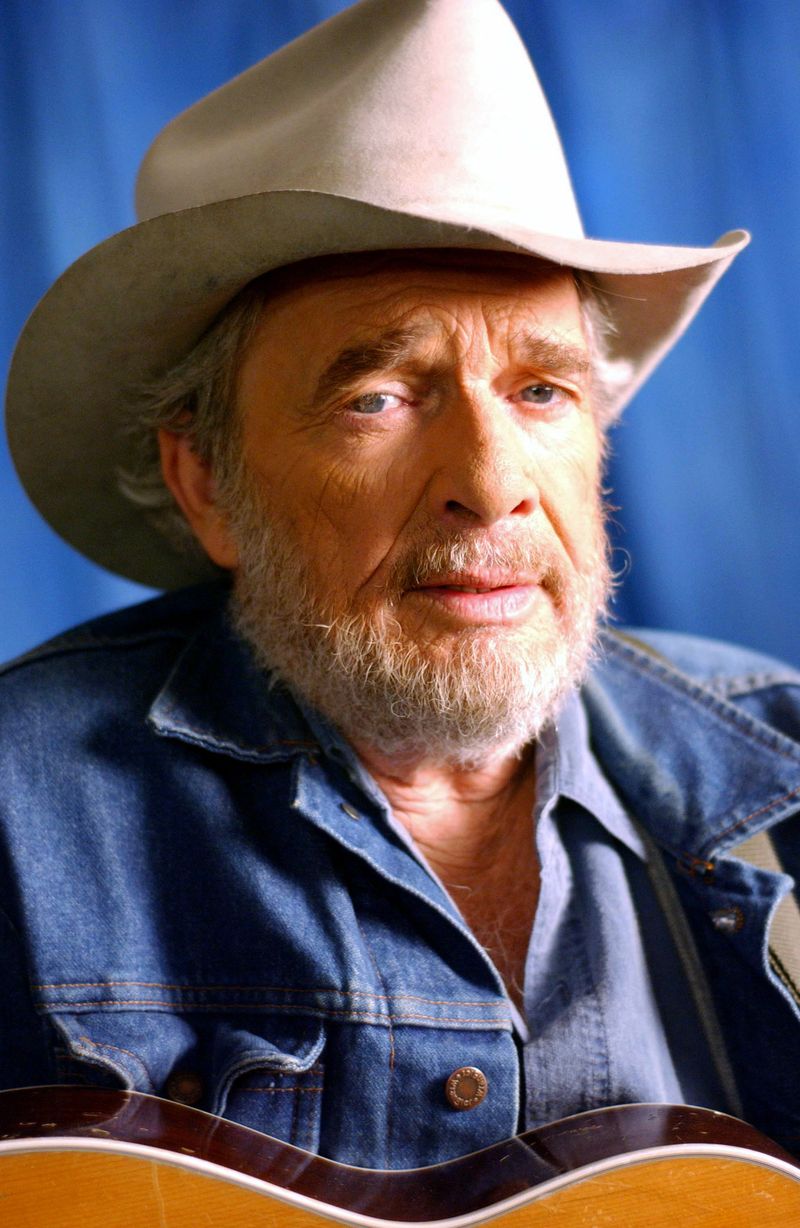
Prison nearly derailed Merle Haggard’s life before music saved him.
After serving time in San Quentin, he channeled his experiences into songs that captured working-class America’s pride and pain.
The Bakersfield sound he pioneered offered a grittier alternative to Nashville’s polished productions.
His Fender Telecaster twang and honest lyrics created anthems like “Okie from Muskogee” and “Mama Tried.”
Haggard wrote and recorded prolifically until his death in 2016.
His music documented the struggles of ordinary people with extraordinary empathy and understanding.
9. Garth Brooks
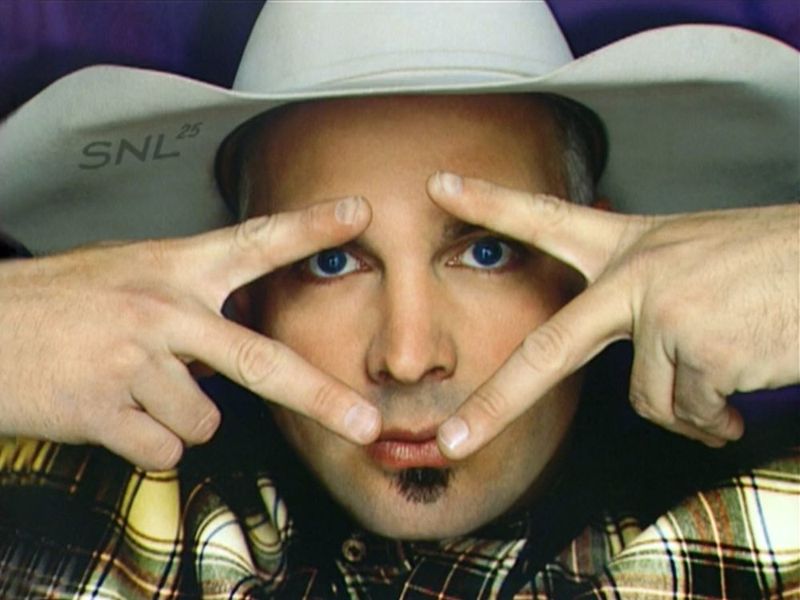
Nobody saw Garth Brooks coming.
This Oklahoma singer brought rock concert energy to country music, filling stadiums with theatrical performances that changed the genre’s commercial possibilities forever.
His 1990s dominance seemed unstoppable, with albums selling millions of copies.
“Friends in Low Places” became an anthem, while “The Dance” showed his emotional range.
Brooks understood spectacle and intimacy equally well.
By treating country concerts like rock shows, he attracted new audiences and proved country could compete with any musical genre commercially.
10. Shania Twain
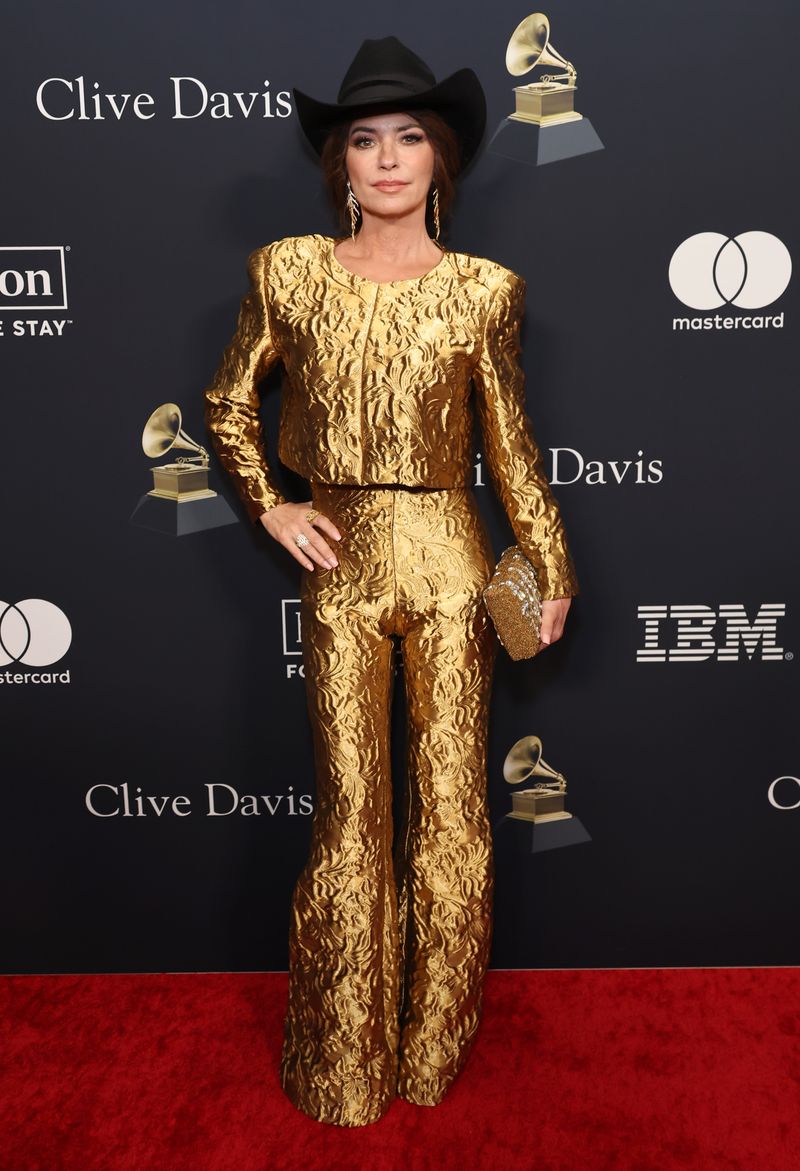
Canadian-born Shania Twain rewrote the rules for female country stars.
Her 1997 album “Come On Over” became the best-selling studio album by a female artist in any genre.
Mixing country with pop production, she created a sound that dominated radio worldwide.
Songs like “Man! I Feel Like a Woman!” celebrated female empowerment with infectious energy.
Her bold fashion choices and music videos brought visual excitement to country music.
Twain proved country artists could achieve global superstardom while maintaining their musical identity and personal style.
11. Jimmie Rodgers
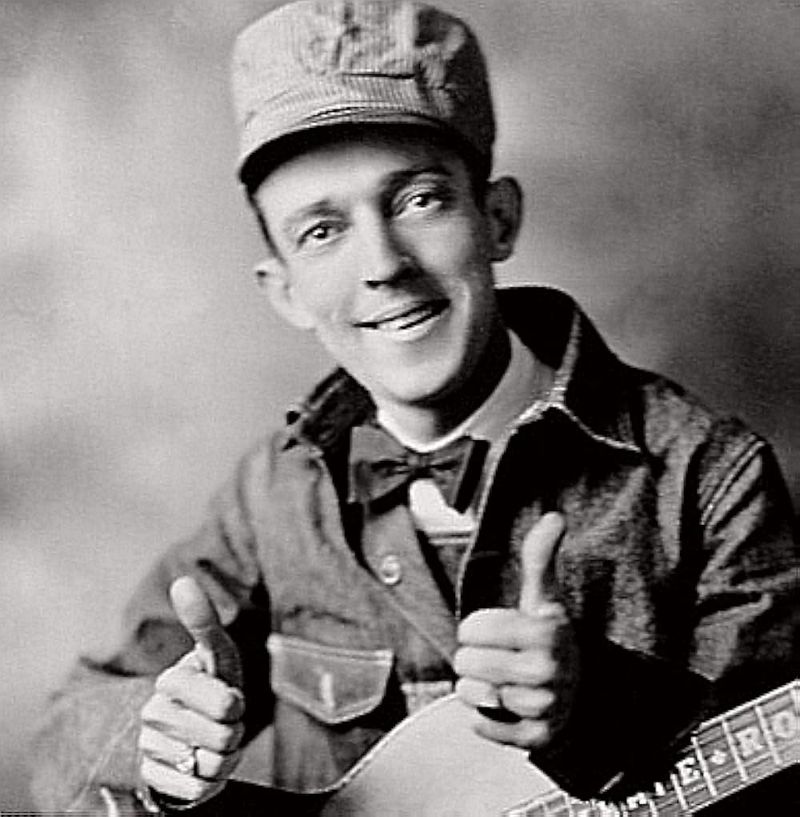
Before there was country music as we know it, there was Jimmie Rodgers.
The “Singing Brakeman” combined blues, folk, and yodeling into something entirely new in the late 1920s.
His blue yodel recordings influenced everyone from Hank Williams to modern country stars.
Despite battling tuberculosis, Rodgers recorded prolifically until his death at 35.
His legacy as the “Father of Country Music” isn’t just honorary.
Rodgers established the blueprint for country as a commercial genre, proving rural music could reach mass audiences nationwide.
12. Tammy Wynette
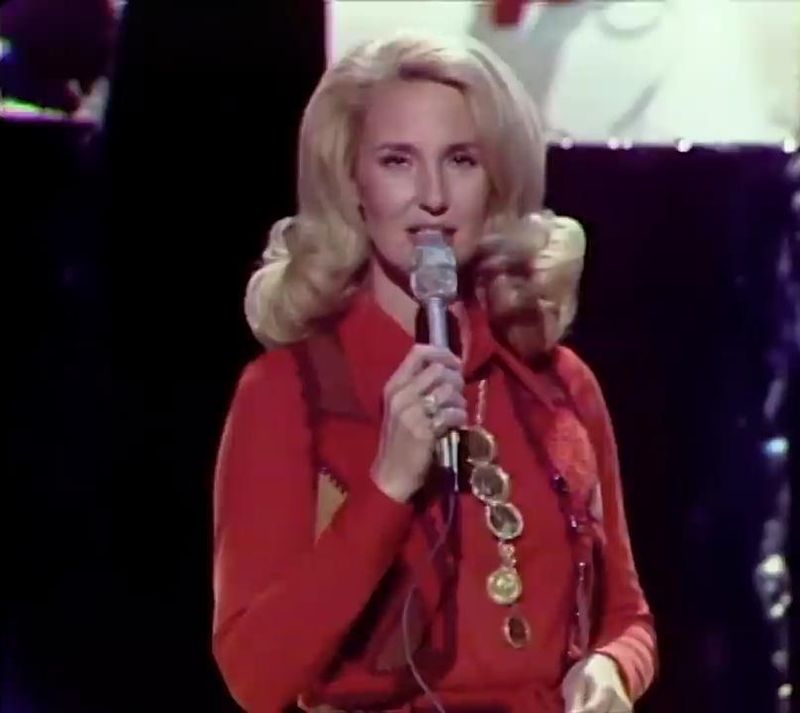
“Stand By Your Man” made Tammy Wynette famous and controversial simultaneously.
Her powerful voice and emotional delivery defined the Nashville sound’s golden era.
Born into poverty in Mississippi, she worked as a hairdresser before finding musical success.
Her songs about love’s complications resonated with millions facing similar struggles.
Wynette’s personal life, including her turbulent marriage to George Jones, often mirrored her heartbreak ballads.
She transformed pain into art, creating country classics that still move listeners decades later.
13. Waylon Jennings
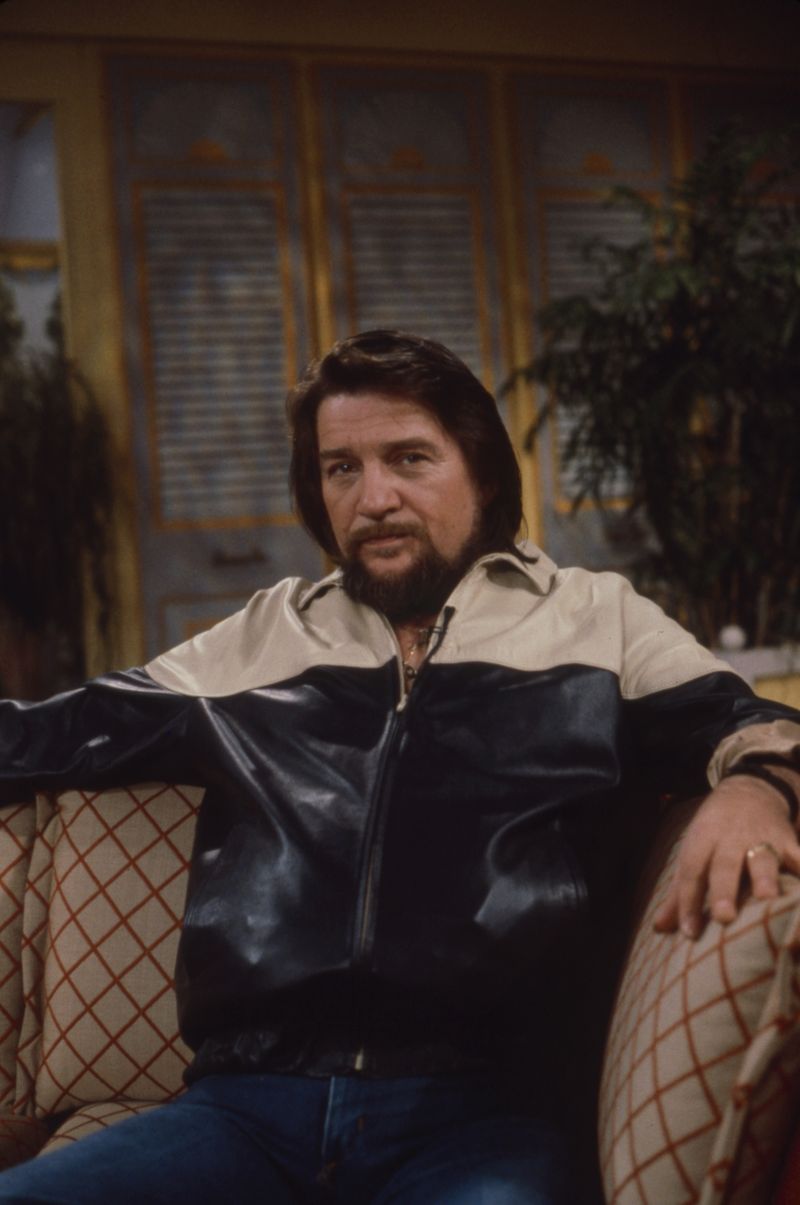
Waylon Jennings fought Nashville’s control over artists and won.
Alongside Willie Nelson, he spearheaded the outlaw country movement that gave musicians creative freedom over their recordings.
His deep voice and rock-influenced sound attracted fans beyond country’s traditional audience.
“Mammas Don’t Let Your Babies Grow Up to Be Cowboys” became an anthem for nonconformists.
Jennings proved artists could succeed on their own terms.
His battles with record labels paved the way for future generations to maintain artistic integrity while achieving commercial success.
14. Reba McEntire
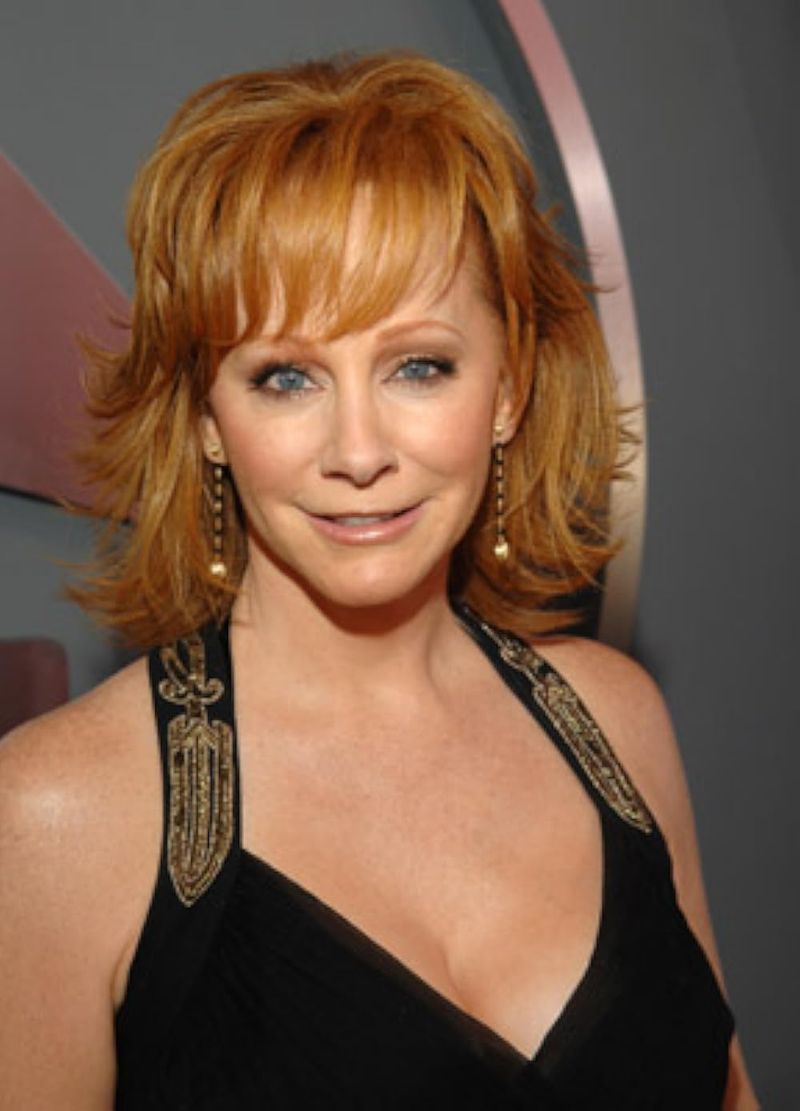
Oklahoma ranch girl Reba McEntire transformed into country music royalty through sheer determination and vocal power.
Her career spans five decades, adapting to changing trends while maintaining her distinctive sound.
From traditional country to pop-influenced hits, she navigated stylistic shifts brilliantly.
Her acting career, including a successful sitcom, expanded her influence beyond music.
McEntire’s business savvy matched her talent, building an entertainment empire.
She mentored younger artists while continuing to release music, proving longevity comes from evolution without losing your core identity.
15. Alan Jackson
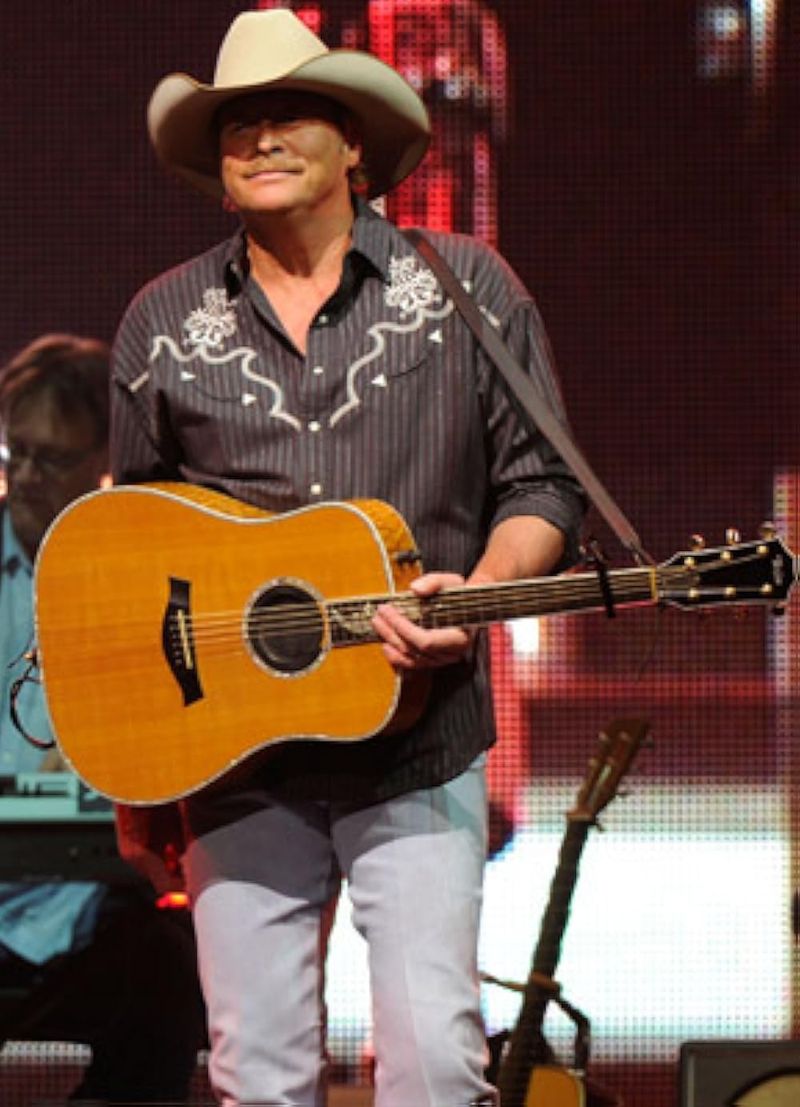
When country music went pop in the 1990s, Alan Jackson kept the honky-tonk flame burning.
His commitment to traditional sounds never wavered, even when trends pushed elsewhere.
“Chattahoochee” and “Remember When” showcased his gift for nostalgic storytelling.
His tall, lean frame and signature white hat became as recognizable as his Georgia drawl.
Jackson’s authenticity earned respect from purists and mainstream fans alike.
He proved traditional country could still top charts and fill arenas when performed with genuine passion and skill.
16. Taylor Swift
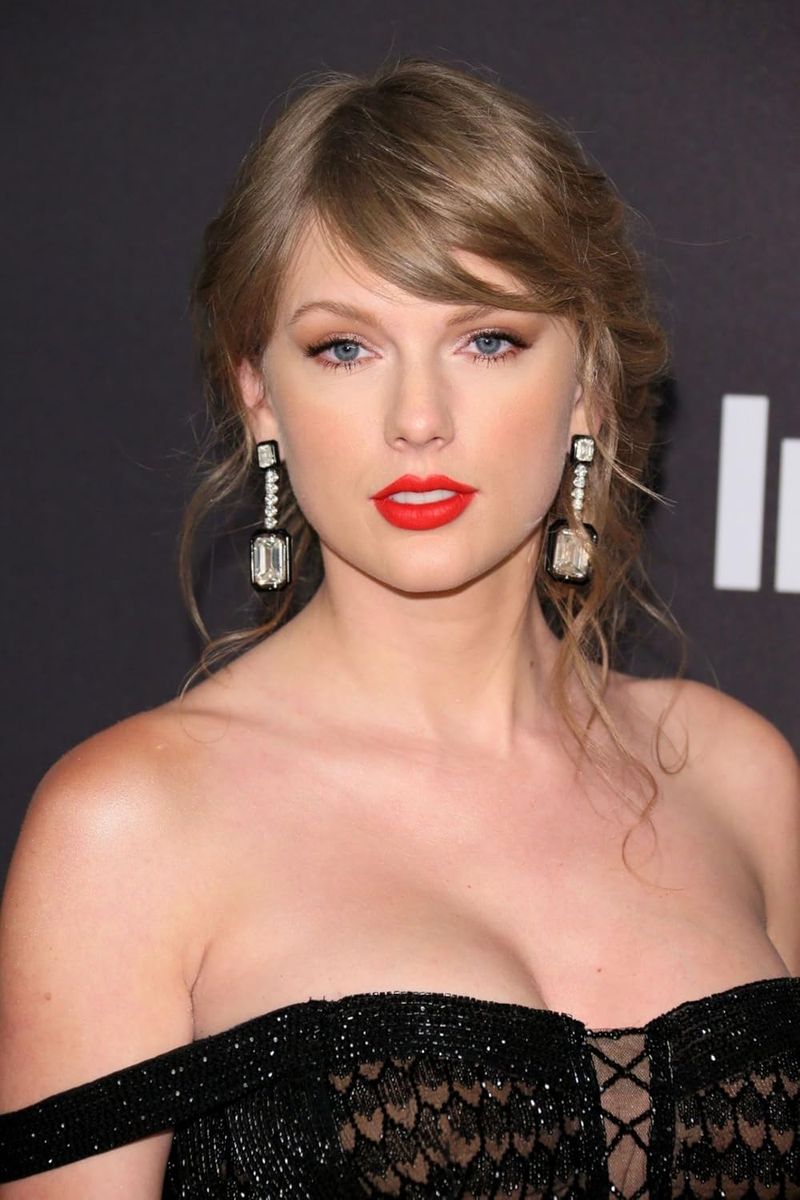
Starting as a Nashville teenager with a guitar, Taylor Swift revolutionized how young people connected with country music.
Her detailed songwriting about teenage experiences felt fresh and relatable.
Early hits like “Love Story” and “You Belong With Me” dominated country and pop charts simultaneously.
Her success demonstrated country’s potential to reach younger, more diverse audiences.
Though she eventually moved fully into pop, Swift’s country foundation shaped modern songwriting.
She proved country artists could evolve into global superstars while honoring their roots and early influences.
17. Carrie Underwood
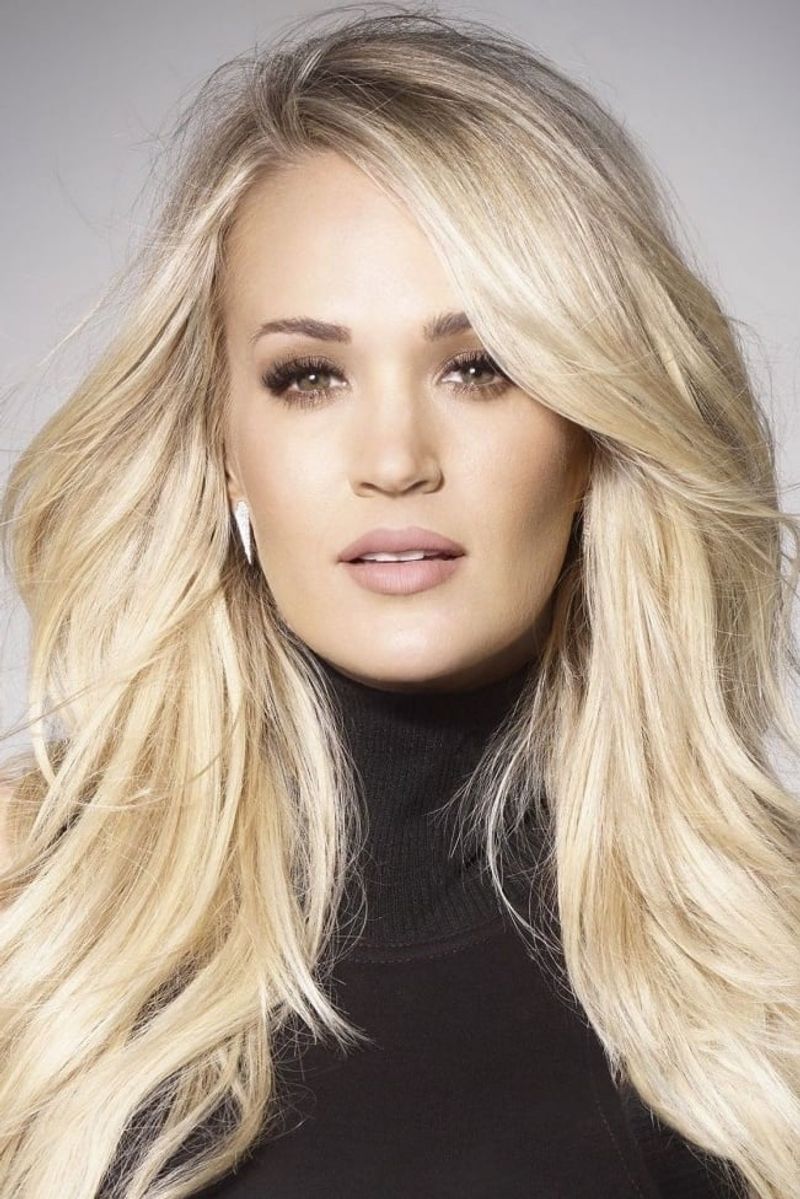
Winning “American Idol” launched Carrie Underwood into country superstardom.
Her powerhouse vocals and polished image brought contemporary sophistication to 21st-century country music.
“Before He Cheats” crossed over to pop audiences while maintaining country credibility.
Her vocal range rivals any genre’s best singers, bringing technical excellence to emotional storytelling.
Underwood balances mainstream appeal with country authenticity beautifully.
Her success showed reality television could launch legitimate country careers, not just fleeting fame, when combined with genuine talent.
18. Keith Urban
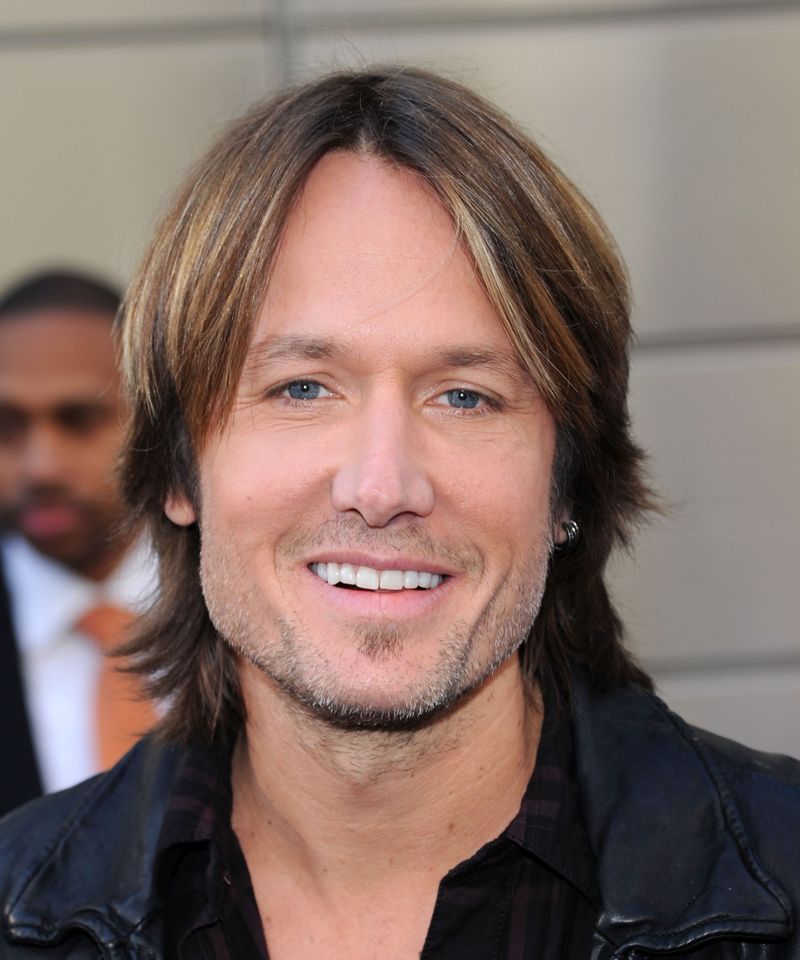
An Australian bringing rock energy to country music might sound unlikely, but Keith Urban made it work brilliantly.
His guitar skills and genre-blending approach attracted fans from multiple musical backgrounds.
Songs like “Somebody Like You” showcased his ability to merge country storytelling with rock production.
His marriage to actress Nicole Kidman brought additional mainstream attention.
Urban’s international perspective helped country music expand globally.
He demonstrated that country’s appeal transcends American borders when delivered with passion, skill, and respect for the genre’s traditions.
19. Brooks & Dunn
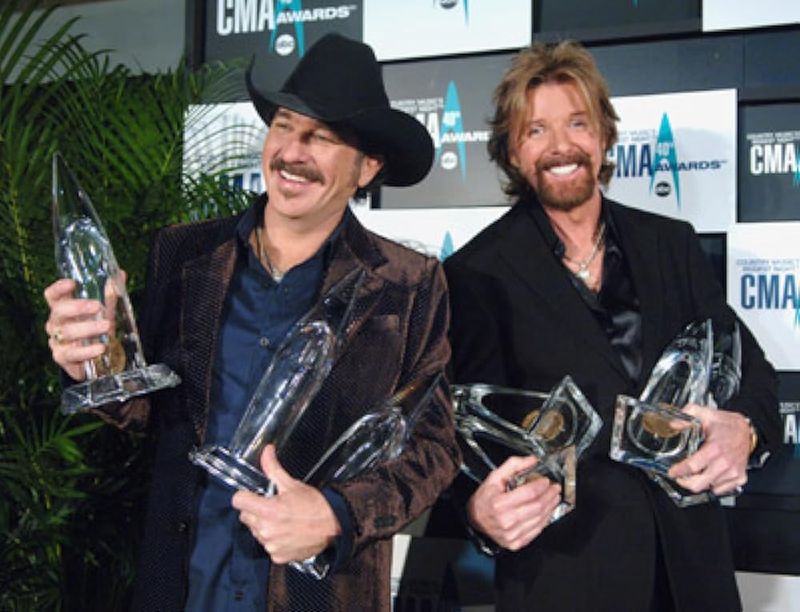
Kix Brooks and Ronnie Dunn created the most successful duo in country history.
Their chemistry produced 20 number-one hits, blending honky-tonk roots with arena-ready production.
“Boot Scootin’ Boogie” filled dance floors nationwide, while “Believe” showed their emotional depth.
Their energetic performances made them concert favorites for two decades.
Though they split in 2010, their influence on country duos remains unmatched.
They proved two voices could create something greater than individual careers, inspiring countless partnerships that followed.
20. Emmylou Harris
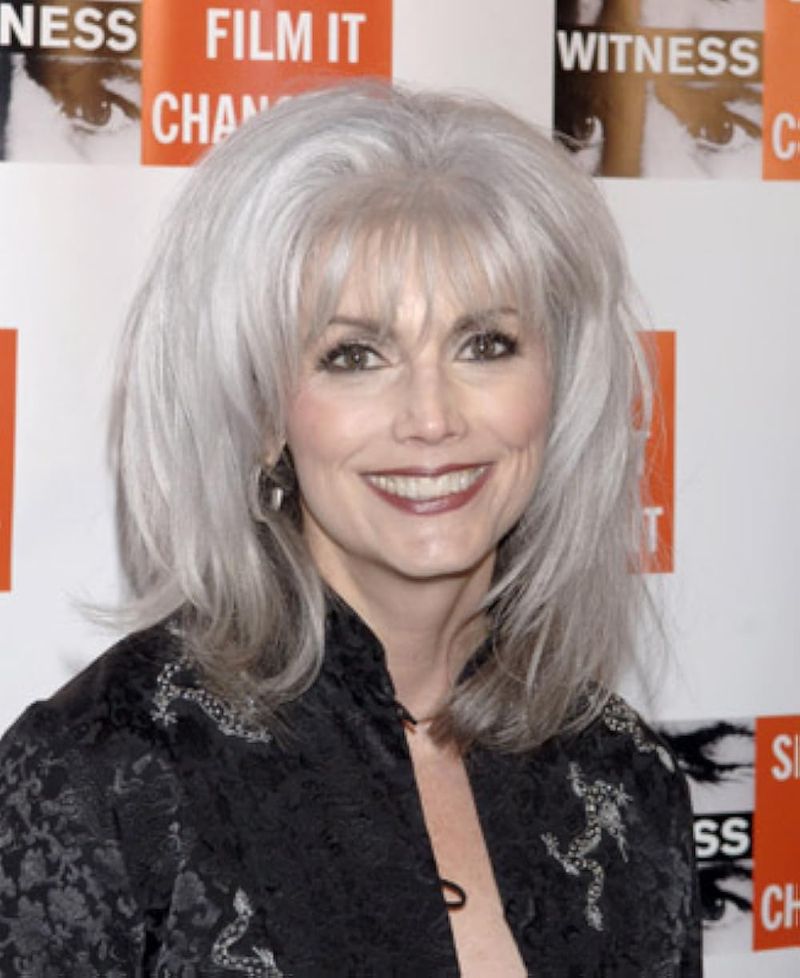
Emmylou Harris brought literary sophistication and folk sensibilities to country music.
Her crystalline voice and impeccable taste in material elevated every song she touched.
Working with Gram Parsons launched her career, but her solo work defined Americana as a genre.
She championed traditional music while collaborating with rock and alternative artists.
Harris’s influence extends beyond her own recordings.
Her production choices and artist collaborations helped preserve country’s roots while pushing creative boundaries, earning respect across musical genres.
21. Chris Stapleton
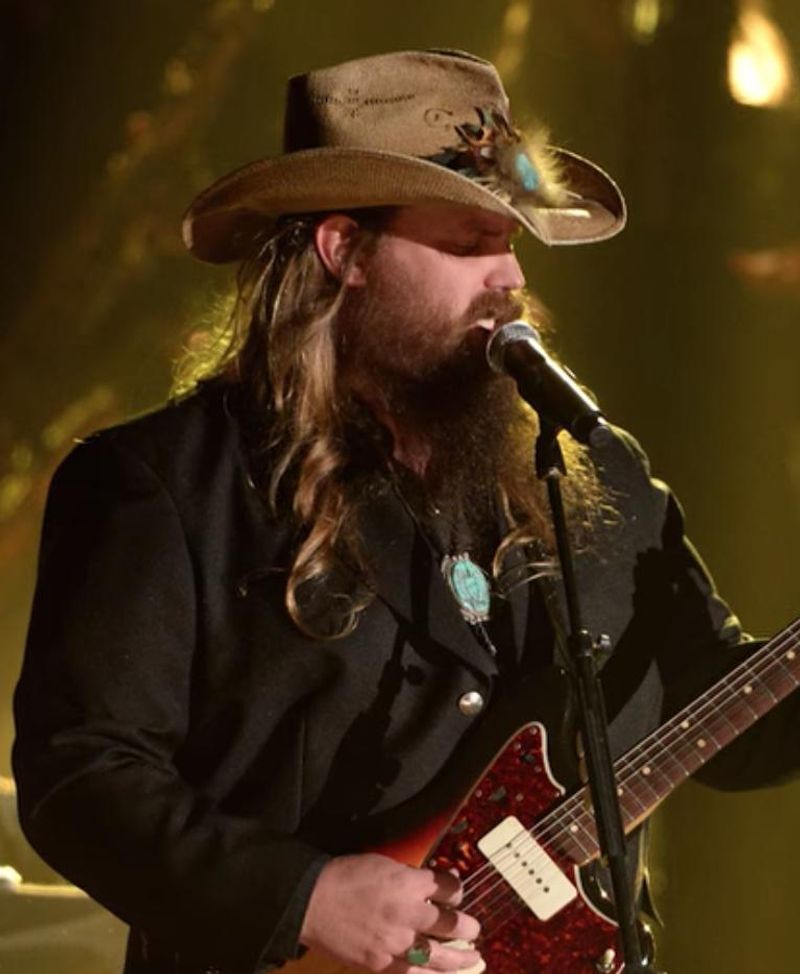
After years writing hits for other artists, Chris Stapleton stepped into the spotlight and changed modern country.
His soulful, blues-infused sound brought raw authenticity back to mainstream country.
His 2015 breakthrough performance at the CMA Awards shocked audiences.
That raspy voice and emotional intensity felt genuinely different from polished contemporary country.
Stapleton’s success proved audiences craved substance over formula.
His guitar-driven, soul-influenced approach inspired other artists to embrace rootsier sounds, shifting country’s creative direction toward greater authenticity.
22. Miranda Lambert

Texas firecracker Miranda Lambert writes songs that refuse to play nice.
Her bold, unapologetic lyrics address modern women’s experiences with refreshing honesty and occasional fury.
“Gunpowder & Lead” and “Mama’s Broken Heart” showcase her gift for turning personal pain into powerful anthems.
Her authenticity resonates with fans tired of sanitized country.
Lambert’s influence on contemporary country songwriting continues growing.
She proves female artists can be commercially successful while maintaining creative control and addressing complex, sometimes uncomfortable topics.
Comments
Loading…